русский
 Español
 Français
Home / Author / Lu Xinzhi — Overseas Product Sales Specialist / DH-6100 Wetting and Dispersing Agent for High-Performance Solvent-Borne Coatings and Inks
Lu Xinzhi — Overseas Product Sales Specialist

Content
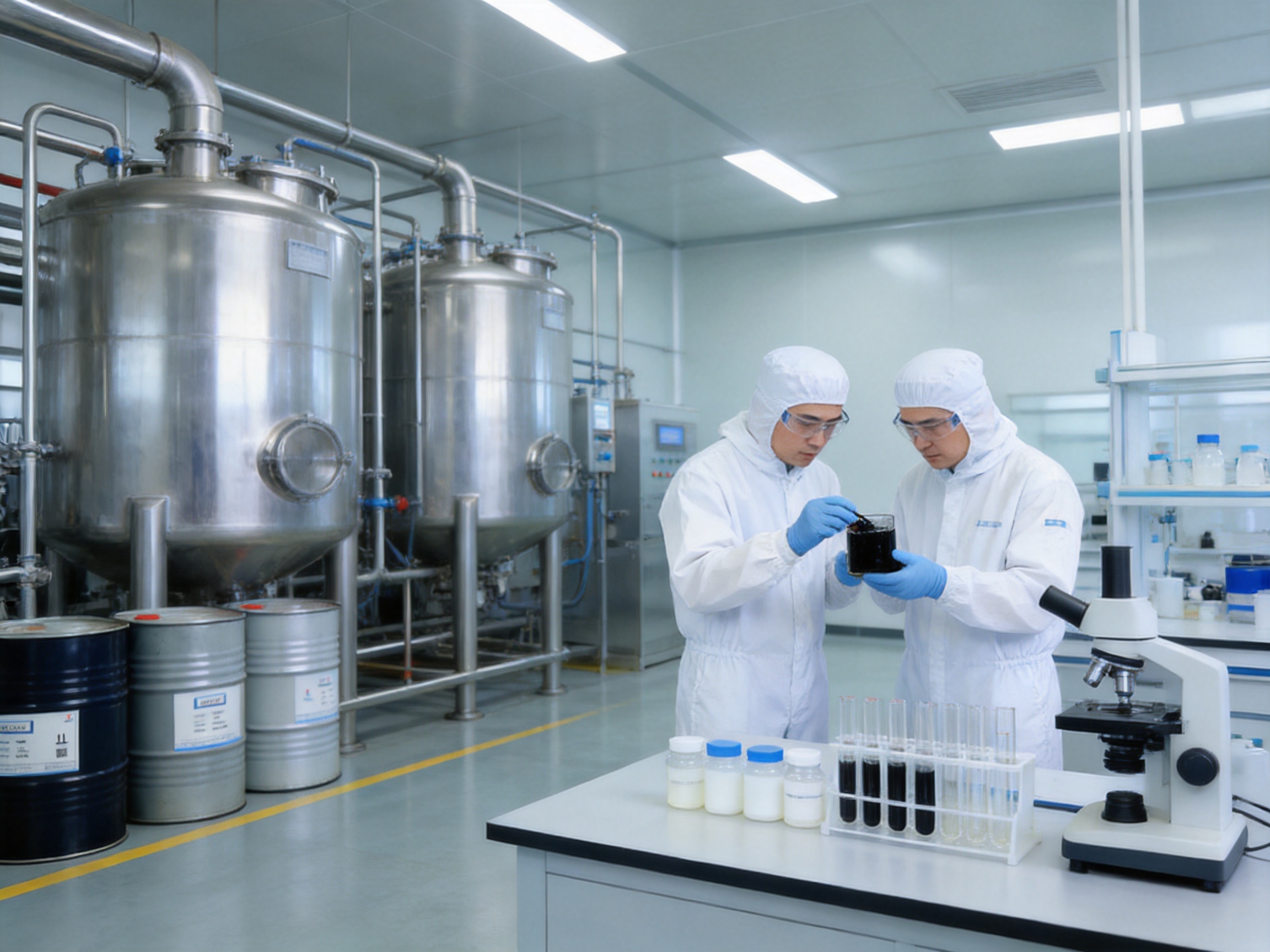
In solvent-borne coatings, printing inks, and adhesive formulations, pigment dispersion is one of the most important factors determining final product quality. A pigment may offer excellent color strength, opacity, transparency, or special-effect performance in its dry form, yet fail to deliver those properties if it is not properly wetted and stabilized during manufacturing. Poor dispersion can lead to excessive viscosity, extended grinding time, uneven color development, sedimentation, loss of gloss, reduced jetness, surface defects, and poor storage stability.
DH-6100 Wetting and Dispersing Agent is designed to address these challenges in demanding solvent-borne systems. It provides high dispersion efficiency, broad formulation applicability, strong pigment-wetting performance, and meaningful viscosity reduction during grinding. It is particularly suitable for medium-pigment carbon black, high-surface-area carbon black, and organic pigments. The product is also especially effective in alcohol-soluble polyurethane inks, where carbon black dispersion and viscosity control are often difficult to achieve simultaneously.
By reducing interfacial tension between the liquid medium and pigment surface, DH-6100 helps the formulation wet pigment particles more rapidly and thoroughly. Its dispersing action supports the breakdown of agglomerates and helps maintain a more stable distribution of fine particles. As a result, manufacturers can achieve shorter grinding cycles, better color development, improved gloss, and stronger storage stability while maintaining practical processing efficiency.
DH-6100 belongs to the solvent-borne dispersant category and is developed for coatings, inks, and related industrial formulations. Its primary role is to improve pigment wetting, promote efficient deagglomeration, reduce grinding viscosity, and stabilize the resulting dispersion against flocculation and sedimentation.
The product is particularly relevant to formulators working with carbon black and organic pigments. These pigment types often possess high surface areas and strong tendencies to form agglomerates. High-surface-area carbon black can be especially difficult to process because its fine particles require substantial amounts of liquid medium and energy to achieve a uniform dispersion. If the dispersant is not appropriately selected, the grind may become excessively viscous, limiting milling efficiency and reducing the achievable pigment concentration.
DH-6100 is positioned for applications that require both efficient processing and high optical performance. It is suitable for formulations where the finished product must deliver rich blackness, strong jetness, high gloss, consistent shade, and reliable storage behavior. The product is also identified as a performance option for comparison with Solsperse 20000 in applications involving medium-pigment carbon black.
| Product Item | Information |
|---|---|
| Product name | DH-6100 Wetting and Dispersing Agent |
| Product category | Solvent-borne dispersant |
| Primary pigment focus | Medium-pigment carbon black, high-surface-area carbon black, and organic pigments |
| Main functions | Pigment wetting, agglomerate reduction, grinding assistance, viscosity reduction, and dispersion stabilization |
| Key application area | Solvent-borne coatings, printing inks, alcohol-soluble polyurethane inks, and related systems |
| Performance reference | Comparable application focus to Solsperse 20000 for selected pigment systems |
| Main formulation benefits | Shorter grinding time, improved color development, better gloss, lower grinding viscosity, and improved storage stability |
Pigment particles rarely exist as completely independent units. During manufacturing, storage, transport, and handling, primary particles can join together through attractive forces and form larger agglomerates. These agglomerates may be difficult to break apart, particularly when pigments have a high surface area or strong surface energy.
When a pigment is introduced into a liquid binder or solvent system without adequate wetting, the liquid may not spread uniformly across the pigment surface. Air can remain trapped within the powder, and the pigment may resist incorporation into the liquid phase. The result is a slow and energy-intensive dispersion process. Even when the pigment eventually appears to be incorporated, residual agglomerates may remain and negatively affect the finished coating or ink.
A high-quality dispersant performs several related functions. First, it helps the liquid phase contact and wet the pigment surface. Second, it assists with the mechanical breakdown of agglomerates during high-speed mixing or milling. Third, it forms an adsorbed layer around pigment particles, helping prevent them from recombining after separation. These functions are closely related, but they must occur in a balanced manner. A dispersant that wets effectively but provides limited stabilization may not deliver reliable storage performance. Similarly, a product that stabilizes particles but does not reduce grinding viscosity may still create processing difficulties.
DH-6100 is designed to combine these functions in a practical solvent-borne package. Its performance is especially valuable in systems containing fine carbon black, where the relationship between pigment surface area, viscosity, and color development can be highly sensitive.
One of the main advantages of DH-6100 is its high dispersion efficiency. Efficient dispersion enables manufacturers to achieve a more uniform pigment distribution with less processing time and lower energy consumption. It can also help the formulator reach the required color strength and appearance with a more consistent production process.
High efficiency is not limited to the first stage of incorporation. A practical dispersant must remain effective throughout the grinding process and continue to support a stable pigment distribution after the finished product is adjusted to its final viscosity and solids content. DH-6100 is intended to support this complete processing sequence, from initial wetting to final storage.
DH-6100 effectively reduces surface tension and improves pigment wettability. This is important because the liquid phase must spread across the pigment surface before the pigment can be fully incorporated. Improved wetting can reduce floating powder, accelerate incorporation, and support more efficient use of mixing and milling equipment.
Better wetting is particularly helpful for carbon black. Carbon black particles can be extremely fine, and their high surface area increases the amount of liquid needed to coat the particle surface. If wetting is incomplete, the pigment may form dry lumps or persistent agglomerates. DH-6100 assists the liquid phase in contacting the pigment more effectively, improving the starting conditions for dispersion.
Excessive grind viscosity is one of the most common obstacles when processing carbon black and other high-surface-area pigments. High viscosity can limit mill throughput, reduce circulation, increase temperature, and prevent the formulator from reaching the desired pigment concentration. It can also make color matching and batch-to-batch control more difficult.
DH-6100 provides exceptional viscosity reduction when grinding carbon black. This benefit allows the pigment grind to remain more manageable during processing. Lower viscosity can improve material movement through the equipment, assist heat control, reduce mechanical stress, and support more efficient use of milling energy.
Viscosity reduction also has a direct effect on formulation flexibility. When the grind is less viscous, manufacturers may have more freedom to adjust pigment loading, solvent balance, resin content, and final solids. The precise result depends on the pigment, resin, solvent blend, equipment, and dosage, but the fundamental advantage is improved processing control.
By improving wetting and assisting pigment deagglomeration, DH-6100 can significantly shorten grinding time. A shorter grinding cycle may increase production capacity and reduce energy consumption per batch. It can also help limit the thermal history of sensitive formulations and reduce the risk of unwanted solvent loss or resin degradation during extended processing.
Shorter grinding time should not be understood as a substitute for proper equipment or process control. Milling intensity, bead size, temperature, circulation rate, and pigment concentration remain important. However, an effective dispersant can make the existing process more productive by helping the available mechanical energy act more efficiently on the pigment agglomerates.
For black inks and coatings, jetness is a critical optical property. It refers to the depth and visual richness of black color. A poorly dispersed carbon black may display a grayish or dull appearance because large agglomerates scatter light differently from a well-distributed fine pigment population.
DH-6100 delivers excellent jetness in appropriate carbon black formulations by supporting a more uniform pigment distribution and improved utilization of the pigment’s optical properties. The same dispersion quality can contribute to higher gloss, especially when the coating or ink forms a smooth, uniform film after application.
Gloss is affected by many factors, including binder selection, solvent evaporation, surface leveling, pigment concentration, substrate condition, and curing or drying conditions. Nevertheless, pigment dispersion remains fundamental. Large particles and unstable flocs can create microscopic surface irregularities that interfere with light reflection. A stable, fine dispersion provides a stronger foundation for smooth film formation and attractive surface appearance.
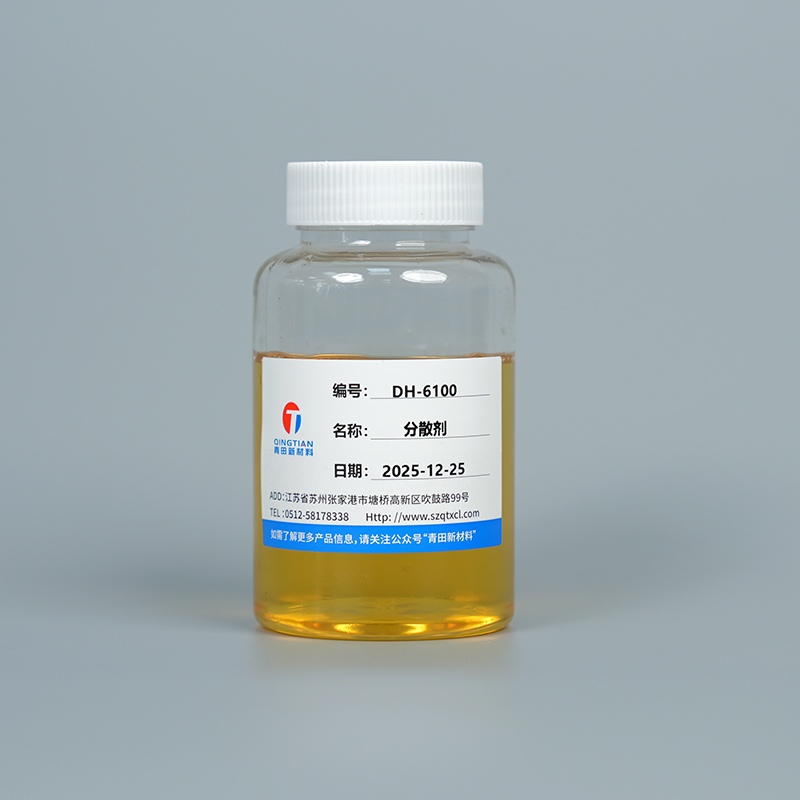
DH-6100 Wetting and Dispersing Agent
Carbon black is a demanding pigment class because its behavior is strongly influenced by particle size, structure, surface area, surface chemistry, and aggregate morphology. High-surface-area grades can provide excellent color strength and jetness, but they may also generate very high viscosity and require substantial dispersing effort.
DH-6100 exhibits outstanding grinding and dispersion capability for high-surface-area carbon black, including demanding grades such as Degussa FW2500. In these systems, the dispersant’s ability to reduce viscosity is particularly valuable. It helps the formulator process a pigment that might otherwise produce a thick, difficult-to-mill grind.
When high-surface-area carbon black is used in alcohol-soluble polyurethane inks, the processing challenge can become more complex. The formulation must balance pigment wetting, resin compatibility, solvent response, drying behavior, viscosity, color strength, and film performance. A dispersant that works well in a general solvent system may not automatically provide the same result in an alcohol-soluble polyurethane system.
DH-6100 is particularly effective for dispersing high-surface-area carbon black in alcohol-soluble polyurethane inks. Its superior viscosity reduction effects can support more practical grinding and help the formulator achieve strong blackness without allowing the grind to become unmanageable.
DH-6100 is also identified for medium-pigment carbon black applications. Medium-pigment grades may not present the same extreme surface-area challenge as ultra-fine carbon blacks, but they still require proper wetting and stabilization to achieve consistent color, gloss, and storage performance.
In medium-pigment carbon black systems, the product can help improve incorporation, reduce the risk of coarse particles, and support more reliable color development. It is positioned as a performance option comparable in application focus to Solsperse 20000. Formulators should verify performance in their own resin and solvent systems through side-by-side testing, because the final result depends on pigment chemistry, dosage, grinding conditions, and film requirements.
Organic pigments often have strong crystal forces, high color strength, and a tendency to form difficult agglomerates. Their dispersion behavior can vary widely from one pigment chemistry to another. A dispersant suitable for carbon black may not provide identical results with every organic pigment, but a broad-capability product can simplify formulation development across multiple color families.
DH-6100 possesses good dispersion capability for organic pigments. It can be considered for solvent-borne color concentrates, industrial coatings, printing inks, and other systems where fine pigment distribution and storage stability are required. Testing remains important for each pigment because pigment surface treatment, crystal form, particle size, and resin affinity can influence the optimum dispersant level.
The performance of a wetting and dispersing agent can be understood as a sequence of interrelated actions. During initial addition, DH-6100 helps reduce the interfacial barrier between the pigment and liquid medium. This promotes rapid wetting and assists the liquid in penetrating pigment agglomerates.
During high-speed dispersion or milling, mechanical energy is applied to break down agglomerates. DH-6100 helps ensure that newly exposed pigment surfaces are contacted by the liquid phase and associated with the dispersant. This can reduce the tendency of separated particles to immediately reunite.
After milling, the adsorbed dispersant layer contributes to steric or other stabilization effects, depending on the chemistry of the system. The stabilized particles are less likely to flocculate into larger structures during let-down, filling, transport, or storage. This supports consistent viscosity and color development over time.
The actual mechanism and strength of stabilization depend on the compatibility between the dispersant, pigment, resin, solvent, and other additives. For this reason, the best results are obtained when DH-6100 is evaluated as part of the complete formulation rather than as an isolated raw material.
Some formulations rely heavily on resin wetting or mechanical force without using a dedicated dispersant. This approach may work for simple, low-pigment systems, but it becomes less reliable as pigment surface area and concentration increase. Without targeted wetting and stabilization, the formulator may need longer grinding, higher energy input, or a lower pigment loading to maintain workable viscosity.
DH-6100 provides a more controlled approach. By actively improving pigment wetting and dispersion, it can reduce dependence on excessive milling time or high mechanical energy. It also helps address the storage stability problems that may remain after the initial dispersion appears acceptable.
Mechanical energy is necessary for pigment deagglomeration, but excessive grinding is not always beneficial. Prolonged milling may raise batch temperature, increase equipment wear, consume more energy, and create production bottlenecks. If the pigment is not stabilized as it is broken down, continued grinding may produce only limited additional benefit.
DH-6100 helps make mechanical energy more effective. It supports wetting and stabilization so that the grinding process can achieve the desired result more efficiently. This does not eliminate the need for suitable milling conditions, but it can improve the relationship between energy input and dispersion quality.
Some dispersants are highly specialized for a limited pigment or resin family. Although specialized products can be useful, a narrow application range may increase the number of raw materials a manufacturer must stock and complicate product development.
DH-6100 offers broader applicability across medium-pigment carbon black, high-surface-area carbon black, and organic pigments. This flexibility can be valuable to producers serving several markets, including industrial coatings, solvent-borne inks, and adhesive-related applications. A single dispersant may not replace every specialized additive, but broader suitability can simplify screening and inventory management.
Viscosity reduction alone does not guarantee good dispersion. A low-viscosity grind can still suffer from flocculation, color instability, poor gloss, or sedimentation if the pigment is not adequately stabilized. The advantage of DH-6100 is that viscosity reduction is combined with wetting, grinding assistance, and dispersion performance.
This combination is especially important for black pigments. The product is intended not only to make the grind easier to process but also to help deliver excellent jetness and gloss in suitable formulations.
Solvent-borne coatings are used in demanding applications where appearance, adhesion, corrosion resistance, chemical resistance, and application behavior must be balanced. Pigment dispersion influences many of these properties directly or indirectly.
In industrial coatings, a well-dispersed pigment can improve color uniformity across large production batches and reduce the risk of visible defects. In black coatings, improved dispersion can contribute to deeper color and higher gloss. In protective systems, a uniform pigment distribution may support more consistent film structure and reduce local defects.
DH-6100 can be evaluated in solvent-borne systems based on polyurethane, alkyd, acrylic, epoxy, and other compatible resin technologies. The final suitability should be confirmed through laboratory testing, with attention to resin compatibility, solvent balance, recoat behavior, drying speed, gloss, color development, and storage stability.
For high-pigment concentrates, formulators should assess the product’s influence on viscosity at both the grind stage and the let-down stage. Some additives perform well in a concentrated pigment paste but alter final coating viscosity after resin and solvent addition. A complete evaluation should therefore include the finished coating rather than the pigment grind alone.
Printing inks require consistent pigment distribution because even small variations can affect shade, strength, print density, gloss, rub resistance, and press performance. In high-speed printing, ink viscosity and flow must remain within a controlled range, while the pigment must remain stable during storage and circulation.
DH-6100 is particularly relevant to solvent-borne printing inks containing carbon black and organic pigments. Its viscosity-reduction effect can assist the preparation of concentrated pigment grinds, while its dispersion capability can support color development and optical density.
Alcohol-soluble polyurethane inks represent an important application area. These inks are often expected to deliver strong adhesion, flexibility, print quality, and resistance properties. Carbon black can be difficult to disperse in such systems because the formulation may combine a high-surface-area pigment with a resin and solvent package that has a narrow processing window.
By providing strong wetting and viscosity reduction for high-surface-area carbon black, DH-6100 can help ink manufacturers develop more practical grinding procedures. It may also support improved jetness and gloss, provided that the resin, solvent, pigment, and additive levels are properly balanced.
When screening DH-6100 in an ink formulation, manufacturers should evaluate color strength, jetness, gloss, viscosity, fineness of grind, transparency or opacity as applicable, storage stability, print density, drying behavior, rub resistance, and adhesion. The appropriate test list depends on the printing process and substrate.
For gravure and flexographic inks, viscosity behavior under shear and during circulation may be particularly important. For other solvent-borne ink technologies, transfer, drying, resolubility, and film formation may receive greater emphasis. DH-6100 should be assessed under realistic production and application conditions.
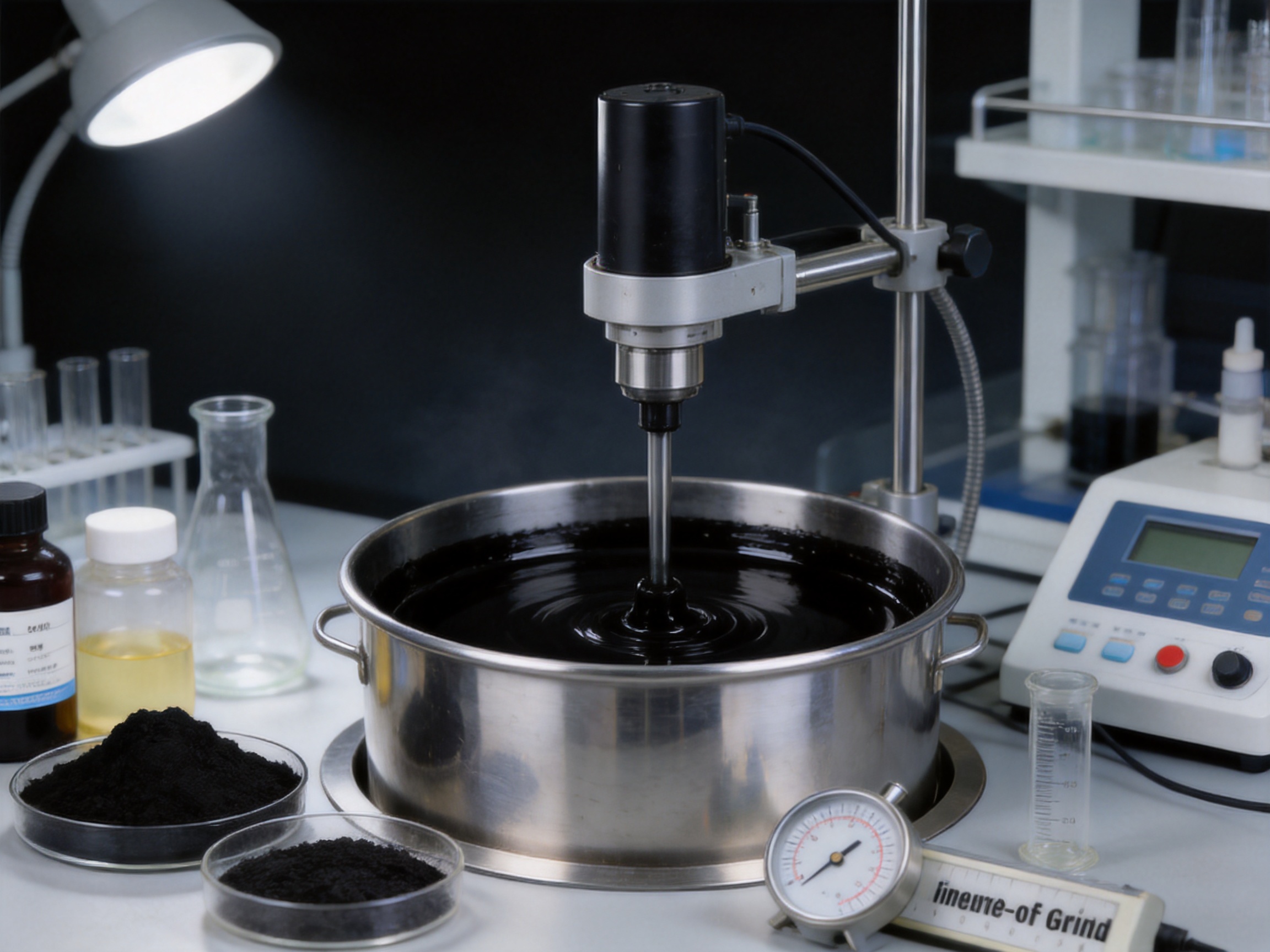
The quality of a dispersant depends not only on its chemical design but also on the consistency of its manufacturing process. Variations in raw materials, reaction control, filtration, blending, packaging, or testing can create batch-to-batch differences that are difficult for coating and ink manufacturers to manage.
Suzhou Qingtian New Material Co., Ltd. is a professional supplier of raw materials for coatings, inks, and adhesives. Since its establishment in 2012, the company has developed an experienced team that includes research and development specialists and sales professionals. Its operations are supported by a modern production facility, advanced testing equipment, and research capabilities.
The company’s product portfolio includes dispersants, leveling agents, defoamers, adhesion promoters, anti-settling agents, cooling agents, conductive agents, orange peel texture agents, texture powders, and wax powders. This broad portfolio gives the company practical experience across several additive functions rather than limiting its expertise to one isolated product category.
For customers evaluating DH-6100, this broader product and application background can be valuable. Pigment dispersion rarely operates independently from other additive functions. A coating may require a dispersant, defoamer, leveling agent, anti-settling agent, and adhesion promoter in the same formulation. A supplier with experience across these categories can provide a more integrated understanding of formulation interactions.
The company’s development history includes the creation of China’s first ice flower resin in 2016 and recognition as a National High-Tech Enterprise in 2020. These milestones indicate an emphasis on product development and technical advancement. In 2021, the company moved to Lingrui Intelligent Manufacturing Park in Zhangjiagang High-Tech Zone to strengthen research and production capacity.
For a dispersant manufacturer, research capability is important because pigment and resin technologies continue to evolve. New carbon black grades, high-solid systems, specialty inks, environmentally adjusted solvent packages, and advanced coating applications all create new compatibility challenges. A product such as DH-6100 must be supported by ongoing evaluation of pigment behavior, formulation interactions, and production performance.
Advanced testing equipment supports the evaluation of dispersion quality and finished formulation behavior. Relevant testing may include fineness of grind, viscosity, color strength, gloss, storage stability, sedimentation, compatibility, and application performance. While individual test methods depend on the product and customer specification, systematic testing is essential for reliable quality control.
Quality control should cover incoming raw materials, production stages, final product characteristics, and packaging conditions. Consistent manufacturing reduces the risk that customers will need to make major formulation adjustments from one batch to the next.
For customers purchasing DH-6100, technical communication remains important. The best additive level may vary according to pigment surface area, pigment loading, resin polarity, solvent composition, and grinding equipment. A supplier with testing and application experience can help customers establish a practical starting point and identify the most important performance indicators.
Begin by identifying the pigment type, pigment manufacturer, surface area, structure, surface treatment, and target loading. Carbon black grades with different surface areas may require significantly different dispersant levels and processing conditions. For organic pigments, color index, particle size, crystal form, and surface treatment should be recorded where available.
The resin and solvent system should also be clearly defined. Important factors include resin polarity, molecular weight, functional groups, solvent strength, alcohol content, aromatic or aliphatic character, and final solids. These variables influence the interaction between DH-6100, the pigment, and the liquid phase.
Prepare a consistent grind base using the selected solvent, resin portion, pigment, and DH-6100. The addition sequence should be recorded carefully. In many systems, the dispersant should be adequately incorporated into the liquid phase before or during pigment addition, but the best sequence should be confirmed experimentally.
Use controlled mixing conditions so that comparisons are meaningful. Record mixing time, speed, temperature, pigment concentration, and equipment type. If the formulation is intended for production, laboratory conditions should approximate the shear profile and temperature range of the manufacturing process as closely as possible.
Evaluate a practical range of DH-6100 levels rather than assuming that a higher dosage will always produce better performance. Too little dispersant may result in incomplete wetting or poor stability. Excessive dosage may influence final viscosity, water resistance, drying behavior, gloss, adhesion, or other coating properties.
For carbon black, the optimum level often depends strongly on surface area. High-surface-area grades usually require more interfacial coverage than medium-pigment grades, but the relationship is not strictly linear. The optimum should be determined by performance testing.
Compare grinding time, temperature rise, viscosity, fineness of grind, and energy demand. If available, monitor the change in viscosity during milling. A well-performing dispersant may produce a lower initial grind viscosity and faster approach to the target fineness.
For high-surface-area carbon black, pay particular attention to whether the grind remains pumpable and whether the equipment can maintain effective circulation. A small improvement in viscosity may create a substantial production benefit when the original grind is close to the equipment’s operating limit.
After let-down, evaluate jetness, color strength, gloss, shade, transparency or opacity, and film appearance. Apply the coating or ink using a controlled method and compare results against a current standard or competitor reference.
For products benchmarked against Solsperse 20000, side-by-side testing should use the same pigment, resin, solvent blend, pigment loading, grinding equipment, and application conditions. This provides a more reliable comparison than evaluating each product under different laboratory conditions.
Storage stability is one of the principal advantages expected from an effective dispersant. Samples should be stored under suitable ambient and accelerated conditions, then evaluated for viscosity change, sedimentation, hard settling, flocculation, color shift, gloss change, and ease of redispersion.
A dispersion that performs well immediately after grinding but develops hard sediment or significant viscosity drift during storage may not be suitable for commercial use. DH-6100 is designed to significantly improve product storage stability, but the result still depends on complete formulation balance and appropriate dosage.
Coatings and inks commonly contain multiple additives. Defoamers, leveling agents, anti-settling agents, adhesion promoters, wax additives, and flow modifiers can interact with the dispersant and pigment surface. These interactions may be beneficial or detrimental depending on concentration and addition sequence.
DH-6100 should therefore be tested in the complete formulation. A defoamer added too early or at an excessive level may interfere with pigment wetting. A strong leveling agent may influence surface properties and change the apparent gloss benefit of improved dispersion. An anti-settling additive may affect viscosity and sedimentation independently of the dispersant.
When troubleshooting, change one major variable at a time. Establish a baseline using the current formulation, then compare DH-6100 at controlled dosage levels. This makes it easier to distinguish improvements caused by pigment dispersion from changes caused by other additives.
DH-6100 can be considered for a range of solvent-borne applications. These include industrial coatings, printing inks, polyurethane inks, color concentrates, protective coatings, plastic coatings, wood coatings, metal coatings, and adhesive-related formulations where pigment dispersion is required.
The company’s wider product range serves steel and aluminum coil coatings, plastic coatings, UV curing, anti-corrosion coatings, wood coatings, glass coatings, epoxy flooring, printing inks, power batteries, photovoltaic panels, and other industries. This application exposure reflects the broad requirements of modern coating and ink manufacturing.
In steel and aluminum coil coatings, color consistency and surface appearance are important for continuous production. In plastic coatings, adhesion and flexibility must be balanced with pigment dispersion and gloss. In wood coatings, smoothness, transparency, and appearance are often central. In printing inks, viscosity control and optical density are closely connected to press performance. A versatile dispersant can provide value across these different environments when matched correctly to the formulation.
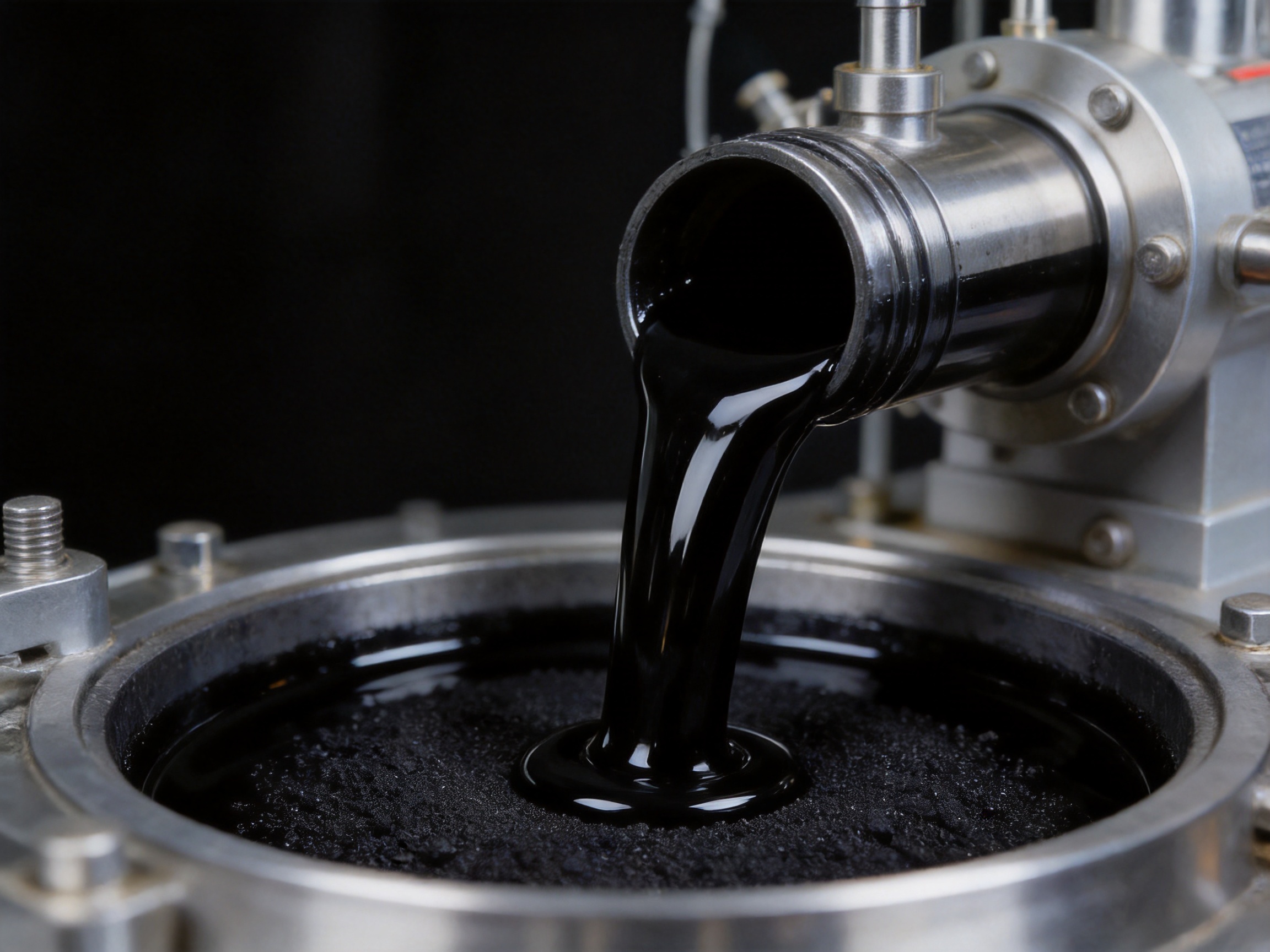
Slow incorporation may result from inadequate wetting, an unsuitable addition sequence, insufficient shear, or excessive pigment concentration. Confirm that DH-6100 is adequately mixed into the liquid phase and that the pigment is added under conditions that prevent dry agglomerates from forming. Check whether the solvent and resin package is compatible with the dispersant.
High viscosity may be caused by high pigment surface area, insufficient dispersant, excessive pigment loading, or an unsuitable resin-solvent balance. DH-6100 is particularly intended to provide viscosity reduction during carbon black grinding. Compare dosage levels while monitoring both initial viscosity and viscosity after milling.
Poor jetness may indicate incomplete deagglomeration, pigment flocculation, unsuitable pigment selection, or excessive film roughness. Check the fineness of grind and compare the color strength of fresh and stored samples. A more effective dispersant level may improve pigment utilization, but application film thickness and binder selection should also be reviewed.
Low gloss can be caused by pigment flocculation, coarse particles, surface defects, poor leveling, rapid solvent evaporation, or incompatible additive combinations. Evaluate the dispersion under a microscope if possible, compare fineness of grind, and test the complete coating with and without other surface-active additives.
Sedimentation may result from insufficient stabilization, excessive particle size, density differences, or an unsuitable final viscosity. Determine whether the sediment is soft and easily redispersed or hard and compacted. Hard settling often indicates inadequate stabilization or severe flocculation. DH-6100 can improve storage stability, but the final formula may also require an anti-settling agent or adjustment of the resin and solvent balance.
Aging-related viscosity increase may be associated with flocculation, pigment-resin interaction, solvent loss, or chemical changes in the binder. Compare samples stored in sealed containers and examine color strength and fineness of grind after aging. If the increase is pigment-related, reassessing dispersant dosage and addition sequence may be beneficial.
DH-6100 should be handled according to the current technical data sheet, safety data sheet, and applicable workplace regulations. Users should confirm recommended storage conditions, personal protective equipment, ventilation requirements, spill procedures, and compatibility with production equipment before commercial use.
Because the product is intended for solvent-borne systems, attention should be given to solvent handling, ignition sources, vapor control, and static electricity. The additive should be stored in suitable closed containers and protected from contamination. Any specific shelf-life and temperature recommendations should be confirmed with the supplier before long-term storage.
Technical evaluation should include laboratory screening, pilot-scale production, and, where appropriate, full production validation. A formulation that performs well in a small laboratory batch may behave differently at larger scale because of changes in shear, heat transfer, circulation, and residence time. Scale-up testing helps confirm that the benefits of viscosity reduction and shorter grinding time are maintained in production.
A raw-material supplier contributes more than a product name and a shipment. Customers need consistent quality, responsive technical communication, application guidance, and dependable supply. Suzhou Qingtian New Material Co., Ltd. presents itself as a professional company specializing in raw materials for coatings, inks, and adhesives, with an experienced team and modern production support.
The company focuses on innovation, quality, service, and win-win cooperation. This business approach is relevant to customers developing or reformulating products because dispersant selection often requires several rounds of testing. Reliable communication can shorten the time needed to identify a suitable dosage and resolve compatibility issues.
The company’s location in Zhangjiagang, Jiangsu Province, supports its identity as a Chinese industrial chemical supplier serving domestic and international customers. Its technical and manufacturing development, including the move to Lingrui Intelligent Manufacturing Park, is intended to strengthen production and research capabilities.
Customers evaluating DH-6100 may request technical information related to recommended applications, product specifications, packaging, sample availability, storage, and commercial supply. Clear communication of the pigment type, resin system, solvent composition, target viscosity, and current performance problem will help the supplier provide more relevant support.
DH-6100 Wetting and Dispersing Agent is designed for formulators who need efficient pigment wetting, strong dispersion, lower grinding viscosity, shorter processing time, and improved storage stability in solvent-borne systems. Its performance is particularly relevant to medium-pigment carbon black, high-surface-area carbon black, and organic pigments.
The product offers notable advantages in demanding carbon black applications. It can significantly reduce viscosity during grinding, support effective deagglomeration, and help deliver excellent jetness and gloss. Its application in alcohol-soluble polyurethane inks is especially important because these systems often require a careful balance between high pigment performance and practical processing viscosity.
Compared with dispersion approaches based only on resin wetting or extended mechanical grinding, DH-6100 provides a more targeted method for improving pigment incorporation and stabilization. Compared with narrowly focused additives, its suitability for multiple pigment groups may provide greater formulation flexibility. The product is also identified as a performance reference for medium-pigment carbon black in comparison with Solsperse 20000, subject to application-specific validation.
The product is supported by a company with experience in coatings, inks, adhesives, and a broad range of functional additives. Its research team, testing equipment, production facilities, manufacturing development, and application-oriented product portfolio provide a foundation for consistent supply and technical cooperation.
As with any specialty additive, final performance depends on dosage, pigment characteristics, resin chemistry, solvent selection, grinding equipment, and application conditions. A structured evaluation remains essential. When properly matched to the formulation, DH-6100 can help manufacturers improve production efficiency, optical performance, and long-term product reliability.
DH-6100 is a wetting and dispersing agent for solvent-borne coatings, printing inks, alcohol-soluble polyurethane inks, and related formulations. It improves pigment wetting, assists dispersion, reduces grinding viscosity, shortens grinding time, and supports storage stability.
The product is especially suitable for medium-pigment carbon black, high-surface-area carbon black, and organic pigments. It is particularly effective when used with demanding carbon black grades that generate high viscosity during grinding.
Yes. DH-6100 exhibits outstanding grinding and dispersion capability for high-surface-area carbon black, including demanding grades such as Degussa FW2500. It is also particularly effective in alcohol-soluble polyurethane inks containing high-surface-area carbon black.
DH-6100 provides exceptional viscosity reduction during carbon black grinding. This can make the grind easier to circulate and process, improve milling efficiency, and support higher practical pigment loading. The exact result depends on pigment surface area, dosage, resin, solvent, and equipment.
In suitable formulations, DH-6100 can improve jetness and gloss by supporting a finer and more stable pigment dispersion. Final optical performance also depends on binder selection, pigment grade, film thickness, application method, and drying or curing conditions.
DH-6100 is identified as a performance reference for Solsperse 20000 in medium-pigment carbon black applications. A direct comparison should be conducted using the same pigment, resin, solvent blend, dosage basis, grinding process, and application conditions.
The optimum dosage should be determined experimentally because pigment surface area, pigment loading, resin polarity, solvent composition, and target performance all influence the required level. A dosage screening study is recommended instead of selecting a level solely by pigment weight.
It can significantly shorten grinding time by improving pigment wetting and assisting agglomerate breakdown. The actual production benefit depends on milling equipment, pigment concentration, temperature control, and the starting condition of the formulation.
Yes. One of its stated benefits is improved product storage stability. It helps stabilize pigment particles after grinding, reducing the tendency toward flocculation and sedimentation. Complete formulation testing remains necessary because resin, solvent, viscosity, and other additives also affect storage behavior.
Yes. It is suitable for solvent-borne printing inks, including alcohol-soluble polyurethane inks. It can support color development, viscosity control, jetness, gloss, and pigment stability in appropriately designed ink systems.
Useful information includes pigment name and grade, pigment loading, resin type, solvent blend, current dispersant, grinding equipment, target viscosity, application method, storage requirements, and the specific problem being addressed. This information helps technical personnel recommend a more relevant evaluation plan.
DH-6100 is supplied by Suzhou Qingtian New Material Co., Ltd., a Chinese company based in Zhangjiagang, Jiangsu Province. The company operates in the field of coating, ink, and adhesive raw materials and maintains production, research, and testing capabilities.
1. Suzhou Qingtian New Material Co., Ltd. Product information for DH-6100 Wetting and Dispersing Agent.
2. Suzhou Qingtian New Material Co., Ltd. Corporate information and application portfolio for coating, ink, and adhesive additives.
3. Technical principles of pigment wetting, deagglomeration, flocculation control, and dispersion stabilization in solvent-borne systems.
4. General laboratory methods for evaluating pigment dispersion, fineness of grind, viscosity, gloss, jetness, and storage stability.
5. General formulation practices for solvent-borne coatings and alcohol-soluble polyurethane printing inks.
 Wholesale Paint/ Coating Additives Manufacturers
Custom Industrial Chemical Solutions Suppliers