


 русский
 Español
 Français
Home / Author / Qiao Minshu — Key Account After-Sales Consultant / High-Performance Dispersant for Epoxy, Ink, Coating, and Color Paste Systems
Qiao Minshu — Key Account After-Sales Consultant

Content
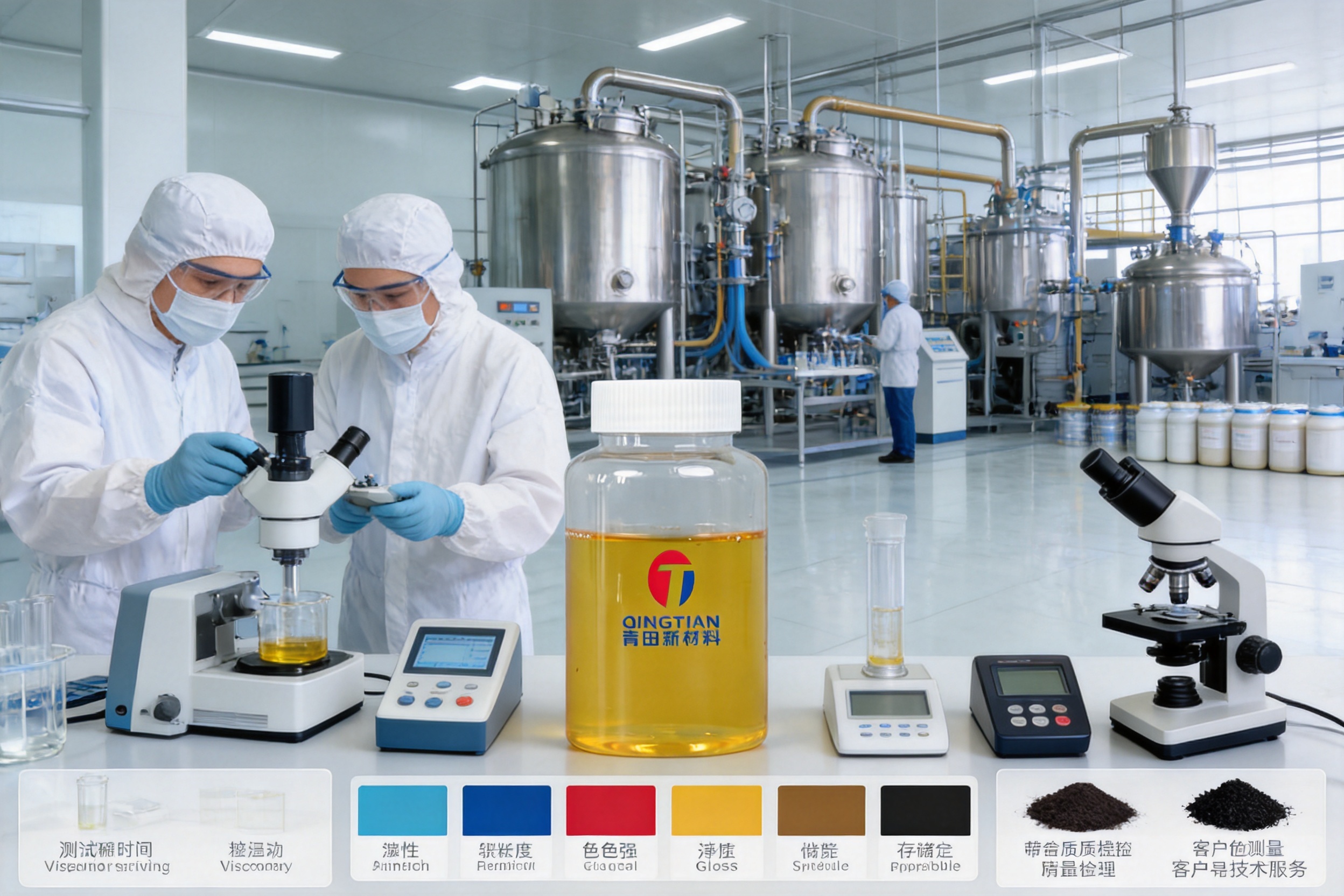
Pigment dispersion is one of the most important stages in the production of coatings, inks, color pastes, and resin-based formulations. The quality of dispersion directly affects viscosity, color strength, transparency, gloss, surface appearance, storage stability, grinding efficiency, and application performance. When pigments are not properly wetted and stabilized, formulators may encounter flocculation, excessive mill-base viscosity, poor color development, inconsistent shade, sedimentation, surface defects, and extended production cycles.
DH-6200 Dispersant for Epoxy Systems is designed to address these challenges in demanding pigment-grinding and dispersion applications. It is particularly suitable for polyether and polyester polyol color paste systems, unsaturated resin color pastes, solvent-free epoxy systems, high-grade industrial coatings, and a variety of ink technologies. Its performance profile combines effective pigment wetting with strong viscosity reduction, allowing manufacturers to improve dispersion efficiency while maintaining high-quality color and surface properties.
The product is especially valuable when processing high-surface-area carbon black and organic pigments, which are among the most difficult pigment types to disperse. In alcohol-soluble polyurethane inks, including alcohol-water polyurethane ink systems, DH-6200 can provide significant viscosity reduction and support the development of excellent jetness and gloss. These characteristics make it a practical solution for producers seeking improved productivity, better pigment utilization, and more consistent final products.
This article examines the product’s application range, technical advantages, manufacturing support, quality philosophy, and position within modern coating and ink formulation. It also explains why dispersant selection should be based not only on pigment compatibility, but also on processing efficiency, formulation flexibility, quality control, and long-term technical support.
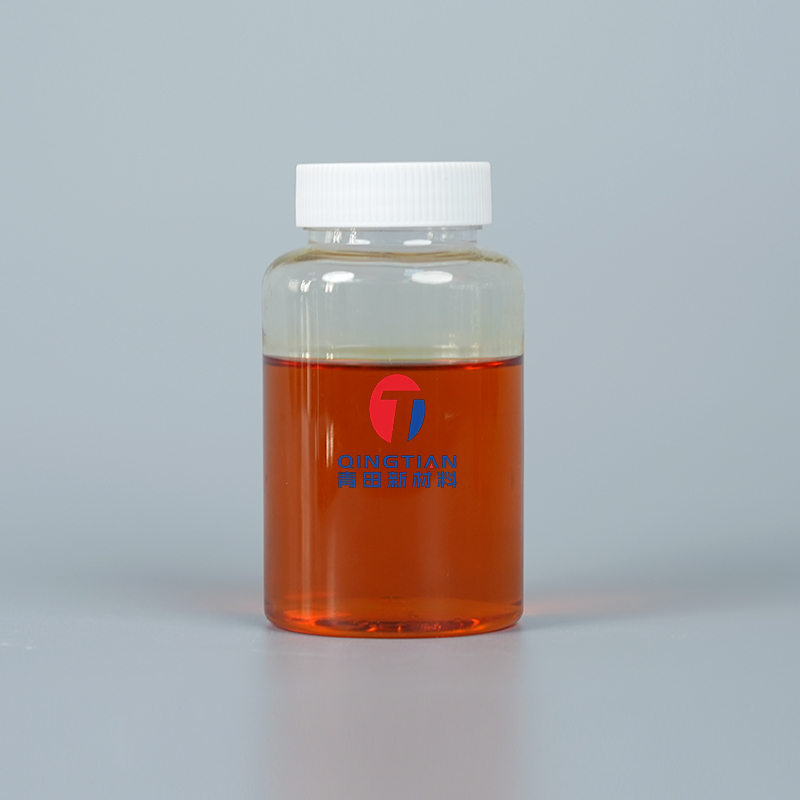
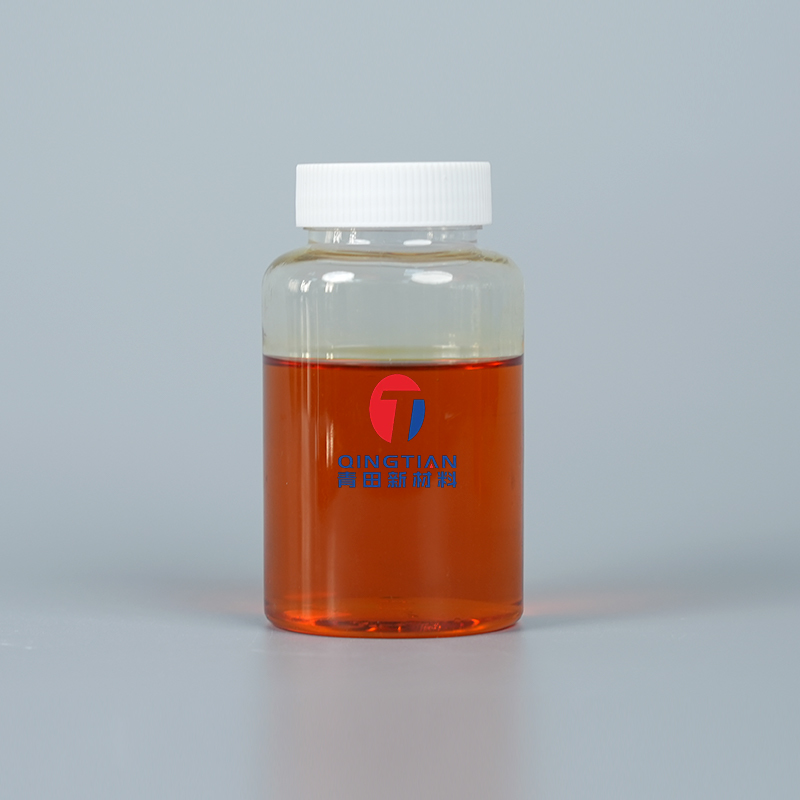
DH-6200 Dispersant for Epoxy Systems
Pigments are insoluble particles that must be distributed uniformly throughout a liquid or resinous medium. During manufacturing, pigment powders typically contain agglomerates formed by attractive forces between individual particles. These agglomerates can be difficult to break down, particularly when the pigment has a high surface area or a strong tendency to form compact clusters.
A dispersant supports the dispersion process through two primary functions: wetting and stabilization. Wetting helps the liquid medium penetrate and surround the pigment surface. Stabilization helps prevent the separated particles from coming together again after mechanical grinding. If either function is insufficient, the formulation may show poor color development, unstable viscosity, or re-agglomeration during storage.
In a successful dispersion process, the dispersant must be compatible with the pigment, binder, solvent or water phase, and downstream coating or printing system. It must also perform under the actual shear, temperature, and processing conditions used by the manufacturer. A product that works well with inorganic pigments may not be equally effective with carbon black or organic pigments. Similarly, a dispersant suitable for a conventional solvent-borne coating may not provide the desired behavior in an alcohol-water polyurethane ink or a solvent-free epoxy system.
DH-6200 is formulated for broad application across several technically demanding systems. Its stated advantages include excellent viscosity reduction and excellent wetting. These properties are particularly important for high-surface-area pigments, which require substantial liquid demand and often produce very high mill-base viscosity.
Effective wetting allows the liquid phase to contact more of the pigment surface during premixing and grinding. Improved wetting can reduce dry pigment islands, support faster incorporation of powders, and help the milling equipment work more efficiently. In practical production, this may lead to smoother premix preparation, lower energy demand during dispersion, and better utilization of the available mill capacity.
Wetting is also essential for pigment development. If a pigment is only partially wetted, the final color may appear weak or dull even when the formulation contains an adequate pigment concentration. Better wetting can contribute to stronger color expression, improved transparency where required, and more uniform appearance from batch to batch.
Viscosity reduction is a major benefit when dispersing carbon black and certain organic pigments. A high-viscosity mill base can limit pigment loading, slow production, increase equipment stress, and make pumping or transfer more difficult. It may also prevent the formulation from reaching the required fineness within a reasonable grinding time.
By reducing the resistance of the pigment concentrate, DH-6200 helps create a more workable dispersion. Lower viscosity can improve circulation through the grinding equipment, promote more efficient shear transfer, and simplify the handling of concentrated color pastes. It can also make it easier for formulators to balance pigment concentration, color strength, application viscosity, and final coating properties.
DH-6200 Dispersant for Epoxy Systems is listed within the water-borne dispersant category, while its described application range includes water-compatible and solvent-reduced systems, solvent-free epoxy formulations, alcohol-water polyurethane inks, resin color pastes, and industrial coatings. This broad positioning reflects the need for dispersant technologies that can function across changing formulation platforms.
The product is intended for grinding and dispersion rather than as a general-purpose additive for every stage of coating production. Its strongest value is achieved when it is selected to stabilize difficult pigments and improve the efficiency of the pigment-grinding process.
| Application area | Typical pigment or system | Expected contribution |
|---|---|---|
| Polyether and polyester polyol color pastes | Organic pigments and carbon black | Improved wetting, dispersion efficiency, and viscosity control |
| Unsaturated resin color pastes | Color pigments used in resin systems | More uniform pigment distribution and smoother processing |
| Solvent-free epoxy systems | Black and organic pigments | Support for concentrated color paste preparation and lower mill-base viscosity |
| Industrial coatings | Carbon black and organic pigments | Improved grinding efficiency, color development, and surface appearance |
| Alcohol-soluble polyurethane inks | High-surface-area carbon black | Strong viscosity reduction, excellent jetness, and improved gloss |
| Alcohol-water polyurethane inks | Carbon black and organic pigments | Broad compatibility with mixed solvent environments and efficient pigment dispersion |
Epoxy systems often require carefully controlled pigment dispersion because the resin can be relatively viscous and because solvent-free or high-solids formulations provide limited room for processing adjustments. A pigment concentrate must be sufficiently fluid for mixing and grinding while remaining compatible with the final epoxy resin, curing package, and application requirements.
In solvent-free epoxy systems, the absence of conventional solvent makes viscosity management particularly important. Excessive mill-base viscosity can reduce the achievable pigment concentration and create difficulties during transfer, let-down, and application. DH-6200 supports viscosity reduction during the dispersion stage, helping formulators prepare pigment concentrates that are easier to process.
The product is also described for the preparation of black and organic pigment color pastes for solvent-free epoxy systems. These pigments often present different dispersion challenges. Carbon black may require high mechanical energy because of its fine particle size and extensive surface area. Organic pigments may have strong crystal interactions, irregular particle morphology, or a tendency to form hard agglomerates. A dispersant that provides effective wetting across both pigment types can simplify formulation development and reduce the need for separate additive packages.
In unsaturated resin color pastes, consistent pigment distribution is important for shade accuracy and appearance. A stable concentrate can help reduce batch variation and improve the reproducibility of final resin products. Better dispersion may also reduce the risk of visible pigment specks, uneven color, and localized defects during application.
For manufacturers of epoxy flooring, industrial protective coatings, electrical materials, and other resin-based products, the main benefits may include more efficient grinding, improved handling of concentrated color pastes, and more consistent visual performance. Lower viscosity can also reduce the burden on mixers, pumps, and milling equipment.
Because epoxy formulations differ substantially in resin chemistry, pigment concentration, curing conditions, and application method, laboratory testing remains essential. The product should be evaluated in the complete formulation rather than judged only by its behavior in a simple solvent or resin screening test.
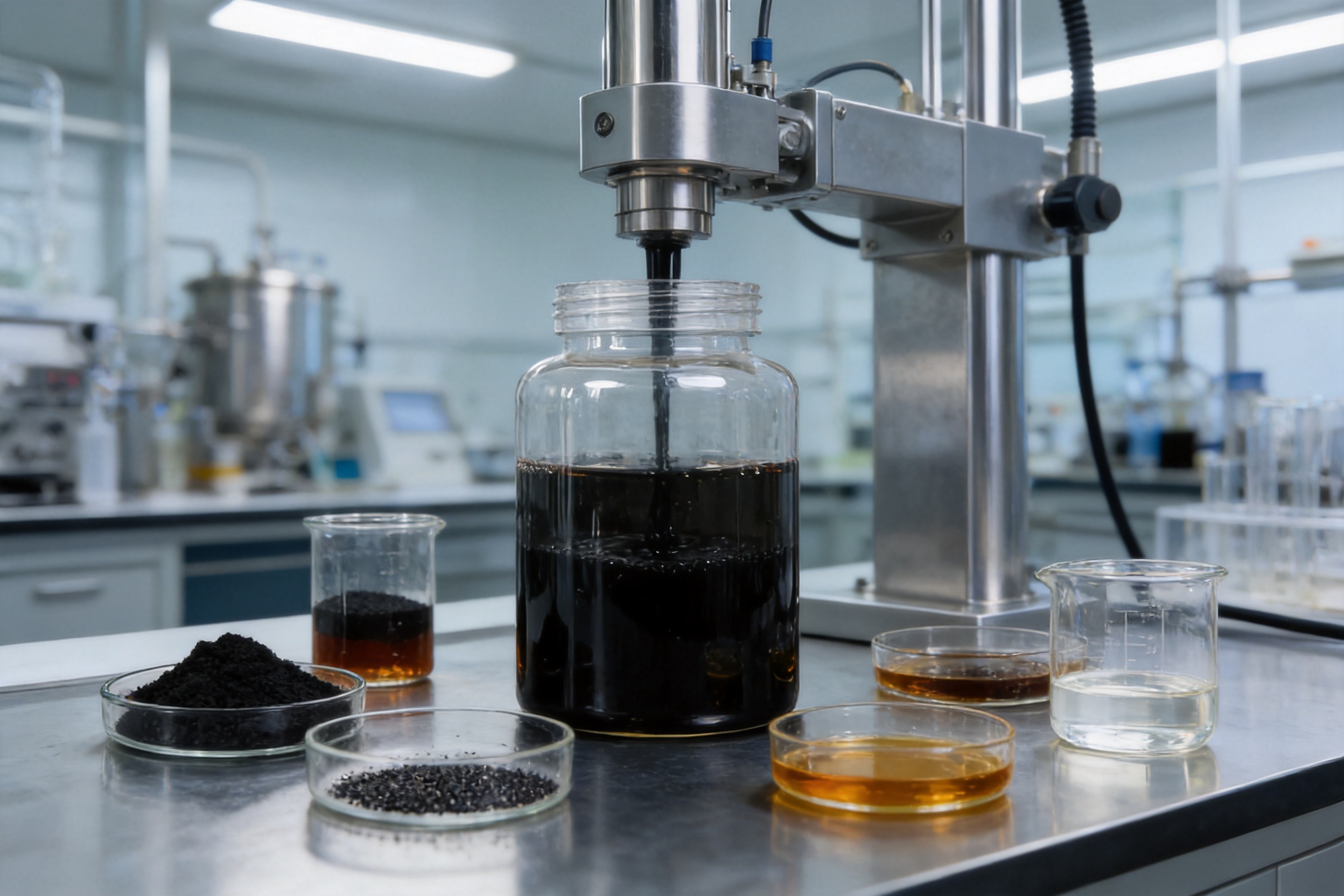
Carbon black is widely used for deep black shades, tinting, conductivity, UV protection, and visual enhancement. However, it is also one of the most difficult pigments to disperse. Its high surface area creates substantial demand for the liquid medium and dispersant. Fine carbon black particles can form strong agglomerates, resulting in high viscosity and slow color development.
DH-6200 is described as particularly effective for high-surface-area carbon black in alcohol-soluble polyurethane inks. This is a demanding application because the ink must combine strong color strength with suitable printing viscosity, stable storage behavior, smooth transfer, and attractive gloss. A dispersant that only lowers viscosity without maintaining pigment stability may produce short-term processing gains but create long-term settling or flocculation problems. The value of DH-6200 lies in combining viscosity reduction with wetting performance for the pigment-grinding stage.
Organic pigments can also be difficult to process because of their particle structure, surface chemistry, and tendency to form agglomerates. Poorly dispersed organic pigments may show reduced chroma, weak transparency, low gloss, shade drift, or visible specking. Effective wetting and stabilization can improve pigment development and help the formulator achieve the desired balance between color intensity and coating or ink appearance.
Jetness describes the visual depth and richness of a black coating or printed film. It is influenced by pigment type, particle size, dispersion quality, film thickness, binder compatibility, and surface smoothness. In many black ink and coating applications, simply increasing carbon black content does not guarantee deeper blackness. If the pigment remains agglomerated, the formulation may look gray, dull, or uneven.
By helping to disperse carbon black more effectively, DH-6200 can support excellent jetness when grinding the pigment. Improved dispersion can also contribute to a smoother film and better gloss, provided that the resin, substrate, curing, and application conditions are properly controlled.
Grinding time is a critical production variable. Long milling cycles increase energy consumption, reduce equipment availability, and raise manufacturing costs. They may also expose the formulation to excessive heat or mechanical stress. A dispersant that improves pigment wetting and promotes faster deagglomeration can significantly shorten the time required to reach the target fineness and color strength.
Shorter grinding time does not mean that every formulation will achieve identical results under identical conditions. The final outcome depends on pigment grade, pigment loading, mill type, media size, speed, temperature, premixing conditions, and target particle size. Nevertheless, an efficient dispersant can provide a stronger starting point for process optimization.
Competitive performance should be assessed according to the specific formulation and production objective. No dispersant is universally superior in every system. However, DH-6200 offers several practical advantages that may distinguish it from narrower or less specialized alternatives.
Some dispersants are developed for a single binder family, one solvent type, or a limited pigment group. DH-6200 is described for polyether and polyester polyol color pastes, unsaturated resin systems, solvent-free epoxy systems, industrial coatings, and alcohol-water polyurethane inks. This range can reduce the need for multiple dispersant products across different product lines.
A broader application window can simplify inventory management and support faster formulation development. It may also be useful for manufacturers that produce both coatings and inks or that regularly develop customized color concentrates for different customers.
The product is not positioned only for easy-to-disperse inorganic pigments. Its described applications emphasize carbon black and organic pigments, including high-surface-area carbon black. This focus is important because difficult pigments often determine the actual performance limits of a dispersant.
When a dispersant can effectively wet and reduce the viscosity of challenging pigment systems, it may deliver meaningful advantages in production efficiency, pigment loading, shade development, and print or coating appearance.
Some additives improve wetting but have limited influence on mill-base viscosity. Others reduce viscosity but do not provide adequate pigment stabilization. DH-6200 is characterized by both excellent viscosity reduction and excellent wetting. This combination is valuable because pigment dispersion is a connected process: the pigment must first be contacted by the liquid phase, then deagglomerated, and finally kept in a stable state.
The coatings and inks industries continue to explore higher-solids, solvent-free, water-compatible, and lower-emission technologies. These systems often place greater demands on dispersant efficiency because there is less solvent available to reduce viscosity or assist pigment incorporation.
DH-6200’s described suitability for solvent-free epoxy systems and alcohol-water polyurethane inks makes it relevant to manufacturers adapting their product ranges to changing environmental and performance requirements.
Improved wetting, lower grinding viscosity, and shorter grinding time can create a cumulative productivity advantage. The manufacturer may be able to process more batches using the same equipment, reduce labor associated with difficult pigment incorporation, and achieve more consistent batch endpoints.
Productivity should be evaluated using measurable data such as dispersion time, fineness, viscosity at defined shear rates, color strength, gloss, storage stability, and energy consumption. DH-6200 provides a basis for this type of structured comparison.
Industrial coatings must often satisfy demanding requirements for appearance, durability, corrosion protection, adhesion, chemical resistance, and processing reliability. Pigment dispersion influences many of these properties. A poorly dispersed pigment can create weak points, surface roughness, shade inconsistency, and nonuniform film structure.
DH-6200 is described for high-grade industrial coatings used on plastics, wood, floors, coils, and other substrates. These applications vary considerably, but they share a need for controlled appearance and dependable production performance.
Plastic substrates may require smooth, attractive films with good leveling and controlled gloss. Visible pigment agglomerates can become especially noticeable on smooth plastic surfaces. Efficient dispersion helps reduce coarse particles and supports uniform color distribution. The dispersant must also be compatible with the selected resin and should not interfere with adhesion, flexibility, or surface appearance.
Wood coatings often combine decorative appearance with protection against moisture, abrasion, chemicals, and weathering. Uniform pigment distribution contributes to consistent color and visual depth across the coated surface. In transparent or semi-transparent systems, the dispersant must be selected carefully to avoid unwanted haze or loss of clarity.
Epoxy and other resin-based floor coatings frequently use concentrated pigments, especially for industrial, commercial, and decorative applications. Viscosity control is essential during manufacturing and application. DH-6200 can support the preparation of black and organic pigment color pastes for solvent-free epoxy systems, helping formulators manage the processing challenges of high-solids flooring products.
Coil coatings are produced through continuous, high-speed processes that require stable viscosity, uniform color, and reliable surface quality. Dispersion defects can become costly because they may affect long lengths of coated metal. A suitable dispersant can help support color consistency, smooth film formation, and efficient preparation of pigment concentrates.
Printing inks demand a careful balance between pigment concentration, viscosity, flow, transfer, drying, adhesion, gloss, and appearance. Ink systems may use high pigment loadings, and carbon black is often required to provide intense blackness. The dispersant therefore has a direct influence on both manufacturing efficiency and print quality.
DH-6200 is suitable for dispersion and grinding of carbon black and organic pigments in various ink systems, with particular emphasis on alcohol-water polyurethane inks. These systems may be selected for packaging, flexible substrates, and other printing applications where solvent balance, drying behavior, and film performance must be carefully controlled.
Alcohol-water systems can be sensitive to additive compatibility. Changes in solvent ratio, resin selection, pigment grade, and pH or formulation polarity can influence dispersion stability. A dispersant with broad wetting capability can help the formulator maintain a more consistent pigment concentrate across different compositions.
In a finished ink, good pigment dispersion can contribute to smooth transfer, stable color density, improved gloss, and reduced risk of nozzle or screen blockage, depending on the printing technology. For black inks, stronger jetness can improve visual contrast and reduce the need to compensate through excessive pigment loading.
For organic colorants, effective dispersion can support cleaner shades and more consistent color strength. It may also reduce the appearance of specks and improve the reproducibility of color matching. These advantages are particularly important for packaging and industrial printing, where visual consistency is closely monitored.
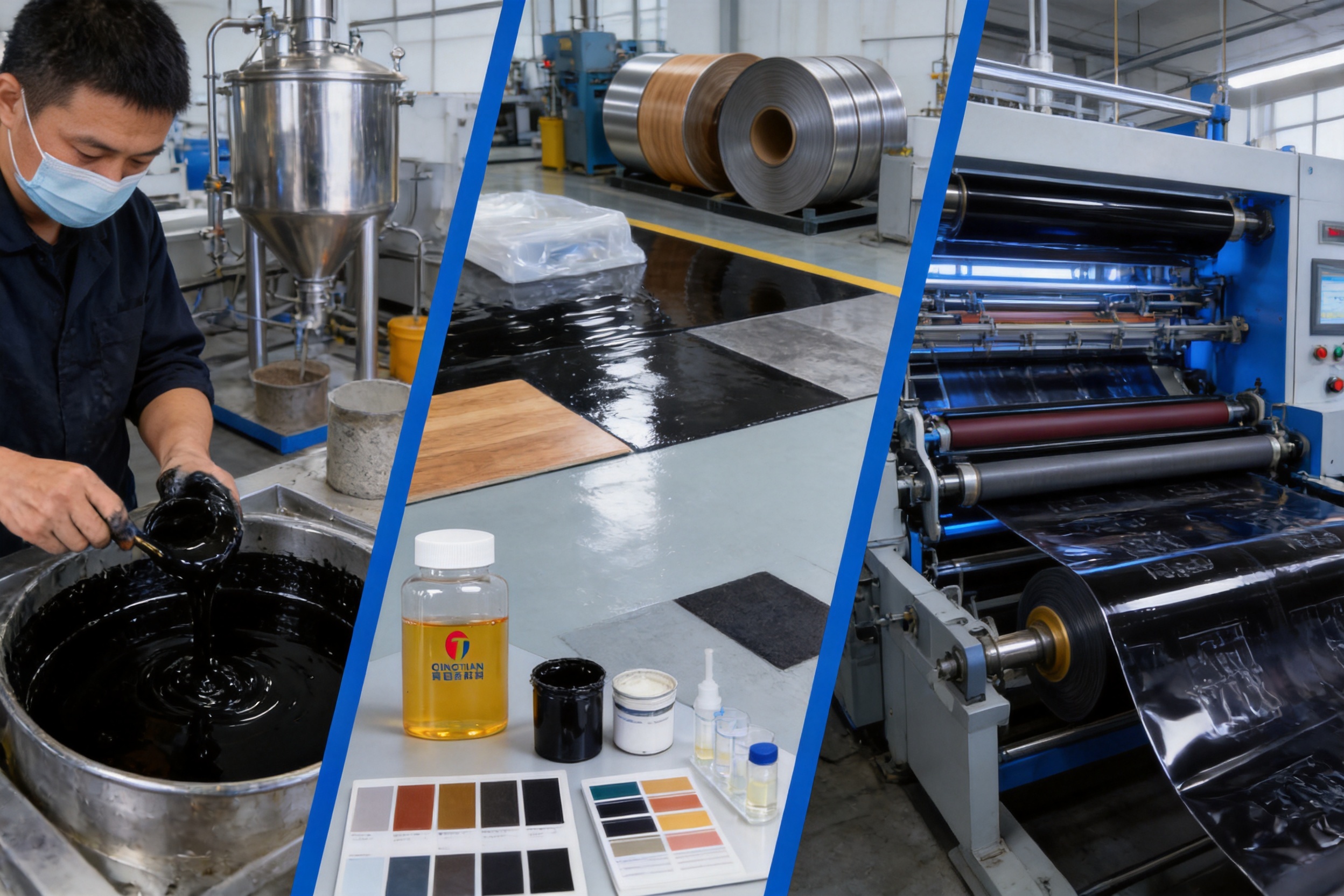
The correct use level of DH-6200 should be established through laboratory testing because the optimum dosage depends on pigment surface area, pigment type, binder composition, solids content, and processing equipment. A practical development program should compare several dosage levels rather than relying on a single trial.
Record the pigment type, surface treatment, average particle size, oil absorption, surface area, and recommended processing conditions. Carbon black grades with higher surface area commonly require more dispersant than larger-particle inorganic pigments. Organic pigments may require different dosage levels depending on their crystal form and surface properties.
Combine the resin, compatible solvent or water phase, and the selected amount of dispersant before adding pigment. Premixing the dispersant into the liquid phase can help ensure more uniform contact with the pigment surface. The sequence should be adapted to the specific formulation and equipment.
Add the pigment under controlled agitation to minimize dry lumps and local overloading. Gradual addition may improve wetting and reduce the formation of large agglomerates. For high-surface-area carbon black, careful powder addition is particularly important because rapid charging can cause severe viscosity spikes.
Use the selected mill or disperser at a defined speed, temperature, and media configuration. Monitor viscosity, fineness, color development, and temperature during the process. Excessive heat may affect resin stability or solvent balance, while insufficient shear may leave coarse particles and weak color development.
Test the pigment concentrate for viscosity, fineness, color strength, undertone, gloss, and storage stability. Then let the concentrate down into the final coating or ink formulation and evaluate application properties. A good dispersant must perform not only during grinding, but also after dilution or incorporation into the final system.
| Test category | Suggested measurement | Purpose |
|---|---|---|
| Processing | Grinding time and mill-base viscosity | Evaluate production efficiency and handling |
| Particle quality | Fineness of grind and microscope observation | Identify coarse particles and agglomerates |
| Color performance | Color strength, undertone, jetness, and shade consistency | Measure pigment development |
| Surface appearance | Gloss, haze, smoothness, and film uniformity | Assess coating or printed-film quality |
| Stability | Viscosity change, settling, and re-dispersibility after storage | Check long-term formulation reliability |
| Compatibility | Adhesion, drying, curing, and resistance properties | Confirm suitability in the complete formulation |
The performance of a specialty additive depends on more than its product description. Consistent manufacturing, raw-material control, laboratory testing, process management, and technical service are all important. Suzhou Qingtian New Material Co., Ltd. operates as a professional supplier of raw materials for coatings, inks, and adhesives, with an experienced team covering research and development, sales, and production.
The company was founded in 2012 and has developed a modern production facility supported by advanced testing equipment and research capabilities. This combination provides an important foundation for producing specialty additives with consistent quality and for supporting customers during formulation development.
Dispersant development requires a detailed understanding of pigment surface chemistry, binder compatibility, solvent or water polarity, rheology, and final-film performance. A strong research team can evaluate the relationship between molecular design, dispersion behavior, and application results.
The company’s R&D experts support the development of products across dispersants, leveling agents, defoamers, adhesion promoters, anti-settling agents, cooling agents, conductive agents, texture additives, texture powders, and wax powders. This broad additive portfolio can help the company understand the interactions between different additive types in real formulation environments.
For customers using DH-6200, this wider technical background may be valuable when a dispersion issue is connected with other formulation factors. For example, poor appearance may involve not only pigment agglomeration, but also leveling, defoaming, substrate wetting, or compatibility. A supplier with knowledge of multiple additive technologies can provide a more complete problem-solving perspective.
Consistent specialty-chemical production requires controlled raw-material handling, accurate batching, suitable mixing and processing equipment, defined filtration or finishing procedures where applicable, and reliable packaging operations. A modern facility helps organize these activities and supports repeatable manufacturing.
The company moved to Lingrui Intelligent Manufacturing Park in Zhangjiagang High-Tech Zone in 2021 to strengthen R&D and production capacity. This development reflects an effort to expand manufacturing capability while maintaining technical support for customers in coatings, inks, adhesives, and related industries.
Advanced testing equipment is essential for evaluating additive quality and application behavior. For a dispersant, quality assessment may include appearance, viscosity, solids content, compatibility, pigment wetting, dispersion fineness, color development, and storage behavior. Testing finished product batches helps establish consistency before shipment.
Application testing is equally important. A dispersant may meet basic physical specifications yet behave differently in a carbon-black ink, an epoxy color paste, or a water-compatible coating. Testing in representative systems provides a more meaningful indication of product performance.
Since its establishment, the company has developed products for steel and aluminum coil coatings, plastic coatings, UV curing, anti-corrosion coatings, wood coatings, glass coatings, epoxy flooring, printing inks, power batteries, photovoltaic panels, and other industries. This range exposes the technical team to diverse requirements for wetting, rheology, surface control, conductivity, durability, and appearance.
The company’s development milestones include the creation of an ice flower resin in 2016 and recognition as a National High-Tech Enterprise in 2020. These achievements indicate an emphasis on technical development and organized innovation. For customers evaluating a dispersant supplier, such experience can be relevant because additive performance must be supported by application knowledge and dependable service.
Manufacturing efficiency is influenced by every stage of a pigment dispersion process. A dispersant that improves only one stage may provide limited overall benefit. DH-6200’s combination of wetting and viscosity reduction can support several connected improvements.
First, better wetting can accelerate pigment incorporation during premixing. This reduces the time required to convert dry powder into a uniform mill base. Second, lower viscosity can improve the movement of the mill base through the equipment and promote more effective mechanical energy transfer. Third, faster color development can help operators reach the target endpoint with fewer repeated checks or extended grinding cycles.
These benefits may reduce equipment occupancy and enable more predictable production scheduling. They may also improve the consistency of batch-to-batch processing because the pigment concentrate reaches a defined condition under more manageable operating parameters.
For manufacturers, the economic value should be measured through a total process evaluation. Important factors include additive cost, pigment loading, grinding time, energy use, labor, equipment capacity, rework frequency, rejected batches, and final product performance. A slightly higher-cost dispersant may be economically attractive if it significantly reduces grinding time or enables a higher-value formulation.
A dispersion is not considered successful if it performs well only immediately after grinding. Storage stability is a central requirement for color pastes, inks, and coatings. During storage, poorly stabilized pigments may flocculate, settle, increase viscosity, lose color strength, or become difficult to redisperse.
DH-6200 should be evaluated under realistic storage conditions. Samples can be observed at room temperature and, where appropriate, under accelerated aging conditions. Measurements should include viscosity change, settling, re-dispersibility, color strength, gloss, and fineness after storage.
Stability depends on the entire formulation. Pigment concentration, resin type, solvent or water balance, additive dosage, container geometry, temperature, and storage time can all influence the result. The dispersant should therefore be tested in both the pigment concentrate and the final let-down system.
For manufacturers supplying customized color pastes, reliable storage stability can reduce customer complaints and simplify logistics. A stable concentrate is easier to transport, store, and incorporate into the final product. It also helps preserve color consistency across production sites and application batches.
Although DH-6200 offers broad applicability, formulation compatibility should always be confirmed through systematic testing. The main variables include the pigment chemistry, resin family, solvent or water composition, additive dosage, pH where relevant, and final application conditions.
In epoxy systems, the dispersant should be evaluated for its influence on curing, hardness, adhesion, flexibility, chemical resistance, and surface appearance. In polyurethane inks, testing should include drying, film formation, adhesion, rub resistance, gloss, and print quality. In industrial coatings, the evaluation may also include corrosion resistance, weathering, impact resistance, and substrate adhesion.
In water-compatible systems, the balance between hydrophilic and hydrophobic components may affect dispersion stability. In alcohol-water systems, changes in alcohol type or water content may alter viscosity and pigment interaction. These variables should be included in application screening so that the selected dosage and process conditions are suitable for the actual commercial formulation.
Too little dispersant may result in incomplete wetting, high viscosity, and poor stability. Too much may affect water resistance, gloss, adhesion, curing, or foam behavior, depending on the formulation. The optimum level is therefore the lowest dosage that delivers the required dispersion performance without creating unacceptable side effects.
A dosage ladder is commonly useful during development. The formulator can compare a low, medium, and high level while maintaining constant pigment loading and processing conditions. The most suitable dosage should be selected based on a combination of immediate dispersion quality and long-term final-product performance.
Efficient dispersion can support more responsible manufacturing by reducing unnecessary grinding time, energy demand, and material waste. Better pigment utilization may help formulators achieve the required color strength without excessive pigment loading. More stable batches can also reduce the volume of off-specification material requiring rework or disposal.
The suitability of a dispersant for solvent-free epoxy and alcohol-water polyurethane systems is relevant to manufacturers seeking formulation strategies with reduced reliance on traditional solvent packages. Environmental performance must be assessed across the complete formulation, but additive selection is an important part of this broader effort.
Resource efficiency also includes equipment utilization. When a mill reaches the target dispersion state more quickly, the same production assets can support greater output. Reduced process time may lower the thermal load on the formulation and improve operational predictability.
Specialty additives are often used in formulations where a small change in performance can affect the final product significantly. For this reason, customers need more than a product name. They need reliable technical information, consistent batches, suitable packaging, and responsive communication.
Suzhou Qingtian New Material Co., Ltd. describes its operating philosophy as centered on innovation, quality, service, and win-win cooperation. The company serves customers involved in coatings, inks, adhesives, and related industries, providing additive solutions for a wide range of application requirements.
Technical support may include product selection, application screening, dosage recommendations, dispersion-process advice, and troubleshooting. When a customer is experiencing high viscosity, poor jetness, insufficient gloss, slow grinding, or unstable color paste behavior, a structured technical review can identify whether the main issue is pigment selection, additive dosage, process sequence, or binder compatibility.
Clear communication between supplier and formulator is particularly important for customized chemical solutions. Useful information includes the pigment type and grade, resin or binder composition, solvent or water balance, target solids, milling equipment, current dispersant, dosage, processing time, and final performance requirements.
DH-6200 may be considered when a formulation requires efficient pigment wetting, lower mill-base viscosity, improved carbon-black dispersion, or broader compatibility across resin and ink systems. It is especially relevant for manufacturers working with polyol color pastes, unsaturated resins, solvent-free epoxies, industrial coatings, and alcohol-water polyurethane inks.
| Formulation challenge | How the product may help | Recommended verification |
|---|---|---|
| High mill-base viscosity | Provides viscosity reduction during pigment dispersion | Compare viscosity at equal pigment loading and shear rate |
| Slow carbon-black development | Improves wetting and supports more efficient grinding | Measure grinding time, jetness, and color strength |
| Weak organic-pigment color | Promotes more uniform pigment distribution | Evaluate color strength, undertone, and shade consistency |
| Difficulty processing solvent-free epoxy pastes | Supports lower-viscosity pigment concentrates | Check mixing, milling, transfer, and final curing performance |
| Variable ink gloss | Supports improved pigment dispersion and film uniformity | Measure gloss, haze, and printed-film appearance |
| Need for one additive across several systems | Offers broad applicability across selected coating and ink platforms | Conduct compatibility screening in each target formulation |
DH-6200 is used for grinding and dispersion of pigments in polyether and polyester polyol color pastes, unsaturated resin color pastes, solvent-free epoxy systems, industrial coatings, and various ink systems. It is particularly suitable for carbon black and organic pigments.
Yes. The product is described as particularly effective for high-surface-area carbon black, especially in alcohol-soluble polyurethane inks. Its viscosity-reduction and wetting performance can support faster grinding, improved jetness, and better gloss.
Yes. DH-6200 is described for preparing black and organic pigment color pastes for solvent-free epoxy systems. Laboratory testing should confirm the optimum dosage and compatibility with the selected epoxy resin and curing package.
Its principal stated advantages are excellent viscosity reduction and excellent wetting. These properties can improve pigment incorporation, shorten grinding time, support better color development, and simplify the processing of concentrated color pastes.
No. Its described application range includes polyol color pastes, unsaturated resins, solvent-free epoxies, plastic coatings, wood coatings, floor coatings, coil coatings, and alcohol-water polyurethane inks. The final suitability depends on formulation compatibility.
The optimum dosage should be established through a dosage ladder and application testing. The pigment type, surface area, loading, resin, solvent or water phase, and grinding conditions all influence the required amount.
Recommended tests include mill-base viscosity, fineness, grinding time, color strength, jetness, gloss, storage stability, re-dispersibility, curing or drying behavior, adhesion, and final application performance.
It may improve efficiency by enhancing wetting, reducing dispersion viscosity, shortening grinding time, and supporting more predictable pigment development. The actual benefit should be quantified under the customer’s own production conditions.
Suzhou Qingtian New Material Co., Ltd. has an experienced R&D, sales, and production team, a modern manufacturing facility, advanced testing equipment, and a product portfolio covering multiple additive technologies. These resources support both product supply and formulation-oriented technical service.
Customers can contact the supplier’s technical or sales team for product information, application discussion, sampling, and formulation evaluation. Relevant details include the pigment, resin, solvent or water system, target viscosity, processing equipment, and final performance requirements.
DH-6200 Dispersant for Epoxy Systems is a versatile pigment-dispersion solution for demanding coating, ink, resin, and color-paste applications. Its strongest stated benefits are excellent wetting and excellent viscosity reduction, with particular effectiveness for high-surface-area carbon black and organic pigments.
The product supports the preparation of polyether and polyester polyol color pastes, unsaturated resin color pastes, solvent-free epoxy color pastes, industrial coatings, and alcohol-water polyurethane inks. By improving pigment incorporation and reducing mill-base viscosity, it can help manufacturers shorten grinding time, improve color development, obtain excellent jetness and gloss, and achieve more consistent processing.
Its competitive value comes from the combination of broad application flexibility, performance with difficult pigments, support for solvent-free and solvent-reduced systems, and potential productivity benefits. As with all specialty additives, final selection should be confirmed through controlled testing in the complete formulation.
The technical foundation behind the product is reinforced by Suzhou Qingtian New Material Co., Ltd.’s R&D capability, modern production facility, advanced testing equipment, broad additive portfolio, and experience serving coatings, inks, adhesives, flooring, coil coatings, plastics, wood, UV-curing, and other industries. This combination of product performance and manufacturing support makes DH-6200 a practical candidate for formulators seeking more efficient and reliable pigment dispersion.
For producers facing high viscosity, slow grinding, weak carbon-black jetness, inconsistent organic-pigment development, or unstable color-paste processing, DH-6200 provides a focused technical approach: improve pigment wetting, reduce dispersion resistance, and build a more efficient path toward stable, high-quality coatings and inks.
1. Company product information for DH-6200 Dispersant for Epoxy Systems.
2. Company technical information on dispersants, leveling agents, defoamers, adhesion promoters, and related coating additives.
3. General principles of pigment wetting, deagglomeration, stabilization, and mill-base rheology in coatings and printing inks.
4. General formulation practices for epoxy color pastes, polyurethane inks, industrial coatings, and solvent-free resin systems.
5. General quality-control methods for evaluating dispersion fineness, viscosity, color strength, gloss, jetness, and storage stability.
6. Company information regarding research and development, production facilities, testing capabilities, and industry applications.
 Wholesale Paint/ Coating Additives Manufacturers
Custom Industrial Chemical Solutions Suppliers
Wholesale Paint/ Coating Additives Manufacturers
Custom Industrial Chemical Solutions Suppliers