


 русский
 Español
 Français
Home / Author / Qiao Minshu — Key Account After-Sales Consultant / High-Performance Polymeric Dispersant for Pigment-Rich PU and Leather Color Pastes
Qiao Minshu — Key Account After-Sales Consultant

Content
In modern coating, ink, synthetic leather, and adhesive production, pigment dispersion is one of the most important factors determining final product quality. A formulation may contain high-quality pigments, resins, solvents, and application equipment, yet still fail to deliver consistent color, flow, storage stability, or surface appearance if the pigments are not properly wetted and stabilized. This is especially true for carbon black, organic pigments, and other materials with strong surface activity, high surface area, or a pronounced tendency to agglomerate.
DH-5920 Dispersant is a polymeric dispersant developed for demanding pigment paste applications. It is primarily used in solvent-based systems and is particularly suitable for organic pigment and carbon black color pastes. It is also used in wet-process polyurethane color pastes, microfiber leather black paste, PU black paste, and related color paste formulations. Its principal functions are pigment wetting, dispersion, anti-flocculation, viscosity reduction, and support for higher pigment loading.
The product is designed for formulators who need to balance several performance requirements at the same time. A pigment paste must contain enough pigment to provide strong color and coverage, but it must also remain fluid enough for grinding, pumping, mixing, coating, printing, or application. It must retain its properties during storage and should not develop excessive viscosity, hard settling, floating, flooding, or color separation. DH-5920 addresses these interconnected challenges through a polymeric dispersant approach.
Its value is particularly evident in acidic-surface carbon black systems, where the pigment’s high surface area and surface chemistry can create difficult dispersion conditions. In these applications, DH-5920 supports efficient grinding and dispersion while helping maintain low viscosity, good flow, increased carbon black loading, and improved storage stability.
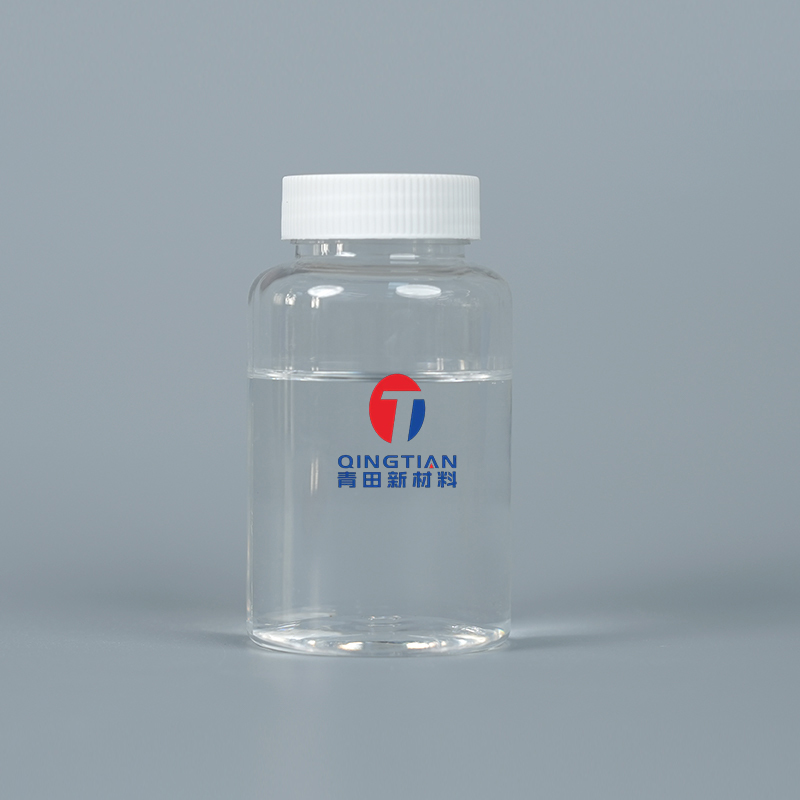
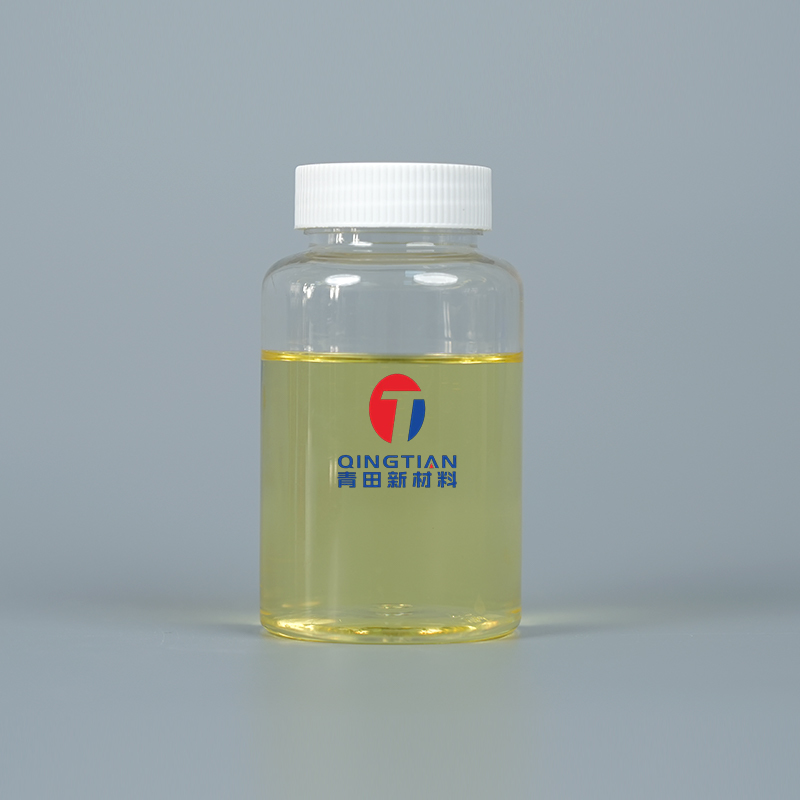
DH-5920 Dispersant
Pigments do not naturally exist in a coating or color paste as perfectly separated primary particles. During manufacturing and storage, pigment particles can associate into aggregates or agglomerates. These structures may be held together by surface forces, moisture, residual processing materials, or chemical interactions with other ingredients. When the pigment is introduced into a liquid medium, the formulator must overcome these forces and create a stable distribution of particles.
The dispersion process generally involves three connected stages: wetting, particle-size reduction, and stabilization. Wetting allows the liquid phase and dispersant to contact the pigment surface. Grinding or milling breaks down larger agglomerates. Stabilization prevents the particles from coming together again after they have been separated. A dispersant that performs only one of these functions may not provide adequate long-term performance.
DH-5920 is intended to support all three stages. Its wetting action promotes contact between the liquid vehicle and pigment surface. Its dispersing effect supports the breakdown and distribution of pigment agglomerates during grinding. Its anti-flocculation performance helps reduce the tendency of separated particles to re-associate during storage or subsequent processing.
Good dispersion affects more than color strength. It can influence viscosity, flow, gloss, opacity, surface smoothness, filtration behavior, storage stability, transfer efficiency, and application consistency. In black pastes, poor dispersion may also produce undertone variation, uneven appearance, loss of jetness, or visible defects in the finished leather or coating.
For this reason, selecting a dispersant should not be based solely on whether it reduces initial viscosity. The most useful product is one that provides viscosity reduction while preserving pigment loading, maintaining color consistency, and limiting flocculation over time. DH-5920 is positioned for this broader performance requirement.
DH-5920 is a polymeric dispersant for pigment paste preparation. The supplied product information identifies solvent-based organic pigment and carbon black systems as its primary application area. It is also suitable for wet-process PU color pastes and black pastes used in microfiber leather production.
The product’s principal performance characteristics include excellent viscosity reduction and wet dispersion. These characteristics are relevant to both laboratory development and full-scale manufacturing. In the laboratory, lower viscosity can make it easier to evaluate pigment loading and grind quality. In production, appropriate viscosity can improve material transfer, pumping, mixing, filtration, and application control.
The product is particularly relevant to the following formulations:
• Organic pigment color pastes for solvent-based coatings and related systems.
• Carbon black color pastes requiring strong wetting and anti-flocculation performance.
• Wet-process polyurethane color pastes.
• Microfiber leather black pastes.
• PU black pastes.
• Color pastes requiring increased pigment content without an excessive rise in viscosity.
• Acidic-surface carbon black systems requiring efficient grinding and stable dispersion.
These applications share a common technical problem: the need to obtain a high pigment concentration while preserving manageable rheology and long-term stability. DH-5920 is designed around this balance.
Carbon black is among the most challenging pigments to disperse. Its very fine particle structure creates a large total surface area, and the particles can form strong agglomerates. The result is often a high demand for wetting and stabilization during paste preparation.
When carbon black is not adequately wetted, the liquid vehicle may fail to penetrate the agglomerate structure. The grinding equipment then spends more energy on breaking down large clusters, while the final paste may still contain insufficiently dispersed material. Such a paste can show high viscosity, poor flow, reduced color strength, and inconsistent appearance.
Acidic-surface carbon black may present additional formulation challenges. Surface chemistry influences how the pigment interacts with the dispersant, solvent, resin, and other additives. A dispersant that performs well with one carbon black grade may not perform equally well with another. The practical solution is to select a dispersant capable of strong wetting and stabilization and then confirm the optimum dosage through controlled formulation trials.
DH-5920 is described as offering excellent grinding and dispersion performance for acidic-surface carbon black. In practical terms, this means it is intended to help formulators produce a carbon black paste with higher loading, lower viscosity, good fluidity, and improved storage stability. These benefits can be valuable in microfiber leather and wet-process PU applications, where black paste quality has a direct effect on shade, surface appearance, and process consistency.
Effective dispersion also helps reduce the risk of color development problems. If a pigment remains partly agglomerated, the apparent color strength may be lower than expected. The paste may require additional grinding or extra pigment to achieve the desired shade. Better stabilization can improve the utilization of the pigment already present in the formulation.
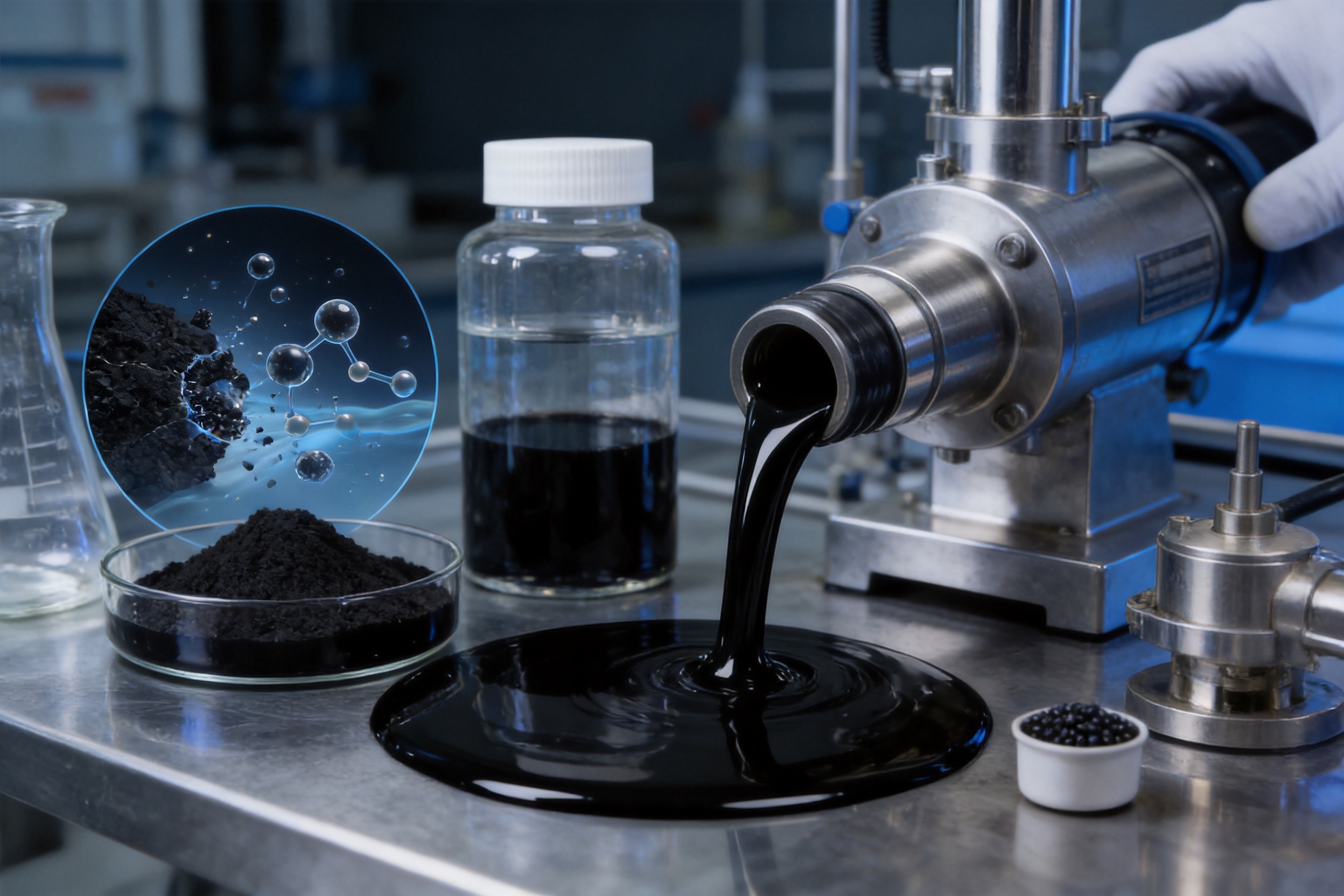
One of the central advantages of DH-5920 is its ability to reduce system viscosity while supporting higher pigment loading. This is an important distinction because some methods of reducing viscosity may also reduce the amount of pigment in the paste or weaken the final color intensity.
In a pigment paste, viscosity is influenced by pigment concentration, particle size distribution, surface area, resin content, solvent selection, dispersant dosage, and the degree of particle interaction. When pigment particles remain strongly associated, the paste can develop a three-dimensional structure that increases resistance to flow. The paste may become difficult to pump or may require substantial solvent reduction in order to achieve workable viscosity.
A polymeric dispersant can help reduce these particle-particle interactions by placing the dispersant on the pigment surface and supporting separation within the liquid medium. When this mechanism is effective, the pigment particles can remain more evenly distributed, reducing the tendency to form a highly viscous network.
For manufacturers, lower viscosity can provide several practical benefits:
• Easier mixing and circulation during production.
• Improved transfer through pumps, pipes, filters, and application equipment.
• Better control of color paste addition during let-down.
• Greater flexibility in selecting pigment concentration.
• Reduced need for excessive solvent adjustment.
• Improved fluidity during coating, printing, or leather processing.
• More consistent dosing and batch-to-batch handling.
The appropriate result is not simply the lowest possible viscosity. Excessive reduction may affect film formation, color development, or compatibility with the final binder system. The goal is a stable, workable viscosity that supports the desired pigment loading and application process. DH-5920 gives formulators a tool for reaching this balance.
Wetting is the first critical interaction between the pigment and the liquid phase. If the liquid does not spread sufficiently across the pigment surface, air may remain trapped in the agglomerate and the dispersant may not be distributed evenly. This can lead to incomplete dispersion and inefficient use of grinding energy.
DH-5920 provides wet dispersion performance intended to promote more effective contact between the liquid medium and organic pigments or carbon black. Improved wetting may contribute to faster incorporation, more uniform grinding, and better pigment utilization.
Grinding equipment applies mechanical energy to break down pigment agglomerates. However, the final result depends on the chemical environment around the particles. A suitable dispersant can help prevent newly separated particles from rapidly coming back together during or immediately after grinding.
DH-5920 is described as offering excellent grinding and dispersion performance, especially for acidic-surface carbon black. This makes it relevant to manufacturers seeking a practical combination of mechanical processing and chemical stabilization. The dispersant does not replace suitable milling equipment, correct process conditions, or appropriate formulation design. Instead, it complements these factors by supporting the separation and stabilization of pigment particles.
Flocculation occurs when dispersed pigment particles form loose or strong clusters after grinding. It can cause viscosity drift, shade changes, gloss loss, poor transparency, surface defects, and sedimentation behavior. A paste may appear acceptable immediately after production but change during storage if the dispersion is not sufficiently stabilized.
The anti-flocculation effect of DH-5920 is therefore important for both immediate processing and longer-term product reliability. By helping maintain a more uniform pigment distribution, the dispersant can support color consistency and reduce the likelihood of severe re-agglomeration.
Product selection is often made by comparing a specialized dispersant with a general-purpose additive already used in the plant. The relevant comparison should include more than initial viscosity. A complete evaluation should consider wetting speed, grind efficiency, pigment loading, color strength, shade stability, storage behavior, application fluidity, and compatibility with the target resin and solvent system.
Based on the supplied product positioning, DH-5920 offers several potential advantages over less specialized alternatives.
First, it is directed toward organic pigment and carbon black color pastes rather than being presented as a broadly defined additive with no specific pigment focus. This application orientation is valuable when the formulation contains difficult-to-disperse carbon black or requires a high pigment concentration.
Second, its performance profile combines viscosity reduction with wetting, dispersion, and anti-flocculation. Some products may provide acceptable initial wetting but insufficient storage stability. Others may stabilize the pigment but create excessive viscosity or limit pigment loading. A balanced performance profile can reduce the need to compensate for one weakness with additional additives or process adjustments.
Third, DH-5920 is identified as suitable for microfiber leather black paste and wet-process PU black paste. This specific relevance can be advantageous to manufacturers whose production conditions involve polyurethane color paste systems rather than conventional decorative coatings alone.
Fourth, the product is described as suitable for acidic-surface carbon black and capable of maintaining low viscosity, good fluidity, and storage stability while increasing carbon black loading. These combined objectives are difficult to achieve in a single formulation and represent a meaningful performance target.
Finally, the product is supported by a supplier with an established focus on coating, ink, and adhesive raw materials. The company profile indicates experience in dispersants, leveling agents, defoamers, adhesion promoters, anti-settling agents, texture additives, and wax powders. This broader product platform can help customers evaluate DH-5920 within a larger additive package rather than treating dispersion as an isolated formulation problem.
| Evaluation Factor | Desired Formulation Result | Contribution of DH-5920 |
|---|---|---|
| Pigment wetting | Fast and uniform contact between pigment and liquid phase | Supports wet dispersion of organic pigments and carbon black |
| Grinding efficiency | Improved breakdown of pigment agglomerates | Provides grinding and dispersion support, especially for acidic-surface carbon black |
| Viscosity control | Workable paste at increased pigment concentration | Offers excellent viscosity reduction |
| Anti-flocculation | Reduced re-agglomeration after grinding | Helps maintain a more stable pigment distribution |
| Carbon black loading | Higher pigment content without excessive viscosity | Supports increased carbon black loading in color paste formulations |
| PU compatibility objective | Suitable flow and color development in wet-process PU systems | Designed for wet-process PU color paste, microfiber leather black paste, and PU black paste applications |
| Storage behavior | Lower risk of viscosity drift and pigment separation | Contributes to improved storage stability when properly formulated |
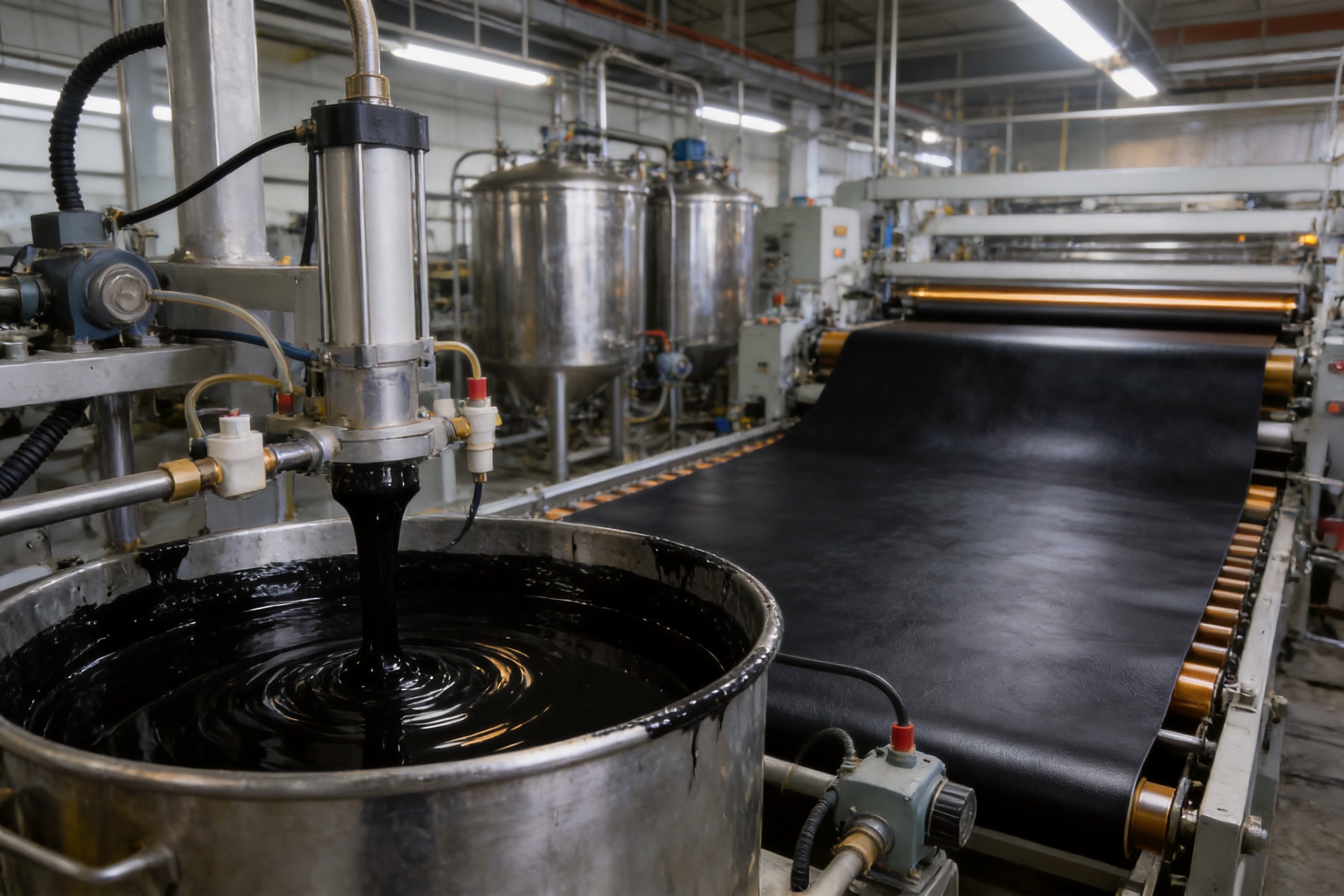
Wet-process polyurethane systems require careful control of color paste quality. The color paste must disperse effectively in the polyurethane-related formulation and remain suitable for the intended manufacturing sequence. Poorly dispersed pigment can create shade variation, visible specks, surface unevenness, or instability during storage and use.
Microfiber leather black paste is particularly demanding because black color development often depends on the efficient utilization of carbon black. The formulation may need high color strength and strong, uniform coverage while retaining appropriate fluidity. If the paste becomes too viscous, it may be difficult to meter or mix. If it is insufficiently stabilized, the paste may change during storage or produce inconsistent results from one production run to another.
DH-5920 is intended for these conditions. It can support strong wetting of carbon black, help reduce viscosity, and promote a stable, fluid color paste. The product information specifically identifies its use in microfiber leather black paste and PU black paste, making it relevant to manufacturers seeking an additive aligned with these applications.
In practice, the optimum dosage will depend on pigment type, pigment surface treatment, resin chemistry, solvent blend, desired loading, grinding equipment, and target viscosity. A structured laboratory evaluation should therefore be completed before production implementation. The evaluation may compare different dispersant levels and measure viscosity, color strength, fineness of grind, storage stability, and compatibility after incorporation into the final PU system.
When used correctly, a suitable dispersant can help reduce variation between batches. Better pigment distribution also supports more consistent shade matching, which is important when microfiber leather products are manufactured across multiple production lines or over extended periods.
Organic pigments can vary widely in particle size, surface chemistry, oil absorption, crystal form, and interaction with the liquid vehicle. A dispersant that works well with one organic pigment may require adjustment with another. DH-5920 should therefore be considered as part of a formulation strategy rather than as a universal replacement for all other process controls.
The first step is to identify the pigment’s dispersion demand. High-surface-area pigments and pigments with strong agglomeration tendencies generally require more careful wetting and stabilization. The second step is to confirm that the dispersant is compatible with the selected solvent and resin environment. The third step is to establish the dosage range that provides the best balance between viscosity, color strength, stability, and final coating performance.
In a typical development program, the pigment, dispersant, and part of the liquid medium are premixed before grinding. The order of addition should be controlled to ensure that the dispersant can interact with the pigment surface rather than becoming diluted or trapped in an unsuitable portion of the formulation. Grinding is then carried out under consistent conditions, followed by evaluation of fineness, viscosity, color development, and stability.
After the grind paste is accepted, it should be tested in the final system. A dispersant that performs well in a concentrated paste must also remain compatible after let-down with the complete resin, solvent, and additive package. Testing should include both immediate performance and accelerated storage where appropriate.
Although the product information does not specify a fixed dosage, a controlled screening procedure can help customers determine the appropriate use level. The following approach is suitable as a general development framework.
Prepare a reference color paste using the customer’s current dispersant or standard process. Record pigment type, pigment loading, resin content, solvent composition, mixing speed, grinding time, equipment type, temperature, and final viscosity. The reference is essential because performance should be evaluated against the actual production system rather than against an unrelated laboratory formula.
Prepare a series of formulas with increasing DH-5920 levels. Keep all other ingredients and process parameters constant. This allows the formulator to identify the point at which wetting and viscosity reduction become effective and to determine whether additional dispersant provides further benefit.
The optimum level is not necessarily the highest level. Excessive additive can affect compatibility, foam behavior, gloss, adhesion, water resistance, or other final properties. The correct dosage is the lowest practical level that delivers the required dispersion and stability in the target system.
Observe incorporation behavior during premixing and grinding. Record the time required to reach the desired fineness and inspect the paste for visible particles or coarse agglomerates. A useful dispersant may reduce processing difficulty or help the formulation reach an acceptable grind more consistently.
Measure viscosity under defined temperature, shear, and instrument conditions. Record both initial viscosity and viscosity after storage. Visual flow observations may also be useful, especially for PU and leather color pastes that must be transferred, metered, or mixed into another system.
Evaluate tinting strength, undertone, shade consistency, and appearance after application. Carbon black should be checked for jetness and uniformity where these attributes are important. Improved dispersion may allow the desired color strength to be achieved at a lower total pigment demand, although this must be confirmed experimentally.
Store samples under defined conditions and inspect them periodically. Check for hard settling, floating, viscosity increase, color separation, gel formation, and changes in flow. A stable initial paste may not be a stable commercial product, so storage testing is an essential part of product qualification.
A functional additive is only as reliable as the organization and manufacturing system behind it. The supplier’s company profile indicates that it has specialized in raw materials for coatings, inks, and adhesives since its founding in 2012. Its product portfolio includes dispersants, leveling agents, defoamers, adhesion promoters, anti-settling agents, cooling agents, conductive agents, orange peel texture agents, texture powders, and wax powders.
This product breadth suggests that the company works across several interconnected formulation technologies. Dispersants, leveling agents, defoamers, and anti-settling agents often need to be considered together because changes in one additive can affect the performance of others. A supplier with experience across these categories may be better positioned to understand the interaction between pigment stabilization, surface appearance, rheology, and storage behavior.
The company profile also identifies an experienced team including research and development specialists and sales professionals, a modern production facility, advanced testing equipment, and strong research capabilities. These resources are important for developing and maintaining a polymeric dispersant such as DH-5920. Polymeric additives require controlled synthesis, consistent raw material selection, purification, testing, and application evaluation. Product quality cannot depend solely on the final appearance of a sample.
The company moved to Lingrui Intelligent Manufacturing Park in Zhangjiagang High-Tech Zone in 2021 to strengthen its research and production capacity. This development indicates an effort to align manufacturing infrastructure with expanding technical and commercial requirements. A modern production environment can support improved process organization, capacity planning, equipment management, and quality control.
The supplier’s development milestones also include the creation of China’s first ice flower resin in 2016 and recognition as a National High-Tech Enterprise in 2020. These milestones demonstrate a stated commitment to product innovation and technical development. While these achievements are not direct performance data for DH-5920, they form part of the company’s broader manufacturing and R&D background.

The available company information does not disclose a detailed synthesis route, specific reactor configuration, proprietary raw materials, or exact quality-control limits for DH-5920. It would therefore be inappropriate to assign unverified technical details to the product. Nevertheless, the company’s stated R&D capability, advanced testing equipment, modern production facility, and intelligent manufacturing location provide a foundation for a controlled manufacturing approach.
For a polymeric dispersant, advanced manufacturing strength can be understood through several important control areas. These include raw material consistency, reaction control, batch homogeneity, removal of unwanted residues, filtration, packaging, and application-based release testing.
Polymeric additive performance can be affected by small changes in raw material quality. Consistent sourcing, incoming inspection, identification, and traceability help reduce variation between batches. The selection of raw materials should be matched to the desired dispersant structure and target application.
Polymer production requires close attention to addition sequence, mixing, temperature, reaction time, and other process conditions. Maintaining consistent conditions helps produce a more uniform product and reduces the risk of batch-to-batch changes in viscosity, active content, color, or application behavior.
After production, the product should be sufficiently homogeneous and free from unwanted coarse material. Appropriate mixing and filtration practices can help ensure that the dispersant enters the customer’s system consistently and does not introduce avoidable contamination or processing defects.
Advanced testing equipment supports objective evaluation of product properties. Depending on the supplier’s internal specifications, testing may cover appearance, viscosity, solids or active content, compatibility, dispersion performance, and application results. The specific methods and acceptance limits should be confirmed directly with the supplier.
For a product such as DH-5920, chemical test data alone may not be sufficient. The most meaningful assessment includes application testing in organic pigment, carbon black, microfiber leather, and PU color paste systems. This approach connects manufacturing quality with the customer’s actual performance needs.
Color paste manufacturers often work with strict shade requirements and narrow process windows. If the dispersant changes from one delivery to the next, the paste viscosity, color development, grinding behavior, and storage stability may also change. Reliable batch consistency is therefore a commercial requirement as well as a technical one.
A supplier with established production, testing, and R&D capabilities can help customers establish a more predictable purchasing and qualification process. Customers should request the relevant technical data, safety documentation, packaging information, shelf-life guidance, and batch documentation before commercial use.
Consistency should be evaluated through comparative samples rather than assumptions. Several batches may be tested in the same customer formulation to confirm that the product produces comparable results. This is particularly important when the dispersant is used in high-pigment black paste, where small differences in dispersion can become visible in final color and appearance.
Stable supply is also important for manufacturing planning. A color paste producer may qualify a dispersant for a specific pigment, resin, and process. If the additive is unavailable or changes unexpectedly, reformulation and requalification can be costly. A supplier with a broad industrial focus and a dedicated manufacturing base may provide a stronger foundation for long-term cooperation.
The advantages of DH-5920 extend beyond the pigment paste itself. By supporting viscosity reduction and pigment loading, the product may help improve several areas of production efficiency.
Lower-viscosity pastes can be easier to transfer between vessels and through process lines. This can reduce the operational burden on pumps and mixing equipment. Improved fluidity may also support more accurate metering when the color paste is added to a larger batch.
Efficient wetting and grinding can help reduce the risk of repeating a batch because of coarse particles, incomplete color development, or unstable storage behavior. While the actual effect depends on equipment and formulation, a dispersant that supports more reliable dispersion can contribute to better first-pass production.
Higher pigment loading can provide flexibility in plant operation. A concentrated paste may reduce the volume of color paste required for a given production batch, simplify inventory planning, and reduce the amount of carrier introduced into the final system. These benefits must always be balanced against viscosity, compatibility, and final coating requirements.
Improved storage stability can reduce the need for frequent remixing or disposal of aged material. It can also help manufacturers maintain more predictable color performance over the product’s intended storage period. Storage stability should be validated under the customer’s actual conditions, including temperature variation and container size.
Coatings, inks, adhesives, and synthetic leather formulations typically contain multiple additives. The final result depends on their combined behavior rather than the performance of one ingredient in isolation. Dispersants may interact with defoamers, leveling agents, anti-settling agents, adhesion promoters, resins, solvents, and curing components.
The supplier’s broader product range can be useful when customers are developing a complete additive package. Its portfolio includes products for dispersion, leveling, defoaming, adhesion, anti-settling, texture, conductivity, and surface modification. This range allows customers to discuss related formulation problems with a supplier familiar with multiple performance requirements.
Nevertheless, compatibility should be confirmed through testing. A dispersant that performs well in a pigment concentrate may influence surface tension or foam behavior after let-down. The formulator should therefore evaluate the complete system for appearance, adhesion, drying, curing, gloss, mechanical properties, and storage stability.
When introducing DH-5920 into a carbon black paste, several process principles can improve the probability of success.
Use a consistent carbon black grade and record its surface characteristics and oil absorption behavior where available. Differences between carbon black grades can strongly affect dispersant demand and final viscosity.
Maintain a controlled addition sequence. The dispersant should have sufficient opportunity to contact the pigment during the initial wetting stage. Adding all ingredients at once may make it more difficult to determine whether the dispersant is properly associated with the pigment surface.
Control temperature during mixing and grinding. Temperature changes can affect viscosity and may make it difficult to compare different samples. Consistent temperature improves the reliability of development conclusions.
Use the same grinding energy when comparing dispersant levels. If one sample receives more grinding time or higher energy, the results may not accurately reflect the additive’s contribution.
Evaluate both fresh and aged samples. A paste with excellent initial appearance but poor storage stability may not be suitable for commercial production.
Examine the final PU or leather system, not only the concentrated paste. The dispersant must remain compatible after the pigment paste is incorporated into the complete formulation.
These practices allow DH-5920 to be evaluated fairly and help the customer identify the formulation conditions under which its performance is strongest.
Although the supplied information does not provide specific environmental certifications or life-cycle data for DH-5920, dispersion efficiency can still be considered from a resource-efficiency perspective. A stable, concentrated pigment paste may reduce the volume of carrier required for achieving a target color. Lower viscosity can support easier processing and may reduce the need for repeated adjustment.
Efficient grinding may also help manufacturers use equipment time more effectively. Better dispersion can reduce the number of correction batches, minimize off-specification material, and lower the amount of pigment or solvent needed to compensate for poor color development. These potential benefits must be confirmed by production data rather than assumed.
Customers should request the current safety data sheet, regulatory information, recommended handling instructions, and any available environmental documentation before selecting the product for a particular market. Local regulations and end-use requirements may vary between regions and industries.
Correct handling is essential for maintaining additive quality. DH-5920 should be stored and handled according to the supplier’s technical documentation and safety data sheet. Containers should remain properly closed, and the product should be protected from contamination and unsuitable storage conditions.
Before commercial adoption, customers should confirm the available package sizes, shelf life, recommended storage temperature, transport requirements, and batch identification system. These details are important for plant safety, warehouse management, and quality assurance.
Technical communication with the supplier should include the intended pigment, resin, solvent system, target loading, current viscosity, grinding equipment, and application method. The more complete the formulation information, the more effectively the supplier can help determine a suitable evaluation plan.
The company’s stated sales, R&D, and technical resources provide a basis for customer consultation. Customers can contact Suzhou Qingtian New Material Co., Ltd. for product information, application discussion, and commercial requirements. Direct technical cooperation is particularly valuable when the formulation involves difficult acidic-surface carbon black, high pigment loading, or wet-process PU systems.
Industrial buyers should evaluate a dispersant through both technical and commercial criteria. The technical evaluation should include dispersion quality, viscosity, pigment loading, storage stability, compatibility, color performance, and process repeatability. The commercial evaluation should include supply capacity, documentation, packaging, lead time, technical support, and quality consistency.
DH-5920 is a strong candidate when the primary need is a polymeric dispersant for organic pigment or carbon black color pastes, especially where viscosity reduction and high pigment loading are important. It is also relevant to manufacturers of microfiber leather black paste, PU black paste, and wet-process PU color paste.
Buyers should avoid relying on a single test result. A dispersant may appear highly effective at one pigment level but less effective at a higher concentration. It may also perform differently in a solvent-rich paste compared with a resin-rich system. A staged qualification program gives a more dependable basis for purchase decisions.
The supplier’s wider specialization in coatings, inks, and adhesives may be an additional advantage for buyers seeking more than one additive category. Consolidating technical communication with a supplier that understands multiple formulation functions can simplify development and reduce coordination between different vendors.
DH-5920 is a polymeric dispersant designed primarily for organic pigment and carbon black color pastes in solvent-based systems. It is also used in wet-process polyurethane color pastes, microfiber leather black paste, and PU black paste.
Its main stated benefits are excellent viscosity reduction and wet dispersion. It also provides pigment wetting, dispersion, anti-flocculation, strong grinding support, increased pigment loading, good fluidity, and improved storage stability when properly formulated.
Yes. The product is specifically described as suitable for carbon black color paste, including acidic-surface carbon black. It is intended to support grinding and dispersion while helping maintain low viscosity and good fluidity.
Yes. The supplied application information identifies microfiber leather black paste as one of its uses. It is also suitable for wet-process PU black paste and related PU color paste systems.
DH-5920 is designed to help increase pigment loading while reducing or controlling viscosity. The actual achievable loading depends on the pigment, solvent, resin, grinding process, and dosage, so customers should confirm the result through formulation testing.
No. DH-5920 supports wetting, grinding, dispersion, and anti-flocculation, but suitable mixing and grinding equipment are still required. Process conditions should remain consistent during product evaluation.
The supplied information does not specify a universal dosage. The recommended use level should be determined through laboratory screening based on pigment type, pigment surface properties, target loading, resin, solvent system, and desired viscosity.
Compatibility should be verified in the customer’s intended system. DH-5920 is positioned for solvent-based organic pigment and carbon black pastes and wet-process PU color pastes, but individual resin and solvent combinations should be tested before commercial use.
Prepare representative samples and store them under defined conditions. Check viscosity, settling, floating, color separation, flow, gel formation, and re-dispersibility at regular intervals. The final test conditions should reflect the customer’s warehouse and production environment.
Its stated advantages are its focus on organic pigments and carbon black, its combination of wetting, dispersion, viscosity reduction, and anti-flocculation, and its suitability for wet-process PU, microfiber leather black paste, and PU black paste. It is intended to address high pigment loading and difficult carbon black dispersion rather than only provide general additive functionality.
DH-5920 is supplied by Suzhou Qingtian New Material Co., Ltd., a Chinese manufacturer and supplier specializing in raw materials for coatings, inks, and adhesives.
The company profile states that it has an experienced R&D and sales team, a modern production facility, advanced testing equipment, strong research capabilities, and a manufacturing base in Lingrui Intelligent Manufacturing Park in Zhangjiagang High-Tech Zone. It also reports recognition as a National High-Tech Enterprise in 2020.
Yes. Its stated product range includes dispersants, leveling agents, defoamers, adhesion promoters, anti-settling agents, cooling agents, conductive agents, orange peel texture agents, texture powders, wax powders, and resin products.
Customers should provide the pigment type, pigment loading, resin, solvent composition, current dispersant, grinding equipment, processing conditions, target viscosity, storage requirements, and final application. This information allows a more relevant technical evaluation.
DH-5920 Dispersant is a polymeric additive designed for pigment-rich color paste systems where wetting, dispersion, anti-flocculation, viscosity reduction, and storage stability must work together. Its strongest application focus is solvent-based organic pigment and carbon black paste, with particular relevance to acidic-surface carbon black, wet-process PU color paste, microfiber leather black paste, and PU black paste.
The product’s principal formulation advantage is its ability to support higher pigment loading while maintaining low viscosity and good fluidity. This combination can help manufacturers improve grind efficiency, color development, processing behavior, and batch consistency. Its anti-flocculation performance is also important for maintaining pigment distribution after grinding and during storage.
Compared with a less specialized dispersant, DH-5920 offers an application profile directed toward difficult organic pigment and carbon black systems. Its value should be measured through a complete evaluation covering fresh viscosity, fineness, color strength, flow, storage stability, and final-system compatibility.
The product is supported by a supplier with a stated focus on coating, ink, and adhesive raw materials, along with R&D resources, advanced testing equipment, modern manufacturing infrastructure, and a broad additive portfolio. These strengths provide a useful foundation for technical cooperation and long-term supply evaluation.
For manufacturers seeking a practical solution to high-viscosity pigment pastes, insufficient carbon black loading, poor wetting, or unstable dispersion, DH-5920 represents a suitable product for controlled laboratory screening and production qualification. The optimum result will depend on the customer’s specific formulation and process, but the product’s combination of dispersion performance and viscosity control makes it a compelling option for advanced PU and leather color paste development.
1. Product information supplied for DH-5920 Dispersant, including application areas, performance characteristics, and recommended industrial uses.
2. Company information supplied for Suzhou Qingtian New Material Co., Ltd., including corporate history, product portfolio, R&D resources, manufacturing facilities, and development milestones.
3. General technical principles of pigment wetting, grinding, dispersion, anti-flocculation, and viscosity control in industrial coating and color paste formulation.
4. General formulation considerations for carbon black dispersion in solvent-based coatings and polyurethane color paste systems.
5. General quality-control practices for polymeric additives, pigment concentrates, storage-stability testing, and batch consistency evaluation.
 Wholesale Paint/ Coating Additives Manufacturers
Custom Industrial Chemical Solutions Suppliers
Wholesale Paint/ Coating Additives Manufacturers
Custom Industrial Chemical Solutions Suppliers