русский
 Español
 Français
Home / Author / Tang Yuxi — Senior After-Sales Service Engineer / DH-6193S Water-Based Dispersant for High-Performance Pigment Dispersion
Tang Yuxi — Senior After-Sales Service Engineer

Content
Modern coatings, inks, and adhesive formulations increasingly require additives that deliver more than basic pigment wetting. Formulators must achieve strong color development, high gloss, low viscosity, reliable flow, high pigment loading, and long-term storage stability at the same time. These requirements become especially demanding when the formulation is water-based, resin-free, or based on pigments with naturally difficult dispersion behavior.
DH-6193S is a polymeric water-based dispersant developed for these challenging applications. It is designed for resin-free water-based systems and is suitable for high-surface-area carbon black, difficult-to-disperse organic pigments, and inorganic pigments. Its principal performance advantages include excellent viscosity reduction, enhanced color development, high gloss, improved pigment loading, good fluidity, and storage stability.
By helping pigment particles become efficiently wetted, separated, and stabilized in the liquid phase, DH-6193S supports a more balanced formulation. It can help formulators increase pigment concentration without creating an unnecessary viscosity penalty, while also supporting attractive optical performance and consistent application behavior.
This article examines the working role of DH-6193S, its advantages in comparison with conventional dispersant approaches, its suitability for different pigment classes, and the manufacturing and technical strengths behind its supply. It also explains how the product may be evaluated in practical development work and how it can contribute to more efficient coatings and ink formulations.
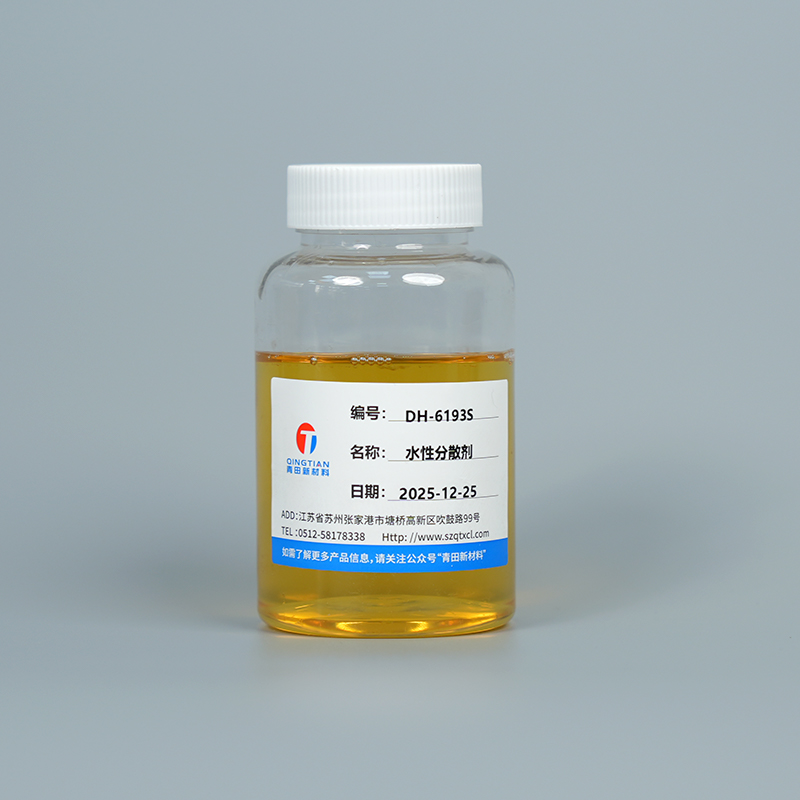
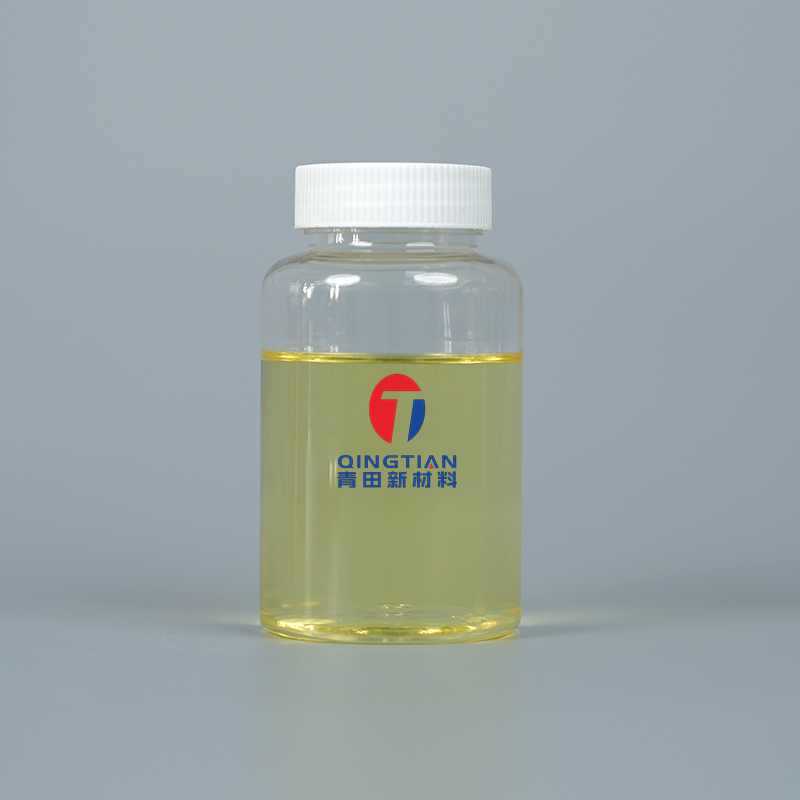
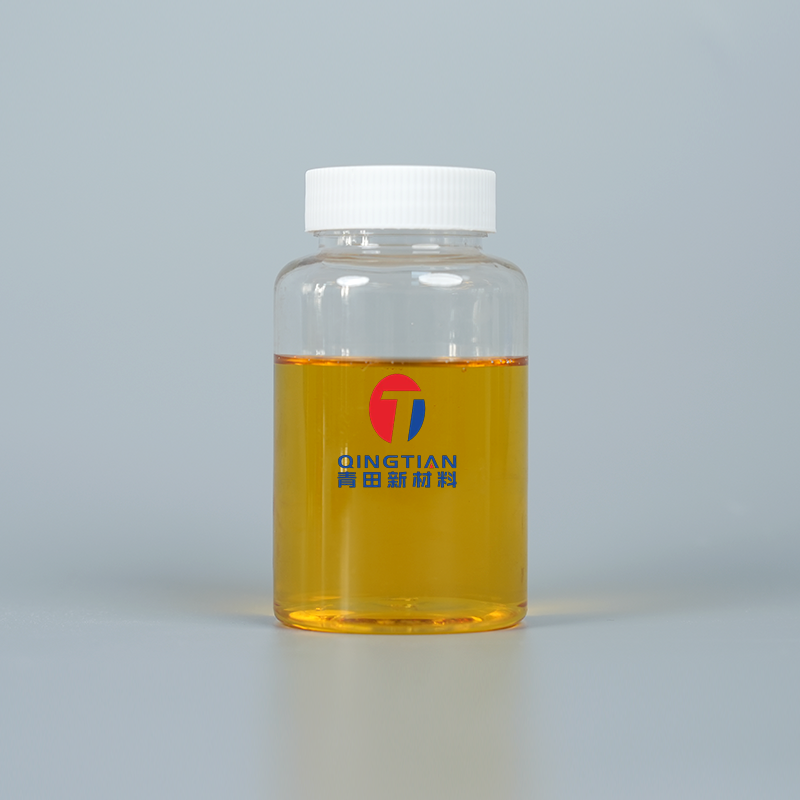
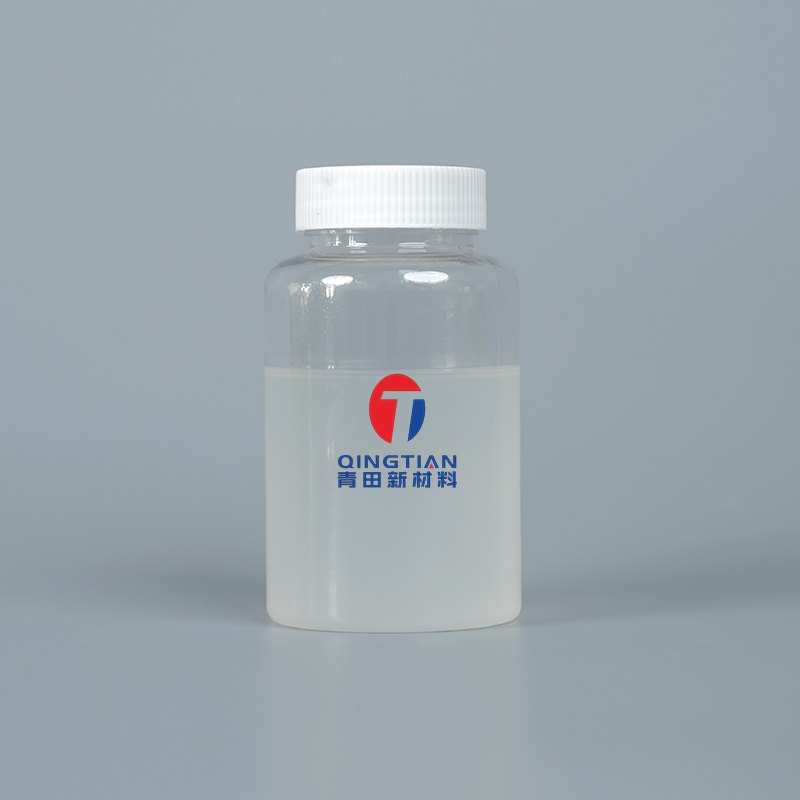
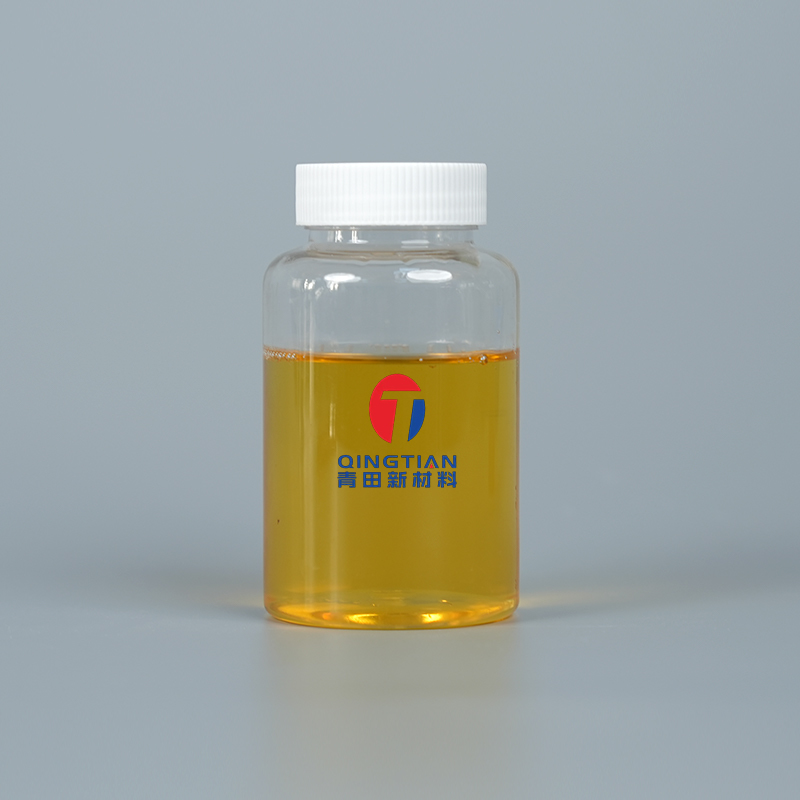
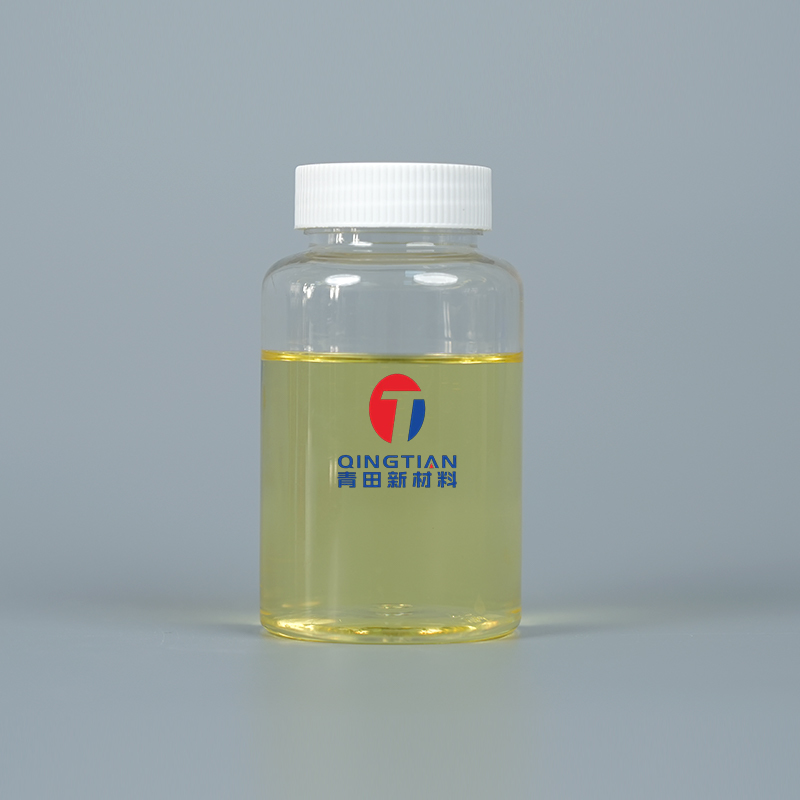
DH-6193S Water-based Dispersant
Pigments do not naturally remain as isolated primary particles when introduced into a liquid. During storage and processing, they tend to form aggregates because of surface energy, van der Waals attraction, electrostatic effects, and mechanical contact. A pigment dispersant is used to reduce these interactions and promote a stable distribution of pigment particles throughout the liquid medium.
In a typical dispersion process, the additive must perform several functions. First, it must reach the pigment surface quickly and uniformly. Second, it must support wetting so that the water-based medium can replace air at the pigment interface. Third, it must help prevent the newly separated particles from coming together again. Finally, the stabilized pigment should remain compatible with the rest of the formulation during grinding, let-down, application, and storage.
These functions directly influence the final properties of a coating or ink. Poor pigment wetting can result in floating, flooding, foam, specks, poor color strength, and uneven appearance. Inadequate stabilization may lead to flocculation, viscosity drift, sedimentation, loss of gloss, and inconsistent tinting strength. Excessively high viscosity can also limit pigment loading and make pumping, mixing, filtering, and application more difficult.
A polymeric dispersant such as DH-6193S is intended to address these issues through a combination of surface interaction and steric stabilization. The polymeric structure can provide multiple points of interaction with pigment surfaces while extending into the surrounding water-based phase. This helps separate pigment particles and reduces the likelihood of close re-association after mechanical dispersion.
DH-6193S is a polymeric dispersant for water-based, resin-free pigment systems. Its stated application focus includes high-surface-area carbon black, difficult-to-disperse organic pigments, and inorganic pigments. These pigment categories often present different challenges, making broad compatibility an important characteristic for laboratories and production facilities that handle multiple formulations.
High-surface-area carbon black is widely used when strong jetness, deep color, and high tinting strength are required. However, its large effective surface area can increase the demand for dispersant and create a strong tendency toward aggregation. If the carbon black is not adequately stabilized, the formulation may develop high viscosity or lose optical strength.
Organic pigments can also be difficult to disperse because of their crystal structure, surface characteristics, and tendency to form persistent aggregates. Inorganic pigments may have high density and can create additional challenges related to settling, shear response, and storage stability. A dispersant that can operate across these pigment classes gives formulators more flexibility when designing color systems.
DH-6193S is described as providing excellent viscosity reduction. This feature is particularly valuable where the formulation must contain a high pigment concentration while retaining practical flow and application properties. Lower viscosity may improve circulation, pumping, mixing, filtration, and application, provided that the desired rheological profile is maintained through the complete formulation design.
The product is also associated with excellent color development and high gloss. These properties are important indicators of effective pigment dispersion. When aggregates are reduced, a greater proportion of the pigment surface can contribute to optical performance. The resulting film may show stronger color, cleaner shade development, and a smoother surface that reflects light more uniformly.
Viscosity control is one of the most important practical benefits offered by a dispersant. A highly concentrated pigment dispersion can become difficult to handle when particles interact strongly or when the liquid contains large, poorly broken aggregates. High viscosity can reduce milling efficiency, increase energy demand, slow transfer operations, and limit the amount of pigment that can be incorporated.
DH-6193S is positioned as an excellent viscosity-reducing dispersant. By improving pigment wetting and stabilization, it can help reduce the internal resistance of the dispersion. This may allow the formulator to achieve a more workable viscosity at a given pigment concentration or to increase pigment loading while retaining acceptable flow.
Lower viscosity is not only a production advantage. It can also support more consistent application. Coatings and inks with an appropriate viscosity are easier to atomize, roll, brush, print, or apply through other controlled processes. Better flow can contribute to leveling and reduce the risk of visible surface defects caused by poor movement of the wet film.
Color development describes how effectively a pigment expresses its expected color in a finished dispersion or coating. Pigment agglomerates can reduce apparent color strength because the particles do not interact with light in the same way as a fine and well-distributed pigment population.
By promoting effective deagglomeration and stabilization, DH-6193S supports strong color development in water-based systems. This is especially relevant to carbon black and high-performance organic pigments, where the visual difference between an adequately dispersed system and a poorly dispersed system can be significant.
Improved color development can help reduce the quantity of pigment needed to reach a target shade, although the optimum dosage must always be determined through laboratory testing. It may also improve the reproducibility of color matching by making the dispersion less sensitive to variations in mixing time, shear history, and storage conditions.
Gloss is strongly influenced by the smoothness and uniformity of the applied film. Large pigment aggregates, unstable flocs, or poorly dispersed solids can create microscopic surface irregularities that scatter light and lower gloss.
DH-6193S is designed to support high gloss by encouraging a fine and stable pigment distribution. When the formulation is correctly balanced, this can help the applied film develop a more uniform surface. High gloss may be particularly important in decorative coatings, automotive-related finishes, furniture coatings, plastics coatings, and other applications where appearance is a central performance criterion.
Gloss performance depends on many variables beyond the dispersant, including binder selection, pigment type, substrate, film thickness, curing conditions, surface tension, and application method. Nevertheless, effective pigment dispersion is a fundamental requirement for achieving the best possible optical result from the rest of the formulation.
Pigment loading affects color strength, hiding power, cost structure, production efficiency, and the physical properties of a coating or ink. A formulation that reaches excessive viscosity at moderate pigment concentration may not provide sufficient flexibility to meet the required performance target.
DH-6193S can help increase pigment loading while maintaining low viscosity and good fluidity. This makes it useful for concentrated pigment preparations, tinting systems, water-based inks, and resin-free pigment dispersions where the pigment phase must be efficient and transportable.
Higher pigment loading can also improve manufacturing efficiency. A concentrated dispersion may occupy less storage volume for the same amount of pigment and may reduce the number of batches needed during color production. These benefits depend on the formulation design, equipment, and application requirements, but the dispersant’s viscosity-reduction capability creates a useful foundation for concentration work.
Storage stability is a critical measure of dispersant effectiveness. A dispersion may appear satisfactory immediately after processing but develop sedimentation, viscosity increase, flocculation, hard settling, or color change during storage. These changes can cause production interruptions and inconsistent application results.
DH-6193S is described as supporting storage stability. Its polymeric stabilization mechanism is intended to help maintain particle separation over time. A stable dispersion is easier to transport, pump, remix, filter, and use in downstream formulations.
Storage stability must be confirmed under conditions relevant to the intended market. Testing may include ambient storage, elevated-temperature storage, freeze-thaw exposure where appropriate, centrifugation, viscosity measurement, color evaluation, gloss testing, and redispersion assessment. The final result will depend on pigment surface area, additive dosage, pH, ionic strength, water quality, equipment, and other formulation variables.
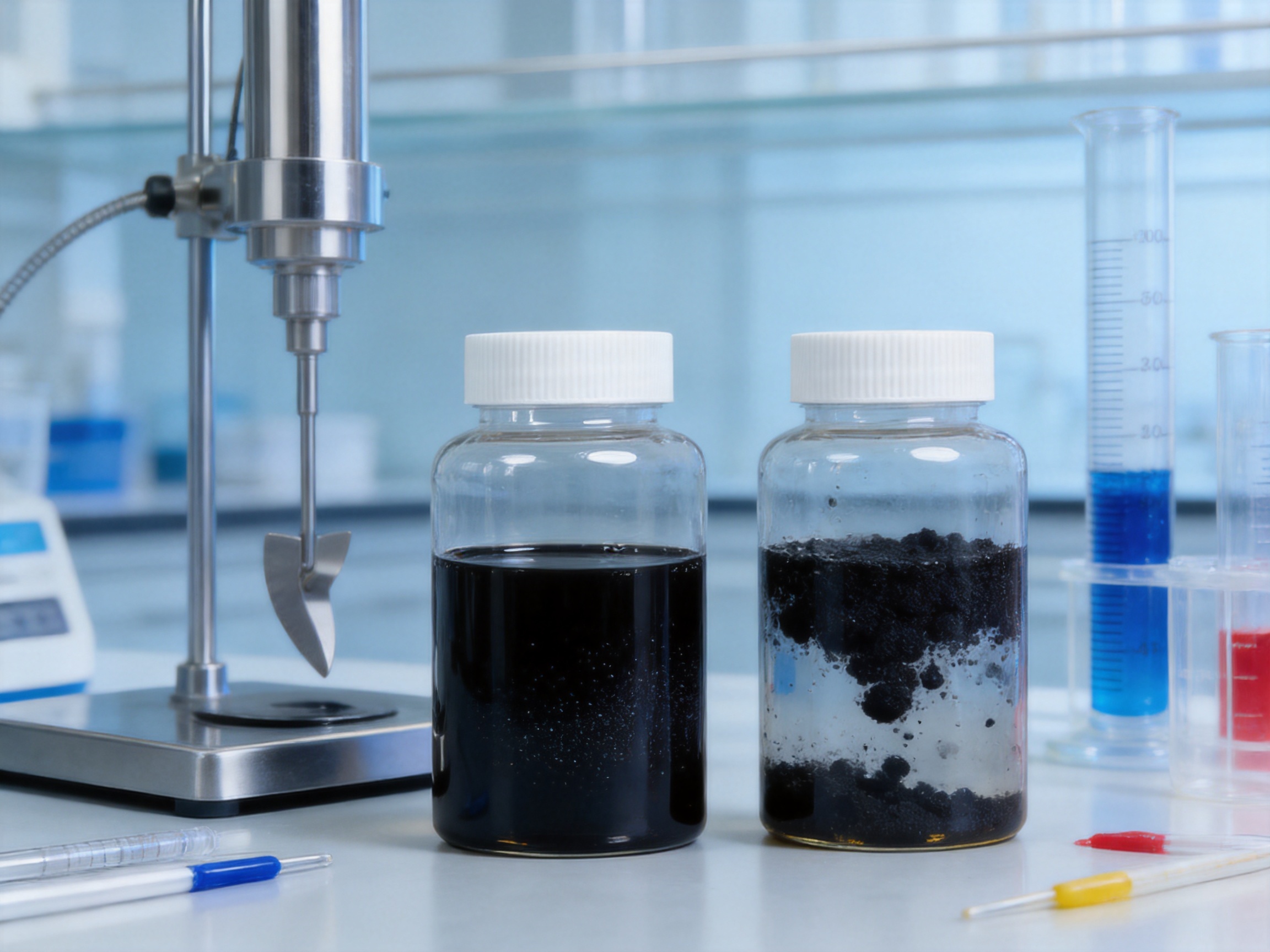
The benchmark information associated with DH-6193S identifies BYK-163 as a comparison reference. A benchmark reference can be useful during product evaluation because it gives formulators a familiar point for testing viscosity, color strength, gloss, pigment loading, and storage behavior. However, direct performance conclusions should be based on controlled comparative testing with the actual pigments and formulation conditions under consideration.
Compared with a basic wetting agent, a polymeric dispersant is intended to provide a broader stabilization effect. A simple wetting agent may lower interfacial tension and help the liquid contact the pigment, but it may not provide sufficient steric protection after the pigment has been broken down by milling. DH-6193S is designed to combine effective wetting behavior with polymeric stabilization, making it more suitable for demanding pigment concentrates.
Compared with a dispersant that produces only moderate viscosity reduction, DH-6193S offers a stronger focus on maintaining flow at elevated pigment loading. This can be valuable in resin-free systems, where there is no polymer binder to assist with the final film and where the dispersant may carry a larger share of the stabilization responsibility.
Compared with a product designed for only one pigment family, DH-6193S is presented for carbon black, difficult organic pigments, and inorganic pigments. This broader target range may reduce the number of separate dispersant grades required by a formulator. A single versatile product can simplify laboratory screening, raw-material management, and production planning, although compatibility should still be verified for each pigment and end-use system.
Another potential advantage is the balance between optical and rheological performance. Some dispersants can improve color development but cause excessive viscosity, while others reduce viscosity without delivering the desired gloss or storage stability. DH-6193S is intended to address these properties together: viscosity reduction, fluidity, color development, gloss, pigment loading, and storage stability.
| Evaluation area | Formulation challenge | Potential contribution of DH-6193S |
|---|---|---|
| Viscosity | High pigment concentration creates difficult flow and handling | Excellent viscosity reduction and improved fluidity |
| Color strength | Pigment aggregates limit effective optical development | Improved pigment distribution and color development |
| Gloss | Flocculation and surface irregularities reduce reflection | Support for a finer and more uniform pigment dispersion |
| Pigment loading | Viscosity rises before the target concentration is reached | Potential to increase pigment loading while retaining workable flow |
| Storage | Settling, flocculation, or viscosity drift occurs over time | Polymeric stabilization and improved storage stability |
| Application range | Different pigment families require different stabilization strategies | Use in carbon black, organic pigment, and inorganic pigment systems |
Resin-free pigment systems are commonly used as concentrated bases, universal colorants, tinting preparations, and intermediate dispersions. Because these systems may contain little or no binder, the pigment dispersant has a particularly important role. It must support pigment stability without relying on a resin package to control particle interactions.
In a resin-free system, the dispersant can influence the balance between pigment surface coverage, water compatibility, viscosity, and downstream binder compatibility. An effective product should stabilize the pigment during storage while allowing the dispersion to be incorporated into a final coating, ink, or adhesive without causing incompatibility or unexpected rheological changes.
DH-6193S is specifically positioned for water-based resin-free systems. This makes it relevant to formulators developing concentrated pigment dispersions that are later let down into acrylic, polyurethane, epoxy, or other water-based binder systems. The finished compatibility must be assessed in the complete formulation, but the resin-free orientation gives the product a clear technical application focus.
Water-based systems also have environmental and workplace advantages compared with many solvent-heavy alternatives, including reduced volatile organic compound potential in appropriately designed formulations. At the same time, water introduces its own technical considerations, including surface tension, evaporation behavior, microbial sensitivity, freeze-thaw response, and sensitivity to dissolved salts. A dispersant must perform within this complex aqueous environment.
High-surface-area carbon black is one of the most demanding pigment types for dispersion. Its small primary particle size and extensive surface area create strong adsorption demand. Without adequate stabilization, carbon black can form a network that produces high viscosity, poor flow, loss of gloss, and reduced color efficiency.
DH-6193S is intended to help address these problems. Its viscosity-reduction capability is particularly relevant because carbon black concentrates may become highly structured even at moderate solids content. Effective dispersion may improve jetness, color depth, gloss, and ease of processing.
When developing a carbon black dispersion, the formulator should evaluate the relationship between additive dosage and milling energy. Insufficient dispersant may leave aggregates and produce unstable viscosity. Excessive dispersant may affect water resistance, foam behavior, recoatability, or compatibility with the final binder. The optimum point is therefore determined by a dosage ladder and performance testing rather than by a universal percentage.
Organic pigments may display strong crystal-to-crystal attraction and can be sensitive to the choice of dispersant. Some grades require substantial mechanical energy to reach the desired fineness, while others may show shade changes when the dispersion state changes.
DH-6193S supports the dispersion of difficult organic pigments by assisting wetting and maintaining particle separation after milling. Improved color development can be useful for strong chromatic shades, where a small change in particle distribution may influence transparency, undertone, tinting strength, and final shade.
For organic pigments, testing should include color strength, hue, transparency or opacity, gloss, fineness of grind, viscosity, and storage stability. The finished coating should also be examined for flooding and floating, especially when multiple pigments are combined in the same color formulation.
Inorganic pigments often have higher density than organic pigments. This can increase the risk of sedimentation, especially in low-viscosity water-based systems. Their surface chemistry may also vary considerably depending on manufacturing history, treatment, particle size, and grade.
DH-6193S may contribute to a more stable inorganic pigment dispersion by improving wetting and supporting particle separation. Its ability to maintain low viscosity and good fluidity is valuable when the formulator needs a liquid that remains pumpable while still carrying a substantial solids load.
Inorganic pigment evaluation should include sedimentation height, compactness of any sediment, ease of redispersion, viscosity after storage, and color consistency. A dispersion that settles slightly but redisperses easily may be acceptable in one application, while another may require complete resistance to settling. The performance target must therefore be linked to the actual product design.
The most reliable way to assess DH-6193S is to use a controlled laboratory program. The pigment, water quality, mixing equipment, shear conditions, additive dosage, pH, and let-down procedure should be documented so that results can be repeated and compared.
Initial screening can begin with several dispersant levels around the expected working range. The purpose is to identify the dosage region where viscosity decreases, color development improves, and the dispersion remains stable. A low dosage may not fully cover the pigment surface, while an excessive dosage may provide no additional benefit or may influence downstream properties.
Each sample should be processed using the same order of addition and comparable shear history. The laboratory should record mixing time, temperature, equipment type, and dispersion energy. These details are important because apparent product performance can change when the processing method changes.
Viscosity should be measured using a method suitable for the expected flow behavior. Low-shear viscosity can indicate storage and settling tendencies, while higher-shear measurements may be more relevant to pumping, printing, spraying, or coating application.
The objective is not necessarily to obtain the lowest possible viscosity. A very low viscosity may reduce suspension stability or alter application behavior. The preferred result is a balanced rheological profile that provides manageable processing, adequate pigment suspension, and the desired application response.
Color development can be measured through drawdowns, opacity comparisons, tinting-strength measurements, spectrophotometric evaluation, and visual examination. Gloss should be tested at the angle relevant to the intended product. The film thickness, substrate, drying conditions, and surface preparation should remain consistent.
High gloss and strong color development should be assessed together. A dispersion may show strong color but poor surface appearance if it contains unstable flocs. Conversely, a smooth film may not deliver the desired color strength if the pigment is not efficiently developed.
Storage stability testing should compare the initial sample with the same material after defined storage periods. Useful observations include viscosity change, color change, gloss change, sedimentation, floating, flooding, phase separation, odor, and ease of remixing.
Accelerated testing can help identify potential problems earlier, but it should not replace real-time evaluation. Temperature stress may reveal instability mechanisms that are not visible at room temperature. Freeze-thaw testing may also be relevant for water-based products that will be transported or stored in cold climates.
A pigment dispersion is rarely used in isolation. It is generally incorporated into a complete coating, ink, or adhesive. Therefore, the selected dispersant should be evaluated after let-down into the final binder and additive package.
Important final-formulation properties may include viscosity, gloss, color strength, adhesion, water resistance, chemical resistance, drying or curing behavior, foam, surface defects, recoatability, and storage stability. A dispersant that performs well in the pigment concentrate must also support the performance of the finished product.
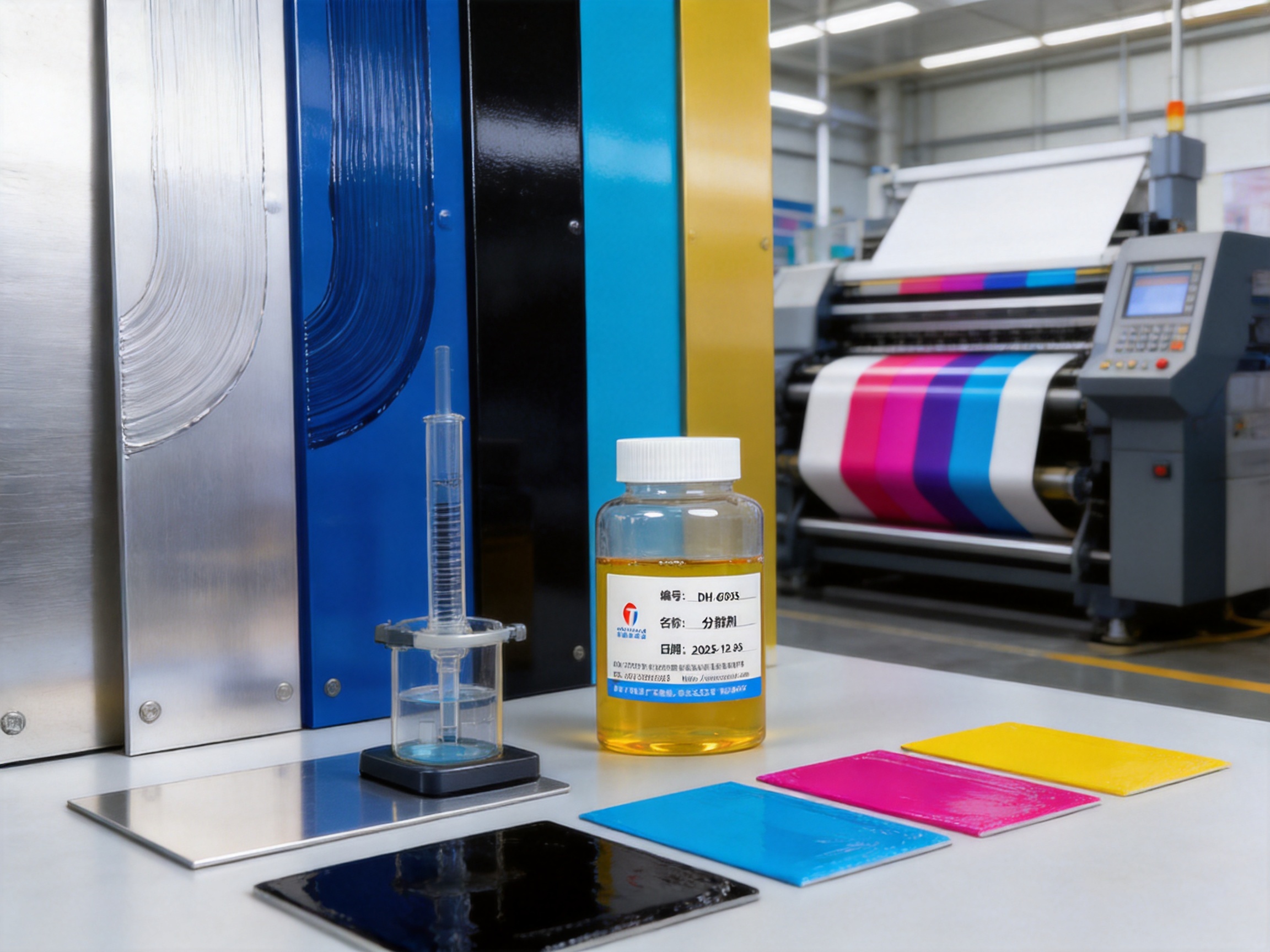
The product is supplied by Suzhou Qingtian New Material Co., Ltd., a professional company focused on raw materials for coatings, inks, and adhesives. The company was founded in 2012 and has developed an experienced team that includes research and development specialists, sales professionals, and technical personnel.
The company operates with a modern production facility supported by advanced testing equipment and research capabilities. These resources are important for polymeric dispersant production because consistent performance depends on controlled raw-material selection, reaction management, process repeatability, purification, finishing, packaging, and quality verification.
Although the supplied product information does not disclose a detailed proprietary reaction sequence, advanced manufacturing strength can be understood through the company’s emphasis on modern production, technical research, and testing. A professional additive producer must control the relationship between polymer structure and application performance. Small variations in molecular characteristics can influence viscosity reduction, pigment affinity, compatibility, storage stability, and final coating appearance.
Quality control should therefore extend beyond simple appearance checks. A robust manufacturing and testing system may evaluate physical properties, batch consistency, viscosity behavior, solids or active content where applicable, storage behavior, and performance in representative pigment systems. These activities help connect production control with the practical requirements of customers.
The company’s specialization in dispersants, leveling agents, defoamers, adhesion promoters, anti-settling agents, conductive agents, texture additives, and wax powders also provides a broad technical context. Because these products are used together in coatings and inks, experience across multiple additive categories can support more complete formulation discussions.
The company serves application areas that include steel and aluminum coil coatings, plastic coatings, ultraviolet-curing systems, anticorrosion coatings, wood coatings, glass coatings, epoxy flooring, printing inks, power batteries, photovoltaic panels, and other industrial sectors. This broad industry exposure can help guide the selection of additives according to substrate, curing method, surface requirements, and application process.
Research and development is central to the improvement of coating additives. New pigment grades, water-based binder technologies, lower-emission requirements, high-speed application methods, and increasingly demanding surface expectations all require continuous formulation development.
The company reports strong research capabilities and a history of product development, including the creation of an ice flower resin in 2016. It was recognized as a National High-Tech Enterprise in 2020 and moved to Lingrui Intelligent Manufacturing Park in Zhangjiagang High-Tech Zone in 2021 to strengthen research and production capacity.
These milestones indicate a continuing investment in technical development and manufacturing infrastructure. For customers evaluating DH-6193S, this background is relevant because a dispersant is not judged only by its initial specification. It must also be supported by technical communication, application troubleshooting, consistency, and ongoing product improvement.
Coating and ink additives are highly formulation-dependent. A product that is effective with one pigment may require a different dosage or processing method with another pigment. Technical support is therefore important when customers move from laboratory evaluation to pilot production and commercial manufacturing.
A supplier with experience across coatings, inks, and adhesives can help customers consider additive interactions rather than evaluating one product in isolation. For example, dispersant selection may influence foam, leveling, adhesion, surface tension, water resistance, and compatibility with a defoamer or wetting agent.
The company’s stated focus on innovation, quality, service, and mutually beneficial cooperation supports this type of application-oriented relationship. Customers can use DH-6193S as part of a structured development program that includes pigment screening, dosage optimization, process adjustment, and final coating evaluation.
In water-based coatings, DH-6193S may be used to prepare pigment concentrates or direct-grind formulations. Its viscosity-reduction and stabilization properties can support efficient processing and good final appearance. Potential applications include decorative coatings, industrial coatings, plastic coatings, wood finishes, and anticorrosion systems, subject to compatibility testing.
Printing inks require controlled viscosity, strong color development, clean transfer, and stable storage. Poor pigment dispersion can cause blocked filters, nozzle problems, shade variation, reduced gloss, and uneven print density. DH-6193S may help ink formulators develop concentrated color systems with good flow and stable pigment distribution.
Industrial and protective coatings often require consistent color, reliable application, and resistance to long storage periods. A stable pigment dispersion can simplify batch production and reduce the risk of appearance differences between lots. In high-throughput operations, viscosity control may also support efficient transfer and application.
Plastic coating systems may demand high gloss, smooth appearance, and strong color development. Surface irregularities caused by pigment aggregates can be particularly visible on smooth plastic substrates. DH-6193S may contribute to the quality of the color dispersion, while the complete coating must be optimized for adhesion and substrate compatibility.
The company also serves sectors such as power batteries and photovoltaic panels. These applications can involve specialized coatings, conductive materials, protective layers, or functional surface treatments. The suitability of DH-6193S in any particular advanced material should be confirmed through application-specific testing, but the product’s focus on stable pigment dispersion and low viscosity may be relevant to certain water-based processing routes.
The order of addition can influence the efficiency of a pigment dispersion. In many systems, the dispersant is first combined with part of the water phase before pigment addition. This may allow the additive to contact the pigment early in the process. However, the optimum procedure depends on pigment type, equipment, solids content, and the rest of the formulation.
Good process control is essential. The operator should avoid uncontrolled temperature rise, insufficient shear, excessive air entrainment, and overly long processing that may damage the formulation or introduce unnecessary foam. The dispersion should be examined for fineness, viscosity, color, and stability before it is approved for let-down.
Water quality can also matter. Dissolved salts, hardness, pH, and microbial contamination may affect the performance of an aqueous dispersant system. Formulators should use consistent water sources and monitor pH where the formulation is sensitive to changes in ionic environment.
Because no universal dosage is appropriate for every pigment, DH-6193S should be optimized through comparative laboratory trials. The useful dosage may vary with pigment surface area, oil absorption, particle size, pigment treatment, solids level, milling equipment, and final binder system.
Water-based formulation development is often connected with efforts to reduce solvent use, improve workplace conditions, and meet changing environmental expectations. An effective dispersant can support these efforts by helping formulators produce concentrated, stable, and processable pigment systems in an aqueous medium.
Improved pigment loading may reduce the amount of carrier liquid required for a target pigment quantity. Lower viscosity can decrease energy requirements during transfer and mixing, although actual energy savings depend on equipment and operating conditions. Better storage stability can also reduce waste caused by rejected or irreversibly settled material.
These potential benefits should be evaluated through the complete product life cycle. The dispersant itself must be compatible with the intended regulatory, safety, and environmental requirements. Customers should consult the applicable technical data sheet and safety documentation before commercial use.
Sustainability is not limited to the choice of water as a carrier. It also includes raw-material efficiency, manufacturing consistency, batch yield, packaging, transportation, shelf life, and end-use durability. By improving dispersion quality and helping coatings perform consistently, DH-6193S may contribute to more efficient formulation design when used appropriately.
DH-6193S is a polymeric water-based dispersant intended for resin-free pigment systems. It is designed to support pigment wetting, stabilization, viscosity reduction, color development, gloss, fluidity, pigment loading, and storage stability.
The product is positioned for high-surface-area carbon black, difficult-to-disperse organic pigments, and inorganic pigments. The optimum dosage and processing conditions should be determined separately for each pigment because surface chemistry and absorption characteristics vary.
Yes. Its stated application focus is water-based, resin-free pigment systems. It may be used to prepare concentrated pigment dispersions that are later incorporated into complete coating, ink, or adhesive formulations.
As a polymeric dispersant, it is designed to improve pigment wetting and reduce particle-to-particle association. Better separation of pigment particles can lower the internal resistance of the dispersion and improve flow. The actual viscosity result depends on dosage, pigment type, solids content, and processing conditions.
No. Viscosity should be evaluated together with color strength, gloss, fineness, storage stability, sedimentation, and final application behavior. The best formulation provides a balanced rheological profile rather than simply the lowest possible viscosity.
BYK-163 is identified as a benchmark reference for DH-6193S. A meaningful comparison should use the same pigment, water quality, additive dosage basis, milling equipment, processing time, and final formulation. Recommended evaluation criteria include viscosity reduction, color development, gloss, pigment loading, storage stability, and compatibility.
It is described as providing high gloss in suitable water-based pigment systems. Improved pigment dispersion can reduce aggregates and surface irregularities, helping the final film develop a smoother appearance. Gloss also depends on binder, substrate, film thickness, curing, and application conditions.
It is designed to increase pigment loading while maintaining low viscosity and good fluidity. The actual maximum loading depends on the pigment’s surface area, oil absorption, density, processing method, and the desired stability of the finished dispersion.
Recommended testing includes viscosity, fineness of grind, color strength, gloss, sedimentation, redispersibility, storage stability, freeze-thaw behavior where relevant, and compatibility after incorporation into the final coating or ink. Production-scale trials should follow successful laboratory evaluation.
Yes. Dispersant performance is formulation-dependent. Technical discussion can help determine dosage, order of addition, processing conditions, pigment compatibility, and interactions with other additives.
DH-6193S is a polymeric water-based dispersant developed for demanding resin-free pigment systems. Its performance profile focuses on the properties that modern coating and ink formulators most often need to balance: excellent viscosity reduction, good fluidity, higher pigment loading, strong color development, high gloss, and storage stability.
The product is particularly relevant to high-surface-area carbon black, difficult organic pigments, and inorganic pigments. By supporting more efficient pigment wetting and stabilization, it can help reduce aggregation, improve processing, and promote consistent optical performance. Its comparison reference, BYK-163, provides a useful starting point for structured laboratory benchmarking.
The advantages of DH-6193S should be considered together with the manufacturing and technical capabilities of its supplier. Suzhou Qingtian New Material Co., Ltd. combines experience in coatings, inks, and adhesives with a modern production facility, advanced testing equipment, research capabilities, and a broad portfolio of formulation additives. Its development history and industry coverage support an application-oriented approach to product supply and customer service.
For formulators, the most effective adoption strategy is a controlled evaluation using actual pigments and production-relevant conditions. When dosage, processing, and compatibility are optimized, DH-6193S can provide a practical route toward concentrated, fluid, visually attractive, and stable water-based pigment dispersions.
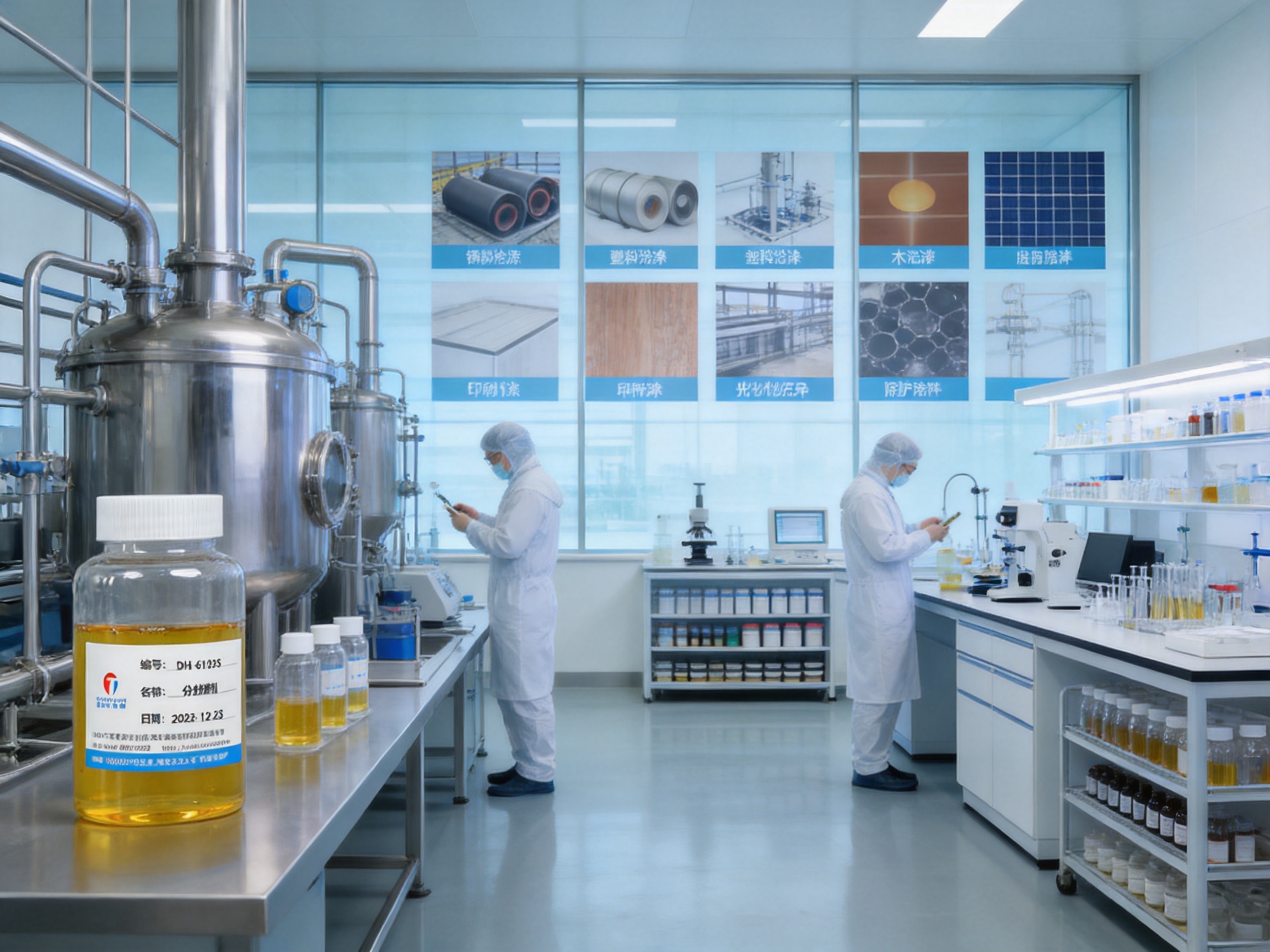
1. Suzhou Qingtian New Material Co., Ltd. Product information for DH-6193S Water-Based Dispersant.
2. Suzhou Qingtian New Material Co., Ltd. Company information and application portfolio for coatings, inks, adhesives, and industrial additives.
3. Technical literature on polymeric dispersants, pigment wetting, steric stabilization, and aqueous pigment dispersion.
4. Technical literature on carbon black dispersion, organic pigment stabilization, and inorganic pigment sedimentation control.
5. General laboratory practices for evaluating viscosity, color development, gloss, storage stability, and pigment dispersion quality.
6. Comparative evaluation principles for water-based dispersants using controlled dosage, processing, and final-formulation testing.
 Wholesale Paint/ Coating Additives Manufacturers
Custom Industrial Chemical Solutions Suppliers