


 русский
 Español
 Français
Home / Author / Tang Yuxi — Senior After-Sales Service Engineer / F-2306S Oxidized PE Micronized Wax Powder Additive for High-Performance Coatings and Inks
Tang Yuxi — Senior After-Sales Service Engineer

Content
In modern coatings and printing applications, a successful additive must do more than provide one isolated performance benefit. It must improve surface properties, protect the coating film, remain compatible with the formulation, support efficient processing, and preserve the appearance and recoatability required by the end user. F-2306S Micronized Wax Powder Additive is designed for this demanding role. It is an oxidized polyethylene wax synthesized through a special process and equipment, providing a balanced combination of scratch resistance, slip, lubricity, hardness, anti-blocking performance, abrasion resistance, transparency, and smooth hand-feel.
Developed for water-based systems and selected solvent-based flexographic and packaging gravure inks, F-2306S offers formulators a practical way to improve the surface performance of paint films and printed layers without creating unnecessary limitations during subsequent coating or printing operations. Its performance profile makes it suitable for applications where appearance, tactile quality, durability, and processing flexibility must be achieved at the same time.
This article explains the product’s chemistry, performance advantages, application value, manufacturing strengths, formulation considerations, and quality expectations. It also compares the functional role of F-2306S with common wax additive approaches and provides a question-and-answer section for technical users, purchasing teams, and coating manufacturers.
F-2306S is a micronized oxidized polyethylene wax powder additive. Polyethylene waxes are widely used in coatings and inks because they can migrate or distribute toward the surface of a cured or dried film, where they influence friction, abrasion, blocking, and tactile behavior. Oxidation introduces polar functionality into the polyethylene wax structure. This can improve its interaction with selected formulation components, particularly in systems where wetting agents or surfactants assist incorporation.
The product is supplied as a micronized powder. Micronization is important because particle size and particle distribution influence dispersion, surface uniformity, optical appearance, and the consistency of the final film. A properly engineered micronized wax can deliver functional benefits while minimizing the coarse particles, visible defects, excessive haze, or uneven surface feel that may occur when an unsuitable wax grade is used.
F-2306S is specifically positioned for applications requiring a combination of:
• Improved scratch and abrasion resistance.
• Enhanced surface slip and lubricity.
• Increased coating-film hardness.
• Better anti-blocking behavior.
• Smooth and pleasant hand-feel.
• Excellent transparency.
• Compatibility with recoat operations.
• Use in water-based coatings and inks when suitable wetting agents or surfactants are present.
• Use in solvent-based flexographic and packaging gravure inks.
These functions are especially valuable in industrial coatings, packaging inks, printed films, and other applications where the surface is exposed to rubbing, stacking, handling, conveying, or repeated contact.
Coating and ink films are often evaluated first by their visual appearance, but many failures occur at the surface. A film may have attractive color and gloss yet show poor resistance to scratching, sticking, scuffing, or abrasion during handling. Printed packaging may look excellent immediately after production but suffer from blocking when rolls or sheets are stacked. A coating may feel rough or excessively tacky even though its basic resin system is technically sound.
Wax additives address these surface-related challenges by modifying the behavior of the outer region of the film. Depending on the wax chemistry, particle structure, polarity, and dispersion quality, a wax can reduce friction, create a lubricating effect, improve resistance to mechanical damage, and reduce direct contact between adjacent coated surfaces.
Micronized wax powders are particularly useful because they can be introduced as finely divided solid particles rather than as a fully dissolved liquid material. In a dried or cured coating, the particles can contribute to a controlled surface structure. This structure may improve slip and abrasion resistance while maintaining the desired visual effect. The success of the additive depends on more than the name “wax,” however. The formulation must receive a grade with suitable chemistry, particle characteristics, incorporation behavior, and compatibility.
F-2306S is designed around this complete performance concept. Its value is not limited to a single lubricating function. The product is intended to provide a coordinated improvement in surface durability, anti-blocking behavior, tactile quality, and processing practicality.
Polyethylene wax is a low-molecular-weight polyethylene material with a wax-like physical form. It offers useful hardness, lubricity, and resistance to mechanical wear. In its oxidized form, the wax contains polar groups generated through a controlled oxidation process. These groups can alter the material’s surface energy and improve interaction with certain binders, additives, wetting agents, and water-based formulation environments.
The oxidation level must be controlled carefully. Excessive oxidation may change the balance of hardness, water sensitivity, compatibility, and surface behavior. Insufficient oxidation may make incorporation into some systems more difficult. The special process and equipment used to synthesize F-2306S are therefore important to achieving a useful balance between polyethylene wax performance and improved formulation interaction.
Micronization reduces the wax to a fine powder suitable for incorporation into coating and ink formulations. Fine particles can distribute more evenly than coarse particles, helping the finished film maintain a smoother appearance and more consistent tactile response. Uniform particle distribution is also important for avoiding localized concentration of wax, which could otherwise lead to uneven gloss, visible specks, surface defects, or inconsistent slip.
In practice, the final result depends on both the powder itself and the formulation process. A well-designed micronized wax additive provides a strong starting point, while adequate wetting, mixing, and dispersion help the product express its full performance potential.
After a coating or ink is applied and dried or cured, wax particles may become concentrated near the film surface. This surface orientation can reduce the coefficient of friction and create a more lubricious interface. It can also help the film resist scuffing and scratching because the wax-modified surface is less vulnerable to direct mechanical contact.
F-2306S is formulated to support this surface-oriented function while retaining transparency and a smooth hand-feel. These attributes are important for applications where a wax additive must improve durability without significantly changing the intended visual identity of the coating or printed layer.
Scratch resistance is one of the most important benefits of F-2306S. Coated parts, printed packaging, and finished surfaces can be damaged by fingernails, tools, stacking movement, transport vibration, or contact with other materials. A surface that scratches easily may lose gloss, develop visible lines, or create a poor impression of product quality.
F-2306S improves the resistance of the coating film to surface scratching by contributing a hard, lubricious wax phase. The additive can reduce the severity of contact between the film and an abrasive object. Instead of allowing the contacting object to drag directly across the binder-rich surface, the wax-modified surface provides a more protective and lower-friction interface.
Scratch resistance is affected by resin hardness, cure level, pigment volume concentration, film thickness, substrate preparation, and testing method. F-2306S does not replace the need for a properly designed coating system. Its role is to strengthen the surface performance of a suitable formulation and help the finished film maintain its appearance during handling and service.
Abrasion involves repeated or sustained mechanical contact. It may occur during transport, packaging conversion, stacking, cleaning, conveying, or use. Compared with a single scratch event, abrasion can gradually remove material, reduce gloss, and create a dull or worn appearance.
The hardness and lubricity of oxidized PE wax can help reduce the damage caused by repeated rubbing. F-2306S therefore provides value in applications where the surface must retain its appearance after repeated handling. The additive is especially relevant to industrial coatings and printing inks in which the coated or printed surface is exposed to movement against packaging equipment, rollers, guides, or neighboring surfaces.
Slip describes the ease with which one surface moves over another. Improved slip can reduce friction during converting, stacking, winding, conveying, and handling. In packaging inks, controlled slip can help printed materials pass through machinery more smoothly. In coatings, it can improve the tactile impression and reduce the drag experienced when a surface is touched or wiped.
F-2306S increases surface slip while maintaining a smooth hand-feel. This combination is significant. A coating may be highly slippery but feel excessively greasy, waxy, or uneven. Alternatively, it may feel smooth but lack sufficient movement and scuff resistance. The product is designed to balance these properties for a more refined surface result.
Hardness contributes to a coating’s ability to resist indentation, marking, and deformation. A softer film can show fingerprints, pressure marks, or scuffs more readily. Incorporating a suitable polyethylene wax powder may improve the perceived and practical hardness of the surface without requiring a complete change to the primary resin system.
F-2306S is therefore useful when a formulator wants to increase the robust feel of a coating film while retaining the flexibility to optimize other properties through the binder, crosslinker, pigment, and solvent or water balance. The additive should be evaluated in the complete formulation because excessive loading of any wax can influence gloss, adhesion, flexibility, and intercoat bonding.
Blocking occurs when two coated or printed surfaces stick together under pressure, heat, or prolonged contact. It is a common concern in packaging films, printed sheets, coils, and stacked coated components. Blocking may cause transfer, surface damage, delamination, production delays, and difficulty in unwinding or separating materials.
F-2306S can improve anti-blocking performance by helping create a lower-friction, less adhesive surface. The wax phase reduces direct contact between adjacent film surfaces and helps them separate more readily. This function is particularly useful when the finished material must be stacked, rolled, stored, or transported after printing or coating.
Anti-blocking performance is influenced by residual moisture, residual solvent, drying conditions, film hardness, pressure, temperature, storage duration, and surface energy. F-2306S should therefore be considered part of a broader blocking-control strategy rather than a substitute for adequate drying and curing.
Many coating and ink applications require surface protection without sacrificing color clarity, gloss, or transparency. A wax additive that creates excessive haze or visible particles may solve one performance issue while generating another. F-2306S features excellent transparency, making it suitable for formulations where the appearance of the underlying color, print, substrate, or clear film must remain visible.
Transparency is supported by the product’s micronized form and its ability to distribute through the formulation when properly incorporated. The final optical result will depend on particle dispersion, refractive index relationships, film thickness, gloss level, pigment selection, and drying conditions. Nevertheless, the product’s design gives formulators a strong option for improving surface durability while preserving visual quality.
Tactile performance is increasingly important in packaging, consumer products, furniture finishes, industrial components, and specialty coatings. End users may describe a good surface as smooth, silky, dry, or pleasant to the touch. A rough, sticky, or excessively oily feel can reduce perceived quality even when other technical properties are acceptable.
F-2306S contributes to a smooth hand-feel through its lubricating surface effect and fine particle structure. It can help reduce the perception of drag and roughness, creating a more controlled tactile response. This feature is valuable for premium printed packaging, decorative coatings, and products where the touch experience influences purchasing decisions.
Some surface additives can create problems during subsequent coating operations. A strongly nonpolar or highly migratory wax layer may reduce intercoat adhesion, wetting, or uniformity. This can be a serious limitation in multi-layer coating systems or processes that require repair, overprinting, or recoating.
F-2306S improves surface lubricity and durability without affecting recoatability when used appropriately. This balance is a major advantage for manufacturers that need both surface protection and reliable intercoat processing. As with all additives, the actual result should be confirmed with the intended resin system, coating thickness, drying or curing conditions, and recoat material.
Water-based coatings are used across industrial, decorative, packaging, wood, plastic, metal, and specialty applications. Their environmental and regulatory advantages have increased demand for additives that can function effectively in water-rich formulations. Incorporating a hydrophobic wax powder into a water-based system can be challenging if the particles are not adequately wetted or dispersed.
F-2306S is suitable for water-based coatings when wetting agents or surfactants are present. These ingredients help the powder become more uniformly distributed in the aqueous formulation. The formulator should select a wetting package that supports the binder, pigment, defoamer, rheology modifier, and wax additive without causing excessive foam, sensitivity to water, or surface defects.
Potential water-based coating uses include clear coats, protective finishes, industrial metal coatings, plastic coatings, wood coatings, and other systems requiring enhanced scratch, slip, and anti-blocking performance. The final grade selection and addition method should be confirmed through laboratory testing.
Water-based inks require a carefully balanced combination of pigment wetting, resin compatibility, drying speed, adhesion, rub resistance, and print quality. F-2306S can help improve the durability and slip of the printed layer while preserving transparency when properly dispersed.
In packaging and commercial printing, better surface performance can reduce scuffing during rewinding, stacking, transportation, and filling. Improved anti-blocking behavior can also support cleaner separation of printed surfaces. Since ink films are often thin, the additive must be distributed efficiently and used at a suitable level to avoid compromising color strength, gloss, print definition, or drying behavior.
Flexographic printing commonly requires fast processing, controlled transfer, clean print quality, and resistance to rubbing and blocking. F-2306S is suitable for solvent-based flexographic inks and can contribute to improved slip, lubricity, abrasion resistance, and anti-blocking performance.
Its use may be considered for printed films, labels, flexible packaging, paper, and other substrates where the printed surface must withstand mechanical handling. The formulator should assess solvent compatibility, resin interaction, dispersion stability, drying conditions, and the effect on downstream lamination or overprinting.
Packaging gravure inks are often evaluated under demanding conditions. The printed film may be exposed to winding pressure, stacking, friction, lamination, filling equipment, and repeated handling. Surface defects can be highly visible, especially on large solid areas, clear films, and high-quality graphics.
F-2306S is suitable for solvent-based packaging gravure inks where improved surface durability and slip are needed. Its transparency helps preserve the appearance of the printed layer, while its anti-blocking function can support roll handling and storage. Any impact on adhesion, lamination strength, coefficient of friction, and chemical resistance should be included in the qualification program.
Wax additives are available in many chemical forms, including polyethylene, polypropylene, paraffin, Fischer-Tropsch, oxidized waxes, amide waxes, and blends. Each type offers a different balance of hardness, lubricity, compatibility, transparency, migration, and surface feel. The best option depends on the formulation and performance target.
Compared with a basic untreated polyethylene wax, an oxidized PE wax may offer improved interaction with selected polar components and better incorporation in systems supported by wetting agents or surfactants. Compared with softer waxes, polyethylene wax generally offers a stronger contribution to hardness and abrasion resistance. Compared with a coarse wax powder, a micronized grade can provide more uniform surface distribution and a smoother appearance.
The competitive advantages of F-2306S can be summarized as follows:
| Performance requirement | Value provided by F-2306S | Formulation significance |
|---|---|---|
| Scratch resistance | Improves resistance to surface marking and contact damage | Helps preserve appearance during handling and use |
| Abrasion resistance | Supports protection against repeated rubbing | Useful for packaging, industrial coatings, and printed surfaces |
| Slip and lubricity | Creates a smoother, lower-friction surface | Supports conveying, stacking, winding, and tactile quality |
| Hardness | Contributes to a more robust surface feel | Can reduce marking and deformation in suitable systems |
| Anti-blocking | Reduces the tendency of adjacent surfaces to stick | Supports roll, sheet, and stacked-material processing |
| Transparency | Maintains a clear visual effect when properly dispersed | Suitable for clear and appearance-sensitive formulations |
| Recoatability | Improves surface properties without inherently preventing recoating | Helpful in multilayer coating and overprint applications |
| System flexibility | Suitable for water-based systems with wetting support and selected solvent-based inks | Allows use across multiple formulation platforms |
These advantages do not mean that F-2306S is universally superior to every other wax type. Additive selection must be based on the actual resin, substrate, application method, drying or curing process, and required test results. Its strength lies in the combination of properties it offers in one oxidized, micronized PE wax grade.
F-2306S is synthesized through a special process and equipment. Controlled synthesis is essential for establishing the wax’s chemical structure, oxidation characteristics, hardness, and surface behavior. Variations in reaction conditions can influence acid value, molecular distribution, color, thermal behavior, compatibility, and final performance.
A professional manufacturer must control the process from raw material selection through reaction, oxidation, cooling, solidification, grinding, classification, and packaging. Consistency at each stage helps ensure that different production batches behave similarly in customer formulations.
For industrial users, batch-to-batch consistency is more than a purchasing convenience. It affects viscosity, dispersion stability, coating appearance, printing behavior, coefficient of friction, blocking resistance, and finished-product qualification. A stable manufacturing process therefore directly supports production efficiency and customer confidence.
The use of special equipment supports more precise handling of the wax during synthesis and powder production. Equipment selection influences heat transfer, mixing, oxidation control, cooling rate, particle formation, grinding efficiency, and powder classification.
Specialized powder-processing equipment is particularly important for micronized wax additives. The equipment must reduce the material to a controlled fine powder while limiting contamination, excessive heat, agglomeration, and broad particle-size variation. A well-controlled process contributes to better dispersion and a more uniform surface result in the final coating or ink.
Particle-size distribution is a critical quality factor for micronized wax. Oversized particles may create visible defects or roughness, while an unsuitable proportion of very fine particles may influence dusting, handling, surface migration, or formulation rheology. The optimal distribution depends on the intended use, but consistency is always important.
Advanced production should include appropriate screening, classification, and testing procedures. These steps help the manufacturer maintain a powder that can be incorporated reliably and deliver repeatable surface performance. For customers, particle-size consistency simplifies formulation development and reduces the risk of unexpected changes between batches.
A modern additive producer requires more than production capacity. It also needs testing equipment and technical expertise to evaluate raw materials, intermediate products, finished powders, and application performance. The company behind F-2306S has an experienced R&D and technical team, a modern production facility, advanced testing equipment, and research capabilities supporting the development of coating, ink, and adhesive raw materials.
Relevant quality evaluations may include appearance, powder flow, particle-size distribution, moisture, thermal behavior, chemical characteristics, dispersion behavior, and application performance. Finished formulations can be assessed for gloss, transparency, coefficient of friction, scratch resistance, abrasion resistance, blocking, recoatability, and hand-feel.
Not every test applies in the same way to every customer application. A professional technical service program should connect laboratory measurements with the customer’s actual process and end-use requirements.
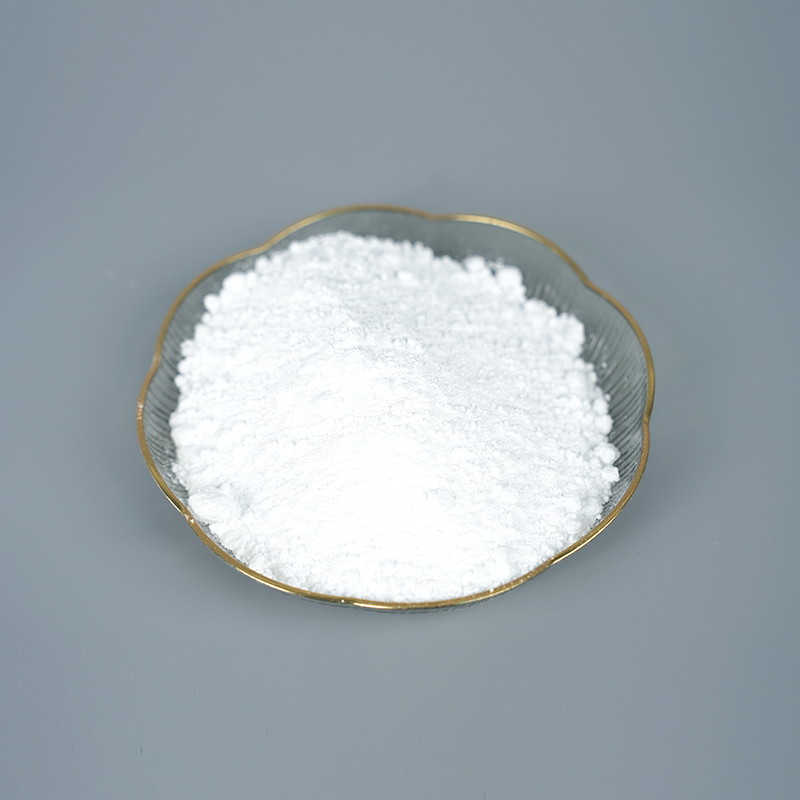
F-2306S Micronized Wax Powder Additive(PE)
F-2306S is produced by Suzhou Qingtian New Material Co., Ltd., a professional supplier of raw materials for coatings, inks, and adhesives. Established in 2012, the company has developed an experienced organization that includes research and development specialists, sales professionals, and production personnel.
The company’s product portfolio includes dispersants, leveling agents, defoamers, adhesion promoters, anti-settling agents, cooling agents, conductive agents, orange peel texture agents, texture powders, and wax powders. This broad product range gives the technical team a wider understanding of formulation challenges. Customers using several additive types may benefit from a supplier that understands how dispersing, leveling, defoaming, adhesion, rheology, texture, and surface modification interact.
The company operates a modern production facility supported by advanced testing equipment and research capabilities. Its development history includes the creation of China’s first ice flower resin in 2016, recognition as a National High-Tech Enterprise in 2020, and relocation to Lingrui Intelligent Manufacturing Park in Zhangjiagang High-Tech Zone in 2021 to strengthen research, development, and production capacity.
These milestones demonstrate a long-term commitment to technical development rather than simple product trading. For customers, the practical benefits include more direct technical communication, support for application trials, the ability to evaluate customized requirements, and access to a broader portfolio of coating and ink additives.
A wax powder does not work independently of the formulation. Its performance depends on resin polarity, pigment type, solvent or water balance, surfactant selection, rheology, film formation, substrate, and drying or curing. A supplier with experience across multiple additive categories can help customers consider these relationships more effectively.
For example, poor wax dispersion may be mistaken for a compatibility problem when the actual cause is inadequate wetting. Excessive foam may be related to surfactant selection rather than the wax itself. Poor blocking resistance may result from insufficient drying or low film hardness rather than an inadequate wax dosage. Integrated formulation knowledge helps separate these issues and supports more efficient troubleshooting.
Research and development capability is essential when customers need more than a standard product. Coating and ink manufacturers may require a particular balance of transparency, slip, hardness, blocking resistance, gloss, or recoatability. They may also need compatibility with a specific resin family, application method, or regulatory target.
The company’s R&D foundation supports the evaluation and development of chemical solutions for industrial customers. Its product categories cover multiple performance needs, allowing technical work to be based on actual application goals rather than on a single raw material in isolation.
Reliable additive supply involves more than shipping material. Customers need clear technical documentation, responsive communication, stable quality, packaging suitable for industrial handling, and support during testing and scale-up. The company emphasizes innovation, quality, service, and win-win cooperation as core principles.
This approach is important for international and domestic customers alike. A coating additive may be evaluated in a laboratory, transferred to a pilot line, and then introduced into mass production. Each stage can reveal different requirements. A responsive supplier helps the customer interpret test results, adjust addition procedures, and confirm that the product performs consistently under practical conditions.
Before adding F-2306S to a production formulation, the user should review the complete system. Important factors include binder chemistry, pigment loading, co-solvent selection, surfactants, wetting agents, defoamers, dispersants, rheology modifiers, substrate, and application method.
In water-based systems, wetting agents or surfactants are specifically important because they assist the powder’s incorporation into the aqueous phase. The appropriate type and level should be selected through testing. Too little wetting support may lead to floating, agglomeration, incomplete dispersion, or surface defects. Too much surfactant may affect foam, water resistance, recoatability, or surface appearance.
The best addition sequence depends on the formulation design and equipment. In some systems, the wax powder may be introduced during a controlled dispersion stage. In others, it may be added during let-down after the principal pigment dispersion has been prepared. The user should evaluate shear, temperature, mixing time, and order of addition.
Powder should be added gradually to reduce agglomeration and dusting. Adequate mixing should continue until the additive is uniformly distributed. Excessive high shear or unnecessary heat may not always improve the result and can influence foam, viscosity, or binder stability.
The optimum addition level is application-specific. A starting point should be selected according to the desired balance of slip, scratch resistance, transparency, gloss, hardness, blocking, and recoatability. The formulator should prepare a series of samples rather than relying on a single trial level.
Testing at several concentrations helps identify the point at which performance improves efficiently without creating unwanted changes. Excessive wax may reduce intercoat adhesion, alter gloss, create surface defects, influence printability, or affect flexibility. The goal is not to maximize wax content, but to achieve the required performance with a technically and economically balanced dosage.
Drying and curing conditions strongly influence wax performance. In water-based systems, insufficient water removal can cause blocking, poor hardness, and unstable surface behavior. In solvent-based inks, residual solvent may affect slip, gloss, adhesion, and blocking. In reactive coatings, incomplete cure can prevent the film from reaching its intended hardness and abrasion resistance.
Laboratory trials should therefore reproduce production-relevant drying or curing conditions as closely as possible. Testing immediately after application may not provide a complete picture. Some properties, including blocking and hardness, can change as the film continues to dry, cure, or equilibrate.
Scratch resistance should be evaluated using a defined method appropriate to the coating or printed layer. The test may involve a stylus, weighted tool, rubbing instrument, or practical handling simulation. Results should be compared with a control formulation that does not contain the wax or uses a reference additive.
Record the applied film thickness, substrate, drying time, test load, tool geometry, number of passes, and visual rating method. These details are essential because scratch results can vary substantially when the procedure changes.
For abrasion evaluation, the user should select a method that reflects the intended service. Laboratory rub tests can compare the relative improvement produced by F-2306S, while practical transport or converting simulations may provide additional information.
Examine both visual damage and measurable changes such as gloss loss, color transfer, mass loss, or print readability. A coating that retains its color but loses significant gloss may require a different interpretation from a coating that shows visible film removal.
Slip performance can be measured through static and kinetic coefficient-of-friction tests. Packaging applications may require separate evaluation of film-to-film and film-to-metal friction. The result should be interpreted together with machine speed, web tension, winding pressure, temperature, and surface finish.
Improved slip is beneficial only when it remains within the operating window of the process. Excessive slip can sometimes affect stacking stability, registration, or conveying control. F-2306S should therefore be optimized to achieve controlled movement rather than the lowest possible friction under every condition.
Blocking tests should reproduce the expected pressure, temperature, and contact time. Samples can be stacked or pressed together under controlled conditions and then separated to assess force, transfer, surface damage, or film delamination.
Because blocking is influenced by drying, humidity, and film hardness, these parameters should be documented. Comparing the wax-containing formulation with a control under identical conditions provides the most useful indication of additive benefit.
Transparency should be evaluated visually and, where appropriate, instrumentally. Check haze, gloss, color strength, print density, surface uniformity, and the presence of visible particles or agglomerates. Clear coats and transparent inks require especially careful observation under different lighting angles.
When the coating or ink will be overcoated, laminated, or repaired, recoatability must be included in the qualification plan. Apply the next layer after the intended interval and evaluate wetting, leveling, intercoat adhesion, appearance, and resistance to delamination.
F-2306S is intended to improve surface properties without affecting recoatability, but every formulation should be validated individually. The final result depends on the complete formulation and process conditions.
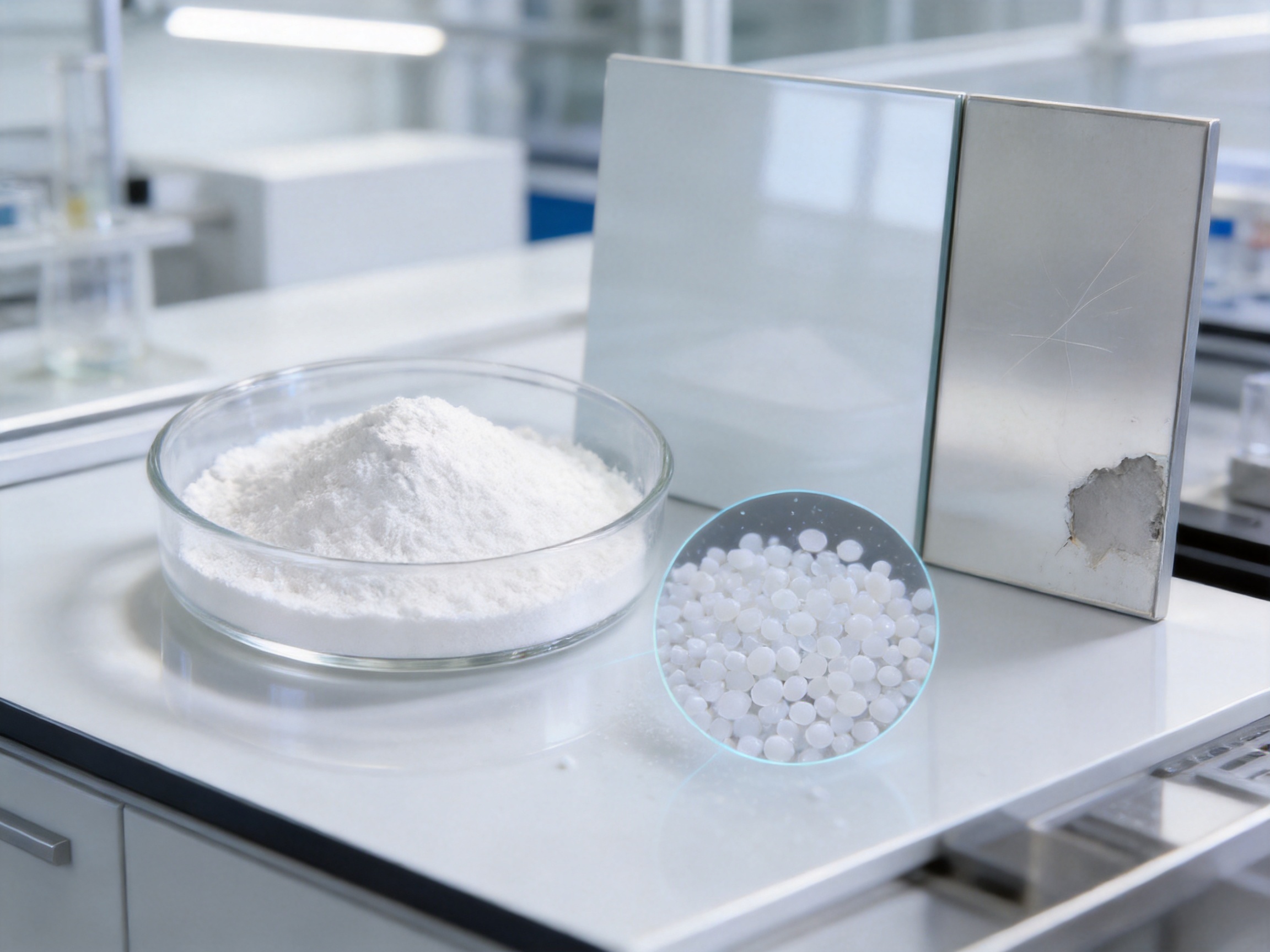
F-2306S can help reduce the need to combine several separate additives for slip, scratch resistance, anti-blocking, and hand-feel. Simplifying the additive package may make formulation development more efficient and reduce the number of compatibility interactions that must be investigated.
This does not mean that every formulation will require only one wax or one surface additive. However, a multifunctional grade can provide a useful foundation. It may allow the formulator to reserve other additives for specific needs such as leveling, defoaming, adhesion, or gloss control.
Surface protection is often demanded without a visible change to the finish. The excellent transparency of F-2306S supports this requirement. When the additive is properly dispersed and optimized, the coating or ink can retain its intended appearance while gaining improved resistance to handling damage.
The product is applicable to water-based systems with wetting support and to solvent-based flexographic and packaging gravure inks. This cross-platform suitability gives manufacturers more flexibility when developing different product lines or transitioning between technologies.
Consumers and industrial users increasingly notice the tactile behavior of a surface. A smooth hand-feel can communicate quality and improve the user experience. F-2306S helps manufacturers develop coatings and printed surfaces that feel more refined without requiring a fully different resin technology.
Improved scratch and abrasion resistance can help a coated or printed surface retain its appearance for longer during storage, distribution, assembly, and use. This may reduce complaints related to scuffing, surface marking, and visible wear. In packaging, preserving print appearance can also protect brand presentation and reduce material loss.
Water-based coatings and inks are increasingly important in efforts to reduce the use of volatile organic compounds and support changing environmental requirements. F-2306S is suitable for water-based systems when incorporated with appropriate wetting agents or surfactants. Its use may therefore support the development of water-based formulations that still require strong slip, scratch, and anti-blocking performance.
Responsible formulation requires more than selecting a water-based system. The entire product life cycle should be considered, including raw materials, manufacturing energy, packaging, production waste, drying energy, durability, and end-of-life requirements. A durable coating may reduce premature replacement or surface damage, while efficient processing can reduce waste and rework.
Regulatory suitability must be assessed according to the specific market, application, and end-use contact requirements. Customers should request and review the relevant technical and safety documentation before commercial use.
F-2306S should be stored in a clean, dry, and well-ventilated area in its original sealed packaging. Protect the powder from moisture, contamination, excessive heat, and direct exposure to conditions that could cause caking or degradation. Good warehouse rotation practices help maintain consistent material age and traceability.
As with other fine powders, users should manage dust during opening, transfer, and addition. Appropriate local exhaust ventilation, personal protective equipment, housekeeping, and workplace procedures should be applied. The product safety data sheet and technical data documentation should be consulted for detailed handling requirements.
Before use, inspect the packaging for damage and confirm the product identity, batch information, and storage condition. If the material shows unusual agglomeration or contamination, contact the supplier for technical advice before incorporating it into a valuable production batch.
Coating and ink manufacturers often work with complex performance targets that cannot be solved through a generic additive recommendation. The required balance may include low friction, high scratch resistance, low haze, strong adhesion, fast drying, suitable gloss, and reliable recoatability. A technical discussion with the supplier can help define the most relevant testing plan.
Suzhou Qingtian New Material Co., Ltd. focuses on custom chemical solutions for paints, coatings, inks, and adhesives. Its broad portfolio and application-oriented R&D capabilities support cooperation across different industries. Customers may benefit from assistance with product selection, trial design, dispersion procedures, comparative testing, and scale-up evaluation.
Technical cooperation should begin with clear information about the formulation and process. Useful details include the resin type, water or solvent system, pigment and filler levels, application method, substrate, film thickness, drying or curing conditions, target gloss, required coefficient of friction, scratch or abrasion test method, and any overcoat or lamination requirements.
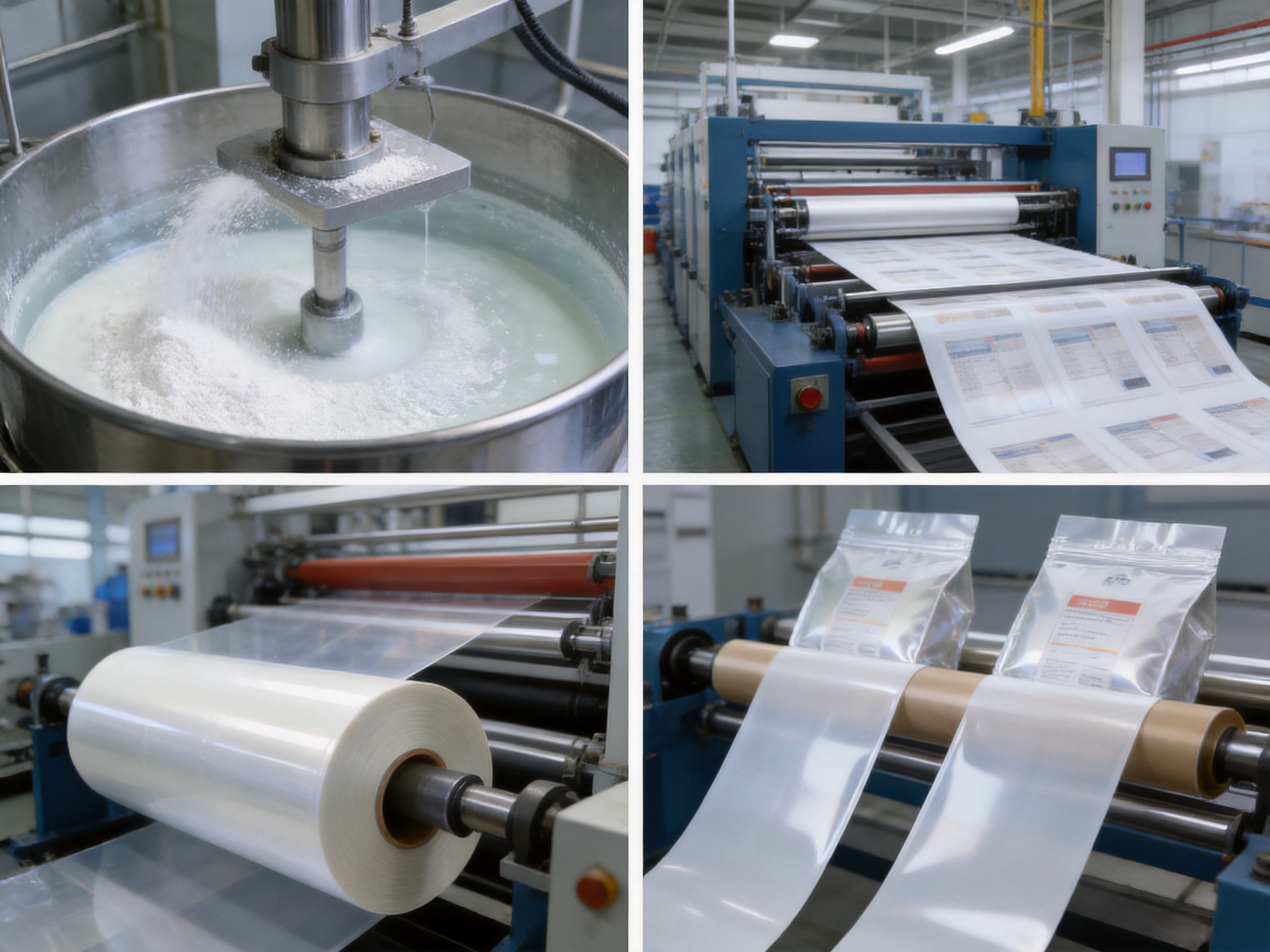
Identify the main problem. Is the formulation failing because of scratching, abrasion, blocking, insufficient slip, rough hand-feel, or poor handling? Establish measurable targets before selecting the addition level.
Prepare the existing formulation without F-2306S. The control should use the same substrate, film thickness, application method, and drying or curing conditions as the trial samples.
Prepare several samples covering a low, medium, and higher addition level appropriate to the formulation. The objective is to identify the performance curve and observe the point at which additional wax no longer provides proportional benefit.
For water-based systems, evaluate suitable wetting agents or surfactants. Compare gradual powder addition, different mixing speeds, and different addition sequences. Observe the mixture for floating, agglomeration, foam, sedimentation, and viscosity change.
Measure scratch resistance, abrasion resistance, slip, blocking, transparency, gloss, hand-feel, adhesion, and recoatability. Include drying time and storage-age observations where relevant.
Laboratory success should be followed by pilot-scale testing. Check dispersion time, equipment cleanliness, dust control, filtration, application stability, drying, winding, stacking, and finished-product handling.
Once the formulation is approved, define incoming raw-material checks and finished-product performance criteria. Maintain batch records and retain samples to support long-term consistency.
F-2306S is a micronized oxidized polyethylene wax powder additive for coatings and inks. It is designed to improve scratch resistance, abrasion resistance, slip, lubricity, hardness, anti-blocking performance, transparency, and hand-feel.
It is applicable to water-based coatings and inks when suitable wetting agents or surfactants are present. It is also suitable for solvent-based flexographic inks and packaging gravure inks.
Oxidation introduces polar functionality into the polyethylene wax structure. This can improve interaction with selected formulation components and support incorporation into systems that require wetting assistance, particularly water-based formulations.
Yes. Improving scratch resistance is one of its principal functions. The wax contributes a hard and lubricious surface phase that can reduce damage caused by contact and rubbing.
Yes. F-2306S can reduce the tendency of adjacent coated or printed surfaces to stick by lowering friction and reducing direct surface contact. Drying, curing, temperature, pressure, and film hardness must also be controlled.
F-2306S features excellent transparency and is designed for use in appearance-sensitive applications. The final result depends on dispersion quality, film thickness, resin compatibility, and addition level. Proper laboratory testing is recommended.
The product is designed to improve surface properties without affecting recoatability when used appropriately. Recoatability should still be verified in the complete formulation because resin chemistry, wax level, drying, and overcoat composition all influence intercoat adhesion.
Water-based systems should contain suitable wetting agents or surfactants to support incorporation and distribution of the powder. The correct type and level depend on the binder and the complete additive package.
Yes. It is suitable for solvent-based flexographic and packaging gravure inks. It can contribute to improved slip, abrasion resistance, anti-blocking performance, and surface durability in printed packaging materials.
The correct level is application-specific. Prepare a controlled series of trials and compare scratch, abrasion, coefficient of friction, blocking, transparency, gloss, adhesion, and recoatability against a control formulation.
Its differentiation comes from the combination of oxidized polyethylene chemistry, micronized powder form, transparency, surface durability, slip, anti-blocking behavior, smooth hand-feel, and suitability for both water-based systems with wetting support and selected solvent-based printing systems.
The manufacturer provides coating, ink, and adhesive raw materials and has R&D, production, testing, and technical service capabilities. Customers can discuss formulation objectives, trial procedures, product selection, and customized chemical solution requirements.
F-2306S Micronized Wax Powder Additive is a multifunctional oxidized polyethylene wax designed for demanding coating and ink applications. Its principal advantages include improved scratch and abrasion resistance, enhanced slip and lubricity, greater surface hardness, stronger anti-blocking performance, excellent transparency, smooth hand-feel, and continued recoatability when properly formulated.
The product’s performance is supported by controlled synthesis, specialized equipment, micronized powder processing, application-focused testing, and the technical capabilities of Suzhou Qingtian New Material Co., Ltd. The company’s experience in coating, ink, and adhesive additives, together with its R&D resources, modern production facility, and broad product portfolio, provides a strong foundation for consistent supply and technical cooperation.
For formulators seeking to improve surface durability and tactile quality without sacrificing appearance or downstream processing flexibility, F-2306S offers a balanced and practical solution. Its use should be optimized through controlled dispersion, suitable wetting support in water-based systems, carefully selected addition levels, and application-specific performance testing.
1. Product information supplied for F-2306S Micronized Wax Powder Additive.
2. Technical principles of polyethylene waxes in coatings and printing inks.
3. General practices for evaluating scratch, abrasion, blocking, slip, and coefficient of friction in coated and printed films.
4. General formulation guidance for micronized wax powders in water-based coatings and inks.
5. General formulation guidance for wax additives in solvent-based flexographic and gravure printing inks.
6. Company information supplied for Suzhou Qingtian New Material Co., Ltd., including its R&D, manufacturing, product portfolio, and development milestones.
7. General industrial practices for powder handling, dispersion, storage, and quality control in coating and ink production.

 Wholesale Paint/ Coating Additives Manufacturers
Custom Industrial Chemical Solutions Suppliers
Wholesale Paint/ Coating Additives Manufacturers
Custom Industrial Chemical Solutions Suppliers