


 русский
 Español
 Français
Home / Author / Tang Yuxi — Senior After-Sales Service Engineer / DH-6200 Dispersant for Epoxy Systems: High-Efficiency Pigment Dispersion for Coatings, Inks, and Color Pastes
Tang Yuxi — Senior After-Sales Service Engineer

Content
Pigment dispersion is one of the most important steps in the manufacture of coatings, inks, color pastes, and resin systems. The quality of dispersion affects viscosity, color strength, gloss, transparency, storage stability, jetness, application performance, and the final appearance of the coated or printed surface. When pigments are not properly wetted and distributed, the formulation may suffer from flocculation, floating, flooding, settling, poor color development, excessive grinding time, unstable viscosity, and inconsistent production results.
DH-6200 is a high-efficiency dispersant developed for demanding pigment dispersion applications. It is especially suitable for carbon black and organic pigments used in polyether and polyester polyol color pastes, unsaturated resin color pastes, solvent-free epoxy systems, industrial coatings, and ink formulations. Its performance is built around two key advantages: excellent viscosity reduction and excellent wetting.
These characteristics allow DH-6200 to improve the efficiency of grinding and dispersion while supporting the production of color pastes and finished formulations with strong color development, good gloss, and reliable process stability. It is particularly effective in applications involving high-surface-area carbon black, a pigment known for its strong tendency to agglomerate and its ability to increase formulation viscosity.
For manufacturers seeking a practical solution for difficult pigments, DH-6200 offers broad formulation compatibility and a useful balance between processing efficiency and final appearance. It can help shorten grinding time, reduce the viscosity of concentrated pigment dispersions, and improve the development of jetness when carbon black is processed correctly.
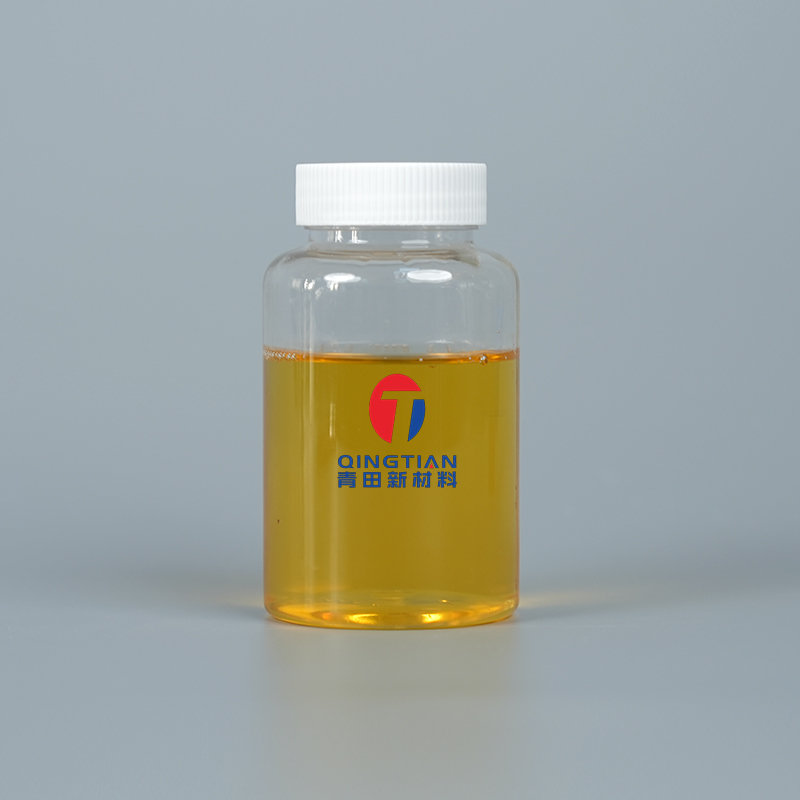
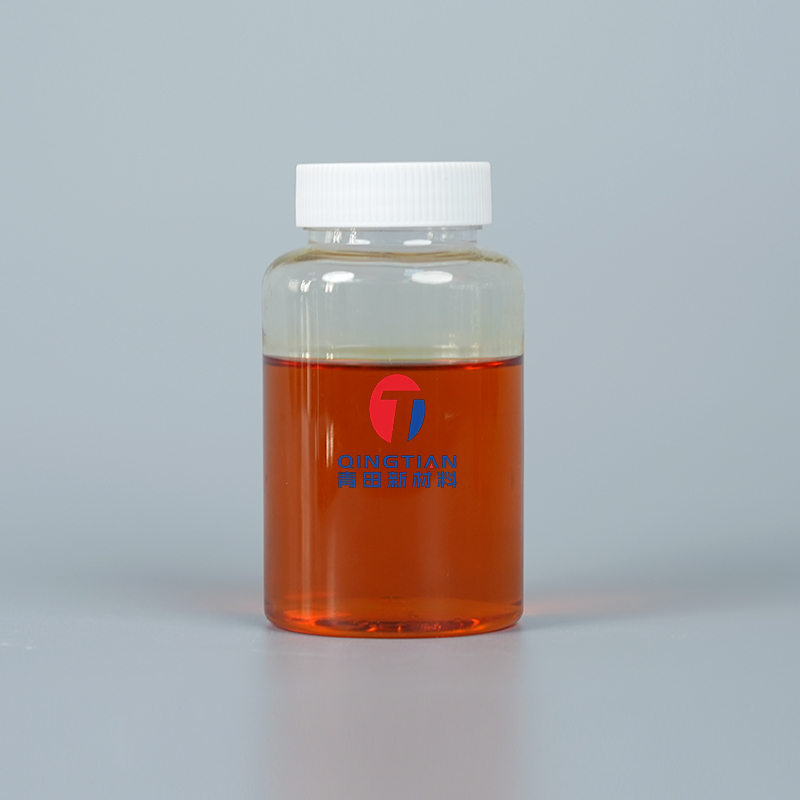
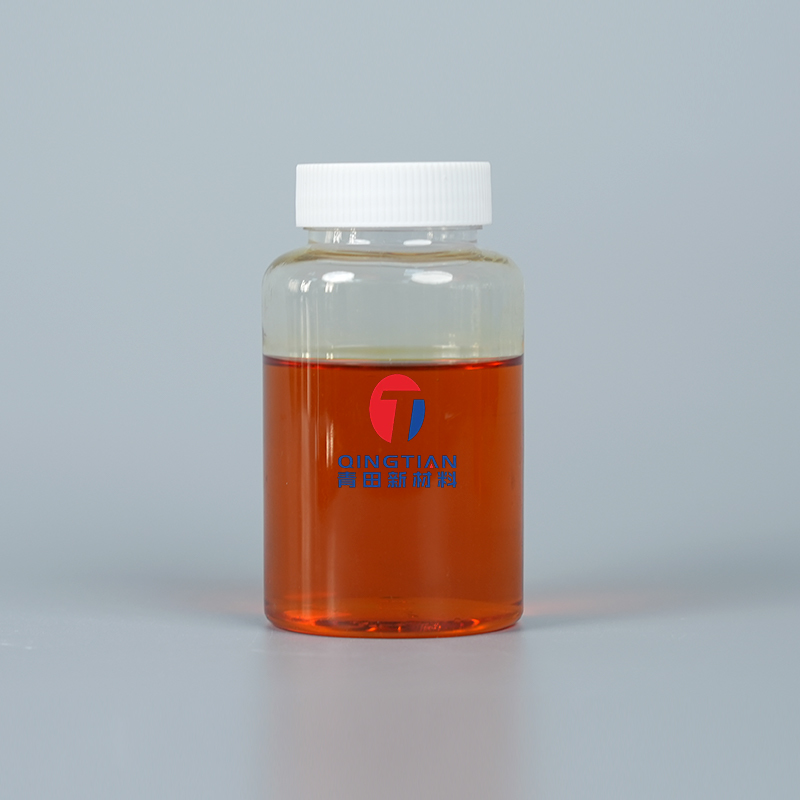
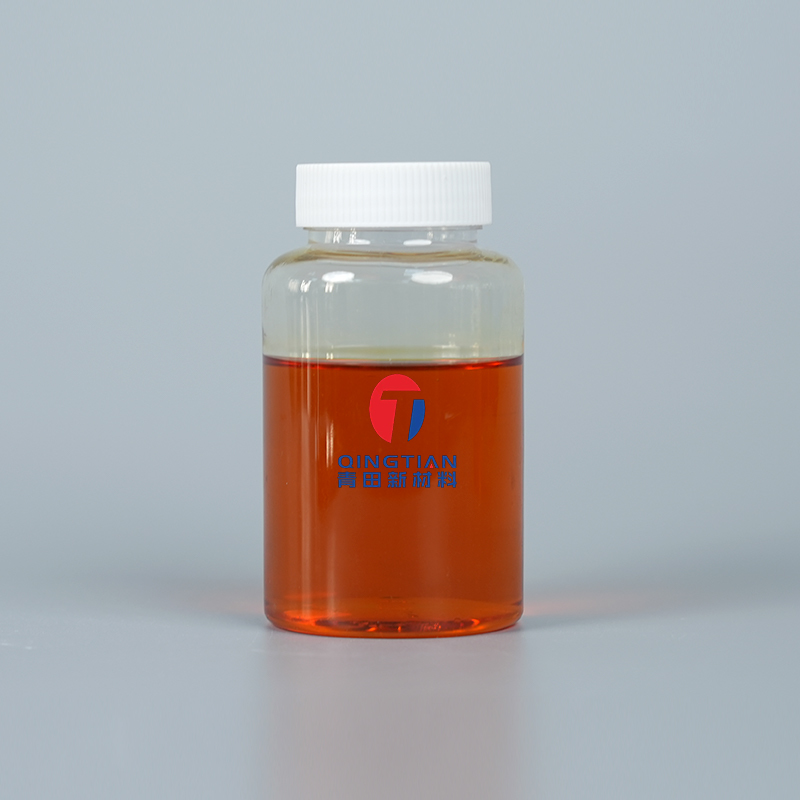
DH-6200 Dispersant for Epoxy Systems
DH-6200 is a dispersing additive intended for pigment grinding and stabilization in a variety of resin, coating, and ink systems. Its application profile covers both solvent-containing and solvent-free formulations, with particular relevance to epoxy, polyol, polyurethane ink, industrial coating, and unsaturated resin technologies.
The product is classified as a water-borne dispersant within the supplier’s product range, while its stated application scope includes solvent-free epoxy systems, alcohol-water polyurethane inks, polyol color pastes, and other industrial formulations. In practical terms, formulators should confirm compatibility with their specific resin, solvent, pigment, and curing system through laboratory testing before full-scale production.
The main target pigments are carbon black and organic pigments. These pigments often have high surface area, strong surface activity, and a natural tendency to form hard or soft agglomerates. A suitable dispersant must promote rapid wetting, facilitate the breakdown of agglomerates during milling, and help maintain an even distribution after grinding. DH-6200 is designed to support these requirements.
| Product Attribute | Description |
|---|---|
| Product name | DH-6200 Dispersant for Epoxy Systems |
| Primary function | Pigment wetting, dispersion, viscosity reduction, and grinding efficiency improvement |
| Recommended pigment types | Carbon black and organic pigments |
| Key application areas | Epoxy color pastes, polyol color pastes, unsaturated resin color pastes, industrial coatings, and ink systems |
| Notable performance features | Excellent viscosity reduction and excellent wetting |
| Special suitability | High-surface-area carbon black and alcohol-soluble polyurethane ink systems |
| Potential production benefits | Shorter grinding time, improved color development, higher jetness, and better gloss |
Pigment particles are not normally present as completely isolated particles. During manufacturing, storage, and formulation, they may form clusters due to van der Waals forces, electrostatic interactions, surface energy, and mechanical contact. Carbon black is especially challenging because its primary particles form complex aggregate structures and possess a high specific surface area.
When pigment agglomerates remain in the formulation, the visible color may be weaker than expected even when the total pigment loading is high. The formulation may also exhibit increased viscosity because the pigment structure immobilizes part of the liquid phase. In severe cases, the dispersion can become difficult to pump, filter, or apply.
Wetting is the first important stage in pigment dispersion. The liquid resin or vehicle must adequately contact the pigment surface and displace air from the agglomerate structure. If wetting is slow or incomplete, the grinding equipment must work harder to achieve the required degree of dispersion.
An effective dispersant can reduce the interfacial resistance between the pigment and the liquid phase. Better wetting allows the liquid to penetrate pigment clusters more efficiently and creates favorable conditions for mechanical equipment to break down agglomerates. This is one reason DH-6200 can contribute to shorter grinding times and more efficient processing.
After pigment agglomerates are broken down, the newly exposed surfaces must be stabilized. Without stabilization, particles may come together again during storage or after the dispersion is incorporated into a finished coating or ink. Re-agglomeration can cause viscosity drift, loss of color strength, reduced gloss, and sedimentation.
The dispersant must therefore perform more than a simple wetting function. It must support the formation of a stable pigment distribution in the selected vehicle. The exact stabilization mechanism depends on the pigment, resin, solvent balance, additive concentration, and manufacturing conditions. For this reason, dosage and process conditions should be established by laboratory evaluation rather than by relying on a universal addition level.
One of the most important advantages of DH-6200 is its ability to reduce the viscosity of concentrated pigment dispersions. This benefit is particularly valuable when processing carbon black and organic pigments, which can produce a strong rheological response in resin systems.
Lower dispersion viscosity can improve several stages of production. It may allow the batch to circulate more easily through a milling system, reduce the mechanical load on pumps, improve heat transfer, and support more consistent material flow. In some production environments, improved flow can also make filtration, transfer, filling, and cleaning easier.
Viscosity reduction is especially important in color paste preparation. Color pastes are often highly concentrated, and their viscosity can become a limiting factor in grinding efficiency. A paste that is too thick may not flow effectively through the active grinding zone. It may also generate excessive heat or cause uneven milling. By improving the flow behavior of the pigment concentrate, DH-6200 can help make the grinding process more productive.
For alcohol-soluble polyurethane inks containing high-surface-area carbon black, the viscosity reduction effect is particularly significant. Such inks require strong blackness and high color development, but the carbon black can substantially increase viscosity. DH-6200 is intended to address this balance by supporting high pigment performance without creating unnecessary resistance to processing.
DH-6200 also provides excellent wetting of pigment surfaces. Efficient wetting helps the carrier phase enter pigment agglomerates and facilitates the mechanical breakdown of pigment clusters during dispersion.
Improved wetting may reduce the time required to reach the desired fineness and color strength. It can also help make the production process less sensitive to small variations in mixing conditions. While the final result still depends on equipment, pigment grade, resin selection, and process control, effective wetting provides a strong foundation for consistent dispersion quality.
High dispersion efficiency means that the additive can help manufacturers obtain the desired pigment performance with a more efficient use of time and equipment. The benefit is not limited to the initial incorporation of pigment. A well-designed dispersant can influence the complete sequence from premixing and wetting to grinding, let-down, and final storage.
For manufacturers producing several color families or multiple resin systems, dispersion efficiency can improve production flexibility. Faster and more predictable pigment processing can support shorter batch cycles and reduce the risk of rework caused by inadequate color development or unstable viscosity.
DH-6200 is suitable for a broad range of pigment dispersion applications. Its stated uses include polyether and polyester polyol color pastes, unsaturated resin color pastes, solvent-free epoxy systems, industrial coatings, and different ink systems.
This wide applicability is valuable for companies that manufacture more than one type of coating or ink. Instead of using a separate dispersant for every pigment and binder family, a broadly applicable product can simplify raw material management and facilitate formulation development. However, broad compatibility should not be interpreted as universal compatibility. A technical evaluation is still required for each formulation.
Jetness describes the visual depth and intensity of a black color. It is influenced by pigment type, particle distribution, pigment loading, surface characteristics, film thickness, gloss, and the quality of dispersion. Inadequately dispersed carbon black may appear gray, dull, or uneven even when the formulation contains a sufficient pigment concentration.
DH-6200 is particularly effective in the dispersion and grinding of high-surface-area carbon black. By promoting wetting and reducing dispersion viscosity, it can help the milling process develop the pigment more fully. The stated result is excellent jetness and gloss when carbon black is ground under suitable conditions.
These benefits are important in industrial coatings, black inks, plastic coatings, wood coatings, floor coatings, and coil coatings, where visual uniformity and surface appearance are key criteria. Improved blackness can also support color matching by reducing the amount of carbon black required to reach a target shade, although the optimum pigment level must be confirmed experimentally.
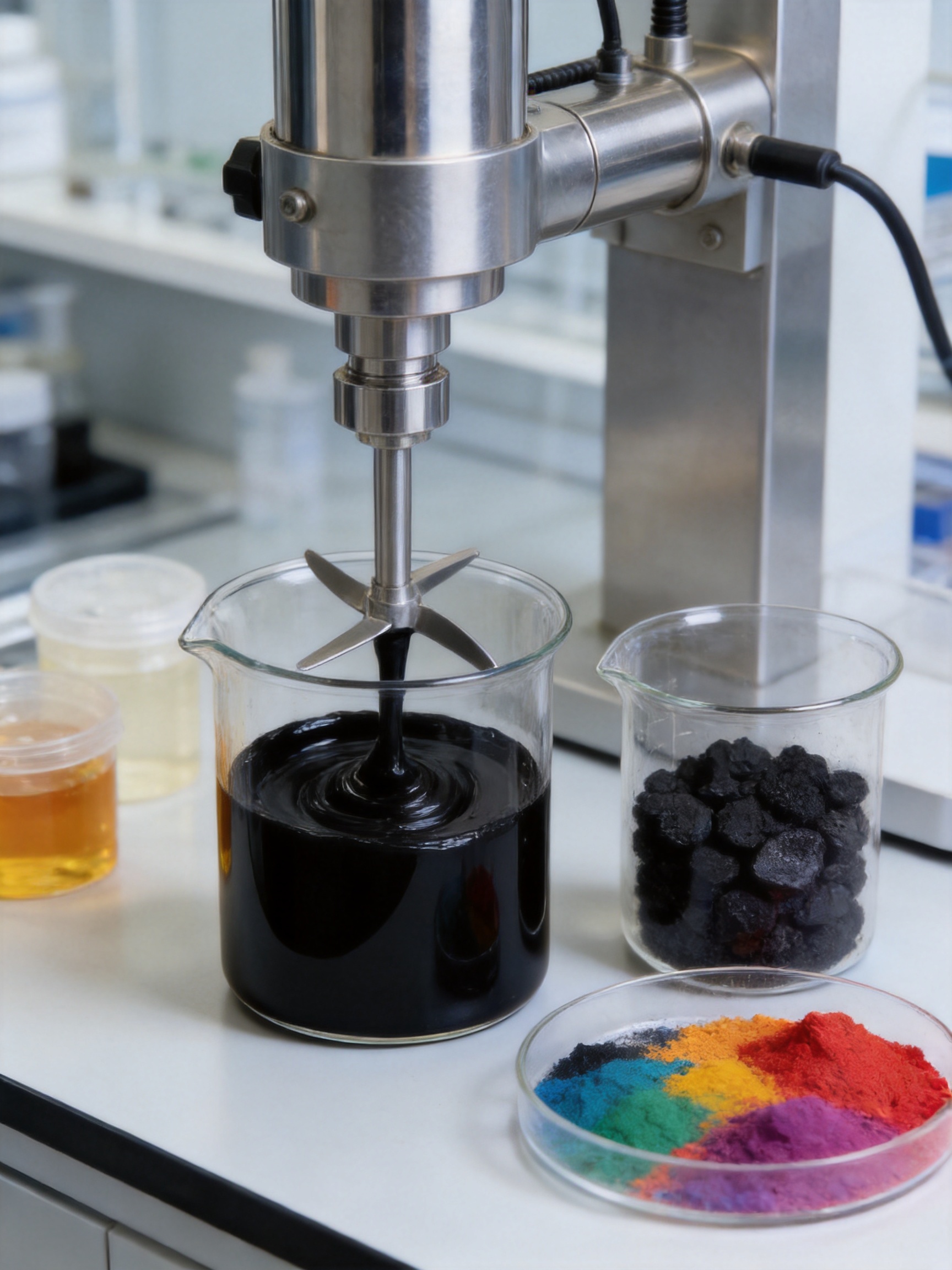
Epoxy systems are widely used in protective coatings, flooring, industrial components, adhesives, and specialty applications. Solvent-free epoxy formulations are attractive in situations where low volatile organic compound emissions, high solids content, and robust film performance are important. However, the absence of solvent can make pigment dispersion more demanding because the formulation may have a higher base viscosity.
In a solvent-free epoxy color paste, pigment wetting and dispersion must be achieved without relying on a large quantity of volatile carrier. A suitable dispersant can help the resin phase interact more efficiently with the pigment surface and can reduce the viscosity associated with concentrated pigment loading.
DH-6200 is designed for the preparation of black and organic pigment color pastes for solvent-free epoxy systems. The product may be evaluated in black, deep-color, and high-chroma formulations where pigment structure has a strong influence on flow and color development.
A typical development process may include premixing the epoxy component or compatible vehicle with DH-6200, gradually incorporating the pigment, allowing sufficient time for wetting, and then applying high-shear mixing or grinding. The actual sequence depends on the formulation design and the equipment available.
Formulators should pay attention to the order of addition. Adding pigment too quickly may create dry agglomerates that are difficult to wet later. A controlled addition rate can help the dispersant distribute more uniformly through the batch. The selected shear level should be high enough to break down agglomerates but controlled to prevent excessive heat generation.
Temperature control is also important. Grinding can raise the batch temperature, which may influence resin viscosity, additive performance, pot life, and curing behavior. A laboratory trial should therefore record temperature, mixing time, equipment type, and energy input when comparing dispersant levels.
Compatibility with the curing system must be checked. The final evaluation should include not only dispersion quality but also pot life, cure speed, hardness, adhesion, chemical resistance, gloss, and appearance. The correct dispersant is the one that improves pigment processing without compromising the essential performance of the cured epoxy film.
Polyether and polyester polyol systems are used in coatings, elastomeric materials, polyurethane technologies, and color concentrate applications. Pigment dispersion in these systems requires a balance between strong wetting, low viscosity, compatibility with the polyol phase, and stability during storage.
DH-6200 can be used in the grinding and dispersion of pigments in polyether and polyester polyol color paste systems. It is particularly relevant when manufacturers need concentrated color pastes that can later be incorporated into a larger formulation without causing excessive viscosity or color instability.
The selected polyol can have a major effect on dispersion behavior. Polyether and polyester polyols differ in polarity, molecular structure, viscosity, and interaction with pigment surfaces. A dispersant that performs well in one polyol may require a different dosage or processing condition in another. DH-6200 provides a starting point for formulation development, but testing in the actual polyol is essential.
Color paste evaluation should include pigment strength, fineness of grind, viscosity, storage stability, compatibility after let-down, and final coating appearance. For white or light-colored systems, the evaluation may focus on tinting strength and hiding power. For black systems, jetness, undertone, gloss, and rheology are especially important.
Unsaturated resin color pastes are used in a variety of industrial products and molded or coated applications. These systems may require high pigment concentration, good storage stability, and reliable compatibility with the reactive resin matrix.
DH-6200 is suitable for the preparation of unsaturated resin color pastes. Its wetting and viscosity-reduction properties can help improve pigment incorporation and make the grinding stage more efficient. The additive may be considered for carbon black and organic pigments where the production process requires strong color development and controlled flow.
When evaluating DH-6200 in unsaturated resin systems, formulators should examine the influence of the additive on gel time, cure behavior, surface quality, color stability, and mechanical performance. The additive level should be optimized to obtain adequate pigment dispersion while avoiding unnecessary interference with the resin’s reactive chemistry.
Plastic coating applications often place strong demands on appearance, adhesion, flexibility, and surface smoothness. Pigment agglomerates can create visible defects, roughness, weak spots, or inconsistent color. A well-dispersed pigment helps produce a more uniform film and can support better gloss development.
DH-6200 can be used in the dispersion of carbon black and organic pigments for plastic coatings. The viscosity reduction effect may be useful in concentrated pigment preparations, while improved wetting can support faster and more complete pigment development.
Wood coatings require attractive appearance and even color distribution across surfaces that may have variable porosity and texture. In transparent, semi-transparent, and pigmented systems, pigment dispersion has a direct influence on color uniformity and surface quality.
By helping reduce pigment agglomerates, DH-6200 can support smoother color development in wood coating formulations. The final formulation should be evaluated for gloss, transparency, leveling, adhesion, blocking resistance, and compatibility with the selected wood substrate and curing method.
Floor coatings often combine decorative appearance with abrasion resistance, chemical resistance, and mechanical durability. Epoxy and other resin technologies are frequently used in these applications, including solvent-free systems.
In pigmented floor coatings, poor dispersion may cause dullness, shade variation, or surface defects. DH-6200 can contribute to more efficient grinding of black and organic pigments in the color paste stage. The finished coating should be tested for gloss retention, abrasion resistance, adhesion, chemical resistance, and color consistency after curing.
Coil coatings are applied continuously to metal substrates, so production consistency is essential. The coating must maintain stable viscosity and color while running at high line speeds. A dispersion problem can quickly result in defects across a large quantity of coated material.
DH-6200 is applicable to the dispersion and grinding of carbon black and organic pigments used in industrial coatings, including coil coating systems. Its ability to support viscosity reduction and pigment wetting may help manufacturers maintain a more manageable pigment concentrate and reduce the risk of insufficient color development.
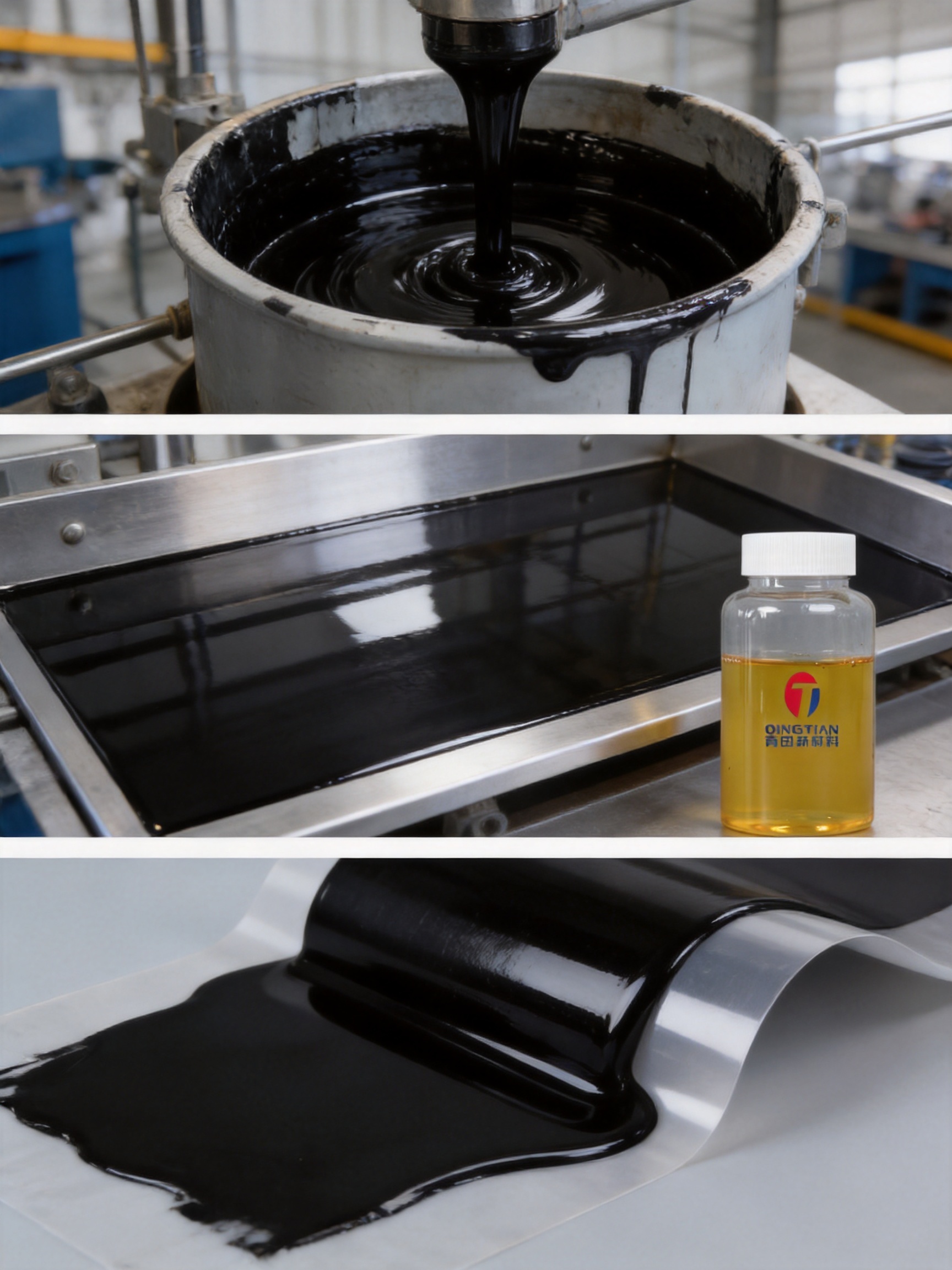
Pigment dispersion is central to ink performance. It influences color strength, transparency, gloss, print sharpness, rub resistance, storage stability, and the behavior of the ink during pumping and application. Carbon black and organic pigments can be especially difficult because of their high surface area and strong agglomeration tendency.
DH-6200 can be used for the dispersion and grinding of carbon black and organic pigments in various ink systems. The additive is intended to help ink manufacturers shorten grinding time, improve viscosity control, and develop stronger color appearance.
The product is particularly effective for dispersing high-surface-area carbon black in alcohol-soluble polyurethane inks and alcohol-water polyurethane ink systems. These formulations require careful control of resin compatibility, solvent balance, drying behavior, adhesion, and pigment dispersion.
High-surface-area carbon black can increase the viscosity of polyurethane inks and may reduce processing efficiency if it is not properly stabilized. DH-6200’s stated viscosity-reduction effect can help make the dispersion easier to process while supporting the development of strong blackness and gloss.
Ink developers should assess the additive in the complete formulation rather than only in the pigment concentrate. Important tests may include viscosity at different shear rates, fineness of grind, optical density, gloss, print uniformity, drying speed, adhesion, rub resistance, blocking resistance, and storage stability.
Shorter grinding time can improve production capacity and reduce energy consumption per batch. It can also lower the risk of overheating and reduce the time that pigments and resins remain under intensive mechanical stress. However, grinding time should be determined by actual dispersion results rather than by a fixed target. A shorter process is beneficial only when the required color and stability have been achieved.
A well-dispersed carbon black ink can provide deeper blackness, improved print density, and more uniform coverage. Better gloss may enhance the visual quality of printed packaging, labels, industrial graphics, and other printed products. The final result depends on the ink film, substrate, printing process, and drying conditions, but pigment dispersion remains a fundamental factor.
Manufacturers commonly encounter several limitations when using a general-purpose dispersant or an additive selected without sufficient attention to pigment type and resin chemistry. These limitations may include slow wetting, high let-down viscosity, incomplete color development, extended grinding time, poor storage stability, and incompatibility after incorporation into the final formulation.
DH-6200 is positioned as a higher-efficiency option for applications where conventional processing may be inadequate, particularly with high-surface-area carbon black and organic pigments. Its competitive value is based on the combination of wetting performance, viscosity reduction, broad applicability, and support for jetness and gloss.
| Evaluation Factor | Potential Limitation of a Conventional Approach | Potential Contribution of DH-6200 |
|---|---|---|
| Pigment wetting | Slow incorporation and persistent dry agglomerates | Improved wetting of carbon black and organic pigments |
| Grinding efficiency | Long milling cycles and high energy demand | Supports faster pigment development and shorter grinding time |
| Dispersion viscosity | High viscosity that restricts pumping and milling | Excellent viscosity reduction, especially in concentrated dispersions |
| Carbon black performance | Weak blackness, gray appearance, or poor gloss | Improved jetness and gloss when grinding is properly controlled |
| Application scope | Limited suitability across different resin and ink systems | Applicable to epoxy, polyol, unsaturated resin, coating, and ink systems |
| Production consistency | Greater sensitivity to pigment and process variation | More efficient wetting and dispersion support for repeatable processing |
The comparison should be understood as a formulation-development guide rather than a universal performance guarantee. Different dispersants may be suitable for different pigments and binder systems. The most meaningful comparison should be conducted under equivalent conditions using the same pigment, resin, equipment, pigment concentration, and testing methods.
Before selecting the dispersant level, the formulator should define the most important performance targets. These may include viscosity, color strength, jetness, gloss, transparency, storage stability, fineness of grind, compatibility, and final film performance.
The required target will vary according to the application. A coil coating may prioritize color consistency and line stability. A solvent-free epoxy floor coating may prioritize flow, pot life, gloss, and cured-film performance. A polyurethane ink may prioritize optical density, print quality, drying, adhesion, and rub resistance.
A ladder study using several additive concentrations is recommended. The additive can be evaluated based on the pigment weight, total formulation weight, or another internal formulation basis. The correct calculation method should be used consistently when comparing samples.
Too little dispersant may result in incomplete wetting, high viscosity, or weak color development. Too much dispersant may create compatibility problems, alter surface properties, reduce water resistance, affect recoatability, or interfere with curing in some systems. The optimum level is therefore the lowest effective concentration that provides the required dispersion quality and final performance.
DH-6200 should be incorporated in a way that allows it to contact the vehicle and pigment effectively. A common development approach is to add the dispersant to part of the resin or carrier phase before pigment incorporation. Pigment is then added gradually under controlled agitation.
The specific addition order may change depending on the resin, pigment, and equipment. The objective is to avoid dry pigment pockets and ensure that the dispersant is evenly distributed throughout the premix.
Grinding equipment, bead size, rotor speed, residence time, temperature, and batch volume all influence dispersion. A dispersant cannot compensate indefinitely for unsuitable mechanical conditions. The additive and the equipment must work together.
Laboratory trials should record the relevant process variables. This makes it easier to transfer the formulation from laboratory scale to pilot or production scale. A formulation that performs well in a small high-shear mixer may require adjustment when produced in a larger mill with a different energy density.
The pigment concentrate should be assessed for viscosity, fineness, color strength, gloss, and storage behavior. It should then be incorporated into the final coating or ink and evaluated again.
Some compatibility issues do not appear until the color paste is let down into the final resin or solvent system. For this reason, final-product testing is essential. A good pigment concentrate must not only be easy to grind; it must also perform reliably in the complete end-use formulation.
Reliable quality control is essential for comparing dispersant performance. Recommended tests may include viscosity measurement, fineness of grind, color strength, gloss, storage stability, and visual evaluation. The test conditions should be standardized to ensure that results from different batches are meaningful.
Viscosity should be measured at a defined temperature and, where possible, under more than one shear condition. A dispersion may appear acceptable at low shear but behave differently during pumping, printing, coating, or high-speed application.
Fineness-of-grind testing helps identify remaining agglomerates. It should be combined with visual and microscopic evaluation when appropriate because a numerical grind value does not always explain the complete dispersion behavior.
Color strength, tinting strength, undertone, and jetness can provide valuable information about pigment development. For carbon black, jetness and gloss should be evaluated in a consistent film thickness and under controlled curing or drying conditions.
Storage testing may reveal changes in viscosity, settling, flocculation, color strength, or gloss. Samples can be observed under controlled temperature conditions and then re-tested after a defined period. The evaluation should also include ease of redispersion if settling occurs.
Depending on the application, final tests may include adhesion, hardness, flexibility, abrasion resistance, chemical resistance, water resistance, rub resistance, blocking resistance, drying time, gloss retention, and print quality. For epoxy systems, cured-film properties and pot life are particularly important. For inks, print density, drying, adhesion, and surface appearance may receive greater emphasis.
The performance of a specialty additive depends not only on its chemical design but also on manufacturing consistency, testing capability, technical experience, and quality management. Suzhou Qingtian New Material Co., Ltd. is a professional supplier of raw materials for coatings, inks, and adhesives. The company has operated in this field since 2012 and has developed a product portfolio covering dispersants, leveling agents, defoamers, adhesion promoters, anti-settling agents, cooling agents, conductive agents, texture additives, texture powders, and wax powders.
This product breadth is significant for customers developing complete coating and ink formulations. Pigment dispersion is rarely an isolated issue. A manufacturer may also need control over leveling, foam, adhesion, settling, surface texture, conductivity, and abrasion behavior. A supplier with experience across several additive categories can provide a broader perspective during product development.
The company has built an experienced team that includes research and development specialists and technical sales professionals. Such a team can help customers identify suitable starting points for additive screening, compare formulation options, and address processing challenges.
Technical support is particularly valuable when a dispersant is being transferred from one resin system to another. The same pigment may behave differently in epoxy, polyol, polyurethane, unsaturated resin, or solvent-based systems. Understanding the relationship between pigment surface, resin polarity, solvent balance, and additive concentration is essential for efficient development.
The company operates a modern production facility supported by advanced testing equipment and research capabilities. Manufacturing infrastructure is important because additive quality must remain consistent from batch to batch. Variations in raw materials, reaction control, mixing, filtration, and filling can influence final performance.
A controlled production process supports more reliable viscosity, appearance, active composition, and application behavior. For industrial customers, consistency is often as important as peak laboratory performance. A dispersant that performs well in one trial but varies significantly between deliveries can create costly production problems.
The company moved to Lingrui Intelligent Manufacturing Park in Zhangjiagang High-Tech Zone in 2021 to strengthen research and production capabilities. This development reflects a focus on combining technical development with scalable manufacturing.
The company has also reported product and corporate development milestones, including the creation of an ice flower resin in 2016 and recognition as a National High-Tech Enterprise in 2020. These milestones indicate a continuing emphasis on innovation and technical advancement across the materials portfolio.
Industrial buyers often evaluate additives according to several criteria at the same time. Product performance is essential, but supply reliability, technical communication, quality consistency, customization capability, and long-term cooperation also influence purchasing decisions.
A supplier with experience in coatings, inks, and adhesives can understand the practical consequences of additive selection. For example, a dispersant may improve viscosity but affect gloss, adhesion, curing, or storage stability. Application knowledge helps ensure that the recommendation considers the entire formulation rather than a single laboratory result.
A broad product range can simplify purchasing and support integrated formulation development. Customers may be able to source several additive categories from one experienced supplier while maintaining a consistent technical communication process.
Different customers may require different viscosity profiles, compatibility characteristics, packaging formats, or application targets. A supplier with research and production resources may be better positioned to discuss customized chemical solutions. Any customization should be confirmed through technical evaluation, specification review, and agreed quality standards.
Coatings and ink producers need dependable raw materials because production schedules are closely connected to additive availability. Consistent manufacturing, testing, and batch documentation can support more predictable procurement and production planning.
Many manufacturers are seeking ways to improve production efficiency while reducing waste, energy use, and unnecessary processing. DH-6200 can contribute to these objectives when its viscosity-reduction and grinding-efficiency benefits lead to shorter milling cycles or easier handling.
Shorter grinding time may reduce equipment occupancy and energy consumption per batch. Better pigment wetting may reduce the need for repeated processing or corrective additions. Improved color development may also help manufacturers reach target performance with a more efficient pigment utilization strategy.
These potential benefits should be verified through plant-level trials. Energy savings, grinding-time reduction, and waste reduction depend on equipment design, batch size, pigment loading, process temperature, and operating conditions. The appropriate evaluation should compare complete production cycles rather than only small laboratory samples.
In solvent-free epoxy systems, efficient dispersion is especially relevant because high solids and high viscosity can make processing difficult. A dispersant that helps manage flow may support the development of lower-emission coating technologies, provided that the complete system meets the required environmental, safety, and performance standards.
Possible causes include insufficient wetting, excessive pigment loading, an unsuitable resin-to-pigment ratio, inadequate shear, pigment agglomeration, or an additive level that is not optimized. The formulator should review the addition sequence, compare several DH-6200 concentrations, and confirm that the pigment has been fully incorporated before grinding.
Weak blackness may result from incomplete pigment development, excessive flocculation, poor film formation, or an unsuitable carbon black grade. Fineness of grind, tinting strength, jetness, and gloss should be evaluated together. The pigment and dispersant should also be tested under controlled milling conditions.
Low gloss can be caused by pigment agglomerates, surface roughness, poor leveling, incompatible additives, excessive pigment loading, or improper curing. DH-6200 should be evaluated alongside the complete coating formulation, because gloss is influenced by both dispersion quality and film formation.
Settling may be related to particle size, density difference, rheology, pigment loading, or insufficient stabilization. An anti-settling additive may be required in some formulations. The dispersant should not be expected to replace all other rheology-control functions. Storage testing and redispersion evaluation are recommended.
Compatibility problems may arise when the color paste is mixed with a different resin, solvent, or additive package. The formulator should perform a stepwise let-down study and observe viscosity, flocculation, haze, gloss, and color changes. The final resin system should be included in the initial development plan rather than evaluated only after production.
| Category | Questions to Evaluate |
|---|---|
| Pigment selection | Which carbon black or organic pigment is being used, and what is its surface area and structure? |
| Binder compatibility | Is the system based on epoxy, polyol, unsaturated resin, polyurethane, or another binder? |
| Carrier phase | Is the formulation solvent-free, water-borne, alcohol-based, solvent-based, or a mixed system? |
| Process conditions | What mixer or mill is used, and what are the time, temperature, and shear conditions? |
| Concentrate performance | What viscosity, fineness, color strength, and storage stability are required? |
| Final-product performance | What gloss, jetness, adhesion, curing, drying, abrasion, or print properties are required? |
| Quality requirements | Which specifications, test methods, packaging standards, and batch documents are needed? |
As with all specialty chemical additives, DH-6200 should be handled according to the current safety data sheet, technical documentation, and applicable workplace requirements. Personnel should use suitable protective equipment and follow site procedures for storage, transfer, mixing, spill response, and waste management.
Before commercial production, the product should be evaluated in the actual formulation and process. Laboratory testing should be followed by pilot-scale confirmation where appropriate. The evaluation should include the pigment concentrate, the final coating or ink, and the cured or printed result.
Storage conditions, shelf-life expectations, packaging, and transportation requirements should be confirmed with the supplier. Customers should also request the latest product documentation, including technical specifications and safety information, before use.
DH-6200 is a versatile, high-efficiency dispersant for difficult pigment dispersion applications in epoxy systems, polyol color pastes, unsaturated resin color pastes, industrial coatings, and inks. Its strongest stated benefits are excellent viscosity reduction, excellent wetting, wide applicability, and high dispersion efficiency.
The product is particularly valuable for carbon black and organic pigments, including high-surface-area carbon black used in alcohol-soluble polyurethane inks. By supporting more effective pigment wetting and lower dispersion viscosity, DH-6200 can help shorten grinding time and improve the development of jetness and gloss.
Compared with a conventional general-purpose approach, its competitive advantages lie in the combination of processing efficiency and final appearance support. The additive can help manufacturers manage concentrated pigment systems, improve production flow, and pursue more consistent color development across different coating and ink technologies.
The supplier’s strengths extend beyond the product itself. Suzhou Qingtian New Material Co., Ltd. has specialized in coating, ink, and adhesive raw materials since 2012 and offers a broad portfolio of functional additives. Its experienced research, technical, and sales teams, modern manufacturing facility, advanced testing equipment, and continued investment in research and production provide a foundation for dependable industrial cooperation.
For formulators, the recommended approach is to evaluate DH-6200 systematically with the actual pigment, resin, carrier, equipment, and end-use requirements. When the addition level and process conditions are properly optimized, the product can become an effective tool for improving dispersion quality, production efficiency, carbon black jetness, and finished coating or ink appearance.
DH-6200 is used for the wetting, grinding, and dispersion of pigments in epoxy color pastes, polyether and polyester polyol systems, unsaturated resin color pastes, industrial coatings, and ink systems.
The product is mainly intended for carbon black and organic pigments. It is particularly suitable for high-surface-area carbon black, which can be difficult to wet and disperse because of its strong structure and high surface area.
Yes. The product is stated to be suitable for preparing black and organic pigment color pastes for solvent-free epoxy systems. Compatibility and final curing performance should be confirmed in the customer’s specific epoxy formulation.
Its excellent wetting helps the vehicle contact and penetrate pigment agglomerates, while its viscosity-reduction effect can improve pigment flow through the grinding zone. Together, these properties may allow the required dispersion quality to be reached more efficiently.
Yes. It is particularly effective for dispersing high-surface-area carbon black in alcohol-soluble polyurethane inks and alcohol-water polyurethane ink systems. Testing should include viscosity, print density, gloss, drying, adhesion, and rub resistance.
When used with suitable carbon black and properly controlled grinding conditions, DH-6200 can help improve jetness and gloss. The final blackness also depends on pigment grade, loading, film thickness, resin, printing or coating conditions, and curing or drying.
The optimum dosage depends on the pigment, resin, pigment concentration, solvent or carrier phase, and equipment. A dosage ladder study is recommended to identify the lowest effective level that provides adequate viscosity reduction, color development, and storage stability.
Not necessarily. DH-6200 is primarily a dispersant and wetting additive. Some formulations may still require a separate rheology modifier or anti-settling additive to control storage stability and pigment suspension.
Customers should test viscosity, fineness of grind, color strength, jetness, gloss, storage stability, compatibility after let-down, and final coating or ink performance. Epoxy systems should also be tested for pot life and cured-film properties.
The supplier has an experienced research and development team, professional technical and sales personnel, a modern production facility, advanced testing equipment, and a broad portfolio of coating, ink, and adhesive additives. These resources support product consistency and technical cooperation.
No. Broad applicability means that DH-6200 can be considered across multiple coating, ink, resin, and color paste technologies. Compatibility must still be confirmed with the exact pigment, binder, carrier, curing system, and production process.
Customers should contact the supplier for the current technical data, safety information, recommended handling guidance, packaging details, and application support.
1. Company technical product information for DH-6200 Dispersant for Epoxy Systems.
2. Company product portfolio information for coating, ink, adhesive, and functional additive materials.
3. Basic Principles of Pigment Dispersion in Coatings and Printing Inks, technical reference material.
4. Pigment Surface Chemistry and the Role of Wetting and Stabilization Additives, formulation science reference.
5. Industrial Coating Formulation and Application Practices, technical handbook.
6. Polyurethane Ink Technology and Alcohol-Water Ink Systems, industry reference.
7. Epoxy Resin Formulation, Pigment Compatibility, and Cured-Film Evaluation, technical reference.
 Wholesale Paint/ Coating Additives Manufacturers
Custom Industrial Chemical Solutions Suppliers
Wholesale Paint/ Coating Additives Manufacturers
Custom Industrial Chemical Solutions Suppliers