


 русский
 Español
 Français
Home / Author / Tang Yuxi — Senior After-Sales Service Engineer / Reactive Silicone Leveling Technology for High-Performance UV Reverse Varnishes
Tang Yuxi — Senior After-Sales Service Engineer

Content
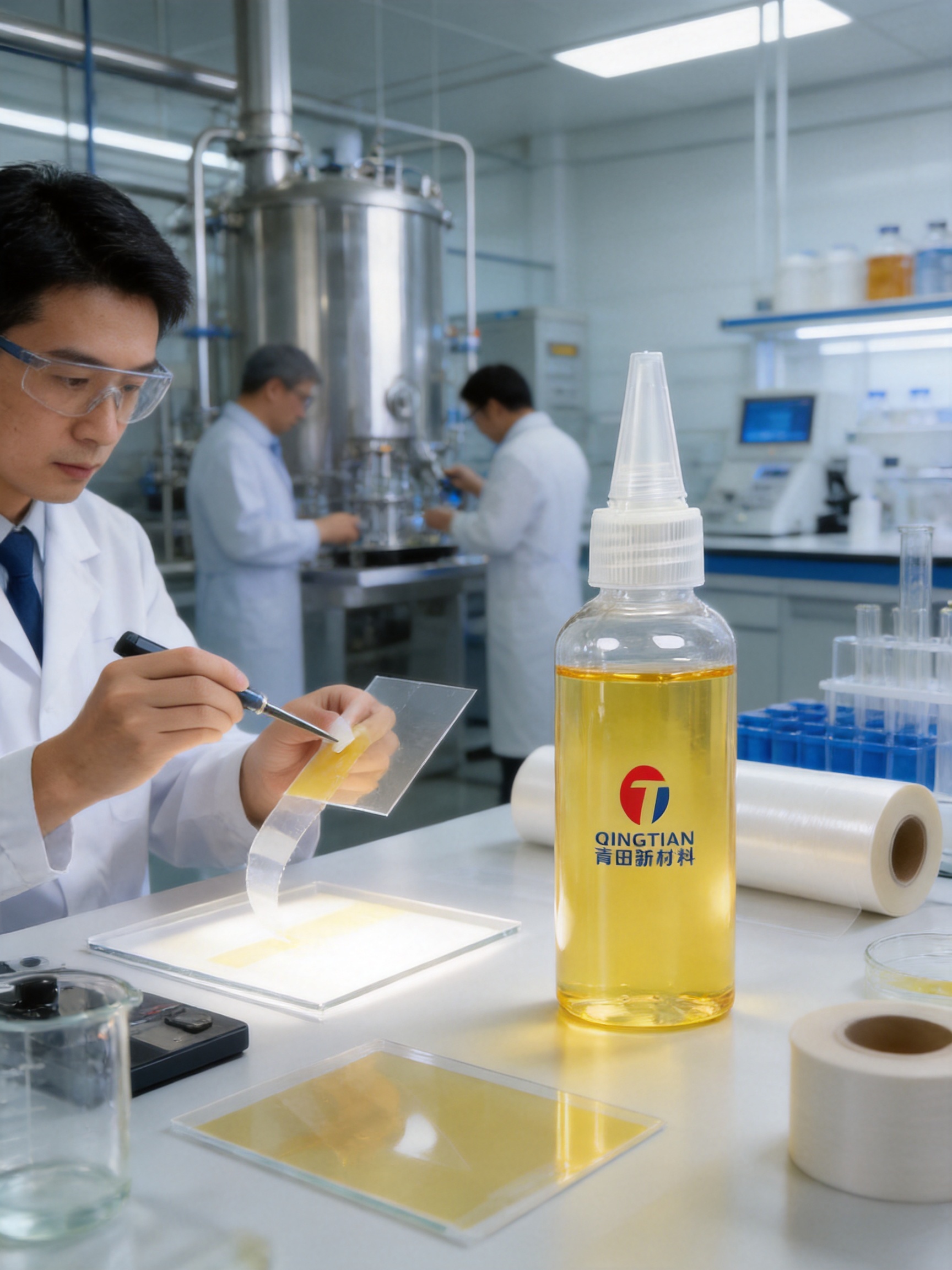
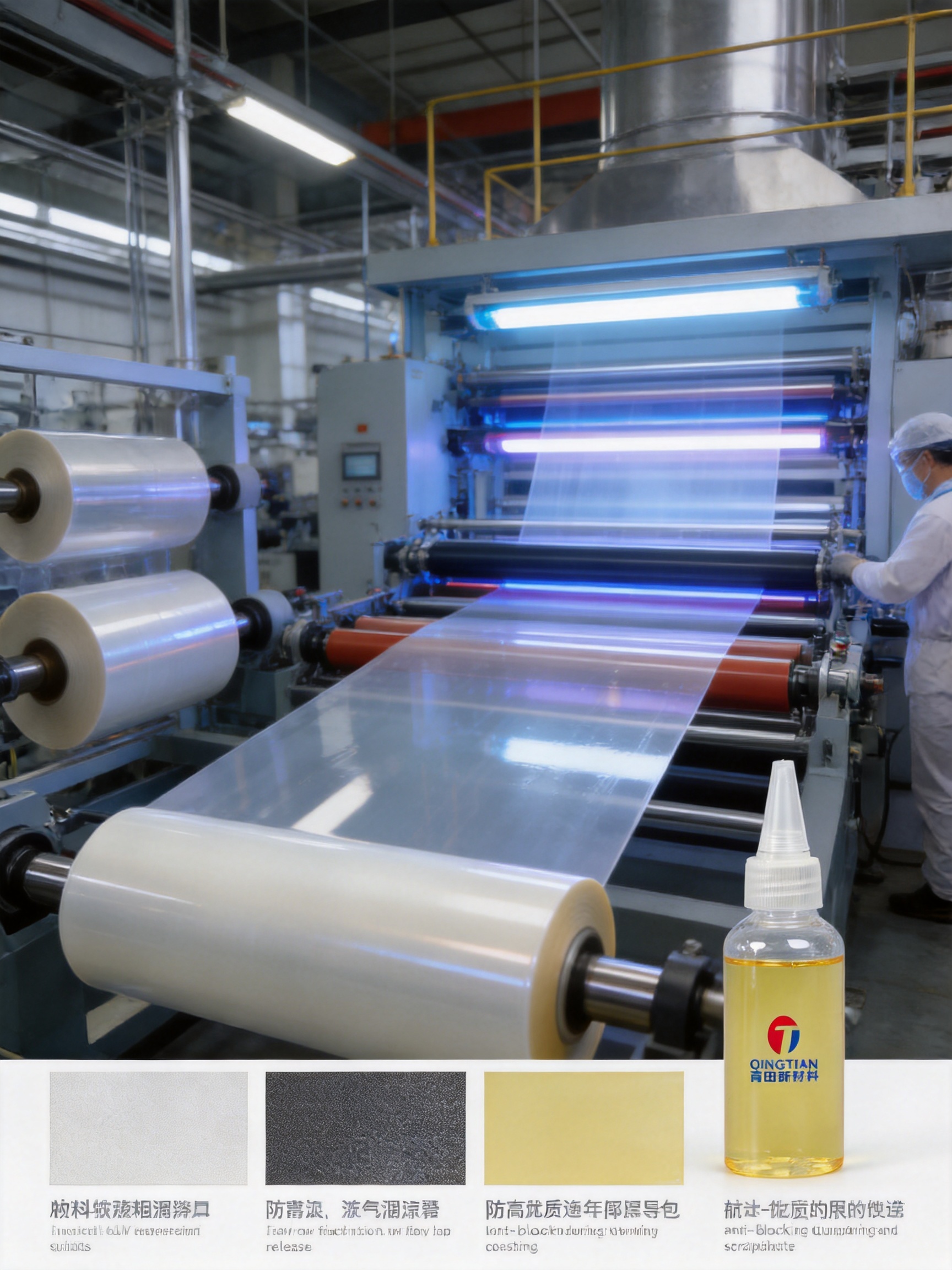
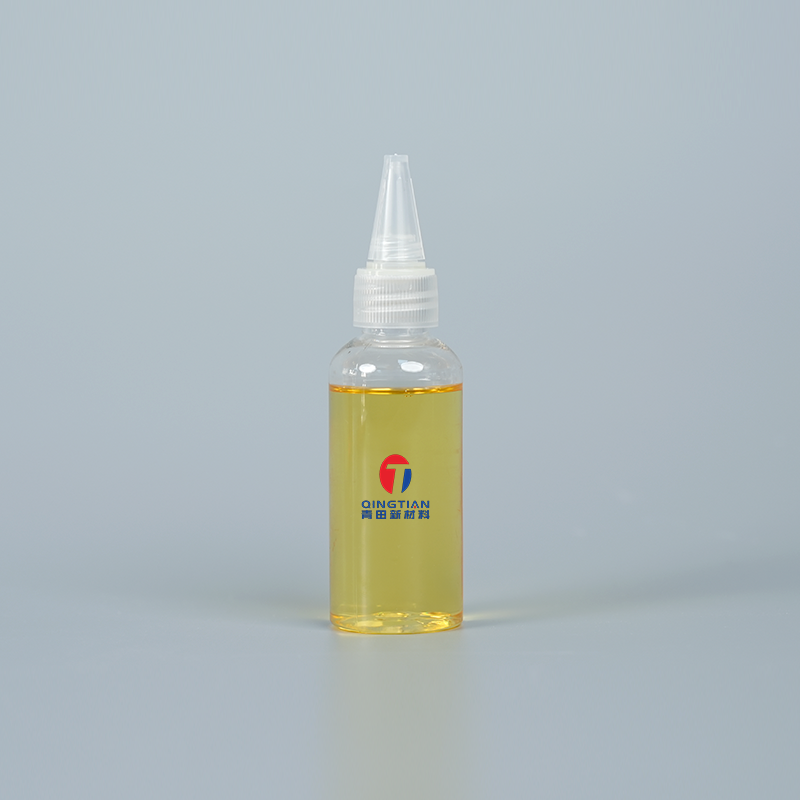
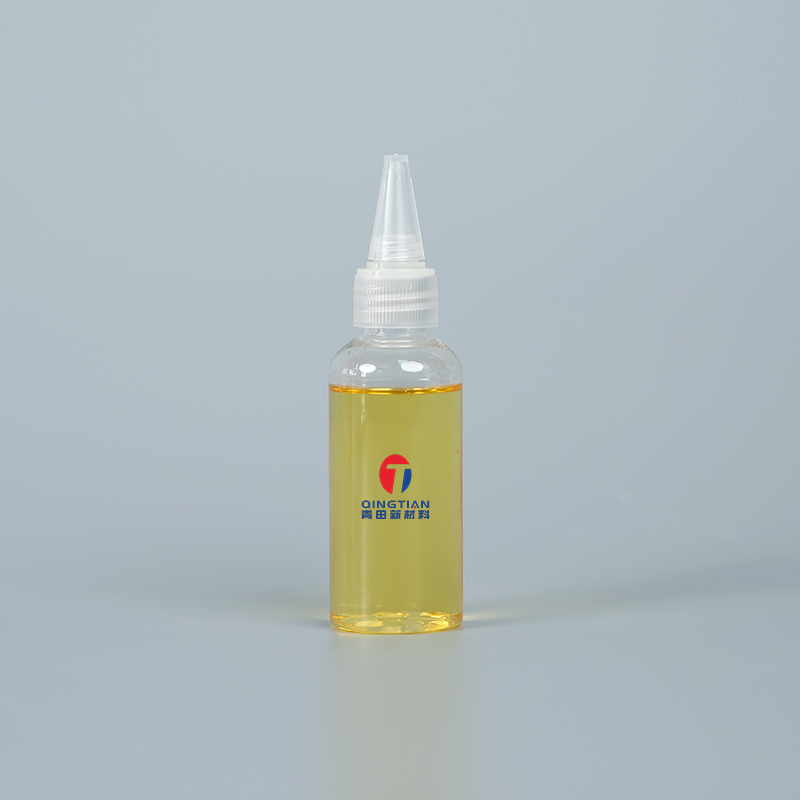
DH-4270 UV Reverse Varnish Leveling Agent
In modern coating, printing, and converting applications, the appearance and functional performance of a finished film are influenced by much more than resin selection and curing conditions. Surface tension, wetting behavior, friction, blocking resistance, scratch resistance, tape release, and long-term additive migration all affect whether a coating performs reliably in production and in its final application. For UV reverse varnishes and related acrylic systems, a leveling agent must therefore do more than simply reduce surface defects. It must help the coating spread evenly, support a smooth and attractive surface, improve handling properties, and remain compatible with the cured polymer network.
DH-4270 UV Reverse Varnish Leveling Agent is a silicone leveling agent developed for solvent-based UV coatings, UV light-curing systems, and other acrylic resin systems. Its distinguishing feature is the presence of reactive acrylic functional groups. During curing, these groups can cross-link into the polymer network structure, allowing the additive to become permanently fixed within the film surface rather than behaving solely as a mobile, unreacted surface modifier.
This reactive design gives DH-4270 a balanced performance profile. It provides excellent leveling, surface slip, and tape release properties while also supporting anti-blocking and scratch resistance. At the same time, its compatibility with UV-curable and acrylic technologies makes it suitable for coating formulators seeking improved surface quality without sacrificing the permanence of the cured film.
Manufactured by Suzhou Qingtian New Material Co., Ltd., DH-4270 forms part of a broader portfolio of coating, ink, and adhesive additives. The company’s experience in dispersants, leveling agents, defoamers, adhesion promoters, anti-settling agents, texture additives, and wax powders gives it a practical understanding of the interactions that occur throughout a complete coating formulation. This wider technical perspective is valuable when a surface additive must work together with resins, pigments, solvents, photoinitiators, and other functional components.
A coating surface is created when a liquid formulation spreads across a substrate and then undergoes drying, evaporation, and curing. If the coating does not flow evenly, the final film may show craters, pinholes, orange peel, crawling, uneven gloss, brush marks, flow lines, or local variations in thickness. These defects may be caused by differences in surface tension, poor substrate wetting, insufficient flow time, incompatible raw materials, rapid solvent evaporation, or premature gelation during UV curing.
A leveling agent helps control the interfacial behavior of the liquid coating. It can reduce surface tension differences, improve substrate wetting, encourage the coating to flow into a more uniform film, and minimize the formation of surface irregularities. In high-quality reverse varnish applications, these functions are especially important because the coating may be judged by visual appearance, tactile feel, optical uniformity, release behavior, and resistance to handling damage.
The term “reverse varnish” generally refers to a coating process or printed structure in which the varnish contributes to a controlled surface effect on a film, label, packaging material, or printed substrate. Depending on the application, the surface may need to exhibit a specific combination of gloss, smoothness, slip, adhesion, printability, and resistance to blocking. A leveling agent must be chosen carefully because excessive surface activity can sometimes create unwanted side effects, such as poor intercoat adhesion or reduced recoatability.
DH-4270 is designed to address this balance through reactive acrylic functionality. Its silicone character contributes to surface activity and flow, while its reactive groups provide a pathway for incorporation into the curing network. This combination allows the product to deliver surface benefits while supporting a more permanent position in the cured film.
DH-4270 is identified as a silicone leveling agent for solvent-based UV coatings, UV light-curing systems, and other acrylic resin systems. The product contains reactive acrylic functional groups that can cross-link into the polymer network structure. This chemistry is central to its performance and differentiates it from conventional non-reactive silicone additives that remain physically associated with the coating after application.
In a conventional additive system, the leveling agent may migrate toward the air-film interface because of its low surface tension and chemical structure. This migration can be useful for improving surface smoothness, but the additive may remain mobile after curing. Depending on the formulation and service conditions, mobile additives can influence recoatability, adhesion, friction, surface energy, and resistance to extraction or transfer.
With DH-4270, the reactive acrylic groups can participate in the curing process. When the UV or acrylic resin system forms its cross-linked structure, the additive can become chemically associated with that network. The result is intended to be a more permanent surface modification. This approach can help reduce the risk that the additive will behave as an easily removable or freely migrating component of the film.
The product’s silicone structure supports the functions normally expected from an effective leveling agent. It assists with surface flow, improves slip, and can help create a smooth, uniform finish. The reactive groups complement these effects by improving the persistence of the additive in the cured film. Together, these characteristics make DH-4270 appropriate for formulators looking for both immediate processing benefits and durable final-film performance.
| Product characteristic | Contribution to coating performance |
|---|---|
| Silicone leveling technology | Supports surface flow, wetting, smoothness, and slip |
| Reactive acrylic functional groups | Can cross-link into the polymer network during curing |
| UV and acrylic system compatibility | Suitable for solvent-based UV coatings, UV curing systems, and acrylic resin systems |
| Excellent leveling | Helps reduce surface irregularities and improve film uniformity |
| Tape release performance | Supports clean separation in tape-related handling and testing applications |
| Anti-blocking performance | Helps reduce unwanted adhesion between coated surfaces during stacking or winding |
| Scratch resistance support | Helps improve resistance to surface damage during handling and use |
The most direct benefit of DH-4270 is its ability to improve leveling. A well-leveled coating forms a more consistent surface, helping reduce visible variations that can affect product appearance and perceived quality. This is important in decorative coatings, printed packaging, labels, films, and other applications where surface defects can be immediately visible under direct or reflected light.
Leveling performance is affected by many variables, including resin viscosity, solvent balance, application method, wet-film thickness, substrate energy, drying rate, curing intensity, and additive concentration. A leveling agent cannot replace correct formulation design, but it can improve the coating’s ability to respond to these conditions. DH-4270 is intended to support a more even flow profile within acrylic and UV-curable formulations.
Improved leveling may provide several practical benefits. It can help the coating cover small local irregularities in the substrate, reduce the appearance of flow marks, and create a more consistent tactile surface. It can also support more uniform gloss or reflectivity, which is valuable when the coating is used over printed graphics or decorative patterns. A smooth film may further improve the visual clarity of the finished product by reducing scattering caused by surface roughness.
For manufacturers, surface uniformity can also support process stability. A coating that flows consistently is generally easier to evaluate during production because variations in appearance are less likely to be confused with changes in application weight, curing intensity, or substrate condition. By helping stabilize surface behavior, a suitable leveling agent may reduce the need for repeated formulation adjustments.
Because DH-4270 is reactive, its leveling effect is designed to be connected with the final cured-film structure. The additive is not intended merely to provide temporary wet-film flow. Instead, it is formulated to combine wetting and leveling behavior with a mechanism that can retain the additive in the polymer network after curing.
Surface slip is another important property in coated films and varnished materials. Slip describes how easily one surface moves against another. In converting and packaging operations, controlled slip can influence web handling, stacking, winding, feeding, folding, and contact with machine components. In the final product, it can affect tactile feel and the way surfaces interact during use.
Silicone-based surface modifiers are widely used because silicone structures can reduce surface friction and provide a smooth, low-drag feel. DH-4270 combines this silicone contribution with reactive acrylic functionality. As a result, it is intended to deliver excellent surface slip while offering a more permanent relationship with the cured film than a purely non-reactive additive may provide.
Appropriate slip must be carefully balanced. Excessively low friction may interfere with printing, lamination, adhesive bonding, or subsequent coating operations. Insufficient slip, on the other hand, can lead to scuffing, difficult web movement, or poor handling efficiency. The correct dosage depends on the resin system, substrate, coating weight, curing conditions, and required end-use performance.
DH-4270 can be evaluated as part of a complete surface-performance package. In addition to measuring static and dynamic coefficients of friction, formulators may assess tactile smoothness, blocking, scratch resistance, tape release, intercoat adhesion, and recoatability. A comprehensive evaluation helps establish whether the additive provides the desired slip without compromising other requirements.
Tape release performance is particularly relevant in applications where adhesive tapes contact the coated surface during manufacturing, testing, masking, protection, assembly, or final use. Poor release can result in adhesive transfer, coating lift, visible marks, residue, or damage to the varnish. These problems may increase waste and create uncertainty during quality control.
DH-4270 is described as providing excellent tape release properties. Its silicone surface behavior can reduce the tendency of pressure-sensitive adhesive tapes to adhere strongly to the varnished surface. The reactive acrylic functionality may further support consistency by helping the additive remain associated with the cured film instead of being easily removed during repeated contact.
Tape release should always be evaluated using the actual tape grade, dwell time, peel angle, peel speed, coating thickness, curing conditions, and substrate used in production. Adhesive chemistry varies considerably, and the same varnish can show different release behavior with different tape constructions. Nevertheless, a leveling agent with inherent release performance can provide a strong starting point for formulation development.
In addition to tape testing, manufacturers may examine surface transfer after peeling, changes in gloss, residual adhesive, and the appearance of the coating under magnification. These tests help distinguish clean release from a result in which the tape separates but leaves behind a thin residue or causes subtle surface damage.
Blocking occurs when coated surfaces stick together under pressure, heat, or prolonged contact. It can be a serious issue for wound rolls, stacked sheets, labels, flexible packaging components, and coated parts that are stored or transported before further processing. Blocking may cause delamination, surface marking, tearing, feeding problems, or difficulty unwinding the material.
DH-4270 provides excellent anti-blocking performance as part of its stated product profile. Its surface slip and silicone character can help reduce intimate contact and friction between coated surfaces. A more stable, reactive additive distribution may also contribute to consistent surface behavior after curing. Anti-blocking performance remains dependent on the complete formulation, however, including resin hardness, residual solvent, curing conversion, coating weight, storage temperature, winding tension, and applied pressure.
Scratch resistance is similarly important for finished films and varnished surfaces. Scratches can occur during winding, cutting, stacking, transportation, assembly, or consumer handling. A smooth surface with improved slip may reduce the severity of certain mechanical contacts, while the cured network and overall resin design determine the basic hardness and toughness of the film.
DH-4270 is intended to support scratch resistance in UV and acrylic systems. It should not be viewed as a replacement for a properly designed hard-coat resin or a dedicated abrasion-resistant additive when severe wear resistance is required. Instead, it contributes surface functionality within a broader formulation strategy. The best results are obtained when the additive is combined with suitable resin selection, adequate UV dose, controlled film thickness, and appropriate substrate preparation.
The major competitive advantage of DH-4270 is its reactive acrylic functionality. Traditional silicone leveling agents can be effective at lowering surface tension and improving flow, but they may remain mobile in the film after curing. In some formulations, this can create concerns about additive migration, recoatability, intercoat adhesion, surface contamination, or inconsistent performance over time.
A reactive leveling agent is designed to address these concerns by participating in the curing reaction. When the acrylic functional groups cross-link into the polymer network, the additive can become permanently fixed to the film surface or incorporated into the upper region of the cured structure. This may improve durability and reduce the likelihood of the additive being removed, transferred, or redistributed during later processing.
Compared with non-reactive alternatives, DH-4270 may offer the following formulation advantages:
First, it can provide a more durable surface effect. The leveling and slip benefits are not intended to disappear simply because the coating is handled, contacted, or subjected to normal processing conditions.
Second, it can help reduce the risk of uncontrolled surface migration. This is important where subsequent printing, lamination, adhesive application, or overcoating requires a predictable surface.
Third, it can support a better balance between high surface activity and cured-film permanence. The silicone component helps the additive reach the interface, while the acrylic groups provide a chemical route for retention.
Fourth, it is suitable for UV-curing and acrylic technologies in which reactive components are already an important part of the formulation. This makes it easier for the additive to fit into a reactive coating design rather than functioning as an unrelated external modifier.
These advantages should be confirmed through comparative testing. A useful evaluation may include coefficient of friction, leveling rating, gloss uniformity, tape release, blocking resistance, scratch testing, recoat adhesion, lamination adhesion, and surface-energy measurements before and after aging. Such testing allows a formulator to compare DH-4270 against conventional silicone additives under equivalent conditions.
Solvent-based UV coatings combine solvent evaporation with ultraviolet curing. The solvent helps control viscosity and application behavior, while UV exposure initiates rapid polymerization of reactive resin components. This hybrid process can provide excellent productivity and surface performance, but it also creates a demanding environment for additive selection.
The leveling agent must remain sufficiently compatible during storage and application. It must disperse or dissolve appropriately, avoid excessive haze, support wetting of the substrate, and function during the transition from a liquid coating to a cured film. It must also tolerate the solvent balance and the reactive components used in the formulation.
DH-4270 is specifically suitable for solvent-based UV coatings. Its reactive acrylic groups are compatible with the curing concept of such systems, while its silicone structure supports surface control. During application, the additive can assist with flow and leveling. During curing, the reactive groups can participate in network formation. This dual-stage behavior is one of the product’s principal technical strengths.
Formulators should consider the evaporation profile of the solvent blend when optimizing DH-4270. If solvent evaporation is too rapid, the coating may lose flow before leveling is complete. If evaporation is too slow, residual solvent may affect blocking, hardness, or curing. The leveling agent should therefore be evaluated together with solvent selection, application speed, drying temperature, UV intensity, and coating thickness.
UV light-curing systems are valued for rapid curing, high productivity, reduced curing time, and the ability to produce functional films with good hardness and chemical resistance. They are used in printing inks, coatings, packaging, wood finishes, electronics-related applications, and many other industrial fields.
Surface additives in UV systems must be selected with attention to photoinitiator compatibility, cure depth, lamp type, wavelength distribution, oxygen inhibition, resin functionality, and pigment loading. A leveling agent that works well in one UV formulation may behave differently in another because the balance of oligomers, monomers, solvents, pigments, and additives changes the surface chemistry.
DH-4270 is designed for UV light-curing systems and provides reactive acrylic functionality that can cross-link into the polymer network. This makes it a natural candidate for systems where the formulator wants the surface additive to become part of the cured structure. The product can be evaluated in clear varnishes, pigmented coatings, and printed surface layers, provided that compatibility and curing performance are verified in the specific formulation.
During development, the coating should be checked both before and after UV exposure. Pre-cure testing may include appearance, wetting, flow, leveling, and foam behavior. Post-cure testing may include gloss, slip, tape release, blocking, scratch resistance, adhesion, and recoatability. This two-stage evaluation is important because the additive’s role changes as the formulation transforms from a liquid into a cross-linked film.
Acrylic resins are used across a wide range of coatings because they can be designed for clarity, weatherability, adhesion, hardness, flexibility, and chemical resistance. DH-4270 is suitable for other acrylic resin systems beyond UV formulations, allowing the product to be considered in broader coating development programs.
The exact performance of a leveling agent depends on resin polarity, molecular weight, functional-group content, solvent environment, and curing mechanism. In a thermally cured or chemically cross-linked acrylic system, the reactive groups may interact differently than they do in a UV system. For this reason, technical screening is essential. Compatibility, storage stability, surface appearance, and final-film performance should all be confirmed before production use.
The product’s acrylic functionality can be especially useful when the coating contains reactive sites capable of incorporating the additive into the developing network. This may provide a more durable surface effect than a wholly non-reactive additive. The silicone structure continues to provide surface activity, while the acrylic functionality gives the formulator a pathway toward improved retention.
DH-4270 should be introduced into a formulation using a controlled and repeatable procedure. The correct addition point may depend on the resin system, pigment content, solvent composition, and production equipment. In many cases, the additive is added during the let-down stage or after the main dispersion process, but the preferred procedure should be established through laboratory and pilot testing.
Proper mixing is important. The additive should be distributed uniformly throughout the coating without creating excessive foam or localized concentration. A small laboratory pre-dilution may be useful when the formulation is highly viscous or when very low additive levels are being evaluated. The choice of dilution medium should be compatible with the resin and solvent system.
Dosage should be optimized rather than assumed. Too little additive may produce an incomplete leveling effect, while too much may result in excessive slip, reduced intercoat adhesion, cratering, recoatability problems, or other surface effects. A stepwise dosage study can help identify the point at which leveling improves and the point at which additional additive no longer provides a meaningful benefit.
Important variables include:
Resin compatibility: The additive should remain compatible with the selected acrylic, oligomer, monomer, and solvent system.
Substrate condition: Surface energy, cleanliness, treatment level, and roughness can strongly affect wetting and leveling.
Application method: Gravure, flexographic, spray, roller, curtain, drawdown, and other methods create different shear and film-thickness conditions.
Curing conditions: UV intensity, exposure time, lamp spectrum, line speed, and oxygen exposure influence the final network and surface properties.
Film thickness: Thicker or thinner films may show different flow, release, blocking, and scratch behavior.
Storage conditions: Temperature, humidity, winding pressure, and dwell time should be included in blocking and aging tests.
A structured test program can help determine whether DH-4270 delivers the required performance in a particular formulation. The first stage should examine concentrate and coating stability. The formulator can observe clarity, haze, separation, viscosity change, sedimentation, and storage behavior. This confirms that the additive is not causing an obvious compatibility problem.
The second stage should evaluate wet-film behavior. Drawdowns or production samples can be inspected for wetting, cratering, pinholes, orange peel, flow lines, and surface uniformity. Measurements of gloss and haze can support visual observations. Where appropriate, surface-tension or contact-angle testing may provide additional information about substrate wetting.
The third stage should measure cured-film properties. Useful tests include static and dynamic coefficient of friction, tape release, blocking under pressure and heat, scratch resistance, pencil hardness, rub resistance, adhesion, and recoatability. The selected tests should reflect the intended end use rather than relying on a single general-purpose measurement.
Aging tests are also valuable. Samples may be stored under ambient, elevated-temperature, or elevated-humidity conditions and then retested. This can reveal changes in slip, release, blocking, adhesion, and surface appearance. Because DH-4270 contains reactive acrylic functionality, aging studies can help demonstrate the persistence of its surface benefits after the coating has fully matured.
The performance of a coating additive depends not only on its stated chemistry but also on manufacturing consistency, raw-material control, testing capability, technical support, and the supplier’s ability to understand customer applications. Suzhou Qingtian New Material Co., Ltd. is a professional supplier specializing in raw materials for coatings, inks, and adhesives. Since its establishment in 2012, the company has developed an experienced team that includes research and development personnel, sales professionals, and production specialists.
The company operates a modern production facility supported by advanced testing equipment and research capabilities. These resources are important for products such as reactive silicone leveling agents because small changes in composition, functional-group content, compatibility, or manufacturing conditions may influence surface performance. Analytical and application testing can help confirm whether a batch meets the expected profile before it reaches customers.
Qingtian’s product range includes dispersants, leveling agents, defoamers, adhesion promoters, anti-settling agents, cooling agents, conductive agents, orange peel texture agents, texture powders, and wax powders. This portfolio gives the company experience across multiple formulation challenges. A customer developing a UV varnish may require not only leveling but also pigment wetting, foam control, adhesion, slip, anti-blocking, and texture management. A supplier with products in each of these categories can provide a more integrated perspective.
The company’s manufacturing and research development are supported by its location in Zhangjiagang High-tech Zone, Suzhou, Jiangsu Province, China. Its move to Lingrui Intelligent Manufacturing Park in 2021 was intended to strengthen research and production capacity. The company also reports milestones that include the development of China’s first ice flower resin in 2016 and recognition as a National High-Tech Enterprise in 2020.
These milestones indicate a focus on technical development rather than simple commodity distribution. For customers evaluating DH-4270, the practical value lies in the company’s ability to connect product chemistry with application requirements. Technical communication, sample evaluation, formulation troubleshooting, and production feedback are all important parts of a successful additive program.
Reactive additives require consistent manufacturing because their performance may depend on the relationship between silicone structure, acrylic functionality, molecular distribution, and residual low-molecular-weight components. A reliable production process should therefore include controlled raw-material selection, accurate batching, temperature management, reaction monitoring, purification or finishing steps where applicable, and standardized filling procedures.
Quality control may include appearance, viscosity, non-volatile content, compatibility screening, functional-group analysis, and application testing. The exact test list depends on the product specification and manufacturing process. For a leveling agent, application-based checks are particularly valuable because a material can meet basic physical specifications yet behave differently in a complex coating formulation if its surface activity changes.
Production repeatability is essential for industrial customers. A coating line may be optimized around a specific additive level and process window. Batch-to-batch variation can affect gloss, leveling, friction, tape release, blocking, and recoatability. By combining manufacturing controls with testing equipment and an experienced technical team, Qingtian can support a more reliable supply program for customers using DH-4270 in commercial production.
Process reliability also includes packaging, labeling, storage guidance, technical documentation, and customer communication. These details help preserve product quality from the factory to the formulation laboratory and finally to the coating line.
When comparing DH-4270 with competing leveling agents, formulators should consider more than the purchase price or a single leveling rating. The total value of an additive includes its dosage efficiency, compatibility, effect on production speed, surface durability, recoatability, reduction of defects, and ability to meet final-use requirements.
DH-4270 offers several characteristics that may distinguish it from conventional products. Its reactive acrylic groups provide a mechanism for incorporation into the cured network. Its silicone structure supports leveling and slip. Its stated performance includes tape release, anti-blocking, and scratch resistance. Its application range covers solvent-based UV coatings, UV light-curing systems, and other acrylic resin systems.
These combined properties can reduce the need to use separate additives for every surface function. A formulator may still require additional components depending on the application, but an additive that contributes to multiple performance targets can simplify development and improve formulation efficiency. It may also reduce the risk of conflicting surface modifiers competing at the air-film interface.
Competitor comparisons should be performed under matched conditions. The same resin, solvent blend, coating weight, application method, substrate, curing dose, and aging protocol should be used. The comparison should include both immediate and aged properties. A non-reactive additive may show excellent initial slip or leveling but lose performance after washing, contact, overcoating, or prolonged storage. A reactive additive may show its principal advantage in the stability and permanence of the final film.
DH-4270 is suitable for a range of industrial applications in which acrylic or UV-curable coatings require improved surface behavior. Potential areas include UV reverse varnishes, printed films, packaging coatings, labels, plastic coatings, decorative surfaces, and other acrylic-based finishes.
In printing and packaging, a smooth and uniform varnish can improve visual quality and support more efficient handling. Slip and anti-blocking properties may help during winding, stacking, and converting. Tape release can be relevant to masking, testing, and protective processes. Scratch resistance can help preserve appearance during transportation and use.
In plastic coatings, surface smoothness and resistance to handling marks are often important. A reactive silicone leveling agent can help improve tactile quality while reducing concerns associated with freely mobile surface additives. Compatibility with the specific plastic substrate and any pretreatment remains essential.
In general acrylic coatings, DH-4270 may be considered where a formulator needs better leveling and slip without abandoning a reactive film design. The product’s suitability should be confirmed through application testing, especially where strong adhesion, lamination, overprinting, or recoatability is required.
A practical development program can begin with a control formulation that does not contain a leveling agent. This provides a baseline for appearance, gloss, friction, blocking, tape release, and scratch performance. DH-4270 can then be introduced at several dosage levels to establish a performance curve.
Each sample should be applied under controlled conditions. The same substrate, coating weight, drying profile, and UV exposure should be used for the initial comparison. Visual ratings can be supported by instrument measurements, while cured-film testing should be conducted after an appropriate post-cure period.
If the additive improves leveling but reduces adhesion, the formulator may adjust dosage, solvent balance, resin selection, or cure conditions. If surface slip is insufficient, the coating thickness and curing profile should be checked before increasing the additive level. If blocking remains a problem, residual solvent, cure conversion, winding pressure, and storage temperature should also be investigated.
A successful formulation is not necessarily the one with the highest additive concentration or the lowest coefficient of friction. The objective is to achieve the required combination of appearance, durability, processing stability, and downstream compatibility. DH-4270 should therefore be optimized as part of the complete coating system.
Coating manufacturers increasingly evaluate additives in terms of resource efficiency, production waste, product durability, and process optimization. A leveling agent that reduces surface defects can help lower rejected material and rework. Better anti-blocking can reduce damage during storage and converting. Improved scratch resistance may extend the useful appearance of the final product.
The reactive design of DH-4270 may also support a more durable surface-modification strategy because the additive can cross-link into the polymer network. This can reduce the need to compensate for fading surface effects with excessive additive dosage or repeated treatment. The actual sustainability benefit depends on the formulation, application process, product lifetime, and local environmental requirements, so it should be verified through practical production data.
Solvent-based and UV-curable coatings must always be managed in accordance with applicable safety, emissions, and workplace requirements. The use of DH-4270 does not eliminate the need for proper ventilation, personal protective equipment, safe UV shielding, correct storage, and responsible waste handling. Product-specific safety and technical documents should be consulted before commercial use.
Different customers may require different balances of leveling, slip, adhesion, release, hardness, flexibility, and recoatability. A standard additive may perform differently depending on the resin, substrate, coating equipment, and curing conditions. Technical support is therefore a significant part of supplier value.
Suzhou Qingtian New Material Co., Ltd. presents itself as a provider of custom chemical solutions for paint and coating additives. Its experience in coatings, inks, and adhesives allows it to work across varied application environments. For customers evaluating DH-4270, collaboration may include sample selection, dosage screening, compatibility testing, performance comparison, and process troubleshooting.
The company’s broad portfolio can also help customers address related formulation problems. For example, a UV varnish may require a dispersant for pigment stabilization, a defoamer for foam control, an adhesion promoter for difficult substrates, and a wax powder for improved abrasion or slip. Coordinating these components requires attention to additive interactions. A supplier with a comprehensive product range can help reduce fragmented sourcing and simplify technical communication.
DH-4270 is positioned as a high-performance silicone leveling agent for formulators who require more than basic surface flow. Its principal value comes from the combination of reactive acrylic functionality and silicone-based surface activity. This combination supports excellent leveling, surface slip, tape release, anti-blocking, and scratch resistance in suitable UV and acrylic coating systems.
The ability of its reactive groups to cross-link into the polymer network is especially important. It provides a technical response to concerns about the permanence and mobility of non-reactive surface additives. By becoming associated with the cured film, DH-4270 is designed to provide a more durable and stable surface effect.
Its compatibility with solvent-based UV coatings, UV light-curing systems, and other acrylic resin systems gives it broad development potential. Its performance should always be verified under the customer’s actual formulation and process conditions, but the product offers a strong starting point for applications that demand a smooth, low-friction, release-supporting, and durable surface.
Supported by Suzhou Qingtian New Material Co., Ltd.’s manufacturing resources, testing capabilities, experienced technical personnel, and broad additive portfolio, DH-4270 represents an integrated approach to coating performance. It is not simply a surface modifier; it is a reactive functional additive intended to connect wet-film behavior with long-term cured-film performance.
DH-4270 is a silicone leveling agent designed for UV reverse varnishes and related coating systems. It provides surface leveling, slip, tape release, anti-blocking, and scratch resistance support.
DH-4270 contains reactive acrylic functional groups. These groups can cross-link into the polymer network structure during curing, helping the additive remain permanently fixed to the film surface. Conventional non-reactive silicone additives may remain more mobile after curing.
The product is suitable for solvent-based UV coatings, UV light-curing systems, and other acrylic resin systems. Compatibility should be confirmed in the specific formulation through laboratory testing.
Yes. Its primary function is excellent leveling, which can help create a smoother and more uniform coating surface. It may reduce the appearance of flow-related defects when used with an appropriate resin, solvent, substrate, and curing process.
Yes. The product is designed to provide excellent surface slip. The required dosage should be optimized because excessive slip may affect adhesion, printing, lamination, or recoating in some systems.
Yes. Tape release is one of its stated performance benefits. The exact result depends on the tape adhesive, dwell time, peel conditions, coating thickness, curing degree, and substrate.
Its silicone surface behavior and slip properties can reduce unwanted adhesion between coated surfaces. Anti-blocking performance also depends on resin hardness, residual solvent, coating weight, storage temperature, pressure, and curing completeness.
DH-4270 is described as providing excellent scratch resistance support. It should be evaluated together with the hardness, toughness, thickness, and cure level of the complete coating system.
Yes. Laboratory and pilot testing are recommended. Evaluation should include compatibility, storage stability, leveling, gloss, slip, tape release, blocking, scratch resistance, adhesion, recoatability, and aging performance where relevant.
Dosage depends on resin type, solvent balance, substrate, application method, coating weight, curing conditions, and the targeted level of slip or release. A dosage ladder is normally more reliable than selecting a single level without comparison.
DH-4270 is manufactured and supplied by Suzhou Qingtian New Material Co., Ltd., a company specializing in raw materials and additives for coatings, inks, and adhesives.
The company’s portfolio includes dispersants, leveling agents, defoamers, adhesion promoters, anti-settling agents, cooling agents, conductive agents, orange peel texture agents, texture powders, and wax powders.
Customers should request the current technical data sheet, safety data sheet, recommended handling and storage information, product specification, compatibility guidance, and any available application recommendations relevant to their coating system.
DH-4270 UV Reverse Varnish Leveling Agent is designed for formulators who need reliable surface control in UV and acrylic coating technologies. Its silicone structure provides excellent leveling and slip, while its reactive acrylic functional groups can cross-link into the polymer network and remain permanently fixed to the film surface. This reactive design gives the product a meaningful advantage over purely non-reactive leveling agents when durable surface performance and reduced additive mobility are important.
With additional benefits in tape release, anti-blocking, and scratch resistance, DH-4270 can support the demanding requirements of UV reverse varnishes, printed films, packaging coatings, plastic coatings, and other acrylic-based systems. Its performance is strongest when optimized alongside resin selection, solvent balance, application conditions, and curing parameters.
The manufacturing and technical strengths of Suzhou Qingtian New Material Co., Ltd. further enhance the product’s value. The company combines an experienced team, modern production resources, advanced testing equipment, research capability, and a broad portfolio of coating additives. This combination supports not only consistent product supply but also practical assistance during formulation development and process scale-up.
For customers seeking a reactive silicone leveling solution that connects superior wet-film flow with durable cured-film performance, DH-4270 provides a technically focused and versatile option.
1. Suzhou Qingtian New Material Co., Ltd., DH-4270 UV Reverse Varnish Leveling Agent product information.
2. Suzhou Qingtian New Material Co., Ltd., Company information and coating additive portfolio overview.
3. General principles of silicone surface modification in coatings and polymer films.
4. General technical guidance on UV-curable acrylic coatings, surface leveling, slip, blocking, and scratch resistance.
5. General formulation practices for solvent-based UV varnishes and acrylic resin systems.
 Wholesale Paint/ Coating Additives Manufacturers
Custom Industrial Chemical Solutions Suppliers
Wholesale Paint/ Coating Additives Manufacturers
Custom Industrial Chemical Solutions Suppliers