русский
 Español
 Français
Home / Author / Tang Yuxi — Senior After-Sales Service Engineer / DH-6325 Wetting and Dispersing Agent for High-Performance Solvent-Based Coatings and Inks
Tang Yuxi — Senior After-Sales Service Engineer

Content
Modern coatings and printing inks must deliver more than color. They must provide consistent appearance, stable viscosity, strong gloss, reliable storage stability, efficient processing, and predictable performance across different substrates and production conditions. These requirements become particularly demanding when formulations contain organic pigments, carbon black, matting agents, or multiple pigments that must remain uniformly distributed throughout the liquid system. A high-performance wetting and dispersing agent is therefore an essential part of formulation design.
DH-6325 Wetting and Dispersing Agent is a solvent-borne dispersant developed for coatings, inks, and related systems that require efficient pigment wetting, rapid dispersion, viscosity reduction, and improved long-term stability. It is designed to work with a wide range of organic solvents and paint vehicles, making it suitable for flexible formulation strategies. Its performance is especially valuable when grinding carbon black, dispersing organic pigments, preventing floating color, or improving the distribution of matting agents in ultraviolet-curing systems.
Produced by Suzhou Qingtian New Material Co., Ltd., DH-6325 reflects the company’s focus on functional additives for coatings, inks, and adhesives. The company combines formulation expertise, research and development capabilities, testing resources, and modern production facilities to provide practical chemical solutions for industrial customers. Its product portfolio includes dispersants, leveling agents, defoamers, adhesion promoters, anti-settling agents, texture powders, wax powders, and resin products.
This article examines the technical value of DH-6325, its operating mechanism, its advantages in comparison with conventional dispersing approaches, its application fields, and the manufacturing and quality-control strengths supporting its commercial use.
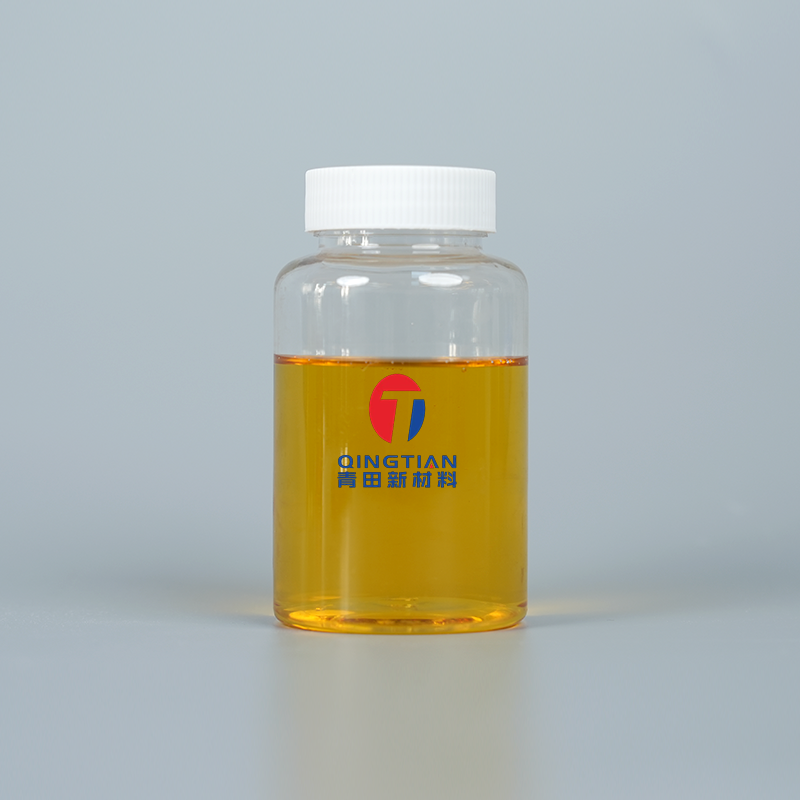
DH-6325 Wetting and Dispersing Agent
Pigments are solid particles that must be incorporated into a liquid vehicle and distributed as evenly as possible. In their dry state, pigment particles commonly exist as primary particles, aggregates, and agglomerates. During storage and handling, attractive forces between particles can cause them to form larger structures. These structures may be difficult to break down during mixing and grinding.
Inadequate dispersion can create a wide range of formulation problems. A coating may show reduced color strength, poor gloss, visible specks, sedimentation, floating color, flooding, or inconsistent hiding power. An ink may exhibit unstable viscosity, poor print quality, uneven color density, nozzle blockage, or reduced transfer performance. In a production environment, these problems can increase grinding time, energy consumption, raw-material waste, cleaning frequency, and batch-to-batch variation.
Dispersion is not simply a matter of applying mechanical force. High-speed dispersers, bead mills, and other grinding equipment provide the energy required to break down agglomerates, but the resulting particles must then be wetted and stabilized. Without chemical stabilization, particles can re-agglomerate after the grinding process or during storage. A suitable dispersant supports both stages by improving wetting and providing steric or electrostatic stabilization in the liquid medium.
The performance of a dispersant is influenced by pigment chemistry, particle size, surface area, resin type, solvent polarity, additive concentration, grinding equipment, temperature, and the final application. A dispersant that works effectively with one pigment or vehicle may be less effective in another system. For this reason, broad compatibility and formulation flexibility are important advantages for industrial users.
DH-6325 is a solvent-borne wetting and dispersing agent intended for coatings and inks. Its principal functions are to lower surface tension, improve pigment wetting, facilitate particle separation, reduce grinding viscosity, and stabilize the final dispersion. It is particularly suitable for organic pigments and carbon black, while also offering useful dispersion performance for matting agents in UV systems.
The product is described as having high dispersion efficiency and wide applicability. It can be incorporated into various organic solvents and paint vehicles at flexible ratios, allowing formulators to adapt the additive to different resin systems and pigment packages. This flexibility is valuable for manufacturers that produce several coating or ink series using different solvents, binders, and colorants.
Key performance characteristics include excellent viscosity reduction, good organic-pigment dispersion, improved storage stability, shorter grinding time, high carbon-black jetness, enhanced gloss, and reduced risk of floating color during pigment blending.
| Product characteristic | Formulation value |
|---|---|
| High dispersion efficiency | Promotes rapid and uniform distribution of pigment particles |
| Surface-tension reduction | Improves wetting of pigment surfaces and supports faster incorporation |
| Excellent viscosity reduction | Facilitates grinding, pumping, mixing, and processing |
| Organic-pigment compatibility | Supports a wide range of solvent-borne color formulations |
| Carbon-black performance | Helps achieve strong jetness, improved gloss, and manageable grinding viscosity |
| Floating-color control | Reduces uneven pigment separation and color instability in blended systems |
| Storage-stability improvement | Helps maintain a more uniform dispersion during storage |
| UV-system matting-agent dispersion | Supports the distribution of matting agents in selected UV formulations |
These characteristics make DH-6325 a multifunctional processing aid rather than a narrowly focused wetting additive. It can influence several stages of production, from initial pigment incorporation to grinding, let-down, application, and storage.
When a dry pigment is added to a liquid coating or ink, the liquid must penetrate and spread across the pigment surface. If the liquid has poor wetting behavior, air may remain trapped around the particles, and the pigment may float on the surface or form stubborn lumps. DH-6325 helps reduce the interfacial tension between the liquid phase and solid pigment surface, allowing the vehicle to contact the particles more efficiently.
Improved wetting can reduce the time required for pigment incorporation. It can also reduce the mechanical energy needed to achieve a uniform premix. This is particularly useful for pigments with high surface area or strong aggregation tendencies, such as carbon black and certain organic pigments.
After pigment agglomerates are broken down, the newly exposed particle surfaces possess a strong tendency to come together again. A dispersant helps stabilize these particles by attaching to or associating with the pigment surface while maintaining compatibility with the surrounding vehicle. The resulting stabilizing layer reduces the likelihood of re-agglomeration.
Effective stabilization contributes to lower viscosity, improved color development, greater gloss, and improved resistance to settling. It also supports more consistent performance when the formulation is stored, transported, or subjected to temperature changes.
Grinding a high-pigment-concentration mixture can be difficult when the formulation becomes excessively viscous. High viscosity limits pumpability, slows circulation through milling equipment, increases heat generation, and may reduce the efficiency of particle-size reduction. DH-6325 provides exceptional viscosity reduction during the grinding of carbon black and can also improve the processing behavior of other pigment concentrates.
Lower grinding viscosity allows equipment to operate more efficiently. It may increase throughput, reduce power demand, simplify temperature control, and make it easier to achieve the desired fineness. The actual result depends on the pigment, resin, solvent, concentration, and equipment settings, so laboratory and pilot-scale evaluation remains important.
Carbon black performance is often evaluated through jetness, undertone, gloss, and uniformity. Carbon black particles are extremely fine and have a high surface area, which makes them difficult to wet and stabilize. Poor dispersion can produce a gray or uneven appearance, excessive viscosity, and reduced color development.
By improving wetting and reducing re-agglomeration, DH-6325 helps carbon black particles remain more effectively distributed. This can contribute to deeper jetness, better surface appearance, and improved gloss. For black coatings and inks, these benefits may be visible both in laboratory drawdowns and in finished industrial products.
Floating color occurs when different pigments migrate or separate during application, drying, or storage. It is especially problematic in formulations containing multiple pigments with different densities, surface properties, or affinities for the resin and solvent phases. The resulting surface may show streaks, color separation, unevenness, or a patchy appearance.
DH-6325 helps reduce floating-color phenomena by improving the wetting and stabilization of pigment particles. More uniform dispersion can reduce the tendency of individual pigment populations to separate from one another. This benefit is important for multi-pigment colors, blended shades, metallic or effect coatings, and other systems where appearance consistency is critical.
Conventional dispersion methods often rely heavily on increased mixing time, higher shear, or additional grinding energy. Mechanical energy is necessary, but it cannot always compensate for poor pigment wetting or inadequate stabilization. Excessive processing may also increase batch temperature, damage sensitive ingredients, or create unnecessary production costs.
DH-6325 offers a chemical approach that complements mechanical processing. Instead of depending only on longer grinding, formulators can use the additive to improve the interaction between pigment, solvent, and binder. This can shorten grinding time and improve the efficiency of the existing manufacturing process.
Another advantage is its combination of viscosity reduction and dispersion stability. Some additives may improve wetting but provide limited stabilization, while others may stabilize particles without delivering sufficient processing benefits. DH-6325 is positioned as a balanced solution that supports initial incorporation, grinding, final appearance, and storage performance.
Its broad solvent and vehicle compatibility also provides an advantage over additives designed for a narrow resin family. Coating and ink producers often need to manufacture solvent-borne acrylic, alkyd, polyurethane, epoxy, polyester, or other systems. A dispersant that can form flexible mixtures in various organic solvents and paint vehicles may simplify raw-material management and reduce the need to maintain many specialized additives.
The product information identifies BYK-164 as a comparison reference. This indicates that DH-6325 is intended for performance evaluation against an established dispersant benchmark in relevant applications. A comparison should always be conducted under controlled conditions, using the same pigment, resin, solvent, additive dosage, grinding procedure, and testing method. Performance can vary significantly according to formulation design, so a reference comparison is best understood as a starting point for technical validation rather than a universal result.
| Evaluation area | Traditional process challenge | Potential contribution of DH-6325 |
|---|---|---|
| Pigment incorporation | Slow wetting, floating powder, persistent lumps | Lower surface tension and faster pigment wetting |
| Grinding efficiency | Long milling time and high energy demand | Improved dispersion efficiency and shorter grinding time |
| Carbon-black processing | High viscosity and difficult circulation | Excellent viscosity reduction during grinding |
| Color development | Weak jetness or uneven color | More effective particle distribution and improved jetness |
| Surface appearance | Reduced gloss, haze, or visible pigment defects | Improved dispersion and potential gloss enhancement |
| Multi-pigment blending | Floating color or pigment separation | More uniform stabilization of blended pigments |
| Storage | Re-agglomeration, settling, or viscosity drift | Improved dispersion stability and storage consistency |
Solvent-based coatings are used where requirements for appearance, durability, chemical resistance, adhesion, and process reliability are high. They are found in industrial metal coatings, coil coatings, plastic coatings, wood finishes, anti-corrosion systems, flooring materials, and specialized decorative applications.
In these systems, the dispersant must be compatible with the resin and solvent package while remaining effective at the pigment surface. DH-6325 is suitable for solvent-based coatings containing organic pigments and can be incorporated into pigment concentrates, mill bases, or selected let-down processes according to the formulation design.
For steel and aluminum coil coatings, uniform color and surface appearance are essential because the coating is applied continuously over large areas. Small variations in pigment distribution can become visible as streaking, shade differences, or gloss variation. Improved dispersion can support more reliable color consistency and reduce the risk of production interruptions.
In plastic coatings, the additive can help formulators achieve smooth color development and a uniform visual appearance. Plastic substrates may require specific solvent and binder combinations, so compatibility testing is necessary. The broad applicability of DH-6325 provides a useful starting point for these formulation studies.
In wood coatings, surface quality and color uniformity are particularly important. Pigment particles must be distributed without creating roughness, specks, or uneven visual depth. A well-designed dispersant package can support smooth application and stable color in transparent, semi-transparent, and pigmented finishes.
In anti-corrosion coatings, pigment dispersion influences barrier properties, film uniformity, and the distribution of functional pigments. The dispersant must be selected with attention to the complete formulation because excessive or unsuitable additive levels may affect water resistance, adhesion, recoatability, or chemical resistance. DH-6325 should therefore be optimized through application-specific testing.
Printing inks demand precise control of color strength, viscosity, flow, gloss, drying behavior, and transfer. Ink systems may contain high pigment concentrations, and production equipment often operates at high speed. Any dispersion defect can affect print quality, contaminate equipment, or create customer complaints.
DH-6325 can support the preparation of pigment concentrates for solvent-based printing inks. Its wetting performance helps pigments become incorporated into the ink vehicle, while its dispersing action supports a more uniform particle distribution. Viscosity reduction is valuable during grinding and can also assist with pumping and transfer in certain formulations.
Improved pigment dispersion can contribute to strong color density and consistent print appearance. For black inks, effective carbon-black dispersion may help achieve high jetness and gloss. For colored inks, good organic-pigment dispersion can support color strength and reduce visible defects.
Ink manufacturers should consider the relationship between dispersant level and final ink properties. The additive must be balanced with the resin, solvent, plasticizer, wax, defoamer, and other functional components. Testing should include fineness of grind, viscosity, color strength, gloss, printability, drying, storage stability, and substrate adhesion.
Organic pigments often present complex dispersion challenges because their surfaces differ significantly in polarity, crystal structure, particle size, and surface treatment. Some pigments are relatively easy to wet, while others require specialized additives and carefully controlled milling conditions.
DH-6325 is described as providing good dispersion capability for various organic pigments. Its wide applicability makes it suitable for screening across different color families, including pigments used in industrial coatings, plastic coatings, wood coatings, and printing inks. The exact dosage and processing method should be determined through formulation trials.
A useful laboratory evaluation can begin with a standard pigment concentrate. The formulator can prepare a control sample without dispersant, a sample using DH-6325 at a low dosage, and additional samples at progressively higher dosages. The samples can then be compared for wetting time, grind gauge fineness, viscosity, color strength, gloss, transparency or hiding power, and storage behavior.
It is important to distinguish between short-term dispersion and long-term stability. A sample may reach a fine grind quickly but later show viscosity increase, settling, flocculation, or color change. DH-6325 is intended to address both efficient dispersion and improved storage stability, but the result depends on the complete formulation.
Carbon black is one of the most demanding pigments for liquid coatings and inks. Its very small particle size creates a large total surface area, which increases the demand for wetting and stabilizing chemistry. Carbon black can also cause dramatic viscosity increases when poorly dispersed, making the mill base difficult to process.
DH-6325 provides exceptional viscosity reduction when grinding carbon black. This feature can improve the practical handling of carbon-black concentrates and may permit higher pigment loading or more efficient use of available grinding equipment. Reduced viscosity can improve circulation, heat transfer, and particle-to-particle contact during milling.
The product also supports excellent jetness and gloss. Jetness is influenced by carbon-black type, particle size, structure, concentration, film thickness, substrate, and dispersion quality. A dispersant cannot replace the selection of an appropriate carbon black, but it can help the chosen pigment achieve better development in the coating or ink vehicle.
For carbon-black evaluation, manufacturers should assess both color and processing properties. Useful measurements include grind viscosity, final viscosity, fineness, color strength, blackness or jetness, undertone, gloss, haze, and storage stability. Drawdowns should be made under controlled film thickness and drying conditions to ensure meaningful comparisons.
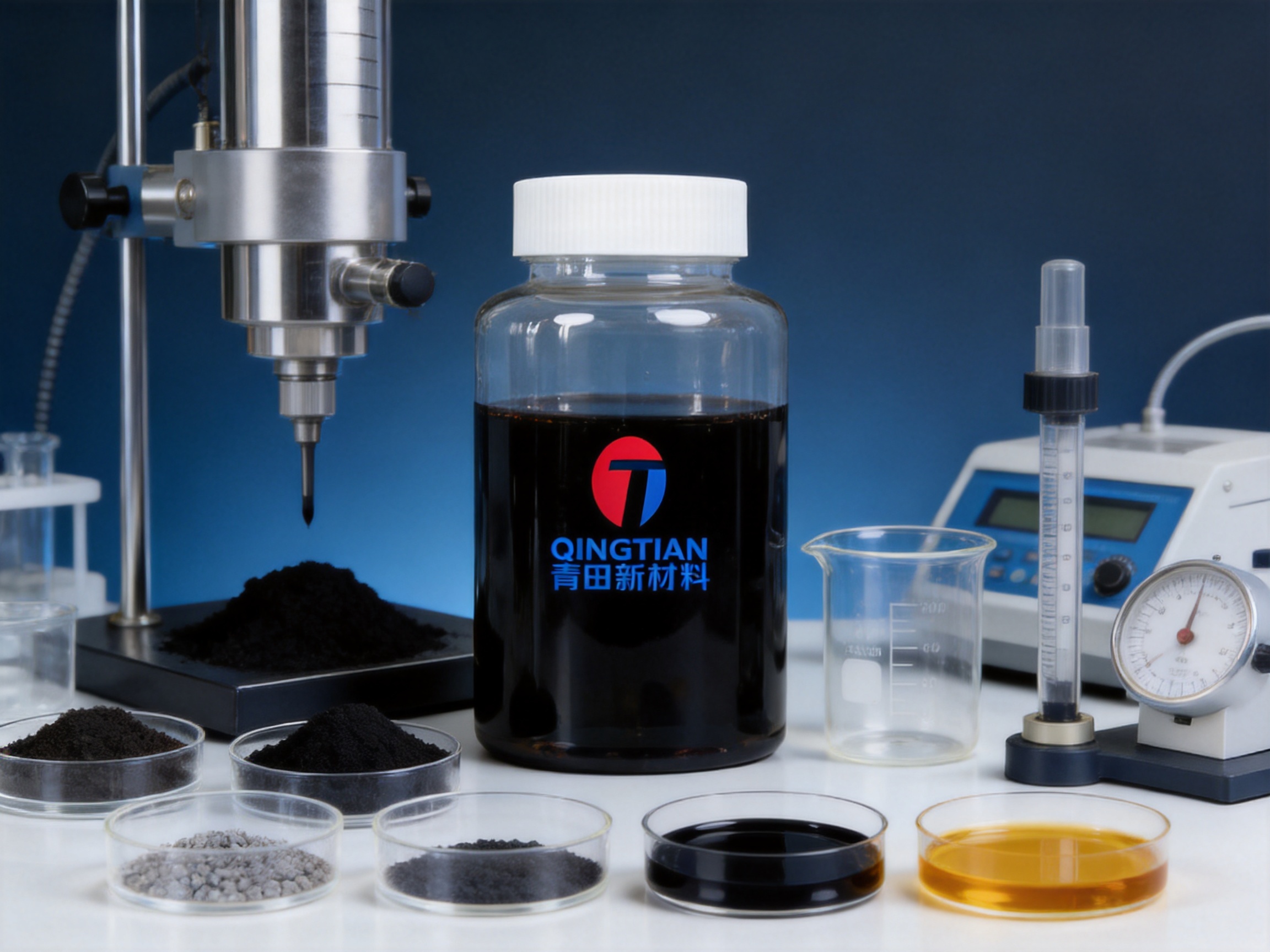
Matting agents are used to reduce gloss and create a specific surface appearance. In UV-curing systems, their dispersion can be challenging because the formulation may have high solids content, rapid curing behavior, and limited time for leveling before the film is fixed.
DH-6325 shows good dispersion for matting agents in UV systems. A more uniform matting-agent distribution can support consistent gloss reduction and reduce the risk of roughness, localized gloss variation, or visible particles. The additive may be considered in UV coatings for wood, plastics, flooring, and other surfaces where a controlled matte appearance is required.
UV formulations should be evaluated carefully because additives can influence curing, surface slip, adhesion, shrinkage, and recoatability. The compatibility of DH-6325 with the oligomer, monomer, photoinitiator, matting agent, and other additives should be verified through laboratory testing and accelerated aging studies.
Matting performance is usually assessed by measuring gloss at standardized angles, examining surface texture, and checking visual uniformity across the coated panel. The final result depends not only on the dispersant but also on the particle-size distribution and morphology of the matting agent, coating thickness, curing conditions, and application method.
Storage stability is a major commercial requirement for coatings and inks. A product may perform well immediately after manufacture but become unsuitable after several weeks or months if pigment particles re-agglomerate, settle, or cause viscosity drift. Such instability can lead to rework, filtration, batch rejection, or reduced customer confidence.
DH-6325 is designed to improve product storage stability by supporting more effective pigment stabilization. A stable dispersion is more likely to retain consistent color, viscosity, gloss, and application behavior over time. This is especially important for concentrated products that may be stored before dilution or final use.
Storage evaluation should include room-temperature aging and, where appropriate, elevated-temperature aging. Samples should be examined for sedimentation, hard settling, viscosity change, color variation, gloss change, fineness, and ease of redispersion. Freeze-thaw or temperature-cycling tests may also be relevant for products exposed to variable transportation conditions.
Good storage stability does not mean that every formulation will remain stable under every condition. The final system must be balanced with suitable resin selection, pigment concentration, solvent ratio, anti-settling strategy, and manufacturing procedure. DH-6325 is a key component of this balance, not a substitute for complete formulation engineering.
In many pigment concentrates, the dispersant is introduced into the liquid portion before the pigment is added. This allows the additive to be distributed throughout the vehicle and available at the pigment surface during initial wetting. The precise order of addition may vary according to the resin, solvent, pigment, and equipment.
Formulators should avoid adding pigment too quickly if the vehicle cannot wet the incoming powder effectively. Controlled addition can reduce lump formation and improve the efficiency of the premix stage. Once the pigment is incorporated, high-shear mixing or milling can be used to reduce particle size and break down agglomerates.
The optimum dosage of DH-6325 depends on pigment surface area, pigment concentration, resin chemistry, solvent polarity, and the desired final properties. A dosage that is too low may provide incomplete wetting or insufficient stabilization. A dosage that is unnecessarily high may increase cost or influence water resistance, adhesion, recoatability, foam behavior, or surface properties.
A dosage ladder is recommended during development. The formulator can compare several additive levels and identify the point at which viscosity, color strength, gloss, and stability reach the most favorable balance. The optimum should be confirmed in the final resin and solvent system rather than selected solely from a universal dosage assumption.
Grinding equipment, bead size, filling ratio, residence time, temperature, and circulation rate all influence dispersion quality. DH-6325 can improve the efficiency of the milling process, but the equipment must still be operated within appropriate limits. Excessive temperature may affect solvent balance or resin stability, while insufficient energy may leave coarse particles or undispersed agglomerates.
Manufacturers should record process data during scale-up. Useful information includes premix time, mill temperature, energy consumption, product flow rate, fineness, viscosity, and final color development. These records help establish repeatable operating windows and support continuous improvement.
A professional evaluation program should combine physical, optical, rheological, and storage tests. No single measurement can fully describe dispersant performance. A formulation with low viscosity may still show poor color strength, while a formulation with excellent initial gloss may lack storage stability.
| Test category | Typical evaluation | Purpose |
|---|---|---|
| Wetting | Powder incorporation time and surface appearance | Determines how quickly the liquid contacts and incorporates the pigment |
| Fineness | Hegman grind gauge or equivalent method | Assesses the presence of coarse particles and agglomerates |
| Viscosity | Brookfield, cone-and-plate, or application-specific measurement | Evaluates grinding behavior, flow, and processing suitability |
| Color strength | Drawdown comparison and instrumental color measurement | Measures pigment development and batch consistency |
| Jetness | Blackness, undertone, or reflectance analysis | Evaluates carbon-black appearance |
| Gloss | Standard-angle gloss measurement | Assesses surface uniformity and optical quality |
| Storage stability | Aging, redispersibility, viscosity, and color checks | Determines long-term dispersion performance |
| Application properties | Flow, leveling, drying, adhesion, and film appearance | Confirms suitability in the finished coating or ink |
Comparison testing should use consistent raw materials and process conditions. A control formulation, a reference dispersant, and DH-6325 should be evaluated at comparable active levels wherever possible. Results should be interpreted in the context of total formulation cost and final application requirements.
The performance of a functional additive depends not only on its chemical design but also on manufacturing consistency. Variations in raw-material quality, reaction control, blending, filtration, filling, or storage can affect the final product. Industrial customers therefore need a supplier with reliable production systems and technical support.
Suzhou Qingtian New Material Co., Ltd. operates as a professional supplier of raw materials for coatings, inks, and adhesives. Since its establishment in 2012, the company has developed an experienced team that includes research and development specialists, sales professionals, and technical personnel. Its production activities are supported by a modern facility, advanced testing equipment, and research capabilities.
The company’s development history demonstrates a long-term focus on specialty additives and functional coating materials. It developed China’s first ice flower resin in 2016, was recognized as a National High-Tech Enterprise in 2020, and moved to Lingrui Intelligent Manufacturing Park in Zhangjiagang High-Tech Zone in 2021. These milestones reflect continued investment in product development, manufacturing capacity, and technical infrastructure.
For products such as DH-6325, advanced manufacturing involves more than physical mixing. A consistent production process requires controlled raw-material selection, accurate weighing, controlled addition, effective mixing, appropriate temperature management, filtration, packaging, and batch documentation. Each stage can affect viscosity, compatibility, color, stability, and application performance.
Because dispersant performance varies according to pigment and binder chemistry, close integration between research and production is important. Laboratory researchers can investigate pigment interactions, solvent compatibility, and dosage optimization, while production teams translate these findings into repeatable manufacturing procedures.
The company’s portfolio across dispersants, leveling agents, defoamers, adhesion promoters, anti-settling agents, texture additives, conductive agents, and wax powders provides a broad technical base. This portfolio allows the company to understand additive interactions within complete coating and ink systems rather than treating each product as an isolated raw material.
Advanced testing equipment supports the evaluation of raw materials, intermediate products, and finished batches. Typical quality-control activities for a dispersant may include appearance inspection, viscosity measurement, density or solids evaluation where applicable, compatibility checks, and application testing.
Application testing is particularly important because a product can meet basic physical specifications while still producing unexpected behavior in a customer’s pigment or resin system. A technically capable supplier can help identify the most suitable use conditions and distinguish between additive performance issues and broader formulation variables.
A modern production facility provides the infrastructure needed for batch control, safe material handling, packaging flexibility, and order fulfillment. For industrial customers, supply reliability is as important as laboratory performance. Consistent availability helps reduce production risk and supports continuous manufacturing schedules.
Technical communication is another strength. Customers may need assistance with product selection, dosage screening, compatibility testing, troubleshooting, or scale-up. A supplier that understands coatings and inks can provide more useful support than a general chemical distributor with limited application knowledge.
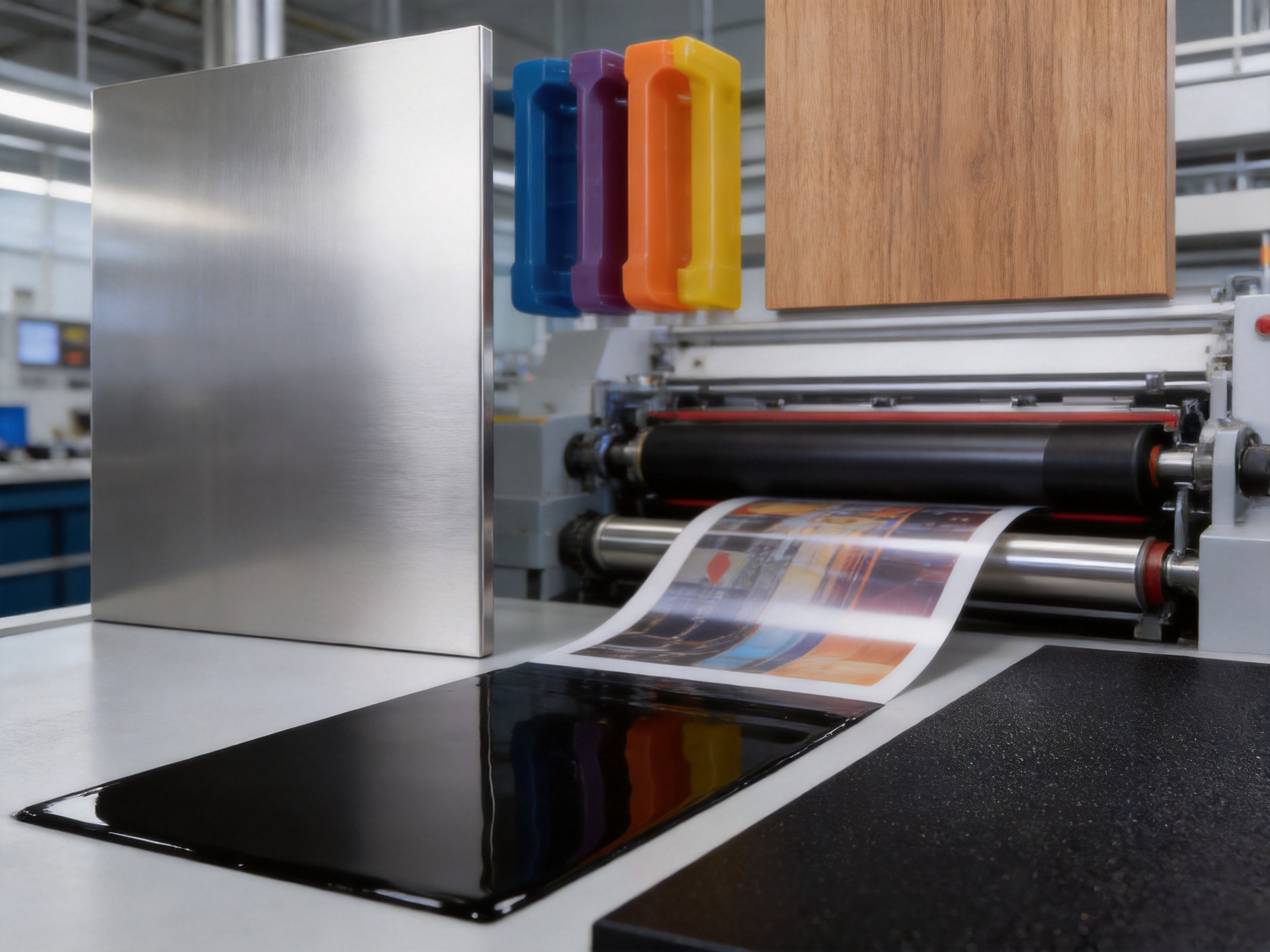
Solvent-borne coatings and inks remain important in many industrial applications because they can provide strong film performance, fast drying, and excellent appearance. At the same time, manufacturers are under increasing pressure to reduce energy consumption, solvent emissions, waste, and production losses.
A dispersant that shortens grinding time and reduces processing viscosity may support more efficient use of manufacturing equipment. Lower viscosity can improve circulation and reduce the time required to reach the target fineness. Better storage stability can reduce rejected material, reprocessing, and disposal. These benefits should be evaluated through actual plant data rather than assumed universally.
Formulators should also consider the total environmental profile of the finished system, including solvent selection, solids content, application efficiency, curing conditions, cleaning requirements, and product lifetime. DH-6325 contributes to formulation efficiency, but sustainable product design requires a coordinated approach across the complete coating or ink system.
High grind viscosity may result from insufficient dispersant, excessive pigment loading, unsuitable solvent balance, high carbon-black surface area, or inadequate premixing. DH-6325 can be evaluated through a controlled dosage study. The formulator should also confirm that the additive is introduced before pigment incorporation and that the mill is operating under appropriate conditions.
Poor color strength may be caused by incomplete deagglomeration, pigment flocculation, an unsuitable resin, incorrect pigment concentration, or excessive film thickness during testing. DH-6325 may improve color development by supporting wetting and stabilization, but the evaluation should include fineness and viscosity data to identify the actual cause.
Floating color can be associated with differences in pigment density, surface chemistry, particle size, or resin affinity. It may also be influenced by application conditions, drying speed, film thickness, or insufficient convection during drying. DH-6325 should be tested in the complete multi-pigment formulation, not only with individual pigments.
Settling may occur when particles are insufficiently stabilized or when the formulation has an unfavorable rheological profile. A dispersant can improve particle separation, but the final system may also require an anti-settling agent or suitable low-shear structure. Storage tests should determine whether any sediment is soft and easily redispersed or hard and compacted.
Gloss variation may result from uneven pigment dispersion, surface defects, matting-agent distribution, poor leveling, or inconsistent film thickness. DH-6325 can support improved dispersion and may contribute to better gloss in pigment-containing systems. However, leveling, defoaming, substrate preparation, and curing must also be controlled.
DH-6325 is positioned as a practical alternative for customers seeking a solvent-borne dispersant with high dispersion efficiency, broad compatibility, strong viscosity reduction, and improved storage stability. Its product profile is particularly attractive for manufacturers working with organic pigments, carbon black, multi-pigment colors, and UV matting agents.
Its competitive value lies in the combination of several benefits. First, it addresses pigment wetting and dispersion rather than only one processing stage. Second, it provides a strong viscosity-reduction effect during carbon-black grinding. Third, it supports appearance properties such as jetness and gloss. Fourth, it helps control floating color and storage instability. Finally, it is designed for use with various organic solvents and paint vehicles.
Compared with relying solely on higher shear or longer milling time, DH-6325 may help manufacturers improve process efficiency without making major changes to existing equipment. Compared with narrowly compatible dispersants, its wide applicability may simplify product development and raw-material planning. Compared with a formulation that uses separate solutions for wetting, grinding viscosity, and storage stability, its multifunctional profile may reduce additive complexity.
Commercial selection should still be based on side-by-side testing. Factors such as dosage, active content, raw-material cost, mill productivity, color strength, storage life, and downstream application performance should all be included in the evaluation. The most economical product is not necessarily the one with the lowest purchase price; it is the one that delivers the best total process and performance value.
The company’s materials are used across several industrial sectors. Relevant application areas include steel and aluminum coil coatings, plastic coatings, UV-curing systems, anti-corrosion coatings, wood coatings, glass coatings, epoxy flooring, printing inks, power batteries, photovoltaic panels, and other specialty products.
Within these markets, dispersion quality can influence both appearance and functionality. Coil coatings require uniform color and surface finish. Plastic coatings require reliable pigment distribution and adhesion. Wood coatings require smooth visual quality. Glass coatings require controlled wetting and film uniformity. Epoxy flooring systems may require stable pigment and filler distribution. Printing inks depend on color strength, viscosity control, and print consistency.
The broad application background of the supplier supports a system-oriented approach to additive selection. A dispersant may be used together with leveling agents, defoamers, adhesion promoters, anti-settling agents, texture additives, or wax powders. Compatibility among these additives should be confirmed during formulation development.
For a coating or ink manufacturer, DH-6325 can provide value at several operational levels. At the laboratory stage, it can accelerate pigment screening and help researchers identify a workable formulation more efficiently. During pilot production, it may improve milling behavior and make scale-up more predictable. In full-scale manufacturing, it can contribute to shorter grinding cycles, improved batch consistency, and reduced appearance defects.
For production managers, viscosity reduction can be especially important. A manageable mill-base viscosity can improve equipment utilization and reduce the need for repeated adjustments. It may also make filtration, transfer, and filling easier. These effects can support higher productivity when validated under plant conditions.
For quality managers, improved storage stability and reduced floating color can lower the risk of customer complaints. Consistent dispersion contributes to repeatable color and gloss, which are often critical acceptance criteria in industrial coatings and inks.
For formulation chemists, wide compatibility offers greater freedom when selecting solvents and binders. The ability to form mixtures in various organic solvents and paint vehicles can facilitate the development of product families with different performance targets.
A customer qualification program should begin with a clear definition of the target application. The pigment type, resin, solvent, solids content, application method, curing conditions, and performance requirements should be documented before testing begins.
The first stage may compare DH-6325 with the existing dispersant under laboratory conditions. The study should include a control sample and, where appropriate, the reference product identified as BYK-164. All samples should be prepared using equivalent pigment loading and comparable processing energy.
The second stage should evaluate the best-performing dosage range. The samples can be assessed for grind viscosity, fineness, color strength, jetness, gloss, floating color, and storage stability. If the application is a UV system containing a matting agent, gloss reduction and surface uniformity should also be included.
The third stage should involve pilot-scale production. Scale-up can reveal issues that are not visible in laboratory work, including temperature rise, pump limitations, filtration behavior, foam generation, and batch-to-batch variation.
The final stage should confirm production and customer performance. Coated panels or printed samples should be evaluated under actual application conditions. Long-term aging, chemical resistance, adhesion, weathering, and other end-use tests should be included where relevant.
DH-6325 is a solvent-borne wetting and dispersing agent used in coatings and inks. It helps improve pigment wetting, dispersion efficiency, grinding behavior, viscosity control, color development, gloss, floating-color resistance, and storage stability.
Yes. The product is designed to provide good dispersion for various organic pigments. Because pigment chemistry differs, users should conduct compatibility and dosage testing in the specific resin and solvent system.
Yes. DH-6325 is particularly noted for excellent viscosity reduction during carbon-black grinding. It can also support jetness and gloss by helping carbon black remain more uniformly dispersed.
DH-6325 is designed to reduce floating-color phenomena by improving pigment wetting and stabilization. The final result depends on pigment combination, resin, solvent, film thickness, drying conditions, and the overall additive package.
It shows good dispersion performance for matting agents in UV systems. Users should confirm compatibility with the specific oligomers, monomers, photoinitiators, matting agents, and curing conditions.
It helps stabilize dispersed pigment particles and reduce re-agglomeration. This can support more consistent viscosity, color, gloss, and redispersibility during storage. Storage testing should be performed on the complete formulation.
The product is described as capable of forming mixtures at various ratios in different organic solvents and paint vehicles. The exact compatibility should be verified for each formulation because solvent polarity and resin chemistry affect additive behavior.
The dosage should be optimized through a formulation study. A dosage ladder using low, medium, and high additive levels can help identify the best balance among viscosity, fineness, color strength, gloss, stability, and total cost.
No universal replacement claim should be made without testing. DH-6325 is positioned as a competitive solvent-borne dispersant and can be evaluated against existing products or reference materials under controlled conditions.
Suzhou Qingtian New Material Co., Ltd. has experience in coating, ink, and adhesive raw materials, an R&D-oriented team, modern production facilities, advanced testing equipment, and a broad additive portfolio. These resources support product development, quality control, and technical service.
Recommended tests include wetting, fineness, viscosity, color strength, jetness, gloss, floating-color resistance, storage stability, redispersibility, application appearance, adhesion, drying, and any end-use durability tests required by the customer.
It may contribute to lower total processing cost by shortening grinding time, reducing viscosity, improving equipment efficiency, lowering rework, and improving batch stability. Actual savings should be calculated from production trials and quality data.
DH-6325 Wetting and Dispersing Agent is developed for demanding solvent-borne coating and ink applications where pigment quality, process efficiency, and storage reliability must be managed together. Its main advantages include high dispersion efficiency, reduced surface tension, improved organic-pigment wetting, excellent grinding-viscosity reduction, strong carbon-black performance, enhanced jetness and gloss, floating-color control, and improved storage stability.
The product’s broad applicability in organic solvents and paint vehicles makes it suitable for diverse formulation platforms. Its performance in organic pigments, carbon black, multi-pigment systems, and UV matting-agent dispersions gives formulators a practical option for solving common production and appearance problems.
The strength of DH-6325 is also supported by the capabilities of its manufacturer. Suzhou Qingtian New Material Co., Ltd. combines specialty-additive knowledge, research resources, modern manufacturing infrastructure, testing equipment, and experience across coatings, inks, adhesives, and related industries. This combination helps connect product development with real industrial requirements.
For customers evaluating a new dispersant, the recommended approach is a structured comparison using the target pigment, resin, solvent, equipment, and application conditions. When validated in the complete formulation, DH-6325 can provide a balanced route to more efficient grinding, better color and surface appearance, and more reliable long-term product performance.
1. Company technical information for DH-6325 Wetting and Dispersing Agent, including product performance descriptions and application scope.
2. Suzhou Qingtian New Material Co., Ltd. corporate information concerning coating, ink, adhesive raw materials, research and development, manufacturing, and testing capabilities.
3. General principles of pigment wetting, stabilization, flocculation control, and dispersion in liquid coating and ink systems.
4. General laboratory practices for evaluating pigment concentrates, including fineness, viscosity, color strength, gloss, jetness, and storage stability.
5. General formulation guidelines for solvent-borne coatings, solvent-based printing inks, and UV-curing coating systems.
6. Comparative product reference information identifying BYK-164 as a benchmark for technical evaluation.
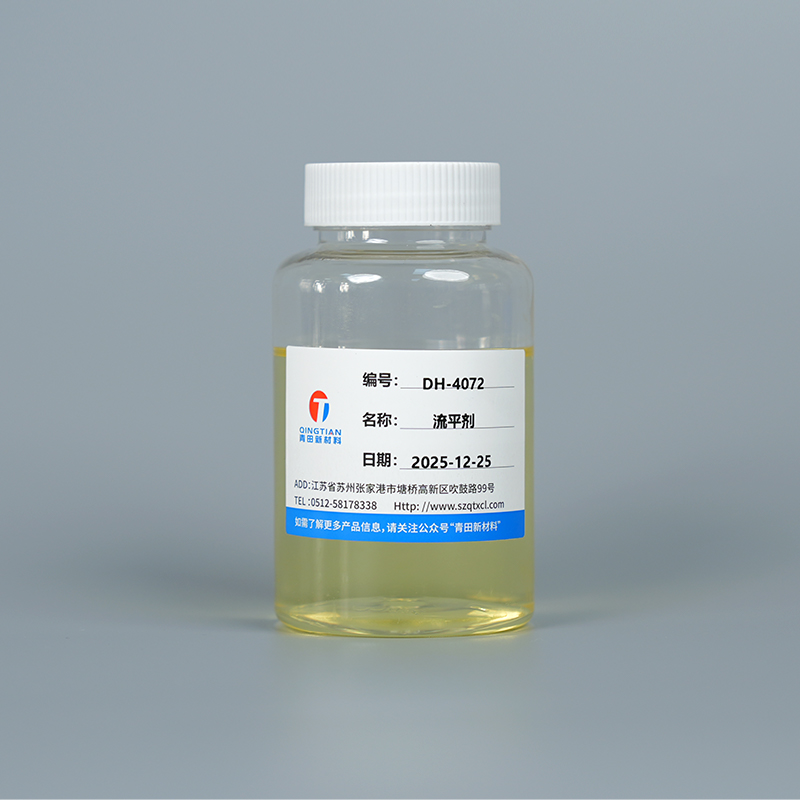
 Wholesale Paint/ Coating Additives Manufacturers
Custom Industrial Chemical Solutions Suppliers
Wholesale Paint/ Coating Additives Manufacturers
Custom Industrial Chemical Solutions Suppliers