русский
 Español
 Français
Home / Author / Lu Xinzhi — Overseas Product Sales Specialist / Advanced Dispersant Design for Epoxy, Ink, and Industrial Pigment Systems
Lu Xinzhi — Overseas Product Sales Specialist

Content
Pigment dispersion is one of the most influential stages in the manufacture of coatings, inks, adhesives, and color concentrates. The quality of dispersion affects color strength, transparency, gloss, viscosity, storage stability, application performance, and the final appearance of the finished film. When carbon black or organic pigments are not adequately wetted and separated, manufacturers may experience excessive grinding time, unstable viscosity, poor jetness, floating and flooding, flocculation, loss of gloss, and uneven color development.
DH-6200 is a high-performance dispersant developed for demanding pigment grinding and color paste applications. It is designed to support the dispersion of carbon black and organic pigments in polyether and polyester polyol color pastes, unsaturated resin color pastes, solvent-free epoxy systems, industrial coatings, and various ink formulations. It is especially suitable for alcohol-soluble polyurethane ink systems, where high-surface-area carbon black can be difficult to stabilize and process.
The product combines strong wetting capability with effective viscosity reduction. These characteristics help pigment particles become more readily incorporated into the liquid phase, reduce particle-to-particle attraction, shorten grinding cycles, and improve the consistency of the resulting color paste. In carbon black applications, the dispersant can contribute to enhanced jetness, improved gloss, and more efficient use of production equipment.
Beyond its technical function, the value of a modern dispersant depends on manufacturing consistency, formulation support, quality control, and the supplier’s ability to understand different coating and ink technologies. The producer behind DH-6200 has developed a broad portfolio of coating, ink, and adhesive additives and operates with dedicated research, testing, and production capabilities. This combination enables the product to serve both general-purpose and more specialized pigment dispersion requirements.
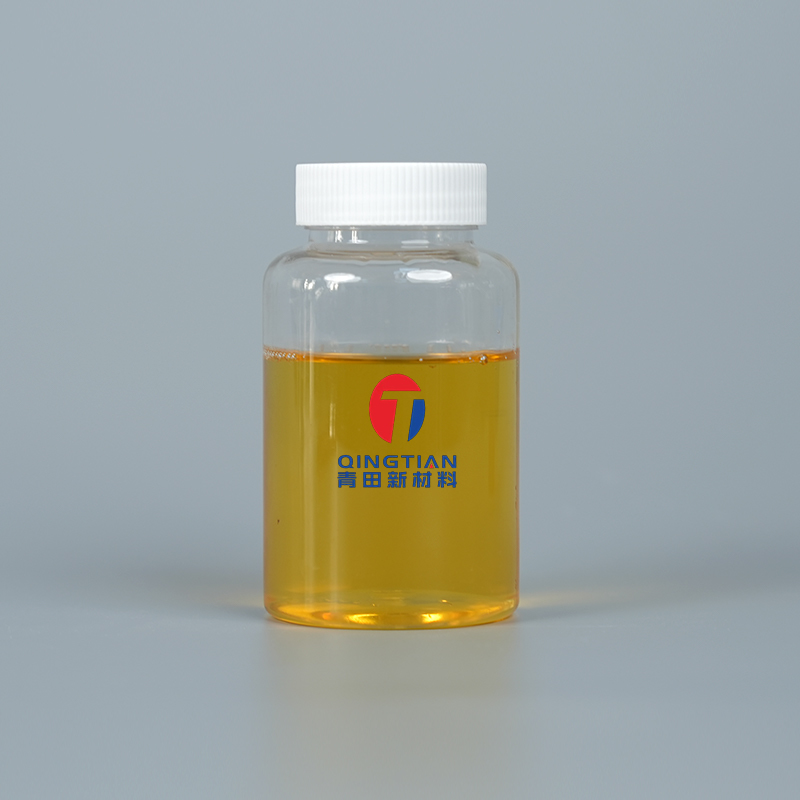
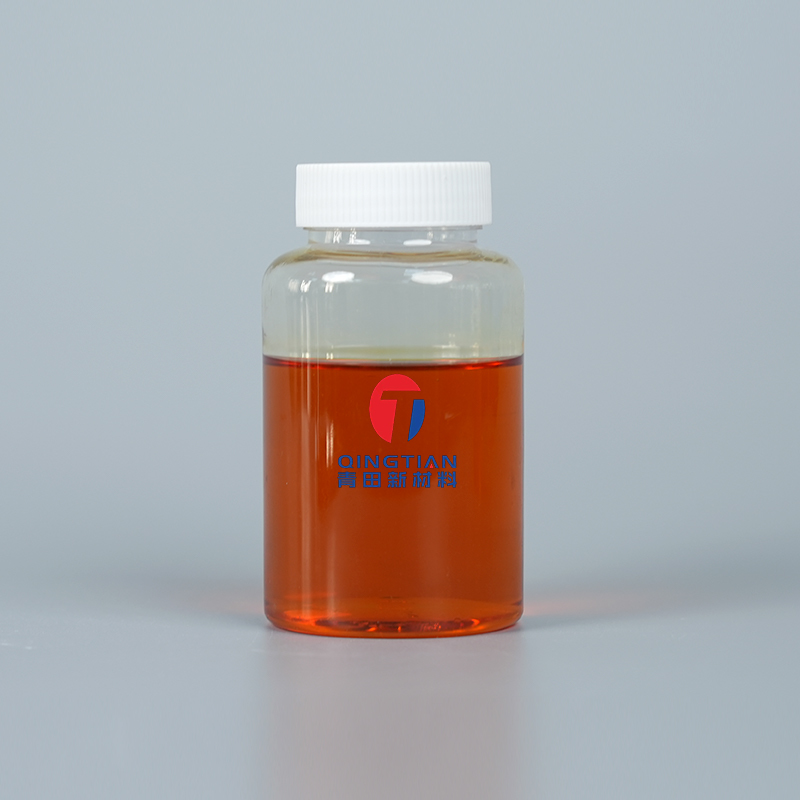
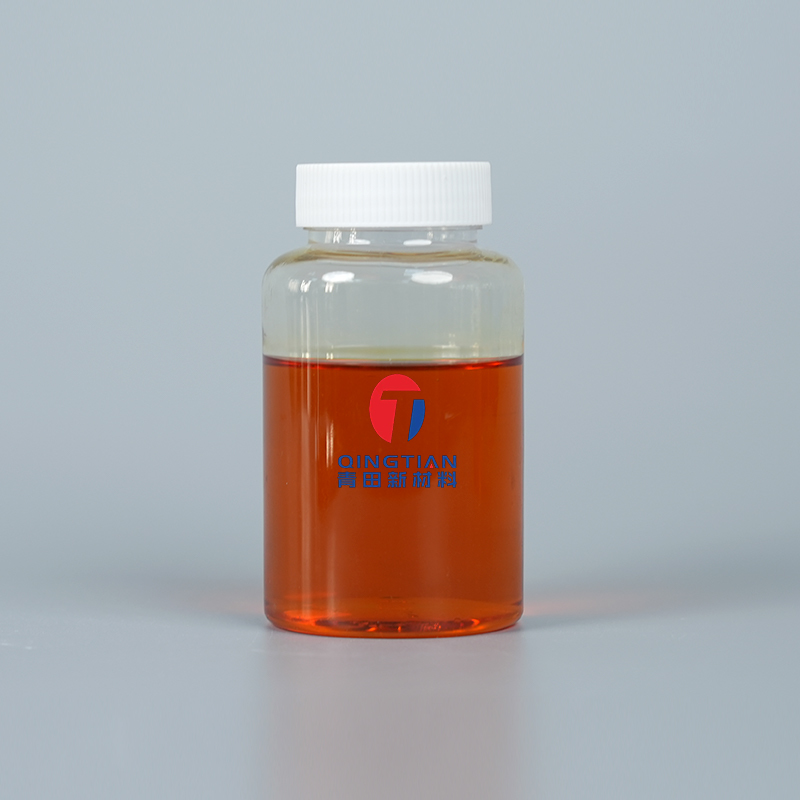
DH-6200 Dispersant for Epoxy Systems
Pigments are solid particles that must be distributed throughout a liquid binder or carrier. Their surfaces often contain strong attractive forces. Fine particles, especially carbon black and high-performance organic pigments, have large specific surface areas and a strong tendency to form agglomerates. These agglomerates can remain intact during ordinary mixing and may require substantial mechanical energy to break apart.
A dispersant works at the interface between the pigment and the surrounding liquid. Its molecular structure typically contains groups that have an affinity for the pigment surface and segments that are compatible with the resin, solvent, water, or other liquid components. Once adsorbed onto the pigment surface, the dispersant helps improve wetting and provides stabilization against renewed aggregation.
Effective dispersion is not limited to breaking down pigment agglomerates. The additive must also maintain the separated state during let-down, storage, transport, and application. A product that performs well only during the initial grinding stage may still allow viscosity drift, settling, flocculation, or color changes during subsequent processing. For this reason, a high-quality dispersant must be evaluated across the complete formulation and production cycle.
DH-6200 addresses two central requirements: rapid wetting and viscosity control. Improved wetting allows the liquid phase to enter pigment agglomerates more efficiently. Viscosity reduction makes it easier to process concentrated color pastes and can improve the movement of the formulation through mills, pumps, transfer lines, and filling equipment. Together, these effects can help manufacturers achieve greater production efficiency without sacrificing color quality.
Carbon black is among the most challenging pigments to disperse. Its very fine particle size and high surface area create strong interparticle attraction. Poorly dispersed carbon black can produce high mill-base viscosity, slow grinding, low gloss, gray or brown undertones, weak jetness, and instability after storage.
In alcohol-soluble polyurethane inks, these challenges can become more pronounced because the binder and solvent balance may provide limited tolerance for poorly stabilized particles. DH-6200 is particularly intended for this type of demanding application. By supporting the wetting and stabilization of carbon black, it can help reduce the energy and time required to achieve the desired color development.
Organic pigments can offer bright colors, high tinting strength, and excellent visual effects, but they may also present difficulties related to crystal structure, surface chemistry, particle size distribution, and compatibility with specific resin systems. Inadequate dispersion can reduce chroma and transparency or cause color variation between production batches.
A dispersant suitable for organic pigments must be versatile enough to function with different pigment chemistries and binder types. The intended application range of DH-6200 includes organic pigments used in industrial coatings, plastic coatings, wood coatings, floor coatings, coil coatings, and ink systems. This broad suitability can reduce the need for manufacturers to maintain an unnecessarily large number of additive grades.
DH-6200 is positioned as a dispersant for epoxy-related and other demanding pigment systems. Its application scope includes water-borne dispersant categories as well as solvent-free, alcohol-soluble, polyol-based, resin-based, and industrial coating formulations. The correct selection and dosage should always be confirmed through laboratory testing because compatibility depends on the pigment, binder, carrier, solids content, grinding equipment, and final performance requirements.
| Application area | Primary pigment challenge | Potential contribution of DH-6200 |
|---|---|---|
| Polyether and polyester polyol color pastes | High pigment loading and viscosity control | Improved wetting and easier pigment incorporation |
| Unsaturated resin color pastes | Uniform color development and storage stability | More efficient grinding and improved dispersion quality |
| Solvent-free epoxy systems | High viscosity and difficult pigment movement | Viscosity reduction and improved processing behavior |
| Industrial coatings | Gloss, color consistency, and resistance to flocculation | Enhanced pigment distribution and surface appearance |
| Alcohol-soluble polyurethane inks | Carbon black dispersion and jetness | Strong wetting, shorter grinding time, and better blackness |
| Plastic, wood, floor, and coil coatings | Appearance, leveling, and batch consistency | More uniform pigment dispersion across different substrates |
The formulation objective is not necessarily to maximize pigment loading in every case. Instead, the goal is to achieve the best balance between pigment concentration, viscosity, color strength, gloss, stability, and application performance. A dispersant that provides efficient particle wetting and stabilization may allow formulators to reach the required color strength at a practical viscosity.
One of the main stated advantages of DH-6200 is its ability to reduce viscosity in pigment grinding systems. This is especially important for high-surface-area carbon black, concentrated organic pigment pastes, and solvent-free epoxy formulations. Excessive viscosity can limit the amount of pigment that can be processed, reduce mill throughput, increase power consumption, and create difficulties during pumping and filtration.
By helping to separate pigment particles and reduce their tendency to form a network, the dispersant can improve the flow behavior of the mill base. Lower viscosity may also improve heat transfer and circulation during grinding. In practical production, this can make it easier to maintain stable process conditions and reduce interruptions caused by blocked lines, overloaded equipment, or uneven material transfer.
Viscosity reduction can be valuable during both the grinding stage and the final let-down stage. A more manageable mill base can be processed more rapidly, while a stable final formulation can be easier to apply through printing, spraying, rolling, or other coating methods. Nevertheless, viscosity is influenced by many factors, including resin molecular weight, pigment concentration, solvent selection, temperature, and shear history. The dispersant should therefore be evaluated as part of the complete formulation rather than as an isolated ingredient.
Effective pigment wetting is the first step toward efficient dispersion. If the liquid phase cannot rapidly contact and penetrate the pigment surface, mechanical grinding energy may be used inefficiently. Large agglomerates can remain in the system, and the resulting color paste may show uneven development or poor stability.
DH-6200 is designed to promote contact between the pigment and the surrounding formulation. Improved wetting can help reduce the time needed to incorporate powders and may support a smoother transition from dry pigment to a uniform mill base. This is important in systems containing carbon black, where incomplete wetting can lead to floating powder, dusting, difficult incorporation, and prolonged mixing.
Wetting performance also influences the final visual properties of a coating or ink. Better particle distribution generally supports more uniform light absorption and reflection. In black systems, this may contribute to stronger jetness and improved gloss. In colored systems, it can help the pigment express its intended hue and chroma more consistently.
Production efficiency is a major consideration for coating and ink manufacturers. Grinding can be one of the most time-consuming operations in the preparation of a color paste. A dispersant that accelerates wetting and supports stable particle separation may reduce the time required to reach a target fineness, viscosity, or color strength.
Shorter grinding cycles can provide several benefits. Equipment capacity may be increased without installing additional mills. Energy consumption per batch may be reduced. Production planning can become more predictable, and the risk of pigment overheating or binder degradation may be lowered. The actual improvement depends on the starting pigment, mill type, bead size, shear level, solids content, and target specification, so comparative trials are recommended.
Jetness describes the visual depth and blackness of a black coating or ink. It is strongly affected by carbon black type, particle size, surface treatment, pigment concentration, film thickness, and dispersion quality. Poorly dispersed carbon black may appear gray, dull, or uneven even when the total pigment content is high.
DH-6200 is described as particularly effective for high-surface-area carbon black in alcohol-soluble polyurethane inks. By supporting efficient wetting and particle separation, it can help the pigment develop a deeper black appearance. A more uniform surface may also improve gloss by reducing large agglomerates and other microscopic irregularities that scatter light.
Gloss and jetness are not independent of one another. A formulation may have strong blackness but poor gloss, or high gloss but insufficient color depth. A balanced dispersant can help formulators optimize both properties within the limits of the selected resin and pigment technology.
The product is intended for use across several resin and application environments, including polyether and polyester polyols, unsaturated resins, solvent-free epoxy systems, industrial coatings, and alcohol-water polyurethane inks. This broad application range is an advantage for manufacturers that produce multiple product families or serve customers in different markets.
A versatile dispersant can simplify raw-material management, reduce the number of qualification programs, and make technical support more efficient. It may also help manufacturers standardize certain pigment paste preparation practices across different production lines. Even with a broad-use additive, however, compatibility screening remains essential. Resin polarity, solvent balance, pigment surface treatment, and additive interactions can all influence the final result.
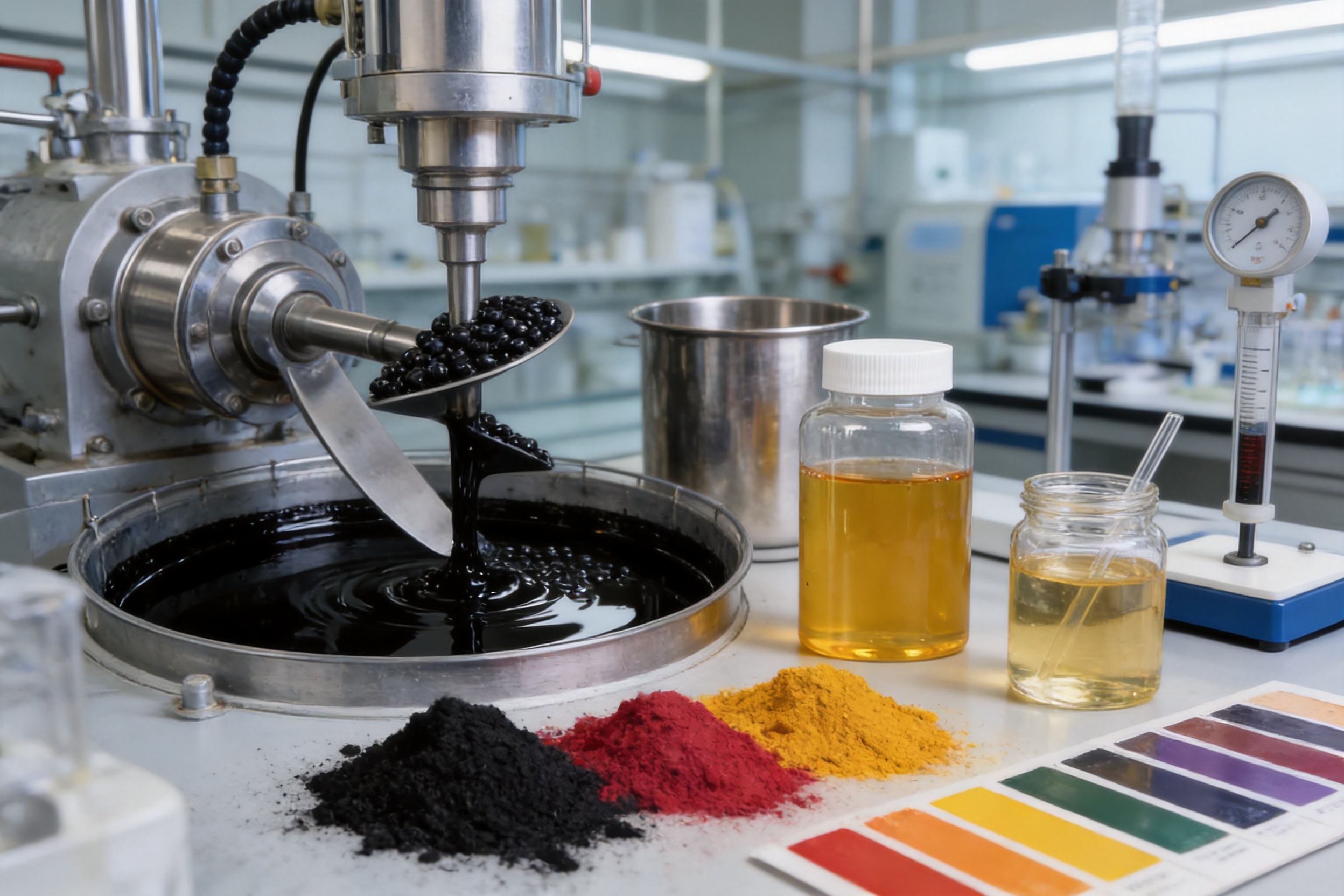
Conventional dispersion methods often rely heavily on prolonged high-speed mixing or extended milling. Mechanical energy is necessary, but it cannot always compensate for poor interfacial compatibility between pigment and binder. Without suitable wetting and stabilization, increasing shear may produce only temporary improvement while consuming additional time and energy.
A purpose-designed dispersant complements mechanical equipment by improving the chemical conditions at the pigment-liquid interface. This means the mill can work more effectively on the agglomerates that remain. The result may be faster development of fineness and color, rather than simply longer processing.
High-solids systems are attractive because they can reduce solvent use, increase pigment concentration, and improve transport efficiency. Their main challenge is often high viscosity. Conventional additives may not provide sufficient viscosity reduction or may negatively influence gloss, water resistance, adhesion, or recoatability.
DH-6200 is intended to support high-pigment and difficult-to-process systems by combining wetting with viscosity control. In solvent-free epoxy and polyol-based color pastes, this can be particularly valuable because the formulation has fewer low-viscosity components available to improve flow.
Color matching requires repeatability. If the pigment dispersion varies from batch to batch, the final coating or ink may not meet the approved color standard even when the formula is unchanged. Inadequate dispersion can also cause changes during storage, as agglomerates form or pigment particles rearrange.
A dispersant that promotes stable particle distribution can contribute to more consistent color strength and appearance. For manufacturers serving automotive, coil, plastic, wood, flooring, packaging, and industrial customers, this consistency can reduce rework and improve confidence in finished products.
Many modern manufacturers operate several types of grinding and mixing equipment. They may prepare pigment concentrates for different binders, substrates, and application methods. A broadly applicable additive can make it easier to adapt production schedules and formulate new color systems without starting from an entirely different additive platform each time.
The versatility of DH-6200 is relevant in this context. Its intended use in coatings, inks, epoxy systems, unsaturated resins, polyols, and polyurethane ink systems indicates that it can support a wide range of development projects. Final suitability should be confirmed by technical testing, but the broad application profile provides a useful starting point for formulation work.
Product performance depends not only on chemical design but also on manufacturing discipline. Dispersants are used at relatively low dosage levels, which means that small variations in composition, solids content, or physical properties can affect the performance of a complete color paste. Reliable production therefore requires controlled raw materials, appropriate processing equipment, analytical testing, and documented quality procedures.
The supplier has operated in the field of coating, ink, and adhesive raw materials since 2012. Its product portfolio includes dispersants, leveling agents, defoamers, adhesion promoters, anti-settling agents, conductive agents, texture additives, texture powders, wax powders, and resin products. This breadth gives the technical team exposure to the interactions that occur between different additive classes.
A dispersant cannot be evaluated effectively through a single test. Research work may involve pigment wetting, grind gauge measurements, viscosity testing, color strength, gloss, storage stability, compatibility, film appearance, and application trials. The supplier’s experienced R&D team and testing capabilities support this type of multi-dimensional evaluation.
Having several additive technologies within one organization can also encourage more integrated formulation development. For example, a coating may require a dispersant for pigment grinding, a defoamer for air release, a leveling agent for surface appearance, and an adhesion promoter for substrate bonding. Understanding these interactions helps reduce the risk that one additive will create an unwanted effect in another performance area.
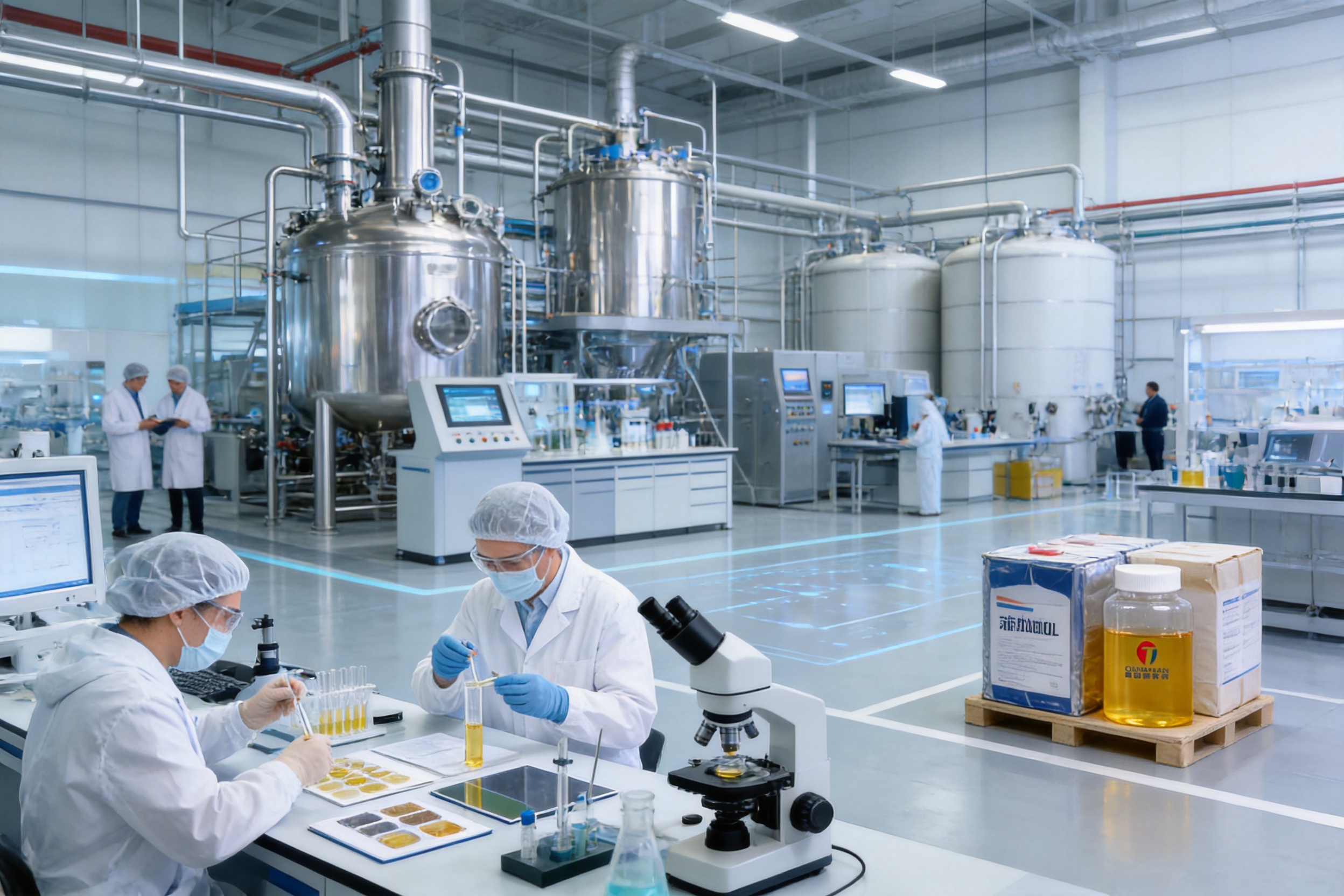
The company has developed a modern production facility and expanded its manufacturing and research capabilities through relocation to an intelligent manufacturing park in Zhangjiagang High-Tech Zone. A modern facility can support improved material handling, process control, batch traceability, equipment maintenance, and production planning.
For customers purchasing a specialty additive, manufacturing reliability is as important as laboratory performance. Consistent production helps ensure that a formulation qualified during development continues to perform when supplied in commercial quantities. Stable supply can also reduce the need for repeated reformulation and requalification.
Testing equipment allows manufacturers to monitor both incoming raw materials and finished products. Depending on the product specification, relevant controls may include appearance, viscosity, density, nonvolatile content, acid value, compatibility, color, moisture, and application performance. Consistent analytical practices provide a basis for comparing batches and identifying process deviations.
For a pigment dispersant, application testing is especially important. A batch can meet basic physical specifications while still showing differences in wetting or viscosity reduction if the underlying active composition changes. Therefore, a robust quality system should combine instrumental testing with standardized formulation trials.
The supplier’s products are used in steel and aluminum coil coatings, plastic coatings, UV-curing systems, anti-corrosion coatings, wood coatings, glass coatings, epoxy flooring, printing inks, power batteries, photovoltaic panels, and other sectors. These industries impose different requirements for appearance, durability, adhesion, conductivity, chemical resistance, and process efficiency.
Exposure to these applications helps build practical knowledge of how additives behave under different processing conditions. It also enables the supplier to understand that a dispersant for a high-gloss industrial coating may require a different balance from one used in a fast-drying ink or a solvent-free epoxy floor system.
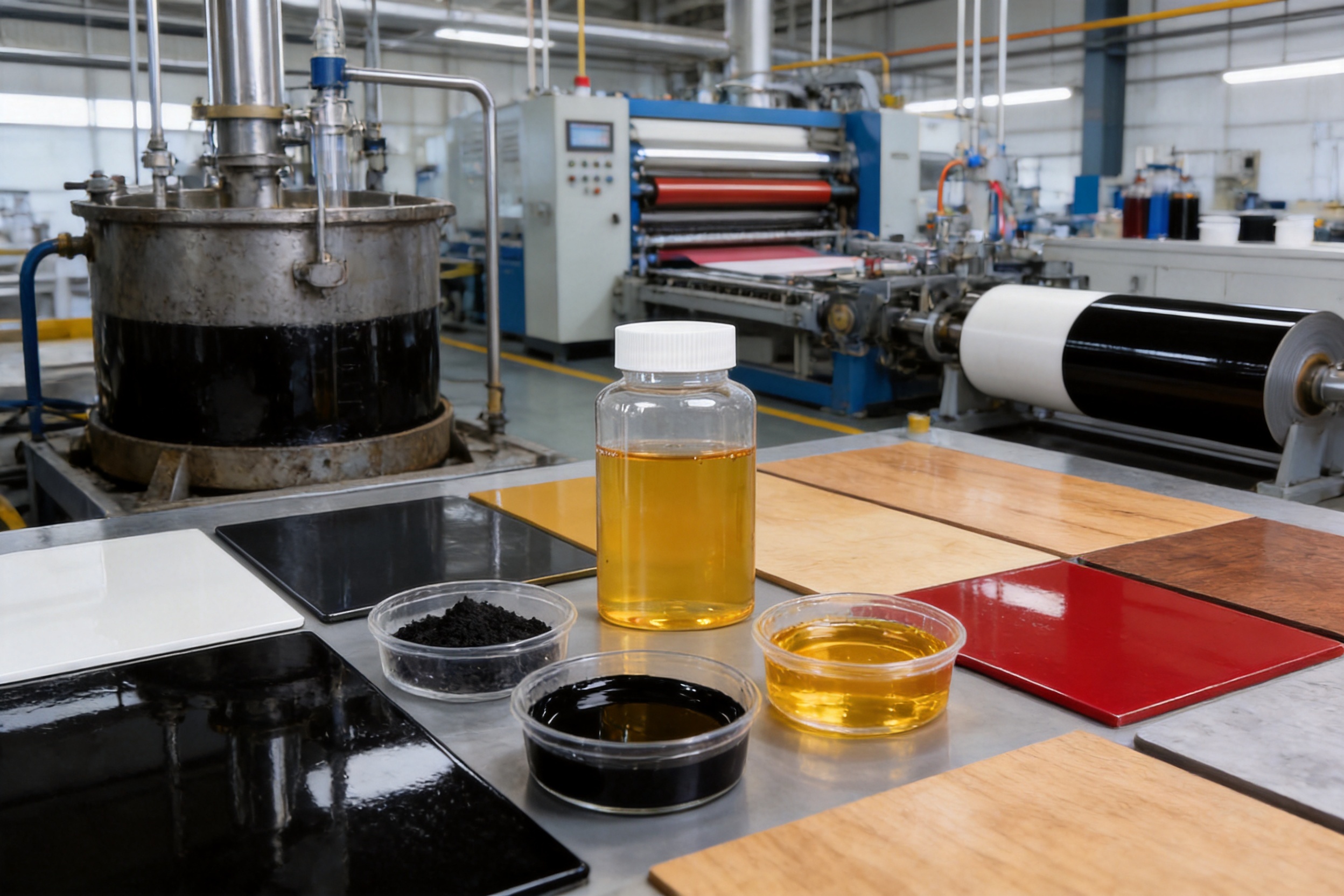
Formulators should begin by identifying the pigment, binder, carrier, solids content, and target application method. A small screening matrix can compare several dispersant levels while keeping all other variables constant. The evaluation may include incorporation behavior, mill-base viscosity, grind time, fineness, color strength, gloss, and storage stability.
For carbon black, the screening should include visual assessment of jetness and undertone as well as viscosity measurement. For organic pigments, color strength, chroma, transparency, and flocculation resistance may be more important. In epoxy and unsaturated resin systems, compatibility with the curing package and final film properties should also be considered.
The order of addition can significantly influence dispersant performance. In many systems, the dispersant is first incorporated into part of the binder or carrier before the pigment is added. This allows the additive to become evenly distributed in the liquid phase and contact the pigment surface during incorporation.
However, the optimum procedure depends on the formulation. Some systems may require partial pre-dilution, while others may perform better when the dispersant is combined with the complete liquid phase. High-speed mixing should be sufficient to create a uniform mill base, but excessive aeration should be avoided.
There is no universal dosage that is appropriate for every pigment and binder. The required amount depends on pigment surface area, pigment type, surface treatment, concentration, resin polarity, and the desired balance between viscosity and stability. An insufficient amount may result in incomplete wetting or poor storage stability. An excessive amount may affect water resistance, recoatability, adhesion, drying, or other film properties.
A practical approach is to test a low, medium, and high dosage around the supplier’s recommended starting point, then compare performance after both immediate and accelerated storage. The optimum level is usually the lowest dosage that delivers the required dispersion quality and stability without creating negative side effects.
Grinding equipment, media size, tip speed, temperature, and residence time all influence dispersion results. DH-6200 can support the process, but it does not replace appropriate equipment selection and process control. The formulation should be monitored to prevent excessive temperature rise, evaporation, foam generation, or binder degradation.
In solvent-free epoxy systems, temperature control may be particularly important because viscosity can change rapidly with temperature. In alcohol-water polyurethane ink systems, solvent balance and evaporation rate should be controlled carefully to ensure repeatable viscosity and drying behavior.
After the pigment concentrate reaches the required dispersion level, the let-down phase should be conducted under controlled agitation. Rapid addition of resin, solvent, water, or other additives can disturb the stabilized pigment surface or introduce air. The final formulation should be checked for viscosity, color, gloss, fineness, and storage stability.
A complete evaluation of a pigment dispersant should combine process data with final film or print performance. Useful tests may include grind gauge readings, Brookfield or rotational viscosity, color strength, color difference, gloss, transparency, haze, fineness of grind, settling, redispersibility, and accelerated storage.
| Test category | What it helps determine | Relevance to the product |
|---|---|---|
| Wetting and incorporation | How quickly pigment becomes uniformly integrated | Indicates the effectiveness of initial pigment wetting |
| Mill-base viscosity | Ease of mixing, pumping, and grinding | Demonstrates viscosity-reduction potential |
| Grinding time | Time required to meet fineness or color targets | Helps quantify production-efficiency improvements |
| Color strength and jetness | Development of pigment optical properties | Especially important for carbon black and organic pigments |
| Gloss and surface appearance | Uniformity and smoothness of the final film | Shows the effect of dispersion quality on appearance |
| Storage stability | Resistance to settling, flocculation, and viscosity drift | Confirms performance beyond the initial grinding stage |
| Compatibility testing | Interaction with resin, curing agent, and other additives | Supports safe use in complete formulations |
Comparative testing should use the same pigment, resin, solids content, equipment, temperature, and process time. A reference dispersant may be included to determine whether DH-6200 offers advantages under the customer’s actual conditions. The most meaningful comparison is not simply the lowest viscosity, but the overall balance of process efficiency, color performance, gloss, stability, and finished-film properties.
Improving dispersion efficiency can contribute to more responsible manufacturing by reducing unnecessary grinding time and energy consumption. A shorter process may also reduce equipment wear and lower the amount of material exposed to elevated temperatures. These benefits can support operational efficiency while maintaining the required quality level.
In solvent-free epoxy and high-solids systems, efficient dispersion can help manufacturers pursue lower-emission formulation strategies. In water-borne and alcohol-water systems, good wetting can support pigment incorporation without relying solely on high levels of auxiliary solvent. The exact environmental profile still depends on the complete formulation, production process, and end-use requirements.
Process efficiency also reduces waste. When color pastes are more stable and consistent, manufacturers may experience fewer rejected batches, less rework, and better utilization of raw materials. Reliable dispersion is therefore relevant not only to appearance and performance but also to cost control and resource management.
Specialty additives are most valuable when the supplier can support their use in real formulations. A technically capable supplier should be able to discuss pigment selection, binder compatibility, dosage screening, grinding conditions, storage stability, and the interaction between dispersants and other additives.
The supplier’s broad product portfolio allows customers to seek solutions for several formulation challenges from one technical source. If a customer is developing a new industrial coating, for example, the project may require dispersion control, foam management, leveling, adhesion, and texture modification. Access to multiple additive technologies can simplify communication and accelerate laboratory development.
Customization is another important strength for industrial chemical customers. Different markets may require specific viscosity profiles, active content, packaging formats, or compatibility characteristics. A supplier with its own research and production infrastructure is better positioned to assess such requirements and develop practical solutions than a company that only distributes standard materials.
Clear technical documentation, batch consistency, responsive communication, and reliable delivery are also part of product value. These factors help customers move from laboratory screening to pilot production and then to stable commercial manufacturing.
DH-6200 is used to disperse and grind carbon black and organic pigments in a range of systems, including polyether and polyester polyol color pastes, unsaturated resin color pastes, solvent-free epoxy systems, industrial coatings, and ink formulations. It is especially suited to demanding carbon black applications in alcohol-soluble polyurethane inks.
No. Although it is identified as a dispersant for epoxy systems, its stated application range is broader. It may also be evaluated in polyol color pastes, unsaturated resins, industrial coatings, plastic coatings, wood coatings, floor coatings, coil coatings, and polyurethane ink systems.
The principal benefits are excellent viscosity reduction and excellent wetting. These properties can help shorten grinding time, improve pigment incorporation, enhance carbon black jetness, and support better gloss and color uniformity.
Carbon black has a high surface area and a strong tendency to form agglomerates. DH-6200 is designed to improve wetting and stabilize the pigment during grinding, which may reduce viscosity and help the black pigment develop deeper jetness and improved gloss.
Yes. The product is intended for carbon black and organic pigments. Because organic pigments differ significantly in surface chemistry and particle structure, laboratory screening is required to identify the most effective dosage and processing conditions for each pigment.
No. A dispersant supports mechanical dispersion but does not replace appropriate mixing or milling equipment. The best results are obtained by combining suitable additive technology with correct mill selection, controlled temperature, appropriate media, and optimized processing time.
Dosage should be established through comparative laboratory trials. Begin with a practical starting range based on pigment type and supplier guidance, then evaluate several levels for viscosity, color strength, gloss, grind time, and storage stability. The optimum dosage is the lowest level that meets the complete performance requirements.
Before commercial use, customers should check compatibility with the complete binder and curing system, pigment dispersion quality, final viscosity, color, gloss, storage stability, drying or curing behavior, adhesion, water resistance, and other application-specific properties.
The supplier offers a portfolio covering dispersants, leveling agents, defoamers, adhesion promoters, anti-settling agents, conductive agents, texture additives, wax powders, and resins. This product range, together with its R&D and testing capabilities, supports broader technical discussions for coating, ink, and adhesive development.
The supplier combines experience in coating and ink raw materials, a modern production facility, research expertise, testing equipment, a broad additive portfolio, and experience serving industries such as coil coatings, plastic coatings, wood coatings, epoxy flooring, printing inks, batteries, and photovoltaic applications.
Efficient pigment dispersion is essential for producing coatings and inks with consistent viscosity, color, gloss, stability, and application performance. DH-6200 is designed to address the most demanding aspects of this process, particularly the wetting and viscosity-control challenges associated with carbon black and organic pigments.
Its principal advantages include excellent wetting, effective viscosity reduction, broad applicability, shorter grinding cycles, improved jetness, and enhanced gloss potential. These characteristics make it a useful candidate for polyol color pastes, unsaturated resin systems, solvent-free epoxy formulations, industrial coatings, and alcohol-soluble polyurethane inks.
The product is further supported by a supplier with experience in coating, ink, and adhesive raw materials, a broad additive portfolio, R&D resources, testing capabilities, and modern manufacturing facilities. This combination is important for customers that require more than a standard chemical product and need dependable support from initial laboratory screening through commercial production.
As with all specialty additives, the final result depends on formulation design and process conditions. Customers should conduct controlled trials using their actual pigments, binders, equipment, and performance criteria. When properly selected and optimized, DH-6200 can help manufacturers improve dispersion efficiency, reduce processing challenges, and produce more consistent, attractive, and reliable pigment-based products.
1. General principles of pigment wetting, grinding, stabilization, and flocculation in coating and ink formulations.
2. Technical literature on carbon black surface area, agglomeration behavior, jetness, undertone, and gloss development.
3. Standard laboratory methods for measuring fineness of grind, viscosity, color strength, gloss, settling, and storage stability.
4. Industry guidance on dispersant selection for epoxy, polyurethane, polyol, unsaturated resin, industrial coating, and printing ink systems.
5. Supplier-provided product information for DH-6200 dispersant applications and performance characteristics.
6. Supplier-provided company information concerning coating and ink additive research, production capabilities, testing facilities, and served industries.
 Wholesale Paint/ Coating Additives Manufacturers
Custom Industrial Chemical Solutions Suppliers