русский
 Español
 Français
Home / Author / Lu Xinzhi — Overseas Product Sales Specialist / High-Performance Water-Based Dispersant for Stable, High-Strength Color Systems
Lu Xinzhi — Overseas Product Sales Specialist

Content
Water-based coatings, printing inks, and adhesive systems are increasingly expected to deliver excellent appearance, reliable application performance, lower environmental impact, and consistent production efficiency. Meeting all of these requirements depends not only on the selection of pigments and binders, but also on the careful control of pigment dispersion. A well-designed dispersant can determine whether a formulation develops strong color, high gloss, stable viscosity, good hiding power, and long-term storage stability.
DH-6312W Water-based Dispersant is developed for this demanding role. It is a water-borne dispersant designed to deflocculate pigments through steric hindrance stabilization. By helping pigment particles remain separated and evenly distributed, the product supports the preparation of smooth, stable, and high-performance color systems. Its low-foaming behavior, strong viscosity reduction effect, and suitability for resin-free color pastes make it a practical solution for modern water-based formulations.
The product is particularly suitable for water-based coatings, water-based printing inks, and adhesive systems. It can be used in the production of stable resin-free color pastes containing approximately 30–60% pigment, allowing formulators to develop concentrated colorants that can later be incorporated into a range of finished products. Through improved pigment dispersion, the additive helps promote high gloss, stronger color development, improved hiding power, and more efficient processing.
Behind the product is Suzhou Qingtian New Material Co., Ltd., a specialist supplier of raw materials for coatings, inks, and adhesives. The company combines formulation knowledge, research and development capabilities, testing equipment, production resources, and application-oriented technical service. This combination enables the company to address the practical challenges faced by manufacturers rather than treating dispersants as simple commodity ingredients.
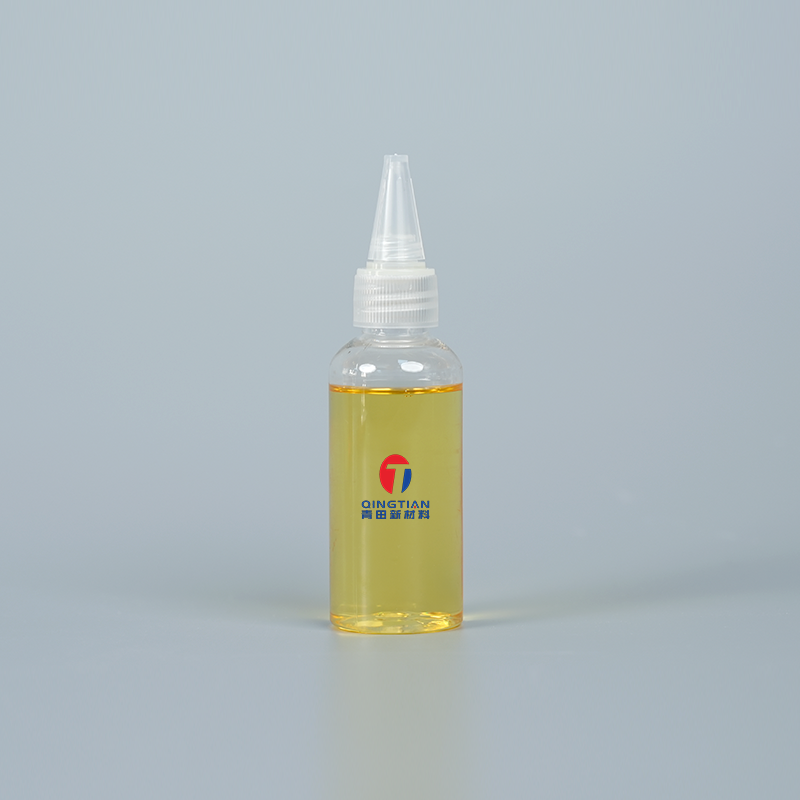
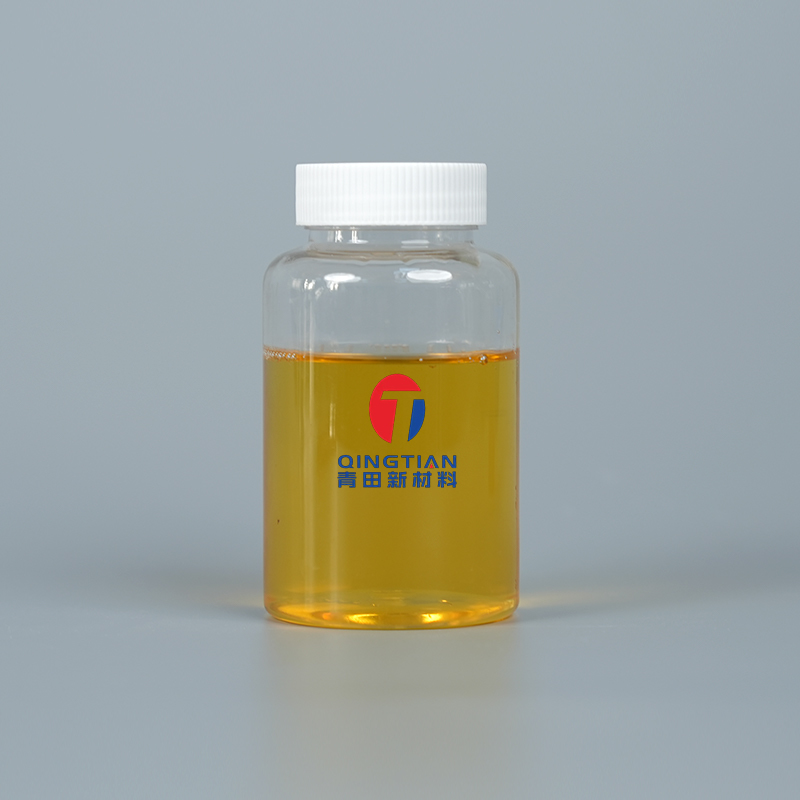
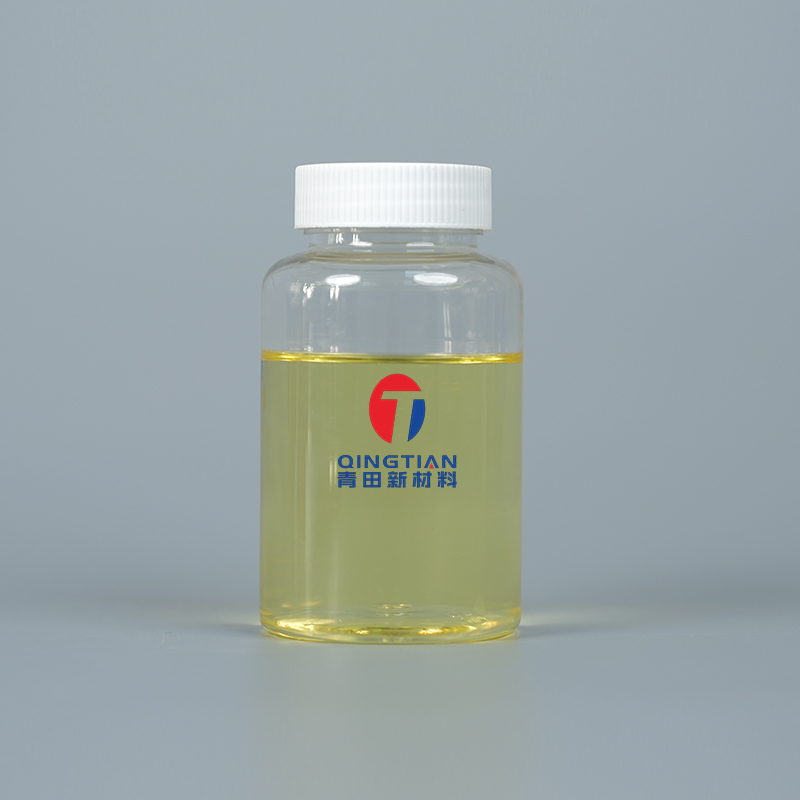
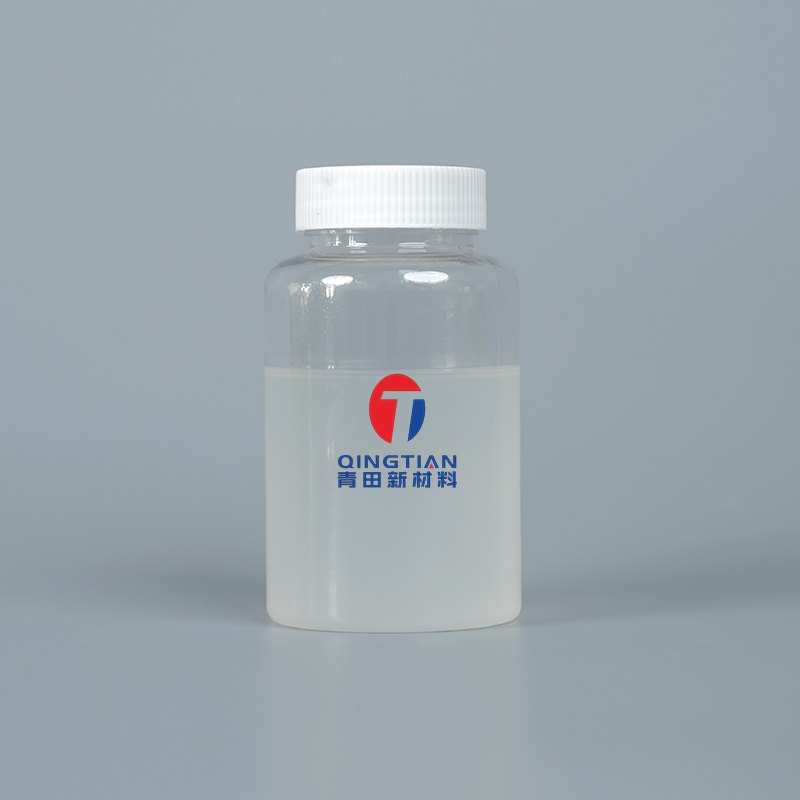
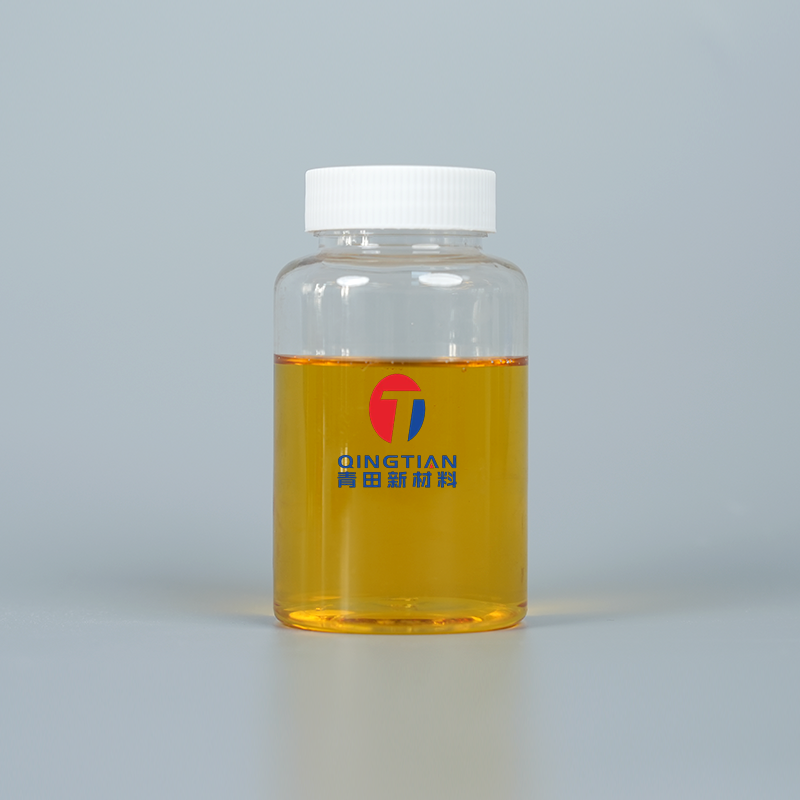
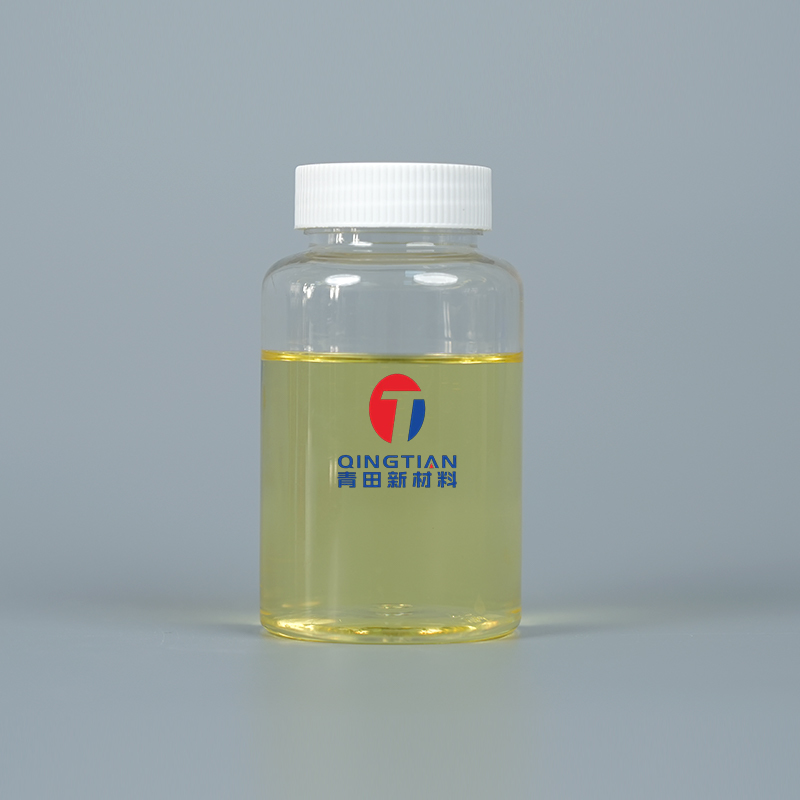
DH-6312W Water-based Dispersant
Pigments are solid particles that must be distributed throughout a liquid medium. In their original form, many pigment particles are extremely fine and possess high surface energy. As a result, they tend to attract one another and form aggregates or agglomerates. These structures can cause a variety of formulation and application problems, including excessive viscosity, poor color development, reduced gloss, sedimentation, inconsistent application, and difficulty during grinding.
Water-based systems can present additional dispersion challenges. Water has a high surface tension, and many organic or inorganic pigments are not naturally compatible with aqueous media. The pigment surface may not be sufficiently wetted, or particles may re-associate after the grinding process. A successful water-based dispersant must therefore perform several functions at the same time. It should help wet the pigment surface, reduce particle-to-particle attraction, support efficient grinding, and maintain separation during storage and application.
When pigment particles remain separated at an appropriate particle size, light is reflected and scattered more consistently. This can improve color strength and visual uniformity. In high-gloss coatings and inks, smaller and more evenly distributed pigment particles can also reduce surface irregularities and support a smoother film. In contrast, poorly dispersed pigments may produce a dull appearance, reduced transparency or hiding power, color variation, and surface defects.
Dispersion quality also affects manufacturing productivity. A formulation with excessive viscosity may require additional solvent or water, extended grinding time, higher energy input, or repeated adjustment. Excessive foam can interrupt production and create defects in the finished film. If the pigment paste is unstable, the manufacturer may need continuous agitation or may experience batch-to-batch variation. A dispersant that addresses viscosity, foam, and stability together can therefore provide benefits beyond the pigment grinding stage.
DH-6312W deflocculates pigments through steric hindrance stabilization. In this mechanism, dispersant molecules become associated with the pigment surface and create a stabilizing layer around individual particles. When two treated particles approach one another, the layers help prevent close contact and reduce the tendency to form permanent aggregates.
This mechanism is especially valuable when the formulation requires fine and stable pigment distribution. Instead of allowing particles to remain in large, loosely connected flocs, the dispersant helps maintain a more separated state. The result can be a smoother dispersion with more consistent rheological behavior and improved optical performance.
Steric stabilization can be particularly useful in water-based systems where the formulation may contain different types of pigments, binders, additives, and functional ingredients. The exact result depends on pigment chemistry, surface treatment, dosage, pH, grinding conditions, and the other components in the formulation. However, the fundamental benefit is clear: the dispersant helps manage the interaction between pigment particles and the surrounding liquid phase.
Deflocculation separates pigment particles more effectively than a system in which particles remain associated in loose clusters. Because the deflocculated pigment particles can be smaller and more evenly distributed, the finished coating or ink may develop higher gloss. The increased surface uniformity can also support improved color strength and cleaner shade development.
Color strength is important in concentrated color pastes and tinting systems because it influences the amount of pigment paste required to achieve a target shade. A stronger color response may help formulators reduce dosage or reach the desired color with a more efficient use of pigment. The actual improvement will depend on the pigment and formulation, but effective dispersion generally provides a stronger foundation for color development.
Deflocculation can also improve hiding power. In opaque systems, better distribution of the pigment can support more efficient coverage of the substrate. In transparent or semi-transparent systems, controlled particle distribution can help preserve clarity and visual uniformity. DH-6312W is described as improving the hiding power of both transparent and non-transparent pigments, making it suitable for a broad range of color and appearance requirements.
One of the most important advantages of DH-6312W is its strong viscosity reduction effect. Pigment concentrates often become highly viscous because of the large surface area and strong interactions between pigment particles. When these particles are properly wetted and deflocculated, the internal network within the dispersion can be reduced. This allows the pigment paste to flow more easily.
Lower viscosity can improve several stages of production. It can make pigment incorporation faster, simplify transfer between vessels, reduce the energy required for mixing, and improve the efficiency of grinding equipment. A manageable viscosity also makes it easier to measure, pump, filter, and blend the color paste into a final coating, ink, or adhesive.
Viscosity reduction is especially valuable in concentrated color systems. A resin-free pigment paste with a pigment content of 30–60% can offer significant flexibility to the formulator, but such a high solids level may create serious flow and processing challenges if the pigment is not adequately dispersed. DH-6312W helps address this challenge by supporting the separation of pigment particles and reducing the resistance to flow.
Foam is a common problem in water-based manufacturing. It may be introduced during high-speed mixing, pigment wetting, milling, pumping, filling, or recirculation. Persistent foam can reduce effective equipment capacity, interfere with accurate filling, trap air in the product, and create craters or pinholes in the final film.
DH-6312W is characterized by low foaming. This is a practical advantage because the additive can reduce the need for separate foam-control measures during the grinding process. The product information indicates that no defoamer is required during grinding when using the additive under suitable conditions. This does not mean that every formulation will never require a defoamer; rather, it indicates that the dispersant is designed to minimize foam generation during a key processing stage.
A low-foaming dispersant can simplify formulation design. Using fewer additives may reduce the risk of incompatibility, surface defects, or unintended changes in gloss and recoatability. It can also make the production process easier to control, particularly where manufacturers prefer to limit the number of variables in a concentrated pigment paste.
Gloss is strongly influenced by surface smoothness, pigment distribution, binder selection, film formation, and application conditions. Poorly dispersed pigment particles can create microscopic irregularities that scatter light and reduce gloss. By promoting pigment deflocculation and a finer distribution, DH-6312W helps create the conditions needed for a smoother and more uniform film.
High gloss is important in decorative coatings, automotive-related applications, plastic coatings, wood finishes, metal coatings, and selected printing ink systems. It can improve perceived quality and help a finished product achieve a clean, premium appearance. While gloss is never determined by the dispersant alone, pigment dispersion quality is an essential part of the overall performance equation.
Color strength is a central consideration for pigment concentrates and tinting systems. When pigment particles are not properly separated, some of the pigment surface may be hidden within aggregates. This can limit the interaction between the pigment and the surrounding medium and prevent the system from delivering the expected color intensity.
By helping pigment particles remain more evenly distributed, DH-6312W supports more effective color development. This can be beneficial in both strong and delicate shades, including systems where accurate shade matching is important. Improved color strength may also support more efficient formulation, although the optimal dosage must be established for each pigment and application.
Hiding power describes the ability of a coating or ink to cover the underlying substrate. It is influenced by pigment type, refractive index, concentration, particle size, film thickness, and dispersion quality. When pigment particles are distributed efficiently, the system can use its optical properties more effectively.
DH-6312W is suitable for improving the hiding power of transparent and non-transparent pigments. For opaque pigments, this can support more effective coverage and reduce the appearance of substrate color. For transparent pigments, improved dispersion can help maintain a uniform visual effect without unwanted specks or uneven shade development.
Resin-free color pastes provide flexibility because they can be incorporated into different compatible binder systems. Instead of preparing a separate pigment concentrate for every resin, a manufacturer may prepare a stable universal or semi-universal color paste and add it to selected water-based formulations.
DH-6312W is particularly suitable for stable resin-free color pastes with pigment content in the range of approximately 30–60%. This broad concentration range allows formulators to balance color intensity, storage stability, and ease of handling. Resin-free systems can also support more efficient inventory management, especially when a manufacturer serves several coating, ink, or adhesive product lines.
Compatibility should always be evaluated through laboratory testing. A resin-free color paste may behave differently when introduced into acrylic, polyurethane, epoxy, vinyl, or other water-based binders. Testing should examine viscosity, color acceptance, gloss, storage stability, freeze-thaw behavior where relevant, and final film performance.
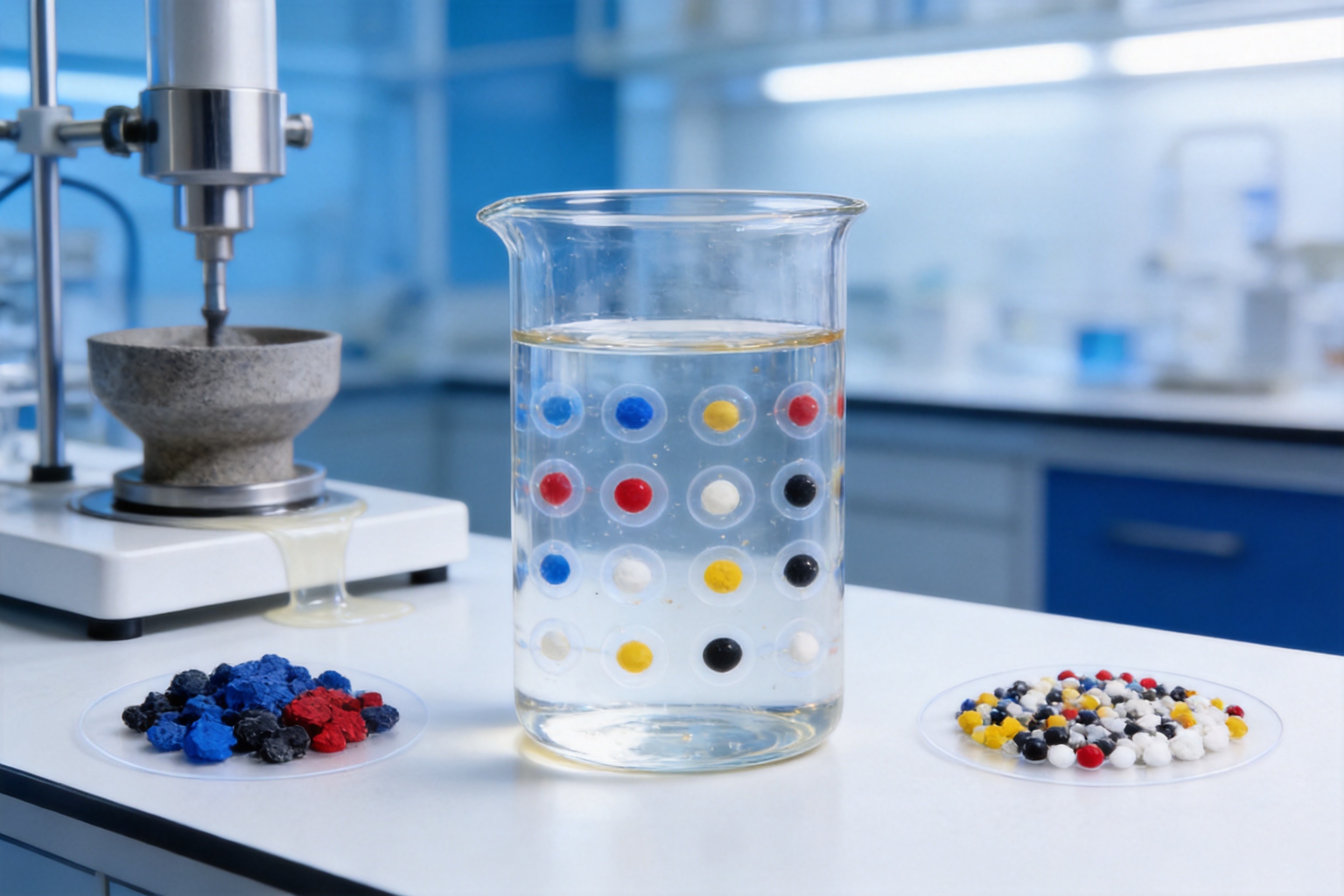
In a competitive formulation environment, the value of a dispersant is determined by its total contribution rather than by a single performance characteristic. A conventional dispersant may provide basic pigment wetting but still leave the formulator with high viscosity, excessive foam, insufficient color strength, or unstable storage behavior. DH-6312W is designed to address several of these needs within one water-based additive.
| Performance area | Potential challenge with a basic dispersion approach | Contribution of DH-6312W | Expected formulation benefit |
|---|---|---|---|
| Pigment stability | Pigment particles may re-agglomerate or remain in flocs | Steric hindrance stabilization and deflocculation | More uniform and stable pigment distribution |
| Viscosity | High internal particle interaction can make concentrates difficult to process | Strong viscosity reduction effect | Easier mixing, pumping, grinding, and incorporation |
| Foam control | High-speed grinding may generate persistent foam | Low-foaming behavior | Reduced process interruption and lower dependence on defoamer |
| Color strength | Aggregated pigment may not develop its full optical potential | Improved pigment separation | Stronger color response and more efficient shade development |
| Gloss | Large agglomerates can increase surface irregularity | Support for finer, more uniform pigment distribution | Improved potential for high-gloss finishes |
| Color paste design | Resin-containing concentrates may have limited compatibility | Suitability for resin-free color pastes | Greater flexibility across water-based product families |
The most important competitive advantage is the combination of these properties. A product that reduces viscosity but creates substantial foam may require additional corrective additives. A low-foaming product that does not adequately stabilize the pigment may still suffer from settling or color variation. A dispersant that provides strong color strength but limits resin compatibility may be less useful for a manufacturer with diverse product lines.
DH-6312W is positioned as a balanced solution for water-based systems. Its low-foaming behavior, strong viscosity reduction, pigment deflocculation, and suitability for concentrated resin-free color pastes allow it to support both formulation performance and manufacturing efficiency.
Water-based coatings are used in architectural, industrial, metal, plastic, wood, and specialty applications. In these systems, pigment dispersion influences appearance, application viscosity, storage stability, and final film quality. DH-6312W can be considered for pigment concentrates used in water-based decorative and industrial coatings.
In high-gloss coatings, the additive supports the fine pigment distribution needed for a smooth visual appearance. In opaque coatings, it can help improve hiding power and color strength. In transparent or semi-transparent coatings, it can promote shade uniformity while helping minimize visible pigment specks and unevenness.
Industrial coating manufacturers may also benefit from improved production consistency. When the pigment paste has lower viscosity and low foam, it can be easier to process through mixing and grinding equipment. This may reduce batch variation and simplify the adjustment of pigment concentrates before they are introduced into the final coating.
The product may be relevant to applications such as steel and aluminum coil coatings, plastic coatings, wood coatings, glass coatings, anti-corrosion coatings, and other water-based industrial finishes. The company’s broader product portfolio and industry experience provide an application context in which the dispersant can be evaluated alongside leveling agents, defoamers, adhesion promoters, anti-settling agents, and other coating additives.
Printing inks require accurate color, reliable transfer, stable viscosity, and clean print quality. Pigment dispersion is especially important because ink systems often operate at controlled viscosities and may be applied through flexographic, gravure, screen, or other printing processes.
A poorly dispersed pigment can contribute to inconsistent shade, blocked filters, unstable viscosity, reduced gloss, and poor print appearance. In contrast, an effective dispersant can help maintain a more uniform pigment concentrate and support the production of inks with repeatable color strength.
The low-foaming nature of DH-6312W is relevant to ink manufacturing because foam can affect filling, circulation, filtration, and application. Reducing foam during grinding may also help lower the risk of air entrapment in the finished ink. As with all additives, the final result depends on the ink resin, pigment type, pH, surfactant balance, and processing conditions.
Pigmented water-based adhesives are used in packaging, laminating, labeling, woodworking, construction, and other applications. In these systems, pigment dispersion must be balanced with adhesion, film formation, flexibility, open time, and substrate compatibility.
DH-6312W can help manufacturers prepare stable pigment-containing adhesive systems or concentrated color pastes for later incorporation. Its viscosity reduction effect may support easier processing, while its low-foaming characteristics can help protect the uniformity of the adhesive layer. Better pigment distribution may also contribute to a more consistent visual appearance when the adhesive is visible or used as part of a colored formulation.
Because adhesives are sensitive to formulation balance, compatibility testing is essential. The dispersant should be assessed for its influence on bond strength, drying behavior, water resistance, heat resistance, flexibility, and storage stability. The benefit of a dispersant is greatest when it improves pigment distribution without compromising the primary adhesive function.
Different pigments have different surface chemistries and dispersion requirements. Organic pigments, carbon black, titanium dioxide, iron oxides, fluorescent pigments, and effect pigments may respond differently to the same dispersant. Before full-scale production, formulators should evaluate DH-6312W with the actual pigment or pigment blend intended for use.
Important observations include wetting speed, grind development, viscosity reduction, color strength, gloss, transparency, hiding power, storage stability, and compatibility with the final binder. A laboratory drawdown or film application is usually necessary because the pigment paste’s performance cannot be judged only by its appearance in the mixing vessel.
The addition sequence can influence dispersion efficiency. In many water-based pigment systems, the dispersant is incorporated into the liquid phase before or during pigment addition. This allows the additive to contact the pigment surface as early as possible. The exact sequence should be optimized according to equipment, pigment type, water quality, pH, and the presence of other additives.
Gradual pigment addition can help avoid the formation of large dry agglomerates. Adequate mixing should be provided during incorporation, followed by grinding or milling when required. Because DH-6312W has a strong viscosity reduction effect, the formulation may be easier to process at a higher pigment concentration, but the final operating window should be determined through testing.
Grinding equipment, residence time, bead size, temperature, and shear level all influence the final dispersion. Excessive energy can raise temperature or damage sensitive components, while insufficient grinding may leave coarse particles and reduce color development. The low-foaming behavior of DH-6312W can help maintain more stable grinding conditions, but equipment settings should still be controlled carefully.
Manufacturers should monitor particle fineness, viscosity, temperature, foam, and color development during the process. Samples taken at different grinding times can help determine when the desired balance between particle size and production efficiency has been achieved.
The optimum dosage depends on pigment surface area, pigment concentration, pigment chemistry, water content, and the target performance of the final system. Too little dispersant may result in incomplete wetting or poor stabilization. Excessive dispersant may affect water sensitivity, foam, compatibility, or final film properties.
A stepwise dosage study is recommended. For example, a formulator can prepare several laboratory batches with increasing dispersant levels and compare viscosity, color strength, gloss, stability, and film performance. The best dosage is not necessarily the highest dosage; it is the level that provides the most effective balance of processing and final-use properties.
A stable pigment paste should be evaluated under realistic storage conditions. Testing may include room-temperature storage, elevated-temperature storage, freeze-thaw testing where applicable, centrifuge testing, viscosity measurement, color comparison, and visual observation for settling or separation.
After storage, the paste should be checked for ease of remixing and its ability to produce the same color and application performance as a fresh sample. A dispersion that appears stable immediately after production may still show viscosity drift or settling over time. Long-term testing is therefore an important part of product qualification.
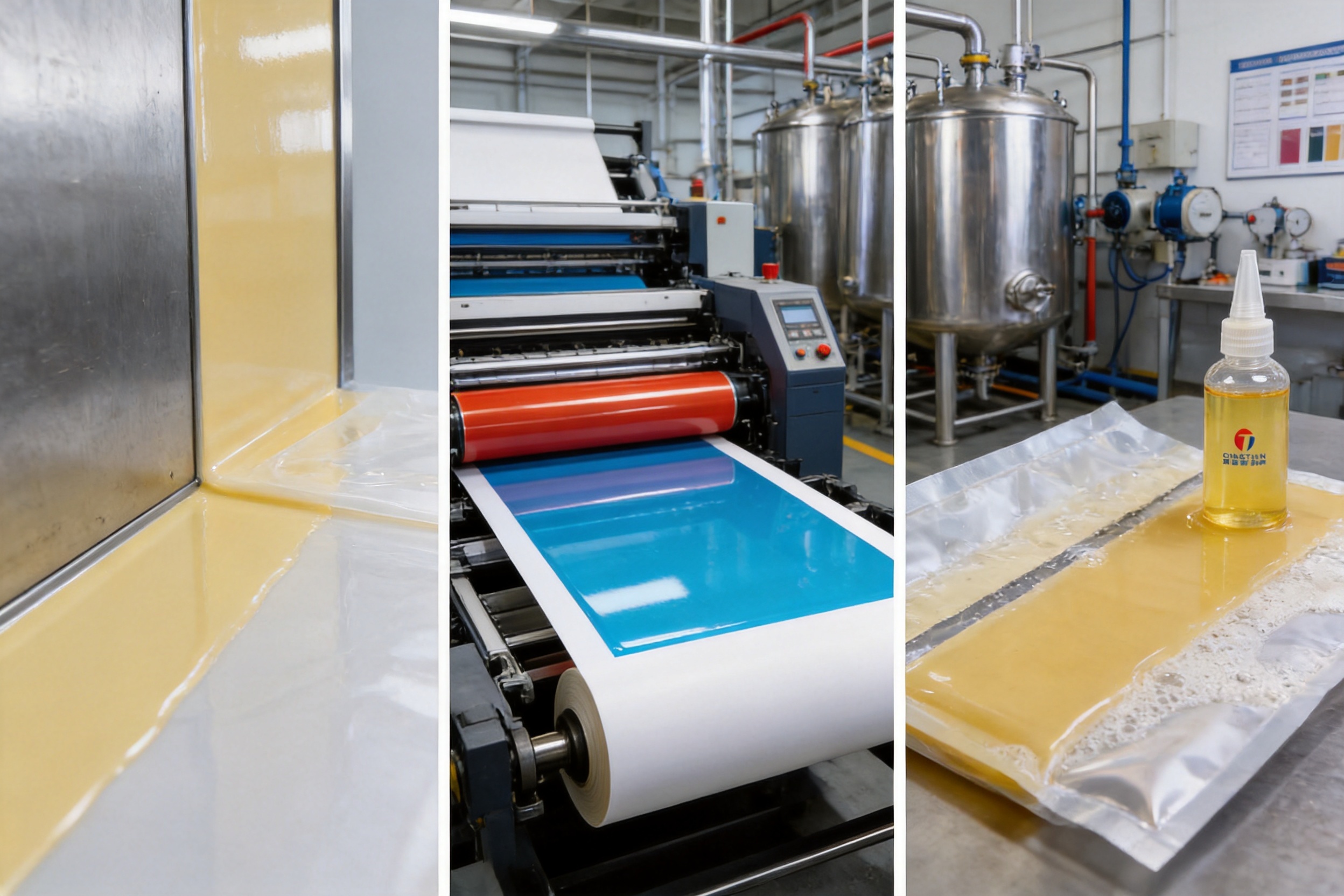
The performance of a specialty additive depends on more than its chemical concept. Consistent manufacturing, raw material control, process management, laboratory testing, and technical support are equally important. Suzhou Qingtian New Material Co., Ltd. has specialized in raw materials for coatings, inks, and adhesives since its founding in 2012.
The company has built an experienced team that includes research and development specialists, sales professionals, and technical personnel. This combination supports a practical understanding of both chemical performance and customer production requirements. The company’s product portfolio includes dispersants, leveling agents, defoamers, adhesion promoters, anti-settling agents, cooling agents, conductive agents, orange peel texture agents, texture powders, and wax powders.
A broad additive portfolio can provide an advantage during formulation development. Water-based systems rarely depend on one additive alone. A dispersant may need to work alongside a defoamer, leveling agent, rheology modifier, adhesion promoter, or anti-settling additive. A supplier with knowledge across several additive categories can help customers consider the interaction between ingredients instead of evaluating every product in isolation.
The company maintains research capabilities supported by advanced testing equipment. This is important because coating and ink additives require performance evaluation in both liquid and film form. Laboratory analysis can help examine viscosity, dispersion quality, color strength, gloss, storage behavior, surface appearance, and compatibility with different resin systems.
Research and development also supports customization. Different customers may use different pigments, binders, production equipment, and application methods. A standardized additive may perform differently in each environment. An application-oriented R&D team can help investigate these differences and identify suitable formulation conditions.
The company’s development history includes the creation of an ice flower resin in 2016, recognition as a National High-Tech Enterprise in 2020, and relocation to Lingrui Intelligent Manufacturing Park in Zhangjiagang High-Tech Zone in 2021. These milestones reflect an ongoing focus on innovation, production capability, and the development of specialized materials.
The company operates a modern production facility supported by testing resources and research capabilities. A controlled production environment helps improve batch consistency and supports the reliable manufacture of specialty chemical additives. For customers, consistency is essential because changes in additive performance can influence pigment paste viscosity, color matching, grinding behavior, and final product quality.
Advanced manufacturing is not limited to the reaction or blending stage. It also includes raw material selection, process monitoring, sampling, laboratory comparison, packaging control, traceability, and technical documentation. Each stage contributes to the reliability of the final product.
For a water-based dispersant such as DH-6312W, manufacturing control is particularly important because small variations in molecular characteristics or active composition can affect pigment interaction. Stable production helps customers establish repeatable formulation procedures and reduces the need for frequent adjustment.
Technical service is another strength of a specialty additive supplier. Customers may require support with dosage selection, pigment screening, grinding conditions, compatibility, or troubleshooting. The most useful support is based on actual application data and clear communication between the supplier and the customer.
Suzhou Qingtian New Material Co., Ltd. focuses on reliable solutions for coatings, inks, and adhesives. Its industry coverage includes steel and aluminum coil coatings, plastic coatings, UV curing, anti-corrosion coatings, wood coatings, glass coatings, epoxy flooring, printing inks, power batteries, photovoltaic panels, and other industries.
This broad market exposure provides an understanding of different performance priorities. For example, a coil coating may emphasize gloss, color consistency, and processing speed, while a printing ink may emphasize viscosity control and print transfer. An adhesive may prioritize bond strength and compatibility. A supplier with experience across these industries can better appreciate the specific requirements of each system.
Although specific proprietary production parameters are not disclosed, the manufacturing of a specialty water-based dispersant generally depends on several important control principles. First, raw materials should be selected and inspected for consistent quality. Variations in raw material purity or functional composition can affect the final additive’s interaction with pigments.
Second, the production process should be carried out under controlled temperature, mixing, and addition conditions. The order and rate of addition may affect molecular association, homogeneity, and final performance. Process monitoring helps ensure that each batch follows the intended manufacturing profile.
Third, intermediate and finished-product samples should be evaluated using appropriate laboratory methods. Testing may include appearance, viscosity, solids content, pH where applicable, storage stability, and application performance. For a dispersant, application testing with representative pigments is particularly valuable because basic physical properties alone may not predict dispersion performance.
Fourth, packaging and storage conditions should protect the product from contamination, excessive temperature, and prolonged exposure to unsuitable environments. Clear labeling, batch identification, and traceability help customers manage inventory and investigate any performance issue efficiently.
These principles support a manufacturing model in which product quality is built into the entire process rather than checked only at the end. They also align with the company’s stated emphasis on innovation, quality, service, and win-win cooperation.
Water-based formulation technology is often selected to support lower volatile organic compound content and improved workplace conditions compared with some solvent-heavy systems. However, a water-based product still needs to deliver efficient processing and reliable final performance. A dispersant that reduces viscosity and foam can contribute to more efficient use of energy, equipment, and production time.
Strong viscosity reduction may allow manufacturers to process concentrated pigment pastes with less mechanical effort. Low foaming may reduce interruptions and minimize the need for additional foam-control products. Improved color strength may support more efficient pigment utilization in certain applications. These benefits should be verified through production data, but they demonstrate how additive selection can influence the overall resource efficiency of a formulation.
The use of resin-free color pastes can also provide inventory and manufacturing flexibility. A manufacturer may be able to prepare concentrated color systems separately and use them across multiple compatible water-based products. This can simplify color management and reduce the need to maintain numerous resin-specific pigment concentrates.
Before adopting DH-6312W in commercial production, formulators should establish a structured qualification program. The following areas are recommended:
| Evaluation category | Suggested checks | Purpose |
|---|---|---|
| Pigment compatibility | Test organic, inorganic, carbon black, white, and effect pigments as relevant | Identify the most suitable pigment families and dosage range |
| Processing behavior | Observe wetting, mixing time, grinding behavior, temperature, and foam | Confirm production efficiency and operating stability |
| Rheology | Measure initial viscosity and viscosity after grinding and storage | Verify viscosity reduction and stability |
| Optical properties | Compare color strength, gloss, transparency, and hiding power | Confirm visual performance in the intended application |
| Storage stability | Conduct accelerated and real-time storage evaluations | Check settling, separation, viscosity drift, and remixing |
| Final formulation compatibility | Blend the color paste into the target coating, ink, or adhesive | Identify changes in film properties and application behavior |
| Production validation | Run pilot or full-scale batches using normal equipment | Confirm laboratory results under commercial conditions |
This qualification process helps ensure that the additive is evaluated based on the complete formulation rather than on a single laboratory measurement. It also creates a performance record that can support future batch control and quality assurance.
Coating manufacturers can benefit from the product’s support for gloss, color strength, hiding power, and viscosity control. These properties are relevant to both decorative and industrial coatings. The product may also help reduce process complexity when preparing concentrated pigment pastes.
Printing ink producers may value low foaming, controlled viscosity, and consistent color development. These characteristics can support stable grinding, filtration, filling, and printing. The product’s suitability for water-based systems aligns with the continuing demand for efficient and lower-emission ink technologies.
Adhesive manufacturers can evaluate DH-6312W when color or pigment distribution is important in a water-based adhesive. The main benefit is the preparation of a stable and manageable pigment system without unnecessarily increasing viscosity or foam. Final bond performance should always be confirmed in the target adhesive formulation.
Companies producing pigment concentrates may benefit most directly from the product’s suitability for resin-free color pastes with pigment content of approximately 30–60%. Such concentrates can offer flexibility for downstream users, provided that compatibility with the intended binder systems has been established.
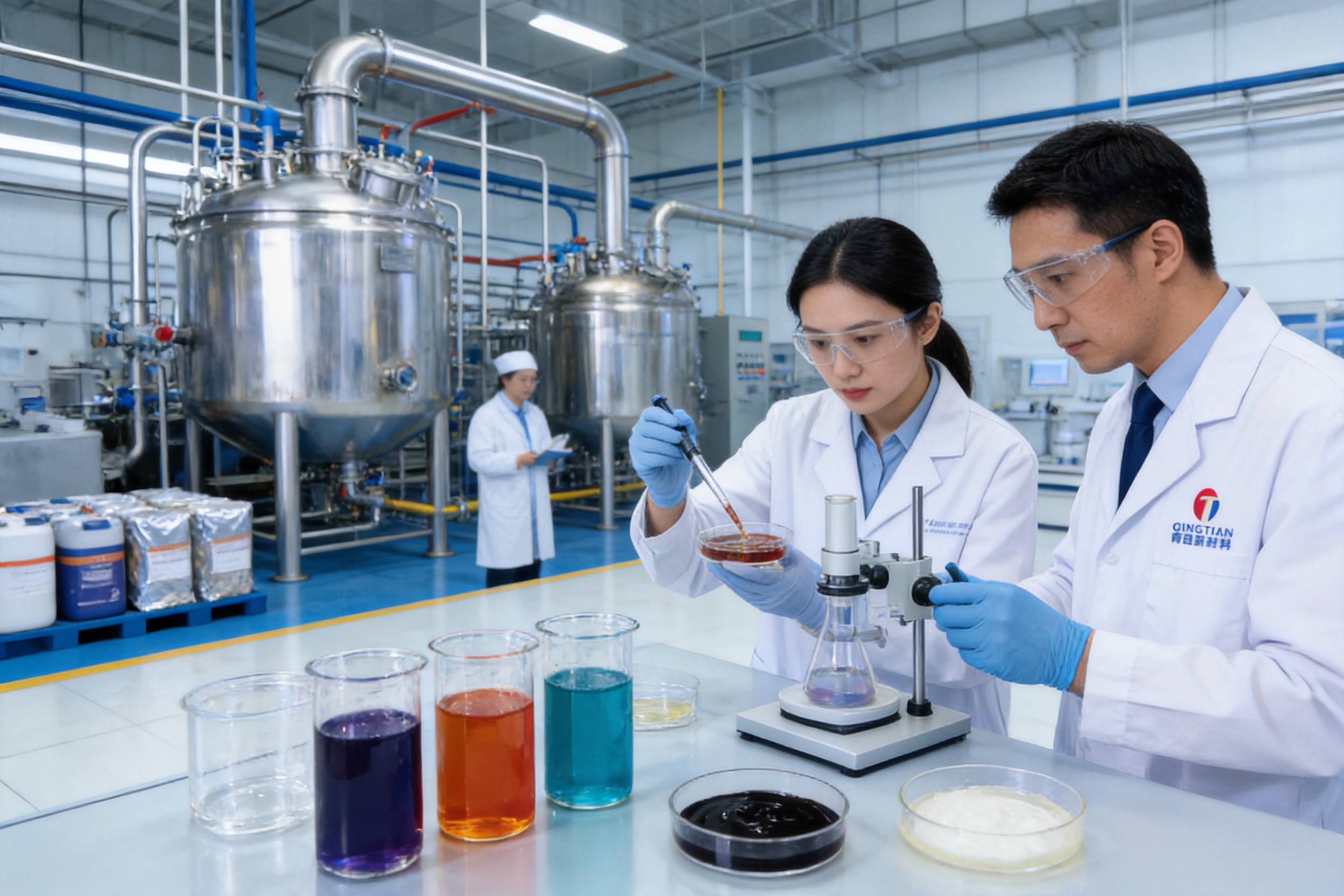
DH-6312W is a water-based dispersant used to stabilize and deflocculate pigments. It is suitable for water-based coatings, water-based printing inks, adhesive systems, and concentrated resin-free color pastes.
The product stabilizes pigments through steric hindrance. Dispersant molecules associate with the pigment surface and help prevent pigment particles from approaching and re-forming aggregates. This supports a more uniform pigment distribution.
The main advantages are strong viscosity reduction, low foaming, improved color strength, support for high gloss, improved hiding power, and suitability for stable resin-free color pastes.
Yes. The product is described as improving the hiding power of both transparent and non-transparent pigments. Compatibility and optimum dosage should still be confirmed for each pigment type.
The product has low-foaming behavior, and the supplied information indicates that no defoamer is required during the grinding process under suitable conditions. The need for a defoamer in the complete formulation should be determined through testing.
DH-6312W is particularly suitable for stable resin-free color pastes containing approximately 30–60% pigment. The appropriate concentration depends on pigment type, particle size, water content, and the required storage and application properties.
The dispersant supports the pigment distribution needed for high gloss, but gloss also depends on binder chemistry, film formation, substrate, application method, pigment selection, and curing or drying conditions. A complete coating evaluation is necessary.
Its strong viscosity reduction effect may make mixing, grinding, pumping, and transfer easier, potentially improving production efficiency. Actual energy savings depend on equipment, batch size, pigment concentration, and process design.
The dosage should be established through a ladder study using the actual pigment and formulation. Compare viscosity, foam, color strength, gloss, hiding power, storage stability, and final film performance at several dosage levels.
It is designed for water-based coatings, inks, and adhesive systems, but compatibility can vary by resin and formulation. Testing should include the specific acrylic, polyurethane, epoxy, vinyl, or other binder intended for commercial use.
The supplier has an experienced R&D and sales team, a modern production facility, advanced testing equipment, and experience in raw materials for coatings, inks, and adhesives. Its broader additive portfolio also supports integrated formulation development.
The company focuses on chemical solutions and reliable application support. Customers can discuss pigment type, target viscosity, color requirements, grinding conditions, storage stability, and final application needs to identify a suitable evaluation plan.
Modern formulators need additives that deliver more than basic functionality. They need products that support performance, efficiency, compatibility, and manufacturing reliability at the same time. DH-6312W addresses these requirements through a combination of steric stabilization, strong viscosity reduction, low foaming, improved color development, and suitability for concentrated resin-free color pastes.
Its competitive value lies in this balanced performance profile. The product helps manage the physical behavior of pigment concentrates while also supporting the optical properties required in finished coatings, inks, and adhesives. By reducing the tendency of pigments to form aggregates, it provides a stronger foundation for high gloss, color strength, and hiding power.
The product also benefits from the capabilities of a specialized supplier. Suzhou Qingtian New Material Co., Ltd. has developed experience across multiple coating, ink, adhesive, and specialty material applications. Its research resources, testing equipment, production facility, and technical team support an application-focused approach to product development.
For customers seeking a water-based dispersant, the most important next step is a controlled trial using the actual pigments and production conditions. A well-designed evaluation can demonstrate the product’s effect on viscosity, foam, grinding efficiency, color strength, gloss, hiding power, and storage stability. When the additive is matched correctly with the formulation, DH-6312W can help manufacturers create more stable and efficient water-based color systems.
DH-6312W Water-based Dispersant is designed for manufacturers that require reliable pigment deflocculation, strong viscosity reduction, low foaming, and improved optical performance. Its steric hindrance stabilization mechanism helps maintain separated pigment particles, supporting high gloss, stronger color strength, and improved hiding power.
The product is especially suitable for stable resin-free color pastes containing approximately 30–60% pigment and can be used in water-based coatings, printing inks, and adhesive systems. Compared with a basic dispersant approach, it offers a broader combination of processing and final-use benefits, potentially reducing formulation complexity and improving production control.
Supported by Suzhou Qingtian New Material Co., Ltd.’s research capabilities, advanced testing resources, modern manufacturing environment, and industry-focused technical service, the product represents a practical solution for demanding water-based formulations. Through appropriate dosage optimization and application testing, manufacturers can use DH-6312W to improve the consistency, efficiency, and appearance of their pigment-based products.
1. General principles of pigment wetting, dispersion, and stabilization in water-based coatings and inks.
2. Technical guidance on steric hindrance stabilization and deflocculation of fine pigment particles.
3. Industry practice for viscosity control and foam management during water-based pigment grinding.
4. Formulation principles for resin-free pigment concentrates used in coatings, printing inks, and adhesives.
5. Application considerations for gloss, color strength, transparency, and hiding power in pigmented films.
6. Product information for DH-6312W Water-based Dispersant supplied by Suzhou Qingtian New Material Co., Ltd.
7. Corporate information regarding research, manufacturing, testing capabilities, and additive applications supplied by Suzhou Qingtian New Material Co., Ltd.
 Wholesale Paint/ Coating Additives Manufacturers
Custom Industrial Chemical Solutions Suppliers