русский
 Español
 Français
Home / Author / Lu Xinzhi — Overseas Product Sales Specialist / DH-5920 Polymeric Dispersant for High-Performance Pigment and Carbon Black Color Pastes
Lu Xinzhi — Overseas Product Sales Specialist

Content
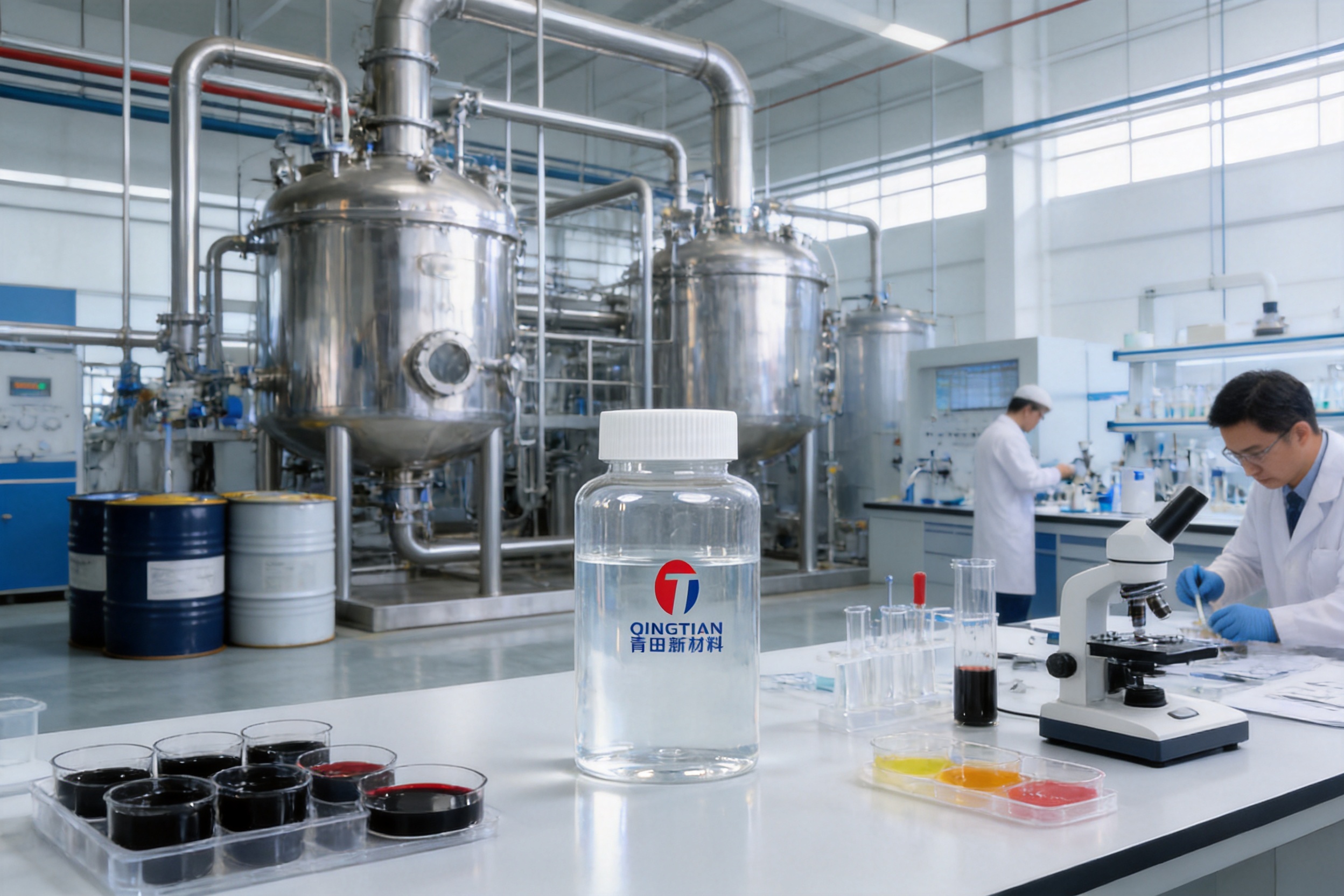
Modern coatings, inks, synthetic leather finishes, and adhesive systems increasingly depend on carefully engineered additive packages. Among these additives, dispersants play a decisive role in determining whether pigments can be incorporated efficiently, processed consistently, and retained in a stable condition during storage and application. A high-quality dispersant must do more than simply assist pigment wetting. It must promote rapid incorporation, prevent flocculation, reduce formulation viscosity, support high pigment loading, and maintain acceptable flow and stability throughout the product’s service life.
DH-5920 is a polymeric dispersant developed for demanding pigment dispersion applications. It is primarily used for preparing organic pigment and carbon black color pastes in solvent-based systems, while also demonstrating strong performance in wet-process polyurethane color paste systems. It is particularly suitable for microfiber leather black paste, PU black paste, microfiber leather color pastes, and other formulations that require excellent grinding and dispersion efficiency.
The product is designed to provide wetting, dispersion, and anti-flocculation performance in one additive solution. Its most important advantages include excellent viscosity reduction, effective wet dispersion, increased pigment loading, good fluidity, and improved storage stability. These properties make it especially valuable for acidic-surface carbon black, a pigment that can be difficult to disperse because of its high surface area, strong aggregation tendency, and significant impact on system viscosity.
Produced and supplied by Suzhou Qingtian New Material Co., Ltd., DH-5920 reflects an additive development philosophy centered on practical formulation performance, application-specific research, and reliable manufacturing. The company combines technical experience in coatings, inks, and adhesives with research capabilities, testing equipment, and a modern production facility to support customers seeking stable and efficient chemical solutions.
Pigments are solid particles that must be distributed throughout a liquid carrier before they can perform their intended optical and functional roles. In their dry state, pigment particles frequently exist as agglomerates. These agglomerates are held together by van der Waals forces, surface energy, electrostatic interactions, moisture, and mechanical interlocking. If they are not adequately separated during dispersion, the final color paste may show poor color development, high viscosity, sedimentation, instability, weak tinting strength, or surface defects.
A dispersant helps solve this problem through several related mechanisms. First, it improves the wetting of pigment surfaces by reducing the interfacial resistance between the solid pigment and the liquid phase. Better wetting enables the liquid carrier to penetrate pigment agglomerates more effectively during mixing and grinding. Second, the dispersant adsorbs onto the pigment surface and helps prevent separated particles from coming together again. Third, the polymeric structure can create steric stabilization, forming a protective layer around the pigment particles and reducing the probability of re-flocculation.
For carbon black, the need for effective dispersion is particularly pronounced. Carbon black normally has a very high specific surface area and a strong tendency to form aggregates. It can rapidly increase the viscosity of a color paste, especially when the formulation is designed for high pigment concentration. A dispersant that does not provide sufficient surface coverage may produce a paste that is difficult to grind, difficult to pump, and difficult to incorporate into the final coating or leather system.
DH-5920 addresses these challenges by combining strong wetting with polymeric stabilization. The product helps pigment particles become more uniformly distributed and assists the formulation in retaining that distribution after grinding. The result is a color paste with improved fluidity and a lower risk of viscosity growth during storage.
DH-5920 is a polymeric dispersant for pigment and carbon black color paste preparation. Its primary application area is the formulation of organic pigment and carbon black pastes in solvent-based systems. It is also suitable for wet-process PU color pastes, where strong wetting, viscosity reduction, and pigment-loading capability are essential.
The product has been positioned for applications where conventional dispersants may provide only partial performance. In particular, it is suitable for formulations requiring a combination of high pigment content, low working viscosity, good grinding efficiency, smooth application, and storage stability. These requirements frequently occur in microfiber leather production, PU synthetic leather, specialty coatings, industrial color concentrates, and selected ink-related applications.
The main product characteristics can be summarized as follows:
| Performance area | Contribution of DH-5920 | Formulation benefit |
|---|---|---|
| Pigment wetting | Promotes contact between the liquid carrier and pigment surfaces | Faster incorporation and more efficient grinding |
| Dispersion | Helps separate and distribute pigment particles | More uniform color paste and improved color development |
| Anti-flocculation | Provides polymeric stabilization after particle separation | Reduced re-agglomeration and better storage stability |
| Viscosity reduction | Limits excessive interaction among high-surface-area particles | Improved flow, pumping, and processing efficiency |
| Pigment loading | Supports higher pigment concentration without disproportionate viscosity growth | More concentrated color pastes and lower carrier demand |
| Carbon black dispersion | Offers strong grinding and dispersion performance for acidic-surface carbon black | Improved black paste quality and more stable processing |
| PU color paste compatibility | Supports wet-process polyurethane color paste preparation | Better pigment content and consistent color paste behavior |
Because additive performance depends on resin type, pigment surface chemistry, solvent selection, shear conditions, and total formulation composition, DH-5920 should be evaluated in the specific system where it will be used. Nevertheless, its performance profile makes it a strong candidate for color paste development and process optimization.
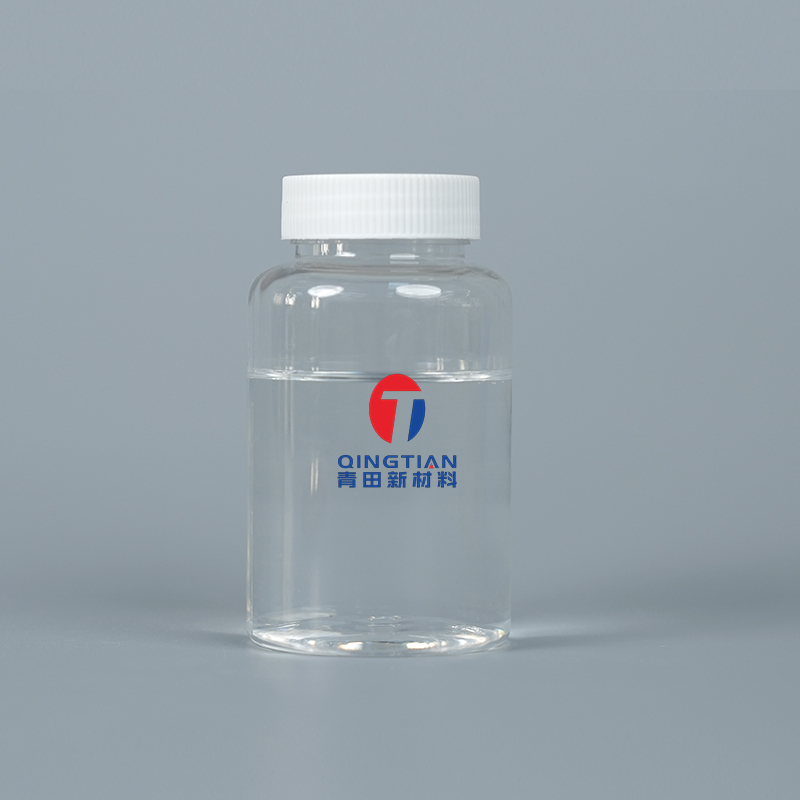
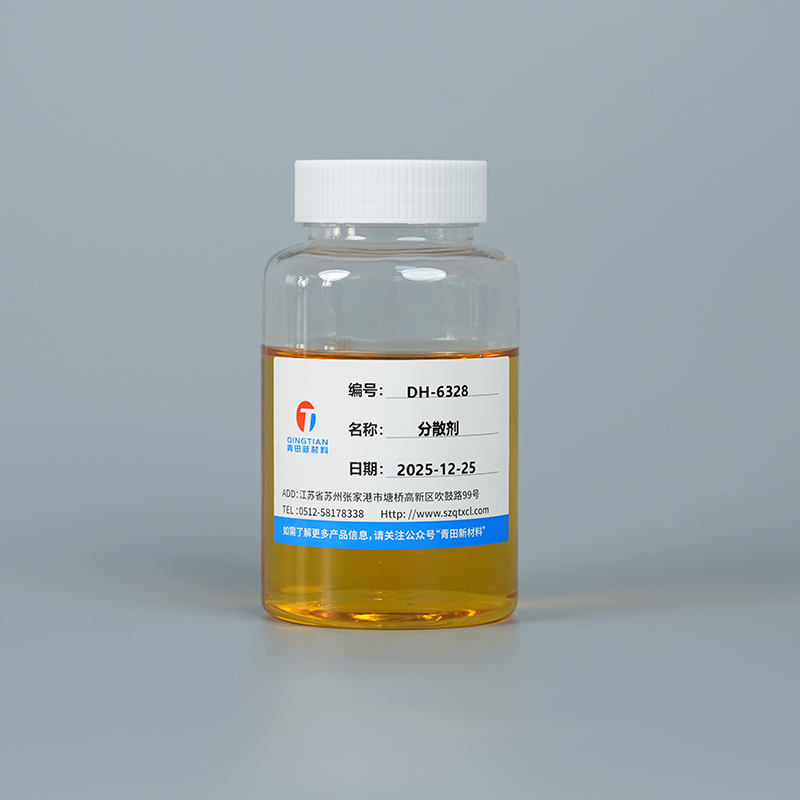
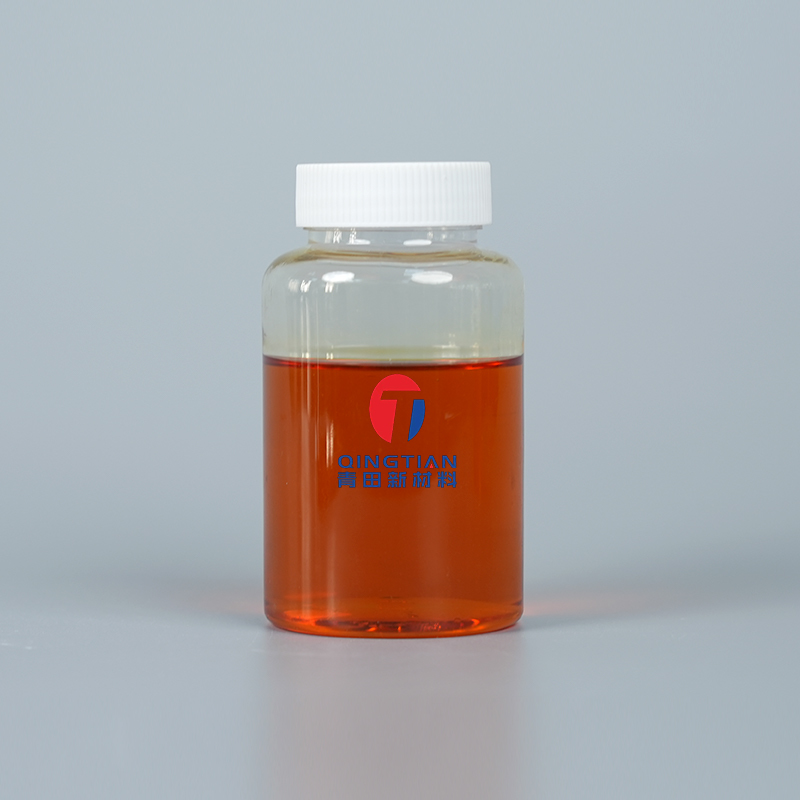
DH-5920 Dispersant
Wetting is the first stage of effective pigment dispersion. If the carrier liquid cannot adequately wet the pigment surface, mechanical mixing may break large agglomerates into smaller ones but cannot create a uniformly stabilized dispersion. Poor wetting often leads to floating pigment, incomplete incorporation, extended grinding times, excessive foam, and inconsistent color strength.
DH-5920 is formulated to improve the interaction between pigments and the liquid phase. By facilitating wetting, it helps the carrier penetrate into pigment agglomerates and reach a larger portion of the available pigment surface. This is particularly important when handling carbon black, organic pigments, and other powders that are difficult to incorporate because of high surface energy or strong cohesive forces.
Improved wetting can provide several practical advantages during production. The pigment can be added more smoothly, reducing the risk of dry powder accumulation on the vessel wall or at the surface of the liquid. The initial premix can become more uniform before the grinding stage. Milling equipment may operate more efficiently because the pigment is presented to the grinding media in a better-wetted condition. Operators may also observe more consistent batch behavior from one production cycle to the next.
In color paste applications, wetting performance directly influences the quality of the final color. When pigment particles are properly contacted by the vehicle, the available pigment surface can contribute more effectively to color development. This may improve blackness, tinting strength, shade consistency, and visual uniformity, although the exact result depends on the pigment grade and the complete formulation.
Compared with a basic wetting additive that provides limited stabilization, a polymeric dispersant such as DH-5920 is intended to support both initial incorporation and continued particle separation. This combined function is important because a pigment may appear dispersed immediately after mixing but later develop flocculation, viscosity drift, or sedimentation if it is not adequately stabilized.
Once pigment particles have been wetted and separated, the next challenge is preventing them from reuniting. Flocculation occurs when dispersed particles approach one another and form weak or strong clusters. These clusters may increase viscosity, reduce color strength, create shade variation, and produce an uneven coating surface. In carbon black pastes, even relatively small changes in particle association can cause significant changes in flow behavior.
DH-5920 provides polymeric dispersion and anti-flocculation effects. Its molecules are intended to adsorb onto pigment surfaces and help maintain separation between particles. This stabilization mechanism can reduce the likelihood that carbon black or organic pigment particles will form large secondary agglomerates after grinding.
Anti-flocculation performance is especially valuable in systems that must remain stable during transportation and storage. A color paste may be manufactured in one location, transported over a long distance, stored for weeks or months, and then incorporated into a final coating or PU system. During this period, temperature changes, mechanical vibration, concentration gradients, and slow particle movement can challenge dispersion stability. A dispersant that supports persistent stabilization helps reduce the risk of quality changes between production and use.
Stable dispersion also benefits color matching. When pigment particles remain evenly distributed, a color paste is more likely to deliver consistent color from the beginning to the end of a container. This is important for customers manufacturing multiple lots of coated fabric, microfiber leather, printed material, or industrial products that must meet strict visual standards.
The anti-flocculation function can also help preserve the balance between pigment loading and processability. Without adequate stabilization, increasing pigment concentration often results in a sharp increase in viscosity. By helping maintain particle separation, DH-5920 supports a more favorable relationship between pigment concentration and flow behavior.
Viscosity is one of the most important practical considerations in color paste manufacture. Excessive viscosity can slow pigment incorporation, increase energy consumption, overload dispersing equipment, complicate transfer operations, and restrict the amount of pigment that can be added. In high-concentration carbon black systems, viscosity may become the main limitation on formulation design.
DH-5920 is designed to provide excellent viscosity reduction. This does not mean that the product simply dilutes the color paste. Rather, its purpose is to improve pigment-particle interactions so that the solid phase can be processed at a lower apparent viscosity for a given pigment concentration. By limiting uncontrolled particle association, the dispersant helps the paste maintain better mobility and flow.
Lower viscosity can improve several stages of manufacturing. During premixing, powders can be incorporated more quickly and with less resistance. During grinding, the dispersion can circulate more effectively through the equipment. During transfer, pumps and pipelines may operate under less demanding conditions. During final use, the color paste can be metered and blended more accurately into a PU or coating formulation.
Viscosity reduction is also important for production scale-up. A laboratory formulation may be easy to mix because of its small batch size and high shear-to-volume ratio. When the same formulation is transferred to industrial equipment, inadequate flow can cause dead zones, incomplete turnover, or uneven pigment distribution. A dispersant that maintains good fluidity gives the formulator greater flexibility when moving from laboratory trials to pilot and production batches.
For customers, the economic impact can be significant. Better flow may reduce processing time, improve equipment utilization, reduce cleaning difficulty, and lower the need for additional carrier solvent or vehicle. If the formulation can achieve the required color strength at a higher pigment concentration, it may also reduce storage, packaging, and transportation requirements per unit of finished color.
Many modern applications require concentrated color pastes. A high pigment loading can improve production efficiency, reduce the amount of paste added to the final formulation, and simplify inventory management. However, high pigment concentration creates strong particle interactions and frequently increases viscosity. The formulator therefore needs an additive that supports concentration while preserving workable rheology.
DH-5920 helps increase pigment loading in color paste formulations while maintaining low viscosity and good fluidity. This feature is particularly relevant to carbon black pastes, where a modest increase in pigment concentration can produce a substantial rise in viscosity if the particles are not effectively dispersed.
Higher pigment loading can provide advantages throughout the supply chain. A concentrated paste contains less carrier per unit of pigment, which may reduce the number of containers required for a given pigment quantity. It can also reduce the volume of material that must be stored and transported. In the production plant, a concentrated paste may allow the same color adjustment to be made with a smaller addition quantity, minimizing the effect of the color paste vehicle on the final coating or PU system.
Concentration must, however, be balanced with application requirements. A paste that is too concentrated may be difficult to pump or meter, while a paste that is too dilute may introduce excessive solvent or resin into the final formulation. DH-5920 offers formulators a tool for optimizing this balance. Through proper dosage selection and dispersion processing, the formulator can seek a high pigment content together with acceptable viscosity, fluidity, and storage stability.
The actual optimum concentration will depend on pigment type, particle size, surface treatment, solvent system, resin compatibility, milling equipment, and target application. For this reason, performance should be established through controlled laboratory and pilot evaluations rather than by applying a universal dosage.
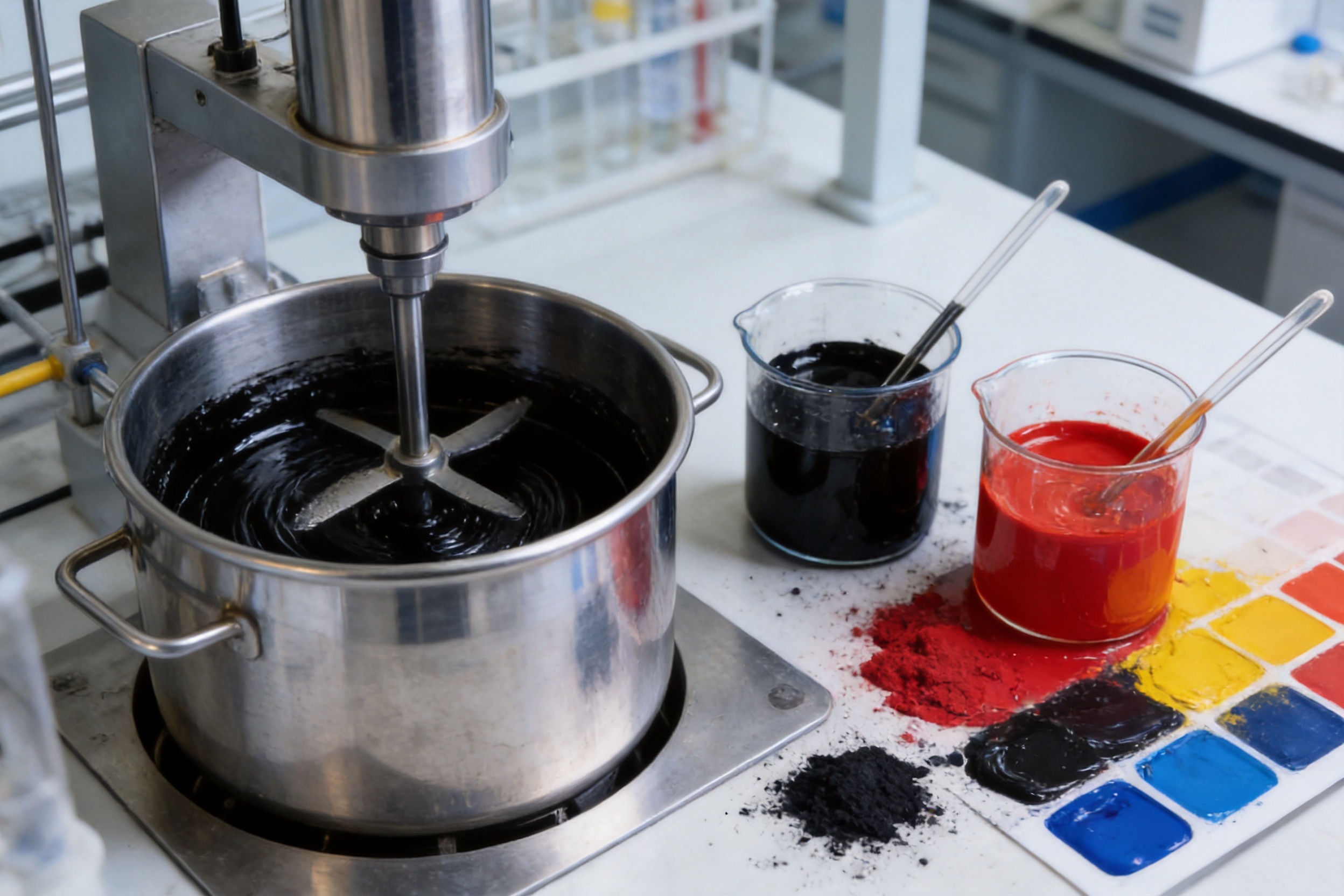
Carbon black is widely used for deep black shades, tinting, conductivity, UV protection, and functional pigmentation. It is also one of the most demanding pigments to disperse. The combination of high surface area, fine primary particles, aggregate structure, and surface chemistry can create severe viscosity and stability challenges.
DH-5920 exhibits excellent grinding and dispersion performance for acidic-surface carbon black. This makes it suitable for black paste formulations that require high color strength, good flow, and long-term stability. Acidic-surface carbon blacks may have surface groups and adsorption characteristics that influence their compatibility with the liquid vehicle and dispersant. A dispersant selected without considering these interactions may result in slow incorporation, insufficient color development, or viscosity growth during storage.
In carbon black processing, the objective is not merely to reduce the apparent particle size. The objective is to achieve a stable distribution of pigment particles that provides the desired optical result without generating excessive viscosity. Grinding must be efficient enough to break down agglomerates, while the dispersant must stabilize the newly created surface area. DH-5920 supports this relationship by contributing to both wetting and post-grinding stabilization.
In a microfiber leather black paste, good dispersion can contribute to a more uniform black appearance and more consistent application behavior. It can help reduce the risk of visible specks, shade variation, or uneven surface coverage. In wet-process PU black paste, it can support increased pigment content while maintaining low viscosity and good fluidity. These benefits are valuable in production environments where paste consistency directly affects coating weight, color repeatability, and finished material quality.
Carbon black dispersion should always be assessed using application-specific tests. Useful measurements may include viscosity at relevant shear rates, fineness of grind, color strength, undertone, blackness, storage stability, compatibility with the PU or coating binder, and behavior after dilution or blending. A successful dispersant is one that performs well not only in the laboratory grind but also in the finished application.
Microfiber leather and synthetic leather manufacturing require carefully controlled color pastes. The paste must disperse uniformly in the polyurethane system, maintain stable flow during processing, and deliver consistent shade and coverage on the substrate. Any pigment agglomeration or viscosity fluctuation can influence coating uniformity, surface appearance, handle, and production efficiency.
DH-5920 is used in the preparation of microfiber leather black paste and PU black paste. It is suitable for microfiber leather color paste and wet-process PU black paste systems where strong wetting, viscosity reduction, pigment-loading capability, and storage stability are important.
In wet-process PU applications, the color paste must be compatible with the surrounding formulation and process conditions. The dispersant should assist pigment incorporation without introducing undesirable instability or excessive viscosity. It should also support consistent mixing when the color paste is combined with polyurethane components, solvents, fillers, and other additives.
The product’s ability to maintain good fluidity is particularly beneficial when color pastes are added at controlled rates. A paste that flows consistently can be metered more accurately, helping manufacturers maintain repeatable color and coating conditions. This can be important in continuous production lines, where small changes in additive or pigment delivery may accumulate into visible variation across a long roll of material.
For microfiber leather producers, the practical value of a dispersant is ultimately measured by finished-product performance. The color paste should contribute to even coloration, smooth processing, stable storage, and predictable interaction with the PU system. DH-5920 is designed to support these goals by combining dispersion efficiency with viscosity control and anti-flocculation behavior.
Dispersant selection is often based on more than one performance criterion. A product may provide acceptable wetting but poor storage stability, or strong dispersion but excessive foam, or good initial viscosity reduction but limited pigment-loading capacity. The advantage of a specialized polymeric dispersant is that it is developed to address several interconnected problems within the same formulation.
Compared with a simple wetting agent, DH-5920 offers a broader dispersion function. It is intended to support the initial contact between pigment and liquid while also helping to prevent re-flocculation after grinding. This combined performance can reduce the need to compensate for weak stabilization with additional resin, solvent, or processing time.
Compared with a dispersant that performs well only at low pigment concentration, DH-5920 is positioned for color paste systems requiring increased pigment loading. Its viscosity-reduction characteristics can help maintain fluidity as pigment concentration rises. This gives formulators greater room to optimize concentration, processing efficiency, and final application strength.
Compared with a general-purpose additive selected without regard to carbon black surface chemistry, DH-5920 is specifically identified as suitable for acidic-surface carbon black. This application focus is important because carbon blacks differ in surface area, structure, surface functionality, oil absorption, and interaction with polymeric additives. A dispersant with experience in difficult black paste systems can provide a more rational starting point for formulation development.
Another advantage is its relevance to PU and microfiber leather color pastes. A dispersant that is effective in one coating resin may not automatically perform well in a wet-process PU system. DH-5920 has been developed and applied with these demanding color paste uses in mind, giving manufacturers a product option aligned with their actual processing needs.
Performance comparisons should be conducted under equivalent conditions. The most meaningful comparison includes the same pigment, carrier, resin, grinding equipment, dispersion time, temperature, dosage basis, and storage protocol. Relevant results may include viscosity, color strength, fineness, sedimentation, re-dispersibility, and final application appearance. Under such controlled conditions, users can determine whether DH-5920 delivers a measurable advantage in their own formulation.
The performance of a specialty additive depends not only on its chemical design but also on manufacturing consistency. A dispersant must be produced with controlled raw materials, stable reaction or blending conditions, reliable quality checks, and disciplined batch management. Variations in molecular structure, active content, residual materials, or physical properties can influence pigment dispersion and customer processing.
Suzhou Qingtian New Material Co., Ltd. specializes in raw materials for coatings, inks, and adhesives. Since its founding in 2012, the company has developed an experienced team that includes research and development specialists, sales professionals, and technical personnel. Its product portfolio includes dispersants, leveling agents, defoamers, adhesion promoters, anti-settling agents, cooling agents, conductive agents, orange peel texture agents, texture powders, wax powders, and other functional additives.
The company supports its product development activities with a modern production facility, advanced testing equipment, and research capabilities. These resources are important when developing additives for different pigment types and application systems. A dispersant must be evaluated in relation to actual customer materials, not only through isolated laboratory measurements. Testing with carbon black, organic pigments, solvent-based carriers, PU systems, and specific grinding conditions helps connect chemical design with practical performance.
The company’s manufacturing and development strengths include an application-oriented approach, a broad understanding of coating and ink technologies, and the ability to support customers with custom chemical solutions. Its experience across steel and aluminum coil coatings, plastic coatings, UV curing, anti-corrosion coatings, wood coatings, glass coatings, epoxy flooring, printing inks, power batteries, photovoltaic panels, and other fields provides a broad technical foundation.
In 2016, the company developed China’s first ice flower resin, demonstrating its emphasis on specialized product innovation. In 2020, it was recognized as a National High-Tech Enterprise. In 2021, it moved to Lingrui Intelligent Manufacturing Park in Zhangjiagang High-Tech Zone to strengthen research, manufacturing, and operational capabilities. These milestones indicate a continued investment in technical development and production infrastructure.
For customers purchasing a dispersant, manufacturing capability matters because product performance must remain consistent across repeated orders. Reliable production helps users reduce batch-to-batch variation, simplify incoming inspection, and maintain established formulation parameters. A supplier with application knowledge can also assist in troubleshooting when a pigment, resin, solvent, or process condition changes.
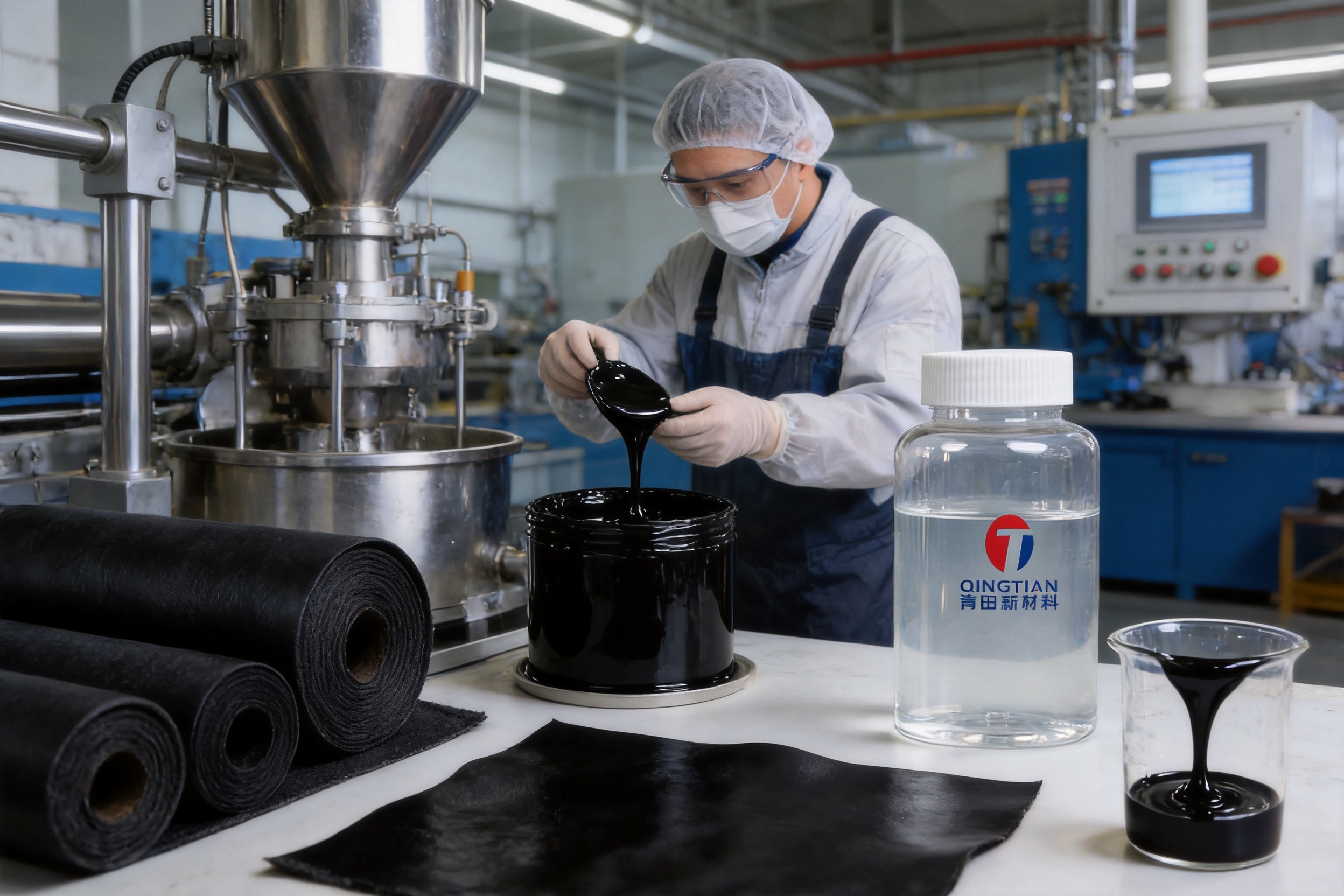
A complete quality program for a polymeric dispersant should include control of raw materials, production conditions, finished-product properties, packaging, and retained samples. Depending on the product specification, quality evaluation may involve appearance, solids or active content, viscosity, density, compatibility, moisture, color, and other relevant indicators.
However, standard physical testing alone cannot fully predict pigment dispersion performance. Application testing is equally important. A dispersant may meet a basic specification yet behave differently with acidic carbon black, organic red, organic yellow, or other pigment chemistries. For this reason, an application-oriented manufacturer should assess the product in representative color paste systems.
Typical evaluation procedures may include preparing a controlled pigment premix, applying defined shear or milling conditions, measuring fineness of grind, testing viscosity at one or more shear rates, and observing color development. Accelerated storage tests can help identify viscosity drift, settling, hard sediment, flocculation, or re-dispersion difficulties. Compatibility tests can be carried out after blending the color paste into PU, coating, or ink formulations.
DH-5920’s stated performance profile focuses on wet dispersion and viscosity reduction. These properties should be connected to measurable application outcomes. Examples include lower mill-base viscosity, shorter grinding time, higher black paste pigment concentration, improved flow, more stable storage, and consistent color after dilution or let-down.
Customers should establish acceptance criteria that reflect their actual production requirements. For example, a manufacturer may specify a maximum viscosity range, minimum storage period, acceptable color difference, required fineness, or re-dispersion standard. The most useful technical evaluation is one that compares DH-5920 with the existing dispersant under identical conditions and measures both immediate and long-term results.
DH-5920 can be evaluated by incorporating it into the liquid phase before pigment addition, although the preferred sequence may vary according to the pigment, carrier, resin, and equipment. Early contact between the dispersant and the liquid phase can help ensure a more uniform distribution during pigment incorporation.
The pigment should generally be added under controlled agitation to avoid localized powder accumulation. The operator should consider the order of addition, addition rate, temperature, shear intensity, and batch volume. If the pigment is added too quickly, even a strong dispersant may not prevent the formation of large, poorly wetted agglomerates.
Grinding conditions should be selected according to the pigment and required fineness. Excessive grinding may increase temperature or damage equipment, while insufficient grinding may leave coarse particles and limit color development. DH-5920 is intended to support efficient grinding, but the optimum process must be established for each system.
Dosage should be determined through laboratory screening. It is often useful to test several levels and compare viscosity, color strength, fineness, and storage stability. Too little dispersant may provide incomplete surface coverage, while too much may affect compatibility, foam behavior, cost, or final film properties. The best dosage is the level that achieves the required performance without introducing unnecessary additive.
Compatibility with the complete formulation should also be checked. The color paste may later be combined with polyurethane, resin, solvent, plasticizer, filler, matting agent, or other additives. The selected dispersant level should not be judged only by the color paste’s initial viscosity. The final system must be evaluated for appearance, adhesion, flexibility, drying or curing behavior, water resistance, solvent resistance, and other application-specific properties.
Although dispersants are used at relatively low levels compared with pigments and resins, their effect on overall formulation efficiency can be substantial. Better dispersion may reduce processing time, lower energy demand during grinding, and minimize rejected batches caused by poor color or instability. Improved pigment loading can reduce the amount of carrier required and make transportation more efficient.
Lower viscosity can also support more efficient equipment operation. Pumps, mixers, and milling systems may process the material with less resistance. Easier cleaning and reduced residue may lower downtime between color changes. In a high-volume production environment, these incremental improvements can contribute to meaningful operating savings.
Stable color pastes may reduce waste caused by sedimentation, hard settling, or batch-to-batch shade differences. If a paste can be re-dispersed easily and retains consistent color strength during storage, manufacturers may gain more flexibility in production scheduling and inventory management.
These benefits should be considered together with the additive cost. The lowest purchase price does not always produce the lowest total formulation cost. A more effective dispersant may allow higher pigment loading, lower processing time, reduced solvent use, or fewer rejected batches. A total-cost evaluation should therefore include additive dosage, pigment concentration, energy consumption, production time, storage stability, and quality losses.
DH-5920 is most directly associated with organic pigment and carbon black color pastes, microfiber leather, and wet-process PU systems. Its performance profile may also be relevant to other solvent-based pigment dispersion applications where strong wetting, viscosity reduction, anti-flocculation, and high pigment loading are required.
In industrial coatings, stable pigment dispersion contributes to uniform color, smooth appearance, and reliable application viscosity. In printing inks, dispersion quality can influence color strength, print consistency, gloss, and resistance to settling. In adhesive coloration, a well-dispersed pigment can help maintain uniform appearance without creating excessive viscosity that interferes with coating or extrusion.
The company’s broader product portfolio allows it to understand additive interactions beyond the dispersant itself. A complete formulation may require leveling agents, defoamers, adhesion promoters, anti-settling agents, texture additives, conductive agents, or wax powders. Although each additive has a different function, their interactions can affect final performance. A supplier experienced in multiple additive categories may be better positioned to assist with integrated formulation development.
Application expansion should always be supported by compatibility testing. The fact that DH-5920 performs well in a particular PU black paste does not automatically guarantee identical behavior in every coating, ink, or adhesive. Nevertheless, its polymeric dispersion mechanism and established use in demanding color paste systems provide a strong technical basis for further evaluation.
Specialty chemical customers often need more than a material shipment. They may require assistance with dispersion sequence, dosage screening, pigment selection, viscosity control, storage stability, or scale-up. Effective technical service can shorten development time and help users achieve consistent results.
Suzhou Qingtian New Material Co., Ltd. emphasizes innovation, quality, service, and win-win cooperation. Its technical and commercial teams can support communication between the customer’s production requirements and the additive’s application capabilities. This collaborative approach is especially useful when a customer is changing pigment grade, resin system, solvent composition, equipment, or target pigment concentration.
For a product such as DH-5920, technical communication should include the pigment type, surface treatment, carrier composition, resin content, target viscosity, processing temperature, grinding equipment, storage conditions, and final application. The more complete the technical information, the more accurately the additive can be evaluated and optimized.
Customer collaboration also supports continuous product improvement. Feedback from microfiber leather plants, PU processors, coating manufacturers, and ink producers can reveal new performance requirements and help guide future research. This feedback loop is an important strength for a specialty additive manufacturer operating in diverse industrial markets.
Manufacturers selecting DH-5920 may seek improvements in several specific areas. First, they may want faster and more complete pigment incorporation. Second, they may need to reduce color paste viscosity without sacrificing pigment concentration. Third, they may need improved blackness or color strength from difficult carbon black grades. Fourth, they may require greater storage stability and easier re-dispersion.
The product can also support production flexibility. A color paste with good fluidity is easier to transfer, pump, meter, and blend. This can be valuable when a plant produces multiple colors or operates several production lines. Improved dispersion can reduce the risk that a formulation will behave differently when manufactured at a larger scale.
For PU and microfiber leather producers, the key benefit is process consistency. A stable black paste can help maintain a uniform shade across production lots and reduce interruptions associated with high viscosity or poor flow. For color paste suppliers, the product can help create a more concentrated commercial product with improved storage and handling characteristics.
For research and development teams, DH-5920 provides a candidate dispersant for systematic formulation screening. It can be compared with existing products using standardized tests, allowing the formulator to quantify the effects of dosage and processing conditions. This structured approach is preferable to selecting an additive solely on the basis of initial appearance or short-term viscosity.
DH-5920 is a polymeric dispersant designed for pigment and carbon black color paste preparation. It provides wetting, dispersion, anti-flocculation, viscosity reduction, and pigment-loading support.
Yes. The product is particularly suitable for carbon black color pastes and exhibits excellent grinding and dispersion performance for acidic-surface carbon black. It helps increase carbon black loading while maintaining low viscosity, good fluidity, and storage stability.
Yes. It is used in wet-process PU color paste systems, including microfiber leather black paste, PU black paste, and microfiber leather color paste applications.
DH-5920 helps reduce formulation viscosity by improving pigment wetting and limiting particle flocculation. This can support easier grinding, better flow, improved pumping, and higher pigment concentration.
No. Its polymeric dispersant function is intended to support both initial pigment wetting and ongoing stabilization after grinding. This helps reduce the risk of re-flocculation and viscosity growth during storage.
It is designed to help increase pigment loading while maintaining acceptable viscosity and fluidity. The achievable level depends on the pigment, carrier, resin, equipment, and formulation design.
The optimum dosage should be determined through laboratory testing. Several dosage levels should be compared for viscosity, fineness of grind, color strength, storage stability, re-dispersibility, and compatibility with the final PU, coating, or ink system.
DH-5920 is primarily used for organic pigment and carbon black color pastes in solvent-based systems, but compatibility should still be confirmed in each specific formulation. Resin polarity, solvent composition, pigment surface chemistry, and final application conditions can affect performance.
The supplier has experience in coatings, inks, adhesives, and functional additives. It operates with research capabilities, advanced testing equipment, and a modern production facility, and has continued to expand its technical and manufacturing capacity.
Useful information includes the pigment grade, pigment surface treatment, carrier or solvent composition, resin type, target pigment concentration, current viscosity, grinding equipment, processing temperature, storage conditions, and final application requirements.
DH-5920 is a specialized polymeric dispersant for challenging pigment and carbon black color paste systems. Its principal advantages are excellent wetting, effective dispersion, anti-flocculation performance, viscosity reduction, increased pigment-loading capability, and good storage stability. These properties make it especially suitable for acidic-surface carbon black, microfiber leather black paste, wet-process PU black paste, and related color paste applications.
The product offers value because it addresses several formulation problems at the same time. It helps pigment particles become wetted and separated, supports efficient grinding, reduces excessive viscosity, and assists in maintaining stability after processing. For manufacturers, this can translate into better fluidity, easier handling, higher pigment concentration, more consistent color, and improved production efficiency.
Its competitive position is strengthened by its application focus. Rather than functioning only as a general-purpose wetting aid, DH-5920 is intended for demanding systems where pigment surface chemistry, carbon black structure, high loading, PU compatibility, and storage performance must be considered together.
The supplier’s experience in coating, ink, adhesive, and specialty additive technologies further supports the product. Research personnel, testing resources, modern manufacturing facilities, and a broad additive portfolio provide a foundation for consistent production and customer-oriented technical service. The company’s development milestones and continued investment in research and production demonstrate a long-term commitment to industrial chemical solutions.
For formulators evaluating a new dispersant, DH-5920 should be tested under actual processing conditions and compared with existing products using objective criteria. When the application requires low viscosity, strong carbon black dispersion, high pigment loading, reliable flow, and storage stability, DH-5920 offers a practical and technically focused option.
1. Company product information for DH-5920 Polymeric Dispersant, including stated applications, performance characteristics, and recommended use areas.
2. Company technical information covering dispersants, leveling agents, defoamers, adhesion promoters, anti-settling agents, texture additives, and wax powder additives.
3. General principles of pigment wetting, grinding, steric stabilization, and anti-flocculation in coatings, inks, adhesives, and polyurethane color paste systems.
4. Technical literature concerning carbon black surface chemistry, aggregate structure, pigment loading, viscosity control, and color development.
5. Industrial formulation practices for microfiber leather color pastes, wet-process polyurethane systems, and solvent-based pigment concentrates.
6. Quality-control and application-testing principles for polymeric dispersants used in high-performance color paste formulations.
 Wholesale Paint/ Coating Additives Manufacturers
Custom Industrial Chemical Solutions Suppliers