русский
 Español
 Français
Home / Author / Lu Xinzhi — Overseas Product Sales Specialist / Micronized Fluorine-Modified PE Wax Powder for High-Performance Coatings
Lu Xinzhi — Overseas Product Sales Specialist

Content
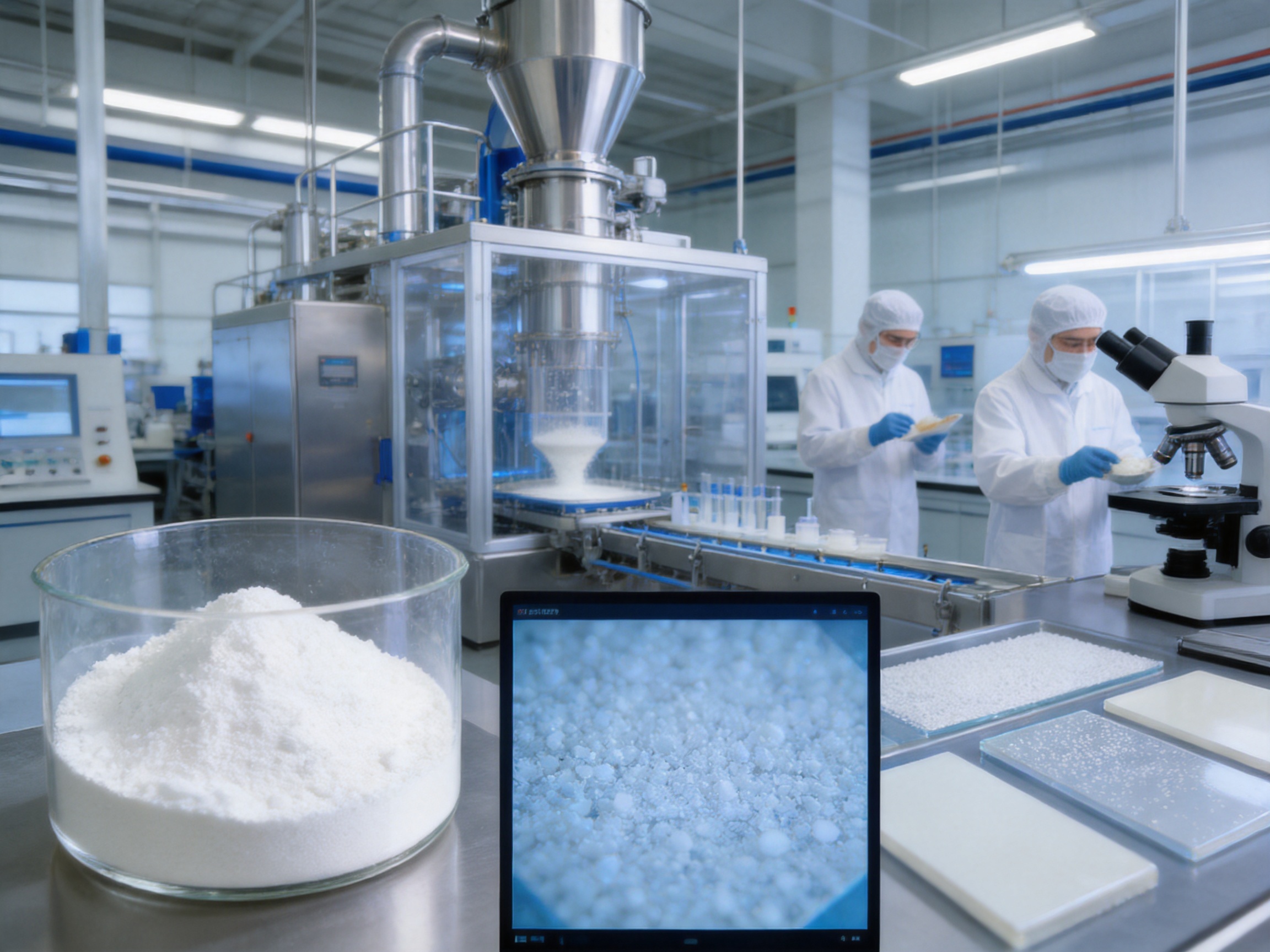
Modern coatings are expected to do much more than provide color and basic protection. In furniture paints, decorative finishes, industrial coatings, powder coatings, plastic coatings, ultraviolet-curable systems, and coil coatings, the surface must often withstand repeated contact, friction, abrasion, blocking, handling, cleaning, and recoating. At the same time, formulators must preserve transparency, appearance, smoothness, hardness, and process efficiency. Achieving this balance can be difficult when a coating requires both a refined surface feel and strong mechanical resistance.
F-2316 is a micronized wax powder additive based on surface-fluorine-modified polyethylene wax. Produced through specialized processing equipment, it is designed to improve the surface performance of coating films while maintaining desirable appearance and application properties. The additive increases scratch resistance and slip, supports a smooth hand-feel, and improves lubricity, hardness, anti-blocking behavior, and wear resistance. Importantly, it is formulated to enhance film performance without negatively affecting recoatability.
The product is especially suitable for coating systems in which surface durability and tactile quality are essential. Its application range includes furniture paints, decorative paints, general industrial coatings, powder coatings, plastic coatings, UV light-cured coatings, and coil coatings. Across these applications, the additive provides a practical method for improving resistance to abrasion and surface damage without requiring a complete reformulation of the binder system.
This article examines the composition concept, performance advantages, application value, manufacturing strengths, quality considerations, and selection factors associated with micronized fluorine-modified PE wax powder. It also explains why controlled wax morphology, specialized surface modification, and application-oriented production capabilities are important when selecting an additive supplier.
F-2316 belongs to the micronized wax powder additive family. Its primary wax base is polyethylene, while its surface is modified with fluorine through a special manufacturing process. The combination is intended to provide the processing and film-enhancement benefits associated with PE wax while adding improved slip and surface durability characteristics associated with a fluorine-modified surface.
In a coating formulation, micronized wax particles are distributed through the liquid, powder, or radiation-curable system. During application and film formation, a portion of the wax migrates or becomes positioned near the coating surface. The resulting microstructure can reduce the coefficient of friction, improve resistance to rubbing, and create a smoother tactile response. The effectiveness of the additive depends on particle fineness, surface chemistry, dispersion quality, compatibility, and the conditions used during coating formation.
F-2316 is designed as a functional surface additive rather than as a primary film-forming resin. It supports the performance of the main coating system by modifying the surface behavior of the finished film. This makes it useful for formulators who need to improve a specific property, such as scratch resistance or slip, while retaining the existing color, gloss, adhesion, and application process as much as possible.
The product information identifies PE as the core material and abrasion and scratch resistance as its principal performance direction. Its product designation also refers to PTFE-related surface modification. In practical formulation discussions, the most important point is the product’s surface-fluorine-modified PE wax structure and its resulting performance profile.
Wax additives are widely used to control the surface characteristics of coatings. Conventional liquid additives may improve slip or leveling, but they can sometimes influence intercoat adhesion, gloss balance, recoating behavior, or long-term migration. Solid micronized wax powders offer another approach: they introduce finely divided particles that can reinforce or modify the surface without becoming the dominant component of the coating.
The micronized form is important because particle size affects dispersion, surface distribution, film appearance, and tactile performance. Coarser particles may create unwanted roughness, haze, or visible defects, particularly in smooth or transparent films. Excessively fine particles may be difficult to process or may not provide the desired surface structure. A carefully controlled micronized powder can provide a balance between dispersion and surface functionality.
For furniture and decorative coatings, the surface must often feel smooth and refined while also resisting scratches caused by daily use. For coil coatings, the film must tolerate handling, forming, friction, and transportation. For plastic coatings, low friction and wear resistance may influence the perceived quality of molded or coated components. For powder coatings and UV-curable coatings, the additive must work within different film-formation mechanisms and curing conditions. A versatile micronized wax additive can therefore reduce the need to use separate additives for every individual surface property.
F-2316 is designed around this multifunctional requirement. It is intended to improve several related properties at the same time: lubricity, slip, hardness, anti-blocking behavior, abrasion resistance, and scratch resistance. This combination is valuable because surface performance is rarely determined by one isolated characteristic. A coating that is hard but not lubricious may still show visible scuffing. A coating that is slippery but insufficiently resistant to wear may lose its appearance quickly. A coating that resists scratches but blocks during stacking may create production problems. The product aims to address these connected challenges through one specialized wax powder additive.
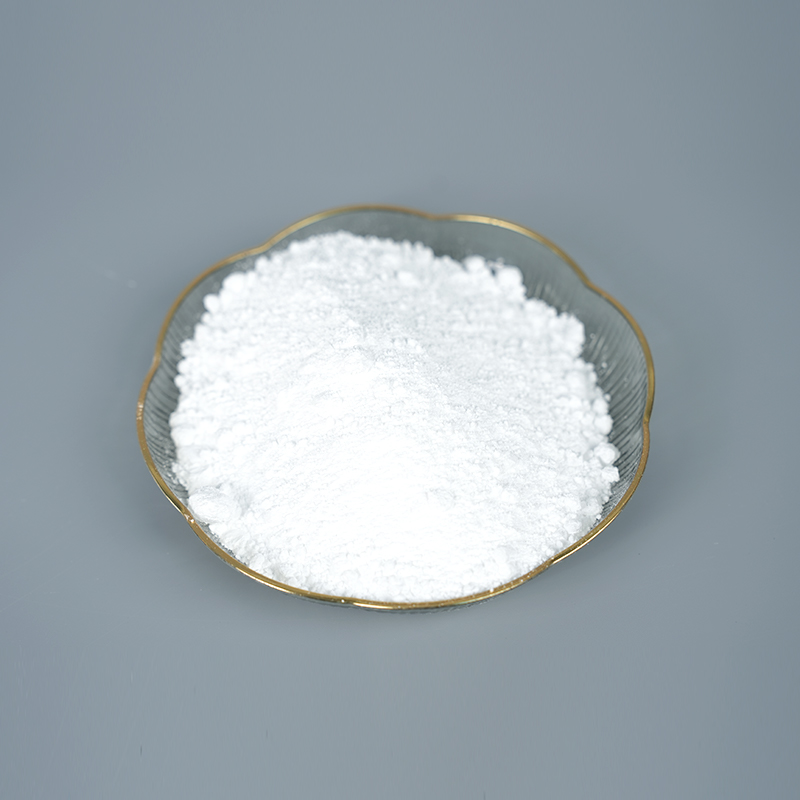
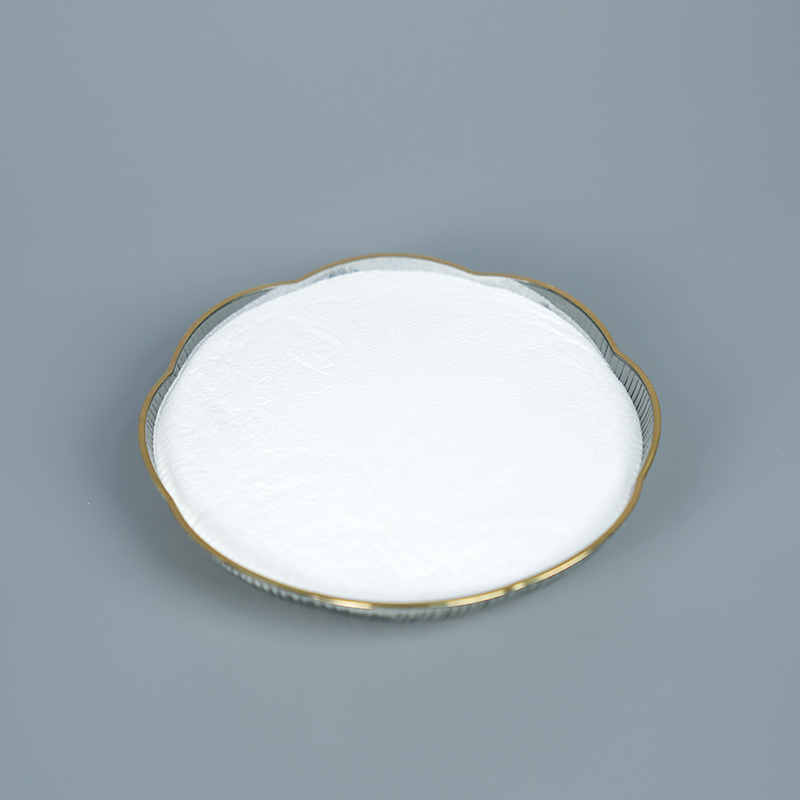
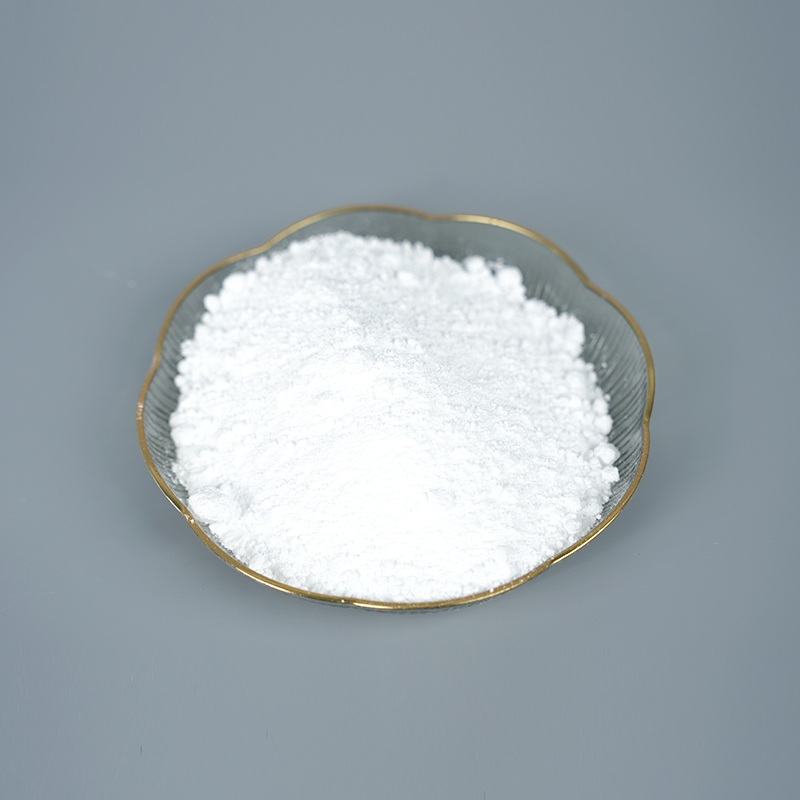
F-2316 Micronized Wax Powder Additive(PTFE)
Scratch resistance is one of the most visible indicators of coating durability. Fine scratches can appear during assembly, transport, cleaning, stacking, or routine use. On dark, glossy, or decorative surfaces, even minor marks can reduce perceived quality. F-2316 is designed to improve resistance to surface scratching by creating a more durable and lubricious outer film region.
The fluorine-modified surface contributes to reduced friction during contact. When an object moves across the coating, a lower-friction surface can reduce the force that initiates or deepens a scratch. The micronized wax structure can also support a harder and more wear-resistant surface, helping the coating retain its appearance during repeated contact.
Scratch resistance is affected by the entire formulation, including resin selection, pigment type, curing level, film thickness, substrate preparation, and application conditions. Therefore, F-2316 should be viewed as a performance-enhancing component rather than a substitute for correct coating design. When properly dispersed and used at a suitable dosage, it can help a well-designed coating achieve a higher level of surface protection.
Slip describes how easily one surface moves across another. Good slip can reduce scuffing, improve handling, and produce a smoother tactile sensation. In furniture and decorative coatings, the user may notice this property immediately when touching or cleaning the surface. In industrial applications, improved slip may reduce friction during processing, stacking, or component movement.
F-2316 improves the lubricity of the coating film through its wax-based surface modification. The additive can create a lower-friction interface that allows contact objects to move more easily across the film. This can reduce the severity of rubbing marks and contribute to a clean, smooth hand-feel.
Compared with a conventional PE wax additive, a surface-fluorine-modified structure can offer a stronger focus on low-friction surface behavior. Compared with some liquid slip additives, a micronized solid wax may provide a more controlled and durable surface effect when properly incorporated into the coating. The actual result depends on the resin system and dosage, but the product is specifically intended for applications where both slip and wear resistance are required.
Surface hardness is essential for resisting indentation, scuffing, and mechanical damage. A hard coating surface can maintain its appearance under pressure and repeated handling. F-2316 is designed to contribute to film hardness while retaining the useful flexibility and adhesion characteristics of the underlying coating system.
The wax particles can support the physical structure of the surface after the coating has formed. When the additive is correctly dispersed, it may help create a more resistant outer layer without producing an excessively brittle film. This balance is particularly important for industrial coatings, plastic coatings, and coil coatings, where the film must often withstand both contact and movement.
Blocking occurs when coated surfaces stick together under pressure, heat, or prolonged contact. It can be a serious issue in stacked panels, coated sheets, packaging-related components, furniture parts, and industrial products. Blocking can damage the finish, slow production, and increase handling costs.
F-2316 is designed to improve anti-blocking behavior by modifying the contact surface. The wax particles can reduce direct adhesive contact between two coated films, making it easier to separate stacked or contacting surfaces. The effect is especially useful in systems where the coating must be handled, packaged, or stored shortly after application.
Anti-blocking performance should always be evaluated under actual production conditions. Temperature, pressure, curing state, storage time, film thickness, and substrate type can all influence the result. Nevertheless, the product’s combined hardness and lubricity profile provides a practical foundation for reducing blocking risk.
Abrasion resistance measures a coating’s ability to withstand repeated mechanical action. It is important in flooring-related finishes, furniture coatings, industrial equipment, plastic components, transportation parts, coil-coated materials, and many other products exposed to friction.
F-2316 is particularly recommended where increased abrasion resistance is required. Its micronized wax structure can help protect the surface during repeated rubbing, while the modified surface chemistry contributes to lower friction. Together, these effects can reduce the rate at which the coating loses gloss, develops visible marks, or becomes rough during use.
Wear resistance is often closely connected to scratch resistance, but the two properties are not identical. Scratch testing may involve a single or limited contact event, while abrasion testing involves repeated mechanical action. An additive that improves both properties can offer broader protection across the product life cycle.
Recoatability is an important practical requirement in multi-layer coating systems. A surface additive that creates excellent slip but prevents the next layer from wetting or adhering properly can create serious problems. The topcoat may show poor adhesion, cratering, uneven appearance, or intercoat failure.
F-2316 is designed to improve surface properties without affecting recoatability. This makes it suitable for coating constructions in which a primer, basecoat, color layer, clearcoat, or repair coat must be applied over the treated film. Maintaining recoatability expands the additive’s usefulness in furniture, decorative, industrial, and multilayer protective systems.
Although the product is designed with recoatability in mind, formulators should still conduct intercoat adhesion and compatibility testing. Recoat performance can depend on wax dosage, surface migration, curing conditions, recoat interval, and the chemistry of the subsequent layer. Proper process control remains essential.
Transparency is a major advantage for decorative finishes, clearcoats, wood coatings, plastic coatings, and other systems where the underlying appearance must remain visible. An additive that creates haze, whitening, or visible particles may be unsuitable even if it improves abrasion resistance.
F-2316 features excellent transparency. Its micronized particle design and surface modification are intended to minimize unwanted visual interference while still providing surface protection. This makes the additive appropriate for clear or translucent systems in which appearance is as important as mechanical durability.
Transparency also supports design flexibility. Formulators can use the additive in clear protective films, colored coatings, high-end furniture finishes, and decorative surfaces without necessarily sacrificing visual depth or clarity. Final transparency will depend on resin refractive index, pigment concentration, particle dispersion, film thickness, and curing conditions, so laboratory evaluation remains recommended.
The tactile quality of a coating often influences purchasing decisions and user satisfaction. A smooth hand-feel can communicate cleanliness, quality, durability, and refinement. This is especially important for furniture, consumer products, decorative panels, and plastic components that are touched frequently.
F-2316 is designed to provide a smooth hand-feel in addition to improving mechanical resistance. The additive helps reduce surface friction and can create a more uniform touch response. This combination allows a coating to feel smooth without relying only on high gloss or heavy leveling additives.
In matte or low-gloss systems, tactile performance may be particularly valuable. Such systems often use texturing or matting technologies that can produce a distinctive surface profile. A compatible wax additive can help reduce harshness and improve the perceived smoothness while maintaining the intended visual effect.
Coating formulators typically choose from several additive technologies when they need to improve slip, scratch resistance, or abrasion resistance. These may include conventional PE waxes, polypropylene waxes, PTFE powders, silicone-based additives, liquid slip agents, inorganic particles, and combinations of multiple additives. Each technology has strengths and limitations.
Conventional PE waxes can provide useful lubricity, anti-blocking, and wear resistance, but they may not offer the same level of surface slip or fluorine-associated low-friction behavior as a surface-modified grade. F-2316 is positioned to provide the familiar benefits of a polyethylene wax while enhancing surface functionality through fluorine modification.
Some highly lubricious additives may create compatibility or recoating concerns if they migrate excessively or form an overly nonpolar surface. F-2316 is designed to improve recoatability, making it suitable for systems where intercoat adhesion is important. This does not eliminate the need for testing, but it addresses a common concern in high-slip formulations.
Liquid slip additives can be convenient to incorporate, but their performance may change with migration, evaporation, cure, storage, or contact conditions. A micronized solid wax powder offers a different performance mechanism and may provide a more stable physical contribution to the film surface.
Inorganic abrasion-resistant particles can increase durability, but excessive loading may reduce transparency, increase viscosity, create sedimentation, or affect surface smoothness. F-2316 offers a low-visibility route to surface improvement, which is valuable when clarity and hand-feel must be preserved.
Using one multifunctional additive may also simplify formulation compared with combining separate products for slip, anti-blocking, hardness, and abrasion resistance. Fewer additives can reduce compatibility variables, simplify inventory, and make production control easier. The most suitable choice will always depend on the coating system and target performance, but F-2316 is designed to offer a balanced performance profile rather than a single isolated effect.
| Performance Requirement | Contribution of F-2316 | Application Value |
|---|---|---|
| Scratch resistance | Supports a harder, lower-friction surface | Helps protect decorative and functional finishes from visible marks |
| Slip and lubricity | Reduces surface friction through modified wax particles | Improves handling, touch, and resistance to rubbing |
| Wear resistance | Supports protection during repeated mechanical contact | Extends surface appearance and service performance |
| Anti-blocking | Reduces direct adhesion between contacting coated surfaces | Helps with stacking, storage, packaging, and handling |
| Hardness | Contributes to a more resistant coating surface | Improves resistance to indentation and scuffing |
| Transparency | Micronized design supports low visual interference | Suitable for clear and decorative coatings |
| Recoatability | Designed not to compromise subsequent coating application | Useful in multilayer coating systems |
| Hand-feel | Produces a smoother tactile response | Supports premium furniture and consumer-facing finishes |
Furniture surfaces are exposed to frequent touching, cleaning, movement, and contact with household objects. Scratches, scuff marks, and loss of smoothness can quickly reduce the perceived quality of a cabinet, table, panel, or decorative component. F-2316 is suited to furniture coatings because it combines scratch resistance, slip, hardness, anti-blocking performance, transparency, and smooth hand-feel.
In clear furniture finishes, the additive can help preserve the appearance of the wood or decorative substrate while improving surface durability. In pigmented finishes, it can reduce visible damage during handling and daily use. It may also support production efficiency where coated components must be stacked or transported before final installation.
Decorative coatings are judged by both appearance and tactile quality. A finish may need to be visually smooth, transparent, glossy, satin, matte, or textured while also resisting everyday wear. F-2316 can help create a more refined surface by improving lubricity and hand-feel without being limited to highly industrial applications.
Its transparency is valuable in decorative systems because the additive should not distract from the intended color, pattern, grain, or visual depth. The final result depends on the coating design, but a micronized wax powder provides a useful route to balancing visual quality with durability.
Industrial coatings often encounter friction during assembly, transportation, maintenance, and operation. Improved abrasion and scratch resistance can reduce early surface damage and help maintain a professional appearance. F-2316 can be incorporated into suitable industrial systems to provide a more lubricious and wear-resistant surface.
The product may also be useful where a coating must be recoated, repaired, or combined with additional protective layers. Its focus on maintaining recoatability supports maintenance-oriented coating designs, although compatibility testing should be performed with each resin and topcoat combination.
Powder coatings require additives that can withstand storage, application, melting, flow, and curing. The wax must be distributed appropriately in the powder blend and remain compatible with the thermal film-formation process. F-2316 is recommended for powder coating applications where abrasion resistance, slip, anti-blocking, and surface quality are important.
In powder coating production, particle distribution and blending uniformity are particularly important. The additive should be incorporated using a process that achieves consistent dispersion throughout the powder system. Evaluation should include appearance, gloss, friction, scratch resistance, surface defects, and intercoat performance where relevant.
Plastic surfaces can be vulnerable to scuffing, handling marks, and friction-related damage. A coating that improves slip and abrasion resistance can increase the perceived quality and functional life of coated plastic components. F-2316 is suitable for plastic coatings where the film must remain smooth and visually attractive.
Plastic substrates vary widely in polarity, flexibility, surface energy, and thermal behavior. Adhesion and compatibility should therefore be tested carefully. When the coating system is correctly selected, the additive can provide a useful balance between tactile smoothness and protection from mechanical contact.
UV-curable coatings are valued for rapid curing, productivity, and high surface performance. However, the formulation must be carefully balanced because additives can influence cure response, surface migration, gloss, and intercoat adhesion. F-2316 is recommended for UV light-cured coatings that require improved abrasion resistance and slip.
Testing should be conducted under the actual UV dose, lamp type, film thickness, and cure speed used in production. The formulator should examine surface cure, through-cure, scratch resistance, gloss, transparency, and recoatability. When properly optimized, the additive can help UV coatings deliver a smoother and more durable surface without changing the fundamental curing technology.
Coil-coated steel and aluminum products must withstand continuous processing, forming, transportation, handling, and environmental exposure. Surface scratches or scuffs may occur during winding, unwinding, cutting, bending, and installation. F-2316 is particularly relevant to coil coatings because it is intended to increase abrasion resistance while supporting slip and surface hardness.
The additive may also contribute to improved handling behavior and reduced surface damage during contact between coated sheets or processing equipment. Since coil coating lines operate at high speed, laboratory testing should be followed by pilot or production-scale validation. Key factors include curing profile, line speed, film thickness, surface appearance, forming behavior, and compatibility with primer and topcoat layers.
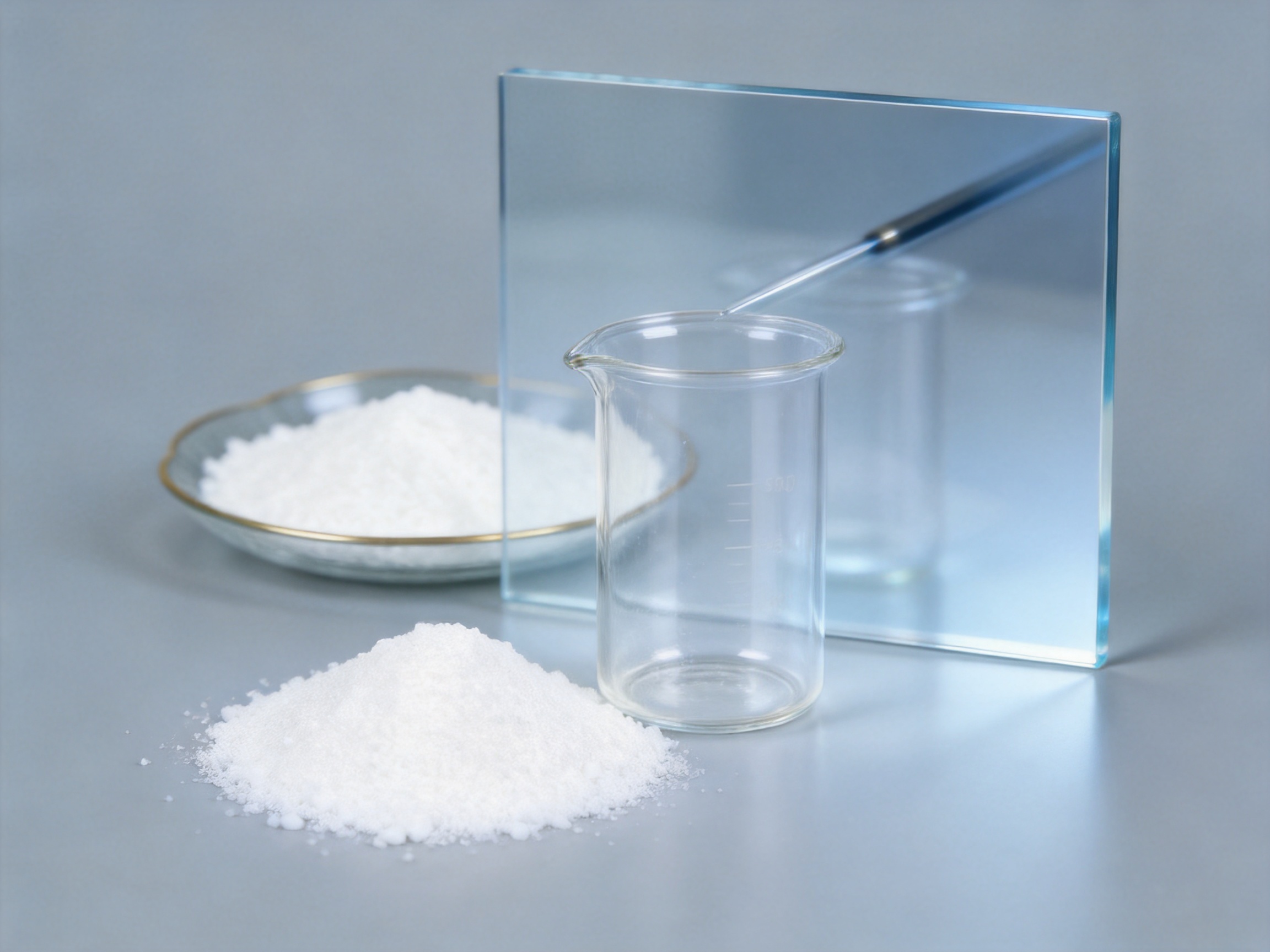
The central technical feature of F-2316 is its surface-fluorine-modified PE wax structure. Surface modification is more than simple physical blending. It requires control of the treatment process so that the resulting powder provides consistent surface behavior from batch to batch. The purpose is to combine a polyethylene wax base with a surface chemistry that supports low friction, slip, and wear resistance.
Specialized process equipment is important because wax modification and micronization must be managed together. Temperature, residence time, mixing conditions, material feeding, cooling, and classification can all influence final performance. An experienced manufacturer must control these variables to avoid broad particle-size distribution, agglomeration, thermal degradation, uneven treatment, or inconsistent surface activity.
Micronization transforms the wax into finely divided powder suitable for coating formulations. The process must achieve a particle structure that disperses effectively and supports the desired surface effect. Oversized particles can create defects, while excessive fines can affect handling, dust control, or formulation behavior.
Advanced production equipment and testing capabilities allow the manufacturer to monitor powder characteristics and adjust processing conditions. Consistent micronization is essential for transparency, smoothness, gloss control, scratch resistance, and batch reproducibility. It also helps formulators develop more reliable dosage guidelines because the product behaves more consistently during incorporation and film formation.
The manufacturer has developed a modern production facility supported by advanced testing equipment and strong research capabilities. This infrastructure supports the development and manufacture of coating, ink, and adhesive raw materials. For a specialized wax powder, the combination of production capacity and analytical control is important because product quality depends on both chemical composition and physical morphology.
A modern facility can support controlled raw-material handling, repeatable processing, organized batch management, and quality inspection. These capabilities are particularly valuable for customers that require stable performance across repeated purchases, multiple coating lines, or different geographic markets.
F-2316 is part of a broader product portfolio serving coatings, inks, and adhesives. The company has built an experienced team that includes research and development experts, sales professionals, and technical personnel. This multidisciplinary structure helps connect product design with practical formulation needs.
Research capability is important because coating additives rarely perform identically in every resin. A product may need to be evaluated in solventborne, waterborne, powder, UV-curable, or other systems. It may also require testing with different pigments, matting agents, curing agents, and film thicknesses. A manufacturer with application-oriented R&D can better understand these variables and help customers optimize the product in their own formulations.
Advanced testing equipment supports evaluation of powder properties and coating performance. Important areas may include particle-size distribution, dispersion behavior, appearance, transparency, gloss, friction, scratch resistance, abrasion resistance, hardness, blocking, and recoatability. Testing should be aligned with the customer’s final application rather than limited to a single laboratory measurement.
Consistent quality control helps reduce variation in production. For industrial customers, stable additive performance can improve formulation control, reduce adjustment time, and support predictable finished-product quality. It can also help identify the correct dosage range and processing conditions more efficiently.
The optimal use level of F-2316 depends on the coating type, resin, desired appearance, film thickness, application method, and performance target. The product should be introduced according to the manufacturer’s technical guidance and then adjusted through laboratory testing. A single universal dosage is not appropriate for every application.
In liquid coatings, the powder should be dispersed thoroughly to avoid agglomeration and localized concentration. The choice of mixing equipment, addition sequence, shear level, and dispersion time can influence the final result. If the wax is added too late or mixed inadequately, the coating may show inconsistent slip, surface defects, or reduced transparency.
In powder coatings, uniform dry blending is important. The additive should be distributed throughout the powder mixture before extrusion or other processing stages. The formulator should evaluate whether the chosen processing temperature and shear conditions preserve the intended wax function and whether the additive affects flow, gloss, leveling, or storage stability.
In UV-curable systems, the interaction between the wax powder and the reactive formulation must be evaluated carefully. Cure speed, surface cure, oxygen inhibition, and recoatability can all be relevant. A suitable dispersion strategy and appropriate cure conditions help the additive provide surface protection without compromising the coating’s basic performance.
For coil coatings and other continuous processes, the additive must be evaluated under production-relevant line speeds and curing conditions. Surface appearance, forming performance, intercoat adhesion, and abrasion resistance should be checked together. A laboratory result may not fully predict performance at industrial scale, so pilot validation is recommended.
Formulators should also consider the interaction between F-2316 and other additives. Dispersants, leveling agents, defoamers, matting agents, adhesion promoters, and curing components may influence wax distribution and surface migration. The product’s multifunctional profile may allow the reduction of other additives, but changes should be introduced systematically to avoid unexpected formulation effects.
Product quality begins with consistent raw materials and controlled manufacturing. For a micronized wax powder, the most important quality attributes include chemical identity, surface modification consistency, particle-size control, powder flow, dispersion, moisture management, and batch-to-batch uniformity. These factors influence both formulation behavior and final coating performance.
Efficient additive design can also support responsible formulation development. If one product contributes to several surface properties, the formulator may be able to reduce the number of separate additives required. This can simplify manufacturing, reduce packaging and inventory complexity, and lower the risk of incompatibility between multiple components. Any sustainability assessment should consider the complete formulation, production process, application method, durability, and service life.
Improved abrasion and scratch resistance may help extend the useful appearance of coated products. A finish that remains attractive for longer may require fewer repairs, refinishing operations, or replacements. In furniture, industrial equipment, plastic components, and coil-coated materials, durability can therefore contribute indirectly to resource efficiency.
Selecting a coating additive is not only a matter of comparing a product name or a single test result. Supplier capability influences technical support, batch consistency, customization, delivery reliability, and problem-solving efficiency. A manufacturer with experience in coatings, inks, and adhesives can understand the practical challenges associated with different resin systems and application methods.
The company behind F-2316 was established in 2012 and specializes in raw materials for coatings, inks, and adhesives. Its product portfolio includes dispersants, leveling agents, defoamers, adhesion promoters, anti-settling agents, cooling agents, conductive agents, orange peel texture agents, texture powders, and wax powders. This breadth provides a wider technical context for developing compatible additive packages.
The company has also invested in research, production, and testing capabilities. Its development history includes the creation of an ice flower resin, recognition as a National High-Tech Enterprise, and relocation to an intelligent manufacturing park in Zhangjiagang High-Tech Zone to strengthen research and production capacity. These milestones indicate a focus on continuous technical development and industrial-scale manufacturing.
For customers, the practical benefit is access to a supplier that can evaluate F-2316 not as an isolated raw material but as part of a complete coating solution. When a formulation challenge involves surface defects, poor dispersion, insufficient scratch resistance, or recoatability, a broad additive portfolio and application-oriented team can help identify a more efficient solution.
A structured evaluation program can help determine whether F-2316 is suitable for a particular coating. The first stage should establish the baseline formulation without the additive. The second stage should compare several addition levels while maintaining all other formulation variables as constant as possible.
Initial testing should examine dispersion, viscosity, appearance, transparency, gloss, and storage stability. The finished films should then be evaluated for hardness, slip, scratch resistance, abrasion resistance, blocking, hand-feel, and recoatability. If the product is intended for a multilayer system, intercoat adhesion should be assessed after the specified recoat interval.
Application-specific testing should follow. Furniture coatings may require repeated cleaning, rubbing, and household-contact simulations. Coil coatings may require forming, bending, stacking, and high-speed handling tests. UV coatings may require cure-depth and surface-cure evaluations. Plastic coatings may require substrate adhesion and thermal cycling tests. Powder coatings may require melt-flow, gloss, impact, and storage evaluations.
Testing should include both fresh and aged samples where possible. Surface additives can behave differently after heat exposure, humidity, UV exposure, or prolonged contact. The goal is not simply to achieve a high initial test result but to confirm stable performance throughout the expected service life.
F-2316 can be positioned as a high-performance surface additive for formulators seeking a balance between durability and appearance. Its key distinction is the combination of a micronized PE wax base with surface fluorine modification. This structure is intended to provide more than basic wax lubrication.
The product’s advantages can be summarized in five areas. First, it supports improved scratch and abrasion resistance. Second, it provides slip and lubricity for smoother contact behavior. Third, it contributes to hardness and anti-blocking performance. Fourth, it preserves transparency and smooth hand-feel. Fifth, it is designed to maintain recoatability, making it suitable for multilayer coating systems.
These advantages make the product competitive against single-function additives that address only slip, only hardness, or only abrasion. A balanced additive can reduce formulation complexity and help manufacturers achieve multiple performance goals with one carefully selected material. Its value is especially clear in applications where surface appearance, tactile response, and mechanical resistance must be developed together.
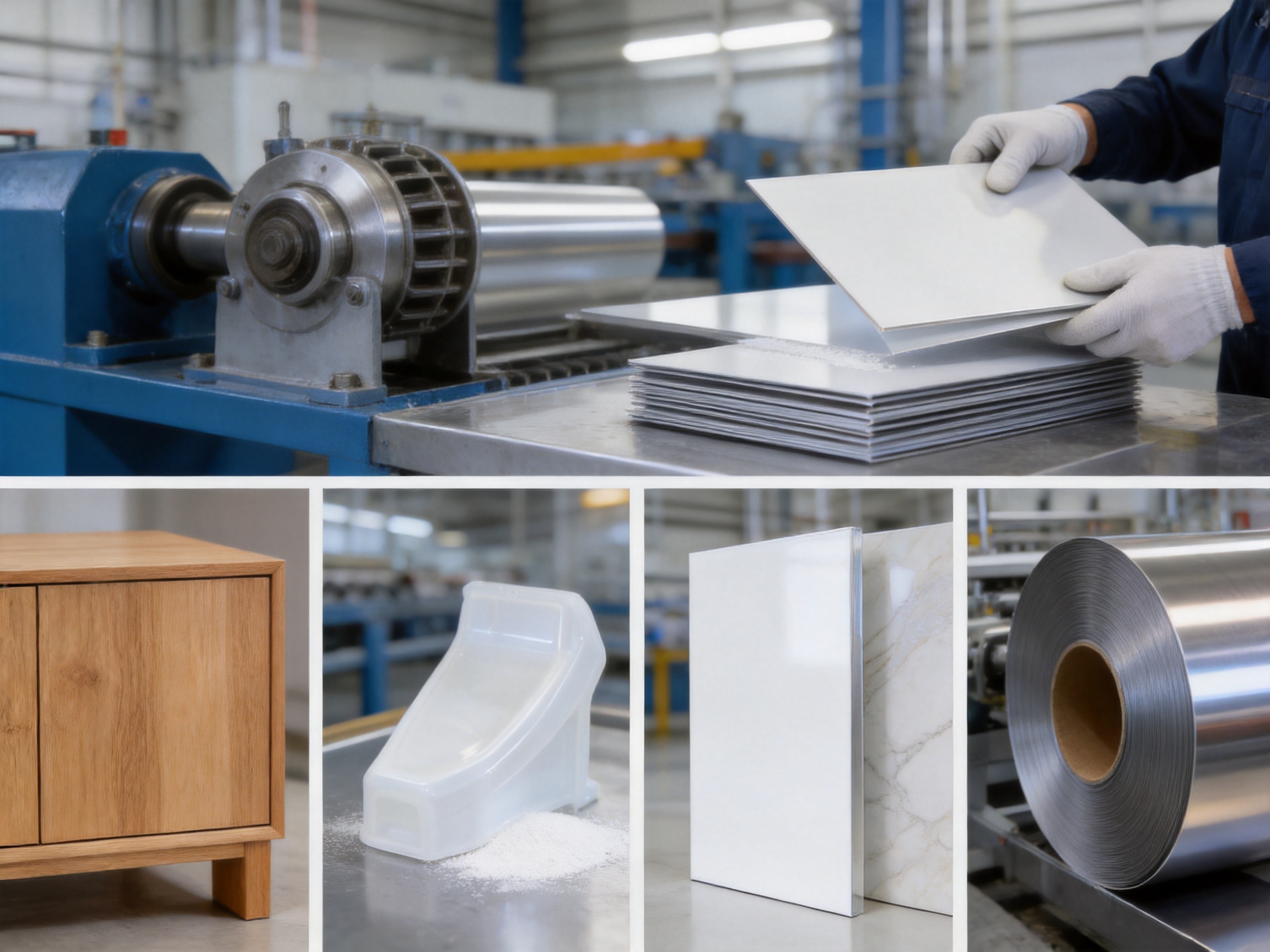
F-2316 is a micronized wax powder additive based on surface-fluorine-modified polyethylene wax. It is designed for coating systems that require improved scratch resistance, slip, lubricity, hardness, anti-blocking behavior, abrasion resistance, transparency, and smooth hand-feel.
F-2316 is a surface additive rather than a primary coating resin. It is incorporated into a coating formulation to modify surface performance while the main resin provides film formation, adhesion, and most of the structural properties.
The product is recommended for furniture paints, decorative paints, general industrial coatings, powder coatings, plastic coatings, UV light-cured coatings, and coil coatings. Suitability should be confirmed through testing in the specific resin and application process.
Yes. The product is designed to improve resistance to both scratching and repeated wear. The actual improvement will depend on the formulation, dosage, film thickness, curing conditions, substrate, and test method.
F-2316 features excellent transparency and is designed for low visual interference. However, final transparency depends on dispersion quality, resin compatibility, pigment concentration, film thickness, and application conditions. Clearcoat testing is recommended before full-scale production.
Yes. Its surface-modified wax structure is intended to provide a smoother hand-feel and improved lubricity. This is particularly valuable in furniture, decorative, plastic, and consumer-facing coating applications.
The product is designed to improve surface properties without affecting recoatability. Nevertheless, intercoat adhesion should be tested with the actual primer, basecoat, topcoat, and recoat interval used in production.
Yes. F-2316 is recommended for powder coatings requiring improved abrasion resistance, slip, hardness, and anti-blocking properties. Uniform dry blending and evaluation under the actual extrusion and curing conditions are important.
Yes. The product is recommended for UV light-cured coatings. Formulators should evaluate cure response, surface cure, gloss, transparency, scratch resistance, and recoatability under the intended lamp, dose, line speed, and film thickness.
The appropriate addition level depends on the coating chemistry and performance target. A series of laboratory trials should be performed using several addition levels. The final selection should balance surface durability, appearance, viscosity, dispersion, gloss, recoatability, and cost.
Surface fluorine modification is intended to provide lower friction and improved surface slip while retaining the useful characteristics of a PE wax powder. This can help improve scratch resistance, lubricity, and wear behavior compared with a basic wax additive.
Testing should include dispersion, transparency, gloss, hardness, slip, scratch resistance, abrasion resistance, blocking, hand-feel, recoatability, and intercoat adhesion. Application-specific tests such as forming, cleaning, stacking, UV exposure, thermal cycling, or chemical resistance should also be included where relevant.
F-2316 is a specialized micronized wax powder additive developed for coatings that require a high level of surface performance without sacrificing appearance or recoatability. Its surface-fluorine-modified PE wax structure is designed to improve scratch resistance, slip, lubricity, hardness, anti-blocking behavior, abrasion resistance, transparency, and hand-feel.
The product is suitable for a wide range of applications, including furniture paints, decorative coatings, industrial coatings, powder coatings, plastic coatings, UV-curable coatings, and coil coatings. Its multifunctional profile can help formulators address several surface requirements with one carefully engineered additive, potentially simplifying formulation design and improving production efficiency.
The manufacturing process is equally important. Specialized process equipment, controlled micronization, surface modification, advanced testing, modern production facilities, and application-oriented research all contribute to stable product performance. A supplier with broad experience in coating, ink, and adhesive raw materials can provide additional value by helping customers optimize the additive within complete formulation systems.
For manufacturers seeking improved surface durability, smoother tactile quality, and reliable coating performance, F-2316 represents a practical option for upgrading modern coating formulations. Its strongest value lies in the balance between abrasion resistance and appearance: a coating can become more resistant to scratching and wear while retaining transparency, smoothness, and the ability to accept subsequent layers.
1. Product technical information for F-2316 micronized wax powder additive.
2. General principles of polyethylene wax additives in paints, coatings, inks, and adhesives.
3. General principles of fluorine-modified surface technologies for low-friction coatings.
4. Coating formulation practices for scratch resistance, abrasion resistance, slip, and anti-blocking performance.
5. Standard laboratory approaches for evaluating coating hardness, gloss, transparency, friction, scratch resistance, abrasion resistance, and intercoat adhesion.
6. General manufacturing principles for micronized polymer powders and functional surface additives.
 Wholesale Paint/ Coating Additives Manufacturers
Custom Industrial Chemical Solutions Suppliers