


 русский
 Español
 Français
Home / Author / Lu Xinzhi — Overseas Product Sales Specialist / DH-5038 Matting Agent Dispersant for High-Performance Solvent-Borne Coatings
Lu Xinzhi — Overseas Product Sales Specialist

Content
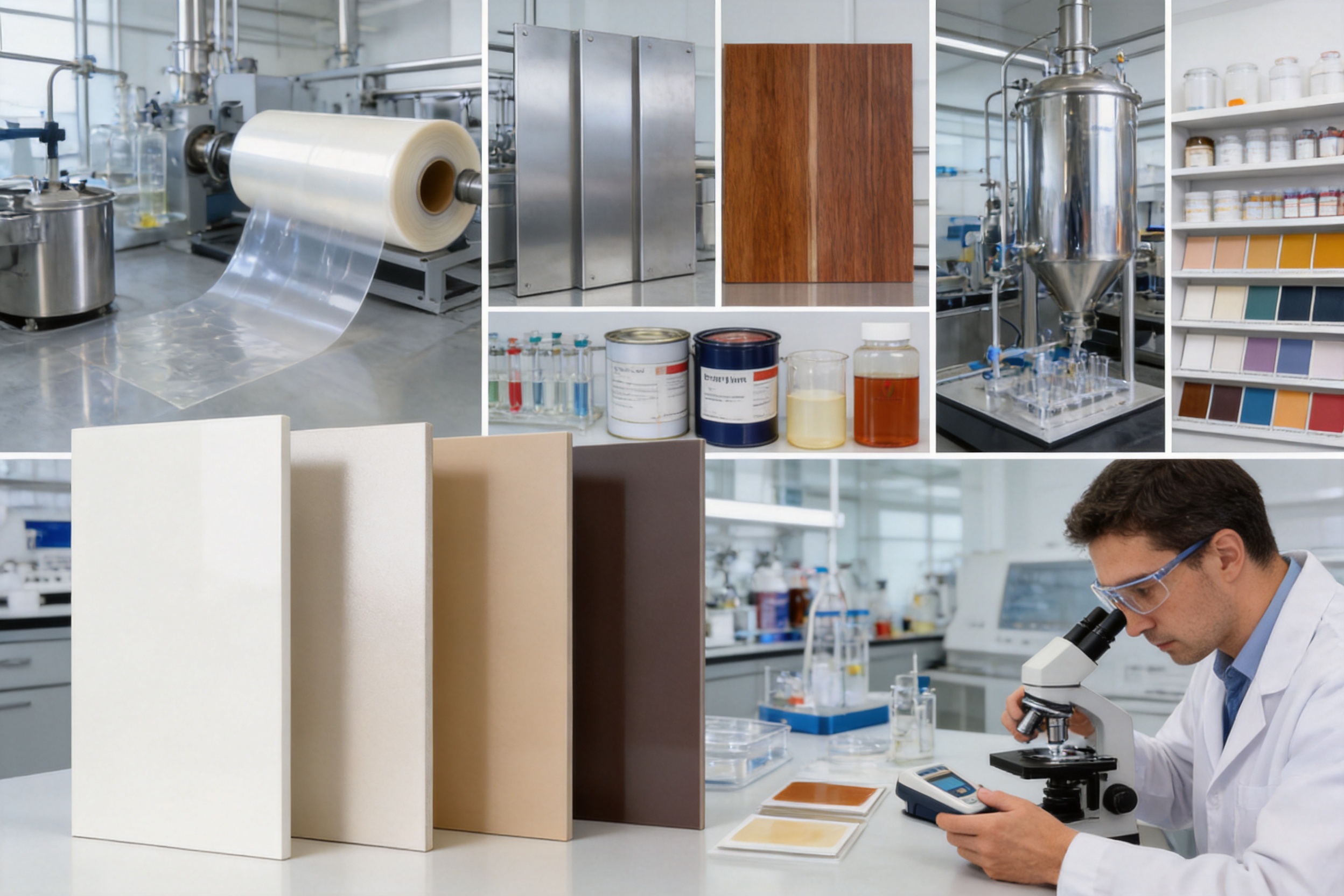
In solvent-borne coating systems, the quality of dispersion often determines whether a formulation delivers consistent gloss reduction, smooth appearance, storage stability, and reliable application performance. Matting powders, especially silica-based materials, can be difficult to incorporate because they have high surface area, strong particle-to-particle attraction, and a tendency to form agglomerates. If these particles are not properly wetted and dispersed, the coating may show uneven matting, sedimentation, roughness, poor transparency, inconsistent viscosity, or reduced processing efficiency.
DH-5038 Matting Agent Dispersant is designed to address these challenges. Classified as a solvent-borne dispersant, it provides excellent wetting ability and stability for silica and is suitable for inorganic pigments and fillers. Its primary role is to reduce interfacial tension rapidly, promote contact between the liquid phase and solid particles, and support the breakdown of agglomerates under mechanical mixing. Once dispersed, the particles can remain more stable in the formulation, helping manufacturers produce more uniform matting pastes and coating systems.
The product is particularly valuable in the manufacture of matting pastes, where increasing the content of matting powder is often an important commercial and technical objective. By improving the wetting and dispersion of silica, DH-5038 can help formulators incorporate a greater amount of matting powder while maintaining a workable system. This can support stronger matting efficiency, improved formulation flexibility, and more efficient use of production equipment.
Developed by Suzhou Qingtian New Material Co., Ltd., DH-5038 reflects the company’s specialization in raw materials for coatings, inks, and adhesives. The company combines product development, application knowledge, testing capabilities, and modern manufacturing resources to provide additive solutions for demanding industrial markets. Its product portfolio includes dispersants, leveling agents, defoamers, adhesion promoters, anti-settling agents, texture powders, wax powders, and other functional additives.
Matting powders are used to reduce surface gloss and create a controlled visual and tactile finish. Silica is one of the most widely used matting materials because its particle morphology and surface properties can scatter incident light and produce finishes ranging from soft satin to low gloss. However, these same properties can make silica challenging to process. Fine particles have a large total surface area, and their surfaces can attract one another through physical forces. Without sufficient wetting, the powder may float, form lumps, or remain partially dry inside the liquid phase.
A coating formulation containing poorly dispersed silica may appear acceptable immediately after mixing but develop problems during storage or application. Agglomerates can settle unevenly, clog filters, produce surface defects, or create localized differences in gloss. The final coating may also exhibit a rougher texture than intended, even when the original powder has a suitable particle size. In many cases, the issue is not the quality of the matting powder itself but the inability of the formulation to wet and stabilize the particles effectively.
Dispersion involves several related mechanisms. First, the liquid must wet the solid surface. Second, mechanical energy must break down agglomerates and distribute the particles throughout the formulation. Third, the dispersant must help prevent the particles from coming back together. A suitable dispersant therefore needs to provide more than simple mixing assistance. It must support the entire process from initial powder incorporation to long-term stability.
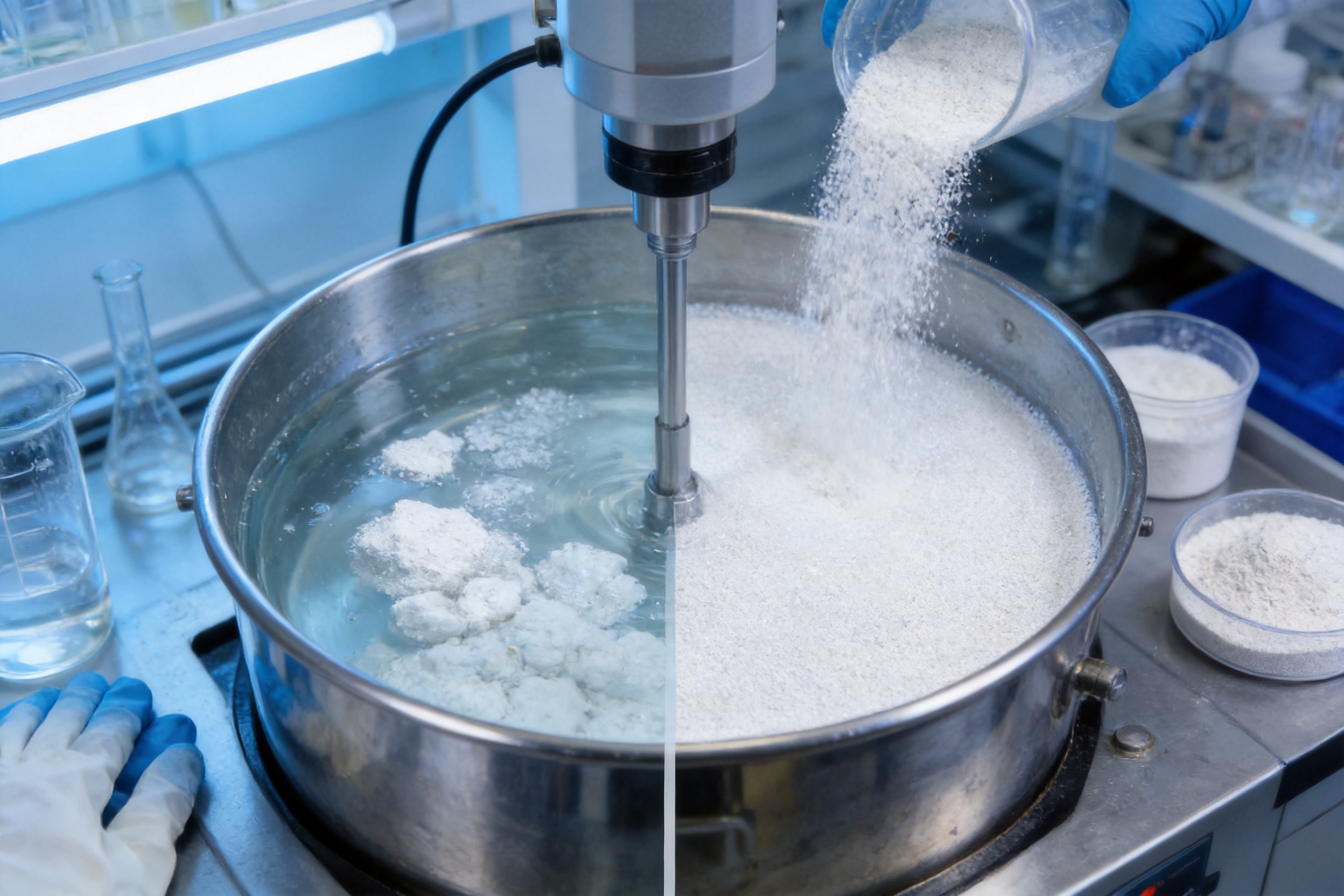
DH-5038 is formulated around this practical requirement. It rapidly reduces the interfacial tension between the liquid medium and solid particles such as silica, pigments, and fillers. Lower interfacial tension makes it easier for the liquid to spread over the particle surfaces. During high-shear or other suitable mechanical processing, the wetting action supports more efficient deagglomeration. The resulting particles can be distributed more uniformly and remain more stable within the system.
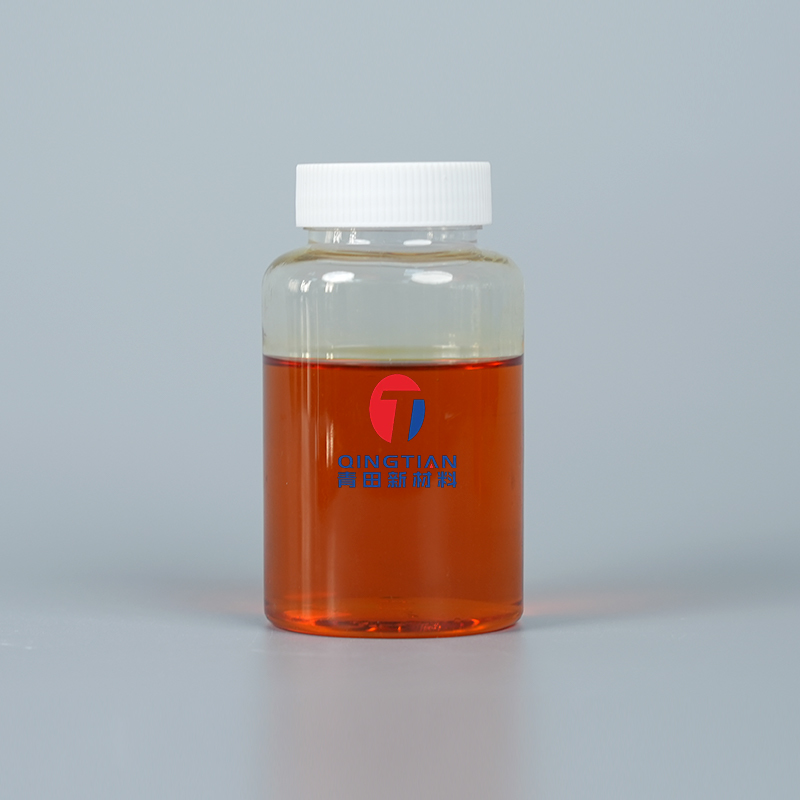
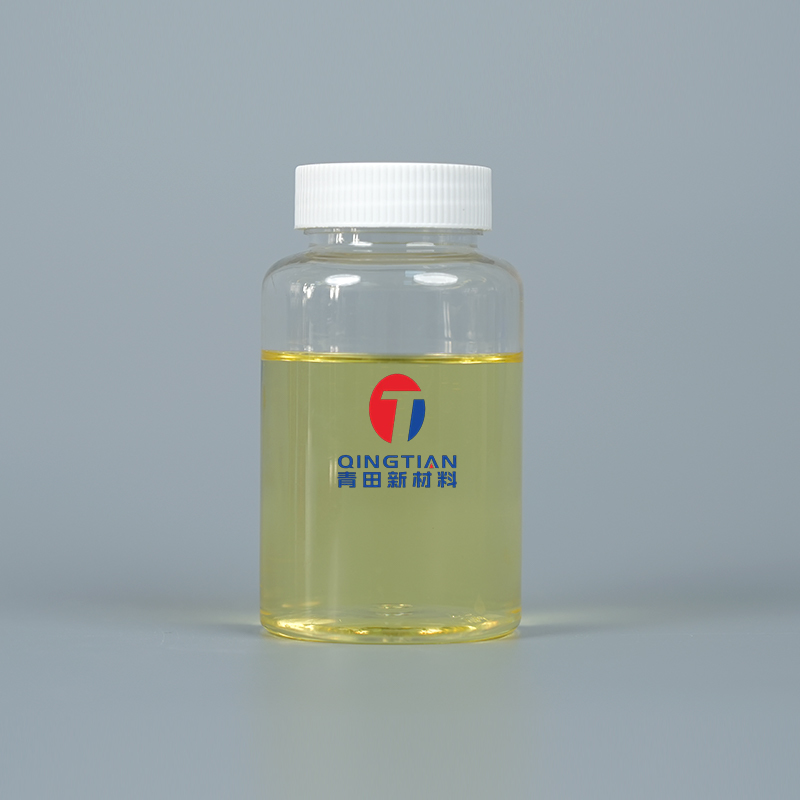
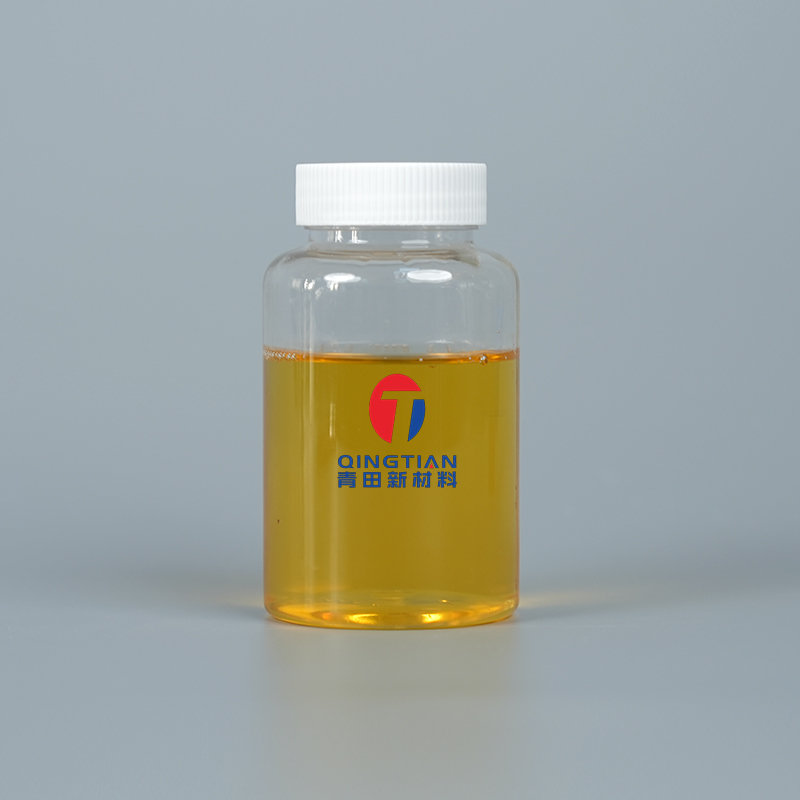
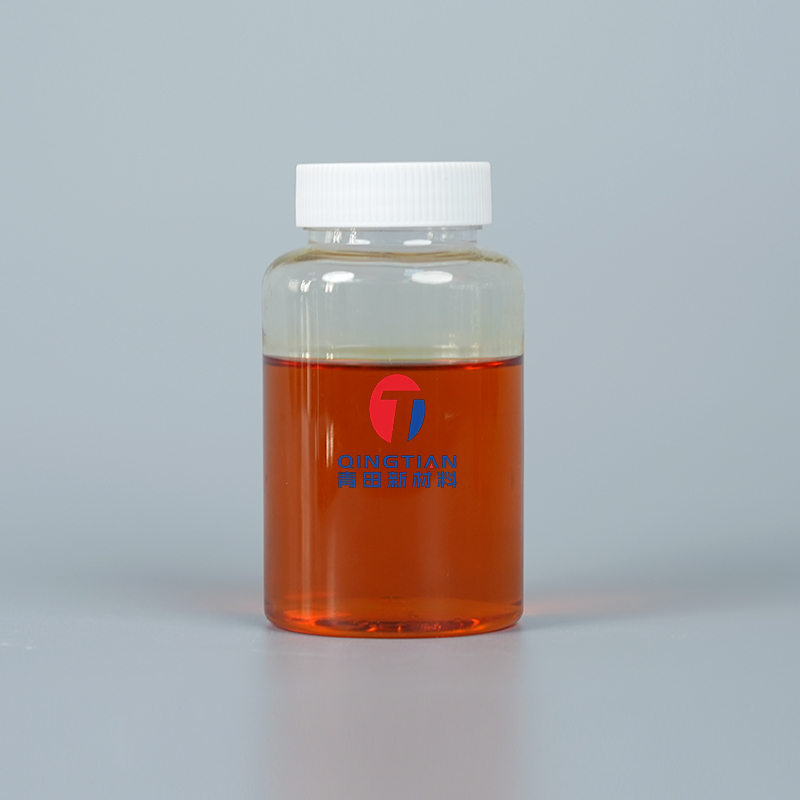
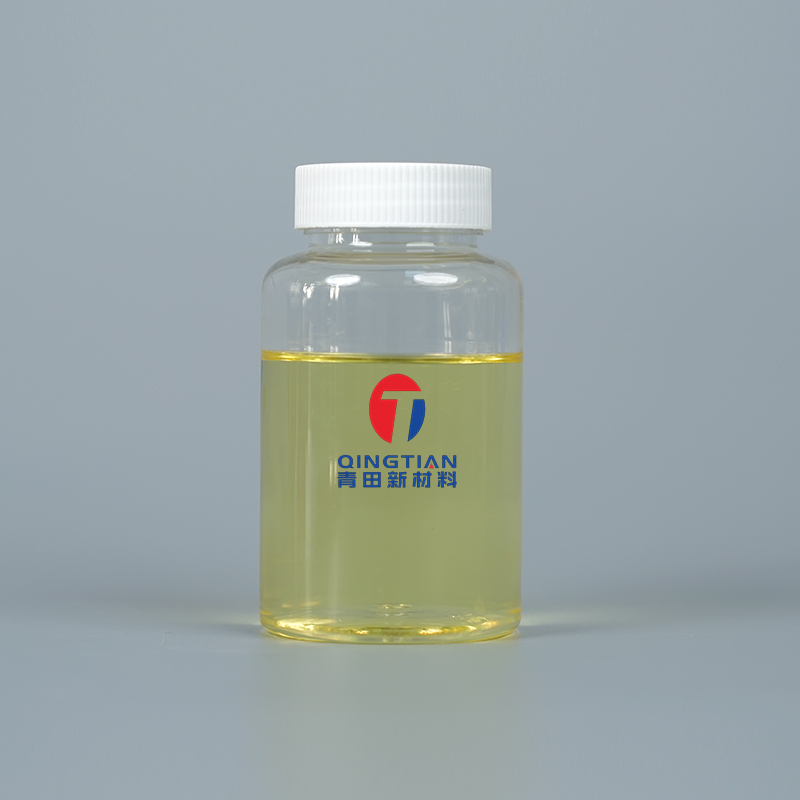
DH-5038 Matting Agent Dispersant
The first benefit of DH-5038 is its wetting performance. When a dry powder is added to a liquid coating system, the powder must be enveloped by the liquid before it can be properly dispersed. If the liquid does not readily spread across the particle surface, air may remain trapped within agglomerates and the powder may resist incorporation. This can lead to floating, lump formation, extended mixing time, and incomplete utilization of the available equipment.
DH-5038 helps the liquid phase contact silica more effectively. Its wetting action is especially relevant to high-surface-area inorganic particles, which generally require efficient interaction with the surrounding binder or solvent system. Better wetting can make powder incorporation more predictable and can reduce the amount of unprocessed material remaining in the vessel or on the equipment walls.
Interfacial tension describes the resistance to forming contact between two different phases, such as a liquid and a solid. In pigment and filler dispersion, excessive interfacial tension can prevent the liquid from spreading uniformly over the particle surface. DH-5038 works by rapidly reducing this barrier, allowing the liquid phase to penetrate and surround particles more efficiently.
This function is important when processing silica for matting pastes. The objective is not merely to suspend a large quantity of powder temporarily. The objective is to create a stable, usable concentrate in which the particles have been adequately wetted, distributed, and prepared for subsequent incorporation into coatings, inks, or related products.
Dispersants do not replace mechanical energy; instead, they make mechanical energy more effective. During mixing, milling, or other suitable dispersion operations, external force is applied to break apart particle clusters. When the solid surface has already been wetted, the applied energy can act more directly on the agglomerates. DH-5038 supports this process by improving the contact between the liquid and the pigment or filler surface.
The result can be a faster and more complete approach to the primary particle size of the material. Reaching a finer and more uniform dispersion may improve the consistency of matting performance, reduce visible defects, and support more predictable application behavior. The ideal processing conditions will depend on the solvent system, resin, powder type, equipment, and target solids content, so users should establish the optimum dosage and mixing sequence through laboratory and production trials.
Once particles have been separated, they must be kept from re-forming large agglomerates. DH-5038 helps maintain stability within the dispersed system. Improved stability can reduce the risk of rapid settling, hard sediment, viscosity drift, and nonuniform powder distribution during storage or transport.
Stability is particularly important for matting pastes because the paste may be stored before it is added to a final coating. A concentrate that separates rapidly can require extensive remixing, create batch-to-batch variation, or cause operators to discard material. A more stable system supports better process control and can make production scheduling more flexible.
Compared with using a general-purpose additive that has not been optimized for silica and inorganic powders, DH-5038 offers a more targeted approach to matting-agent dispersion. Its stated performance includes excellent wetting ability and stability for silica. This focus is important because different solids require different surface interactions. An additive that works adequately with one pigment may not provide the same performance with a high-surface-area matting powder.
By addressing the wetting and stabilization requirements of silica, DH-5038 can help formulators reduce the likelihood of incomplete incorporation. This can be especially useful when a formulation contains a high percentage of matting powder or when the production process must achieve consistent dispersion within a limited time.
One of the product’s most significant advantages is its ability to support a higher content of matting powder in matting-paste production. Conventional systems may reach a practical limit because additional powder causes excessive viscosity, poor wetting, rapid settling, or difficult processing. A suitable dispersant can help overcome some of these limitations by improving the interaction between the liquid phase and the solid powder.
Higher loading potential can provide several benefits. It may allow a manufacturer to prepare more concentrated pastes, reduce the volume of paste required in a final formulation, and create greater flexibility in adjusting gloss levels. It can also help optimize storage, packaging, and transportation efficiency because a more concentrated intermediate may deliver more functional powder per unit of product.
Actual maximum loading will depend on the grade and surface treatment of the silica, the resin and solvent combination, the additive dosage, and the equipment used. For this reason, DH-5038 should be evaluated through a structured formulation study rather than judged solely by a fixed universal loading figure.
Many conventional dispersing approaches emphasize initial appearance but provide insufficient long-term stabilization. A paste may look smooth immediately after production and still develop hard settling or flocculation during storage. DH-5038 is designed to contribute both wetting and stability, giving it a broader functional role than an additive used only to assist powder incorporation.
Better stability can improve the reliability of the finished coating. When the silica concentration remains more uniform throughout the container, each portion of the product is more likely to deliver similar matting behavior. This supports consistent gloss, appearance, and application performance from the beginning to the end of a batch.
When powder wetting is improved, manufacturers may be able to reduce the time required for incorporation and dispersion, depending on the formulation and equipment. More efficient processing can help increase plant productivity and reduce the risk of unprocessed powder remaining in the mixing vessel. It may also reduce the need for repeated correction operations such as extended stirring, manual scraping, or additional solvent adjustment.
The practical improvement will vary according to production conditions. Nevertheless, a dispersant that supports rapid wetting and particle stabilization gives the formulator more opportunities to optimize production time, energy consumption, and batch consistency than a system that relies on mechanical force alone.
Although DH-5038 is especially associated with silica and matting powder, its described application also includes inorganic pigments and fillers. This broadens its usefulness in formulations where matting agents are combined with other mineral components. Such systems may be found in industrial coatings, protective coatings, plastic coatings, and other applications requiring controlled surface appearance or functional mineral loading.
Compatibility should always be confirmed in the intended resin and solvent environment. However, the product’s ability to address several types of solid particles can simplify additive selection and reduce the need to manage a separate dispersant for every inorganic component.
Before moving to production, formulators should identify the principal variables that will influence dispersion. These include the type and surface treatment of silica, the resin chemistry, solvent polarity, total solids, target viscosity, mixing equipment, desired gloss, and storage period. The presence of other additives, such as defoamers, leveling agents, or anti-settling agents, should also be considered because interactions can affect final performance.
A laboratory screening program can compare several DH-5038 dosage levels. The evaluation should record powder incorporation behavior, mixing time, viscosity, appearance, gloss, sedimentation, and redispersibility. If the product is intended for a matting paste, the concentrate should be stored under controlled conditions and checked periodically for changes in viscosity, separation, and settling.
In many formulations, the dispersant is added to a portion of the liquid phase before the silica or inorganic pigment is introduced. This allows the additive to distribute throughout the liquid and begin reducing interfacial tension before the powder enters the system. The recommended sequence may differ according to the resin, solvent, and equipment, so the final procedure should be established through trials.
Adding the powder gradually is generally helpful. A controlled addition rate allows the liquid to wet each increment and reduces the formation of large dry agglomerates. The operator should avoid adding more powder than the equipment can efficiently incorporate at one time. Once the powder is wetted, the system can receive the mechanical energy needed to break down remaining agglomerates.
DH-5038 is intended to work with external mechanical force. Suitable equipment may include high-speed dispersers, bead mills, or other devices selected according to the required fineness and production scale. The objective is to achieve effective particle separation without generating unnecessary heat, excessive foam, or solvent loss.
Processing conditions should be controlled carefully. Excessive shear may increase temperature or alter the rheology of the system, while insufficient shear may leave large agglomerates. The optimum point should be determined by examining particle-size distribution, fineness of grind, visual uniformity, viscosity, and application performance.
There is no single dosage that is appropriate for every silica or coating system. Under-dosing may result in incomplete wetting or insufficient stabilization, while over-dosing can influence viscosity, foam behavior, surface appearance, or intercoat compatibility. A stepwise dosage study is therefore recommended.
Testing should begin with a practical laboratory range selected by the formulator and should compare both immediate and aged properties. The best dosage is usually the level that provides the desired stability and matting performance with the least unnecessary additive. It is also important to test the additive in the complete formulation rather than only in a simplified solvent-powder mixture, because resin and co-additive interactions can change the result.
The primary reason for using a matting powder is to control gloss. Uniform silica dispersion helps ensure that the surface contains a consistent distribution of light-scattering particles. If some regions contain excessive powder while others contain too little, the coating may show visible differences in gloss or texture. DH-5038 supports a more uniform distribution, which can contribute to more predictable gloss reduction.
Gloss is affected by many variables beyond dispersant selection, including film thickness, curing conditions, resin composition, silica grade, surface treatment, and application method. Even so, dispersion quality is a fundamental factor. A well-dispersed matting powder is more likely to express its designed performance than the same powder in a heavily agglomerated state.
Matting systems must balance low gloss with an attractive surface. Poorly dispersed powder can create coarse particles, pinholes, craters, or uneven texture. By improving wetting and assisting deagglomeration, DH-5038 can help reduce the risk that large particle clusters will remain in the coating.
The desired surface may differ by application. Wood coatings may require a soft, natural appearance; industrial coatings may prioritize consistent gloss and durability; plastic coatings may require smoothness and adhesion; and printing inks may require a controlled visual effect without compromising print quality. The formulation should therefore be tested using the actual substrate and application process.
A stable dispersion is easier to handle throughout its service life. If mild settling occurs, good redispersibility can allow the material to return to a uniform condition with practical agitation. In contrast, hard settling may require high energy, extended mixing, or may not be fully reversible.
DH-5038 is intended to help maintain stability after dispersion. Evaluation should include accelerated storage, ambient storage, temperature cycling where relevant, and redispersibility testing. These studies can reveal whether the product remains suitable for the planned logistics and customer use conditions.
High matting-powder loading often increases viscosity, and poorly wetted particles can cause an even sharper rise. Improved wetting may help the formulator manage the relationship between powder concentration and workable viscosity. This can be useful when preparing concentrated matting pastes or when the final coating must be applied through spray, roller, curtain, gravure, or other methods.
Viscosity should be measured at the temperatures and shear conditions relevant to production and application. A formulation that appears manageable at laboratory temperature may behave differently in a large vessel or during high-speed application. DH-5038 should therefore be evaluated as part of the complete rheological design of the product.
DH-5038 is described as non-toxic, environmentally friendly, and biodegradable. These characteristics can support manufacturers seeking additive solutions with a more favorable environmental profile. They may also help formulators respond to increasing interest in safer raw materials, responsible production, and reduced environmental impact.
Environmental claims should always be interpreted within the context of the complete formulation and the applicable regulatory requirements. The final coating, ink, adhesive, or matting paste may contain many ingredients, and the overall environmental profile depends on all of them. Customers should obtain current technical and safety documentation and verify compliance for the intended market, especially when products are used in food packaging films or other sensitive applications.
The product’s manufactured slurries can be used in food packaging films, plastic products, and other industrial applications, according to the supplied product information. However, suitability for direct or indirect food-contact applications depends on the entire formulation, migration limits, production conditions, substrate, and regional regulations. A product evaluation and formal compliance review should be completed before commercial use.
Packaging films and plastic products often require carefully controlled surface properties. Excessive gloss may be undesirable, while uncontrolled roughness can reduce appearance quality or affect printing and handling. A well-dispersed matting component can help create a more uniform finish and provide greater control over the visual character of the film or molded product.
In these applications, dispersion quality can also affect processing stability. Agglomerates may cause filter blockage, die lines, surface specks, or weak points in a film. A suitable dispersant may help lower these risks by supporting more complete incorporation of the inorganic powder. The exact performance will depend on the polymer, solvent or carrier system, processing temperature, and downstream conversion method.
For plastic coatings, DH-5038 may be evaluated alongside adhesion promoters, leveling agents, and defoamers. Each additive must be balanced because an improvement in one property can influence another. For example, a formulation optimized for matting may still require adjustments to flow, surface slip, adhesion, or foam control. The value of a specialized dispersant is therefore best realized as part of a coordinated additive package.
Industrial coatings frequently combine pigments, fillers, matting agents, and functional additives in systems that must withstand demanding application and service conditions. Consistent dispersion helps maintain predictable appearance and can support efficient batch production. DH-5038 is relevant to such systems because it is designed for solvent-borne dispersion and is suitable for inorganic pigments such as silica.
In printing inks, matting and surface appearance may be required for specialty effects, packaging design, or controlled gloss contrast. A stable dispersion can help reduce particle-related defects and improve repeatability between batches. Ink formulators should examine printability, rub resistance, drying, adhesion, and compatibility with the selected binder and solvent system.
In adhesive formulations, inorganic fillers may be added to modify appearance, rheology, cost, or functional properties. Uneven filler dispersion can lead to inconsistent bond lines and application behavior. DH-5038 may be considered where silica or other inorganic solids must be incorporated efficiently, although the final adhesive performance must be verified through bond-strength, aging, and compatibility tests.
The company’s wider product portfolio includes additives for steel and aluminum coil coatings, plastic coatings, UV curing, anti-corrosion coatings, wood coatings, glass coatings, epoxy flooring, printing inks, power batteries, photovoltaic panels, and other industries. This broad application background gives the manufacturer a practical understanding of the different demands placed on coating and ink additives.
Suzhou Qingtian New Material Co., Ltd. specializes in raw materials for coatings, inks, and adhesives. Since its founding in 2012, the company has developed an experienced team that includes research and development specialists and sales professionals. This combination supports communication between laboratory development, manufacturing, and customer application requirements.
For a dispersant such as DH-5038, this integrated approach is valuable. Dispersion performance cannot be judged only by a single laboratory measurement. It must be understood in relation to pigment surface chemistry, resin compatibility, processing equipment, storage conditions, and final application. A team familiar with these factors can provide more relevant technical guidance than a supplier focused only on transactional product delivery.
The company operates a modern production facility supported by advanced testing equipment and strong research capabilities. In 2021, it moved to Lingrui Intelligent Manufacturing Park in Zhangjiagang High-Tech Zone to strengthen research and development and production capacity. This development provides an expanded foundation for organized manufacturing, quality control, process management, and future product improvement.
Although detailed production parameters are not provided in the available product information, modern additive manufacturing generally depends on disciplined control of raw-material selection, batch preparation, mixing, filtration, filling, and packaging. For a dispersant, consistency in these steps is important because small variations can affect active content, appearance, viscosity, compatibility, and final dispersion performance.
Testing equipment is essential for verifying both raw materials and finished products. In the development and manufacture of a silica dispersant, useful evaluations may include appearance, viscosity, density, compatibility, storage stability, wetting behavior, sedimentation, particle-size distribution, and application performance. The exact testing program will depend on internal quality standards and customer requirements.
The company’s reported testing resources support a quality-oriented manufacturing model. For customers, this can provide greater confidence that product performance is supported by repeatable evaluation rather than relying solely on visual inspection. Consistent testing also helps identify process changes and supports continuous improvement.
The company emphasizes innovation and has developed a range of additive technologies for coatings, inks, and adhesives. Its development milestones include creating China’s first ice flower resin in 2016 and being recognized as a National High-Tech Enterprise in 2020. These achievements indicate a continuing focus on product development and technical advancement.
Innovation in dispersants often involves improving the balance between wetting, stabilization, viscosity, compatibility, and environmental considerations. A product such as DH-5038 demonstrates the importance of solving a specific application challenge rather than offering only a broadly defined additive. The focus on silica and matting-paste loading gives formulators a clear starting point for technical evaluation.
The company is committed to providing reliable solutions for coatings, inks, and adhesives. This orientation is important when a customer’s formulation cannot be solved by a standard recommendation. Differences in resin, solvent, pigment, equipment, and application method may require adjustments to additive selection or processing conditions.
A supplier with experience across dispersants, leveling agents, defoamers, adhesion promoters, anti-settling agents, texture additives, and wax powders can help customers consider the interaction between multiple components. This broader perspective may reduce trial-and-error and support the development of a balanced additive package.
| Evaluation Area | Potential Value of DH-5038 | Suggested Verification |
|---|---|---|
| Silica wetting | Promotes faster and more uniform contact between the liquid phase and silica particles | Observe powder incorporation, wet-out time, and absence of dry agglomerates |
| Particle dispersion | Supports mechanical breakdown of agglomerates toward primary particle size | Measure fineness, particle-size distribution, and microscopic uniformity |
| Matting-powder loading | Helps enable higher matting-powder content in matting pastes | Compare maximum workable solids, viscosity, and gloss reduction at different dosages |
| Storage stability | Helps particles remain more stable after dispersion | Conduct aged storage, settling, separation, and redispersibility tests |
| Application consistency | Supports uniform gloss, surface appearance, and coating behavior | Apply drawdowns or production samples and evaluate gloss, texture, and defects |
| Environmental profile | Described as non-toxic, environmentally friendly, and biodegradable | Review current technical, safety, and regulatory documentation |
Reliable dispersant performance begins with controlled raw materials. The chemical composition, purity, moisture, and physical characteristics of starting materials can influence the behavior of the finished additive. A professional manufacturer should therefore establish incoming inspection procedures and maintain consistent supplier and batch controls.
During production, process parameters must be managed to ensure that the additive develops the intended balance of wetting and stabilization. Mixing uniformity, temperature, time, and order of addition can all influence the final product. Controlled manufacturing reduces the risk of batch variation and makes technical troubleshooting more systematic.
After production, the finished material should be assessed against defined quality requirements. Depending on the product specification, these may include appearance, viscosity, density, compatibility, active content, and application performance. Packaging and labeling are also important because contamination, moisture exposure, or incorrect storage can affect the material before it reaches the customer.
The modern facility and testing resources described by Suzhou Qingtian New Material Co., Ltd. provide a foundation for this quality-control process. Customers seeking long-term supply should also discuss batch documentation, sample approval, retention samples, technical support, and change-control procedures with the supplier.
Possible causes include insufficient pre-wetting, excessive powder addition speed, inadequate liquid volume during initial incorporation, or insufficient mechanical energy. The formulator can evaluate whether DH-5038 is added to the liquid phase before the powder and whether the powder is introduced gradually. The mixing geometry and impeller position should also be reviewed.
Rapid settling may result from inadequate stabilization, excessive particle size, low continuous-phase viscosity, density differences, or incompatibility with the binder system. The dosage of DH-5038 can be screened alongside adjustments to the resin, solids level, or complementary anti-settling technology. The key test is not only the amount of sediment but also whether the sediment can be redispersed easily.
High viscosity may occur when the matting-powder loading is too high for the selected resin and solvent system, when the powder is poorly wetted, or when the dispersant level is not optimized. A dosage ladder can help identify the point at which viscosity begins to improve or deteriorate. Solvent balance and addition sequence should be adjusted carefully to avoid changing the final coating properties unintentionally.
Uneven gloss may be associated with incomplete dispersion, inconsistent film thickness, poor substrate wetting, or uneven drying. The paste should be checked for particle agglomerates and storage separation. Application drawdowns made at controlled film thickness can help distinguish a dispersion problem from an application or curing problem.
Foam may be introduced during high-speed mixing or by interactions between the dispersant, resin, and other additives. DH-5038 should be evaluated together with the selected defoamer because excessive defoamer can create craters or reduce surface quality. Mixing speed, vessel design, and the order of additive addition should also be considered.
The most important competitive advantage of DH-5038 is its application focus. Rather than treating all powders as identical, the product is positioned for silica, inorganic pigments, and matting-paste production. This specialization can be valuable to manufacturers that need better control over high-surface-area mineral particles and want to increase matting-powder content without sacrificing processability.
Another advantage is the combination of wetting and stability. Some conventional products may help powder incorporation but provide limited long-term stabilization. Others may stabilize a dispersion but require extended mechanical processing to achieve acceptable wetting. DH-5038 is designed to address both stages, making it a more comprehensive option for solvent-borne systems.
The product also offers an environmental positioning advantage through its described non-toxic, biodegradable, and environmentally friendly characteristics. As customers increasingly evaluate raw materials according to safety, regulatory, and sustainability considerations, these properties can support supplier qualification and product development goals. Formal documentation remains necessary for each specific application.
Finally, the product benefits from the manufacturer’s wider technical platform. A supplier that produces multiple types of coating and ink additives can understand how a dispersant interacts with leveling, defoaming, adhesion, texture, and anti-settling technologies. This can make it easier to build a complete formulation solution rather than solving one property in isolation.
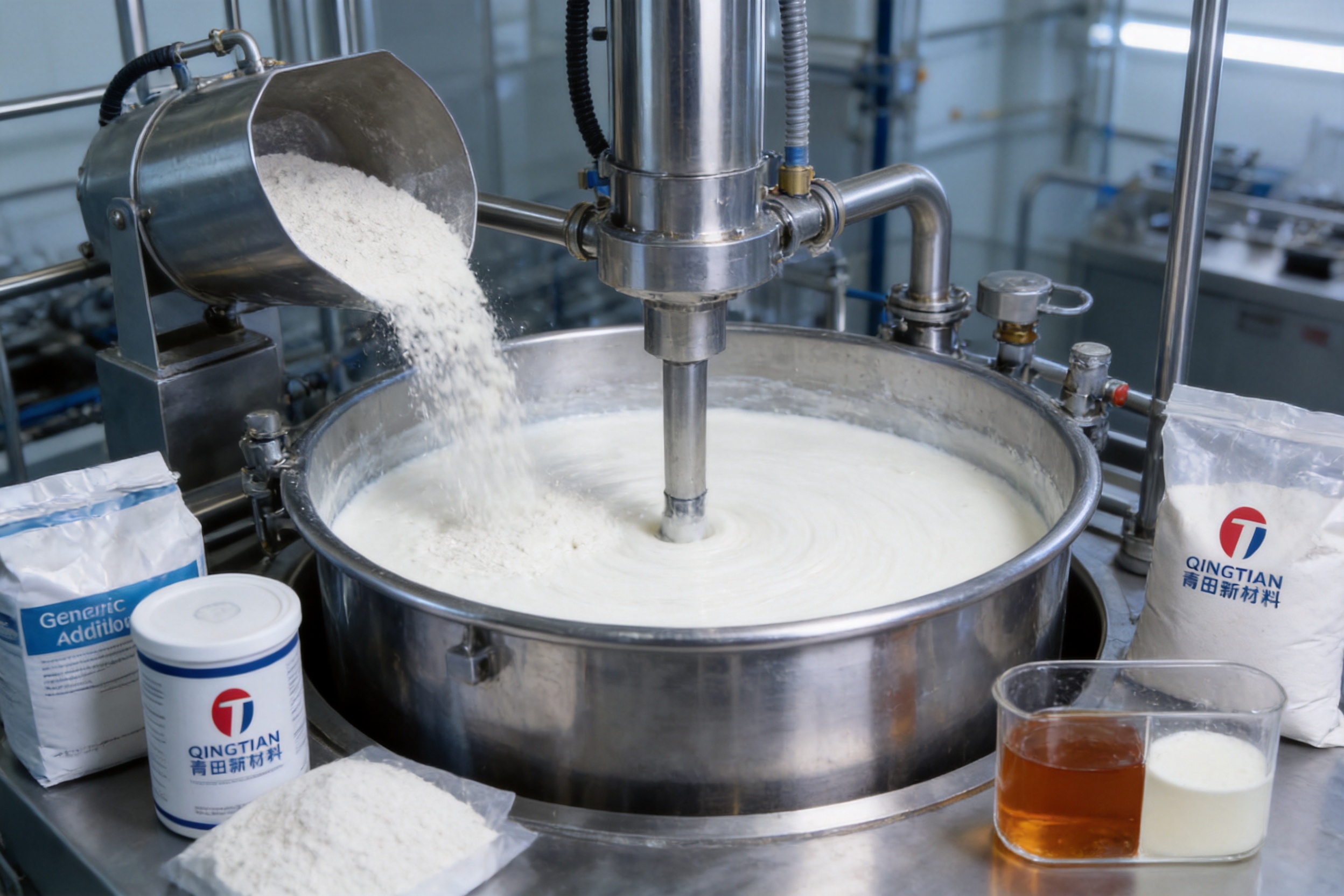
Customers can introduce DH-5038 through a staged qualification process. The first stage should confirm basic compatibility with the selected solvent and resin. The second should compare wetting and dispersion behavior with the current additive or control sample. The third should evaluate matting-powder loading, viscosity, storage stability, and final coating performance. The last stage should confirm performance under production conditions.
Plant trials are important because laboratory mixers may not reproduce the shear profile, residence time, heat transfer, and addition sequence of industrial equipment. A formulation that performs well in a small vessel may require adjustment when transferred to a larger batch. The supplier’s technical team can be consulted during scale-up to help organize testing and interpret the results.
Documentation should include the technical data sheet, safety data sheet, recommended storage conditions, packaging information, lot number, and applicable regulatory statements. Customers should also clarify the expected shelf life and handling requirements. For applications involving food packaging, medical products, children’s products, or other regulated markets, a complete compliance review is essential.
DH-5038 is a solvent-borne dispersant designed to improve the wetting and stability of silica, inorganic pigments, and fillers. It is especially useful in the manufacture of matting pastes and other coating systems containing mineral particles.
Its main function is to reduce interfacial tension between the liquid phase and solid particles, improve wetting, support mechanical deagglomeration, and help keep the particles stable after dispersion.
Yes. The product is specifically described as providing excellent wetting ability and stability for silica, making it suitable for silica-based matting powders and related inorganic materials.
It is designed to significantly increase the content of matting powder used in matting-paste manufacture. The actual loading level depends on the silica grade, resin, solvent, additive dosage, and processing equipment, so laboratory and pilot trials are recommended.
No. The product works with external mechanical force. It improves wetting and helps mechanical energy break down agglomerates more efficiently, but the equipment and processing conditions must still be suitable for the formulation.
The product information identifies inorganic pigments such as silica as a target application and also describes use with pigments and fillers more generally. Compatibility with a specific mineral should be confirmed in the intended resin and solvent system.
The manufactured slurries can be used in food packaging films according to the supplied information. However, suitability for a particular food-contact application must be confirmed through complete formulation testing and review of the regulations applicable in the target market.
It is described as non-toxic, environmentally friendly, and biodegradable. Customers should request current technical and safety documents and assess the environmental profile of the complete finished formulation.
The dosage should be optimized through a stepwise laboratory study. The evaluation should include wetting, viscosity, dispersion quality, gloss, storage stability, and redispersibility. The best dosage is the lowest practical level that meets the performance requirements.
A common starting approach is to add DH-5038 to part of the liquid phase before introducing silica or other inorganic powder gradually. The precise sequence should be adapted to the resin, solvent, equipment, and production process.
Useful tests include powder wetting, fineness of grind, particle-size distribution, viscosity, gloss, sedimentation, redispersibility, storage stability, surface appearance, and application performance on the intended substrate.
DH-5038 is manufactured and supplied by Suzhou Qingtian New Material Co., Ltd., a company specializing in raw materials for coatings, inks, and adhesives.
The company’s portfolio includes dispersants, leveling agents, defoamers, adhesion promoters, anti-settling agents, cooling agents, conductive agents, orange peel texture agents, texture powders, wax powders, and other coating and ink additives. Its R&D team, testing equipment, and modern production facility support application-oriented development.
DH-5038 Matting Agent Dispersant is a specialized solution for one of the most persistent challenges in solvent-borne coating formulation: achieving efficient and stable dispersion of silica and other inorganic particles. Its rapid reduction of interfacial tension promotes wetting, while its stabilization function helps particles remain evenly distributed after mechanical dispersion.
The product is particularly attractive for matting-paste manufacturers seeking higher matting-powder content, improved processing consistency, and greater flexibility in controlling gloss. Compared with less specialized dispersing approaches, it offers a more focused combination of silica wetting, agglomerate breakdown support, and post-dispersion stability. Its described non-toxic, biodegradable, and environmentally friendly characteristics also provide a useful environmental consideration, subject to complete regulatory verification.
The product is supported by Suzhou Qingtian New Material Co., Ltd.’s experience in coatings, inks, and adhesives, together with R&D resources, advanced testing equipment, modern manufacturing facilities, and a broad additive portfolio. These capabilities provide a strong foundation for consistent production and application support.
For the best results, customers should evaluate DH-5038 in the complete formulation and under actual processing conditions. Proper dosage, addition sequence, shear level, storage testing, and compatibility assessment are essential. When these factors are optimized, DH-5038 can help manufacturers produce more stable matting pastes and higher-quality solvent-borne coatings with consistent appearance and reliable performance.
1. Product information supplied for DH-5038 Matting Agent Dispersant, including its wetting, dispersion, stability, environmental, and matting-paste applications.
2. Company information supplied for Suzhou Qingtian New Material Co., Ltd., including its product portfolio, research capabilities, manufacturing development, and industry applications.
3. General principles of pigment and filler dispersion in solvent-borne coatings, including wetting, interfacial tension reduction, mechanical deagglomeration, and stabilization.
4. General formulation guidance for silica-based matting systems, coating viscosity control, gloss measurement, storage stability, and redispersibility evaluation.
5. General regulatory evaluation principles for coating additives used in plastic products and food packaging film applications.
 Wholesale Paint/ Coating Additives Manufacturers
Custom Industrial Chemical Solutions Suppliers
Wholesale Paint/ Coating Additives Manufacturers
Custom Industrial Chemical Solutions Suppliers