


 русский
 Español
 Français
Home / Author / Lu Xinzhi — Overseas Product Sales Specialist / Polymeric Wetting and Dispersing Agent for High-Gloss, High-Carbon-Black Solvent-Borne Coatings
Lu Xinzhi — Overseas Product Sales Specialist

Content
In high-performance coatings, inks, and color paste systems, pigment dispersion is one of the most decisive factors behind gloss, color strength, storage stability, viscosity control, film appearance, and long-term durability. A modern solvent-borne coating cannot rely only on resin quality or pigment selection; it also requires a dispersing additive that can wet pigment surfaces quickly, anchor strongly, reduce grinding viscosity, prevent re-agglomeration, and remain compatible with the final film-forming system. DH-6328 Polymeric Wetting and Dispersing Agent is designed for exactly this challenge. It is a linear aliphatic acrylic polyurethane polymeric hyperdispersant containing multiple anchoring groups, developed for demanding solvent-borne applications where carbon black and organic pigments require exceptional wetting, viscosity reduction, gloss, and storage stability.
DH-6328 is especially valuable in black paste formulations and high-grade coating systems that demand deep blackness, high jetness, reliable flow, and long-term color stability. Carbon black is one of the most difficult pigments to disperse because of its high surface area, strong particle attraction, and tendency to form networks that increase viscosity or create false thickening. In many formulations, raising carbon black content results in dramatic viscosity growth, unstable storage, poor flow, reduced gloss, and uneven color development. DH-6328 addresses these problems through strong pigment affinity, polymeric stabilization, and broad resin compatibility. In suitable black paste formulations, carbon black content can reach up to 20% while viscosity remains close to that of the monomer, with no obvious false-thickening phenomenon.
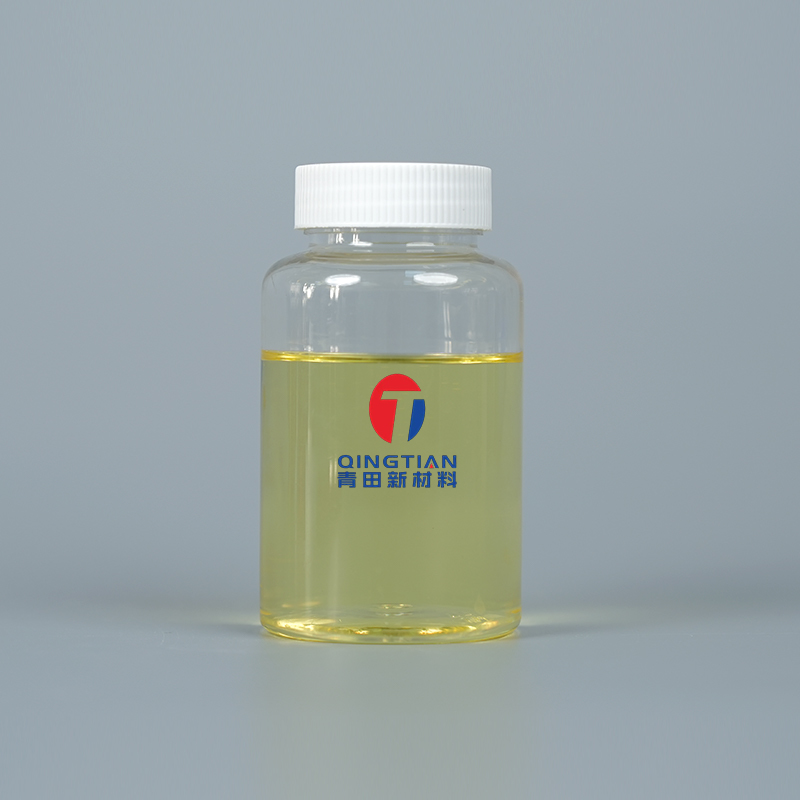
DH-6328 Polymeric Wetting and Dispersing Agent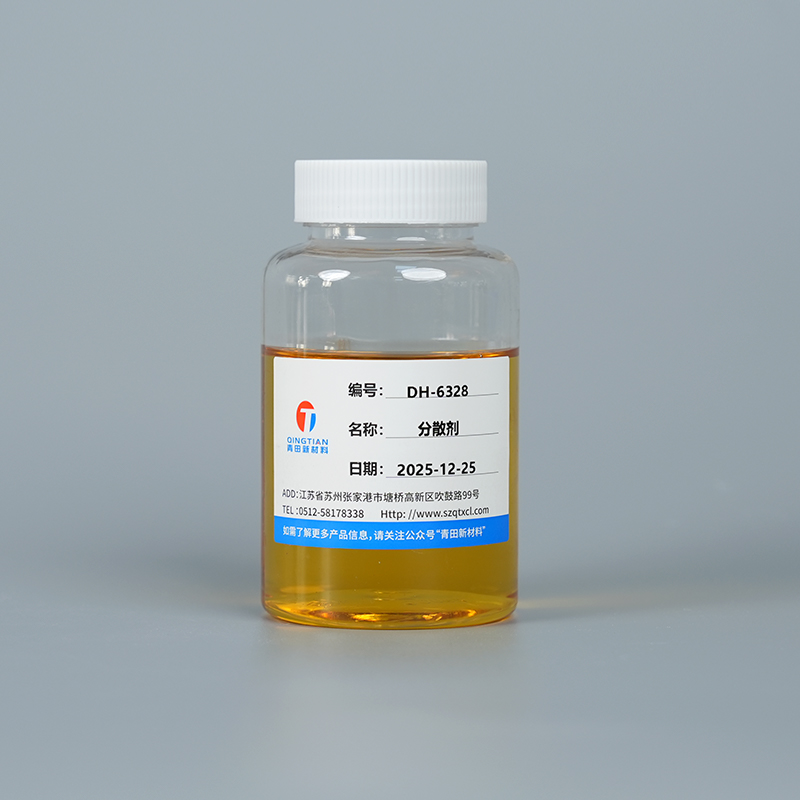
DH-6328 belongs to the category of solvent-borne dispersants and is built around a linear aliphatic acrylic polyurethane polymeric structure. This type of architecture is important because it combines the flexibility and compatibility of acrylic segments with the film-performance contribution of polyurethane chemistry. The molecule contains multiple anchoring groups, allowing it to attach effectively to pigment surfaces, including carbon black and a wide range of organic pigments. Once anchored, the polymeric chain extends into the surrounding medium and creates steric stabilization, reducing pigment-pigment attraction and helping maintain a fine, stable dispersion.
Unlike simple low-molecular-weight wetting agents that mainly reduce interfacial tension, DH-6328 functions as a hyperdispersant. It provides wetting, grinding efficiency, dispersion stabilization, anti-settling support, anti-floating, and anti-flooding benefits. Its polymeric nature helps it remain effective during production, storage, letdown, application, and film formation. This broad functionality makes it useful not only for pigment paste production but also for full coating systems where compatibility, durability, and appearance are essential.
The aliphatic polyurethane component contributes excellent weather resistance and helps avoid yellowing risks that can be associated with certain aromatic structures. The acrylic portion improves compatibility with many solvent-based resins and helps maintain clarity, gloss, and color development. Because the additive can participate in the coating’s film-forming reaction, it becomes integrated into the applied coating rather than behaving as a weakly bound migration-prone component. This is one reason it can support high-end performance without compromising final film properties.
The most important advantage of DH-6328 is its ability to combine strong wetting, outstanding viscosity reduction, and durable dispersion stability in difficult pigment systems. Many dispersants perform well in one area but compromise another. For example, an additive may lower viscosity during grinding but cause poor storage stability; another may stabilize pigments but reduce gloss or interfere with film properties. DH-6328 is designed to provide a balanced performance profile for advanced solvent-borne systems.
Its strong wettability allows pigment particles to be rapidly penetrated by the liquid medium. This shortens the time needed for grinding and helps achieve a finer particle distribution. A finer and more uniform dispersion supports higher gloss, stronger color development, and cleaner shade expression. For carbon black, this means deeper blackness, improved blue undertone where desired, and less hazy or grayish appearance. For organic pigments, it supports brightness, tinting strength, and stable color reproduction.
Another key benefit is viscosity reduction. In high-pigment-load pastes, viscosity can become a production and application barrier. Excessive viscosity reduces milling efficiency, limits pigment loading, increases solvent demand, and may create unstable flow behavior. DH-6328 can dramatically reduce viscosity in carbon black pastes, allowing higher pigment concentration without sacrificing processability. In optimized formulations, carbon black loading can reach up to 20%, while viscosity remains close to that of the monomer. This helps manufacturers produce concentrated pastes that are easier to store, transport, meter, and incorporate into coatings.
Storage stability is equally important. Pigment dispersions that appear successful immediately after grinding may later show settling, seeding, thickening, flocculation, or color drift. DH-6328 provides strong resistance to coarsening and helps maintain stable particle separation over time. Its ability to form hydrogen bonds with resins also contributes to anti-settling, anti-floating, and anti-flooding effects. This is valuable in multicolor systems, automotive coatings, industrial topcoats, and outdoor weather-resistant coatings where appearance defects cannot be tolerated.
Carbon black has a unique combination of properties that make it both valuable and difficult to formulate. It offers high tinting strength, excellent blackness, UV absorption, conductivity potential in selected grades, and strong visual depth. However, its particle morphology, high surface area, and strong aggregate interactions create severe dispersion challenges. The surface chemistry of carbon black may vary depending on production method, oxidation level, and structure. As a result, a dispersant must be able to wet the surface, attach strongly, and create a barrier that prevents re-agglomeration.
Without a high-performance dispersant, carbon black pastes often show false thickening. This occurs when pigment particles form a network that traps liquid and creates an apparent viscosity much higher than expected. False thickening causes processing difficulties, poor pumpability, unstable dosing, poor leveling, and reduced gloss. It can also lead to unpredictable viscosity changes during storage. DH-6328 is specifically highlighted for its strong viscosity reduction effect in black pastes and its ability to prevent false-thickening behavior under appropriate formulation conditions.
The ability to reach high carbon black content while keeping viscosity manageable provides significant commercial value. Higher pigment loading means less carrier resin or solvent is needed per unit of color strength. This can improve production efficiency and reduce storage volume. It also allows formulators to create stronger tinting pastes that can be used at lower dosage in final coatings. In competitive coating markets, these advantages can contribute to both performance improvement and cost optimization.
Gloss and color development are closely connected to dispersion quality. When pigment particles are well dispersed and uniformly distributed, the coating film can form a smoother surface and reflect light more evenly. Poor dispersion creates micro-roughness, flocculation, haze, and uneven color expression. DH-6328 supports high gloss by reducing pigment agglomerates and maintaining a stable fine dispersion. This is particularly important in automotive coatings, industrial topcoats, high-end plastic coatings, and decorative systems where visual quality is a major value driver.
Color development refers to how effectively a pigment expresses its intended shade, tinting strength, chroma, and depth in a coating system. Inadequately dispersed pigments may appear weaker, duller, or less clean than expected. For carbon black, color development is often judged by jetness, undertone, and hiding power. For organic pigments, it involves brightness, saturation, and shade precision. DH-6328 has been tested to show color development performance superior to similar well-known foreign products, giving formulators an opportunity to achieve premium results with a domestically supplied advanced additive.
This advantage is especially meaningful in global markets where coating producers seek alternatives to imported additives without lowering performance. A dispersant that can match or exceed established foreign products in color development, while also offering reliable supply and technical support, provides strong strategic value. DH-6328 is positioned for high-grade automotive coatings and outdoor weather-resistant coating systems, both of which require stringent visual and durability standards.
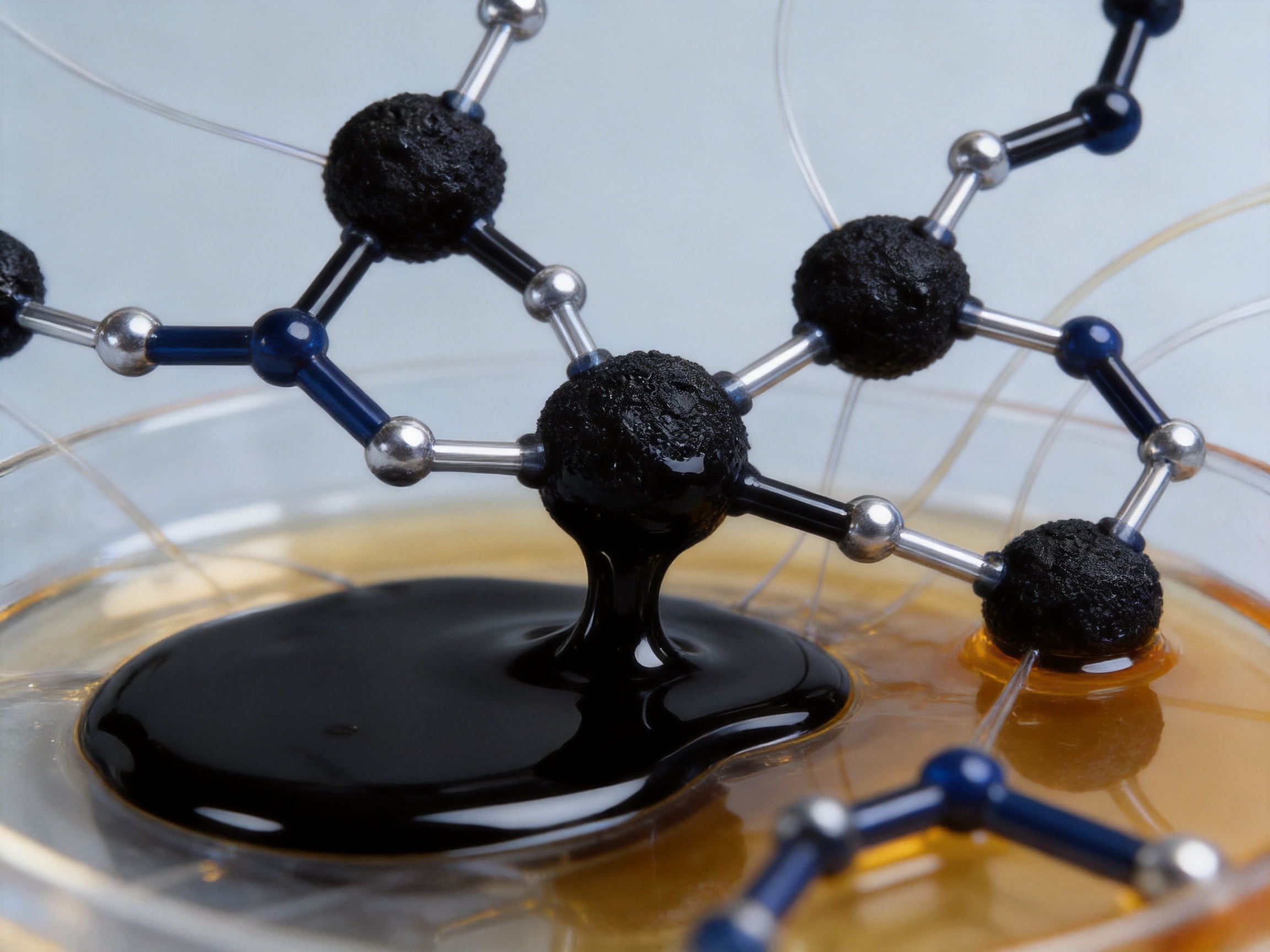
A dispersant must be compatible with the resin system in which it is used. Even a powerful pigment anchor can fail if the additive causes haze, phase separation, poor flow, reduced film hardness, lower adhesion, or surface defects. DH-6328 offers excellent compatibility with the vast majority of solvent-based resins and is fully applicable for low-, medium-, and high-polarity systems. This broad compatibility allows it to be used across many formulation platforms and reduces the need for multiple specialized dispersants.
Solvent-borne coatings may use acrylic resins, alkyds, polyesters, polyurethanes, amino resins, epoxy systems, vinyl resins, or hybrid systems. Each resin family has different polarity, solubility parameters, reactive groups, and film-forming behavior. DH-6328’s acrylic polyurethane polymeric structure helps bridge these differences. Its compatibility across polarity ranges allows formulators to use it in concentrated pigment pastes that may later be let down into different coating systems, provided compatibility is verified through standard testing.
Broad compatibility also reduces formulation risk. When a dispersant is too narrowly compatible, a pigment paste may work well in one resin but fail in another. This forces manufacturers to maintain separate paste inventories, increasing complexity and cost. A versatile dispersant such as DH-6328 can simplify production and support platform-based color paste development. It is especially helpful for manufacturers that supply coatings to multiple industries, such as automotive, coil coating, plastic coating, wood coating, anti-corrosion coating, glass coating, epoxy flooring, and printing ink applications.
One of the distinguishing features of DH-6328 is that it participates in the film-forming reaction of the coating system without affecting product performance. This is an important advantage because some additives remain mobile in the final film and may migrate to the surface, weaken adhesion, reduce water resistance, affect recoatability, or create long-term appearance defects. A dispersant that can become part of the film network provides more reliable durability.
In reactive or crosslinking solvent-borne coatings, film formation is not merely solvent evaporation. It often involves chemical reactions between resin components, curing agents, and functional groups. If an additive is compatible and reactive enough to become integrated into this network, it can reduce the risk of exudation or performance loss. DH-6328’s polymeric structure and functional design allow it to support pigment dispersion during processing while maintaining compatibility with curing and film development.
This feature is especially relevant for high-grade automotive and outdoor weather-resistant coatings. Such coatings face sunlight, temperature cycling, moisture, pollutants, mechanical stress, and cleaning chemicals. Additives that compromise film integrity can shorten service life or create warranty risk. DH-6328 is designed to preserve coating performance while enhancing pigment dispersion, making it suitable for demanding applications where both appearance and endurance matter.
Pigment instability in liquid coatings can appear in several forms. Settling occurs when pigments sink during storage and form hard sediment. Floating happens when one pigment separates and rises or concentrates at the surface, creating color unevenness. Flooding refers to pigment separation during application or film formation, often producing streaks, shade variation, or mottling. These problems are common in complex pigment blends and can be especially severe when pigments have different particle sizes, densities, surface chemistries, and affinities for the resin medium.
DH-6328 easily forms hydrogen bonds with resins, contributing to good anti-settling, anti-floating, and anti-flooding performance. Hydrogen bonding can help create a more uniform interaction network between pigment, dispersant, and resin. This reduces the tendency of different pigment particles to separate from each other. In practical coating production, this improves color consistency from batch to batch and during storage. It also reduces the need for excessive rheology modifiers that may negatively affect leveling or gloss.
These functions are valuable in automotive basecoats, industrial topcoats, metallic or solid-color systems, wood coatings, plastic coatings, and printing inks. A stable pigment distribution supports predictable application behavior and consistent final appearance. For manufacturers, fewer stability issues mean less rework, fewer customer complaints, and more efficient production.
Conventional wetting agents often rely on small molecules that reduce surface tension but do not provide strong long-term steric stabilization. They may help during the initial wetting stage but cannot prevent pigment flocculation during storage or film formation. Some older dispersants are effective only in limited resin polarity ranges, forcing formulators to make compromises. Others may work for inorganic pigments but perform poorly with carbon black or organic pigments. DH-6328 offers a more advanced balance because it combines multiple anchoring groups, polymeric steric stabilization, strong wetting, broad resin compatibility, and participation in film formation.
Against similar well-known foreign products, DH-6328 has demonstrated superior color development performance in tests. This means formulators can achieve stronger pigment expression, better gloss, and more attractive final appearance. In black systems, the viscosity reduction effect is a major differentiator. The ability to formulate high-carbon-black pastes up to 20% pigment content while keeping viscosity close to monomer levels is a practical advantage that directly affects manufacturing efficiency and formulation freedom.
Another competitive advantage is support from a specialized manufacturer with strong coating additive expertise. Suzhou Qingtian New Material Co., Ltd. focuses on raw materials for coatings, inks, and adhesives, rather than treating dispersants as a side category. This specialization allows the company to understand real formulation problems, production constraints, and performance requirements across multiple industries. Its product portfolio includes dispersants, leveling agents, defoamers, adhesion promoters, anti-settling agents, cooling agents, conductive agents, orange peel texture agents, texture powders, and wax powders. Such breadth enables integrated additive solutions instead of isolated product supply.
| Performance Area | DH-6328 Advantage | Practical Benefit for Formulators |
|---|---|---|
| Carbon black wetting | Multiple anchoring groups and strong pigment affinity | Faster dispersion, deeper blackness, improved tinting strength |
| Viscosity control | Strong viscosity reduction in black pastes | Higher pigment loading, easier milling, improved pumpability |
| Storage stability | Polymeric stabilization and resistance to coarsening | Reduced flocculation, lower sediment risk, better shelf life |
| Gloss and appearance | Fine dispersion and strong color development | High-gloss films, clean shade, premium visual quality |
| Resin compatibility | Applicable to low-, medium-, and high-polarity solvent-based systems | Broad formulation flexibility and simplified paste platforms |
| Film performance | Participates in film-forming reaction | Reduced migration risk and reliable coating durability |
| Defect prevention | Hydrogen bonding with resins supports anti-settling, anti-floating, and anti-flooding | More uniform color and better storage/application consistency |
DH-6328 is suitable for solvent-borne pigment pastes and coating systems where difficult pigments must be dispersed to a high standard. Its strongest application area is carbon black dispersion, especially in high-gloss and high-pigment black pastes. These pastes can be used in automotive coatings, industrial coatings, outdoor weather-resistant coatings, plastic coatings, coil coatings, wood coatings, anti-corrosion systems, and printing inks. The product can also support organic pigment dispersion where color strength, brightness, and stability are required.
In automotive coatings, the demand for high jetness, gloss, weather resistance, and batch-to-batch color accuracy is extremely strict. A slight difference in pigment dispersion can cause visible shade mismatch or reduced depth. DH-6328 helps achieve stable color development and fine pigment distribution, supporting premium appearance. Its weather resistance and film compatibility are especially important for exterior automotive applications.
In outdoor industrial coatings, pigments must remain stable under sunlight, rain, temperature variation, and environmental exposure. Poor dispersion can accelerate color fading, chalking, or gloss loss. DH-6328’s aliphatic acrylic polyurethane structure and resistance to coarsening help maintain performance in durable coating systems. In anti-corrosion coatings, stable pigment dispersion can also support film uniformity and reduce weak spots.
In plastic coatings and high-gloss decorative finishes, surface appearance is critical. Fine dispersion reduces specks, haze, and orange peel-like visual defects related to pigment agglomeration. In printing inks, strong wetting and viscosity control are beneficial for color density, transfer behavior, and storage stability. In epoxy flooring or industrial flooring systems, stable black and colored pigment pastes help maintain uniform color across large applied areas.
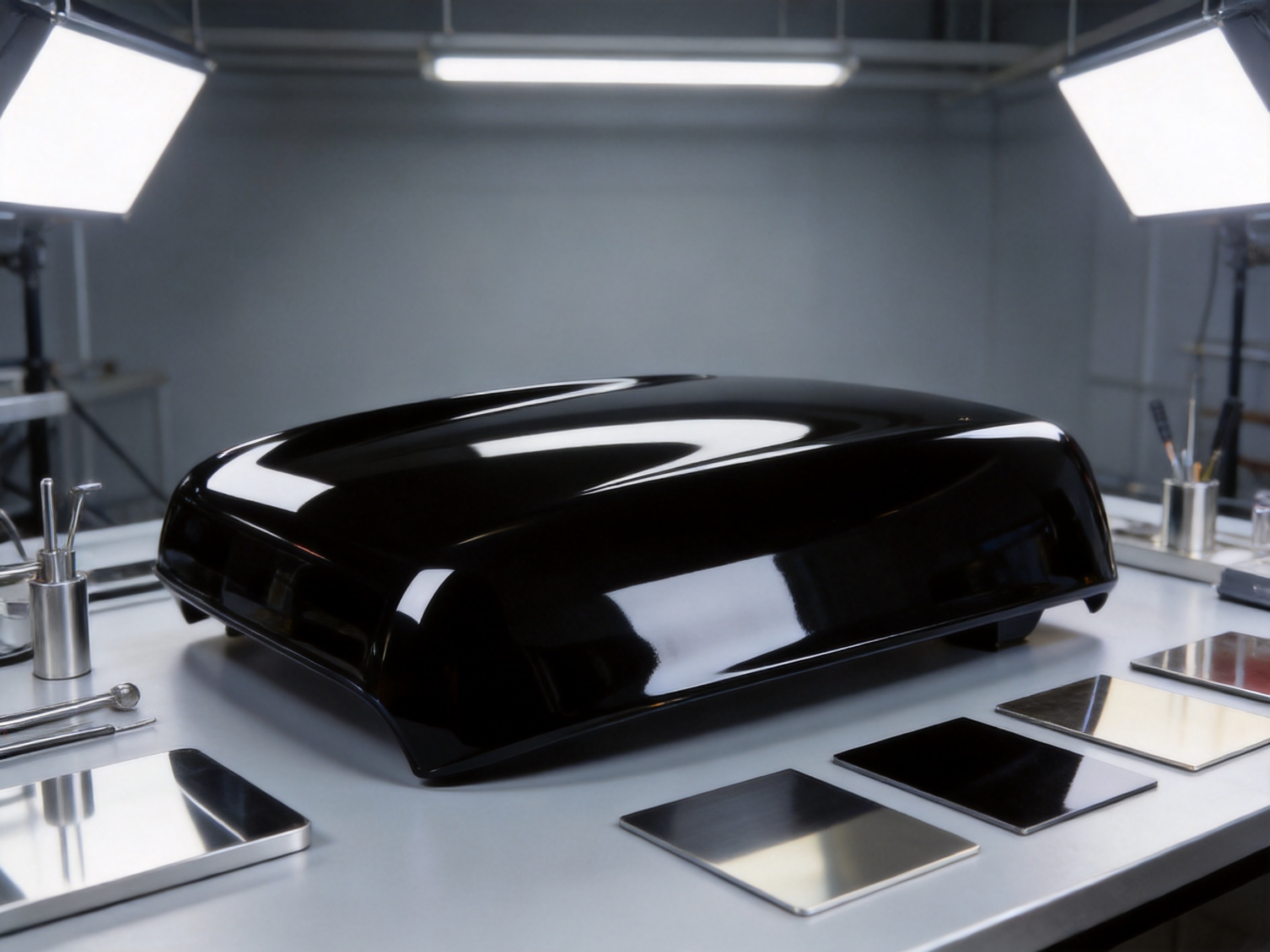
The performance of a polymeric dispersant depends not only on molecular design but also on manufacturing control. Suzhou Qingtian New Material Co., Ltd. was founded in 2012 and has developed into a professional company specializing in raw materials for coatings, inks, and adhesives. Its growth is supported by an experienced team that includes R&D experts, sales professionals, and a modern production facility. Advanced testing equipment and strong research capabilities allow the company to develop additives that address real industrial formulation problems.
Producing a consistent polymeric hyperdispersant requires precise control of raw material selection, reaction conditions, molecular weight distribution, functional group balance, solvent compatibility, and quality testing. Small variations in these parameters can affect viscosity reduction, anchoring strength, color development, and stability. A manufacturer with strong R&D and production discipline can ensure that each batch performs reliably in customer formulations. This is essential for coating manufacturers that depend on stable additive quality for continuous production.
The company’s move to Lingrui Intelligent Manufacturing Park in Zhangjiagang High-Tech Zone in 2021 strengthened its R&D and production capacity. A modern production environment supports better process control, scale-up reliability, and quality assurance. Combined with advanced testing, this helps ensure that products such as DH-6328 are not only effective in laboratory conditions but also practical in industrial production.
Recognition as a National High-Tech Enterprise in 2020 reflects the company’s emphasis on innovation and technology development. Its earlier achievement of creating China’s first ice flower resin in 2016 also shows its ability to develop specialized materials rather than simply imitate existing products. For customers, this background means access to a supplier that can provide technical problem-solving, customized solutions, and continuous product improvement.
High-quality dispersant manufacturing requires a structured process from laboratory development to production release. The process begins with understanding pigment surface requirements and resin compatibility targets. R&D teams design polymer structures with suitable anchoring groups, chain length, polarity, and reactive features. Laboratory synthesis is followed by performance testing in representative pigment systems, including carbon black and organic pigments. Key tests may include grinding viscosity, particle size distribution, gloss, color strength, storage stability, compatibility, and film appearance.
During production, reaction temperature, addition sequence, mixing efficiency, solvent environment, and reaction completion must be tightly controlled. For a polymeric dispersant like DH-6328, molecular architecture is central to performance. If the polymer is too short, steric stabilization may be insufficient; if it is too long or poorly compatible, it may increase viscosity or create haze. If anchoring group density is too low, pigment attachment may be weak; if too high, resin compatibility may suffer. Advanced process control helps maintain the optimized balance.
Quality assurance also includes batch testing to confirm that the product meets internal specifications. Because dispersants are performance additives, application testing is especially important. A product may meet basic chemical indicators but still fail in a difficult pigment paste. Therefore, practical dispersion tests, storage evaluations, and compatibility checks are vital. The company’s testing capabilities support this application-driven approach, helping customers receive products with predictable performance.
When using DH-6328, formulators should incorporate it into the grinding stage so it can fully wet and anchor onto the pigment surface. The exact dosage depends on pigment type, pigment surface area, carbon black structure, resin system, solvent blend, and target viscosity. Carbon black usually requires a higher dispersant demand than many inorganic pigments because of its surface area and complex aggregate structure. Organic pigments also vary widely in dispersant demand.
A typical development approach is to prepare a dosage ladder. The formulator evaluates viscosity, particle size, gloss, color strength, storage stability, and letdown compatibility at different additive levels. The optimum dosage is often the point where viscosity is minimized, color strength is maximized, and storage stability remains strong without negative effects on film properties. Under-dosing may lead to flocculation, high viscosity, or poor color; over-dosing may affect drying, compatibility, or coating resistance depending on the system.
Good milling practice remains important. DH-6328 improves wetting and stabilization, but grinding equipment, bead size, milling time, temperature control, and dispersion sequence still influence final results. For high-carbon-black pastes, sufficient shear and residence time are needed to break aggregates and allow the dispersant to stabilize newly created surfaces. Temperature should be controlled to avoid solvent loss, viscosity drift, or resin damage. After grinding, the paste should be evaluated both immediately and after accelerated storage.
In letdown, the pigment paste should be mixed gradually into the final resin system while monitoring compatibility. Because DH-6328 has broad compatibility across low-, medium-, and high-polarity solvent-based systems, it offers flexibility; however, every commercial formulation should still be tested under actual conditions. Final coating evaluations should include gloss, color, leveling, adhesion, hardness, resistance properties, and aging performance.
For coating manufacturers, DH-6328 provides value in several ways. First, it improves production efficiency by reducing grinding viscosity and allowing higher pigment loading. Lower viscosity can improve milling throughput, reduce energy demand, and make handling easier. Higher pigment concentration can reduce storage and transportation volume for color pastes. Second, it improves product quality by enhancing gloss, color development, and stability. Third, it reduces risk by helping prevent sedimentation, floating, flooding, and coarsening.
Another important value is formulation simplification. Because DH-6328 is compatible with many solvent-based resins and polarity ranges, manufacturers may be able to reduce the number of dispersants needed in their portfolio. This simplifies raw material management, purchasing, inventory, and quality control. It also helps technical teams develop universal or semi-universal pigment paste platforms for multiple coatings.
For customers seeking alternatives to imported additives, DH-6328 offers a strong option. Its tested color development performance is superior to similar well-known foreign products, and it is backed by a manufacturer with dedicated R&D and production resources. Local or regional supply advantages can also improve responsiveness, technical communication, lead time, and customization opportunities.
Suzhou Qingtian New Material Co., Ltd. serves coating, ink, and adhesive industries with a broad additive portfolio. This wide technical base is important because coating performance problems rarely involve only one additive. A formulation may need a dispersant, defoamer, leveling agent, adhesion promoter, anti-settling agent, wax powder, or texture additive working together. Understanding these interactions allows the company to support customers with more complete solutions.
The company’s product applications cover steel and aluminum coil coatings, plastic coatings, UV curing systems, anti-corrosion coatings, wood coatings, glass coatings, epoxy flooring, printing inks, power batteries, photovoltaic panels, and other industries. This broad market exposure gives the technical team insight into different resin chemistries, application methods, curing conditions, and performance standards. Such experience is valuable when recommending DH-6328 or adjusting its use for specific customer requirements.
The company emphasizes innovation, quality, service, and win-win cooperation. For customers, this means support beyond product shipment. Technical service may include additive selection, comparative testing, dosage optimization, troubleshooting, and formulation adjustment. In competitive coating markets, the ability to quickly solve technical problems can be as important as the additive itself.
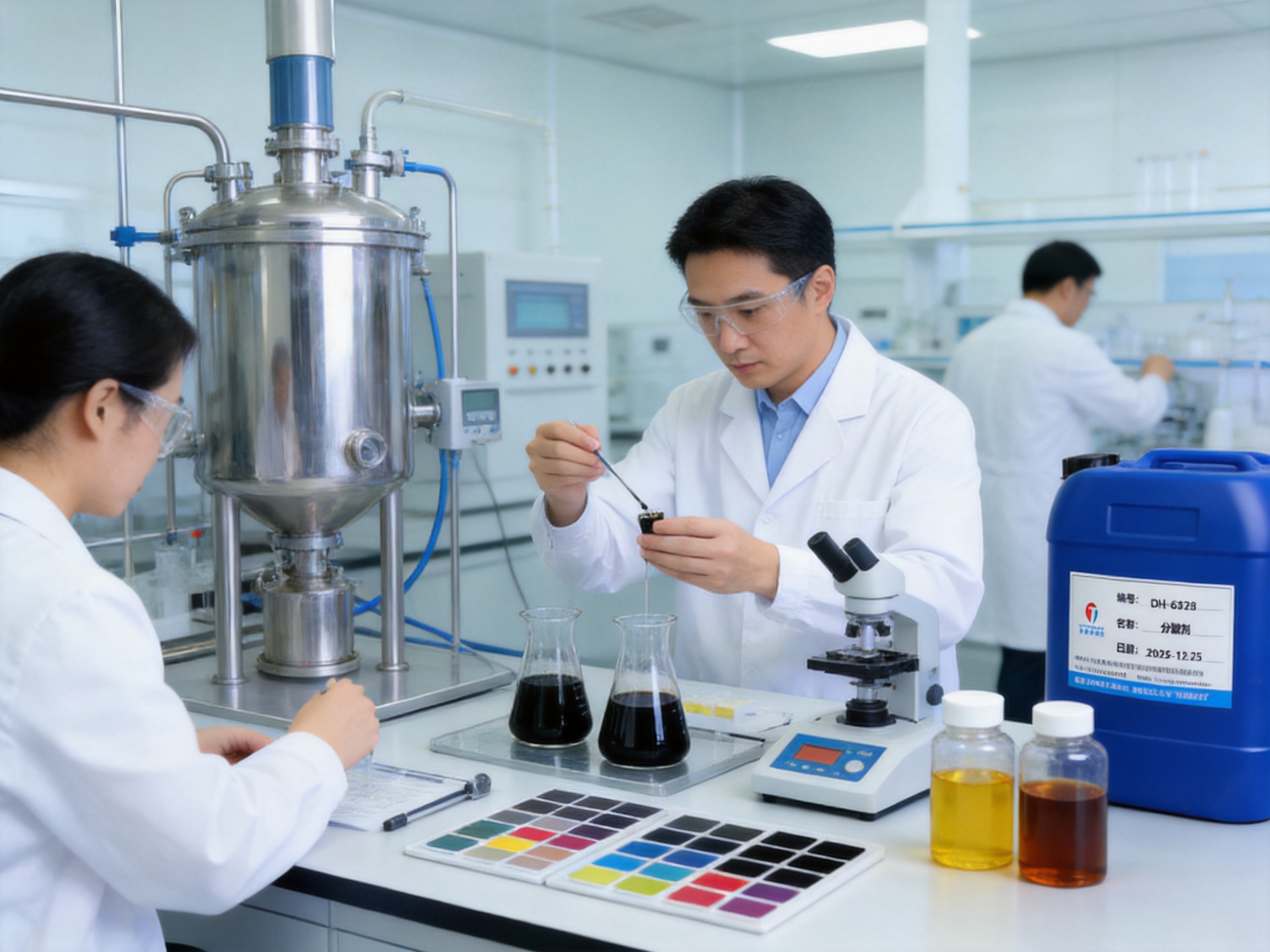
DH-6328 is a polymeric wetting and dispersing agent for solvent-borne systems. It is a linear aliphatic acrylic polyurethane polymeric hyperdispersant with multiple anchoring groups, designed to wet and stabilize carbon black and organic pigments.
Carbon black is difficult to disperse because it has a high surface area and strong particle attraction. DH-6328 provides strong pigment wetting, multiple anchoring interactions, and polymeric stabilization. It can significantly reduce viscosity in black pastes and helps prevent false thickening.
In optimized black paste formulations, carbon black content can reach up to 20%, while the viscosity remains close to that of the monomer and without obvious false-thickening phenomena.
Yes. By improving pigment dispersion and reducing agglomeration, DH-6328 supports high-gloss color pastes and coating films. A finer and more stable pigment distribution helps produce smoother films and better light reflection.
Testing has shown that DH-6328 provides color development performance superior to similar well-known foreign products. It also offers strong viscosity reduction in carbon black pastes, broad solvent-based resin compatibility, and excellent storage stability.
Yes. DH-6328 has excellent compatibility with the vast majority of solvent-based resins and can be applied in low-, medium-, and high-polarity systems. Formulators should still conduct compatibility tests in their specific formulations.
DH-6328 can participate in the film-forming reaction of the coating system without affecting product performance. This helps reduce the risk of migration and supports durable coating films.
DH-6328 helps resist pigment coarsening and supports storage stability. It can also form hydrogen bonds with resins, providing anti-settling, anti-floating, and anti-flooding functions.
It is suitable for high-grade automotive coatings, outdoor weather-resistant coatings, solvent-borne color pastes, black pastes, plastic coatings, coil coatings, wood coatings, anti-corrosion coatings, epoxy flooring systems, and printing inks where high gloss and stable pigment dispersion are required.
The recommended approach is to run a dosage ladder based on pigment type, pigment surface area, resin system, solvent blend, and target performance. Viscosity, particle size, gloss, color strength, storage stability, and letdown compatibility should be evaluated to determine the optimum dosage.
DH-6328 Polymeric Wetting and Dispersing Agent is a high-performance solution for solvent-borne pigment dispersion, especially for carbon black and organic pigments. Its linear aliphatic acrylic polyurethane polymeric structure, multiple anchoring groups, strong wettability, and excellent resin compatibility allow it to solve some of the most difficult problems in pigment paste formulation. In black pastes, it provides remarkable viscosity reduction and enables carbon black contents up to 20% under suitable conditions while avoiding false thickening. It also supports high gloss, excellent color development, storage stability, weather resistance, and resistance to pigment coarsening.
Compared with conventional dispersants and similar well-known foreign products, DH-6328 offers a strong combination of performance and practical formulation value. Its superior color development, broad compatibility across solvent-based resin polarities, participation in film formation, and anti-settling, anti-floating, and anti-flooding functions make it suitable for high-grade automotive coatings, outdoor durable coatings, industrial finishes, printing inks, and demanding color paste systems.
The product is supported by the manufacturing and R&D strengths of Suzhou Qingtian New Material Co., Ltd., a professional additive supplier for coatings, inks, and adhesives. With a modern production facility, advanced testing equipment, experienced technical teams, and a history of innovation, the company provides not only a product but also a reliable technical foundation for customers seeking consistent quality and customized coating additive solutions. For manufacturers aiming to improve pigment dispersion, reduce viscosity, enhance gloss, and build stable high-performance solvent-borne coatings, DH-6328 is a compelling choice.
1. Lambourne, R., and Strivens, T. A. Paint and Surface Coatings: Theory and Practice. Woodhead Publishing.
2. Wicks, Z. W., Jones, F. N., Pappas, S. P., and Wicks, D. A. Organic Coatings: Science and Technology. Wiley.
3. Bieleman, J. Additives for Coatings. Wiley-VCH.
4. Braun, J. H. Pigment Dispersion in Industrial Coatings. Federation of Societies for Coatings Technology.
5. Technical literature on polymeric dispersants, pigment wetting, carbon black stabilization, and solvent-borne coating formulation principles.
 Wholesale Paint/ Coating Additives Manufacturers
Custom Industrial Chemical Solutions Suppliers
Wholesale Paint/ Coating Additives Manufacturers
Custom Industrial Chemical Solutions Suppliers