русский
 Español
 Français
Home / Author / Lu Xinzhi — Overseas Product Sales Specialist / High-Performance Polymeric Dispersants for High-Gloss Solvent-Based Coatings
Lu Xinzhi — Overseas Product Sales Specialist

Content
Modern solvent-based coatings must satisfy increasingly demanding requirements for appearance, durability, processing efficiency, and long-term storage stability. Automotive finishes, outdoor protective coatings, industrial metal coatings, plastic coatings, wood coatings, and high-quality printing inks all depend on the controlled distribution of pigments throughout a liquid binder system. When pigment particles are not properly wetted and stabilized, the coating may suffer from excessive viscosity, poor color development, low gloss, floating and flooding, settling, flocculation, coarsening, and inconsistent application performance.
DH-6328 Polymeric Wetting and Dispersing Agent is designed to address these challenges through a linear aliphatic acrylic polyurethane polymeric structure containing multiple anchoring groups. It is classified as a solvent-borne dispersant and is especially suitable for demanding pigment concentrates and coating systems in which carbon black, organic pigments, high color strength, high gloss, and long-term stability are important.
The product combines strong pigment wetting, steric stabilization, viscosity reduction, broad resin compatibility, and assistance with anti-settling and anti-flooding performance. Its particularly notable application is in black pastes containing a high concentration of carbon black. According to the supplied product information, carbon black content can reach up to 20% while the paste viscosity remains close to that of the monomer, without the false-thickening behavior commonly associated with highly concentrated pigment systems.
These capabilities make DH-6328 a practical choice for formulators seeking to improve pigment dispersion without sacrificing appearance, weather resistance, resin compatibility, or production flexibility. The product is manufactured and supplied by Suzhou Qingtian New Material Co., Ltd., a company specializing in raw materials for coatings, inks, and adhesives and supported by research, testing, production, and technical service capabilities.
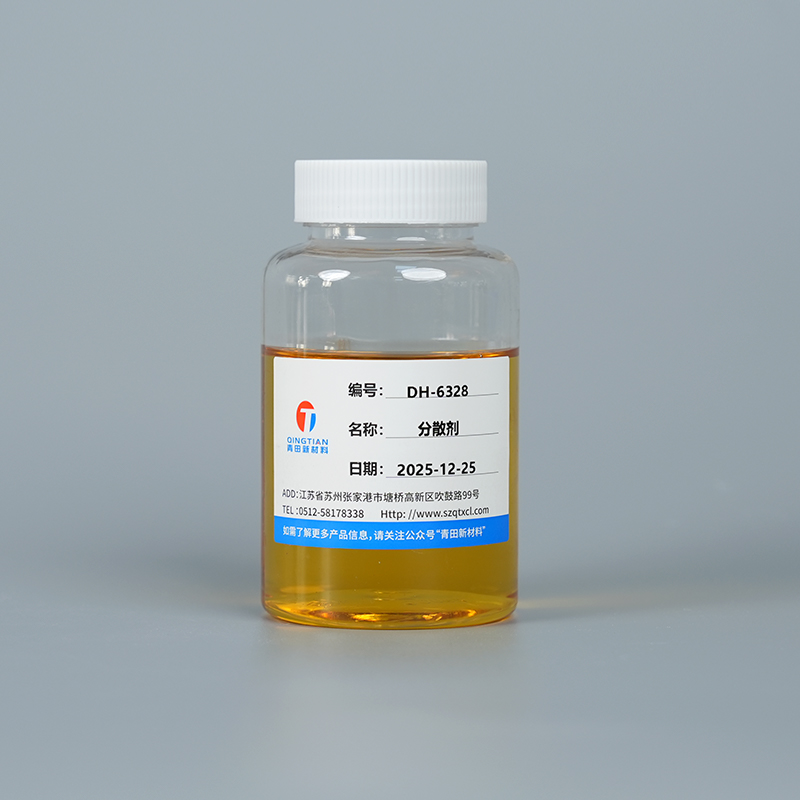
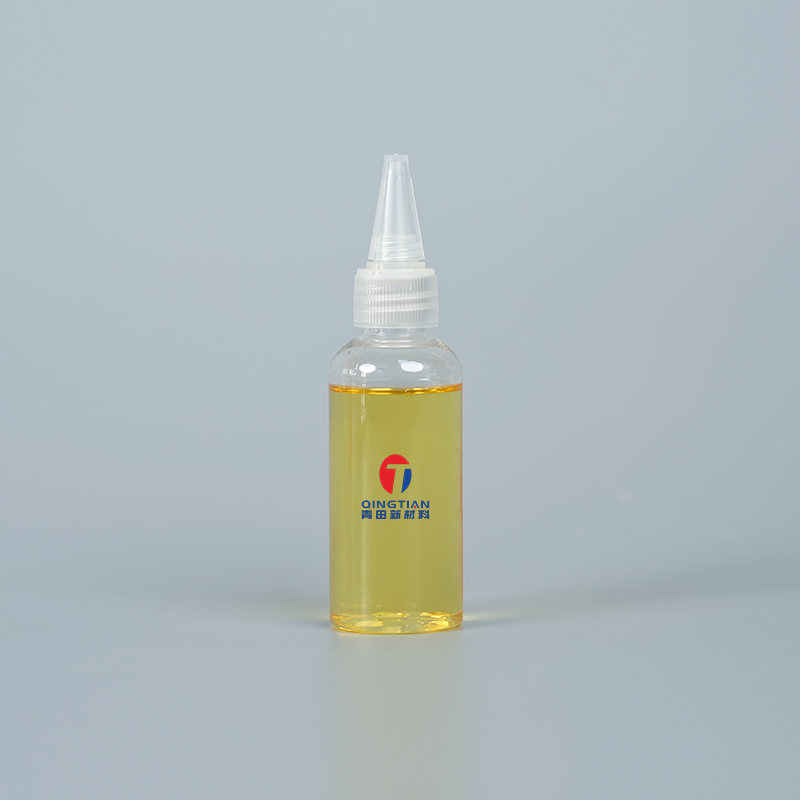
DH-6328 Polymeric Wetting and Dispersing Agent
Pigments are finely divided solid materials that must be incorporated into a liquid coating or ink vehicle. Their surfaces possess high surface energy and naturally tend to attract one another. As a result, dry pigment particles can form agglomerates during storage, handling, and mixing. A conventional mixing process may break some of these agglomerates apart, but mechanical energy alone is often insufficient to produce a stable and permanently uniform dispersion.
A wetting and dispersing agent performs several functions during pigment incorporation. First, it helps the liquid vehicle spread across the pigment surface. Improved wetting allows the liquid phase to enter pigment agglomerates more effectively and reduces the energy needed for deagglomeration. Second, the dispersant adsorbs onto the pigment surface through anchoring groups. Third, the solvated polymeric portions extend into the surrounding liquid and help prevent neighboring pigment particles from approaching one another too closely.
This stabilization mechanism is particularly important in solvent-borne coatings. The resin, solvent blend, pigment type, and additive package must work together within a specific polarity range. If the dispersant is not sufficiently compatible with the vehicle, it may produce haze, viscosity instability, poor gloss, weak color development, or separation during storage. A high-performance dispersant must therefore offer not only strong pigment affinity but also compatibility with a broad range of binder and solvent environments.
DH-6328 is based on a linear aliphatic acrylic polyurethane polymeric structure with multiple anchoring groups. This architecture is intended to provide effective adsorption onto carbon black and organic pigments while maintaining compatibility with solvent-based resin systems. The product is not simply a surface-wetting additive. It is a polymeric hyperdispersant designed to support pigment deagglomeration, stabilization, flow improvement, color development, and storage performance within the final formulation.
| Item | Product Information |
|---|---|
| Product | DH-6328 Polymeric Wetting and Dispersing Agent |
| Product category | Solvent-borne dispersant |
| Polymer type | Linear aliphatic acrylic polyurethane polymeric hyperdispersant |
| Functional structure | Multiple anchoring groups for pigment interaction |
| Primary pigment focus | Carbon black and organic pigments |
| Key visual benefits | High gloss and strong color development |
| Rheology benefit | Strong viscosity reduction, especially in black pastes |
| Stability benefits | Anti-settling, anti-floating, anti-flooding, and resistance to coarsening |
| Resin compatibility | Suitable for low-, medium-, and high-polarity solvent-borne systems |
| Representative applications | Automotive coatings, outdoor weather-resistant coatings, pigment concentrates, and solvent-based coating systems |
Carbon black presents a particular challenge to coating formulators. It has a very high surface area and strong interparticle attraction, so it can rapidly increase viscosity when incorporated at elevated concentrations. Poorly dispersed carbon black may also create weak color development, gloss loss, haze, surface defects, and inconsistent tinting strength.
DH-6328 is formulated to provide strong wettability for carbon black and other organic pigments. The multiple anchoring groups in the polymeric structure help the additive associate with pigment surfaces, while the compatible polymer chain supports stabilization in the surrounding solvent and resin phase. Improved wetting promotes more efficient pigment incorporation and can reduce the formation of persistent agglomerates.
For organic pigments, effective wetting is equally important because many high-performance pigments have strong crystal structures and surface characteristics that make them difficult to disperse. A dispersant that works effectively across carbon black and organic pigments can simplify additive selection and reduce the need to maintain multiple specialized products for different color families.
One of the most important advantages of DH-6328 is its viscosity reduction effect in black paste formulations. High-pigment pastes frequently experience a sharp increase in viscosity as pigment concentration rises. This increase may be caused by particle networking, incomplete deagglomeration, insufficient wetting, or interaction between pigment surfaces and the binder.
According to the supplied product information, black paste formulations can contain up to 20% carbon black while maintaining viscosity close to that of the monomer. The product is also described as avoiding false thickening. This is a significant advantage for manufacturers producing concentrated pigment bases, because lower viscosity can improve pumping, transfer, mixing, filtration, filling, and dosing operations.
Lower paste viscosity can also provide greater formulation flexibility. A manufacturer may be able to prepare more concentrated pigment pastes, reduce the amount of carrier resin required, or improve the efficiency of pigment incorporation. The precise result will depend on pigment surface area, pigment grade, solvent selection, resin chemistry, additive level, and milling conditions, so laboratory validation remains essential. Nevertheless, the product’s intended performance provides a strong starting point for high-load black formulations.
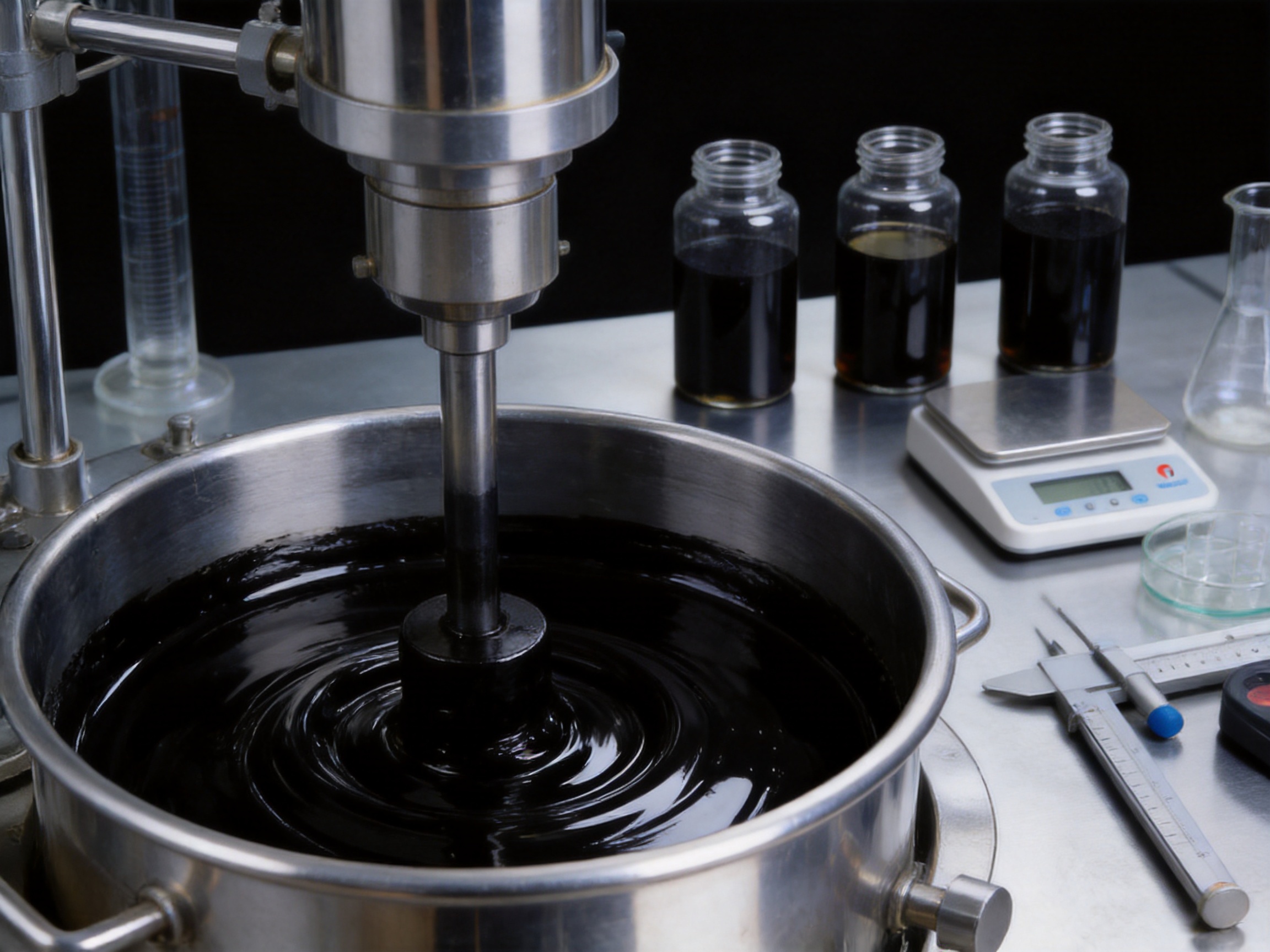
Gloss is strongly influenced by surface smoothness and the quality of pigment dispersion. Large agglomerates, flocculated pigment clusters, and microscopic surface irregularities can scatter light and reduce gloss. In high-end automotive coatings and other appearance-sensitive applications, even small changes in dispersion quality may be visible after application and curing.
By supporting improved wetting and stabilization, DH-6328 helps create a more uniform pigment distribution. A well-dispersed pigment phase can contribute to a smoother coating film, more consistent reflectivity, and improved visual depth. The product information specifically identifies high gloss as a key feature, making it suitable for finishes in which appearance is a primary performance criterion.
High gloss is particularly valuable in automotive topcoats, black coatings, decorative metal finishes, premium plastic coatings, and exterior systems that require a clean, uniform appearance. When combined with appropriate resin selection, surface preparation, application conditions, and curing, a suitable dispersant can help the formulator achieve a more consistent final surface.
Color development refers to the ability of a pigment to display its intended color strength, tone, depth, and visual saturation in the final coating. Inadequate dispersion can cause pigments to remain trapped in agglomerates, limiting their effective surface area and reducing their contribution to the apparent color. This problem is especially noticeable with carbon black, where dispersion quality can affect blackness, undertone, gloss, and tinting strength.
DH-6328 is designed to improve color development in carbon black and organic pigment systems. The supplied information reports that its color development performance has tested better than that of similar well-known foreign products. Such a statement should be verified by users under their own formulation and processing conditions, but it indicates the product’s intended competitive position in high-performance pigment dispersion.
Improved color development can offer several practical benefits. A formulator may achieve a target shade with a lower pigment loading, obtain greater consistency from batch to batch, or improve the visual richness of a coating. In tinting systems, stronger and more reproducible color development can also simplify color adjustment and reduce correction work during production.
Coarsening describes the growth or re-formation of larger pigment structures after initial dispersion. It may occur during storage, transportation, or extended residence in a tank. Coarsening can result in reduced color strength, lower gloss, increased viscosity, roughness, and filtration difficulties.
DH-6328 is described as resistant to coarsening and capable of supporting good storage stability. This property is important for pigment concentrates that may be manufactured in advance and used over an extended period. It is also valuable in large-scale coating production, where a batch may not be consumed immediately after dispersion.
Storage stability should always be confirmed through accelerated and real-time testing. Relevant evaluations may include viscosity measurement, fineness of grind, color strength, gloss, particle-size distribution, sedimentation behavior, and visual inspection after storage. These tests help determine whether the product provides the required stability in a particular resin and solvent environment.
Pigment settling occurs when solid particles migrate downward under gravity. The risk increases with high pigment loading, high pigment density, low continuous-phase viscosity, inadequate particle stabilization, and prolonged storage. Hard settling is especially undesirable because the sediment may become difficult to redisperse and can create batch losses or lengthy reprocessing.
DH-6328 can form hydrogen bonds with resins, according to the supplied product description. This interaction contributes to anti-settling behavior by supporting a more stable pigment-resin structure. The dispersant is therefore intended to assist not only during milling but also during the subsequent storage and use of the coating.
The exact settling behavior will depend on the complete formulation. A dispersant should not be expected to replace all rheology control measures in every system. However, its ability to contribute to pigment stabilization and resin interaction can reduce the burden placed on other additives and help the formulator develop a more balanced additive package.
Floating and flooding are color-uniformity defects that occur when different pigment populations separate or migrate during application and film formation. Floating may produce uneven color across the surface, while flooding can cause localized concentration differences, streaks, or patchy appearance. These defects are particularly problematic in multi-pigment systems and large-area applications.
DH-6328 is designed to provide anti-floating and anti-flooding functions through its interaction with pigment surfaces and resin components. By helping maintain a more uniform dispersion throughout the liquid coating and during film formation, the additive can support consistent color distribution.
For formulators, this benefit can be important when developing complex colors, metallic or organic pigment combinations, and coatings applied over large panels. Anti-floating performance should be assessed through drawdowns, spray panels, flash-off studies, and cured-film color measurements rather than inferred solely from liquid appearance.
Solvent-borne coatings use resins with different polarity, molecular weight, functionality, and curing mechanisms. A dispersant that performs well in one binder may cause compatibility problems in another. Typical warning signs include haze, separation, loss of gloss, poor flow, excessive viscosity, or changes in drying and curing behavior.
DH-6328 is described as compatible with the vast majority of solvent-based resins and applicable to low-, medium-, and high-polarity systems. This broad compatibility is an important advantage because it enables formulators to evaluate one dispersant across a wider range of product platforms.
Broad compatibility can simplify raw-material management and reduce the number of additive grades that must be stocked. It may also shorten development cycles when a company produces several coating families based on different resin technologies. As with all additive selection, compatibility should be confirmed through clear-coat blends, pigment concentrates, let-down tests, storage trials, and cured-film evaluations.
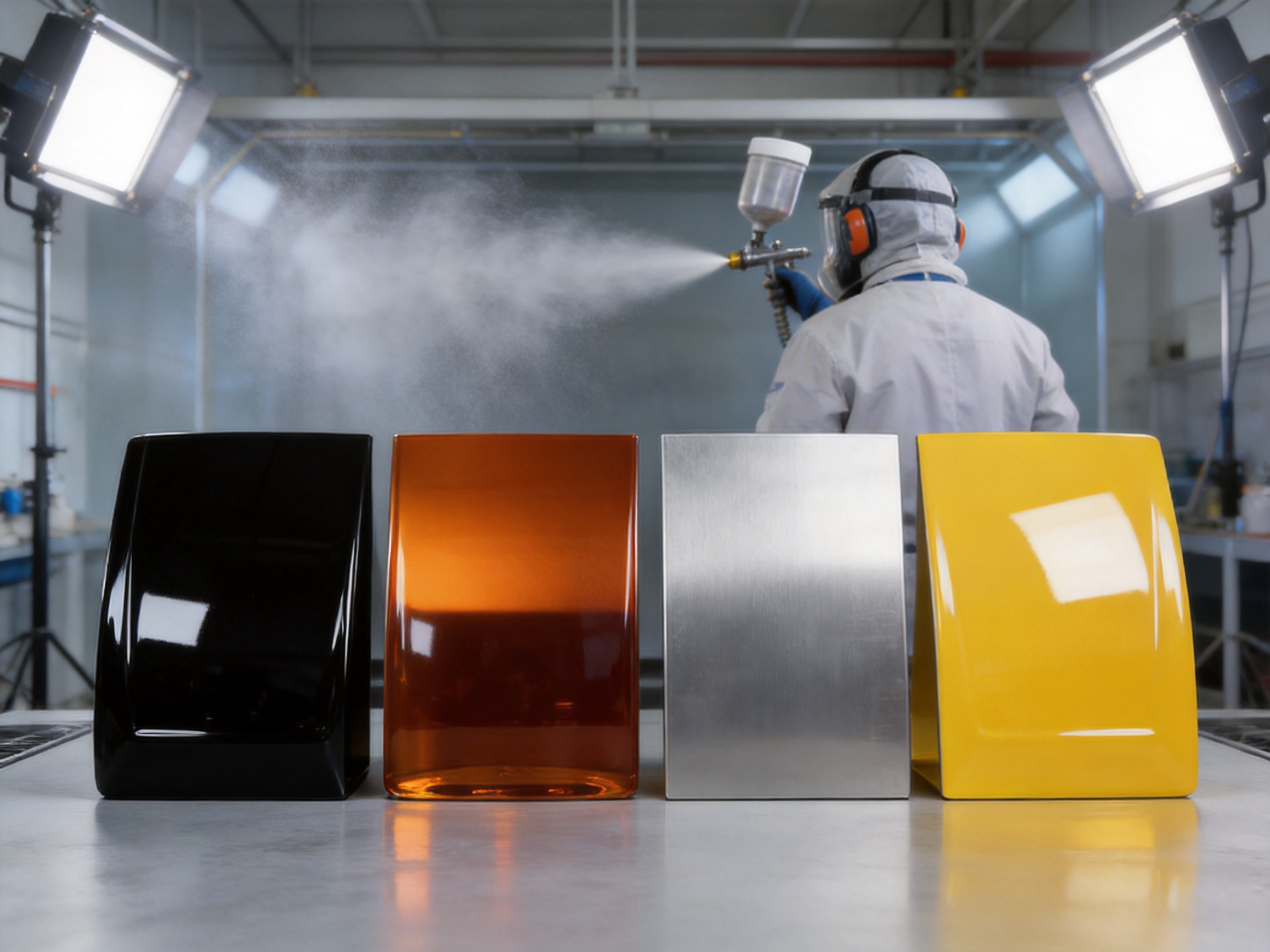
Some additives primarily improve initial wetting but provide limited long-term stabilization. They may help pigment enter the liquid phase but fail to prevent re-agglomeration during storage. Polymeric dispersants such as DH-6328 are intended to combine wetting with adsorption and stabilization. The multiple anchoring groups provide a mechanism for stronger interaction with pigment surfaces, while the polymeric structure helps maintain separation between particles.
This distinction is important in high-pigment systems. Initial dispersion quality is only one part of the performance equation. The final product must also retain its viscosity, color, gloss, fineness, and storage stability over time. A polymeric hyperdispersant is therefore suited to applications in which long-term performance is as important as rapid incorporation.
High carbon black loading is one of the most demanding tests for a dispersant. Products that appear acceptable at low pigment concentrations may create severe viscosity increases when the pigment level is raised. DH-6328 is specifically positioned for black pastes with carbon black content of up to 20%, while maintaining viscosity close to that of the monomer according to the supplied information.
This focus gives the product a competitive advantage in applications that require concentrated black bases, strong blackness, and efficient manufacturing. Lower viscosity can improve the practical economics of production by reducing processing resistance and improving equipment throughput. It can also support more accurate dosing and more consistent incorporation of the paste into the final coating.
A dispersant may provide low viscosity but insufficient gloss, or strong color development but poor storage stability. DH-6328 is designed to combine several performance dimensions: high gloss, strong color development, resistance to coarsening, good storage stability, anti-settling behavior, and anti-floating and anti-flooding performance.
This combination is valuable because coating performance is rarely determined by one property alone. A product used in an automotive or outdoor coating must provide a balanced result across liquid processing, storage, application, curing, and final appearance. The more functions a single additive can support without creating incompatibility, the easier it may be to optimize the overall formulation.
The product is described as offering excellent weather resistance and is suitable for high-grade automotive coatings and outdoor weather-resistant coating systems. Exterior applications expose coatings to sunlight, moisture, temperature variation, and environmental contaminants. Pigment dispersion quality can influence the uniformity and durability of the film, while the compatibility of the additive with the binder and curing system can affect long-term coating integrity.
DH-6328 is intended to participate in the film-forming reaction of the coating system without affecting product performance. This characteristic is important for systems in which additive migration, surface defects, or interference with curing must be controlled. The precise behavior will depend on the resin chemistry and curing mechanism, but the product’s design is aimed at integration within the final coating rather than functioning as a temporary processing aid only.
Automotive coatings demand high gloss, excellent color development, smooth application, weather resistance, and long-term appearance retention. Black and deep-color systems are particularly sensitive to dispersion quality because defects are highly visible on dark surfaces.
DH-6328 can be evaluated in automotive pigment concentrates, black bases, solid-color coatings, and other solvent-borne layers where pigment stabilization and surface appearance are critical. Its viscosity reduction effect may also benefit the preparation of concentrated color pastes used for tinting or shade adjustment.
Outdoor coatings must remain visually uniform under challenging environmental conditions. High gloss and color consistency can be important for architectural, industrial, transportation, and equipment finishes. The product’s reported weather-resistance suitability and resistance to coarsening make it relevant to these systems.
In exterior coatings, the dispersant should be tested with the complete resin, pigment, solvent, and curing package. Weathering evaluations may include gloss retention, color change, chalking, adhesion, and surface inspection. These tests establish the performance of the full coating rather than the additive in isolation.
Steel and aluminum coil coatings require efficient processing, consistent appearance, strong adhesion, and reliable batch-to-batch performance. Pigment concentrates may be prepared at high solids and later incorporated into production coatings. A dispersant that reduces viscosity and supports storage stability can be useful in these workflows.
DH-6328 may be considered for black and organic pigment systems used in metal coatings, protective finishes, and decorative industrial applications. Its compatibility with different polarity systems can support formulation development across multiple binder technologies.
Plastic substrates often require coatings with excellent appearance, adhesion, flexibility, and resistance to handling or environmental exposure. Pigment dispersion is especially important for smooth plastic parts, where surface defects and gloss variation can be readily observed.
The product can be evaluated in solvent-borne plastic coatings containing carbon black or organic pigments. Formulators should assess substrate wetting, intercoat adhesion, flexibility, impact resistance, gloss, color, and resistance to chemicals relevant to the intended application.
Wood coatings frequently combine appearance requirements with protective performance. Transparent, pigmented, and opaque finishes may require good flow, smoothness, color uniformity, and storage stability. In dark wood stains and pigmented finishes, high-quality carbon black or organic pigment dispersion can help achieve a consistent visual effect.
DH-6328 may be used as part of a broader additive package for solvent-borne wood coatings, provided its compatibility with the resin and curing system is verified. The formulator should also check drying time, recoatability, sanding behavior where applicable, and final surface feel.
Printing inks require stable pigment dispersions, controlled viscosity, high color strength, good gloss, and reliable transfer behavior. Carbon black is widely used in black inks and can be difficult to disperse at elevated loading. A viscosity-reducing polymeric dispersant can improve processing and potentially support higher pigment concentration.
Testing should include grind quality, ink strength, transparency or opacity as appropriate, print density, rub resistance, drying behavior, storage stability, and compatibility with the printing process. DH-6328 may be especially relevant to solvent-based ink systems requiring strong blackness and consistent flow.
Suzhou Qingtian New Material Co., Ltd. is a professional supplier of raw materials for coatings, inks, and adhesives. Since its establishment in 2012, the company has developed an experienced team that includes research and development specialists, sales professionals, and technical personnel. Its capabilities are supported by a modern production facility, advanced testing equipment, and research resources.
The company’s product portfolio includes dispersants, leveling agents, defoamers, adhesion promoters, anti-settling agents, cooling agents, conductive agents, orange peel texture agents, texture powders, and micronized wax powders. This breadth allows the company to understand additive interactions across complete coating and ink formulations rather than focusing on one isolated product category.
A broad product portfolio can also support integrated technical communication. For example, a customer investigating pigment settling may need to consider dispersant selection, rheology control, defoaming, leveling, resin compatibility, and surface appearance at the same time. A supplier with experience across these additive families can provide more coordinated formulation guidance.
The company reports the development of China’s first ice flower resin in 2016, recognition as a National High-Tech Enterprise in 2020, and relocation to Lingrui Intelligent Manufacturing Park in Zhangjiagang High-Tech Zone in 2021. These milestones indicate an ongoing focus on research, manufacturing development, and expansion of production capacity.
For industrial customers, manufacturing strength involves more than the ability to produce material. It also includes quality consistency, process control, testing capability, technical documentation, batch traceability, packaging reliability, and responsiveness to customer requirements. The company’s emphasis on innovation, quality, service, and win-win cooperation supports the needs of customers developing or scaling solvent-borne coatings.
The product development approach is particularly relevant to specialized additives such as polymeric hyperdispersants. Their performance depends on polymer architecture, anchoring-group distribution, compatibility, and production consistency. Advanced testing and research capabilities help suppliers compare performance across pigment types, resin systems, and processing conditions.
For customers purchasing DH-6328, the supplier’s experience in coatings, inks, and adhesives can provide a useful foundation for technical discussions. Application support may include product selection, formulation evaluation, comparative testing, process optimization, and recommendations for different pigment and resin combinations.
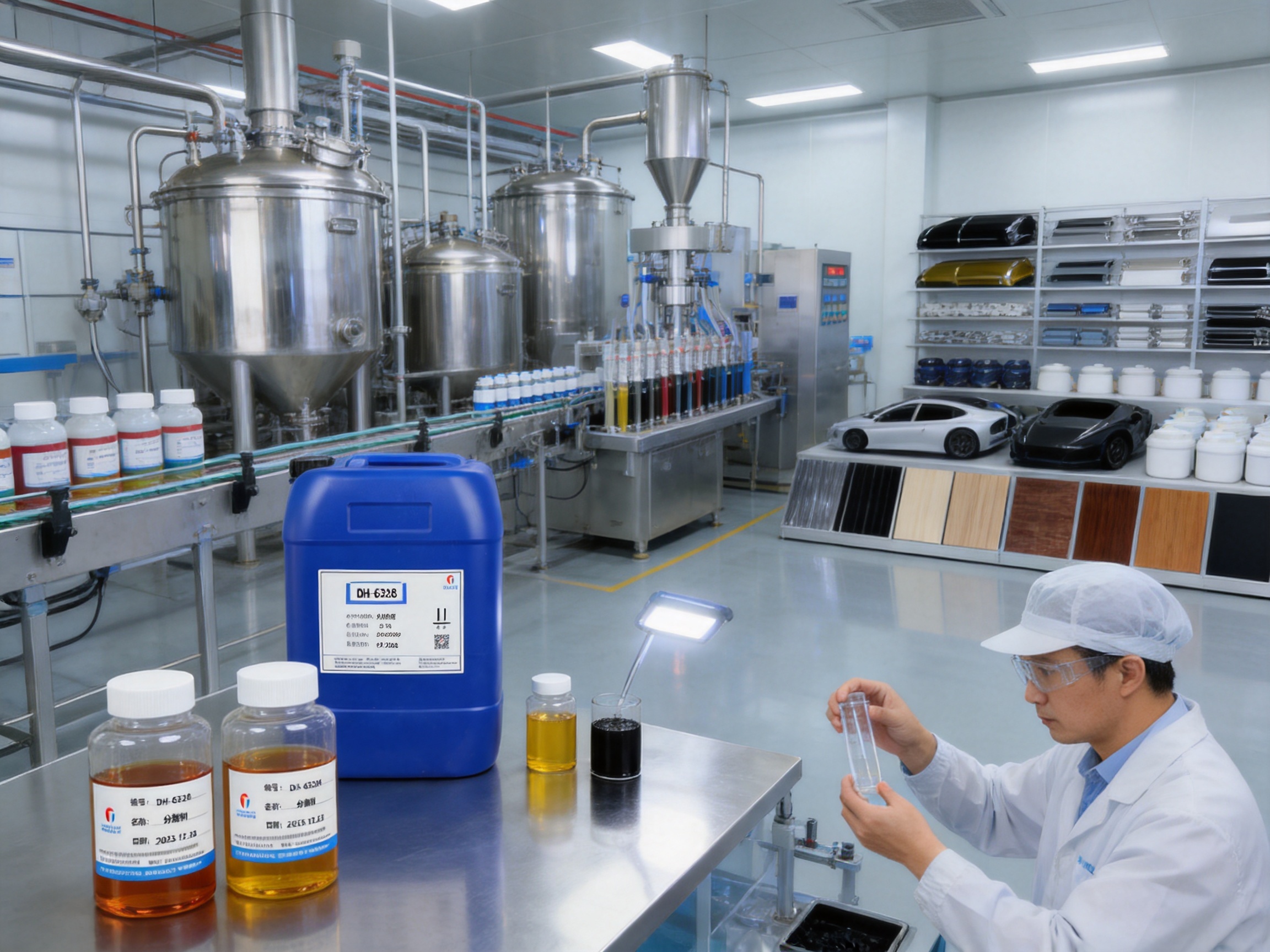
The performance of a dispersant should first be assessed in a controlled pigment concentrate. The concentrate should include the selected pigment, compatible solvent or solvent blend, resin or carrier, and the planned additive level. Consistent mixing equipment and processing time are important because differences in shear history can obscure the effect of the dispersant.
For carbon black, the evaluation should record initial viscosity, final viscosity after dispersion, fineness of grind, color strength, undertone, gloss, and storage behavior. A comparison against the current dispersant or a blank formulation can show whether DH-6328 provides a meaningful improvement.
A pigment concentrate may appear stable by itself but become unstable when incorporated into the final coating. Let-down testing is therefore necessary. The concentrate should be added to the intended resin system at the planned ratio, followed by measurement of viscosity, appearance, gloss, color, and storage stability.
Compatibility should be checked in low-, medium-, and high-polarity systems where relevant. Visual inspection for haze, flocculation, separation, or precipitation is useful, but instrumental measurements provide stronger evidence. Drawdowns and cured panels should be evaluated after the coating reaches its intended film condition.
Storage testing should include both pigment concentrate and finished coating. Depending on the application, tests may be conducted at room temperature and under elevated-temperature conditions. The evaluation can include viscosity change, sediment hardness, ease of redispersion, color strength, gloss, fineness, and signs of coarsening.
Anti-settling performance is most useful when the sediment remains soft and readily redisperseable. A formulation that shows no visible settling but develops a hard compact sediment may still create practical problems during production. The test method should therefore reflect actual packaging, storage duration, and customer handling conditions.
The dispersant should be evaluated in the cured film as well as in the liquid state. Relevant properties may include gloss, distinctness of image, color strength, surface smoothness, adhesion, hardness, flexibility, chemical resistance, and weathering behavior. In systems that rely on a chemical curing reaction, the formulator should confirm that the additive does not interfere with cure response.
The supplied information indicates that DH-6328 participates in the film-forming reaction without affecting product performance. Nevertheless, the final coating chemistry determines the actual result. Testing should be performed with the intended resin, crosslinker, catalyst, solvent balance, pigment loading, and application method.
A dispersant that reduces viscosity can improve more than laboratory measurements. It may influence the entire production process. Lower viscosity can support faster transfer between vessels, reduce pump load, improve mixing efficiency, and make high-pigment concentrates easier to handle. It may also assist filtration and filling, depending on the complete formulation.
Higher pigment concentration can reduce the amount of carrier material required in a pigment paste. This may create additional flexibility in storage and transportation, particularly when the concentrated paste is used across several final coating colors. Concentrated pastes can also simplify inventory management by allowing one controlled intermediate product to serve multiple production batches.
Improved color development may reduce the amount of pigment needed to reach a target shade, although this must be confirmed through comparative formulation work. If confirmed, the result may contribute to better raw-material efficiency. Consistent color strength can also reduce rework, shade correction, and production interruptions.
Good storage stability supports more reliable production planning. A stable pigment concentrate can be manufactured ahead of demand and used when required, provided its validated storage period and packaging conditions are respected. This can be valuable for coating producers serving multiple customers or operating several production lines.
DH-6328 is an industrial chemical additive and should be handled according to its current technical data sheet, safety data sheet, and applicable local regulations. Personnel should use suitable personal protective equipment and follow established procedures for storage, transfer, spill control, ventilation, and waste management.
Before commercial use, customers should obtain the latest product documentation, including appearance, recommended storage conditions, packaging information, quality specifications, and any relevant regulatory statements. The additive should be stored in suitable containers and protected from conditions that could compromise product quality.
Because performance depends on the complete formulation, users should conduct laboratory and pilot-scale trials before production adoption. Important variables include pigment grade, pigment surface treatment, resin polarity, solvent composition, milling equipment, shear level, temperature, additive concentration, and storage conditions.
Responsible formulation also requires attention to the regulatory status of the complete coating or ink. The dispersant must be assessed together with all other raw materials in relation to the intended market, application, and end-use requirements.
When comparing DH-6328 with another dispersant, a simple one-property comparison is not sufficient. A competitor may deliver good initial wetting but provide limited storage stability. Another product may reduce viscosity but sacrifice gloss or color development. A fair evaluation should consider the full performance profile.
| Evaluation Area | What to Measure | Why It Matters |
|---|---|---|
| Wetting | Ease of pigment incorporation and milling behavior | Shows how effectively the additive helps liquid contact the pigment surface |
| Viscosity | Initial and post-dispersion viscosity at equal pigment loading | Indicates processing efficiency and high-load capability |
| Color development | Color strength, blackness, undertone, and tinting response | Demonstrates whether pigment potential is fully utilized |
| Gloss | Gloss and surface appearance after application and cure | Reflects dispersion quality and film uniformity |
| Storage stability | Viscosity change, settling, coarsening, and redispersibility | Predicts reliability during storage and transportation |
| Compatibility | Haze, separation, flocculation, and cured-film performance | Confirms suitability for the selected resin and solvent system |
| Color uniformity | Floating, flooding, shade variation, and panel consistency | Shows performance during application and film formation |
| Production behavior | Pumpability, filtration, filling, and batch repeatability | Connects laboratory performance with manufacturing practicality |
Based on the supplied information, DH-6328 is positioned competitively through its high carbon black loading capability, strong viscosity reduction, high gloss, excellent color development, broad solvent-borne resin compatibility, and combined stabilization functions. Comparative testing should be conducted at equal pigment loading, equal additive solids, equivalent milling energy, and matched resin and solvent conditions to produce meaningful results.
Coating manufacturers are seeking additives that can support higher performance without making production more complicated. The demand for high-gloss finishes, concentrated pigment systems, durable exterior coatings, and consistent color continues to increase. At the same time, manufacturers must control processing costs, reduce rework, and respond quickly to new resin and pigment technologies.
A polymeric dispersant with broad compatibility can provide a useful platform for development. DH-6328 is designed to work across low-, medium-, and high-polarity solvent-borne systems, giving formulators an opportunity to evaluate one product in different coating families. Its focus on carbon black and organic pigments is also relevant to high-performance black coatings, deep shades, and color concentrates.
The product’s combination of processing and final-film benefits is another important consideration. Viscosity reduction supports manufacturing efficiency, while high gloss and color development support market appearance. Storage stability and anti-settling performance support product reliability. Compatibility and participation in film formation support integration into the final coating.
These advantages do not eliminate the need for formulation expertise. Instead, they provide a strong additive foundation that can help formulators optimize the balance between pigment loading, appearance, application viscosity, and storage performance.
DH-6328 is a solvent-borne polymeric wetting and dispersing agent. It is described as a linear aliphatic acrylic polyurethane polymeric hyperdispersant containing multiple anchoring groups.
The product is particularly suitable for carbon black and other organic pigments. It is intended for applications requiring strong pigment wetting, high color development, high gloss, and stable dispersion.
Yes. The product information states that carbon black content in black paste formulations can reach up to 20%, while viscosity remains close to that of the monomer and false thickening is avoided. Users should confirm the result with their selected carbon black grade and processing conditions.
DH-6328 is designed to support high gloss and excellent color development. It can help reduce pigment agglomeration and improve the uniformity of the pigment distribution, which may contribute to a smoother and more attractive cured film.
Yes. The product is described as providing anti-settling performance. Its ability to form hydrogen bonds with resins contributes to pigment stabilization, although the final settling behavior depends on the complete formulation and storage conditions.
Yes. DH-6328 is described as providing anti-floating and anti-flooding functions. These properties should be verified through drawdowns and application tests in the intended coating system.
The product is described as compatible with the vast majority of solvent-based resins and applicable to low-, medium-, and high-polarity systems. Compatibility testing is still recommended before commercial production.
Yes. It is identified as suitable for high-grade automotive coatings and outdoor weather-resistant coating systems. Its high-gloss, color-development, weather-resistance, and storage-stability characteristics are relevant to these applications.
The supplied product information states that the additive participates in the film-forming reaction without affecting product performance. The actual result should be confirmed with the selected resin, crosslinker, catalyst, and curing conditions.
Customers should prepare comparative pigment concentrates and measure viscosity, fineness of grind, color development, gloss, storage stability, settling, redispersibility, compatibility, and cured-film properties. Comparative trials should use equivalent pigment loading and processing conditions.
Suzhou Qingtian New Material Co., Ltd. specializes in coating, ink, and adhesive raw materials and has an experienced technical team, modern production facilities, testing equipment, and research capabilities. Its broad additive portfolio supports coordinated formulation discussions.
Potential application areas include automotive coatings, outdoor protective coatings, steel and aluminum coil coatings, industrial coatings, plastic coatings, wood coatings, solvent-based printing inks, and pigment concentrates.
DH-6328 Polymeric Wetting and Dispersing Agent is a high-performance solution for solvent-borne coating and ink systems that require effective pigment control. Its linear aliphatic acrylic polyurethane polymeric structure and multiple anchoring groups are designed to provide strong wetting and stabilization for carbon black and organic pigments.
The product’s most distinctive benefit is its performance in high-pigment black pastes. The reported ability to support carbon black content of up to 20% while maintaining viscosity close to that of the monomer and avoiding false thickening offers a strong advantage for concentrated pigment production. This can improve processing efficiency, handling, dosing, and formulation flexibility.
Beyond viscosity reduction, DH-6328 is designed to deliver high gloss, excellent color development, weather resistance, resistance to coarsening, storage stability, anti-settling performance, and anti-floating and anti-flooding functions. Its reported compatibility with low-, medium-, and high-polarity solvent-borne resin systems further expands its potential usefulness.
The supplier’s experience in coatings, inks, and adhesives, combined with its research team, testing equipment, production facilities, and broad additive portfolio, provides a strong foundation for industrial cooperation. Customers can evaluate DH-6328 as both a pigment-dispersion additive and a strategic tool for improving the efficiency and consistency of complete coating formulations.
For the best result, formulators should conduct controlled comparative testing with their own pigments, resins, solvents, equipment, and curing conditions. When properly matched to the system, DH-6328 can help manufacturers achieve more stable pigment concentrates, smoother processing, stronger color, higher gloss, and more reliable finished coatings.
1. Product information supplied for DH-6328 Polymeric Wetting and Dispersing Agent.
2. Product classification information for solvent-borne dispersants and coating additives.
3. Company information supplied by Suzhou Qingtian New Material Co., Ltd.
4. General principles of pigment wetting, deagglomeration, stabilization, and polymeric dispersion in solvent-borne coatings.
5. General laboratory practices for evaluating viscosity, gloss, color development, storage stability, settling, and cured-film performance.
 Wholesale Paint/ Coating Additives Manufacturers
Custom Industrial Chemical Solutions Suppliers
Wholesale Paint/ Coating Additives Manufacturers
Custom Industrial Chemical Solutions Suppliers