русский
 Español
 Français
Home / Author / Lu Xinzhi — Overseas Product Sales Specialist / Water-Based Dispersant for High-Gloss, Low-Foam Pigment Concentrates
Lu Xinzhi — Overseas Product Sales Specialist

Content
In modern coatings, printing inks, and adhesive systems, pigment dispersion is one of the most important stages in achieving stable color, consistent application performance, and reliable finished-product quality. A pigment may possess excellent intrinsic color strength, opacity, or durability, yet still perform poorly if it is not properly incorporated into a liquid formulation. Agglomeration, excessive viscosity, low gloss, poor hiding, sedimentation, foam, and uneven color development can all arise when pigment particles are not effectively wetted and stabilized.
DH-6313W Water-based Dispersant is designed to address these challenges in water-borne formulations. It is a specialized dispersing additive developed for coatings, water-based printing inks, and adhesive systems. Its principal performance advantages include excellent viscosity reduction, high gloss, enhanced color strength, improved hiding power, low foaming, and strong color development for organic pigments and carbon black.
The product is particularly suitable for the production of stable, resin-free pigment concentrates containing approximately 30–60% pigment. This capability is important for manufacturers seeking concentrated color systems that can be stored, transported, and later incorporated into different water-based formulations with consistent results.
Through its combination of pigment wetting, dispersion stabilization, viscosity control, and low-foam behavior, DH-6313W Water-based Dispersant provides a practical solution for formulators who need efficient processing and dependable final appearance. It is supported by the technical capabilities of Suzhou Qingtian New Material Co., Ltd., a professional supplier of raw materials for coatings, inks, and adhesives with research, testing, manufacturing, and customer-service resources.
Pigments are finely divided solid materials that must be distributed throughout a liquid medium. During production, pigment particles tend to form agglomerates because of surface energy, particle attraction, moisture sensitivity, and interaction with other formulation components. If these agglomerates are not broken down and stabilized, the formulation may show poor color development, unstable viscosity, insufficient gloss, and reduced storage stability.
A dispersant supports the pigment-grinding process by helping the liquid phase wet the pigment surface. It also helps separate pigment particles and reduce the tendency of those particles to regroup after mechanical energy has been applied. The result is a more uniform dispersion with improved flow and a more predictable response during application.
In water-based systems, dispersion can be especially demanding. Water has a high surface tension compared with many organic solvents, and some pigments have surfaces that are difficult to wet with water alone. In addition, water-borne formulations often contain resins, surfactants, rheology modifiers, defoamers, and other additives that can interact with the pigment surface. The dispersant must therefore function effectively within a complex formulation environment.
A suitable water-based dispersant should ideally provide several benefits at the same time. It should promote rapid wetting, support efficient particle-size reduction, reduce grinding viscosity, minimize foam, enhance color strength, and help maintain stability after processing. DH-6313W has been developed around these practical requirements.
DH-6313W Water-based Dispersant is intended for water-borne coatings, water-based printing inks, and adhesive systems. It is also suitable for producing stable resin-free pigment concentrates with pigment levels of approximately 30–60%.
The product’s core performance profile can be summarized through the following characteristics:
Excellent viscosity reduction during pigment grinding and concentrate preparation.
High gloss in the finished coating, ink, or adhesive system.
Enhanced color strength and improved color development.
Improved hiding power for both transparent and non-transparent pigments.
Low foaming during processing, with no defoamer required during the grinding process according to the stated product characteristics.
Particularly strong performance with organic pigments and carbon black.
Compatibility with stable resin-free pigment concentrates.
Suitability for a wide range of water-based industrial and commercial formulations.
| Performance Area | Contribution of DH-6313W | Practical Formulation Benefit |
|---|---|---|
| Viscosity control | Strong viscosity reduction effect | Easier grinding, pumping, mixing, and handling |
| Color development | Enhanced color strength, especially with organic pigments and carbon black | More efficient use of pigment and stronger visual color |
| Surface appearance | High-gloss performance | Improved visual quality of coatings and printed surfaces |
| Hiding performance | Improves hiding power for transparent and non-transparent pigments | More uniform coverage and appearance |
| Foam control | Low foaming during grinding | Reduced processing interruptions and lower dependence on defoamer |
| Concentrate preparation | Suitable for resin-free pigment concentrates at approximately 30–60% pigment | Flexible color concentrate production and storage |
These benefits make the product relevant to manufacturers that need to combine high pigment loading with manageable processing viscosity and stable appearance. Instead of focusing on only one aspect of pigment dispersion, the product addresses several related production and application requirements.
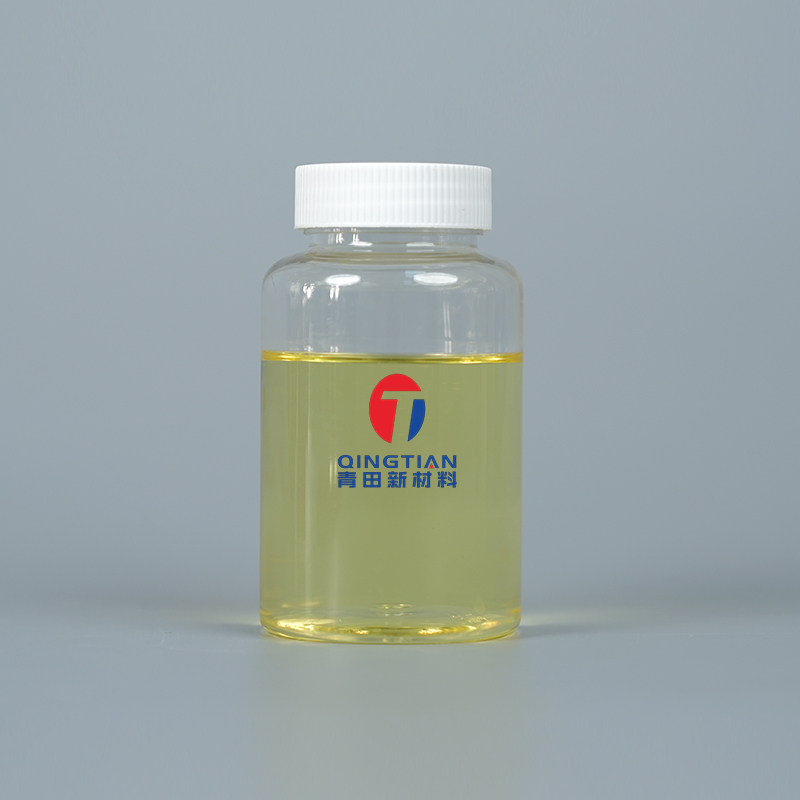
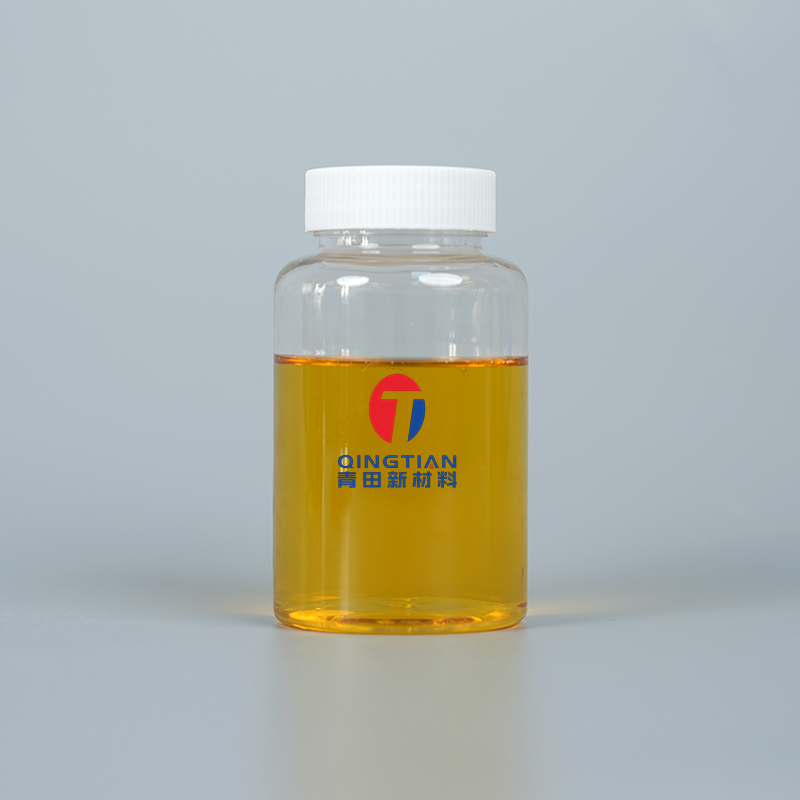
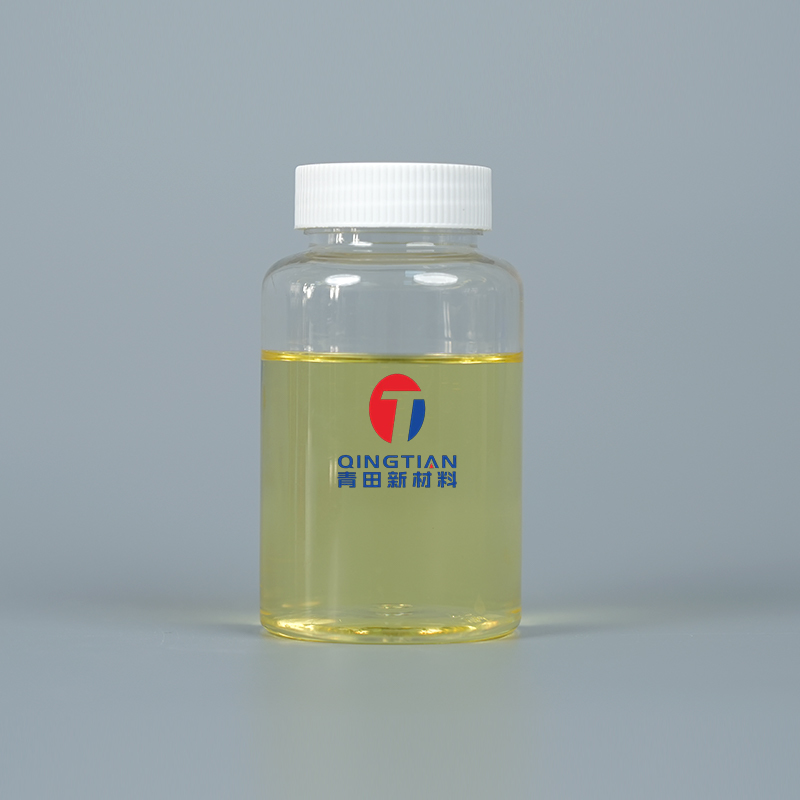
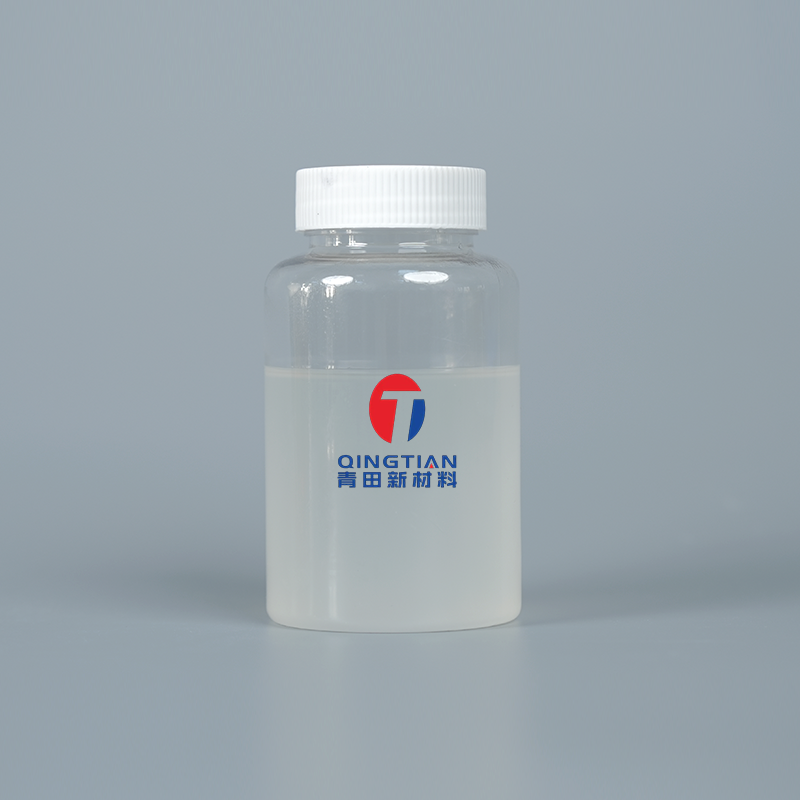
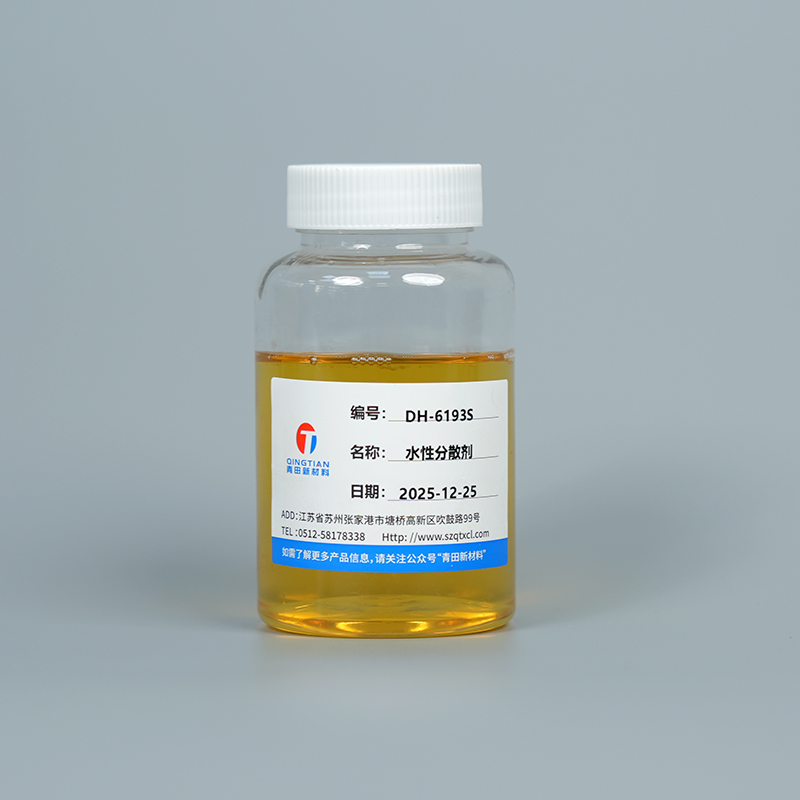
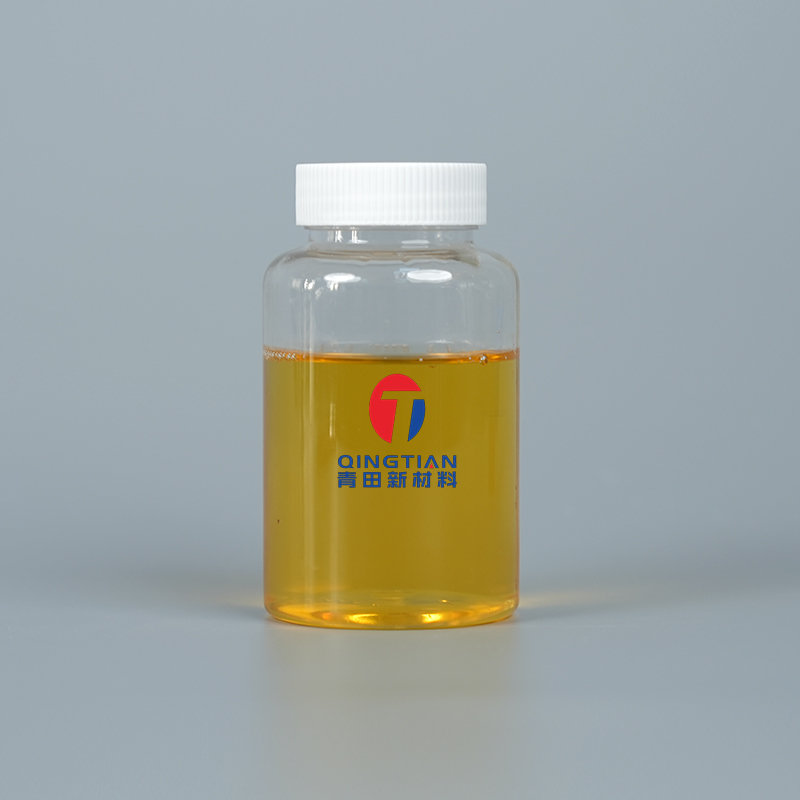
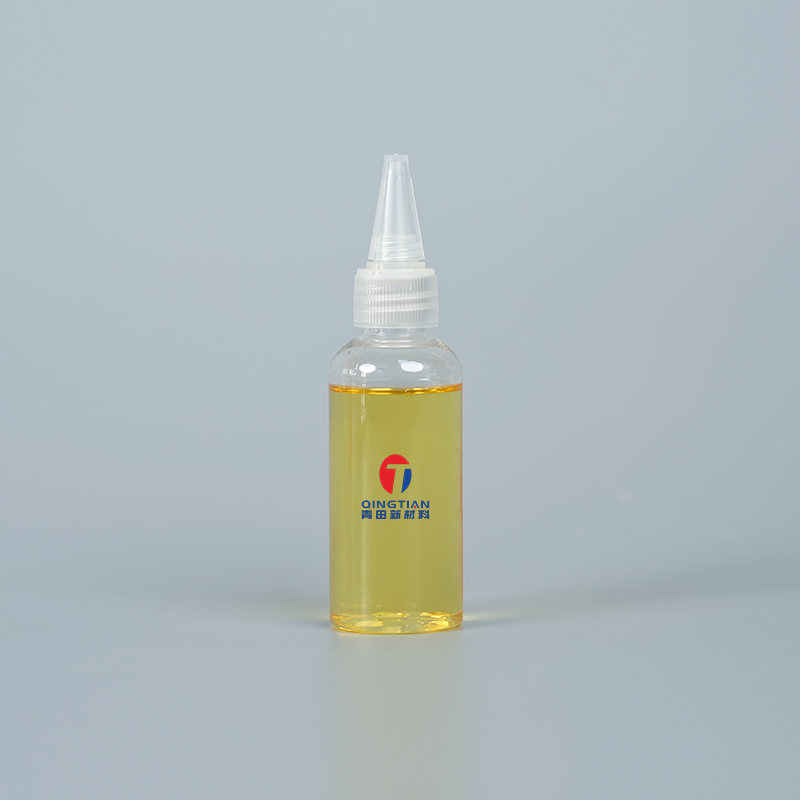
DH-6313W Water-based Dispersant
Viscosity is a critical consideration in pigment grinding. A highly concentrated pigment mixture can become difficult to mix, circulate, pump, or transfer if the pigment particles are not effectively dispersed. Excessive viscosity can reduce grinding efficiency, increase energy demand, slow production, and make it difficult to achieve consistent batch quality.
DH-6313W is characterized by a strong viscosity reduction effect. This allows formulators to process concentrated pigment systems with improved fluidity. A lower grinding viscosity can help mechanical equipment work more efficiently and may support improved contact between the pigment, the dispersant, and the water-based medium.
Viscosity reduction also has value after grinding. A well-dispersed concentrate is easier to dose into let-down systems, base paints, inks, and adhesives. It can flow more consistently during transfer and reduce the risk of incomplete incorporation during final formulation.
For manufacturers producing multiple colors, viscosity control is especially important. Pigments vary significantly in surface area, particle shape, porosity, and interaction with water. Carbon black and certain organic pigments can create substantial viscosity increases because of their fine particle size and high surface area. A dispersant that provides strong viscosity reduction for these difficult pigments can improve manufacturing flexibility.
Lower viscosity does not simply mean that a product is easier to pour. It can influence the entire production sequence. It may support faster incorporation, improved milling conditions, better batch-to-batch repeatability, and more efficient cleaning of equipment. It may also reduce the need for additional formulation adjustments intended solely to compensate for excessive viscosity.
During grinding, pigment agglomerates are exposed to mechanical shear. The dispersant helps the liquid phase access the pigment surface and supports separation of particles. When the system is excessively viscous, the grinding process can become less efficient because the pigment mixture does not circulate easily through the equipment.
By reducing viscosity, DH-6313W can help create a more workable grinding system. This is particularly valuable in concentrated pigment preparation, where the pigment content may be approximately 30–60% and the formulation must remain processable.
The exact dosage and processing conditions should be established through laboratory testing because pigment type, pigment concentration, equipment, water quality, and other formulation variables can affect the result. Nevertheless, the product’s stated viscosity-reduction performance gives formulators a strong starting point for developing efficient water-based concentrates.
A pigment concentrate is often added to a separate binder, resin, or base formulation. If the concentrate is too viscous or poorly stabilized, it may be difficult to disperse uniformly during let-down. This can result in color variation, incomplete incorporation, or local agglomeration.
A well-controlled concentrate prepared with DH-6313W can simplify this step. Its improved flow behavior can help the concentrate enter the receiving formulation more uniformly. The final product can therefore be easier to standardize across different colors and production batches.
Gloss is a major quality indicator in many coatings and inks. It affects how a surface reflects light and strongly influences the perceived quality of the finished product. Poor pigment dispersion can create microscopic irregularities that scatter light, reducing gloss and making the surface appear dull or uneven.
DH-6313W supports high-gloss performance by helping produce a more uniform pigment distribution. When pigment particles are effectively separated and stabilized, the coating or printed film can develop a smoother and more consistent surface. This is particularly important in decorative coatings, industrial finishes, packaging inks, and other applications where appearance is closely associated with product value.
High gloss can also improve the visual impact of color. A well-dispersed pigment system may appear cleaner, deeper, and more vivid than a system containing poorly distributed agglomerates. Because gloss and color perception are related, improvements in dispersion can contribute to a more attractive final appearance without changing the pigment itself.
The product is therefore suitable for formulators who need to balance color intensity with surface quality. Instead of treating gloss as a separate issue from pigment dispersion, DH-6313W addresses both through improved distribution and stabilization of pigment particles.
In practical development work, gloss should be evaluated together with color strength, transparency, hiding power, viscosity, and storage stability. A dispersant that performs well across these criteria offers greater value than one that improves only a single visual property.
Color strength describes the ability of a pigment to produce strong coloration in a formulation. High color strength can help manufacturers achieve the desired shade with a lower pigment addition or produce more powerful color at the same loading. It is therefore linked to raw material efficiency, color matching, and the visual quality of the finished product.
DH-6313W provides enhanced color strength and particularly excellent color development for organic pigments and carbon black. These pigment classes can be challenging to disperse because of their fine particle sizes, high surface areas, and strong particle-to-particle interactions.
When pigment agglomerates remain in a formulation, the effective surface area available for color development may be reduced. The color can appear weaker, less clear, or less uniform. Effective dispersion helps expose and distribute pigment particles more efficiently, allowing the formulation to show greater color potential.
For organic pigments, strong color development is valuable in applications that require brilliant, clean, or intense shades. In water-based printing inks, it can support sharp and vivid printed images. In coatings, it can improve the appearance of colored finishes. In adhesives and other pigmented systems, it can help maintain consistent visual identity.
Carbon black presents a different set of challenges. It is extremely fine and can generate high viscosity, strong agglomeration, and difficult wetting behavior. A dispersant that combines viscosity reduction with effective color development can be particularly useful for black pigment concentrates and dark-color formulations.
Color development should always be evaluated using the intended pigment, substrate, film thickness, and application method. DH-6313W’s stated performance with organic pigments and carbon black makes it a strong candidate for initial screening in these applications.
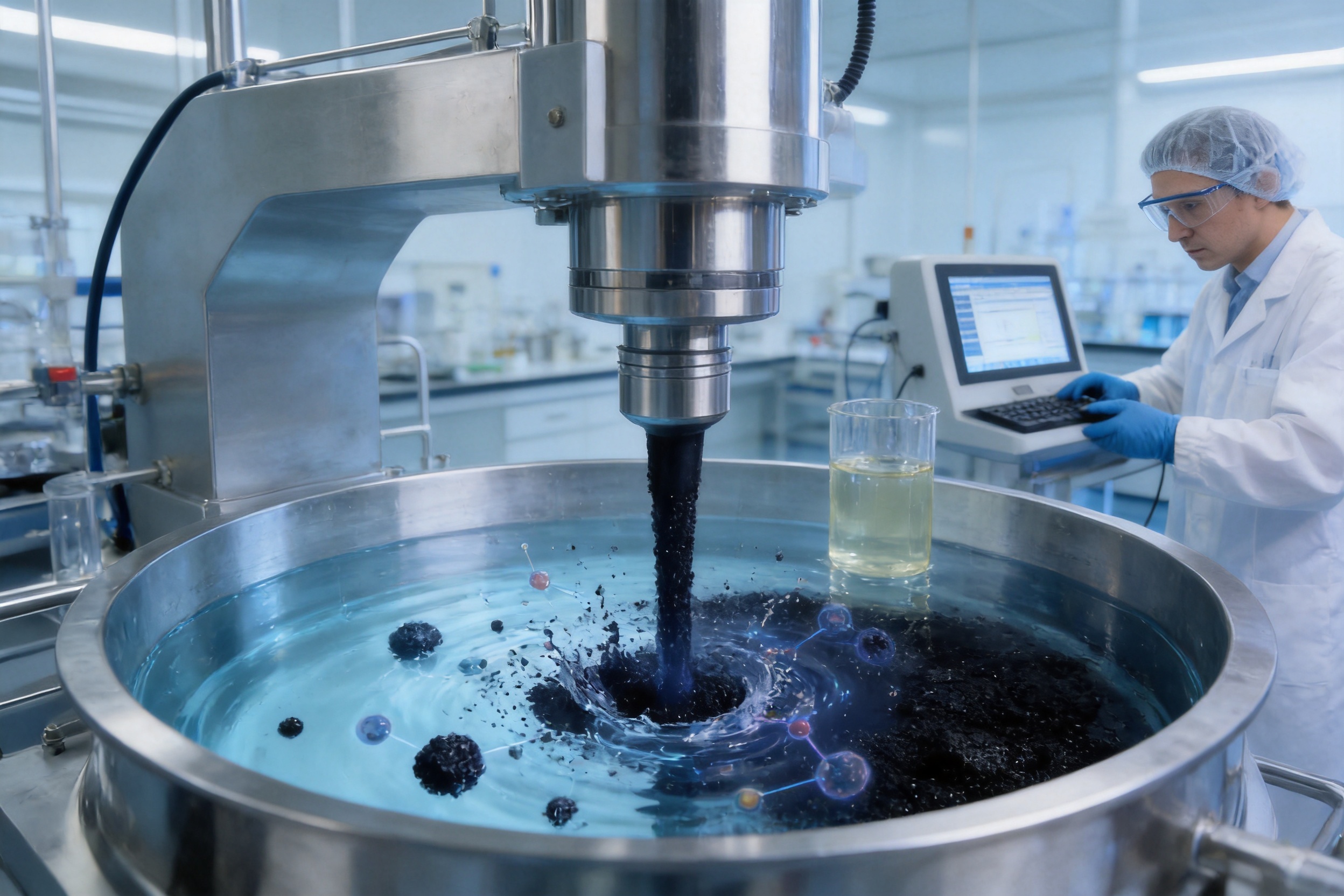
Hiding power is the ability of a coating or ink to cover the underlying substrate or color. It is influenced by pigment type, particle-size distribution, refractive behavior, pigment concentration, film thickness, and dispersion quality.
DH-6313W is described as improving hiding power for both transparent and non-transparent pigments. This is an important advantage because transparent and opaque pigments are used for different visual effects and can respond differently to formulation conditions.
For non-transparent pigments, improved dispersion can contribute to more uniform coverage. Agglomerates may create uneven areas in a film, while properly distributed particles can help produce a more consistent appearance. For transparent pigments, controlled dispersion can improve color clarity and reduce the visual defects associated with undispersed material.
Improved hiding power can help formulators achieve a desired appearance with more efficient use of coating material. It can also reduce the risk of shade variation over large surfaces. In industrial coatings, uniform coverage is important for appearance and quality control. In printing inks, it can contribute to consistent color across the printed area. In adhesive systems, it may help maintain a stable visual effect when pigmentation is required.
The product’s ability to support both transparent and non-transparent pigments gives it broad formulation relevance. It is not restricted to a narrow pigment category, making it suitable for development programs involving diverse color families and visual effects.
Foam is a common processing issue in water-based formulations. It can be introduced during high-speed mixing, pigment incorporation, pumping, recirculation, and grinding. Excessive foam may reduce effective equipment capacity, interfere with sampling, create filling problems, and introduce defects into the finished film or printed layer.
DH-6313W is characterized by low foaming. According to the product information, no defoamer is required during the grinding process. This is a significant practical advantage for manufacturers seeking to simplify their formulations and reduce the number of variables in production.
Reducing the need for a defoamer can provide several potential benefits. It may simplify raw material management, reduce the risk of incompatibility, and make the formulation easier to optimize. Defoamers can sometimes affect surface appearance, recoatability, adhesion, gloss, or other properties if they are not carefully selected and balanced. A dispersant that produces low foam from the beginning can reduce reliance on corrective additives during grinding.
Low foam also supports smoother production. Operators may spend less time managing foam levels, adjusting mixing conditions, or waiting for entrained air to release. The result can be a more predictable and efficient process.
Foam behavior depends on the complete formulation, so final testing remains important. Surfactants, resins, rheology modifiers, pigments, water quality, and equipment geometry can all influence foam. However, the low-foaming profile of DH-6313W provides a useful advantage for water-based systems where foam control is a major concern.
One of the product’s notable application areas is the preparation of stable resin-free pigment concentrates with pigment content of approximately 30–60%. Resin-free concentrates are valuable because they can be used as flexible colorants in multiple compatible base systems.
In a resin-free concentrate, the dispersant plays an especially important role. Because the concentrate does not depend on a conventional resin binder to provide structure and stabilization, the dispersant must help maintain particle separation and acceptable flow. The concentrate should remain stable during storage and should be capable of being incorporated into a final coating, ink, or adhesive formulation.
A stable resin-free concentrate can offer manufacturers greater production flexibility. One concentrate may be adapted to different let-down systems, helping reduce the need to produce a separate pre-bound color formulation for every finished product. This can simplify color inventory and support more efficient product development.
High pigment loading is also important. A concentrate containing approximately 30–60% pigment can deliver significant color in a manageable volume. When the concentrate has good viscosity control, it can be easier to pump, dose, blend, and transport within a production environment.
For color manufacturers, the combination of high pigment content, low processing viscosity, strong color development, and storage stability can improve the overall economics of concentrate production. For coating, ink, and adhesive manufacturers, it can provide a practical way to introduce color while preserving flexibility in the final formulation.
Stability should be evaluated under actual storage conditions and with the intended pigment. Recommended testing may include visual inspection, viscosity measurement, color comparison, sedimentation observation, and redispersion assessment. These tests help confirm that the concentrate remains suitable for use throughout its expected storage period.
Water-based coatings are used in a wide range of industrial and commercial applications. They are valued for their water-based medium and can be formulated for metal, plastic, wood, glass, flooring, and other substrates. Pigment dispersion is central to their performance because it influences appearance, viscosity, storage stability, and application behavior.
DH-6313W can be used in the development of water-based colored coatings where high gloss, strong color, improved hiding, and low foam are required. It may be considered for architectural, industrial, decorative, and specialty coating systems, subject to compatibility testing with the selected binder and other ingredients.
In steel and aluminum coil coatings, consistent color and smooth appearance are important for continuous production. A dispersant that supports stable pigment concentrates can help maintain repeatable color preparation. In plastic coatings, high gloss and uniform color can contribute to the appearance of finished components. In wood coatings, surface quality and color consistency are important for decorative and protective finishes.
Water-based coatings for glass and flooring may also benefit from strong color development and controlled surface appearance. In epoxy flooring systems and related applications, pigment dispersion can influence the visual uniformity of large, highly visible surfaces.
Formulators should determine the appropriate addition level through laboratory screening. The dispersant should be evaluated with the complete coating system, including binder, coalescent, rheology modifier, substrate, and curing conditions. The most suitable level is normally identified by comparing viscosity, gloss, color strength, hiding, stability, and application results.
Printing inks require reliable pigment dispersion because color strength, transparency, gloss, print uniformity, and press behavior all depend on the condition of the pigment. A poorly dispersed ink may show weak color, unstable viscosity, filter blockage, poor print definition, or uneven appearance.
DH-6313W is suitable for water-based printing ink systems and is especially relevant to applications using organic pigments and carbon black. Its viscosity reduction effect can support pigment grinding and ink preparation, while its low-foaming behavior can help reduce air-related problems during high-speed mixing and circulation.
High color strength is valuable in printing because strong color can improve visual impact and may support efficient formulation design. High gloss can also enhance the appearance of printed surfaces, particularly where a bright or polished effect is desired.
The product’s ability to support transparent and non-transparent pigments provides flexibility for different ink designs. Transparent pigments may be used for clean and vivid colors, while non-transparent pigments may be selected for coverage and opacity. A dispersant that contributes to both color development and hiding performance can assist in developing a broad range of ink shades.
In printing ink development, the dispersant should be tested under realistic shear conditions. Important evaluations may include mill-base viscosity, final ink viscosity, foam tendency, color strength, gloss, print density, rub resistance, storage stability, and compatibility with the selected substrate.
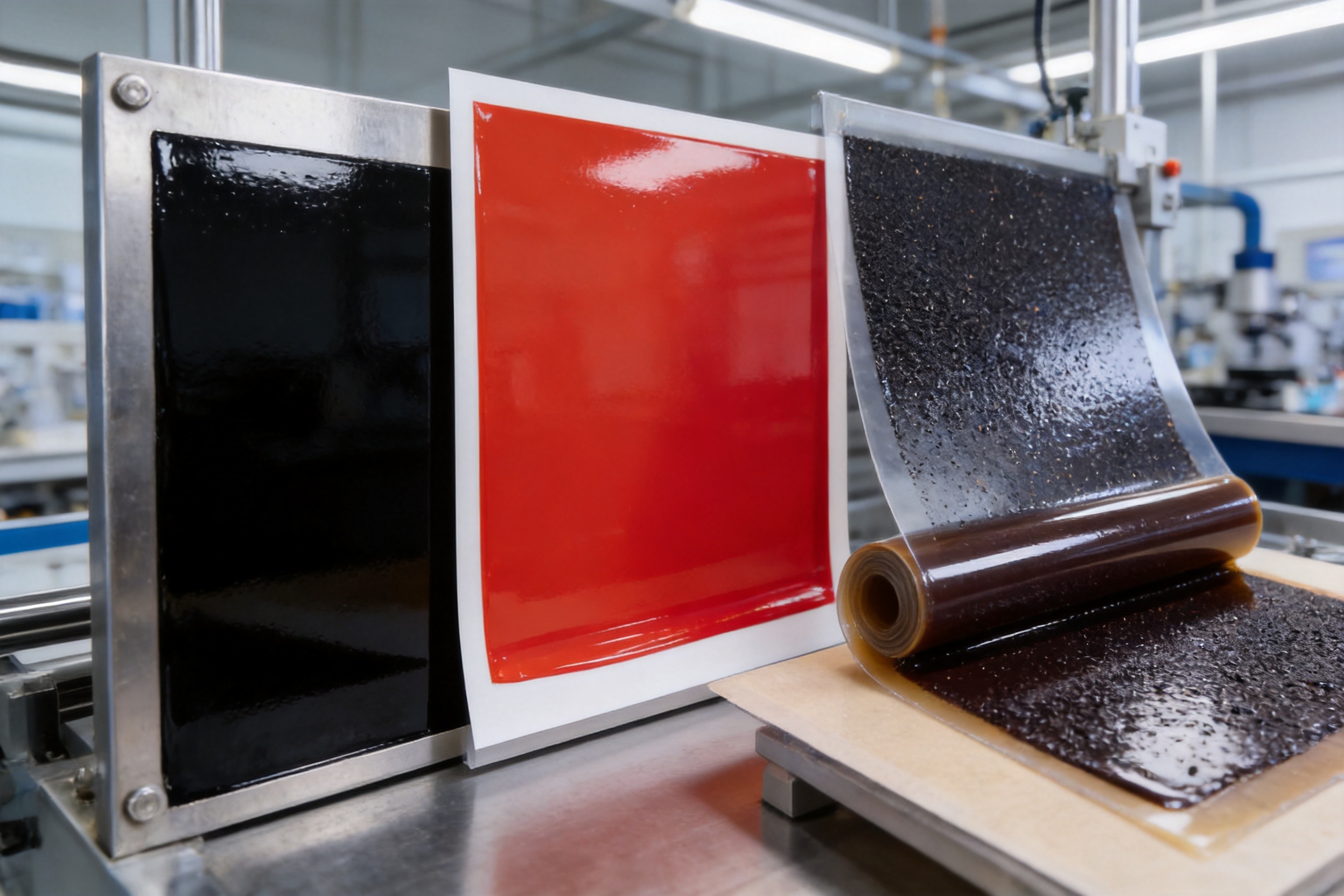
Some adhesive systems require pigmentation for identification, appearance, coding, or functional design. In these systems, pigment dispersion must be balanced with adhesion, flexibility, curing, and storage requirements.
DH-6313W can be considered for water-based adhesive systems that require stable and uniform pigment distribution. Its viscosity reduction may support easier mixing, while its low-foaming profile can help reduce processing difficulties. Improved color development can help produce consistent shades without excessive pigment addition.
Because adhesives are performance-sensitive products, compatibility must be carefully confirmed. The dispersant should be evaluated for any effect on adhesion, drying, film formation, tack, water resistance, flexibility, and long-term stability. The product’s role is to support pigment dispersion while preserving the essential properties of the adhesive system.
For manufacturers producing multiple adhesive grades, a resin-free pigment concentrate can provide a convenient method for adding standardized color. This approach may help separate color preparation from adhesive production, offering greater flexibility in inventory and batch scheduling.
Every formulation must be optimized for its own pigment and binder system, but DH-6313W offers several advantages compared with conventional approaches that rely on less specialized additives or multiple corrective products.
Some dispersants may reduce viscosity but provide limited color development. Others may improve color strength while creating excessive foam or leaving the grind too viscous. DH-6313W is designed to combine strong viscosity reduction with enhanced color strength, high gloss, and improved hiding power.
This combined performance can reduce the need to compromise between processing efficiency and finished appearance. It can also simplify product development by providing a multifunctional approach to pigment concentrate design.
Many water-based grinding processes require separate foam-control products. While defoamers can be effective, they may introduce new compatibility and surface-quality considerations. DH-6313W’s low-foaming behavior can reduce the dependence on a defoamer during grinding, helping make the formulation more straightforward.
Organic pigments and carbon black often require careful dispersant selection. The product’s stated excellent color development for these pigment classes gives it an advantage in applications where ordinary water-based additives may not provide sufficient performance.
The ability to prepare stable resin-free pigment concentrates offers flexibility that may not be available with systems designed only for resin-bound color pastes. Manufacturers can create concentrated color products that are later introduced into different compatible base systems.
The product can be used across water-based coatings, printing inks, and adhesives. This broad application range is valuable for raw material suppliers and manufacturers serving multiple markets. It can also support internal standardization when several product lines require related pigment-dispersion technology.
Successful use of a dispersant depends on proper testing and process control. The recommended starting point is a laboratory screening program using the actual pigment or pigment blend intended for production.
First, the formulator should identify the pigment type, target pigment concentration, water quality, and intended final application. Organic pigments, carbon black, transparent pigments, and non-transparent pigments may require different optimization strategies.
Second, the dispersant should be incorporated into the aqueous phase before or during pigment addition, according to the selected processing method. Adequate mixing is important to ensure that the dispersant is distributed throughout the liquid before the pigment is fully incorporated.
Third, the pigment should be added gradually under controlled agitation. The aim is to avoid dry pockets, excessive air entrainment, and local over-concentration. Processing speed and addition rate should be adjusted according to equipment capacity and batch size.
Fourth, the grind should be evaluated for viscosity, color development, gloss potential, foam, and particle dispersion. If a mill or high-shear disperser is used, processing time and energy should be recorded to support comparison between formulations.
Finally, the concentrate or finished formulation should be evaluated for storage stability and compatibility with the final base system. A formula that performs well immediately after grinding may still require adjustment if it shows viscosity drift, sedimentation, flocculation, or poor redispersion during storage.
| Test Stage | Recommended Evaluation | Purpose |
|---|---|---|
| Initial mixing | Wetting behavior, foam generation, ease of pigment incorporation | Determine whether the dispersant supports efficient pre-dispersion |
| Grinding | Viscosity, grind time, color development, foam tendency | Assess processing efficiency and pigment dispersion quality |
| Concentrate review | Flow, appearance, pigment loading, sedimentation | Confirm suitability for concentrate production |
| Let-down | Compatibility, shade uniformity, viscosity change | Verify incorporation into the final formulation |
| Application | Gloss, hiding, color strength, film appearance | Measure finished-product performance |
| Storage | Viscosity stability, settling, redispersibility, color consistency | Evaluate practical shelf and handling behavior |
The performance of a specialty additive depends not only on its formulation but also on the capabilities of the organization that develops, manufactures, tests, and supports it. Suzhou Qingtian New Material Co., Ltd. is a professional company specializing in raw materials for coatings, inks, and adhesives.
Since its founding in 2012, the company has developed an experienced team that includes research and development specialists, sales professionals, and technical personnel. This combination of scientific knowledge, market understanding, and customer service supports the development of practical chemical solutions for different industries.
The company operates a modern production facility supported by advanced testing equipment and strong research capabilities. These resources are important for specialty additive manufacturing because product quality depends on controlled production, consistent raw material management, analytical testing, and performance verification.
Advanced testing capability allows the company to evaluate key performance areas relevant to dispersants and other coating additives. These areas may include viscosity behavior, dispersion quality, color development, gloss, foam, storage stability, and compatibility with different formulations. Reliable testing helps connect laboratory development with manufacturing consistency.
The company’s product portfolio includes dispersants, leveling agents, defoamers, adhesion promoters, anti-settling agents, cooling agents, conductive agents, orange peel texture agents, texture powders, and wax powders. This broad portfolio gives the company a comprehensive understanding of coating and ink formulation challenges.
Its materials are used in steel and aluminum coil coatings, plastic coatings, UV-curing systems, anti-corrosion coatings, wood coatings, glass coatings, epoxy flooring, printing inks, power batteries, photovoltaic panels, and other industries. Experience across these sectors can support a more complete approach to product development and technical service.
The company’s focus on innovation, quality, service, and win-win cooperation is reflected in its development milestones. It created China’s first ice flower resin in 2016, received recognition as a National High-Tech Enterprise in 2020, and moved to Lingrui Intelligent Manufacturing Park in Zhangjiagang High-Tech Zone in 2021 to strengthen research and production capacity.
These milestones indicate a long-term commitment to research, manufacturing development, and industry service. For customers evaluating a dispersant supplier, such capabilities can be as important as the immediate performance of the product itself. A dependable supplier should be able to support product selection, testing, application development, quality control, and ongoing supply requirements.
Specialty additives are often used at relatively low addition levels, which means small changes in product performance can affect the final formulation. Consistency from batch to batch is therefore essential. A manufacturer with modern facilities, testing equipment, and an experienced technical team is better positioned to control this consistency.
For DH-6313W users, technical communication can help determine the best application route. The ideal use level may vary according to pigment surface treatment, pigment concentration, grinding equipment, water quality, binder chemistry, and desired final properties. Close cooperation between the customer and supplier can reduce development time and improve the probability of successful scale-up.
Customer support is also important when a product is used in different sectors. A dispersant selected for a water-based coating may need to be adjusted when used in a printing ink or adhesive. The same product can provide value across several applications, but each formulation should be evaluated according to its own performance requirements.
A professional supplier can contribute by helping customers establish screening methods, compare pigment types, identify compatibility limits, and transfer laboratory results into production. This service-oriented approach adds value beyond the supply of a raw material.
Water-based coatings, inks, and adhesives are widely used in applications seeking water-borne formulation technology. Within these systems, process efficiency remains important. A dispersant that lowers grinding viscosity may support more efficient mixing and processing, while low foaming can help reduce production interruptions and the need for additional corrective additives.
The potential to produce concentrated resin-free pigment systems may also support more flexible logistics and inventory management. Concentrates can be prepared separately and used in multiple compatible products, helping manufacturers organize color production more efficiently.
These benefits should be evaluated in the context of the complete manufacturing process. Energy use, processing time, cleaning requirements, waste generation, and raw material consumption all contribute to the overall efficiency of a formulation. DH-6313W can be considered as part of a broader program to optimize water-based pigment processing.
Environmental and regulatory requirements vary by region and application. Customers should review the applicable technical documentation, safety information, and compliance requirements before commercial use. Final responsibility for formulation compliance remains with the product manufacturer and end user.
A high-quality dispersant can influence several visible and functional properties at the same time. For coatings, this may include gloss, hiding, color uniformity, and surface smoothness. For printing inks, it may include color strength, print appearance, and process stability. For adhesives, it may include uniform pigmentation and reliable incorporation.
DH-6313W’s multifunctional performance helps manufacturers approach these requirements through a single dispersing technology. Its value is not limited to the grinding stage. The effects of pigment dispersion continue into let-down, application, film formation, and storage.
When pigment particles remain evenly distributed, finished products may show more consistent color from batch to batch. This is particularly important for manufacturers supplying standardized colors or components that must match across different production dates.
Consistent dispersion can also make quality-control procedures more meaningful. If viscosity, color strength, gloss, and hiding are stable, production teams can establish clearer acceptance criteria and identify deviations more quickly.
Formulators seeking a water-based dispersant often need to balance several competing requirements. They may want high pigment loading but manageable viscosity, strong color but low foam, high gloss but reliable stability, and broad compatibility without excessive formulation complexity.
DH-6313W addresses this balance through a focused performance profile. Its excellent viscosity reduction supports efficient processing. Its high-gloss performance contributes to attractive surfaces. Its color-strength and color-development benefits help organic pigments and carbon black show their full visual potential. Its hiding-power improvement supports both transparent and non-transparent pigments. Its low-foaming behavior can reduce the need for a grinding defoamer.
The product is also suitable for stable resin-free pigment concentrates with pigment levels of approximately 30–60%, providing flexibility for concentrate manufacturers and downstream coating, ink, and adhesive producers.
Compared with a basic dispersant selected only for wetting, DH-6313W offers a broader set of practical benefits. Compared with a system that requires separate viscosity modifiers, defoamers, and corrective additives, it may help simplify the formulation development process. Final performance should always be confirmed through application-specific testing, but the product’s stated characteristics make it a strong candidate for water-borne pigment dispersion projects.
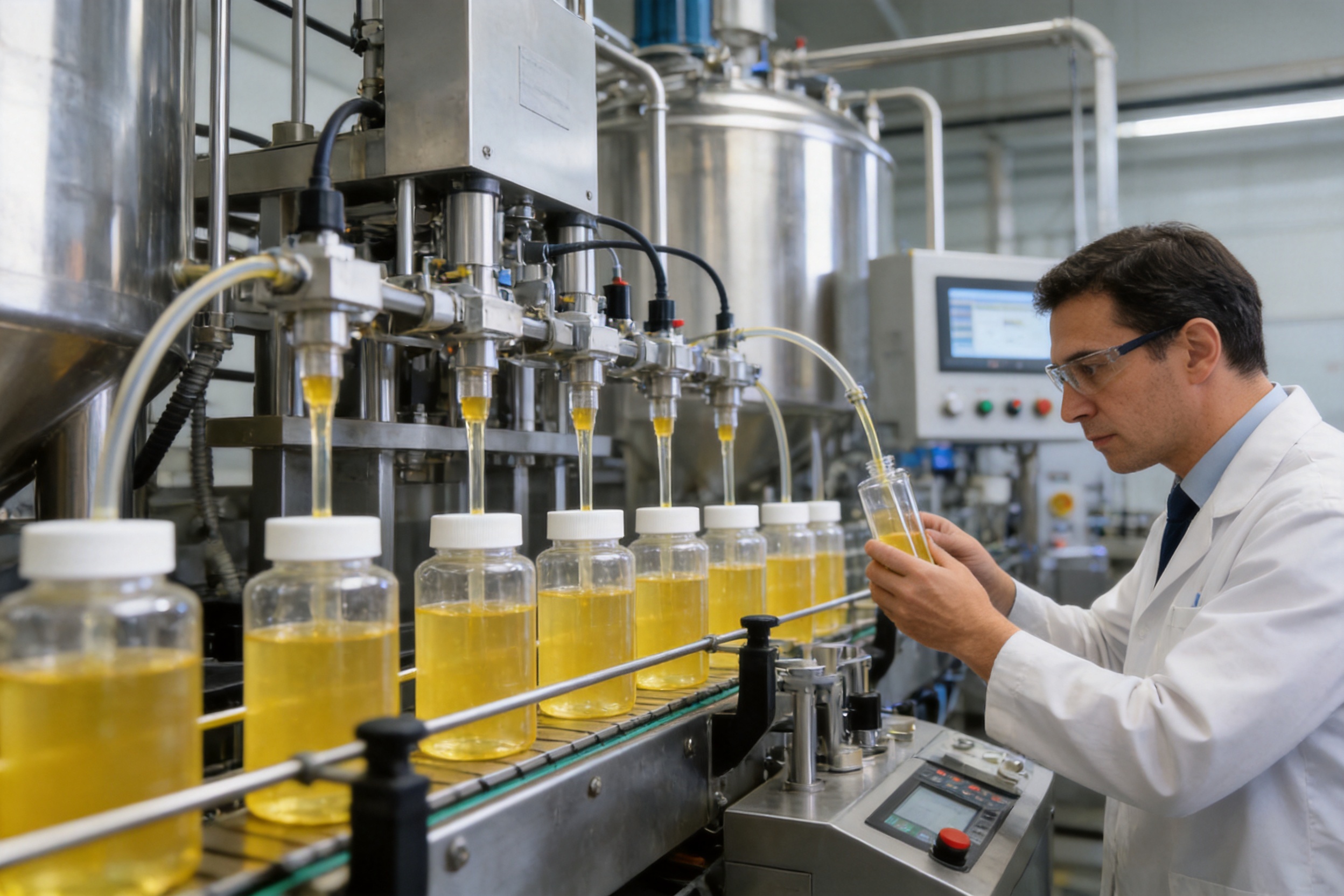
DH-6313W is used for water-based coatings, water-based printing inks, adhesive systems, and the preparation of stable resin-free pigment concentrates.
The main advantages are excellent viscosity reduction, high gloss, enhanced color strength, improved hiding power, low foaming, and strong color development for organic pigments and carbon black.
Yes. The product is specifically described as providing excellent color development for carbon black. It is also designed to provide a strong viscosity-reduction effect, which is useful because carbon black can create highly viscous pigment systems.
According to the stated product characteristics, DH-6313W has low foaming and no defoamer is required during the grinding process. The complete formulation should still be tested because foam behavior can be affected by other ingredients and processing conditions.
Yes. The product is described as improving hiding power for both transparent and non-transparent pigments.
Yes. It is particularly suitable for producing stable resin-free pigment concentrates with pigment content in the approximate range of 30–60%.
No universal addition level should be assumed. The appropriate level depends on the pigment, pigment concentration, water quality, grinding equipment, binder system, and final application. Laboratory screening is recommended.
The product is suitable for industries producing water-based coatings, printing inks, and adhesives. The supplier also serves markets including coil coatings, plastic coatings, wood coatings, glass coatings, flooring, anti-corrosion coatings, and other specialty applications.
Compatibility should be assessed by testing the dispersant with the intended pigment, binder, water, rheology modifiers, defoamers, and other formulation components. Evaluation should include viscosity, color development, gloss, hiding, foam, storage stability, and final application performance.
The supplier has an experienced team, research and development personnel, modern production facilities, advanced testing equipment, and experience in coating, ink, and adhesive raw materials. Customers can work with the supplier to evaluate formulation suitability and develop practical chemical solutions.
DH-6313W Water-based Dispersant is a multifunctional additive for manufacturers seeking improved performance in water-borne coatings, printing inks, adhesives, and resin-free pigment concentrates. Its strong viscosity reduction effect supports efficient grinding and handling, while its high-gloss performance contributes to attractive finished surfaces.
The product also enhances color strength and provides excellent color development for organic pigments and carbon black. Its ability to improve hiding power for transparent and non-transparent pigments gives formulators broader design flexibility. Low foaming during grinding can simplify processing and reduce the need for a separate defoamer.
Its suitability for stable resin-free pigment concentrates containing approximately 30–60% pigment is another important advantage. This feature can support flexible concentrate production, efficient color management, and easier incorporation into compatible water-based systems.
Behind the product is a supplier with experience in coatings, inks, and adhesives, supported by research personnel, a modern manufacturing facility, advanced testing equipment, and a broad portfolio of specialty additives. The company’s development history, industry recognition, and investment in research and production capacity reinforce its ability to provide technical materials and customized chemical solutions.
For formulators comparing water-based dispersants, DH-6313W deserves consideration where viscosity reduction, high gloss, strong color development, improved hiding, low foam, and concentrate stability are important. Application-specific testing remains essential, but the product offers a comprehensive starting point for developing reliable and efficient water-borne pigment systems.
1. General principles of pigment wetting, grinding, dispersion stabilization, and color development in water-borne formulations.
2. General formulation practices for water-based coatings, printing inks, and adhesive systems.
3. Product information supplied for DH-6313W Water-based Dispersant.
4. Company information supplied for Suzhou Qingtian New Material Co., Ltd., including company history, product portfolio, manufacturing resources, and research capabilities.
5. General laboratory evaluation methods for viscosity, gloss, hiding power, color strength, foam behavior, storage stability, and pigment concentrate compatibility.
 Wholesale Paint/ Coating Additives Manufacturers
Custom Industrial Chemical Solutions Suppliers
Wholesale Paint/ Coating Additives Manufacturers
Custom Industrial Chemical Solutions Suppliers