русский
 Español
 Français
Home / Author / Qiao Minshu — Key Account After-Sales Consultant / Advanced Polymeric Dispersant Technology for High-Performance Coatings and Inks
Qiao Minshu — Key Account After-Sales Consultant

Content
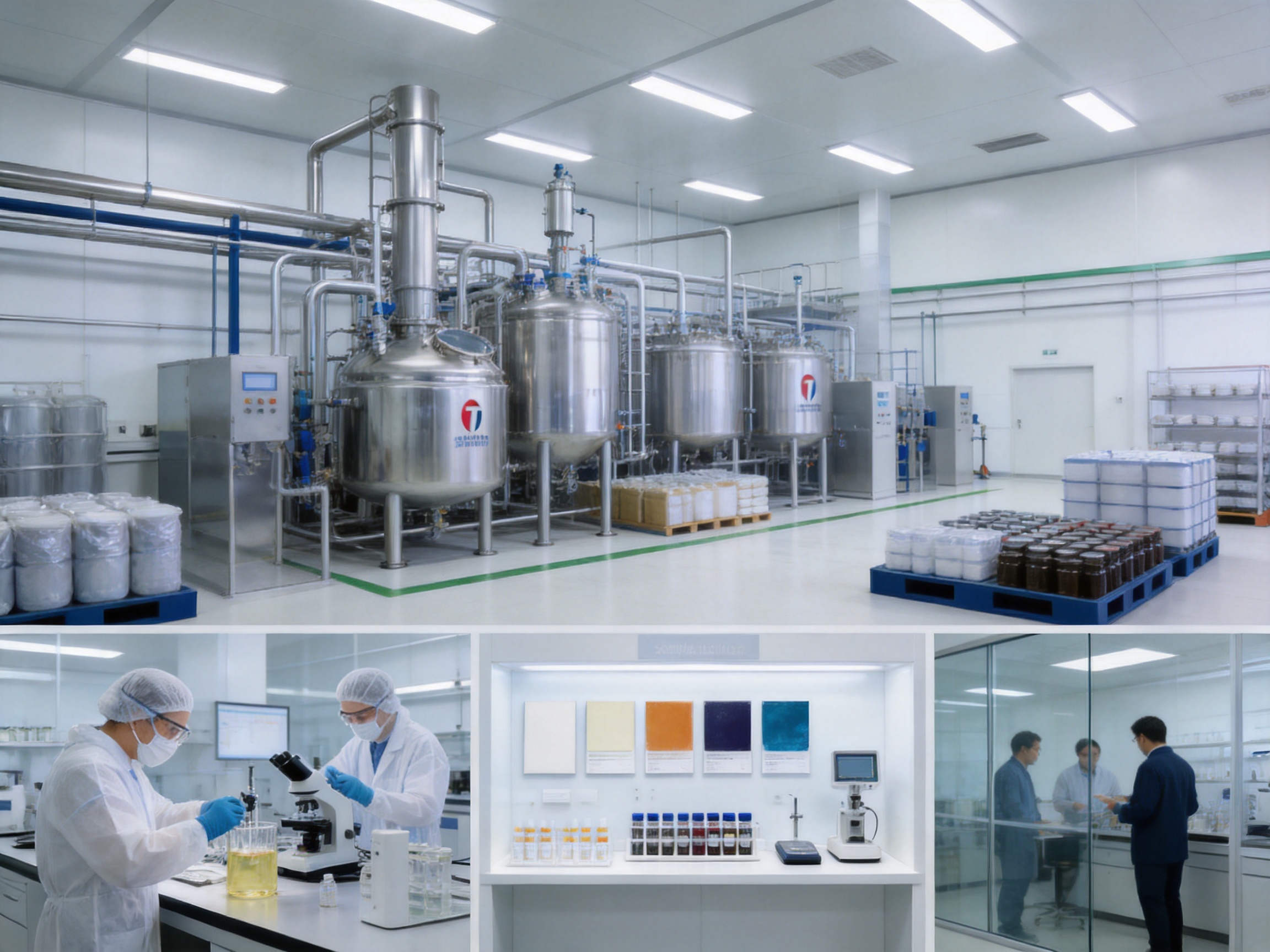
Modern coatings, printing inks, and adhesive formulations depend on precise control of pigments, fillers, resins, and liquid carriers. Among these components, the dispersant plays a particularly important role because it determines how efficiently solid particles are wetted, separated, stabilized, and incorporated into the final formulation. Poor dispersion can lead to excessive viscosity, color development problems, floating, flooding, sedimentation, gloss reduction, surface defects, and shortened product shelf life. A well-designed polymeric dispersant, by contrast, can improve manufacturing efficiency while supporting the performance and appearance of the finished coating or ink.
DH-6321 Polymeric Dispersant is designed for medium-to-high polarity systems and is suitable for a broad range of solvent-based coatings and ink applications. It offers good compatibility with common coating resins, improves the wetting and dispersion of pigments and fillers, reduces formulation viscosity, enhances fluidity, and helps shorten grinding and dispersion time. Its broad pigment compatibility makes it suitable for both organic and inorganic pigments, including challenging high-pigment carbon black systems.
The product is especially valuable when a formulator needs a versatile additive that can work across multiple resin types and pigment families rather than a narrowly specialized dispersing aid. Its performance with high-pigment carbon blacks, including grades such as FW-200, 255, 5000, and 1300, is an important advantage for applications where maintaining the distinctive hue and achieving strong color development are critical.
This article examines the operating principles, performance benefits, application value, manufacturing strengths, quality considerations, and selection advantages associated with DH-6321 Polymeric Dispersant. It also explains how an experienced specialty-materials producer can support customers through formulation development, technical service, research, and reliable production.
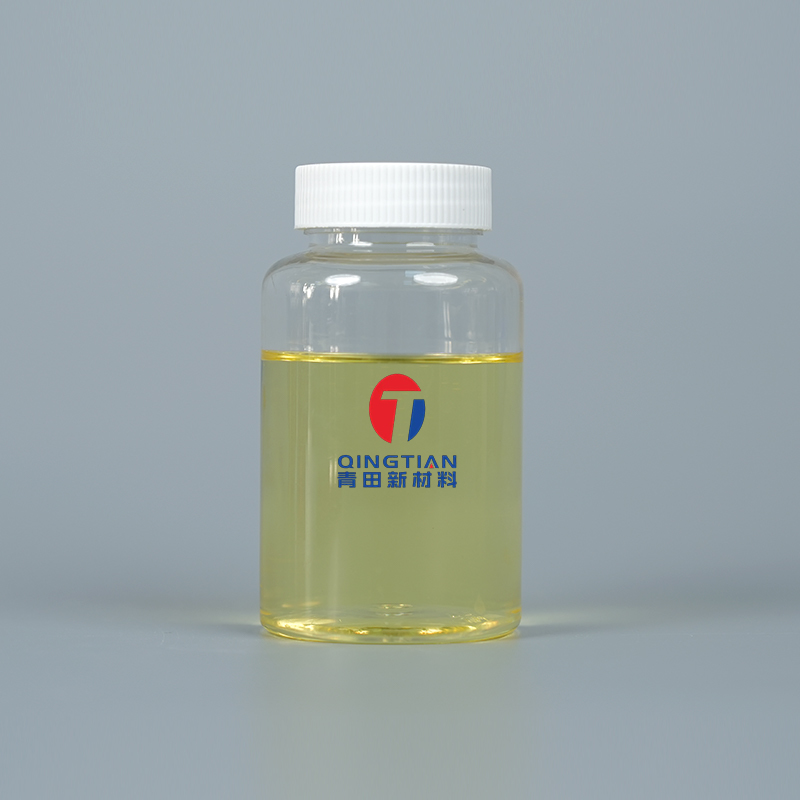
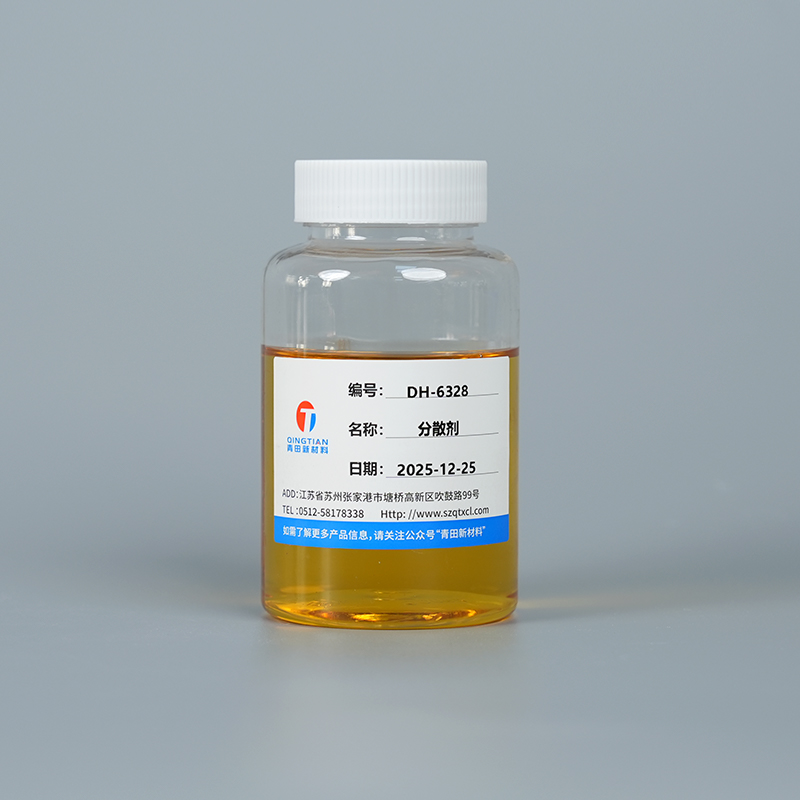
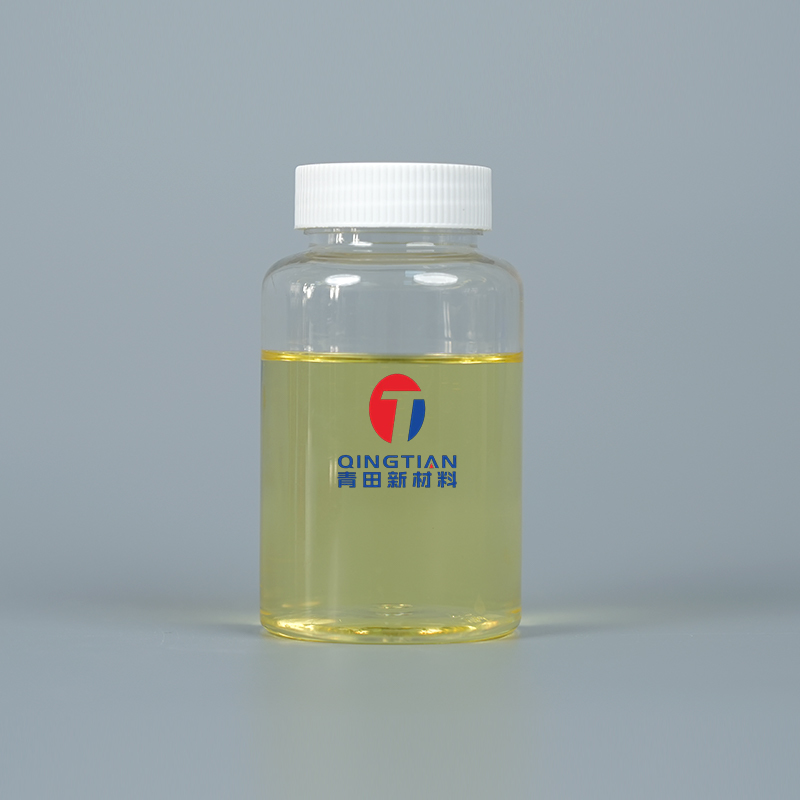
DH-6321 Polymeric Dispersant
Pigment and filler particles do not naturally disperse evenly in every liquid medium. Their surfaces may contain polar groups, hydrophobic areas, absorbed moisture, or other characteristics that influence compatibility with the surrounding resin and solvent. When dry powders are introduced into a liquid formulation, air may remain trapped between particles, and the liquid may struggle to penetrate agglomerated structures.
The first function of a dispersant is to improve wetting. A suitable dispersant reduces the interfacial tension between the solid particle and the liquid phase, allowing the binder or solvent system to contact the particle surface more effectively. Better wetting supports faster incorporation and reduces the amount of energy required during premixing and grinding.
DH-6321 is formulated to improve the wetting capability of base materials for pigments and fillers. This characteristic can be particularly important in high-solid formulations, high-pigment systems, and applications involving fine particles with a strong tendency to agglomerate.
Most pigment powders are supplied as aggregates or agglomerates rather than as completely separated primary particles. Mechanical grinding and dispersion are used to break these structures apart. However, mechanical energy alone may not be sufficient to produce a stable dispersion. Once agglomerates are broken down, the newly exposed particle surfaces must be protected against re-aggregation.
A polymeric dispersant can assist in this process by adsorbing onto particle surfaces and creating a stabilizing layer. Depending on the formulation, stabilization may involve steric hindrance, electrostatic effects, or a combination of interfacial mechanisms. The dispersant therefore contributes both to particle separation during processing and to the maintenance of that separation after grinding.
Uncontrolled pigment-pigment interactions can create a three-dimensional network within a coating or ink. This structure increases viscosity and may cause poor flow, difficult pumping, uneven application, and reduced transfer efficiency. In severe cases, high viscosity can limit pigment loading or require additional solvent, which may compromise solids content and production efficiency.
By reducing unwanted particle interactions, DH-6321 can help lower system viscosity and enhance fluidity. The resulting improvement may allow easier mixing, pumping, filtration, coating, and printing. It can also provide greater flexibility when developing formulations that require a high pigment concentration without excessive resistance to flow.
Color strength depends not only on the chemical identity of a pigment but also on the degree of dispersion. Agglomerated particles may produce lower color development, an altered undertone, reduced transparency, or inconsistent shade. Carbon black is especially demanding because of its fine particle size, high surface area, and strong tendency to form agglomerates.
DH-6321 is designed to provide excellent dispersion performance in high-pigment carbon blacks such as FW-200, 255, 5000, and 1300 while maintaining their unique hue. This means that formulators can pursue improved dispersion without unnecessarily changing the visual character associated with the selected carbon black grade.
Formulation polarity affects the interaction between the dispersant, pigment surface, binder, and solvent. A dispersant that performs well in one polarity range may be less effective in another. DH-6321 is intended for medium-to-high polarity systems, giving formulators a useful option for coating and ink systems in which strong polar interactions influence compatibility and stability.
This positioning is advantageous for manufacturers working with several resin families or multiple solvent blends. Rather than selecting a completely different dispersant for every formulation, a broadly compatible product may simplify raw-material management and reduce the number of preliminary screening trials required.
Compatibility is essential because a dispersant must function within the entire formulation, not only at the pigment surface. An additive that disperses pigment effectively but causes resin incompatibility may produce haze, flocculation, gloss loss, surface defects, or storage instability. DH-6321 offers good compatibility with common coating resins, supporting its use in a wide range of industrial coating and ink systems.
Good resin compatibility can also improve formulation flexibility. It may allow the additive to be introduced into a premix, mill base, or let-down stage according to the requirements of the production process. Final selection should always be confirmed through laboratory testing, because the most suitable dosage and addition stage depend on the resin, solvent, pigment, filler, and application method.
Organic and inorganic pigments differ substantially in surface chemistry, particle morphology, density, and oil absorption. A dispersant with a narrow interaction profile may perform well with one pigment family but show limited value with another. DH-6321 is suitable for the dispersion of both organic and inorganic pigments, making it a versatile choice for color pastes, decorative coatings, industrial finishes, and printing systems.
This broad compatibility may reduce the need to maintain many different dispersants in inventory. It can also help companies standardize their development work, especially when they manufacture several colors or product lines using different pigment combinations.
Production time is a major factor in the total cost of a coating or ink. Extended grinding consumes electricity, occupies equipment capacity, increases heat generation, and delays batch release. A dispersant that improves wetting and particle separation can shorten the time needed to reach the desired dispersion condition.
DH-6321 is designed to improve dispersion efficiency and shorten grinding and dispersion time. The actual reduction depends on the equipment, pigment loading, resin system, solvent blend, temperature, and target fineness, but the general benefit is greater process productivity. Faster dispersion can also improve production scheduling and increase the availability of mills and mixing equipment.
High-pigment systems are attractive because they can deliver strong color, opacity, or functional performance while supporting efficient formulation design. However, high pigment loading frequently increases viscosity. DH-6321 helps improve fluidity by moderating particle interactions and supporting a more uniform distribution of solids throughout the liquid phase.
Improved fluidity may contribute to easier transfer through pipes, pumps, filters, and application equipment. In printing inks, it can support more consistent transfer and metering. In coatings, it may help improve leveling, spray behavior, roller application, or curtain coating performance, depending on the complete formulation.
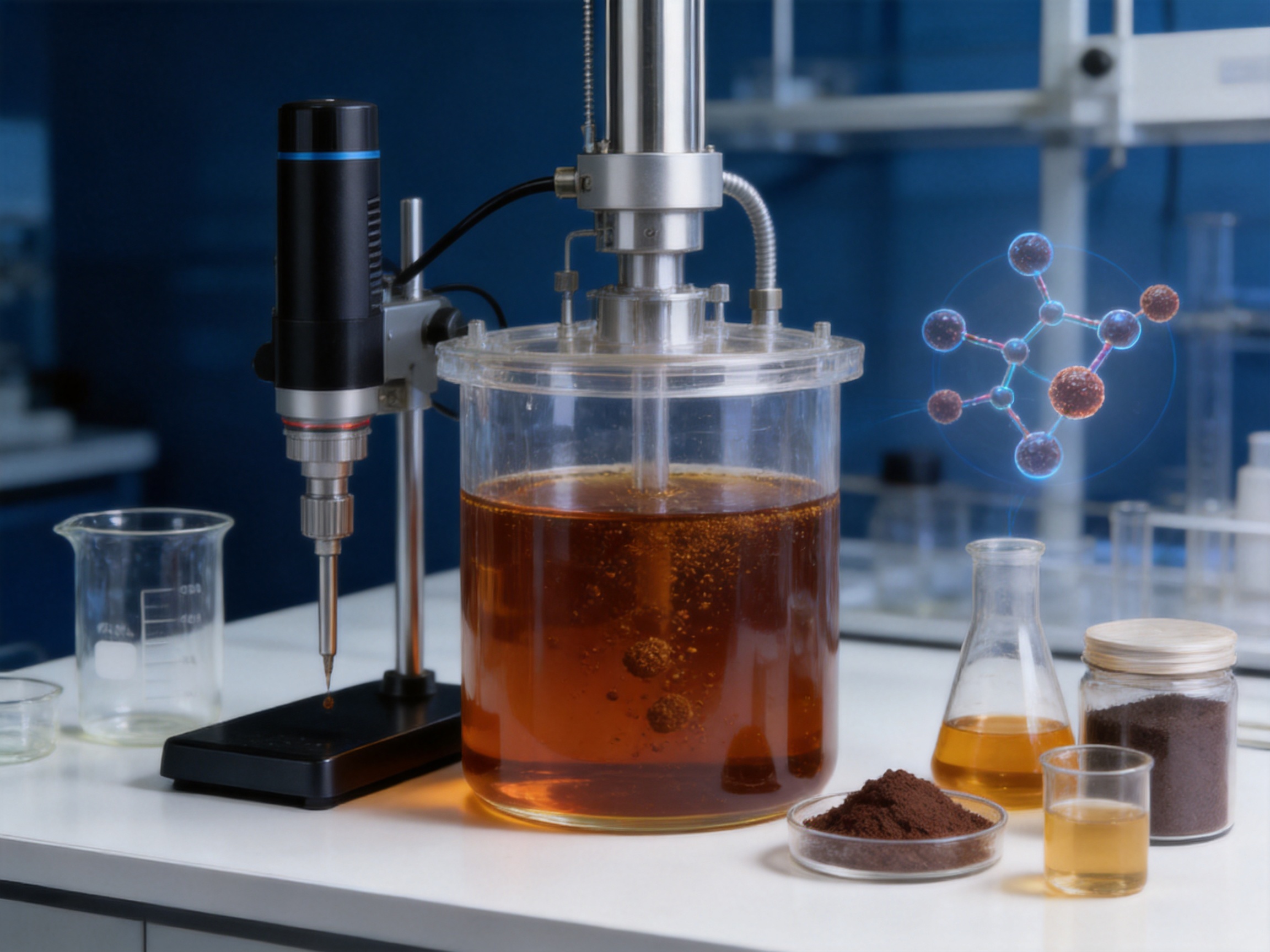
Carbon black is widely used for coloration, tinting, shading, conductivity, ultraviolet protection, and other functional purposes. Its small particle size and large surface area provide strong optical performance, but these same characteristics create significant dispersion challenges. Carbon black particles can form persistent agglomerates, absorb substantial quantities of liquid, and increase viscosity rapidly as loading rises.
Inadequate carbon black dispersion may result in weak blackness, an undesirable undertone, poor gloss, loss of transparency, unstable viscosity, and visible defects in the applied film. It may also create shade variation between batches because small differences in mixing and grinding conditions can produce different particle distributions.
Different carbon black grades have different structures, particle sizes, surface properties, and optical characteristics. The selected grade may have been chosen specifically for its blue undertone, brown undertone, jetness, transparency, tinting strength, or conductivity. A dispersant must therefore improve dispersion without unnecessarily changing the intended visual result.
DH-6321 demonstrates excellent dispersion performance with high-pigment carbon blacks such as FW-200, 255, 5000, and 1300. Its ability to maintain the unique hue of these materials is valuable for formulators who require consistent color identity rather than merely lower viscosity. This feature can support repeatable color matching and reduce adjustments during production.
Color concentrates and master formulations often contain a high proportion of pigment. These products must remain sufficiently fluid for manufacturing and later incorporation into the final coating or ink. If the concentrate is too viscous or unstable, dosing becomes difficult and the concentrate may not blend uniformly into the let-down system.
A suitable polymeric dispersant can improve the efficiency of pigment incorporation and help maintain manageable viscosity. DH-6321 may therefore be considered for carbon black concentrates and other high-pigment preparations where strong color performance and processing efficiency are important.
Some dispersants are optimized for only one pigment class, one resin family, or one solvent environment. Such products can be useful in specialized applications, but they may require a complicated additive portfolio when a manufacturer produces different coating and ink grades. DH-6321 offers broader applicability across medium-to-high polarity systems and both organic and inorganic pigments.
This wider operating range is a practical advantage because it can simplify raw-material selection. It may also reduce the risk of choosing a product that performs well in a laboratory screening test but becomes incompatible when the resin or pigment is changed.
Some additives primarily accelerate grinding but provide limited storage stability. Others may stabilize a dispersion but increase viscosity or affect color development. A strong formulation additive should provide a balanced combination of wetting, grinding efficiency, fluidity, compatibility, and final appearance.
DH-6321 is positioned as a multifunctional polymeric dispersant that supports several stages of the formulation process. It improves wetting, helps disperse pigments and fillers, reduces viscosity, enhances fluidity, and shortens processing time. It also supports carbon black color performance. This combination can be more valuable than optimizing only one isolated property.
When a dispersant has broad compatibility, manufacturers may be able to reduce the number of corrective additives required to compensate for poor wetting, unstable viscosity, or slow grinding. A simpler additive package can make production more consistent and may improve batch-to-batch repeatability.
However, formulation simplification should be verified through testing. The final system may still require a leveling agent, defoamer, anti-settling agent, or other specialized additive. The value of DH-6321 lies in its ability to provide a strong dispersing foundation while working alongside other formulation components.
Industrial coatings often require reliable pigment dispersion, consistent color, good appearance, and efficient production. Applications may include metal coatings, machinery finishes, protective coatings, and general industrial paints. DH-6321 can support pigment incorporation and viscosity control in solvent-based systems where medium-to-high polarity interactions are important.
In industrial environments, the processing benefits may be as important as the appearance benefits. Shorter grinding time can increase production capacity, while improved fluidity can reduce equipment strain and improve transfer from the mixing vessel to the application line.
Coil coating lines operate at high speed and require close control of viscosity, color, film appearance, and application consistency. Pigment dispersion must be uniform because coating defects can become visible across large continuous surfaces. A dispersant that supports stable pigment distribution and good resin compatibility may contribute to more consistent process control.
DH-6321 is suitable for consideration in coil-coating formulations, subject to compatibility testing with the selected resin, solvent blend, curing technology, pigment package, and line conditions.
Printing inks require controlled flow, efficient pigment dispersion, strong color development, and reliable transfer behavior. Excessive viscosity can affect pumping and metering, while poor dispersion can reduce print strength and create shade variation. Carbon black inks are particularly sensitive to dispersion quality because the pigment strongly influences both visual density and rheology.
DH-6321 may be used in suitable solvent-based ink systems to support pigment wetting, grinding efficiency, fluidity, and color consistency. The correct use level should be determined through drawdown, fineness, viscosity, gloss, color strength, and storage testing.
Wood coatings often require attractive color, smooth appearance, good flow, and controlled gloss. Uneven pigment dispersion can produce streaks, shade differences, or surface irregularities. A well-dispersed pigment phase supports more uniform application and may help the coating achieve a consistent visual result across the substrate.
Because wood-coating systems may use different resin and solvent combinations, laboratory compatibility evaluation remains important. DH-6321 can serve as a candidate dispersant where the formulation falls within its intended polarity and resin-compatibility range.
Plastic substrates can be sensitive to solvent selection, surface energy, adhesion, and coating flow. Pigment dispersion must be controlled without adversely affecting the film properties. The use of a compatible polymeric dispersant may help develop stable color concentrates and finished coatings with improved processing behavior.
UV-curing systems contain reactive components and may have high solids content. Pigment dispersion can be challenging when viscosity is already elevated or when the system has limited solvent content. DH-6321 may be evaluated in suitable systems where its compatibility with the selected resin and reactive medium has been confirmed.
Specialty coatings should be tested carefully because curing speed, film hardness, gloss, adhesion, and surface appearance may all be affected by additive selection. The product’s broad dispersing function can provide a useful starting point for development, but performance must be confirmed under actual curing conditions.
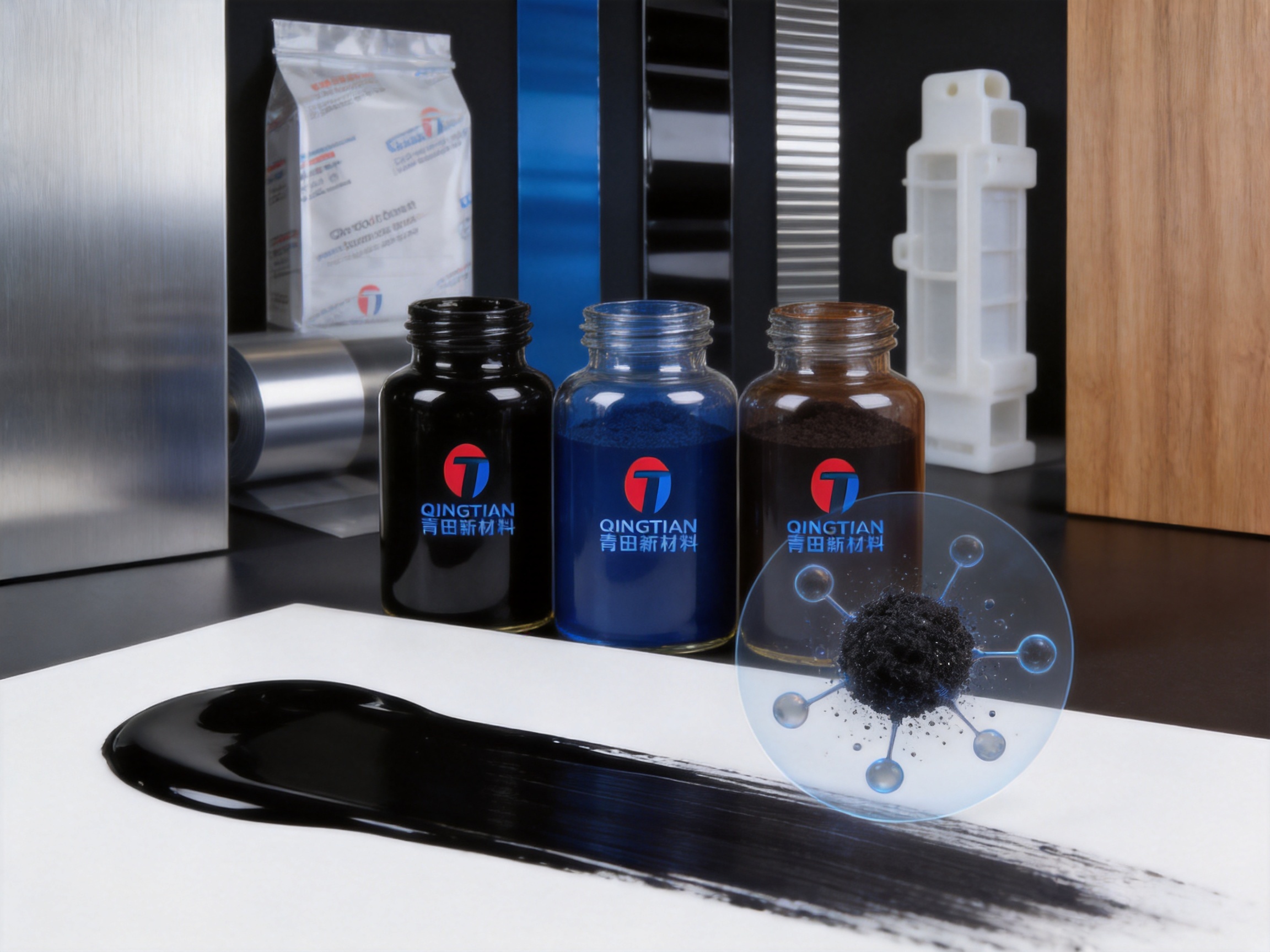
The manufacturer behind DH-6321 specializes in raw materials for coatings, inks, and adhesives. Since its establishment in 2012, the company has developed an experienced team that includes research and development specialists, sales professionals, and technical personnel. This industry focus is important because dispersant performance is closely connected with formulation practice.
A supplier dedicated to coating and ink additives is more likely to understand the practical challenges faced by formulators, including pigment selection, resin compatibility, grinding methods, viscosity control, storage stability, and application behavior. This knowledge can support more efficient product selection and technical communication.
Specialty additives require continuous research because coating and ink technologies are constantly changing. Customers may request lower volatile organic compound content, higher solids, faster processing, improved color strength, better storage stability, or compatibility with new resin chemistries. Research capability enables a manufacturer to respond to these needs with product optimization and custom technical support.
The company has developed its business around innovation and maintains research capabilities supported by testing equipment. Its development history includes the creation of an ice flower resin in 2016 and recognition as a National High-Tech Enterprise in 2020. These milestones indicate a commitment to material development and technical advancement.
Reliable additive production depends on controlled processing, accurate raw-material handling, effective reaction or blending conditions, and consistent filtration and packaging. A modern production facility provides the infrastructure needed to manage these factors. It also supports scale-up from laboratory development to commercial production.
In 2021, the company moved to Lingrui Intelligent Manufacturing Park in Zhangjiagang High-Tech Zone to strengthen its research and production capacity. This investment in facilities is relevant to customers seeking a stable long-term supply partner rather than a purely trading-based source.
Testing is essential for confirming dispersant quality and evaluating performance in actual formulations. Depending on the product and application, relevant measurements may include appearance, viscosity, color strength, fineness of grind, gloss, storage stability, compatibility, sedimentation, and flow behavior. Advanced testing equipment supports more systematic quality control and product-development work.
For a polymeric dispersant, testing should cover both the additive itself and its performance in representative coating or ink systems. A supplier with laboratory capabilities can help customers compare pigment types, resin systems, dosage levels, and processing conditions more efficiently.
The connection between research, testing, sales, and manufacturing is a significant strength for specialty chemical suppliers. Product performance can be improved more quickly when application feedback reaches the technical team and when manufacturing personnel can implement controlled adjustments. Customers also benefit from a clearer communication process when technical questions, sample requests, and commercial supply are handled by an integrated organization.
This integrated approach is particularly valuable for dispersants because the best product choice depends on the entire formulation. The supplier can help customers understand the product’s intended application range, identify suitable screening methods, and interpret performance data from laboratory trials.
Polymeric dispersant performance begins with the quality and consistency of its raw materials. Variations in molecular structure, functional-group balance, purity, or moisture content may affect pigment interaction and resin compatibility. Careful incoming-material control is therefore necessary to support reliable finished-product performance.
A professional manufacturer should establish specifications for critical raw materials, verify incoming batches, and maintain traceable records. Consistent raw materials help reduce variation between production lots and support predictable results for customers.
Polymeric materials can be sensitive to process conditions. Temperature, mixing intensity, feed rate, reaction time, order of addition, and cooling conditions may influence molecular characteristics and final additive behavior. Controlled manufacturing processes help maintain product uniformity.
Modern production equipment and experienced operators contribute to stable processing. Process monitoring should be combined with documented procedures, preventive maintenance, and appropriate safety controls. These practices help ensure that the dispersant delivered to customers performs consistently from batch to batch.
Finished-product testing provides an additional layer of quality assurance. The testing program should confirm that the product meets established specifications before shipment. Depending on the product standard, this may include physical appearance, viscosity, solids content, color, density, storage condition, and application performance.
Application testing is especially valuable for dispersants. A product can meet basic physical specifications yet behave differently in a particular pigment or resin system. Representative performance tests help connect manufacturing quality with customer experience.
Packaging must protect the dispersant from contamination, excessive temperature variation, moisture, and other conditions that could affect quality. Storage recommendations should be followed carefully, and containers should remain sealed when not in use. Before production use, customers should inspect the material and confirm that it remains homogeneous and within the agreed specification.
Good packaging and storage practices help preserve the product’s performance throughout transportation, warehouse handling, and formulation operations.
The ideal addition stage depends on the formulation and production equipment. In many systems, the dispersant is introduced during the premix stage before or together with the pigment and filler. This allows the additive to participate in initial wetting and can help reduce the formation of large agglomerates.
Other systems may benefit from adding the dispersant to a portion of the resin or solvent before pigment incorporation. The best approach should be determined through comparative trials. Factors to evaluate include viscosity during premixing, grinding efficiency, fineness, color strength, storage stability, and final coating appearance.
Dispersant dosage should not be selected solely by total formulation weight. Pigment surface area, oil absorption, pigment type, carbon black structure, resin polarity, and desired loading all influence the required amount. A practical development program usually evaluates several dosage levels around an initial starting point.
Insufficient dispersant may result in poor wetting, high viscosity, incomplete color development, or unstable storage. Excessive dispersant may increase cost or affect water resistance, adhesion, gloss, drying, curing, or intercoat compatibility. The optimum level is the lowest dosage that delivers the required balance of processing and final performance.
DH-6321 can support grinding efficiency, but the final result also depends on mill type, bead size, residence time, temperature, solids content, and shear. Excessive heat may alter viscosity or affect sensitive resin systems. Insufficient shear may leave agglomerates that limit color development and surface quality.
Laboratory and production conditions should be correlated. A mill-base procedure that performs well in a small laboratory disperser may require adjustment during scale-up. Monitoring temperature and maintaining consistent processing conditions can help ensure that the performance observed during development is reproduced in production.
Compatibility should be evaluated before commercial adoption. Recommended screening may include resin blending, pigment dispersion, let-down stability, viscosity measurement, drawdown evaluation, accelerated storage, and final-film testing. Important observations include haze, flocculation, flooding, floating, gloss, leveling, adhesion, and color shift.
Because DH-6321 is intended for medium-to-high polarity systems and common coating resins, it may be suitable for a broad range of formulations. Nevertheless, the complete system determines performance, and every new resin, solvent blend, or pigment combination should be validated.
| Evaluation Area | Purpose | Typical Observation | Product Value |
|---|---|---|---|
| Wetting | Determine how quickly liquid contacts the pigment or filler | Shorter incorporation time and fewer dry agglomerates | Supports efficient premixing |
| Fineness of grind | Assess particle-size reduction after dispersion | Improved grind gauge reading and reduced coarse particles | Helps confirm grinding efficiency |
| Viscosity | Measure resistance to flow during processing | Lower or more manageable mill-base viscosity | Improves pumping and application behavior |
| Color strength | Evaluate pigment development | Higher tinting strength and more consistent shade | Supports color accuracy |
| Hue | Confirm that the pigment’s visual character is maintained | Minimal unwanted undertone change | Important for carbon black and color matching |
| Storage stability | Check resistance to settling, flocculation, or viscosity drift | Uniform appearance after storage and remixing | Supports product shelf life |
| Film appearance | Assess the applied coating or printed layer | Improved gloss, uniformity, and reduced surface defects | Connects dispersion with final performance |
Laboratory testing should compare the dispersant against the current additive or a suitable reference product. The comparison should use the same pigment, resin, solvent, solids content, mixing equipment, and processing time. Otherwise, the results may not accurately reflect the additive’s contribution.
For carbon black, drawdowns can be evaluated for blackness, undertone, gloss, transparency, and shade consistency. For colored pigments, tinting strength, hue, and color difference should be measured where possible. Viscosity should be monitored at both the mill-base stage and after let-down.
Short-term stability tests may identify immediate flocculation or viscosity drift, while extended storage tests provide information about settling, hard packing, syneresis, and remixability. A stable dispersion should remain as uniform as possible and should not form a hard sediment that cannot be readily reincorporated.
Test conditions should reflect the customer’s expected storage environment. Temperature cycling or accelerated aging may provide additional information, but accelerated results should be interpreted carefully and correlated with real-time storage data.
A dispersant is not selected in isolation. Customers often need support with pigment screening, dosage optimization, resin compatibility, and process adjustment. A supplier with coating and ink expertise can provide more useful guidance than a supplier that only offers a product specification sheet.
The manufacturer’s professional team includes research and development, sales, and technical personnel. This structure supports communication from initial inquiry through sample evaluation and commercial supply. It also enables customers to discuss specific application requirements rather than relying only on general product descriptions.
Different customers may require different balances of color development, viscosity reduction, grinding speed, compatibility, and storage stability. A supplier that focuses on custom chemical solutions can help identify the most suitable product or development direction for each application.
Customization may involve product selection, dosage guidance, test design, or technical evaluation. Any modified product should be assessed through an appropriate specification and approval process to confirm that it meets the customer’s performance and regulatory requirements.
Reliable supply, consistent quality, responsive communication, and technical competence are essential for a long-term additive partnership. Customers may use the same dispersant across several products, making continuity especially important. Changes in additive quality can affect color, viscosity, grinding time, and final coating appearance.
The company’s continued investment in research, testing, intelligent manufacturing, and production capacity supports its role as a long-term supplier for coatings, inks, and adhesive manufacturers. Its broad product portfolio, which includes dispersants, leveling agents, defoamers, adhesion promoters, anti-settling agents, texture additives, and wax powders, also provides opportunities for broader formulation cooperation.
Shortening grinding and dispersion time can reduce equipment operating hours and electricity consumption per batch. The economic benefit depends on production scale and processing conditions, but even moderate time savings may become significant in high-volume manufacturing.
More efficient processing can also increase mill availability and reduce production bottlenecks. This may help manufacturers handle more orders without immediately adding new equipment or extending operating schedules.
When a pigment mill base becomes excessively viscous, formulators may add more solvent to restore flow. Although this can make processing easier, it may reduce solids content and affect drying, emissions, film build, or final performance. A dispersant that improves fluidity can help reduce the need for such corrective adjustments, subject to the requirements of the complete formulation.
Poor dispersion can create batch failures, rework, filter blockages, unstable color concentrates, and residue in production equipment. Improved wetting and dispersion may help reduce these sources of waste. Better batch consistency can also lower the frequency of shade correction and rejected material.
These potential benefits should be quantified by each customer through production trials. The most useful evaluation compares total process cost rather than additive price alone. Grinding time, labor, energy, solvent consumption, rework, equipment utilization, and batch-release time should all be considered.
The first step is to identify the resin type, solvent polarity, pigment family, pigment loading, target viscosity, application method, curing process, and storage conditions. This information helps determine whether DH-6321 is an appropriate candidate.
A reference formula should be prepared using the current dispersant or the existing production method. This provides a baseline for viscosity, grind time, color strength, hue, gloss, storage stability, and application behavior.
Several dosage levels and addition methods should be tested under controlled conditions. The study should determine whether the product performs best in the premix, pigment mill base, or another processing stage.
The optimized mill base should be incorporated into the final coating or ink. Testing should include application properties, drying or curing, film appearance, adhesion, gloss, color, and storage. A dispersant should be approved based on complete-system performance rather than mill-base viscosity alone.
Production-scale testing is necessary to confirm mixing time, temperature control, equipment compatibility, filtration, packaging, and batch-to-batch consistency. Any process adjustments should be documented so that the product can be used reliably in routine manufacturing.
DH-6321 is a polymeric dispersant intended for coating and ink formulations. It is suitable for medium-to-high polarity systems and offers compatibility with common coating resins.
Yes. The product is designed for the dispersion of both organic and inorganic pigments. Because pigment surface chemistry varies, users should still confirm performance with the specific pigments used in their formulation.
Yes. DH-6321 offers excellent dispersion performance with high-pigment carbon blacks such as FW-200, 255, 5000, and 1300. It is intended to support dispersion while maintaining the unique hue of the selected carbon black.
It is designed to reduce system viscosity and enhance fluidity by improving pigment and filler wetting and reducing unwanted particle interactions. The actual viscosity change depends on pigment type, loading, resin, solvent, dosage, and processing conditions.
Yes. Improved wetting and particle separation can shorten grinding and dispersion time. The extent of improvement must be determined through a comparison using the customer’s equipment and standard formulation.
The product information identifies it under water-borne dispersants, while its stated application description emphasizes medium-to-high polarity systems and solvent-based coating and ink systems. Customers should confirm suitability with the supplier for the specific water-borne, solvent-based, or hybrid formulation under consideration.
The optimum dosage should be established through laboratory screening at multiple levels. The evaluation should consider viscosity, fineness of grind, color strength, hue, gloss, storage stability, and final-film performance. The lowest dosage that meets the required performance is generally the preferred starting point.
No. DH-6321 is a dispersant and should not automatically be expected to replace leveling agents, defoamers, adhesion promoters, anti-settling agents, or other specialized additives. It may reduce the need for certain corrective adjustments, but the complete additive package must be designed for the application.
Useful information includes the resin type, solvent system, pigment or filler identity, pigment loading, current dispersant, dosage, grinding equipment, target viscosity, application method, curing conditions, and observed problems. This information allows technical personnel to recommend a more relevant test plan.
Manufacturing capability affects product consistency, supply reliability, technical support, and scale-up. A supplier with R&D resources, testing equipment, experienced personnel, and modern production facilities can support customers beyond the initial sample stage.
DH-6321 Polymeric Dispersant is a versatile additive for medium-to-high polarity coating and ink systems. Its principal advantages include good compatibility with common coating resins, improved wetting of pigments and fillers, reduced system viscosity, enhanced fluidity, shorter grinding and dispersion time, and broad suitability for organic and inorganic pigments.
Its performance with high-pigment carbon blacks such as FW-200, 255, 5000, and 1300 is especially significant for manufacturers that require strong color development while maintaining the distinctive hue of the selected carbon black. This combination of process efficiency and visual performance gives the product a practical advantage over narrower dispersant approaches that address only one pigment class or one formulation environment.
The value of the product is further supported by the manufacturer’s industry experience, research and development capability, advanced testing equipment, modern production facility, and focus on custom chemical solutions. Since dispersant selection depends on the complete formulation, the most effective implementation involves controlled laboratory screening, dosage optimization, compatibility testing, storage evaluation, and production-scale validation.
For coating and ink manufacturers seeking improved dispersion efficiency, manageable viscosity, reliable color performance, and broader formulation flexibility, DH-6321 provides a strong candidate for technical evaluation. Its role is not limited to accelerating pigment grinding; it can contribute to a more efficient, consistent, and controllable formulation process from raw-material incorporation through final application.
1. Basic Principles of Pigment Dispersion and Stabilization in Coating Formulations.
2. Technical Literature on Polymeric Dispersants for Solvent-Based Paints and Printing Inks.
3. Standard Methods for Evaluating Fineness of Grind, Viscosity, Color Strength, and Gloss.
4. Industrial Guidance on Carbon Black Wetting, Dispersion, and Color Development.
5. Formulation Practices for Organic and Inorganic Pigments in High-Solid Coatings.
6. Quality-Control Principles for Specialty Additives and Coating Raw Materials.
7. Research and Development Practices in Modern Coatings, Inks, and Adhesive Manufacturing.
 Wholesale Paint/ Coating Additives Manufacturers
Custom Industrial Chemical Solutions Suppliers
Wholesale Paint/ Coating Additives Manufacturers
Custom Industrial Chemical Solutions Suppliers