русский
 Español
 Français
Home / Author / Qiao Minshu — Key Account After-Sales Consultant / Anti-Silver-Dropping Additives for High-Performance Plastic Coatings
Qiao Minshu — Key Account After-Sales Consultant

Content
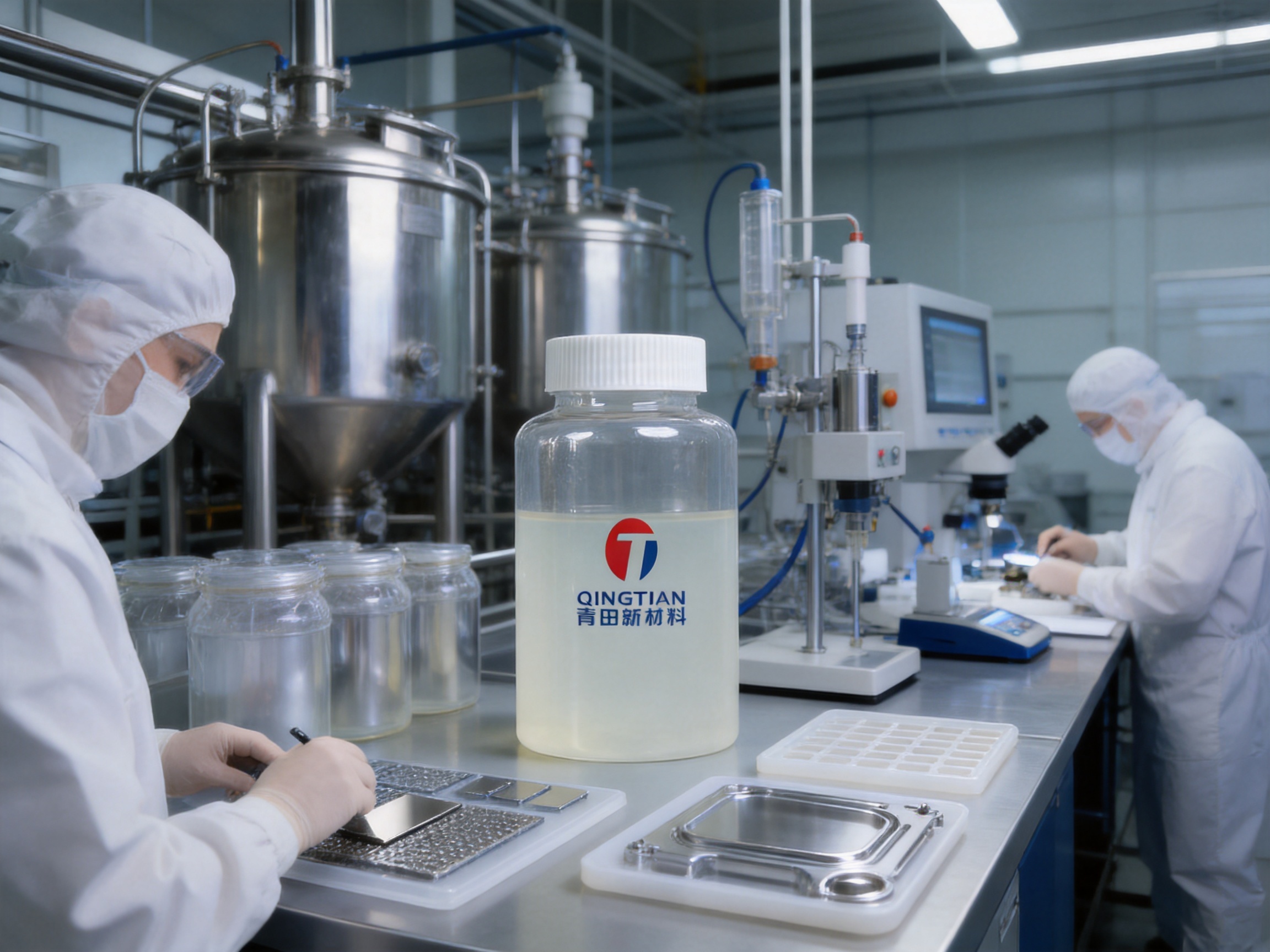
Modern plastic coatings must deliver much more than color and gloss. They are expected to adhere strongly to low-surface-energy substrates, maintain a smooth appearance, protect decorative metallic pigments, withstand handling, and remain stable throughout storage and application. These requirements become especially demanding when a coating contains aluminum paste or another metallic pigment. If the pigment is poorly wetted or insufficiently encapsulated, the metallic particles may separate from the coating film, settle, detach, or create visible defects often described as silver dropping.
DH-7267 Anti-silver Dropping Additive is a multifunctional coating additive developed for plastic paints, ultraviolet-curing coatings, and other solvent-based coating systems. Its performance is centered on two closely related requirements: improving adhesion between coating layers and substrates, and strengthening the wetting and encapsulation of metallic pigments. By addressing both requirements within one additive solution, DH-7267 helps formulators produce more reliable metallic finishes with improved flexibility, appearance, and storage stability.
The product is particularly suitable as an adhesion promoter for plastic substrates. It enhances the connection between the coating film and difficult plastic surfaces while also improving inter-coat adhesion. At the same time, it helps prevent aluminum paste from falling away from the coating film. This combination makes it valuable in applications where decorative quality and mechanical performance must be maintained together.
Plastic parts are widely used in automotive interiors, consumer electronics, household appliances, decorative components, packaging, toys, sporting goods, and industrial equipment. Their low weight, design flexibility, chemical resistance, and ease of processing make them attractive alternatives to metal and other traditional materials. However, many plastics present a challenging surface for coating adhesion.
Common plastic substrates may have low surface energy, limited polarity, smooth surfaces, mold-release residues, or internal additives that migrate toward the surface. These characteristics can reduce the ability of a liquid coating to spread evenly and form strong interactions with the substrate. A coating may appear acceptable immediately after application but later show peeling, flaking, cracking, or interlayer separation during bending, impact, humidity exposure, or repeated handling.
Metallic coatings introduce an additional level of complexity. Aluminum paste and other metallic pigments require careful dispersion and wetting. Their orientation within the film influences reflectivity, brightness, flop, and overall visual uniformity. When the binder system does not sufficiently wet and encapsulate the pigment, the particles may migrate, agglomerate, settle, or detach from the film. The resulting defects can include dull areas, uneven metallic effects, powder transfer, loss of brightness, and visible silver dropping.
A successful formulation must therefore balance several properties at once. The coating should flow and level over the plastic surface, develop strong adhesion, maintain flexibility, stabilize metallic pigment, preserve appearance, and remain compatible with the selected solvent and resin system. An additive that improves only one of these characteristics may not provide a complete solution. DH-7267 is designed to support the overall performance of the coating film rather than focusing on a single isolated property.
DH-7267 is classified as an adhesion promoter for plastic substrates and an anti-silver-dropping additive. It is intended for use in various plastic paints, ultraviolet-curing coatings, and other solvent-based coatings. Its principal functions include improving inter-coat adhesion, promoting adhesion to plastic substrates, wetting metallic pigments, and helping prevent aluminum paste from falling off the coating film.
The additive also contributes to film flexibility. This is important because plastic components are often exposed to bending, impact, vibration, thermal movement, and assembly stress. A coating that has strong initial adhesion but lacks flexibility may crack or detach when the substrate deforms. By supporting a more flexible coating film, DH-7267 helps the coating remain connected to the substrate under practical use conditions.
Another important product characteristic is its benzene-free formulation. This feature supports the development of coating systems with a more environmentally considerate solvent profile. While the complete environmental and regulatory performance of a finished coating depends on all raw materials and process conditions, the use of a benzene-free additive can help formulators move toward safer and more responsible product designs.
DH-7267 is also described as having excellent storage stability and as not causing blackening of silver powder. This is highly relevant to metallic coating manufacturers. A formulation may perform well immediately after production but become unstable during storage. Changes in pigment wetting, incompatibility, or chemical interaction can lead to darkening, sedimentation, viscosity drift, or loss of metallic brightness. Maintaining stability over time is therefore a major advantage in commercial production.
Many plastic coating systems consist of several layers, such as a primer, color coat, metallic coat, clear coat, or protective topcoat. Each interface represents a potential point of failure. If the layers do not bond sufficiently, the coating may delaminate even when the first layer adheres reasonably well to the plastic substrate.
DH-7267 significantly improves inter-coat adhesion. It helps create stronger connections between adjacent coating layers, supporting better resistance to peeling and separation. This function is especially valuable in multi-layer decorative systems where the appearance depends on the continued integrity of every layer.
Improved inter-coat adhesion can also make production more forgiving. Variations in flash-off time, film thickness, surface condition, and recoat timing may affect the bonding of layers. Although good process control remains essential, an effective adhesion promoter can provide a broader performance margin and reduce the risk of defects caused by weak layer-to-layer bonding.
Adhesion to plastic is one of the most important advantages of DH-7267. The additive promotes stronger contact between the coating and the plastic surface, helping the liquid coating spread and form a more reliable film after curing or drying.
This function is useful for both single-layer and multi-layer coating systems. In a primerless or simplified process, the additive may help the coating bond directly to the substrate. In a primer-based process, it can improve the connection between the primer and plastic or between the subsequent coating layer and primer. The exact result depends on substrate type, surface preparation, resin chemistry, curing conditions, and additive dosage.
Strong substrate adhesion is particularly important for parts that will be assembled, polished, printed, heat-treated, or exposed to repeated contact. A coating that remains firmly attached can help preserve decorative quality and reduce rework, rejection, and customer complaints.
Metallic pigments have specialized surface characteristics and often require carefully selected wetting chemistry. Insufficient wetting can cause floating, flooding, agglomeration, poor distribution, or unstable orientation. These defects may become visible as streaks, cloudiness, uneven brightness, or inconsistent metallic effect.
DH-7267 provides excellent wetting of silver powder and aluminum paste. Improved wetting helps the liquid coating surround the pigment more effectively, distribute it throughout the formulation, and support a more uniform appearance after application. Better wetting can also reduce the likelihood that metallic particles will remain exposed or loosely attached within the film.
For formulators, this means the additive can contribute to a more consistent visual result across different batches and application conditions. It may also help improve the compatibility between the metallic pigment and the binder system, although laboratory testing is always needed to confirm performance in a particular resin and solvent combination.
Wetting is closely related to encapsulation. When the coating liquid adequately wets the metallic pigment, the binder can surround and hold the particles more effectively during drying or curing. This reduces the risk of pigment detachment and helps maintain the integrity of the metallic layer.
DH-7267 is designed to prevent silver powder, particularly aluminum paste, from falling off the coating film. This is the defining performance feature of the product. It is valuable in applications where metallic appearance must survive rubbing, handling, assembly, or contact with additional coating layers.
Preventing silver dropping is not simply a matter of improving appearance. Detached metallic pigment can contaminate production equipment, affect neighboring parts, create defects in subsequent layers, and reduce the perceived quality of the finished product. By supporting pigment retention, the additive helps improve both visual performance and manufacturing reliability.
Plastic substrates commonly experience deformation. A component may flex during assembly, absorb impact during use, or expand and contract as temperature changes. The coating must therefore move with the substrate without losing adhesion.
DH-7267 enhances the flexibility of the paint film while supporting adhesion. This balance is important because some adhesion-promoting technologies may produce a hard, rigid film that performs well in a static test but cracks under movement. A more flexible film can better accommodate the practical stresses experienced by coated plastic parts.
Film flexibility also supports the durability of metallic finishes. If the film cracks, the metallic pigment may become exposed or detach. Maintaining film continuity helps preserve both the decorative effect and the protective function of the coating.
Storage stability is a critical commercial requirement for coating additives and finished formulations. A product that changes significantly during storage can create inconsistent viscosity, pigment separation, color variation, or application problems. These issues increase production costs and complicate inventory management.
DH-7267 is characterized by excellent storage stability. When used under appropriate storage conditions and within a compatible formulation, it is intended to support stable performance over the product’s usable storage period. This provides practical benefits for coating manufacturers, distributors, and end users who need reliable material behavior from batch to batch.
Metallic appearance is highly sensitive to chemical interactions. Some additives may react with or negatively affect metallic pigments, leading to grayness, darkening, loss of brightness, or a blackened appearance. Such changes can be particularly noticeable in silver and aluminum finishes.
DH-7267 does not cause blackening of silver powder according to the provided product information. This makes it a suitable option for systems where bright, clean, and stable metallic appearance is essential. Formulators can evaluate the additive alongside the complete pigment, resin, solvent, and curing package to confirm the required color and appearance performance.
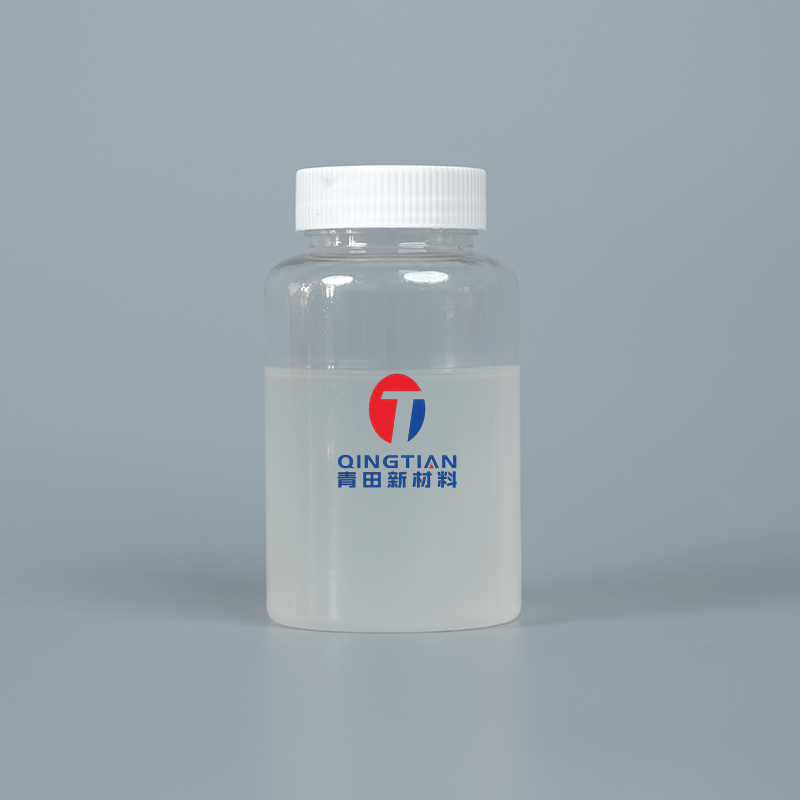
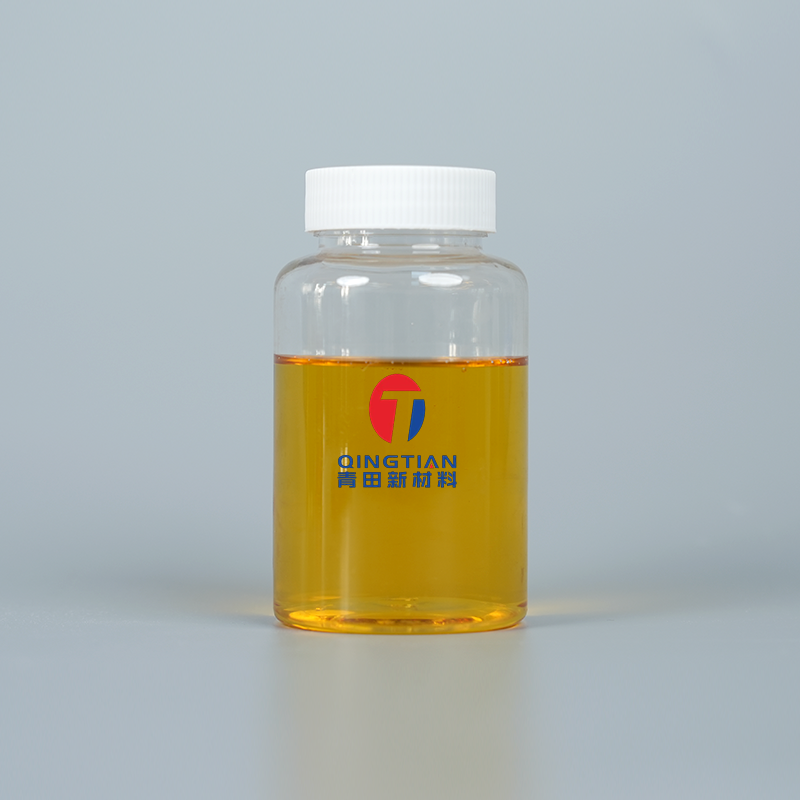
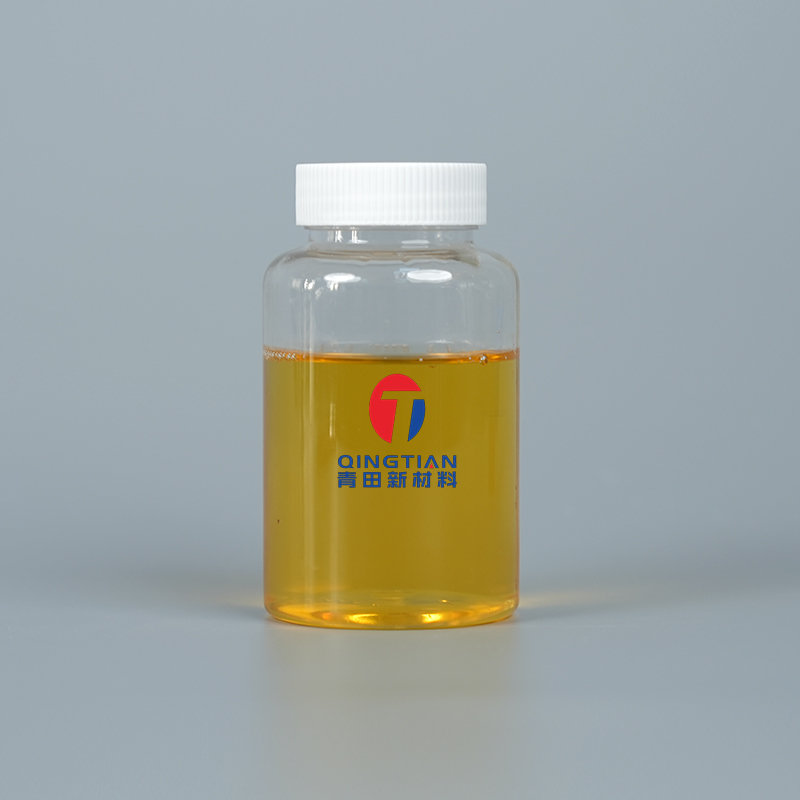
DH-7267 Anti-silver Dropping Additive
Coating manufacturers often use separate additives for adhesion, pigment wetting, flexibility, and storage stability. While this approach can be effective, it may create formulation complexity. Each additional component can affect viscosity, gloss, recoatability, cure response, surface tension, and compatibility. The more components a system contains, the more carefully the formulator must balance their interactions.
DH-7267 offers a multifunctional approach. It combines adhesion promotion for plastic substrates with metallic pigment wetting and anti-silver-dropping performance. It also supports film flexibility and storage stability. This does not eliminate the need for formulation optimization, but it may reduce the number of separate corrective additives required in a coating system.
Compared with a conventional adhesion promoter that addresses only the substrate interface, DH-7267 also supports the internal integrity of the metallic coating layer. Compared with a pigment wetting additive that does not improve substrate adhesion, it addresses both pigment retention and film attachment. Compared with a rigid adhesion-enhancing resin or additive, its flexibility benefit may be more suitable for plastic components that undergo deformation.
The following table summarizes the principal differences between a single-function approach and the multifunctional use of DH-7267.
| Performance requirement | Single-function additive approach | DH-7267 multifunctional approach | Practical benefit |
|---|---|---|---|
| Plastic substrate adhesion | May require a dedicated adhesion promoter | Directly supports adhesion to plastic substrates | Improved attachment of the coating film |
| Inter-coat adhesion | May depend mainly on resin selection and recoat conditions | Significantly improves adhesion between coating layers | Lower risk of interlayer peeling |
| Metallic pigment wetting | Often requires a separate wetting additive | Provides excellent wetting of silver powder and aluminum paste | More uniform metallic appearance |
| Silver dropping control | May not be specifically addressed | Promotes pigment encapsulation and retention | Reduced pigment detachment and contamination |
| Film flexibility | May require separate flexibility modification | Enhances flexibility while supporting adhesion | Better resistance to bending and handling stress |
| Silver powder appearance | Compatibility must be verified carefully | Designed not to cause blackening of silver powder | Better preservation of metallic brightness |
| Environmental positioning | Depends on the specific additive chemistry | Benzene-free product profile | Supports more environmentally considerate formulations |
The comparison does not mean that one additive can replace every other material in every formulation. Coating systems differ widely, and the final performance depends on the complete formulation and process. However, the multifunctional design of DH-7267 can simplify development by addressing several common failure mechanisms with one targeted product.
DH-7267 is suitable for various plastic paints. It can be considered for decorative systems applied to molded plastic components where adhesion, metallic appearance, and flexibility are important. Potential application areas include consumer products, appliance parts, electronic housings, automotive interior components, decorative accessories, and general industrial plastic parts.
In a plastic paint system, the additive may be incorporated into a primer, basecoat, metallic coat, or another compatible layer depending on the desired performance and formulation design. The most appropriate addition point should be determined through laboratory trials. Adding the material at the wrong stage or using excessive shear may affect pigment orientation or other coating properties, so controlled evaluation is recommended.
Plastic substrates vary significantly. Different grades of acrylonitrile butadiene styrene, polycarbonate, polypropylene, polyethylene, polyamide, and other engineering plastics can have different surface energies and chemical characteristics. Mold-release agents, cleaning procedures, corona or plasma treatment, flame treatment, and mechanical preparation may also influence adhesion. DH-7267 should therefore be evaluated on the actual substrate and under the actual production conditions.
Ultraviolet-curing coatings are valued for rapid curing, high productivity, and efficient use of production space. However, UV systems can be sensitive to pigment loading, surface inhibition, cure depth, shrinkage stress, and substrate compatibility. Metallic pigments may also affect light penetration and curing behavior.
DH-7267 is suitable for UV coatings and may help improve adhesion between the cured film and plastic substrate or between multiple cured layers. Its contribution to wetting and encapsulation can be important in UV metallic coatings, where pigment distribution and film integrity influence the final appearance.
When using the additive in a UV-curing system, formulators should confirm that it does not adversely affect photoinitiator efficiency, cure speed, surface cure, hardness, flexibility, gloss, or yellowing resistance. Testing should include both immediate and post-cure adhesion, because some problems may appear only after the film has fully developed its final mechanical properties.
The product is also suitable for other solvent-based coating systems. These may include solvent-based color coats, metallic finishes, primers, protective coatings, and specialty decorative coatings. Its benzene-free profile can support product development efforts focused on improving solvent selection and workplace considerations.
Compatibility is a central consideration in solvent-based systems. The additive should be assessed with the selected resin, solvent blend, pigment package, and other functional additives. A stable formulation should remain uniform during mixing and storage without excessive settling, flocculation, gel formation, or viscosity drift.
Solvent evaporation rate can also influence performance. If the film dries too quickly, the coating may not have enough time to level and encapsulate metallic pigment. If it dries too slowly, the pigment may migrate or settle before the film develops sufficient structure. DH-7267 can support wetting and pigment retention, but the complete solvent and application design must still be optimized.
The performance of a specialty additive depends not only on its chemical concept but also on manufacturing consistency. Suzhou Qingtian New Material Co., Ltd. is a professional supplier of raw materials for coatings, inks, and adhesives. Since its founding in 2012, the company has developed an experienced team that includes research and development specialists, sales professionals, and technical personnel.
The company operates with modern production facilities, advanced testing equipment, and research capabilities intended to support reliable product development and quality control. These resources are important for specialty additives because small changes in raw material quality, reaction conditions, filtration, blending, or packaging can influence final performance.
Advanced manufacturing is not limited to the production stage. It includes raw material evaluation, process control, in-process inspection, finished-product testing, batch traceability, packaging management, and customer technical support. For a product used in high-value coating applications, consistent performance is essential. A coating manufacturer needs confidence that the additive will behave similarly from one batch to the next.
R&D capability allows the manufacturer to study how additives interact with resins, pigments, solvents, and substrates. This is particularly important for anti-silver-dropping products because the performance mechanism involves several interfaces: the additive and binder, the additive and metallic pigment, the coating and substrate, and the coating layer and adjacent layer.
The company’s product portfolio includes dispersants, leveling agents, defoamers, adhesion promoters, anti-settling agents, cooling agents, conductive agents, orange peel texture agents, texture powders, and wax powders. This broad range provides a practical foundation for understanding the interactions that occur in complete coating formulations.
Experience across multiple additive categories can also help with troubleshooting. For example, a silver-dropping problem may be influenced by wetting, dispersion, settling, foam, surface tension, curing, or adhesion. A supplier with knowledge of several additive functions can provide a more integrated perspective than a supplier focused on only one narrow product category.
Specialty coating additives should be evaluated through controlled testing rather than appearance alone. Important assessments may include substrate adhesion, inter-coat adhesion, cross-hatch adhesion, rubbing resistance, flexibility, metallic appearance, pigment settling, storage stability, and resistance to blackening.
Advanced testing equipment supports the repeatability of these evaluations. It can help identify differences in viscosity, color, gloss, film hardness, flexibility, and adhesion. Testing may be performed on laboratory drawdowns, molded plastic panels, or actual customer substrates, depending on the development stage.
For DH-7267, quality evaluation should focus on the functions most important to the product’s positioning. These include wetting of silver powder, prevention of pigment detachment, preservation of silver brightness, adhesion to plastic, adhesion between coating layers, and flexibility of the finished film. Consistent testing helps connect product specifications with real application performance.
Modern production facilities can improve the consistency of specialty additives through controlled dosing, temperature management, mixing, reaction monitoring, filtration, and packaging. Each stage can affect the cleanliness, stability, and compatibility of the final product.
Process control is particularly important when an additive must remain clear or uniform and must not introduce contaminants that could affect metallic pigments. Clean equipment, controlled storage, suitable packaging, and carefully managed transfer operations can all contribute to product reliability.
The company’s move to Lingrui Intelligent Manufacturing Park in Zhangjiagang High-Tech Zone in 2021 strengthened its R&D and production capacity. This development reflects an emphasis on expanding technical resources and improving the ability to serve customers in coatings, inks, adhesives, and related industries.
The company reports a history of product innovation, including the development of China’s first ice flower resin in 2016 and recognition as a National High-Tech Enterprise in 2020. These milestones indicate an ongoing focus on specialty material development and technical differentiation.
Innovation in coating additives is often incremental and application-driven. It may involve improving compatibility, reducing undesirable solvent components, increasing storage stability, enhancing surface appearance, or creating more efficient multifunctional products. DH-7267 reflects this type of application-oriented innovation by combining plastic adhesion, inter-coat adhesion, metallic pigment wetting, anti-silver-dropping performance, and film flexibility.
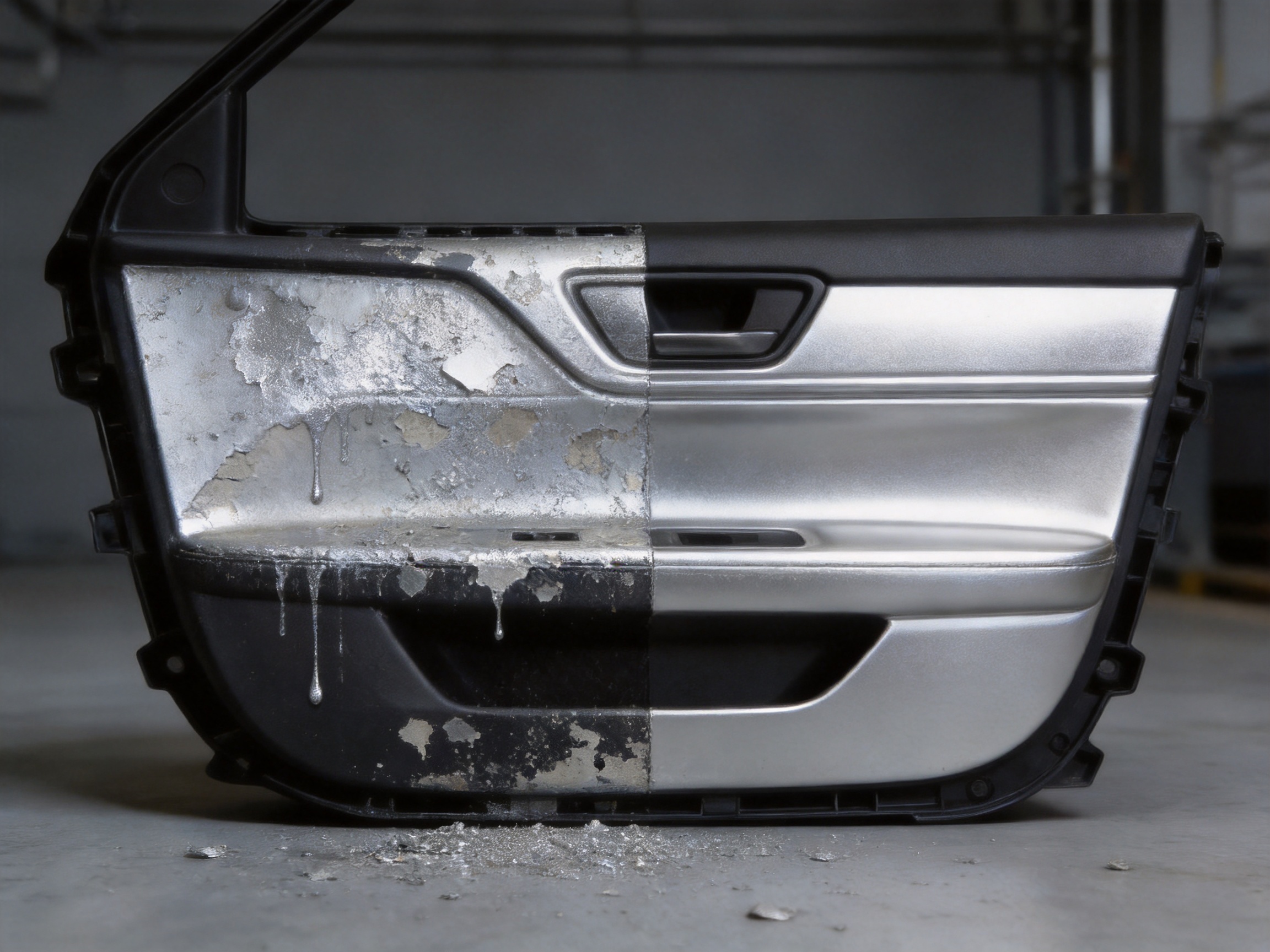
Although DH-7267 is designed for broad use, each formulation should be optimized through a structured evaluation. The first step is to identify the main failure mechanism. If the problem is pigment detachment, testing should focus on wetting, encapsulation, rubbing resistance, and appearance. If the problem is substrate peeling, testing should focus on surface preparation, adhesion, flexibility, and interlayer compatibility.
The resin system is a major factor. Acrylic, polyurethane, polyester, epoxy, and other resin chemistries may respond differently to the same additive. The compatibility of DH-7267 should be checked in the selected resin and solvent blend before scale-up.
Pigment type and loading are also important. Different aluminum pastes vary in particle size, surface treatment, solvent carrier, and morphology. Fine pigments, coarse pigments, leafing grades, non-leafing grades, and special-effect pigments may require different mixing and application conditions. A formulation that performs well with one grade may require adjustment with another.
Coating viscosity, application method, film thickness, flash-off time, drying temperature, UV dose, and recoat interval can all affect results. Spray application, dip coating, flow coating, roller coating, and other methods generate different shear and film formation conditions. The additive level and addition sequence should therefore be established with representative process equipment whenever possible.
Overuse of any additive can create unwanted effects. Excessive additive levels may influence gloss, recoatability, surface slip, adhesion, cure response, or metallic orientation. The recommended starting level should be determined from supplier guidance and then optimized through a concentration ladder. A practical study may compare several dosage levels while keeping all other formulation variables constant.
A systematic evaluation program can help coating manufacturers determine whether DH-7267 meets the requirements of a particular application. The following sequence provides a useful framework.
Blend the additive with the selected resin, solvent mixture, and pigment package under controlled laboratory conditions. Observe clarity, uniformity, viscosity, phase separation, flocculation, and settling. Record the appearance immediately after mixing and after defined storage intervals.
Prepare coated panels using the intended substrate and application method. Evaluate wetting, leveling, metallic orientation, gloss, color uniformity, and visible defects. Observe whether the film shows craters, pinholes, floating, flooding, or pigment accumulation.
Measure adhesion to the plastic substrate and between coating layers. Cross-hatch or lattice-cut testing can provide a useful comparative indication, while peel, pull-off, or other methods may be selected according to the application. Testing should be performed after the appropriate drying or curing period.
Evaluate bending, impact, rubbing, abrasion, and other relevant mechanical properties. If the plastic part will be assembled or deformed, test the coated component under representative movement rather than relying only on rigid panel testing.
Use controlled rubbing, tape, abrasion, or handling tests to determine whether aluminum paste or silver powder detaches from the film. Compare the additive-containing formulation with a control formulation. Examine both the coated surface and the test material for evidence of pigment transfer.
Store the liquid formulation under defined conditions and inspect it at regular intervals. Check viscosity, pigment settling, redispersibility, color, metallic brightness, odor, and film performance after storage. A stable liquid formulation should also retain acceptable coating performance after the storage period.
After laboratory screening, evaluate the formulation on pilot equipment and then under normal production conditions. Monitor transfer efficiency, spray behavior, overspray, drying or curing, recoatability, defect rate, and final appearance. Production validation is essential because scale-up can change shear, evaporation, film thickness, and substrate handling.
The benzene-free characteristic of DH-7267 is an important consideration for manufacturers seeking to improve the environmental profile of their coating systems. Responsible formulation requires attention to raw material selection, worker exposure, emissions, waste handling, and regulatory obligations. A benzene-free additive can support these efforts, although the complete coating system must still be assessed as a whole.
Multifunctionality can also create commercial value. If one additive helps address adhesion, metallic pigment wetting, silver-dropping prevention, flexibility, and storage stability, the formulator may be able to simplify inventory and reduce the number of individual materials used in development. Simplification can improve batching efficiency and reduce the possibility of incompatibility between multiple additives.
Reliable metallic appearance has direct economic value as well. Decorative plastic components often have strict visual standards, and visible silver dropping can lead to rejection or rework. Improved pigment retention and stable appearance can help manufacturers increase first-pass yield and maintain consistent product quality.
Formulators gain a multifunctional tool for addressing difficult plastic adhesion and metallic pigment problems. DH-7267 can be screened in different resin and solvent systems, helping technical teams compare a more integrated solution against separate adhesion and wetting additives.
Production managers benefit from improved process reliability when the coating is less vulnerable to pigment detachment, interlayer peeling, and appearance variation. Better storage stability can also reduce interruptions caused by aged or unstable material.
Quality-control teams can evaluate clear performance indicators, including substrate adhesion, inter-coat adhesion, silver-powder retention, flexibility, appearance, and storage stability. The product’s defined functional positioning helps establish practical acceptance criteria.
Product owners can benefit from more durable metallic finishes on plastic components. A coating that maintains its appearance during handling and use can improve perceived product quality and support a more premium visual design.
Distributors and buyers can add a specialized adhesion and anti-silver-dropping product to their coating additive portfolio. Suzhou Qingtian New Material Co., Ltd. provides technical products for coatings, inks, and adhesives and supports customers seeking custom chemical solutions and application-oriented material selection.
DH-7267 is a multifunctional additive used to improve inter-coat adhesion, promote adhesion to plastic substrates, wet metallic pigments, and help prevent silver powder or aluminum paste from falling off the coating film.
The product is suitable for various plastic paints, UV-curing coatings, and other solvent-based coating systems. Compatibility should be confirmed through laboratory testing with the selected resin, solvent, pigment, and curing package.
Yes. One of its principal functions is to significantly improve inter-coat adhesion. This makes it useful in multi-layer systems containing primers, color coats, metallic coats, and clear coats.
Yes. DH-7267 is positioned as an adhesion promoter for plastic substrates and promotes stronger attachment of the coating film to plastic surfaces.
It improves the wetting and encapsulation of metallic pigments. Better pigment wetting enables the binder to surround and retain the silver powder or aluminum paste more effectively, reducing the risk of pigment detachment from the film.
The product information states that DH-7267 will not cause blackening of silver powder. Nevertheless, formulators should confirm the result in the complete coating system because pigment appearance can be influenced by the resin, solvent, curing conditions, and other additives.
Yes. DH-7267 enhances the flexibility of the paint film while promoting adhesion. This is useful for plastic parts that may bend, flex, vibrate, or experience impact during assembly and use.
Yes. DH-7267 is described as benzene-free. The overall environmental and regulatory profile of the finished coating still depends on all components and operating conditions.
Not necessarily. DH-7267 provides several important functions, but a complete coating may still require dispersants, defoamers, leveling agents, curing components, or other performance additives. The final package should be determined by application testing.
The actual plastic substrate used in production should be tested. Different plastics, surface treatments, mold-release residues, and cleaning procedures can produce different adhesion results. Testing on representative molded parts is preferable to relying only on generic panels.
The addition method depends on the formulation and process. A controlled laboratory study should compare addition sequence, mixing conditions, and dosage. Excessive shear or unsuitable addition timing may influence pigment orientation or other coating properties.
Useful methods include controlled rubbing, tape transfer, abrasion, handling, and visual inspection of both the coated surface and the test material. Results should be compared with a control formulation under identical conditions.
Suzhou Qingtian New Material Co., Ltd. has an experienced R&D and sales team, modern production facilities, advanced testing equipment, and research capabilities. Its broader portfolio covers coating, ink, and adhesive additives, supporting integrated technical understanding and product development.
The company focuses on custom chemical solutions and application-oriented support. Customers can discuss substrate type, resin system, metallic pigment, coating process, performance targets, and regulatory requirements when evaluating a suitable solution.
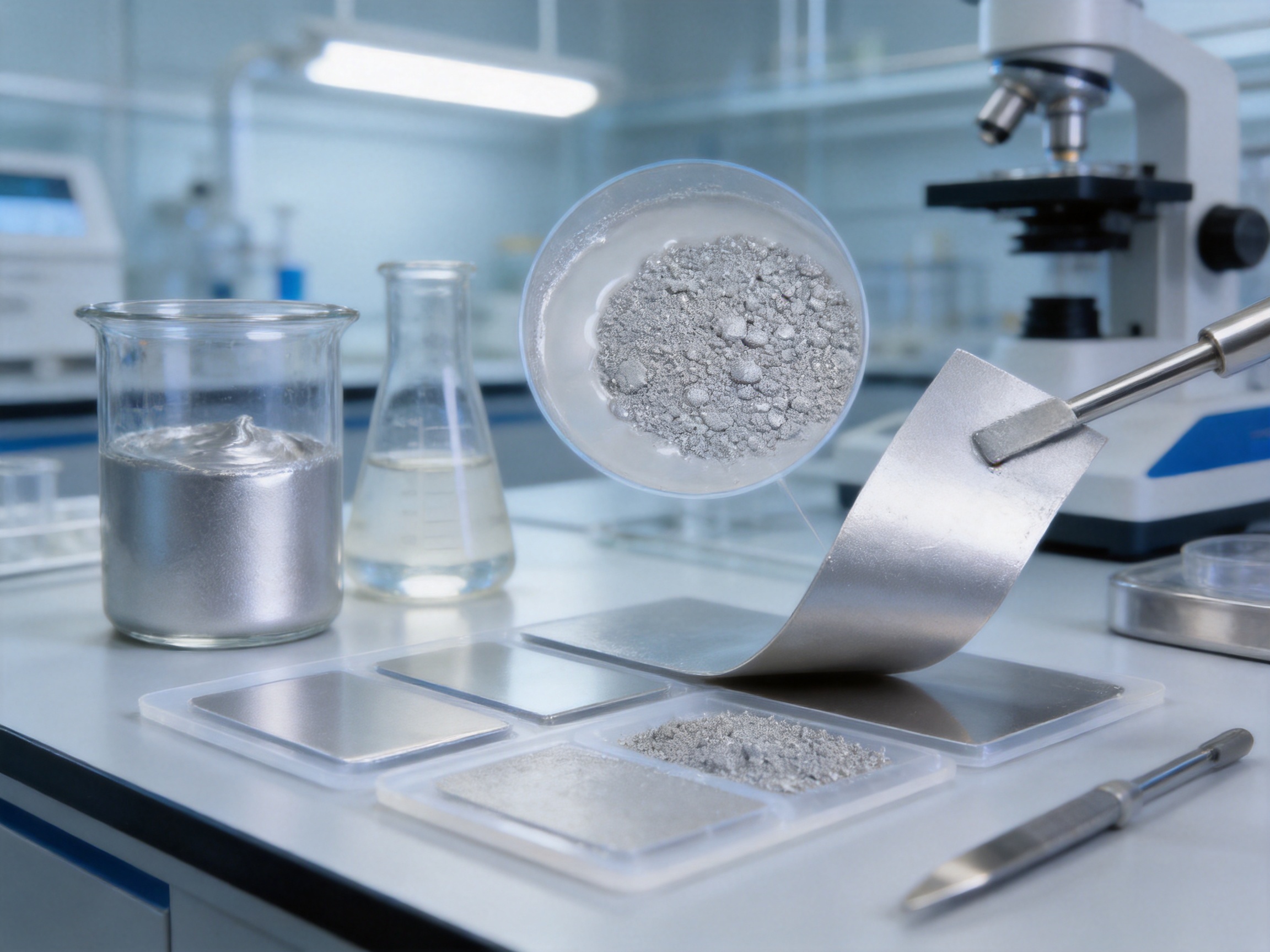
DH-7267 Anti-silver Dropping Additive addresses a demanding combination of coating challenges. It improves adhesion between coating layers, promotes adhesion to plastic substrates, enhances the wetting and encapsulation of aluminum paste, helps prevent silver powder from falling off, supports film flexibility, and offers excellent storage stability. Its benzene-free profile and resistance to silver-powder blackening further strengthen its suitability for modern metallic plastic coatings.
Compared with a narrow single-function additive, DH-7267 provides a broader performance platform. It helps formulators manage both the substrate interface and the metallic pigment interface, which are often connected causes of coating failure. Its multifunctional design may simplify formulation development, improve production reliability, and reduce visible defects in finished plastic parts.
The product is supported by Suzhou Qingtian New Material Co., Ltd., a professional supplier with experience in coatings, inks, and adhesives. The company combines R&D resources, modern manufacturing facilities, advanced testing equipment, a broad additive portfolio, and an application-focused service approach. These strengths provide a foundation for consistent product quality and technical cooperation.
For coating manufacturers seeking stronger plastic adhesion, better inter-coat bonding, improved metallic pigment retention, and stable decorative performance, DH-7267 is a practical candidate for laboratory screening and production validation. The most reliable results will come from testing it under the actual substrate, resin, pigment, solvent, application, and curing conditions used in the final product.
1. Suzhou Qingtian New Material Co., Ltd. Product information for DH-7267 Anti-silver Dropping Additive.
2. Suzhou Qingtian New Material Co., Ltd. Company information and product portfolio for coating, ink, and adhesive additives.
3. General principles of adhesion promotion in plastic coating systems.
4. General formulation practices for metallic pigment wetting, orientation, and encapsulation.
5. General laboratory methods for coating adhesion, flexibility, abrasion, storage stability, and pigment transfer evaluation.
 Wholesale Paint/ Coating Additives Manufacturers
Custom Industrial Chemical Solutions Suppliers
Wholesale Paint/ Coating Additives Manufacturers
Custom Industrial Chemical Solutions Suppliers