русский
 Español
 Français
Home / Author / Qiao Minshu — Key Account After-Sales Consultant / Solid Polymeric Dispersants for High-Performance Solvent-Based Inks and Coatings
Qiao Minshu — Key Account After-Sales Consultant

Content
Modern inks and coatings must deliver much more than color. They must provide consistent shade development, stable viscosity, reliable storage performance, smooth application, strong substrate compatibility, and dependable production efficiency. These requirements become especially demanding when formulations contain carbon black, organic pigments, high pigment concentrations, or UV-reactive components. Pigments with high surface area can require substantial mechanical energy to wet and deagglomerate, while poorly stabilized dispersions may rapidly rebuild viscosity or develop sediment during storage.
A solid polymeric dispersant is an important tool for addressing these challenges. By improving pigment wetting and helping maintain separation between pigment particles, a suitable dispersant can support more efficient grinding, stronger color development, lower mill-base viscosity, and better long-term stability. The product discussed in this article is QT-24000 Solid Dispersant, a polymeric dispersant developed for solvent-based ink and coating systems, including UV systems.
QT-24000 is designed for applications requiring effective dispersion of both carbon black and organic pigments. Its particularly strong performance with high-surface-area carbon black makes it relevant to packaging inks and other demanding systems in which viscosity reduction and color strength are critical. The product is also presented as a solid dispersant comparable to Solsperse 24000, giving formulators a practical option when evaluating performance, supply, and formulation economics.
This article examines the operating principles, application value, competitive advantages, formulation considerations, manufacturing strengths, quality focus, and commercial relevance of this solid dispersant. It also explains how the product can support ink and coating manufacturers seeking a more efficient and reliable pigment dispersion process.
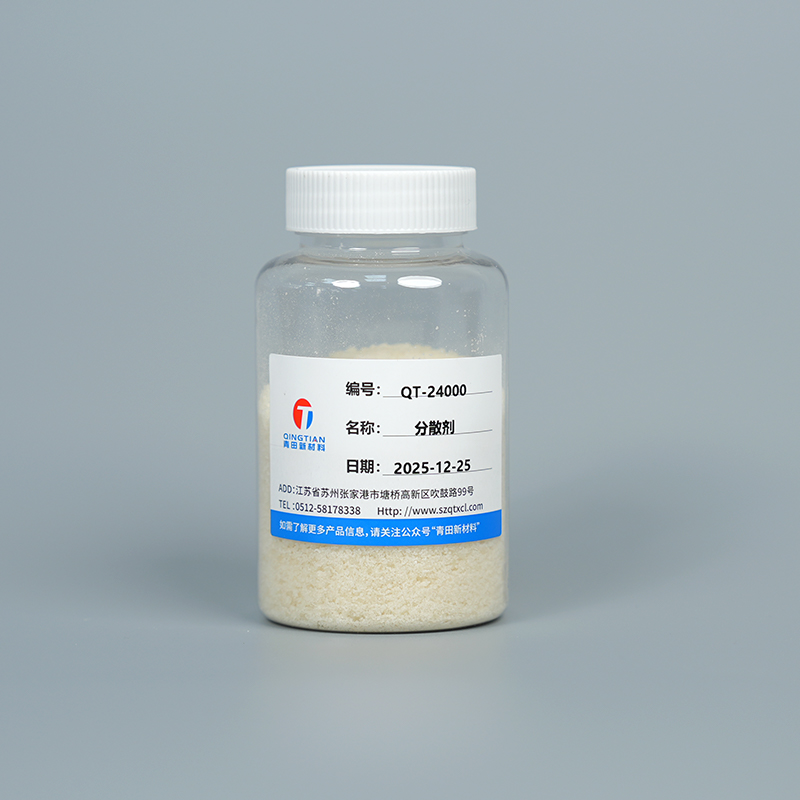
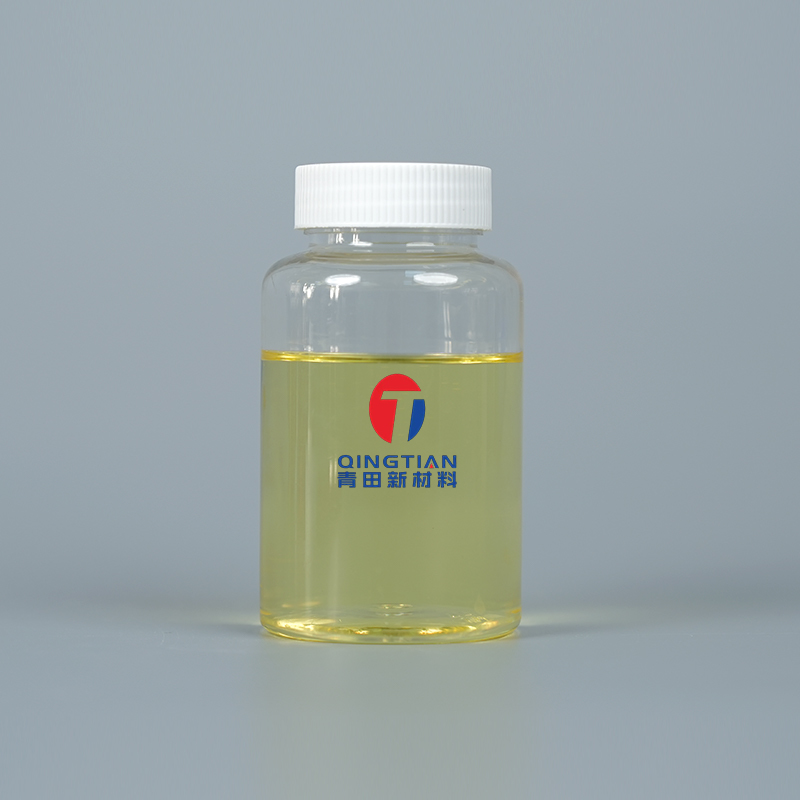
QT-24000 Solid Dispersant
Pigments are insoluble solid particles. When introduced into a liquid formulation, they do not automatically distribute themselves into a stable and uniform suspension. Instead, pigment particles tend to form agglomerates because of surface forces, particle-to-particle attraction, and the large amount of surface energy associated with finely divided materials.
During dispersion, the first stage is usually wetting. The liquid vehicle must replace air at the pigment surface and penetrate the spaces between particles. The second stage is deagglomeration, during which mechanical energy from a dissolver, bead mill, three-roll mill, or other dispersing equipment breaks larger agglomerates into smaller units. The third stage is stabilization. After the particles have been separated, they must remain sufficiently apart during storage and application.
Without adequate stabilization, the particles may flocculate again. This can lead to increased viscosity, loss of transparency, reduced gloss, poor color development, floating or flooding, settling, and inconsistent application behavior. In severe cases, the pigment may form hard sediment that is difficult to redisperse.
A polymeric dispersant works by interacting with the pigment surface while extending compatible polymer segments into the surrounding liquid. The anchoring portion of the molecule associates with the pigment, and the solvated polymer chains create steric protection around the particles. This protective effect reduces direct particle contact and helps preserve the dispersed state.
The effectiveness of a dispersant depends on the pigment chemistry, surface area, solvent blend, resin system, pigment concentration, grinding conditions, and final application requirements. A dispersant that performs well with an inorganic pigment may not be equally effective with carbon black or a high-performance organic pigment. For this reason, targeted performance for difficult pigments is a major advantage.
QT-24000 is a polymeric dispersant intended for solvent-based inks and coatings, including UV ink and coating systems. Its formulation purpose is to support pigment wetting, grinding, dispersion stability, and viscosity control. It is particularly suited to systems where carbon black and organic pigments must be processed at high efficiency.
The product is supplied in solid form. A solid dispersant can provide practical advantages for manufacturers that value compact transportation, controlled warehouse handling, and flexible preparation of concentrates. The solid format may also be useful in production environments where dispersant solutions are prepared according to the needs of a specific resin, solvent, or pigment system.
The central performance feature of QT-24000 is its excellent viscosity reduction. This characteristic is especially important for high-surface-area carbon black, which can produce very high mill-base viscosity because of its fine particle size and extensive surface area. High viscosity can limit pigment loading, reduce milling efficiency, increase energy consumption, and make transfer or pumping more difficult.
By helping produce a more efficient pigment dispersion, QT-24000 can allow the formulator to reach the required color strength with a manageable processing viscosity. This may improve throughput and simplify handling during let-down, filtration, filling, and final application.
The product also offers strong grinding and dispersion performance for organic pigments. Organic pigments are often selected for their bright shades, transparency, clean tone, and high-performance properties, but their surface characteristics can make them challenging to disperse. A dispersant that supports both carbon black and organic pigments can reduce the need to maintain a wide range of separate additive technologies.
QT-24000 is therefore positioned as a versatile solid dispersant for manufacturers serving packaging inks, industrial coatings, UV systems, and other solvent-borne applications requiring efficient pigment stabilization.
| Performance or Application Area | Value Offered by the Product | Practical Formulation Benefit |
|---|---|---|
| High-surface-area carbon black | Strong grinding and dispersion capability | Improved viscosity control and easier processing |
| Organic pigments | Effective pigment wetting and stabilization | More consistent color development and dispersion quality |
| Solvent-based inks | Designed for solvent-borne systems | Support for packaging and industrial ink production |
| UV inks and coatings | Applicable to solvent-based systems including UV formulations | Formulation flexibility across conventional and UV technologies |
| Solid additive format | Compact and adaptable supply form | Convenient storage, transport, and preparation for concentrates |
| Viscosity reduction | Excellent reduction of pigment dispersion viscosity | Potentially improved milling, transfer, and production efficiency |
Carbon black is one of the most demanding pigments used in ink and coating formulations. Its small primary particles and high specific surface area create a strong demand for liquid and dispersant. The pigment may also form tightly bound agglomerates that require significant mechanical energy to break apart.
When carbon black is not adequately stabilized, the finished ink may show poor jetness, reduced tinting strength, inconsistent undertone, excessive viscosity, poor gloss, or slow settling behavior. In packaging applications, insufficient dispersion can affect print density, rub resistance, optical appearance, and the reproducibility of color from one production batch to another.
QT-24000 is specifically described as particularly effective for high-surface-area carbon black. This focus is commercially important because high-surface carbon blacks are often selected when the formulator needs deep blackness, high optical density, strong tinting strength, or improved visual impact. These properties typically come with greater dispersion difficulty.
The product’s viscosity reduction effect can be valuable at several stages of production. During premixing, lower viscosity may improve circulation and wetting. During milling, it can support more efficient movement through the grinding equipment. During let-down, it may make the concentrate easier to blend with the final resin and solvent package. During filling, it can support smoother transfer and more consistent dosing.
Lower viscosity does not simply mean a thinner product. The objective is to obtain a stable dispersion with the required pigment loading and color performance at a manageable viscosity. A strong dispersant helps the formulator balance these factors rather than relying only on additional solvent to reduce viscosity.
Reducing the need for excess solvent may offer advantages in solids content, drying behavior, emission control, and final film properties, although the actual result depends on the complete formulation. Every system should be evaluated through laboratory and production testing before any changes are made to the solvent balance.
For packaging ink manufacturers, the ability to process high-surface carbon black efficiently can be a significant competitive factor. It can support deeper color, improved batch consistency, and more predictable production scheduling. It may also reduce the risk of rework caused by unstable or incompletely dispersed black concentrates.
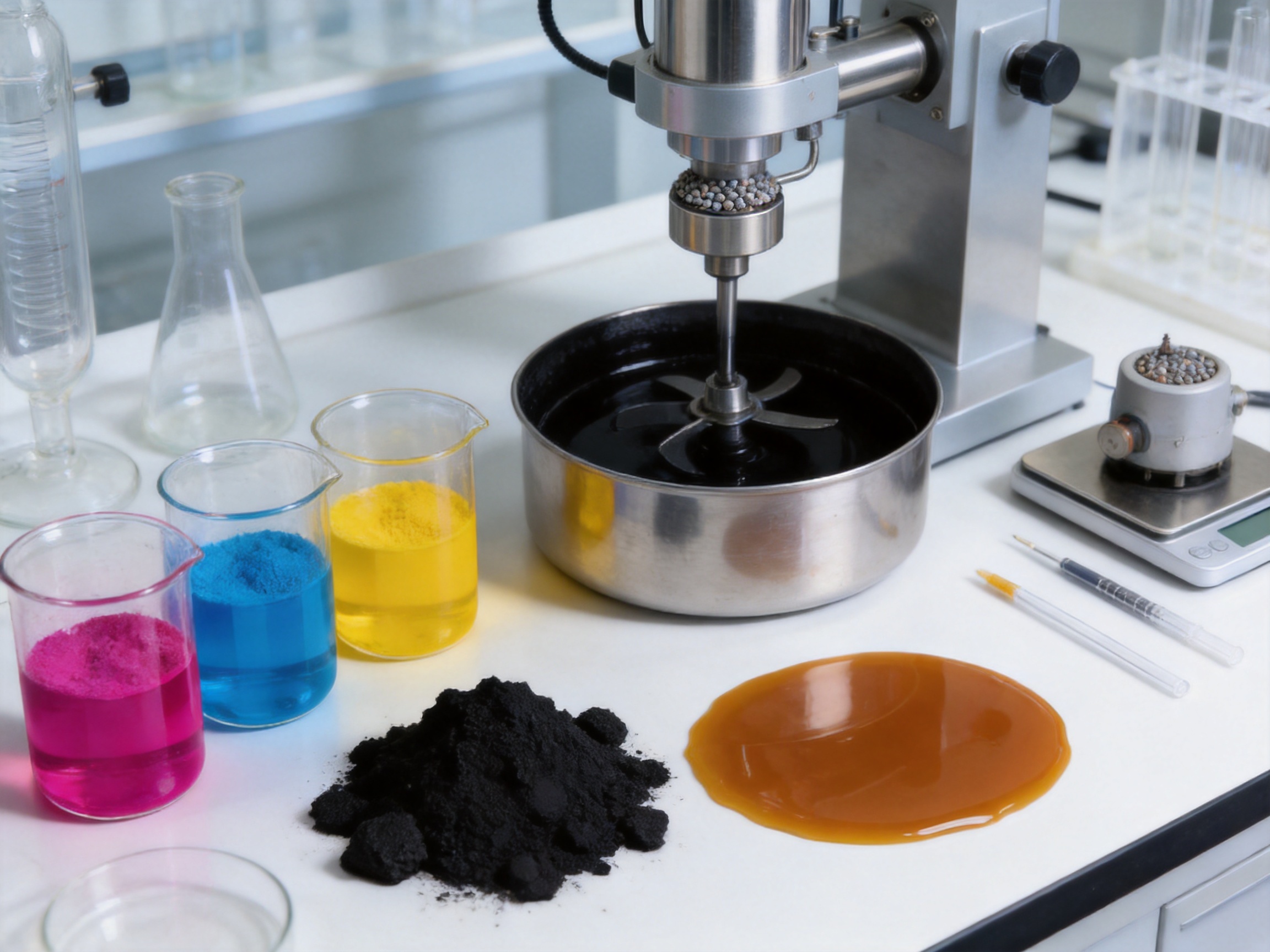
Organic pigments are used in many solvent-based inks and coatings because they offer vibrant color, high chroma, transparency, and a broad shade range. However, their dispersion behavior varies significantly from one pigment chemistry to another. Particle size, crystal structure, surface treatment, polarity, and pigment concentration all influence the choice of dispersant.
Poorly dispersed organic pigments can create a number of visible and processing problems. The color may appear weaker than expected, the shade may shift after storage, and the coating may show reduced gloss or uneven coverage. In transparent systems, agglomerates may be visible as specks or haze. In printing inks, poor dispersion can affect print density and the uniformity of the printed image.
QT-24000 is designed to provide very good grinding and dispersion effects for organic pigments as well as carbon black. This broad pigment compatibility can help formulators simplify additive selection. Instead of relying on one dispersant for black and another for every organic pigment family, a versatile polymeric dispersant may serve as a common starting point across several product lines.
Using a common dispersant platform can also help streamline raw-material management. Fewer additive grades may reduce inventory complexity, purchasing workload, and the number of separate qualification programs. Nevertheless, compatibility must always be confirmed for each pigment and resin system, because no dispersant should be assumed to provide identical results with all pigment types.
When evaluating QT-24000 with organic pigments, the most important indicators include color strength, grind fineness, viscosity, gloss, transparency, storage stability, rub resistance, and shade consistency. These properties should be checked both immediately after production and after accelerated or real-time storage.
In high-pigment-concentration systems, the dispersant dosage should be optimized rather than automatically increased. Too little dispersant may leave the pigment incompletely stabilized. Too much may affect water resistance, adhesion, gloss, intercoat compatibility, or other final properties. A systematic dosage ladder is therefore recommended during development.
Solvent-based inks and coatings remain important in packaging, industrial finishing, wood coatings, plastics, metal coatings, and other applications. These systems use organic solvents to dissolve resins and control application viscosity. A dispersant must be compatible with the solvent environment and must maintain its stabilizing function during grinding, let-down, drying, and storage.
UV inks and coatings introduce additional formulation demands. They may contain reactive oligomers, monomers, photoinitiators, pigments, and specialty additives. The dispersion must remain stable before curing, while the final film must provide the required cure response, gloss, hardness, flexibility, and adhesion.
QT-24000 is described as suitable for solvent-based systems including UV ink and coating systems. This makes it relevant to manufacturers operating across both conventional solvent-borne and UV-curable product lines. A dispersant that can be considered in both environments may support greater development flexibility.
Compatibility testing remains essential in UV formulations. The dispersant should be assessed for its influence on cure speed, surface cure, yellowing, gloss, hardness, adhesion, and chemical resistance. It is also important to examine whether the additive affects pigment migration, storage stability, or the appearance of the cured film.
For conventional solvent-borne systems, formulators should evaluate solvent compatibility, resin compatibility, drying rate, film clarity, and resistance properties. The best result is normally achieved when the dispersant is integrated into the pigment concentrate at the correct stage rather than added randomly after the pigment has already formed stable agglomerates.
Dispersion quality is closely connected to production efficiency. A pigment concentrate that reaches the desired fineness quickly can reduce milling time and increase equipment availability. If the concentrate remains excessively viscous, however, the process may become slow, difficult to control, or vulnerable to temperature rise.
QT-24000 supports grinding and dispersion by promoting effective interaction between the liquid phase and pigment surface. Its viscosity reduction capability is especially relevant when the pigment loading is high or when the pigment has a large surface area.
In a typical development program, the dispersant is introduced during the premix stage so that the pigment can be wetted before or during the application of mechanical energy. The premix may then be processed through suitable grinding equipment until the target fineness and color strength are achieved. After grinding, the concentrate can be let down with the remaining resin, solvent, and additives.
The exact process sequence depends on equipment and formulation design. High-speed dissolvers, bead mills, basket mills, and other equipment may be used. The formulator should monitor temperature, viscosity, fineness, color development, and energy input. A dispersant that reduces resistance during grinding may help stabilize the process and make the endpoint easier to identify.
Improved process consistency is often as important as the best laboratory result. A product that performs well only under a narrow set of conditions may create difficulties during scale-up. QT-24000 can be evaluated not only for final color and viscosity but also for its ability to produce a repeatable concentrate across different batches and production scales.
Manufacturers may also consider the effect of dispersion quality on filtration. Agglomerates and oversized particles can block filters, create defects, or reduce filling speed. Better deagglomeration and stabilization can contribute to cleaner processing and fewer interruptions, although filtration requirements remain dependent on the complete formulation and equipment configuration.
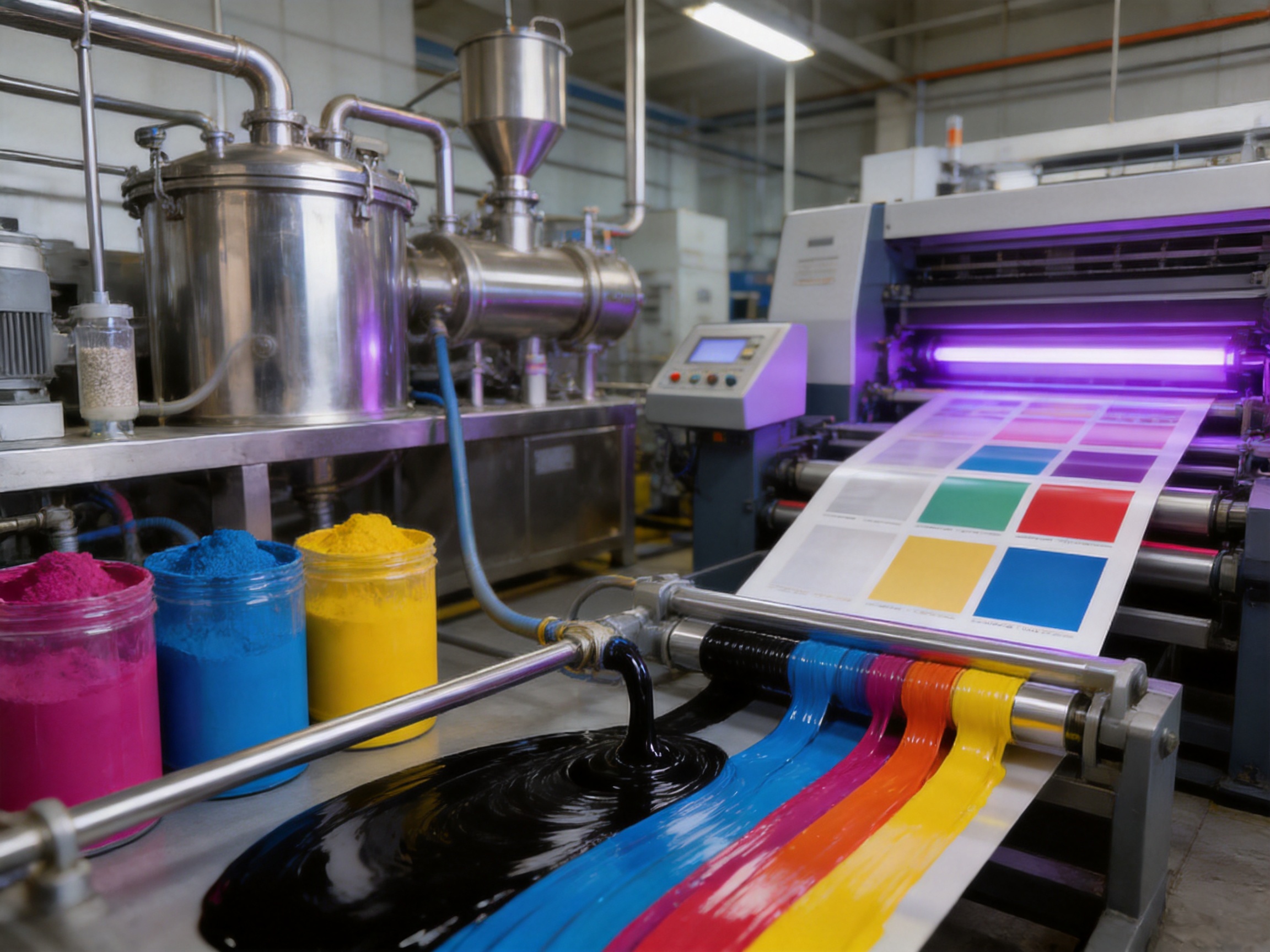
Dispersant selection is often based on a combination of technical performance, supply security, product format, cost, and application support. QT-24000 is identified as comparable to Solsperse 24000, making it a relevant option for manufacturers conducting alternative-supplier evaluations or seeking a second source for a familiar performance profile.
A comparison should not be limited to price per kilogram. The more meaningful comparison is the total cost of achieving the required dispersion quality. This includes dosage, milling time, energy consumption, solvent demand, rework, filtration losses, rejected batches, storage stability, and production reliability.
Compared with a basic wetting agent, a polymeric dispersant such as QT-24000 is intended to provide more than initial pigment wetting. It is designed to support the grinding and stabilization stages as well. A simple wetting additive may lower initial surface tension but may not offer sufficient steric stabilization for high-surface-area carbon black or concentrated organic pigment dispersions.
Compared with a dispersant that works only with one pigment family, QT-24000 offers a broader potential application range because it is designed for both carbon black and organic pigments. This does not eliminate the need for testing, but it can provide a more efficient starting point for product development.
Compared with liquid dispersant products, a solid form may offer advantages in transportation and storage density. It may also give the manufacturer flexibility to prepare a solution or concentrate suited to the target resin and solvent system. The actual handling procedure should follow the supplier’s technical guidance and the user’s plant safety requirements.
The strongest competitive advantage should ultimately be demonstrated through side-by-side trials. Important comparison criteria include pigment loading, dispersant dosage, grind time, final viscosity, color strength, gloss, transparency, storage stability, sediment hardness, and coating or print performance.
| Evaluation Criterion | Why It Matters | Suggested Comparison Method |
|---|---|---|
| Viscosity reduction | Influences milling, pumping, transfer, and pigment loading | Measure mill-base viscosity at equal solids and pigment content |
| Color strength | Indicates pigment utilization and dispersion efficiency | Prepare drawdowns or prints at equal pigment concentration |
| Grind fineness | Helps identify remaining agglomerates | Use a standardized fineness-of-grind method |
| Storage stability | Reveals viscosity drift, settling, and flocculation | Compare samples after ambient and accelerated storage |
| Dosage efficiency | Affects formulation cost and final film properties | Run a dosage ladder and identify the performance optimum |
| Final application properties | Confirms suitability beyond the pigment concentrate | Evaluate gloss, adhesion, rub resistance, cure, and appearance |
The performance of a specialty additive depends not only on its chemical design but also on manufacturing consistency. Small changes in composition, active content, physical form, or contamination level can influence dispersion behavior. For customers, a reliable producer is therefore an important part of product value.
Suzhou Qingtian New Material Co., Ltd. is a professional supplier of raw materials for coatings, inks, and adhesives. The company was founded in 2012 and has developed an experienced team that includes research and development specialists, sales professionals, and technical personnel. Its product portfolio includes dispersants, leveling agents, defoamers, adhesion promoters, anti-settling agents, cooling agents, conductive agents, texture additives, texture powders, and wax powders.
This broad portfolio gives the company a practical understanding of additive interactions. In real formulations, a dispersant does not function in isolation. It must coexist with resins, solvents, defoamers, leveling agents, adhesion promoters, waxes, and other performance additives. Experience across these product categories can support more complete formulation discussions.
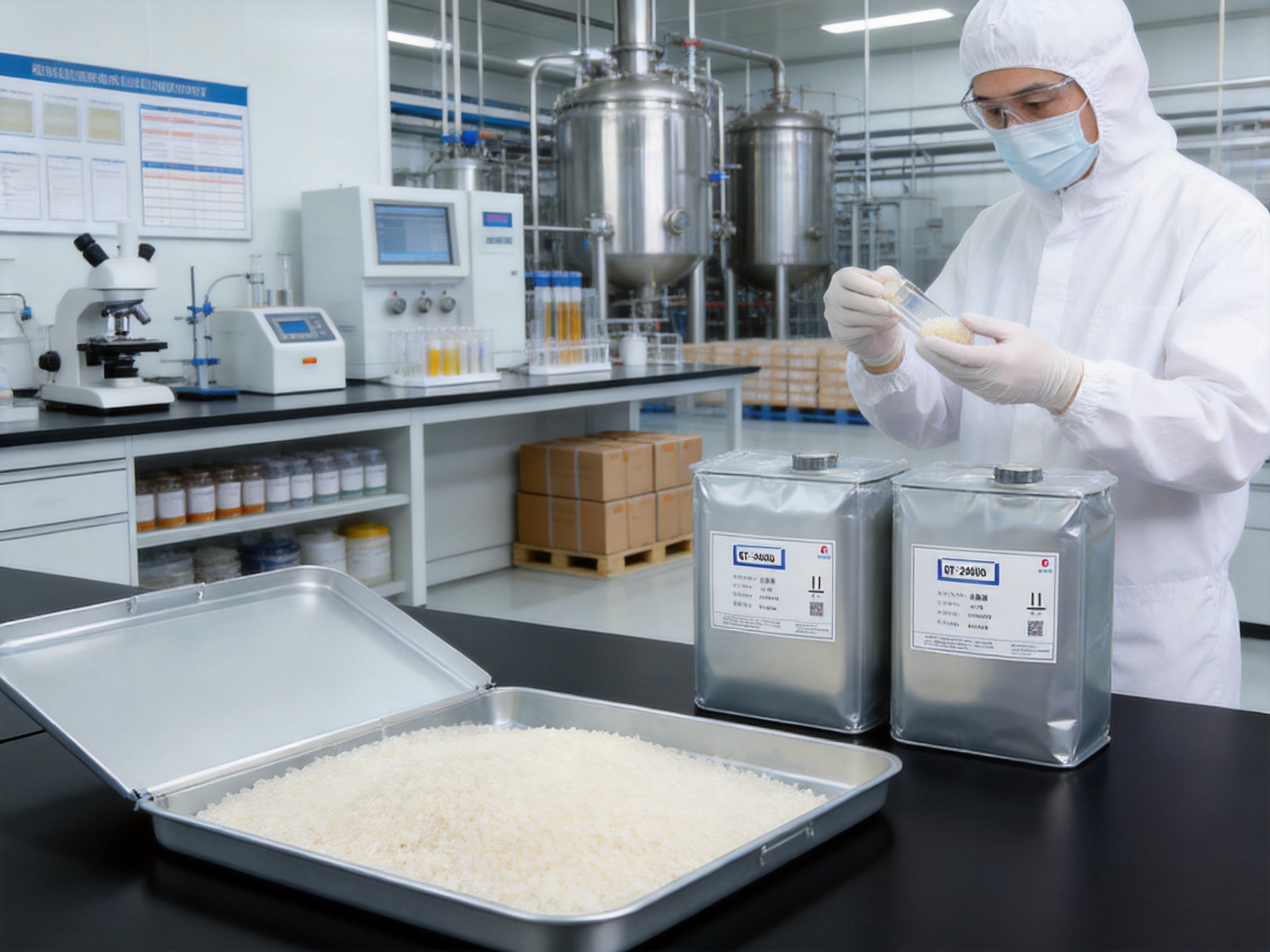
The company operates a modern production facility supported by advanced testing equipment and research capabilities. These resources are important for the development and manufacture of specialty additives because product quality must be evaluated through both chemical and application-oriented testing.
For a solid polymeric dispersant, manufacturing control may involve monitoring raw-material quality, reaction or blending consistency, solid content, physical form, batch uniformity, packaging condition, and application performance. The exact process details are proprietary or product-specific, but the presence of production and testing infrastructure provides a foundation for consistent supply.
Research capability is also important when customers use the dispersant in different pigment and resin environments. A supplier with application knowledge can help interpret variations in viscosity, color strength, settling behavior, or compatibility rather than treating every issue as a simple dosage problem.
The company’s development history includes the creation of an ice flower resin in 2016, recognition as a National High-Tech Enterprise in 2020, and relocation to Lingrui Intelligent Manufacturing Park in Zhangjiagang High-Tech Zone in 2021. These milestones indicate a continuing focus on research, manufacturing capacity, and technical development.
For global customers, manufacturing strength also includes communication, supply coordination, documentation, packaging management, and after-sales support. A technically capable supplier can help customers move from laboratory screening to pilot production and then to regular commercial supply.
Batch-to-batch consistency is essential for pigment dispersants. Even when the final product is used at a relatively low dosage, variation can influence mill-base viscosity, color development, grind time, and storage behavior. Ink and coating manufacturers therefore benefit from a supplier that treats testing and process control as core parts of production.
Quality evaluation for a solid dispersant may include appearance, physical form, active content, moisture or volatile content, solubility behavior, compatibility screening, and application performance. The specific release standards depend on the product specification and customer requirements.
Application testing is especially valuable. A chemical result alone may not predict performance in a high-surface-area carbon black concentrate. The supplier’s testing program can therefore include standardized pigment dispersion trials to observe viscosity, color strength, fineness, and stability.
Customers should request the appropriate technical data, safety information, specification documents, and recommended handling guidance before commercial use. They should also establish incoming inspection procedures that match the importance of the additive in their own manufacturing process.
When a product is used in multiple plants or regions, a controlled qualification process is recommended. The same pigment, resin, solvent, dispersant dosage, and milling conditions should be compared across locations. This helps confirm that the additive performs consistently under actual operating conditions.
A structured development approach can help manufacturers obtain the full value of QT-24000. The first step is to define the target application and performance requirements. These may include pigment loading, color strength, viscosity range, gloss, transparency, print density, storage stability, drying or curing behavior, and final film resistance.
The second step is to select representative pigments. For carbon black, the evaluation should include the actual grades used in production, especially those with high surface area. For organic pigments, it is useful to test the most difficult pigment types in the product portfolio rather than only an easy-to-disperse reference pigment.
The third step is to prepare a dosage ladder. Several dispersant levels should be tested while keeping pigment, resin, solvent, and processing conditions constant. The goal is to identify the point at which viscosity and color performance reach a favorable balance. The highest dosage is not automatically the best dosage.
The fourth step is to standardize the grinding process. Premixing time, dissolver speed, bead size, milling temperature, residence time, and endpoint should be controlled. Without process consistency, it is difficult to distinguish dispersant performance from equipment variation.
The fifth step is to evaluate both immediate and aged performance. A dispersion that looks excellent after milling may become unstable after storage. Samples should therefore be examined for viscosity change, settling, hard sediment, flocculation, color shift, gloss, and redispersibility.
The final step is to conduct application testing. Ink samples should be printed using the intended process where possible. Coatings should be applied to representative substrates at practical film thicknesses. The resulting films should be evaluated for appearance, adhesion, gloss, rub resistance, chemical resistance, hardness, flexibility, and curing behavior as appropriate.
These steps create a more reliable basis for approving the dispersant than a single laboratory observation. They also help define the operating window for future production.
Packaging inks place strong demands on dispersion quality. High optical density, clean color, consistent printability, rapid drying, adhesion, low defect rates, and stable viscosity are important throughout production and use. Carbon black is frequently used to create deep black shades, while organic pigments provide a wide range of colors and visual effects.
In flexographic, gravure, and other packaging processes, the ink must flow predictably through the selected printing equipment. Excessive viscosity may affect transfer, while unstable viscosity can create variation during a long production run. Poor pigment dispersion may result in streaks, specks, weak print density, or inconsistent shade.
QT-24000’s focus on high-surface-area carbon black and its viscosity reduction performance make it relevant to packaging ink development. By supporting efficient pigment concentrates, it may help manufacturers formulate inks that combine color intensity with manageable processing viscosity.
The product can also be considered for organic pigment concentrates used in process colors, spot colors, and specialty packaging shades. The final formulation must be tested for substrate adhesion, drying, blocking resistance, rub resistance, and any regulatory or migration requirements relevant to the intended packaging application.
Where packaging inks are used in demanding environments, the dispersant should be evaluated as part of the complete system. Resin selection, solvent balance, wax type, defoamer, leveling additive, and pigment surface treatment can all influence the final result.
Industrial coatings require consistent appearance and reliable protection. Depending on the substrate and end use, the coating may need to provide corrosion resistance, weathering resistance, chemical resistance, adhesion, flexibility, hardness, or decorative quality.
Pigment dispersion influences many of these properties. Agglomerates can create weak points, surface defects, uneven color, and reduced gloss. A stable dispersion supports a more uniform film and can help the coating deliver more consistent visual and functional performance.
QT-24000 may be evaluated in solvent-borne industrial coatings containing carbon black or organic pigments. It can be considered for metal, plastic, wood, and other substrate-focused systems, subject to compatibility testing with the selected resin and solvent package.
In coil coatings and other continuous industrial processes, production stability is particularly important. The coating must maintain consistent viscosity and color throughout the run. A dispersant that helps control mill-base viscosity may contribute to easier let-down and more predictable application behavior.
For wood and decorative coatings, color strength, transparency, gloss, and surface appearance may be especially important. For anti-corrosion systems, pigment dispersion should be evaluated together with barrier performance, adhesion, flexibility, and resistance to environmental exposure.
UV systems are selected when rapid curing, high productivity, and specific film performance are required. The pigment dispersion must be compatible with the reactive formulation and must not compromise cure or surface quality.
QT-24000 is described as suitable for solvent-based systems including UV inks and coatings. In practice, formulators should assess the product in the complete UV package rather than evaluating only the pigment concentrate. Important tests may include viscosity before curing, pigment stability, cure response, surface cure, gloss, hardness, flexibility, adhesion, and chemical resistance.
High-pigment-load UV systems may benefit from effective viscosity control because reactive systems can become difficult to process as pigment concentration increases. A well-designed dispersant can help the formulator balance pigment loading with application viscosity, although the final result depends on the oligomer, monomer, photoinitiator, and pigment combination.
UV formulations should also be checked for storage stability under the intended warehouse conditions. Changes in viscosity, settling, pigment flocculation, or cure response may occur if the dispersion is not adequately stabilized or if the additive interacts unfavorably with other ingredients.
As with all specialty chemical raw materials, QT-24000 should be handled according to the relevant safety documentation and site procedures. Personnel should review the current safety data before opening, transferring, dissolving, or incorporating the product into a formulation.
The solid material should be protected from contamination and stored in suitable, clearly identified packaging. Temperature, humidity, and exposure conditions should follow the supplier’s recommendations. Good warehouse practice helps preserve physical form and supports consistent production use.
When preparing a solution or premix, operators should use appropriate ventilation, personal protective equipment, and controlled addition procedures. The order of addition can influence wetting, dissolution, and the formation of lumps or localized high concentrations.
Trial quantities should be prepared before introducing a new handling method to full-scale production. Any unusual appearance, poor solubility, unexpected viscosity, or incompatibility should be documented and discussed with the supplier’s technical team.
Dispersant selection can contribute indirectly to more efficient manufacturing. Better pigment wetting and stabilization may reduce rework, shorten grinding time, improve equipment utilization, and lower material losses. Lower mill-base viscosity may also support more efficient pumping and transfer.
These benefits should be measured rather than assumed. A meaningful evaluation may compare energy use, milling time, solvent demand, batch rejection, filter replacement, and cleaning requirements before and after the dispersant change.
Solid products may also offer logistical benefits through compact transportation and storage. However, the overall environmental profile must be considered across the complete product life cycle, including production, packaging, handling, formulation, application, and disposal.
Manufacturers may also use improved dispersion to develop higher-solids or lower-solvent formulations where technically and legally appropriate. Any reduction in solvent should be evaluated for drying, film formation, worker safety, emissions, and final performance.
A practical qualification program for QT-24000 can be divided into four stages. The first stage is laboratory screening. Small batches are prepared with selected carbon black and organic pigments, and the main indicators are viscosity, fineness, color strength, and appearance.
The second stage is stability testing. Selected samples are stored under ambient and elevated-temperature conditions. Viscosity, settling, redispersibility, color, and gloss are checked at defined intervals.
The third stage is application testing. The concentrate is incorporated into the intended ink or coating system and applied using representative equipment and substrates. The final product is evaluated for print or coating performance.
The fourth stage is pilot or production validation. The selected formulation is manufactured at a larger scale to confirm mixing behavior, milling time, temperature control, filtration, filling, and batch reproducibility.
This staged method reduces commercial risk. It also creates documented evidence for comparing QT-24000 with an existing dispersant or with alternatives such as Solsperse 24000.
QT-24000 is a solid polymeric dispersant for solvent-based ink and coating systems, including UV ink and coating formulations. It is designed to support pigment wetting, grinding, dispersion stability, and viscosity reduction.
The product is designed for both carbon black and organic pigments. It is particularly suitable for high-surface-area carbon black, which can be difficult to disperse because of its fine particle size and high surface demand.
Its main stated advantage is excellent viscosity reduction, combined with strong grinding and dispersion performance. This may help manufacturers process concentrated pigment systems more efficiently.
Yes. The product is especially relevant to packaging ink systems that require efficient dispersion of high-surface carbon black and organic pigments. The final formulation should be tested for the intended printing process and substrate.
It is described as suitable for solvent-based systems including UV inks and coatings. UV-specific testing should confirm cure speed, surface cure, gloss, hardness, adhesion, and other required properties.
The product information identifies Solsperse 24000 as a comparison or reference product. A direct replacement should not be assumed without side-by-side testing. Dosage, pigment type, resin, solvent, and processing conditions should all be compared.
High-surface-area carbon black can create very high viscosity because it has extensive surface area and strong particle interactions. Reducing viscosity can support easier premixing, milling, pumping, let-down, filtration, and filling.
No. The optimum dosage depends on pigment surface area, pigment chemistry, concentration, resin, solvent, and processing conditions. A dosage ladder is recommended for each important pigment and formulation family.
Recommended tests include viscosity, grind fineness, color strength, gloss, transparency, storage stability, settling, redispersibility, final application performance, and compatibility with the complete resin and solvent system.
The supplier has an experienced R&D and production team, a modern production facility, advanced testing equipment, and a broad portfolio of coating, ink, and adhesive additives. These resources support product development, quality control, and application-oriented technical service.
A solid form may provide advantages in storage density, transportation, and formulation flexibility. The user may prepare the product according to the target system, provided that the handling and incorporation method is confirmed through technical guidance and testing.
Customers can define the target pigment and application, prepare laboratory samples at several dosage levels, compare the results with the current dispersant, and then proceed to stability, application, pilot, and production validation.
QT-24000 Solid Dispersant is a polymeric dispersant developed for solvent-based inks and coatings, including UV systems. Its most important application strengths are excellent viscosity reduction, effective grinding and dispersion of carbon black and organic pigments, and particularly strong performance with high-surface-area carbon black.
These properties can provide practical value in packaging inks, industrial coatings, UV formulations, and other systems where pigment concentration, color development, processing viscosity, and storage stability must be carefully controlled. The solid format also offers potential logistical and formulation advantages.
Compared with a basic wetting additive or a narrowly targeted dispersant, QT-24000 offers a broader performance platform for demanding pigment systems. Its identification as comparable to Solsperse 24000 makes it a relevant candidate for alternative-supplier assessment, while actual replacement decisions should be based on structured side-by-side testing.
The supplier’s experienced technical team, modern production facility, advanced testing capabilities, broad additive portfolio, and development history provide an important foundation for consistent manufacturing and application support. For customers, the strongest way to assess the product is to measure its performance under real formulation and production conditions.
When correctly selected and optimized, QT-24000 can help manufacturers improve pigment dispersion, reduce mill-base viscosity, streamline processing, and develop more consistent solvent-borne ink and coating products.
1. General principles of pigment wetting, grinding, flocculation control, and steric stabilization in coatings and printing inks.
2. Technical literature on polymeric dispersants for carbon black and organic pigments.
3. Standard laboratory methods for viscosity measurement, fineness of grind, color strength, gloss, and storage stability.
4. Formulation development practices for solvent-based packaging inks and industrial coatings.
5. Technical guidance for UV-curable ink and coating evaluation.
6. Product information supplied for QT-24000 Solid Dispersant.
7. Company information supplied for Suzhou Qingtian New Material Co., Ltd.
 Wholesale Paint/ Coating Additives Manufacturers
Custom Industrial Chemical Solutions Suppliers