русский
 Español
 Français
Home / Author / Tang Yuxi — Senior After-Sales Service Engineer / AA-9005 Crystallizing Coating Resin for Durable Ice Flower Metallic Finishes
Tang Yuxi — Senior After-Sales Service Engineer

Content
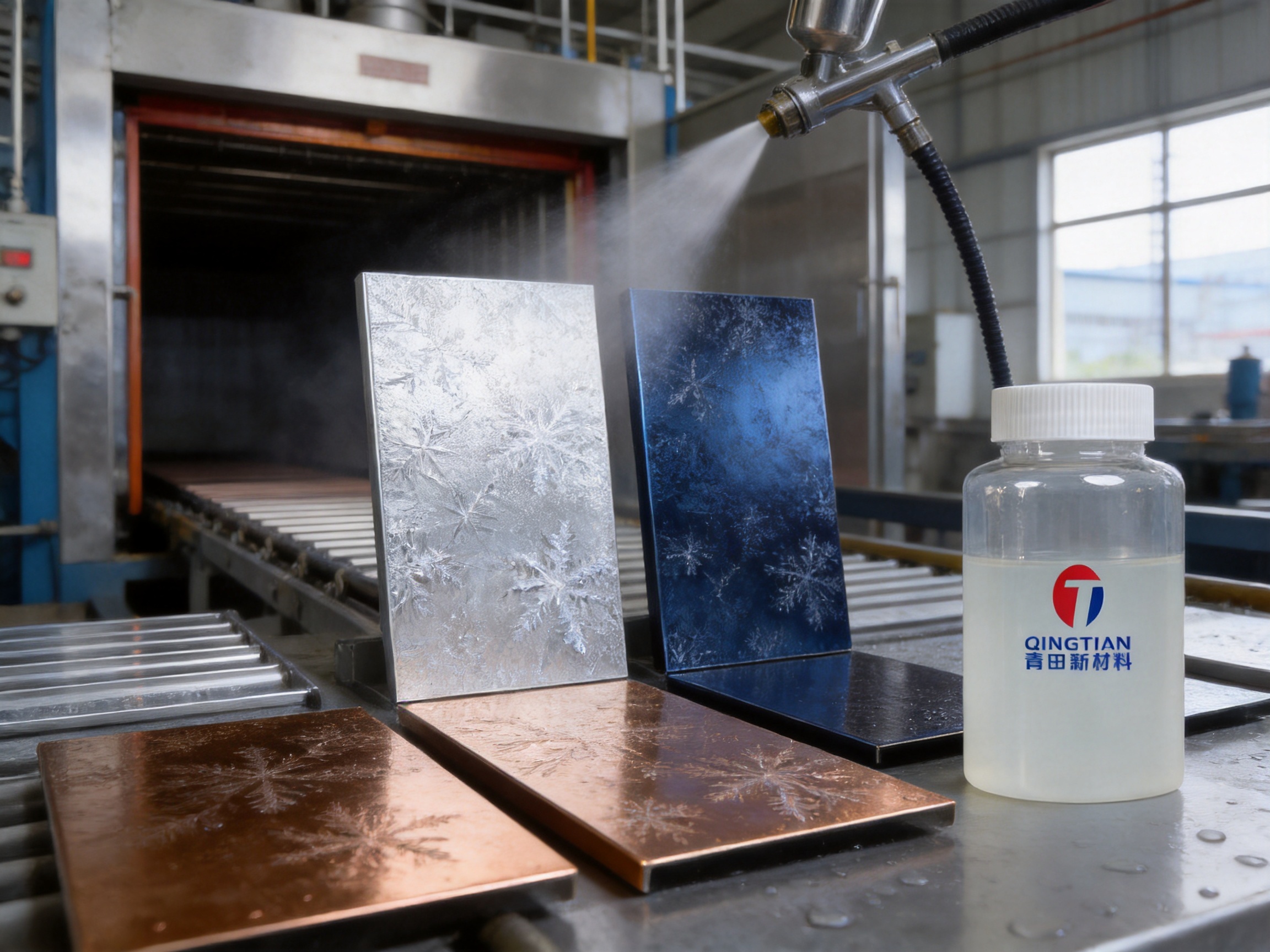
AA-9005 Crystallizing Coating Resin is a solvent-based thermosetting acrylic resin developed for industrial coating systems that require an ice flower, or crystallizing, visual effect together with dependable protective performance. The resin is supplied as a transparent to slightly turbid viscous liquid with a solid content of 60% ±2, a Ford No. 4 viscosity of 280–360, and a solvent system based on butyl acetate and n-butanol. These characteristics provide a practical starting point for formulators developing metallic baking coatings, decorative industrial finishes, and other systems that need controlled appearance, adhesion, corrosion resistance, heat resistance, and outdoor durability.
Unlike a conventional decorative resin that is selected mainly for visual effect, AA-9005 is positioned as a functional coating resin. Its purpose is to help a coating achieve an ice flower pattern while also serving the demanding requirements of industrial metal finishing. The combination of thermosetting acrylic chemistry, solvent compatibility, and balanced physical performance allows formulators to approach appearance and protection as part of one integrated coating design rather than as separate objectives.
The resin is manufactured and supplied by Suzhou Qingtian New Material Co., Ltd., a specialist producer of raw materials for coatings, inks, and adhesives. The company’s product portfolio includes dispersants, leveling agents, defoamers, adhesion promoters, anti-settling agents, texture powders, wax powders, and resin products. Its application experience across steel and aluminum coil coatings, plastic coatings, ultraviolet-curing systems, anti-corrosion coatings, wood coatings, glass coatings, epoxy flooring, printing inks, power batteries, and photovoltaic panels supports a broad understanding of industrial formulation challenges.
Ice flower coatings are designed to create a distinctive crystalline or frost-like pattern after application and curing. The final appearance may resemble delicate branching, frozen glass, or irregular crystalline growth. The effect is not merely a matter of adding a pigment. It depends on the interaction of resin chemistry, solvent evaporation, surface tension, film thickness, curing behavior, substrate condition, and application method.
For this reason, an ice flower resin must provide a controlled film-forming environment. If the resin dries too quickly, the pattern may become incomplete or excessively fine. If it dries too slowly, the pattern may flow together or lose definition. If the coating lacks adhesion, the attractive surface can be undermined by peeling, corrosion, or damage during service. A suitable resin therefore needs to support both pattern development and the mechanical integrity of the cured film.
AA-9005 is formulated as a thermosetting acrylic organic copolymer. Thermosetting systems differ from purely thermoplastic systems because they form a more permanent network during baking or curing. This network can improve resistance to heat, solvents, mechanical stress, and environmental exposure when the formulation and curing conditions are properly selected.
The crystallizing visual effect is especially valuable in applications where a metallic article must combine decoration with a durable protective layer. Industrial equipment, formed metal components, panels, architectural details, and other coated metal parts can benefit from a finish that is visually distinctive without depending on complicated multi-layer decorative construction.
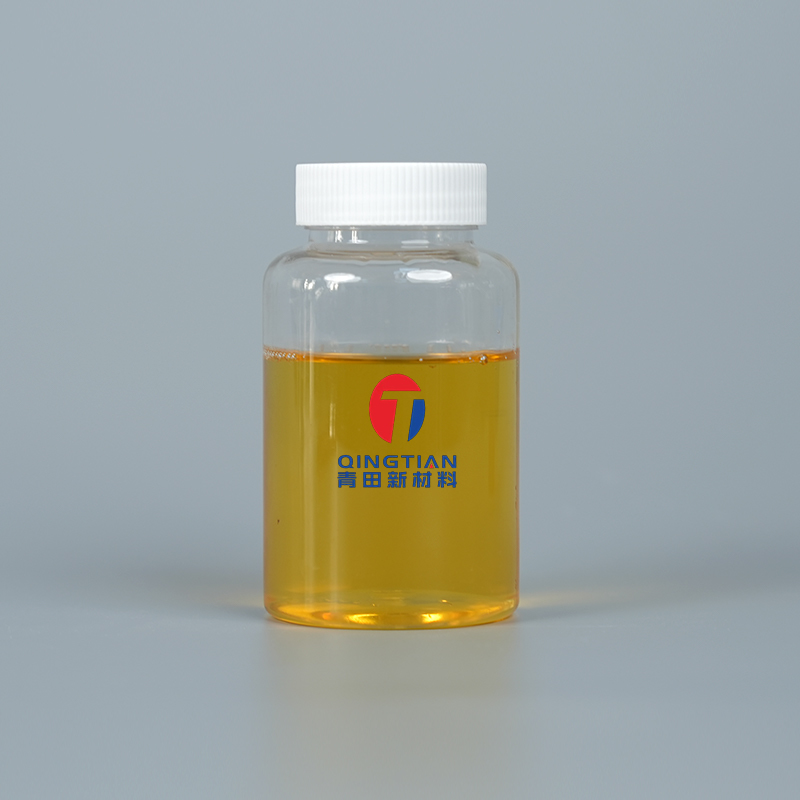
The supplied appearance of AA-9005 is transparent to slightly turbid and viscous. This appearance is appropriate for a resin intended to participate in a formulated coating rather than function as a finished paint by itself. The resin can be combined with suitable pigments, metallic materials, additives, crosslinking components, and solvents according to the required color, gloss, pattern, viscosity, and curing schedule.
| Property | Typical specification | Formulation significance |
|---|---|---|
| Product type | Thermosetting acrylic organic copolymer | Supports the formation of a durable crosslinked coating film during baking |
| Appearance | Transparent to slightly turbid viscous liquid | Provides a workable resin base for clear, pigmented, metallic, or effect coatings |
| Solid content | 60% ±2, tested at 105°C for 180 minutes | Helps formulators estimate nonvolatile material and wet-film requirements |
| Viscosity | 280–360, Ford No. 4 | Offers a reference point for handling, blending, and application adjustment |
| Solvent system | Butyl acetate and n-butanol | Provides a solvent base suitable for solvent-borne coating development |
| Primary visual application | Ice flower or crystallizing pattern | Enables a distinctive decorative finish for industrial metallic substrates |
| Performance focus | Adhesion, corrosion resistance, heat resistance, and weatherability | Supports use where appearance must be combined with functional durability |
The stated solid content should be used as a practical reference when calculating formulation ratios, wet-film thickness, theoretical coverage, and drying behavior. Because the test condition is specified as 105°C for 180 minutes, comparisons with data obtained under different test conditions should be made carefully. A formulator should always confirm the actual nonvolatile content of the complete coating system, since pigments, additives, crosslinkers, and additional solvents will change the final result.
The Ford No. 4 viscosity range is useful for batch consistency and initial formulation work. It does not represent the final application viscosity of every coating. Depending on the spray equipment, coating method, substrate geometry, target film thickness, and desired ice flower pattern, the resin may require controlled dilution or blending with compatible components. Viscosity adjustment should be performed gradually because solvent balance affects not only application but also pattern formation and film quality.
The principal technical advantage of a thermosetting acrylic resin is its ability to form a stable film after curing. Before baking, the coating remains processable and can be applied to the selected substrate. During the heating stage, the reactive components develop a more interconnected structure. This transformation can increase film hardness, adhesion, resistance to heat, and resistance to environmental attack.
AA-9005 is designed for industrial heat-resistant and weather-resistant metallic baking coatings. In such systems, the resin must tolerate the temperature and time conditions required by the coating line while maintaining a consistent surface appearance. A resin that provides good visual performance but suffers from yellowing, loss of adhesion, or surface defects during baking would have limited industrial value. The stated performance profile of AA-9005 addresses this balance by combining the crystallizing effect with functional coating properties.
Acrylic chemistry is widely used in protective and decorative coatings because it can provide a useful balance of hardness, flexibility, clarity, gloss, weatherability, and pigment compatibility. The exact balance depends on polymer architecture, reactive functionality, molecular weight distribution, solvent selection, and crosslinking design. In practical terms, this means the resin can be incorporated into a system that is adjusted for the demands of a particular metal substrate and production process.
For a coating manufacturer, the value of AA-9005 is therefore not limited to a single headline property. It offers a platform for designing a coating with controlled appearance and service performance. This can reduce the need to compensate for a weak resin by using excessive additives, overly thick films, or complex coating layers.
Many decorative coating systems are optimized primarily for color, gloss, texture, or visual novelty. While these features are important, industrial users also need stable adhesion, resistance to corrosion, tolerance to heat, and durability under outdoor exposure. A decorative resin that does not support these requirements may create higher maintenance costs or require additional protective layers.
AA-9005 is differentiated by its combination of decorative and protective functions. It is developed specifically for an ice flower pattern and is also described as offering excellent adhesion, corrosion resistance, heat resistance, and weatherability. This combination can give it an advantage over general-purpose acrylic resins when the coating must deliver a crystallizing appearance without sacrificing industrial performance.
Compared with a purely thermoplastic decorative binder, a thermosetting acrylic system can provide a more durable cured network. This may improve resistance to softening, chemical exposure, and mechanical wear, depending on the complete formulation and curing process. The thermosetting structure is especially relevant in metal baking coatings, where the production line can use controlled heat to convert the applied wet film into a more robust finish.
Compared with a resin designed only for corrosion protection, AA-9005 provides a more distinctive aesthetic direction. It can help manufacturers create products that stand apart from smooth solid-color coatings, standard metallic finishes, or ordinary textured surfaces. The ice flower effect may add value in applications where visual differentiation influences product selection.
Compared with a highly specialized multi-component decorative process, a resin-based ice flower coating may offer a simpler route to an effect finish. The final process still requires formulation development and process control, but the decorative structure is generated through the coating system rather than assembled entirely through mechanical embossing, printing, or multiple surface treatments.
| Comparison factor | General decorative resin | AA-9005 approach |
|---|---|---|
| Primary design objective | Often focused on color, gloss, or basic appearance | Combines crystallizing appearance with industrial coating performance |
| Curing structure | May be thermoplastic or less resistant to heat | Thermosetting acrylic structure intended for baking coatings |
| Metal adhesion | Depends strongly on resin grade and pretreatment | Designed with adhesion as a stated performance feature |
| Environmental durability | May require additional protective layers | Weatherability is included among the intended advantages |
| Visual differentiation | May produce conventional smooth or pigmented films | Developed for ice flower and crystallizing patterns |
| Industrial suitability | Can vary significantly by product type | Targeted at heat-resistant and weather-resistant metallic baking coatings |
These comparisons should not be interpreted as a replacement for testing. Final performance depends on substrate preparation, pigment and additive selection, film thickness, baking schedule, and the surrounding coating architecture. The advantage of AA-9005 is that its design direction is aligned with the combined requirements rather than with appearance alone.
Adhesion is fundamental in metallic coating applications. A coating can have excellent initial appearance and still fail if it does not remain attached to the substrate during forming, handling, humidity exposure, temperature cycling, or outdoor service. AA-9005 is intended to provide excellent adhesion, making it suitable for development work involving industrial metallic baking coatings.
Good adhesion is influenced by more than the binder. The metal surface must be clean, appropriately prepared, and free from oil, dust, loose oxide, and other contaminants. Pretreatment, surface roughness, primer selection, film thickness, and curing conditions all contribute to the result. The resin gives the formulator a strong starting point, but the coating system must be validated on the actual steel, aluminum, or other metal used in production.
Corrosion resistance is similarly a system property. A resin can help create a continuous, adherent, and chemically resistant film, but corrosion protection also depends on pigment type, barrier properties, pretreatment, edge coverage, substrate defects, and exposure conditions. When correctly formulated, AA-9005 can contribute to a coating structure that limits the access of water, oxygen, salts, and corrosive contaminants to the metal surface.
The combination of adhesion and corrosion resistance is particularly important for formed parts. Bending, stamping, cutting, and assembly can introduce stress into a coating. A resin with a well-balanced cured film can help the coating remain intact during handling and service. Production trials should include cross-hatch adhesion, impact, flexibility, humidity, salt spray, and cyclic corrosion testing where relevant to the end use.
Industrial baking coatings are exposed to elevated temperatures during manufacture. The resin must remain stable enough to support the required cure without damaging the appearance or performance of the finished film. AA-9005 is described as heat resistant and suitable for industrial heat-resistant metallic baking coatings. This makes it relevant to coating lines where controlled oven curing is part of the standard process.
Heat resistance can involve several different performance questions. These include resistance to short-term baking temperatures, resistance to prolonged service temperatures, retention of adhesion after heating, color stability, gloss retention, and resistance to blistering or cracking. A complete evaluation should distinguish between manufacturing bake conditions and actual service exposure because the two may involve different temperature profiles and durations.
Weatherability refers to the ability of a coating to retain its appearance and protective function under outdoor conditions. Ultraviolet radiation, moisture, temperature changes, oxygen, pollutants, and atmospheric contaminants can gradually affect a coating. Acrylic resin systems are often selected for outdoor applications because of their potential for good color and gloss retention when the polymer structure and formulation are appropriately designed.
For AA-9005, the stated weatherability is particularly valuable because the ice flower pattern is intended to remain an attractive feature rather than disappear quickly under exposure. Outdoor validation should measure changes in gloss, color, adhesion, cracking, chalking, blistering, and pattern definition. The most suitable test duration and method should reflect the intended geographic region and service environment.
Weatherability can also be supported by proper additive selection. Light stabilizers, ultraviolet absorbers, antioxidants, and compatible pigments may be evaluated where necessary. However, these materials must be selected carefully because they can influence transparency, solvent balance, curing, viscosity, and the formation of the crystallizing pattern.
AA-9005 uses butyl acetate and n-butanol as its solvent system. These solvents are familiar to many solvent-borne coating formulators and can provide useful evaporation and solvency characteristics in industrial coating development. Butyl acetate is commonly used as a medium-evaporation solvent, while n-butanol can contribute to solvency, flow, and evaporation balance in suitable resin systems.
The solvent system is important in an ice flower coating because evaporation influences how the pattern develops. The coating must remain mobile long enough for the desired effect to emerge, but it must also reach a stable film without excessive flow, sagging, pinholes, or surface disturbance. The correct solvent balance can vary with ambient temperature, relative humidity, application equipment, line speed, and substrate temperature.
Formulators should avoid making large solvent changes without evaluating the visual result. A faster solvent blend may cause premature surface setting and reduce pattern growth. A slower blend may enlarge the pattern but increase sagging or extend the drying time. Changes in solvent polarity can also influence compatibility between the resin and other coating ingredients.
The stated viscosity range gives a practical reference for receiving inspection and batch comparison. During formulation, the final coating viscosity should be set according to the selected application method. Spray coating, curtain coating, roller coating, and other methods may require different rheological profiles. Pattern development should be examined at the actual coating viscosity and film thickness rather than inferred only from the resin specification.
The performance of a specialty resin depends not only on its chemical concept but also on the consistency of its manufacturing process. For a product such as AA-9005, repeatability is essential because even modest changes in polymerization, solvent balance, solids content, or viscosity can affect the final ice flower appearance.
Suzhou Qingtian New Material Co., Ltd. has developed its business around raw materials for coatings, inks, and adhesives. The company reports an experienced team that includes research and development specialists, sales professionals, modern production facilities, advanced testing equipment, and strong research capabilities. These resources provide the organizational foundation needed to develop and manufacture application-focused materials rather than relying only on generic commodity products.
A robust manufacturing process for a thermosetting acrylic resin generally requires controlled raw-material charging, reaction-temperature management, agitation, solvent handling, sampling, and final adjustment. The exact production parameters are proprietary and should be managed according to the approved process. From a customer perspective, the important outcome is that each batch should remain within the specified appearance, solids, viscosity, and application-performance range.
Process control begins with raw-material management. Monomers, solvents, catalysts, and other inputs should be received, identified, and checked according to established quality procedures. Consistent raw materials help reduce variation in polymer composition and molecular weight. Storage conditions are also important because moisture, contamination, and prolonged exposure to unsuitable temperatures can affect resin quality.
During polymer production, temperature and feed-rate control influence the development of the acrylic copolymer. Agitation helps maintain uniform reaction conditions and heat distribution. Controlled addition can reduce local concentration differences and support a more consistent reaction profile. Once the polymerization stage is complete, the batch can be adjusted to the target solids content and viscosity through controlled solvent addition and mixing.
Filtration and clean transfer are also important in specialty coating resins. Foreign particles, gel, or other contamination can create defects in a high-appearance coating. A controlled filtration step, appropriate equipment cleaning, and sealed transfer practices can help protect product quality. Packaging should be suitable for solvent-borne materials and should support safe transport and storage.
Testing equipment enables the company to evaluate key product parameters before release. Solids testing confirms the nonvolatile content under the specified method. Ford cup viscosity testing provides a practical measure of flow resistance. Appearance inspection can identify abnormal color, excessive turbidity, phase separation, skin formation, or visible contamination. Additional application testing can help assess coating appearance, adhesion, drying, and curing behavior.
The company’s development of an ice flower resin in China in 2016 demonstrates a focus on a specialized coating effect rather than only standard binder categories. Its recognition as a National High-Tech Enterprise in 2020 and its move to Lingrui Intelligent Manufacturing Park in Zhangjiagang High-Tech Zone in 2021, as reported by the company, indicate continued investment in research, production capability, and operating infrastructure.
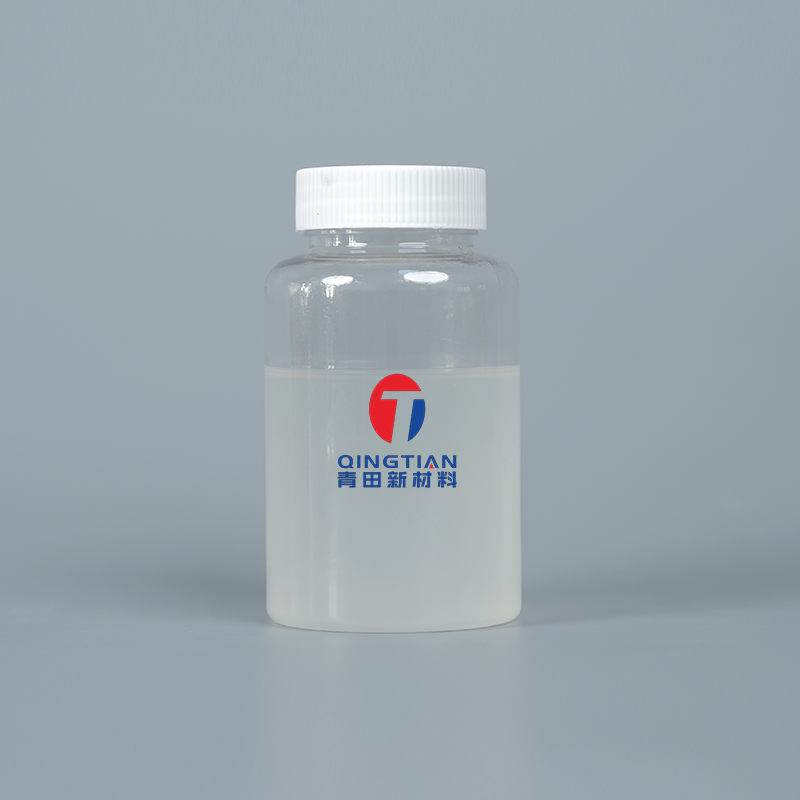
AA-9005 Crystallizing Coating Resin
AA-9005 should be evaluated as part of a complete coating formulation. A typical development program may include the resin, compatible crosslinking materials, pigments or metallic effect materials, flow and leveling additives, defoamers, substrate wetting agents, solvents, and other performance modifiers. The precise composition depends on the target color, pattern, gloss, substrate, film thickness, and curing schedule.
Before formulation, the metal should be identified and characterized. Steel and aluminum may require different pretreatment and may respond differently to the same coating. The surface energy, roughness, cleanliness, and conversion coating can influence wetting and adhesion. Panels should be prepared using the intended industrial process whenever possible, because laboratory-cleaned panels may not represent production conditions.
Initial drawdowns or spray panels can be used to study pattern formation. The development team should record resin batch, formulation ratios, solvent additions, application method, wet-film thickness, flash-off time, oven temperature, metal temperature, and cooling conditions. Images and objective measurements should be retained so that visual differences can be compared between trials.
Film thickness deserves particular attention. A thin film may produce an incomplete or weak pattern, while an excessively thick film may create sagging, long drying times, solvent entrapment, or an overly large pattern. The optimum range is determined experimentally because it depends on the formulation and process. Uniform application is important for repeatable appearance across the coated part.
Baking conditions should be described by actual metal temperature whenever possible rather than oven set temperature alone. The difference between oven air temperature and substrate temperature can be significant, especially in continuous lines or on thick metal parts. Insufficient curing may reduce hardness and adhesion, while excessive heating can affect color, gloss, pattern definition, or substrate compatibility.
Pattern consistency should be inspected across the complete panel, not only at the center. Edges, corners, welds, stamped areas, and regions with different heat transfer can develop different appearances. A robust coating process should define acceptable variation and establish controls for application speed, atomization, viscosity, flash-off, and baking.
Because Suzhou Qingtian New Material Co., Ltd. also supplies dispersants, leveling agents, defoamers, adhesion promoters, anti-settling agents, texture powders, and wax powders, the company can approach coating development from a broader formulation perspective. The resin remains the central film-forming component, but supporting additives can determine whether the finished coating reaches its full potential.
Dispersants may help stabilize pigments and other solid particles. Good dispersion can improve color uniformity, reduce settling, and support consistent appearance. However, the dispersant must be compatible with the resin and must not interfere with the crystallizing effect. Excessive stabilization or an unsuitable surface-active material can change surface tension and alter pattern formation.
Leveling agents can improve surface uniformity and reduce unwanted defects. In an ice flower coating, the objective is not necessarily to eliminate all movement in the film because controlled movement contributes to the pattern. The additive must therefore be chosen and dosed with care. Too much leveling may suppress the desired crystalline structure, while too little may produce craters, orange peel, or uneven gloss.
Defoamers can assist with air release during mixing and application. Entrapped air may create pinholes, craters, or visible defects after baking. As with leveling agents, compatibility is essential. An incompatible defoamer may cause surface defects or reduce intercoat adhesion.
Adhesion promoters may be considered when a difficult substrate or demanding service environment requires additional support. Their use should be evaluated alongside pretreatment and resin selection rather than treated as a substitute for surface preparation. Anti-settling agents can help maintain pigment and effect-particle distribution during storage, but they must preserve sprayability and avoid excessive viscosity growth.
Texture powders and wax powders may be used in other product systems or in selected effect coatings to modify slip, feel, scratch resistance, or surface texture. Whether they are appropriate for a particular AA-9005 formulation depends on the required ice flower appearance. Every additive should be screened for impact on clarity, curing, adhesion, weatherability, and pattern definition.
AA-9005 is a solvent-based resin, so industrial users must manage flammable solvents, vapor exposure, ventilation, grounding, storage, and waste according to applicable regulations. Butyl acetate and n-butanol require appropriate occupational hygiene controls. Production and application areas should use suitable ventilation and equipment designed for solvent-containing materials.
The product information states that the resin contains no heavy metals or other toxic substances. This is a useful feature for manufacturers seeking to avoid intentionally added heavy-metal components in the coating system. Nevertheless, users should review the current safety documentation for the resin and for every additional formulation ingredient. The complete coating may have different hazards depending on pigments, crosslinkers, solvents, and additives.
Safe handling includes keeping containers closed when not in use, protecting the material from ignition sources, preventing contamination, and using compatible packaging and transfer equipment. Operators should use personal protective equipment selected through a formal workplace risk assessment. Spill response, fire protection, waste disposal, and transport procedures should be established before commercial use.
From a sustainability perspective, the solid content of 60% ±2 can help formulators assess the balance between applied film and solvent evaporation. Higher solids do not automatically define environmental performance, but they can be considered in conjunction with film efficiency, line emissions, recovery systems, and local regulatory requirements. Users should evaluate the complete coating process rather than the resin alone.
Incoming inspection should verify the product identity, lot number, packaging condition, appearance, solids content, and viscosity. The resin should be mixed gently and uniformly before sampling when permitted by the technical documentation. Samples should be stored for comparison with future deliveries and retained according to the user’s quality system.
| Evaluation area | Suggested observation | Why it matters |
|---|---|---|
| Appearance | Transparency, turbidity, color, sediment, skin, and foreign particles | Indicates storage condition and batch uniformity |
| Solids content | Nonvolatile material under the specified test method | Supports formulation calculations and batch control |
| Viscosity | Ford No. 4 result at controlled test conditions | Helps identify handling or composition variation |
| Application behavior | Sprayability, wetting, atomization, flow, and pattern development | Connects laboratory properties with production performance |
| Cure response | Hardness, solvent resistance, adhesion, and surface appearance after baking | Confirms that the coating reaches the intended film condition |
| Durability | Heat, humidity, corrosion, weathering, impact, and flexibility testing | Assesses suitability for the intended service environment |
Performance testing should be tailored to the end use. Cross-hatch adhesion can provide an initial indication of film attachment. Pencil hardness, solvent rubs, impact, and flexibility tests can help evaluate the cured film. Humidity and salt spray testing may be relevant for metallic products exposed to moisture and salts. Accelerated weathering can provide comparative information, although it should not be treated as an exact prediction of outdoor lifetime.
Color and pattern evaluation should use standardized lighting and, where practical, instrumental measurements. Visual appearance can be influenced by viewing angle, illumination, panel orientation, and surrounding colors. Because an ice flower finish is inherently pattern-based, both objective measurement and trained visual inspection are useful.
For coating manufacturers, AA-9005 offers a specialized resin option that can support product differentiation. Instead of competing only through standard colors or gloss levels, a manufacturer can develop a recognizable crystallizing finish for selected markets. This may create opportunities in decorative metal components, appliances, equipment housings, architectural details, and other applications where appearance and durability are both important.
The resin’s stated solids content and viscosity range provide a clear starting point for formulation planning. Its butyl acetate and n-butanol solvent base is familiar to many solvent-borne coating operations. The thermosetting acrylic chemistry aligns with industrial baking processes, and the intended performance profile addresses adhesion, corrosion resistance, heat resistance, and weatherability.
For end users, the value lies in the possibility of obtaining a distinctive finish without accepting the limitations of a fragile decorative layer. A durable ice flower coating can improve perceived product quality and may reduce the need for frequent refinishing when the complete system is appropriately designed.
For purchasing teams, supply reliability and technical communication are also important. A specialist manufacturer with in-house research and testing capabilities can support sample evaluation, formulation adjustment, and troubleshooting more effectively than a supplier that offers only a generic material without application knowledge. Suzhou Qingtian’s broader range of coating additives may also simplify communication when multiple formulation components require coordinated evaluation.
For research and development teams, the resin can serve as a platform for exploring different pattern scales, gloss levels, pigment combinations, substrate finishes, and curing conditions. Such flexibility is useful when a customer requires a specific visual identity or when a coating producer wants to create multiple grades for different market segments.
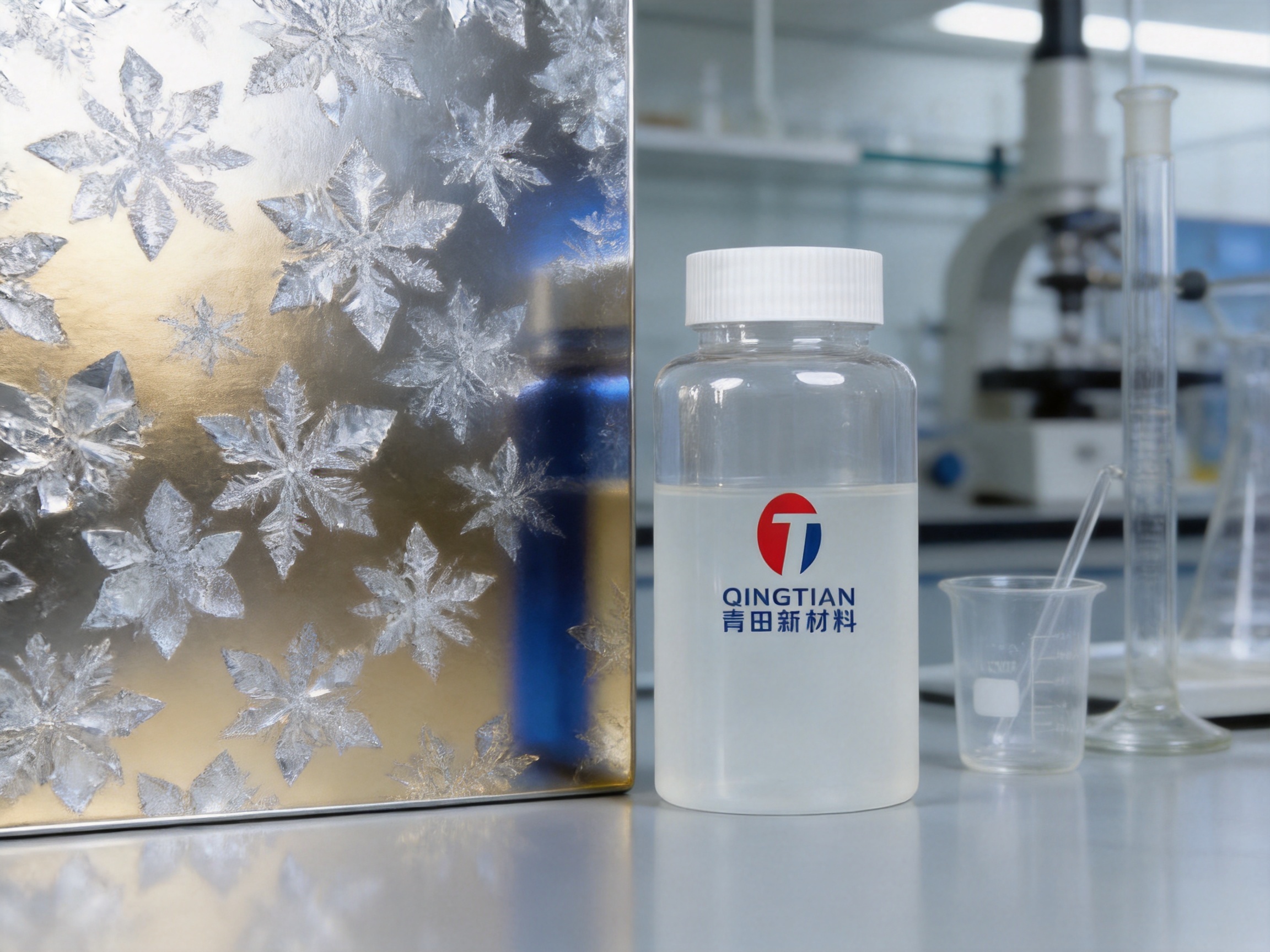
Suzhou Qingtian New Material Co., Ltd. combines product development, production, laboratory testing, and technical service within a company focused on coatings, inks, and adhesives. This specialization is meaningful because specialty coating raw materials are judged not only by certificate values but also by their behavior in real formulations.
The company’s reported experience since its founding in 2012 provides a long-term operating background in a competitive materials sector. Its team includes research and development experts, sales professionals, and production personnel. This combination can help connect customer requirements with laboratory experimentation and manufacturing execution.
The company’s production facility and testing equipment support the basic needs of quality-controlled resin manufacturing. More importantly, its product range suggests experience with the relationships between film formation, surface control, pigment dispersion, defoaming, adhesion, texture, and slip. Such relationships are highly relevant to an ice flower coating, where small formulation changes can influence the final visual effect.
The company’s development milestones also indicate an emphasis on technical progress. Creating an ice flower resin in 2016 established an application-specific direction. Recognition as a National High-Tech Enterprise in 2020 reflects the company’s reported technology-oriented development. Relocating to Lingrui Intelligent Manufacturing Park in Zhangjiagang High-Tech Zone in 2021 was intended to strengthen research and production capacity.
These strengths can benefit customers during product qualification. A coating producer may require several rounds of testing before determining the preferred viscosity, solvent balance, additive package, application method, and bake schedule. A supplier with technical personnel and relevant product knowledge can help organize this process and reduce unnecessary trial-and-error.
Solvent-borne resins should be stored in a cool, dry, well-ventilated location away from direct sunlight, heat, sparks, and open flames. Containers should remain tightly closed when not in use. The storage area should be arranged to prevent damage to packaging and should follow applicable regulations for flammable or combustible liquids.
Before use, the resin should be inspected for unusual gelation, phase separation, excessive sediment, skin, leakage, or abnormal odor. If any unusual condition is observed, the material should be placed on hold and evaluated by the responsible quality or technical department. Users should follow the supplier’s technical data sheet and safety data sheet for shelf life, temperature limits, and detailed handling instructions.
During transfer, equipment should be clean and compatible with solvent-borne acrylic materials. Mixing should be sufficient to achieve uniformity without introducing excessive air. Filters, pumps, hoses, and spray equipment should be selected and maintained to minimize contamination and prevent application defects.
AA-9005 is a thermosetting acrylic organic copolymer designed for solvent-based ice flower or crystallizing coating systems. It is intended to help create a distinctive crystalline pattern while supporting adhesion, corrosion resistance, heat resistance, and weatherability in industrial metallic baking coatings.
No. AA-9005 is a coating resin and should be formulated with compatible curing components, solvents, pigments or effect materials, and additives as needed. The final coating properties depend on the complete formulation and application process.
The product is supplied as a transparent to slightly turbid viscous liquid. Its solid content is 60% ±2 when tested at 105°C for 180 minutes. Its Ford No. 4 viscosity is 280–360, and its stated solvent system is butyl acetate and n-butanol.
Thermosetting chemistry can form a more permanent crosslinked film during baking. This may improve hardness, heat resistance, adhesion, and resistance to environmental or chemical stress compared with a less durable film-forming structure, provided that the formulation is properly cured.
It is intended for metallic baking coating development, but each substrate must be evaluated separately. Steel and aluminum can differ in surface chemistry, pretreatment, roughness, and thermal behavior. Adhesion and corrosion testing should be conducted on the actual substrate and pretreatment used in production.
Solvent evaporation affects wet-film mobility, drying speed, leveling, and pattern growth. Butyl acetate and n-butanol provide the product’s stated solvent base, but additional solvent adjustment should be carried out carefully because faster or slower evaporation can change pattern size, definition, sagging, and drying time.
Application method depends on the final formulation and production line. Spray application is a common development route for effect coatings, but other industrial methods may be evaluated. The coating viscosity, atomization, film thickness, flash-off, and baking conditions must be optimized for the selected method.
The product information states that AA-9005 contains no heavy metals or other toxic substances. Users should still review current safety documentation and assess the complete coating formulation because other ingredients may have different regulatory or hazard profiles.
Initial testing should include appearance, solids content, viscosity, application behavior, pattern development, adhesion, hardness, flexibility, heat resistance, corrosion resistance, and weatherability as appropriate. Testing should use the intended metal substrate, pretreatment, coating thickness, and curing schedule.
Yes, compatible dispersants, leveling agents, defoamers, adhesion promoters, anti-settling agents, pigments, and other additives may be evaluated. Each additive must be screened for compatibility because it can influence viscosity, surface tension, curing, adhesion, gloss, weatherability, and the ice flower pattern.
The supplier specializes in raw materials for coatings, inks, and adhesives and offers a broad portfolio that includes resins and performance additives. Its reported R&D team, production facilities, testing equipment, and application experience support product development and technical cooperation.
Application-specific evaluation should be discussed with the supplier. The practical development variables may include substrate, color, gloss, pattern appearance, film thickness, solvent balance, additive package, and baking conditions. Any proposed adjustment should be confirmed through laboratory and production testing.
AA-9005 Crystallizing Coating Resin is a specialized material for formulators seeking an ice flower finish with industrial coating performance. Its thermosetting acrylic organic copolymer structure, 60% ±2 solid content, Ford No. 4 viscosity of 280–360, and butyl acetate/n-butanol solvent base provide a clear foundation for solvent-based baking coating development.
The product’s principal advantage is its balanced design direction. It is not limited to producing an attractive pattern; it is also intended to support adhesion, corrosion resistance, heat resistance, and weatherability. This makes it a practical alternative to decorative resins that focus mainly on appearance or to protective binders that offer little visual differentiation.
The quality of the final finish will depend on the complete coating system. Substrate preparation, pigment and additive compatibility, solvent evaporation, film thickness, application equipment, flash-off, and baking must all be controlled. With systematic testing, AA-9005 can help coating manufacturers develop distinctive metallic finishes for products that require both visual appeal and long-term protection.
Behind the product is a supplier focused on coatings, inks, and adhesives, with reported strengths in research and development, manufacturing, testing, and technical service. Its experience with ice flower resin and its broader portfolio of coating additives create a useful platform for formulation cooperation. For manufacturers looking to expand beyond conventional smooth or solid-color finishes, AA-9005 provides a technically focused route toward a durable crystallizing coating solution.
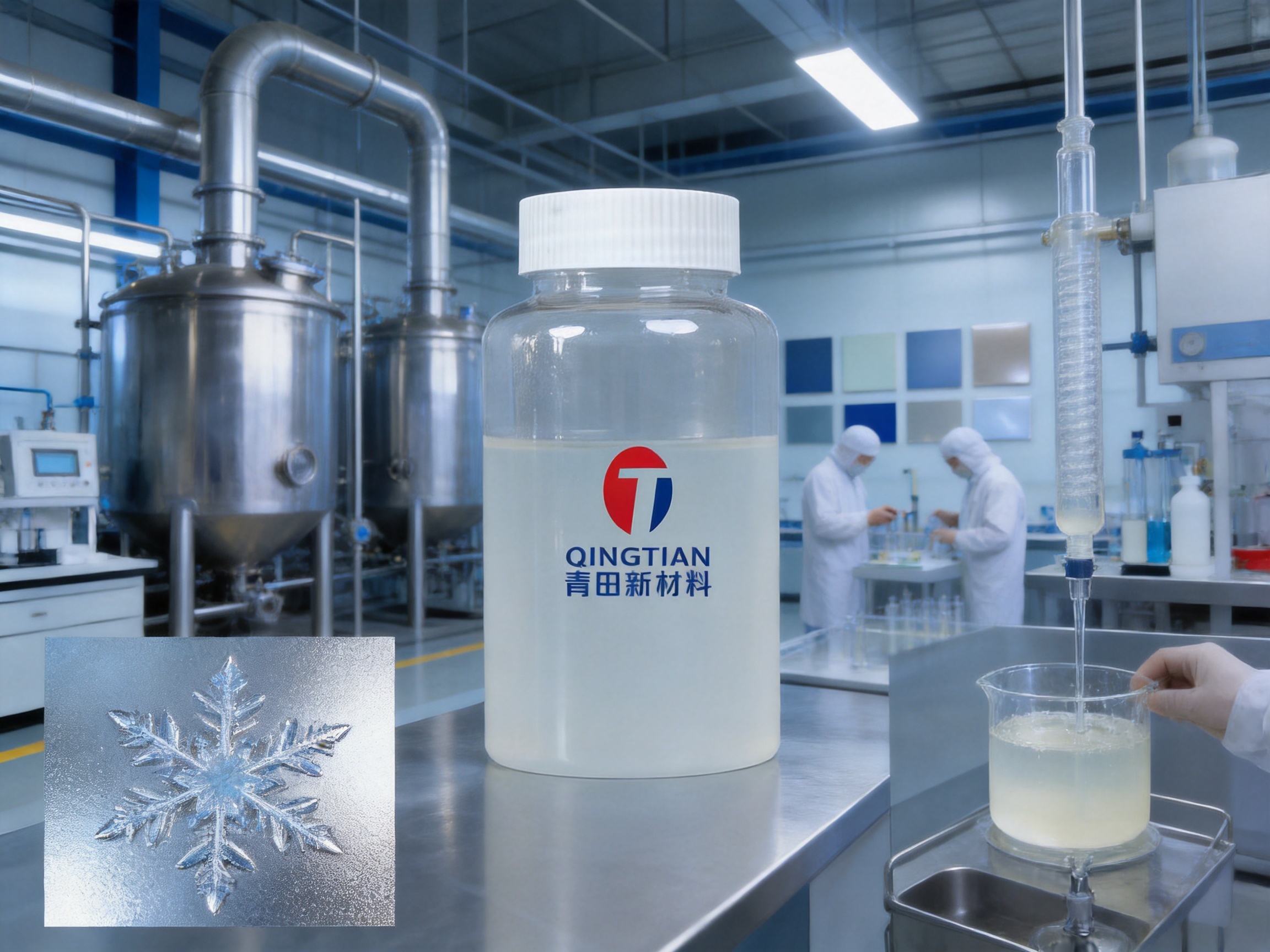
1. Product technical information for AA-9005 Crystallizing Coating Resin, including appearance, solid content, viscosity, solvent system, characteristics, and application category.
2. Company information for Suzhou Qingtian New Material Co., Ltd., including product portfolio, research and development background, manufacturing facilities, and corporate development milestones.
3. General principles of thermosetting acrylic resin technology for industrial protective and decorative coatings.
4. General practices for metallic substrate preparation, coating adhesion evaluation, corrosion testing, and accelerated weatherability assessment.
5. General guidance for solvent-borne coating formulation, viscosity control, film formation, additive compatibility, and industrial baking processes.
 Wholesale Paint/ Coating Additives Manufacturers
Custom Industrial Chemical Solutions Suppliers