русский
 Español
 Français
Home / Author / Tang Yuxi — Senior After-Sales Service Engineer / Permanent-Acting Silicone Leveling Technology for UV Reverse Varnish and Acrylic Coatings
Tang Yuxi — Senior After-Sales Service Engineer

Content
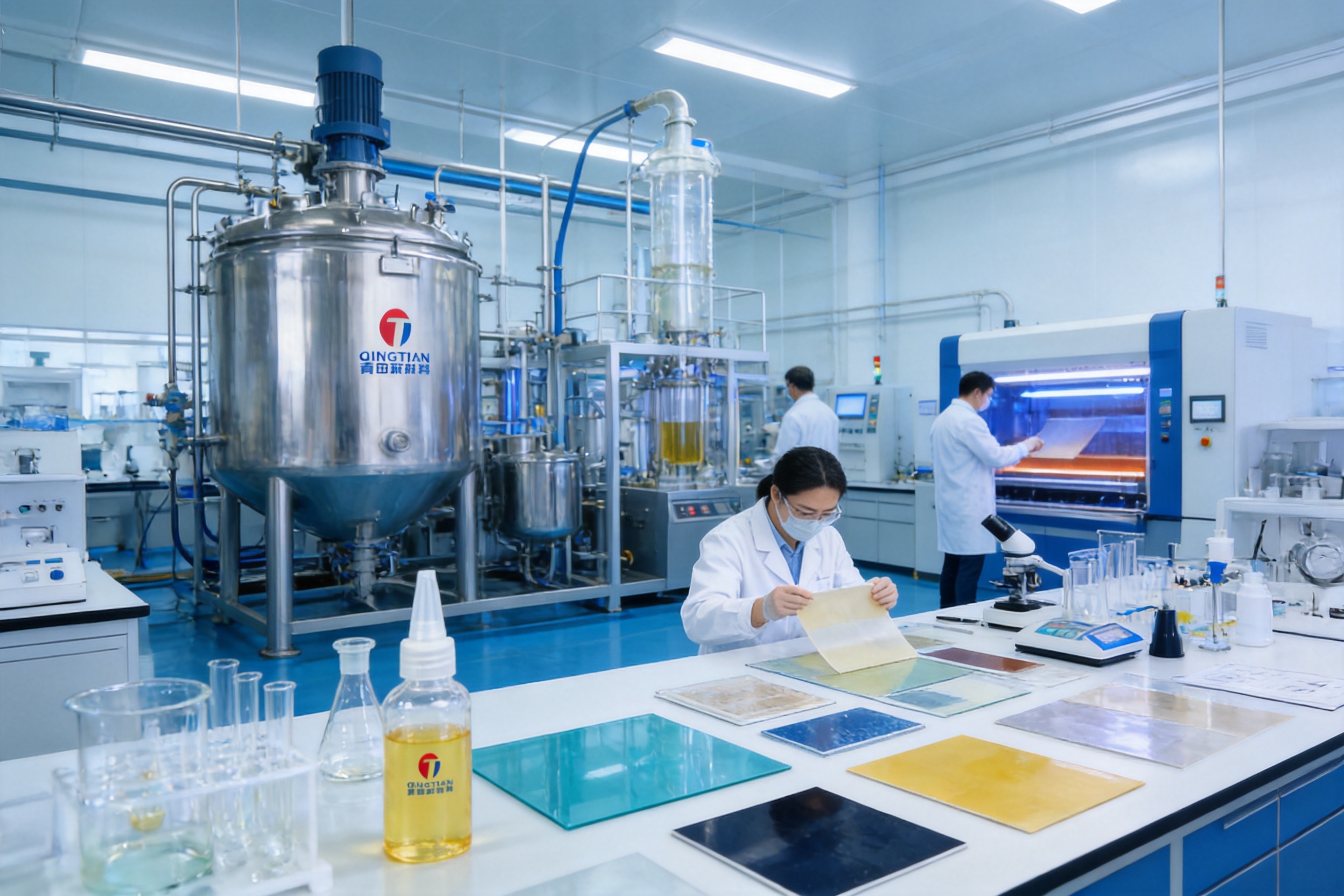
Modern coating systems must deliver more than attractive appearance. They must spread evenly, resist surface defects, provide controlled slip, release cleanly from contacting materials, withstand handling, and maintain performance after curing. These requirements become especially demanding in ultraviolet-curing coatings, solvent-based UV varnishes, reverse varnishes, printing inks, and other acrylic resin systems, where rapid film formation leaves little time for surface imperfections to disappear.
DH-4270 UV Reverse Varnish Leveling Agent is a reactive silicone leveling additive developed for these demanding applications. It contains reactive acrylic functional groups that can cross-link into the polymer network during curing. As a result, the active additive is designed to become permanently fixed within the cured film rather than behaving only as a mobile, temporary surface modifier. This structural approach supports long-lasting surface performance while reducing the risk of additive migration that can occur with conventional nonreactive silicone additives.
The product combines excellent leveling with surface slip, tape release, anti-blocking, and scratch-resistance benefits. It is suitable for solvent-based UV coatings, UV light-curing systems, and other acrylic resin systems. By helping control the interface between the coating and its surrounding environment, the additive can contribute to smoother appearance, improved processing reliability, and more consistent final-film behavior.
A coating surface is influenced by many factors, including resin viscosity, solvent evaporation, surface tension, substrate cleanliness, curing speed, pigment dispersion, application method, and environmental conditions. Even when the formulation is carefully balanced, differences in surface tension can cause the wet film to flow unevenly. This may lead to craters, crawling, pinholes, orange peel, uneven gloss, poor wetting, or visible application marks.
A leveling agent works by modifying surface behavior during the wet-film stage. It helps the coating spread across the substrate and promotes a more uniform surface. In many systems, the additive migrates toward the coating-air or coating-substrate interface, where it reduces surface-tension differences and supports smoother flow.
However, a leveling agent must be carefully selected. Excessive surface activity can create intercoat adhesion problems, recoat difficulties, or compatibility issues. A nonreactive additive may provide strong initial slip but later migrate, transfer, or interfere with printing, laminating, bonding, or overcoating. A suitable modern additive must therefore balance surface activity with resin compatibility and cured-film permanence.
DH-4270 addresses this challenge through reactive acrylic functionality. The product is not described simply as a conventional silicone modifier that remains freely mobile in the film. Instead, its reactive groups are intended to participate in the curing reaction and become incorporated into the polymer network. This design helps preserve the benefits of silicone surface modification while supporting durable performance after curing.
| Item | Specification |
|---|---|
| Product | DH-4270 UV Reverse Varnish Leveling Agent |
| Product category | Silicone leveling agent |
| Functional chemistry | Silicone-based additive containing reactive acrylic functional groups |
| Primary function | Leveling and surface modification for UV and acrylic coating systems |
| Surface benefits | Leveling, slip, tape release, anti-blocking, and scratch resistance |
| Recommended systems | Solvent-based UV coatings, UV light-curing systems, and other acrylic resin systems |
| Permanent-performance concept | Reactive groups can cross-link into the polymer network during curing |
| Typical application direction | Reverse varnishes, UV coatings, printing-related coatings, and acrylic formulations |
The product is intended for formulators seeking reliable surface control without depending entirely on a physically mobile silicone component. Its application value is particularly relevant when the cured coating must combine visual uniformity with practical durability.
As with any additive, final performance depends on the complete formulation. Resin type, photoinitiator package, pigment loading, solvent balance, film thickness, curing energy, substrate, and application method all influence the result. DH-4270 should therefore be evaluated in the actual coating system rather than judged only by isolated laboratory testing.
The most important technical feature of DH-4270 is its reactive acrylic functionality. During UV or other suitable curing processes, acrylic functional groups can participate in cross-linking reactions. When the coating network develops, the additive can become chemically connected to the surrounding polymer structure.
This mechanism offers a meaningful advantage over many traditional nonreactive surface additives. A conventional additive may remain physically dispersed in the cured film. If it is not chemically bound, it may gradually migrate to the surface, transfer to another material, or be removed by cleaning and handling. In some applications, this can lead to changes in slip, adhesion, printability, or overcoat compatibility over time.
By contrast, a reactive additive is designed to remain associated with the cured coating through chemical incorporation. This does not mean that every formulation will produce identical results, and it does not eliminate the need for compatibility testing. Nevertheless, the reactive design provides a strong foundation for more permanent surface modification.
Permanent integration can be valuable in several ways. First, it may help maintain surface properties during the service life of the film. Second, it can reduce the risk of surface transfer during contact with tape, packaging materials, stacked coated articles, or adjacent layers. Third, it may support more stable recoat and adhesion behavior than a highly mobile, nonreactive silicone additive.
The reactive approach is also suitable for manufacturers who want to reduce the unpredictability associated with additive migration. Migration is not always visible immediately. A coating may pass an initial appearance test but later show changes after storage, heat exposure, contact with another film, or repeated handling. A chemically anchored surface modifier can help reduce this type of long-term variation when the curing conditions are sufficient for effective reaction.
For this reason, DH-4270 is particularly relevant to high-speed and high-performance coating processes in which both initial appearance and long-term consistency are important.
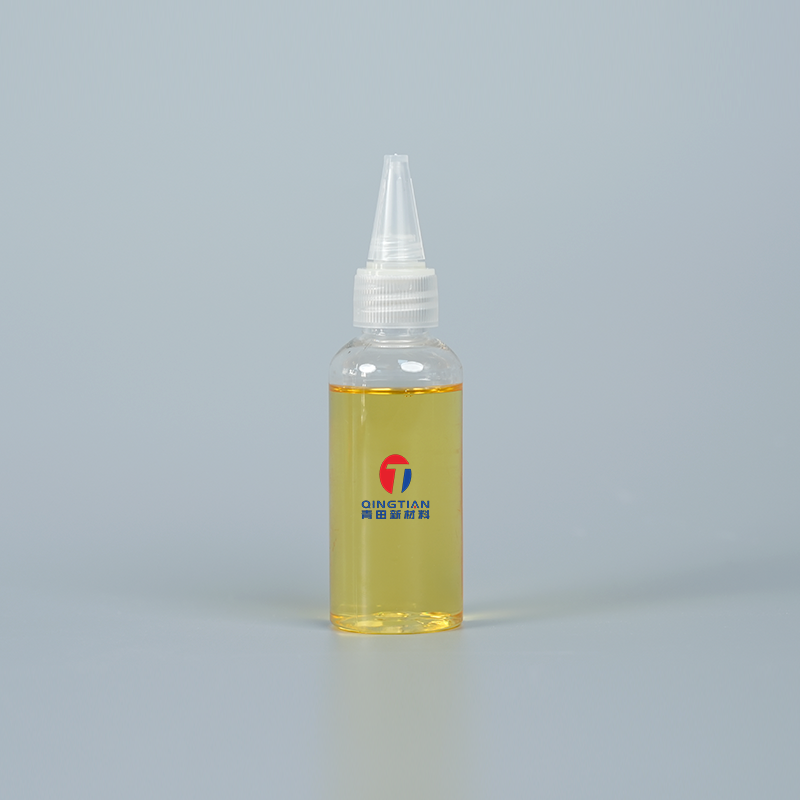
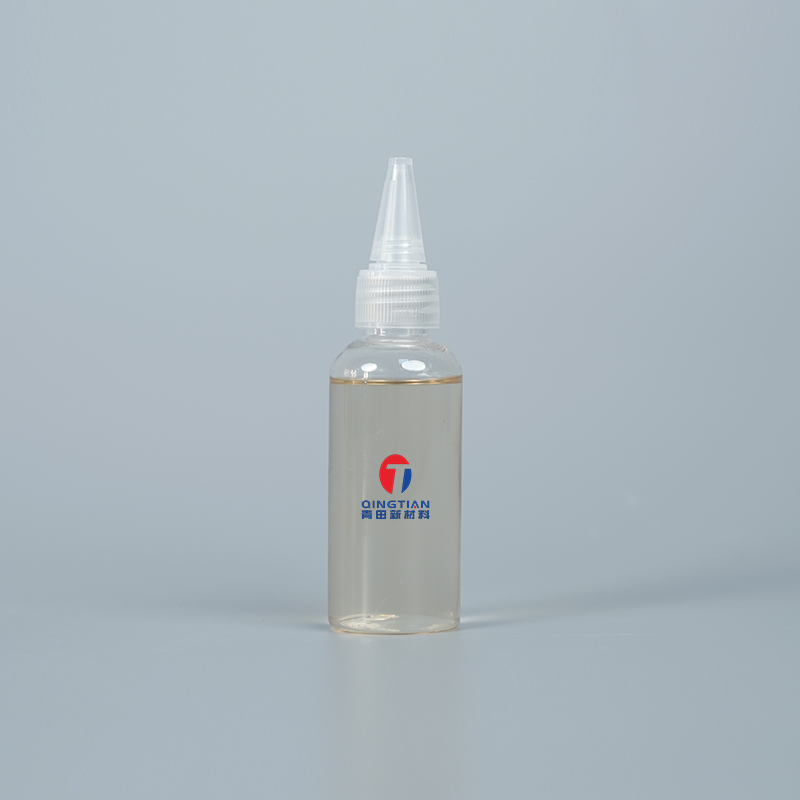
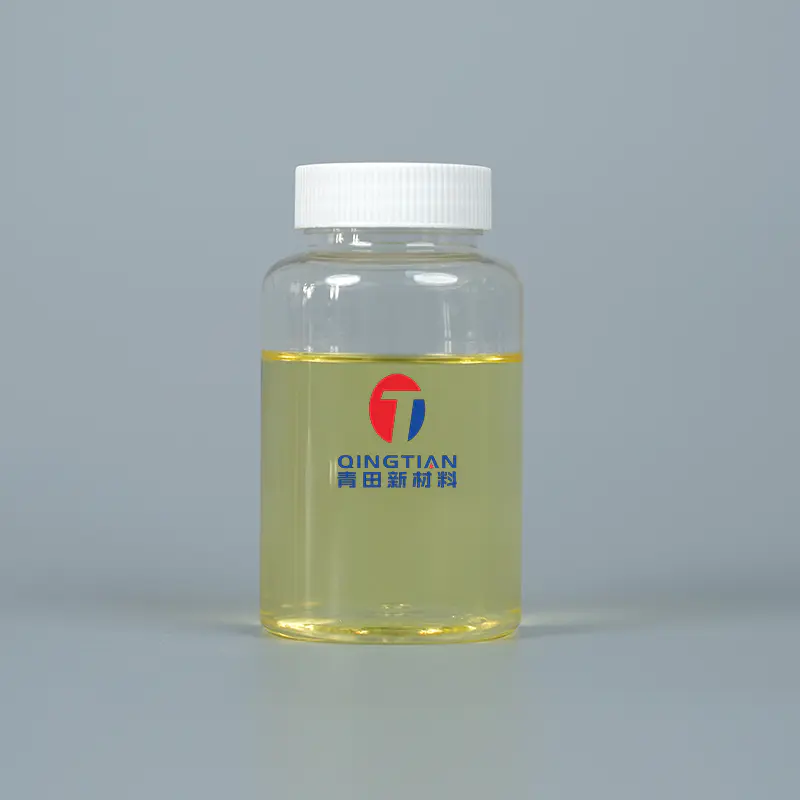
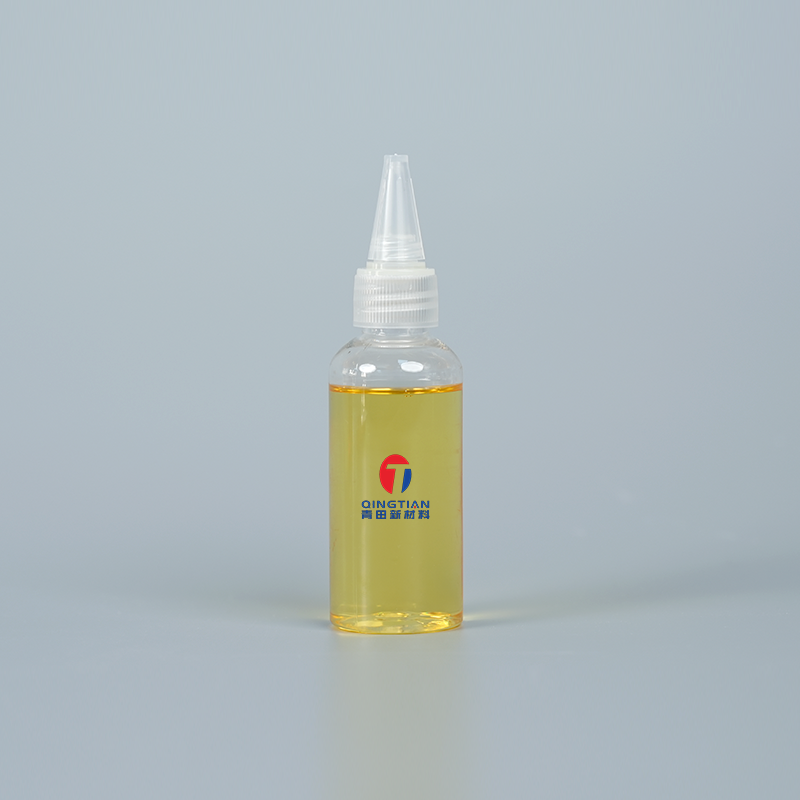
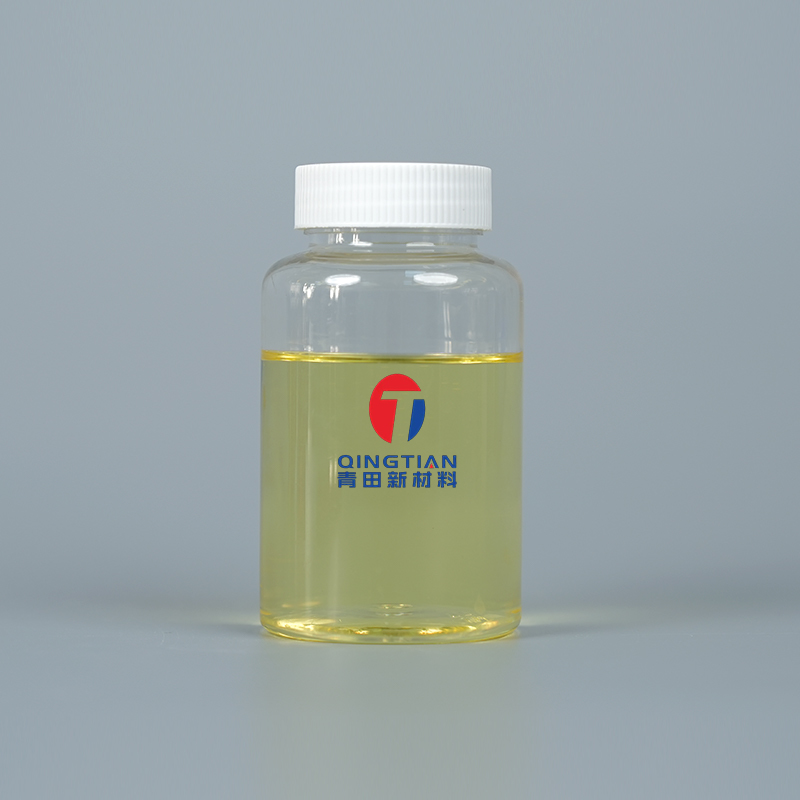
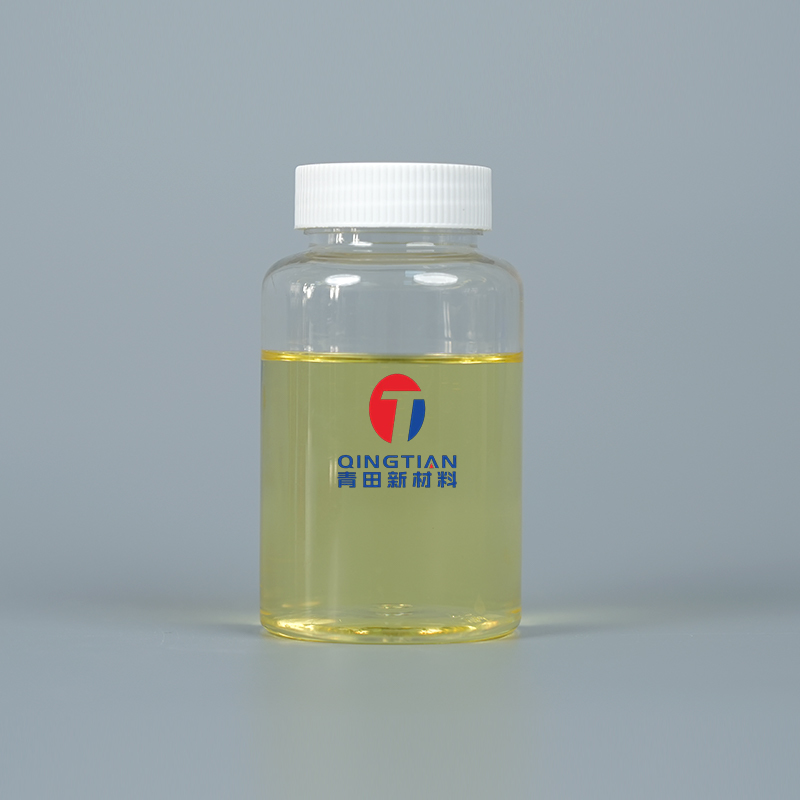
DH-4270 UV Reverse Varnish Leveling Agent
Leveling is the core function of DH-4270. A well-leveled coating presents a more uniform surface and can help reduce visual defects caused by uneven flow. This is important for clear varnishes, reverse varnishes, decorative finishes, printing coatings, plastic coatings, and other applications in which gloss, clarity, and surface smoothness influence perceived quality.
In UV formulations, rapid curing can freeze the surface before the coating has fully relaxed. If the surface tension is not balanced, defects may become permanently fixed in the film. A compatible leveling agent can improve the wetting and flow behavior before gelation, giving the film a better opportunity to form a consistent surface.
DH-4270 is designed for use in solvent-based UV coatings and UV light-curing systems. In these systems, the additive can contribute to smoother film formation while its acrylic functionality supports incorporation during curing. The combination is important: strong leveling without sufficient compatibility may result in defects elsewhere, while compatibility without adequate surface activity may not solve the original problem.
Leveling performance can also support more consistent gloss and visual uniformity across large coated areas. This is useful in industrial production, where a small difference in flow behavior can become visible over wide surfaces or repeated batches. Improved leveling may help reduce the need for excessive formulation correction, although process optimization remains essential.
In pigmented systems, the additive should be evaluated alongside the dispersant and other surface modifiers. Pigments can change surface tension and viscosity, and the correct level of leveling agent depends on pigment type, concentration, particle size, and resin chemistry. A controlled addition rate is generally preferable to excessive dosing.
Reverse varnish applications often require a controlled surface appearance and reliable contact behavior. The coating may be applied to a printed or treated substrate and then subjected to winding, stacking, lamination, taping, or further converting. Surface defects that are minor in a decorative film can become serious when they affect release, blocking, or downstream processing.
In this context, DH-4270 can support a more even reverse-varnish surface while contributing to slip and tape-release performance. Its reactive design is also relevant where the varnish must retain its surface characteristics without excessive transfer to adjacent materials.
The product is suitable for other acrylic resin systems beyond UV reverse varnish. Acrylic resins are widely used in coatings because they can offer clarity, weatherability, hardness, adhesion, and flexible formulation options. However, acrylic formulations vary considerably in polarity, molecular weight, functionality, and curing mechanism.
DH-4270 should be screened in the selected acrylic resin system for clarity, gloss, haze, adhesion, recoatability, cure response, and surface feel. A small laboratory drawdown can help establish the appropriate dosage before pilot or production testing.
Surface slip is another important advantage of silicone-based leveling technology. A coating with controlled slip can move more smoothly through processing equipment and can reduce friction during contact with other surfaces. This may be beneficial in roll-to-roll coating, film handling, packaging conversion, printing, and stacked-part manufacturing.
Slip should not be confused with uncontrolled lubricity. Excessive slip can reduce the grip needed for printing, laminating, labeling, or assembly. The ideal result is a balanced surface that moves smoothly during handling while maintaining adequate adhesion and process control.
DH-4270 provides a means of adjusting surface slip within an acrylic or UV coating system. Because the additive contains reactive acrylic groups, the intended surface behavior can remain associated with the film after curing instead of relying solely on free additive movement.
Controlled slip may also support improved scratch resistance indirectly. When two surfaces contact each other, lower friction can reduce the force required for movement and thereby lower the tendency for scuffing. The final scratch result still depends on coating hardness, cross-link density, film thickness, substrate support, and test method, but surface modification can play an important supporting role.
Tape release is valuable in coatings that may contact pressure-sensitive tape during masking, inspection, assembly, storage, or processing. Difficult release can cause surface damage, residue, coating lift, or inconsistent inspection results. A surface with suitable silicone modification can reduce adhesion between the cured coating and tape.
DH-4270 is described as providing tape release properties in addition to leveling and slip. This makes it relevant to industrial coating applications in which temporary contact with adhesive materials is part of the manufacturing process. The required release level depends on the tape adhesive, dwell time, pressure, temperature, and removal speed, so application-specific testing remains necessary.
Anti-blocking performance is equally important for coated films and stacked articles. Blocking occurs when coated surfaces adhere to one another under pressure, heat, or extended storage. It can cause marks, peeling, transfer, winding problems, and production downtime.
The surface-modifying effect of DH-4270 can help reduce unwanted contact adhesion when the coating is properly cured. The product’s anti-blocking benefit is especially relevant where coated layers are wound or stacked soon after production. Nevertheless, blocking behavior also depends on residual solvent, cure completion, coating hardness, storage temperature, applied pressure, and the smoothness of the contacting surfaces.
Scratch resistance is another stated benefit. A scratch-resistant coating must withstand mechanical contact without showing unacceptable marks. Silicone surface modification can improve surface slip and reduce friction, while the reactive structure can help preserve the additive in the cured film. This combination may support better resistance to scuffing and scratching than a system that relies on a freely mobile additive.
Formulators should assess scratch resistance using the intended industry method and under realistic conditions. Pencil hardness, steel-wool testing, rub testing, mar resistance, and instrumented scratch evaluation may produce different rankings. The most useful assessment is one that reflects the final product’s actual handling and service environment.
Every additive technology has a suitable application range. Conventional leveling agents may provide useful initial surface control, and some are highly effective in specific resin systems. However, a reactive silicone leveling agent can offer additional advantages where permanence, transfer resistance, and long-term consistency are important.
| Performance consideration | Conventional nonreactive approach | Reactive silicone approach represented by DH-4270 |
|---|---|---|
| Surface leveling | Can be effective during wet-film formation | Designed to provide excellent leveling in UV and acrylic systems |
| Film integration | May remain physically mobile in the cured film | Reactive acrylic groups can cross-link into the polymer network |
| Surface permanence | May change through migration or transfer | Designed for more permanent fixation after curing |
| Slip performance | May depend on continued surface migration | Combines silicone slip with reactive film incorporation |
| Tape release | Depends on additive type and mobility | Provides tape-release functionality within a reactive additive design |
| Anti-blocking support | May be affected by additive movement over time | Can support stable surface modification when fully cured |
| Scratch resistance support | May reduce friction but may not remain fixed | Combines surface slip with a permanently oriented design |
The comparison should not be interpreted as a guarantee that DH-4270 will outperform every competing product in every formulation. Coating performance is highly system-dependent. Its principal competitive advantage is the combination of silicone surface activity and reactive acrylic functionality in one additive.
This combination can reduce the need to choose between strong initial slip and long-term fixation. It may also help formulators address several surface requirements with one product rather than using separate additives for leveling, slip, release, and anti-blocking. Consolidating functions can simplify formulation design, although compatibility and dosage must still be confirmed.
Another potential advantage is process stability. If the additive is chemically incorporated during curing, the final surface may be less sensitive to post-cure migration than a nonreactive alternative. This can be important for products that are stored, stacked, laminated, printed, or handled over extended periods.
Solvent-based UV coatings combine solvent-assisted application and flow with ultraviolet curing. They can be used when the formulation requires a particular viscosity, wetting profile, or application method. DH-4270 can support leveling in these systems and can react through its acrylic functionality during the UV-curing stage.
Formulators should confirm solvent compatibility, storage stability, clarity, and cure response. The additive should be introduced using a procedure that promotes uniform distribution without creating excessive foam or air entrainment.
UV-curing systems are valued for rapid production, low thermal exposure, and the ability to produce durable films in a short time. However, the fast transition from liquid to solid can magnify surface defects. A reactive leveling agent can help the wet film flow before cure and remain integrated after cross-linking.
Important variables include lamp type, irradiance, dose, line speed, film thickness, photoinitiator selection, pigment opacity, and oxygen inhibition. A formulation that cures effectively in a thin clear film may behave differently in a pigmented or heavily filled coating.
Acrylic resin systems are used in plastic coatings, decorative finishes, industrial coatings, clear coats, and printing-related applications. DH-4270 is suitable for acrylic systems where improved leveling and permanent surface modification are desired.
The resin’s functional groups and polarity should be considered during evaluation. Good compatibility can be indicated by clarity, stable viscosity, absence of separation, and consistent gloss. If the additive causes haze or surface defects, the dosage, incorporation method, or resin balance may need adjustment.
In printing-related coatings, appearance and downstream handling are closely connected. A varnish must form a smooth film without damaging print clarity or creating blocking during winding and stacking. Slip and tape release can also be useful during converting and inspection.
DH-4270 is positioned for UV reverse varnish applications because it combines leveling with surface-function benefits. The product may be considered for clear protective layers, decorative printed materials, and other coated substrates where surface uniformity and controlled contact are required.
Plastic substrates often present wetting and adhesion challenges because of their relatively low surface energy. A leveling additive cannot replace proper substrate preparation, but it can help improve wet-film uniformity when the coating and substrate are compatible.
For industrial surfaces, the additive may contribute to improved appearance and handling properties. Adhesion should always be checked after curing, conditioning, and any relevant environmental exposure.
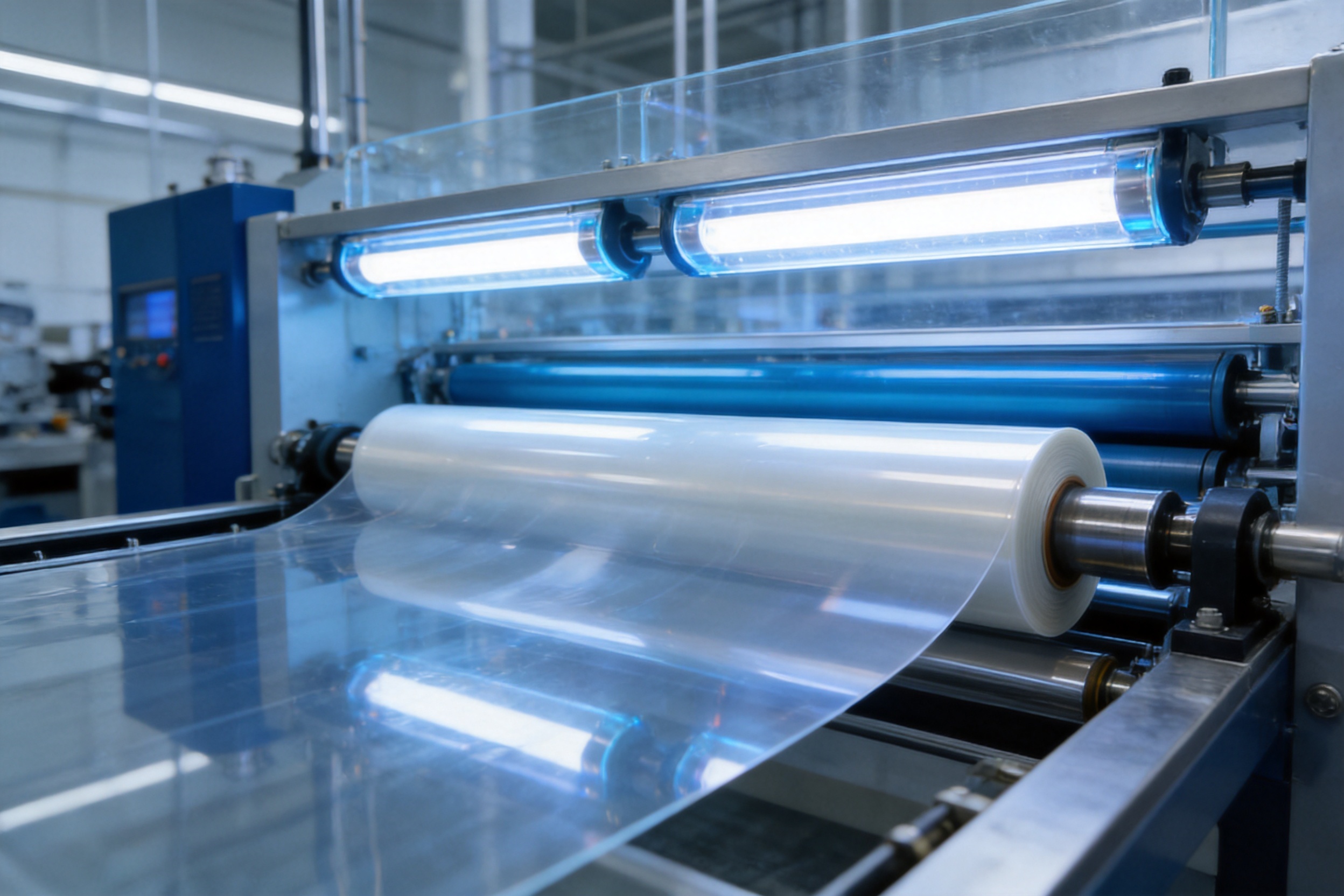
The appropriate dosage of a leveling agent depends on the resin system, solids content, application method, surface tension, film thickness, and target surface properties. A practical development program should begin with a small dosage screening series rather than a single concentration.
For example, a formulator may prepare several samples with low, medium, and higher additive levels. Each sample can be evaluated for leveling, gloss, haze, slip, tape release, blocking, scratch resistance, adhesion, recoatability, and cure completeness. The optimum level is the lowest concentration that achieves the required performance without causing side effects.
DH-4270 should be added under controlled mixing conditions. The additive should be dispersed uniformly in the formulation, and the mixing procedure should avoid unnecessary air incorporation. Depending on the formulation, it may be added during the let-down stage or incorporated into a compatible resin or solvent blend before final adjustment.
After addition, the formulation should be checked for viscosity, clarity, storage stability, and compatibility. A short-term sample may look satisfactory while a longer storage test reveals separation, haze, or viscosity drift. Testing at different temperatures can provide additional information about storage behavior.
Curing conditions are especially important because the product is designed to react through acrylic functionality. Insufficient UV dose, excessive pigment loading, oxygen inhibition, or poor lamp maintenance may limit the extent of reaction. A well-controlled curing process is therefore essential for achieving the intended permanent-film benefits.
First, evaluate wetting and leveling on the actual substrate. Record visual appearance, gloss, surface defects, and film uniformity. Second, measure cured-film properties such as slip, scratch resistance, tape release, blocking, and adhesion. Third, conduct aging and contact tests to examine whether the surface properties remain stable after heat, humidity, storage, or repeated handling.
For reverse varnish, include winding or stacking simulations where appropriate. For tape-related applications, use the actual tape or a representative standard. For printing applications, assess ink compatibility, overprint behavior, and any effect on downstream lamination or adhesive bonding.
The additive should not be evaluated only by its immediate leveling effect. A strong initial result is valuable, but long-term surface stability and compatibility with subsequent processes are equally important.
The manufacturer is a professional supplier of raw materials for coatings, inks, and adhesives. Its product portfolio includes dispersants, leveling agents, defoamers, adhesion promoters, anti-settling agents, cooling agents, conductive agents, orange peel texture agents, texture powders, and wax powders.
This broad product range is strategically important because coating performance usually depends on interactions among several additive categories. A company that works across dispersing, leveling, defoaming, adhesion, texture, and surface-protection technologies can evaluate formulations from a more integrated perspective. Customers may therefore obtain not only a single additive but also a more complete approach to formulation development.
The company was founded in 2012 and has developed an experienced team that includes research and development specialists and sales professionals. It operates a modern production facility supported by advanced testing equipment and research capabilities. These resources provide a foundation for product screening, quality control, formulation troubleshooting, and application-oriented support.
Its manufacturing and development activities serve markets including steel and aluminum coil coatings, plastic coatings, UV curing, anti-corrosion coatings, wood coatings, glass coatings, epoxy flooring, printing inks, power batteries, photovoltaic panels, and other industrial sectors. Exposure to multiple application fields can encourage the transfer of useful technical knowledge among coating technologies.
The company reports several development milestones. It created China’s first ice flower resin in 2016, received recognition as a National High-Tech Enterprise in 2020, and moved to Lingrui Intelligent Manufacturing Park in Zhangjiagang High-Tech Zone in 2021 to strengthen research and production capacity. These milestones indicate a continuing emphasis on technical development, manufacturing infrastructure, and industrial expansion.
Producing a reactive silicone additive requires control of raw-material quality, reaction conditions, functional-group balance, purification, filtration, packaging, and batch consistency. The product’s performance depends not only on the presence of silicone segments but also on the level and accessibility of reactive acrylic groups.
A modern manufacturing process should therefore include controlled raw-material handling, accurate metering, managed reaction temperature, appropriate mixing, and in-process monitoring. Quality checks may include appearance, viscosity, solids content, compatibility, functional-group behavior, and application performance. While the exact production parameters are proprietary, these process controls are central to delivering a consistent additive.
Advanced testing equipment is particularly valuable for surface-active products. Laboratory evaluation can examine leveling, contact behavior, gloss, slip, tape release, blocking, scratch resistance, and cure response. Such testing helps connect chemical structure with real coating performance.
Batch-to-batch consistency is a major consideration for industrial customers. A leveling agent used in high-speed production must deliver predictable performance across repeated deliveries. Consistent manufacturing, documented quality control, and technical communication can reduce formulation adjustments and production interruptions.
The company emphasizes innovation, quality, service, and win-win cooperation. For customers, this orientation can translate into application support, product customization discussions, and cooperation during formulation development.
Technical cooperation is especially useful when a standard additive does not fully resolve a problem. A customer may need a specific balance of leveling, slip, release, adhesion, low foaming, curing response, or recoatability. Experience across multiple additive families can help identify whether the problem is best addressed through a leveling agent, a dispersant, a defoamer, a surface modifier, or a combination of technologies.
The manufacturer’s work across UV coatings, inks, adhesives, and industrial coatings also supports a practical understanding of processing conditions. This application focus is important because an additive must perform not only in a laboratory cup but also under real production speed, substrate variation, curing intensity, storage requirements, and downstream converting conditions.
For a coating-additive customer, product value includes more than the purchase price per kilogram. A reliable additive can reduce surface defects, lower rejection rates, improve production stability, and simplify troubleshooting. If it also provides multiple surface benefits, it may reduce the need for several separate modifiers.
DH-4270 offers a combination of properties that can support this broader value proposition: excellent leveling, surface slip, tape release, anti-blocking, and scratch resistance. Its reactive structure is intended to help these functions remain stable in the cured film.
Reliability also depends on appropriate technical documentation and communication. Customers need clear information about recommended systems, storage, handling, compatibility, dosage development, and performance testing. The manufacturer’s focus on professional service supports the practical adoption of the product in different markets.
Because coating formulations differ significantly, customers should exchange sufficient technical information during product selection. Relevant information includes resin chemistry, solvent composition, solids level, pigment and filler loading, application equipment, curing conditions, substrate type, target film thickness, and downstream processing.
DH-4270 should be handled according to the applicable safety data sheet and local regulations. Personnel should use suitable protective equipment, maintain adequate ventilation, and avoid unnecessary contact with the liquid additive or uncured formulation.
Storage conditions should follow the manufacturer’s technical recommendations. Containers should remain properly closed and protected from contamination, excessive heat, and incompatible materials. Before use, the product should be inspected for abnormal appearance, sediment, gel particles, or other changes that could indicate improper storage.
During formulation, good housekeeping is important. Spills should be managed promptly using procedures appropriate for the material and the facility. Waste should be collected and disposed of in accordance with applicable environmental requirements.
UV-curing operations also require appropriate protection from ultraviolet radiation. Operators should follow equipment-safety procedures and ensure that shielding, interlocks, ventilation, and lamp maintenance are properly managed.
If leveling is insufficient, check additive dosage, resin compatibility, substrate cleanliness, viscosity, solvent evaporation, and curing speed. A coating that gels too rapidly may not have enough time to flow. Excessively high viscosity or poor wetting may also limit the effect of the additive.
Haze may result from incompatibility, excessive additive concentration, phase separation, pigment interaction, or incomplete dissolution. Reduce the dosage in a controlled test, review the addition sequence, and examine the formulation after storage. Clear-film drawdowns are useful for separating additive effects from pigment-related effects.
If recoatability or adhesion declines, assess whether the surface has become excessively silicone-rich or whether the film is under-cured. Check the additive level, cure dose, substrate preparation, and the chemistry of the next coating layer. The reactive design of DH-4270 is intended to support permanent film integration, but actual performance still depends on effective curing and formulation balance.
Blocking may be caused by residual solvent, insufficient cure, excessive film thickness, high storage temperature, high winding pressure, or a soft resin. Confirm cure completion before substantially increasing the additive. Surface modification can support anti-blocking, but it cannot compensate for a coating that remains under-cured or mechanically too soft.
Foam and craters may be connected to mixing, contamination, substrate defects, defoamer balance, or excessive surface activity. Review the complete additive package rather than changing only the leveling agent. Where necessary, evaluate DH-4270 alongside a compatible defoamer and dispersant to achieve a balanced formulation.
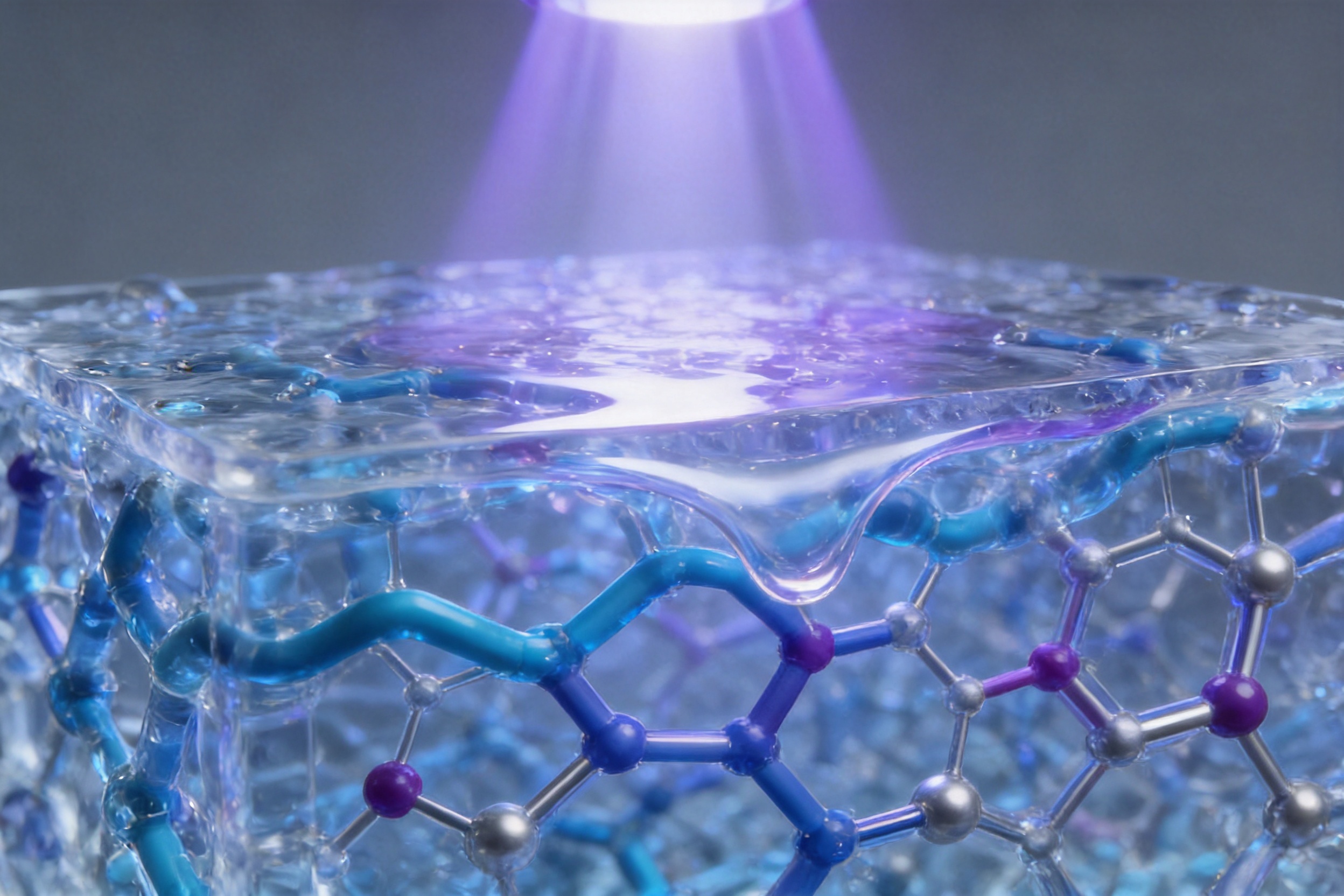
Coating manufacturers increasingly seek solutions that improve efficiency while maintaining performance. A multifunctional additive can support this goal by addressing several surface requirements in one formulation component. DH-4270 combines leveling, slip, tape release, anti-blocking, and scratch-resistance support, potentially reducing the need for multiple specialized surface modifiers.
Fewer additives can simplify inventory management and reduce the number of interactions that must be controlled during formulation. However, the environmental profile of the full coating must be evaluated, including solvent content, curing energy, packaging, waste, and end-of-life considerations.
UV-curing systems can offer rapid processing and reduced thermal demand compared with some conventional curing routes. When a reactive leveling agent becomes integrated into the cured network, the formulation may also have less dependence on freely migrating surface additives. These benefits should be confirmed through complete lifecycle and application assessments rather than assumed solely from chemical structure.
When selecting a leveling agent for UV reverse varnish or acrylic coatings, formulators should consider the following criteria:
Compatibility: The additive should remain stable in the selected resin and solvent system without creating haze, separation, or abnormal viscosity changes.
Surface activity: The product should provide sufficient leveling and slip without causing excessive surface defects or process instability.
Reactivity: If long-term permanence is important, reactive functionality should be matched with the curing chemistry and curing conditions.
Downstream performance: Tape release, anti-blocking, scratch resistance, printing, lamination, adhesion, and recoatability should be tested as relevant to the final product.
Process reliability: The additive should perform consistently at the actual application speed, film thickness, substrate type, and curing dose.
Supplier capability: Technical support, manufacturing capacity, testing resources, quality systems, and communication are important when moving from laboratory development to commercial production.
DH-4270 is well suited to this selection framework because it combines reactive acrylic functionality with silicone-based surface performance and is supported by a manufacturer with experience across coating, ink, and adhesive raw materials.
DH-4270 is a silicone leveling agent for UV reverse varnish, solvent-based UV coatings, UV light-curing systems, and other acrylic resin systems. It provides leveling, surface slip, tape release, anti-blocking, and scratch-resistance benefits.
DH-4270 contains reactive acrylic functional groups. These groups can cross-link into the polymer network during curing, helping the additive become permanently fixed in the cured film rather than remaining entirely mobile.
The product is suitable for other acrylic resin systems, but the exact compatibility and reaction behavior should be verified in the intended formulation. The resin chemistry and curing method determine how effectively the reactive groups participate in film formation.
It can support scratch resistance through surface slip, lower friction, and reactive integration into the cured film. Final scratch performance also depends on resin hardness, cross-link density, film thickness, substrate support, and curing conditions.
Yes. Tape release is one of the stated performance benefits. The actual release level should be tested with the specific tape, dwell time, pressure, temperature, and removal speed used in production.
It can contribute to anti-blocking performance by modifying the cured surface. Blocking is also influenced by residual solvent, cure completeness, coating hardness, storage temperature, pressure, and film thickness, so the full process must be optimized.
Use a controlled dosage screening in the actual formulation. Compare low, medium, and higher levels for leveling, gloss, clarity, slip, tape release, blocking, scratch resistance, adhesion, recoatability, and cure response. The lowest effective level is generally the best starting point.
It is primarily a leveling and surface-modification additive. Although it may influence some surface defects, it should not automatically be considered a replacement for a dedicated defoamer or dispersant. The complete additive package should be balanced for the specific coating.
The reactive acrylic groups are intended to cross-link during curing. Insufficient UV dose, oxygen inhibition, excessive pigment loading, or poor lamp performance may reduce reaction efficiency and affect the permanence of surface properties.
Useful information includes resin type, solvent composition, solids content, pigment or filler loading, substrate, application method, film thickness, curing equipment, line speed, observed defects, current additive package, and required downstream properties.
Potential application areas include UV reverse varnishes, printing coatings, plastic coatings, industrial acrylic coatings, decorative finishes, and other systems requiring smooth, slip-controlled, and durable surfaces.
The manufacturer has experience in coatings, inks, and adhesives and offers multiple additive categories, including dispersants, leveling agents, defoamers, adhesion promoters, anti-settling agents, texture products, and wax powders. Its R&D personnel, production facility, testing equipment, and application experience can support formulation development and scale-up.
DH-4270 UV Reverse Varnish Leveling Agent is designed for formulators who need more than temporary surface improvement. Its reactive acrylic functional groups can cross-link into the polymer network, supporting permanent fixation in the cured film. This chemistry is combined with excellent leveling, surface slip, tape release, anti-blocking, and scratch-resistance benefits.
The product is suitable for solvent-based UV coatings, UV light-curing systems, and other acrylic resin systems. Its principal advantage over many conventional nonreactive leveling agents is the combination of silicone surface activity with reactive film integration. This can help improve surface consistency, reduce concerns related to additive migration, and support stable performance during storage and downstream processing.
The manufacturer strengthens the product proposition through experience in coatings, inks, and adhesives, a broad additive portfolio, an experienced R&D and sales team, modern production facilities, advanced testing equipment, and a history of investment in research and manufacturing capacity. These capabilities are important when a coating additive must move from laboratory testing to dependable industrial production.
For best results, DH-4270 should be evaluated in the complete target formulation. Careful dosage screening, compatibility testing, curing optimization, and application-specific performance testing will help determine the most effective use level. When properly selected and processed, this reactive silicone leveling technology can provide a strong solution for smooth, durable, and process-friendly UV and acrylic coating surfaces.
1. Product information supplied for DH-4270 UV Reverse Varnish Leveling Agent.
2. Company information supplied for the manufacturer of coating, ink, adhesive, and industrial additive raw materials.
3. General principles of silicone surface modification in coatings and polymer films.
4. General principles of acrylic cross-linking and ultraviolet-curing coating technology.
5. General coating-formulation practices for leveling, slip, tape release, anti-blocking, and scratch-resistance evaluation.
6. General industrial guidance on coating compatibility, curing control, storage stability, and application testing.
 Wholesale Paint/ Coating Additives Manufacturers
Custom Industrial Chemical Solutions Suppliers