русский
 Español
 Français
Home / Author / Tang Yuxi — Senior After-Sales Service Engineer / High-Performance Wetting and Dispersing Technology for Solvent-Borne Coatings
Tang Yuxi — Senior After-Sales Service Engineer

Content
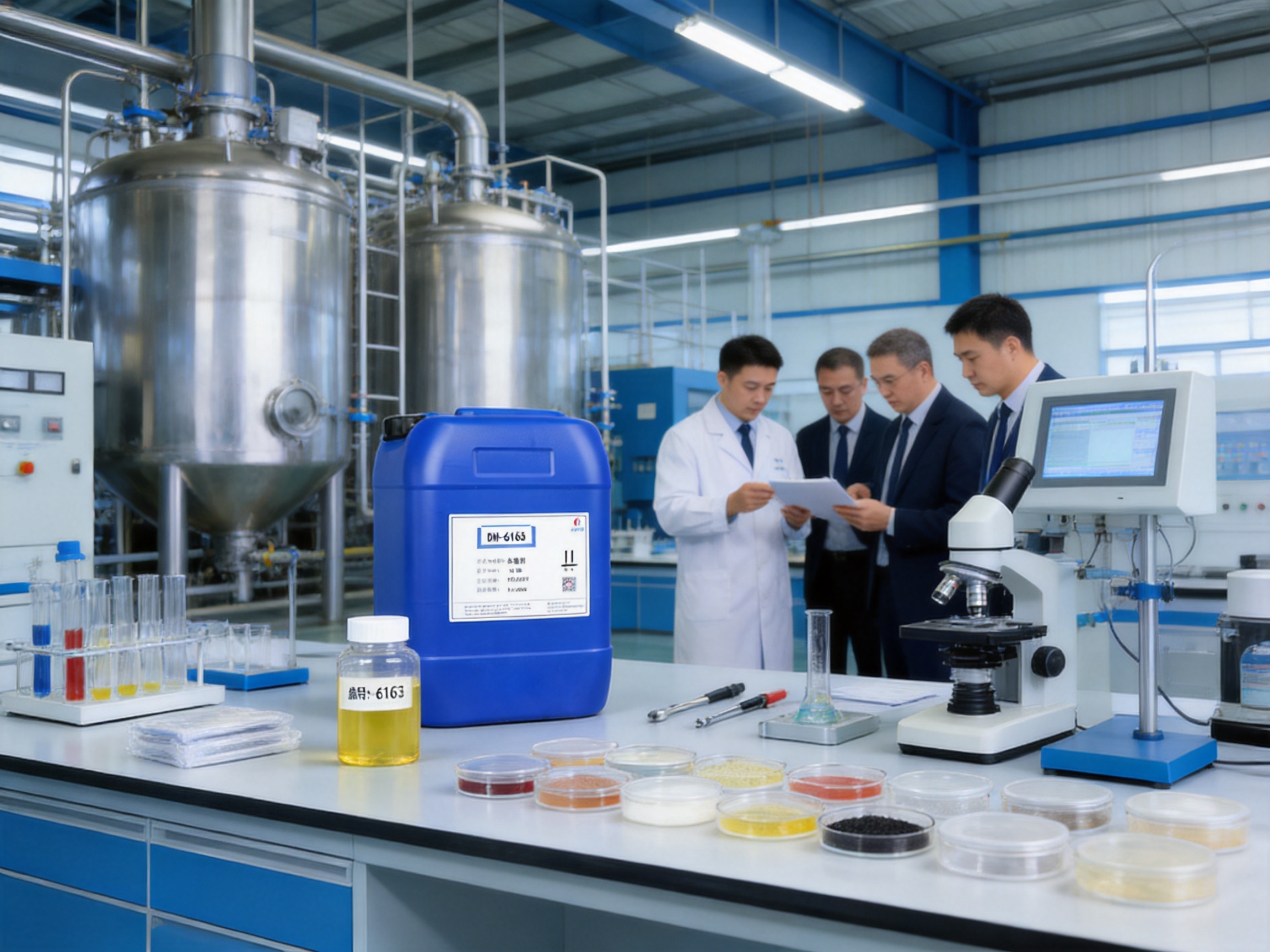
Modern coating systems are expected to deliver more than attractive appearance. They must provide consistent color, smooth application, strong storage stability, reliable processing efficiency, and dependable performance after curing. These requirements become increasingly demanding when formulations contain high levels of pigments, fillers, inorganic powders, or difficult-to-disperse functional materials. In such systems, the choice of wetting and dispersing agent can determine whether a formulation achieves its intended performance or suffers from excessive viscosity, poor color development, sedimentation, flooding, floating, coarse particles, and unstable storage behavior.
DH-6163 Wetting and Dispersing Agent is designed for solvent-borne coating systems with medium-to-high polarity. It combines strong substrate wetting, efficient pigment and filler dispersion, excellent viscosity reduction, and effective anti-coarsening performance. Its broad compatibility with common coating resins gives formulators flexibility across different industrial applications, while its ability to improve grinding efficiency and color paste stability can contribute to lower processing costs and more consistent production.
The product is particularly suitable for formulators seeking an alternative to conventional small-molecule wetting and dispersing agents. Rather than focusing only on initial wetting, DH-6163 is intended to support the complete dispersion process, from powder incorporation and grinding to storage and final application. This broader performance profile makes it relevant to industrial paints, protective coatings, metal coatings, plastic coatings, wood finishes, inks, and other solvent-borne systems where pigment stability and application quality are essential.
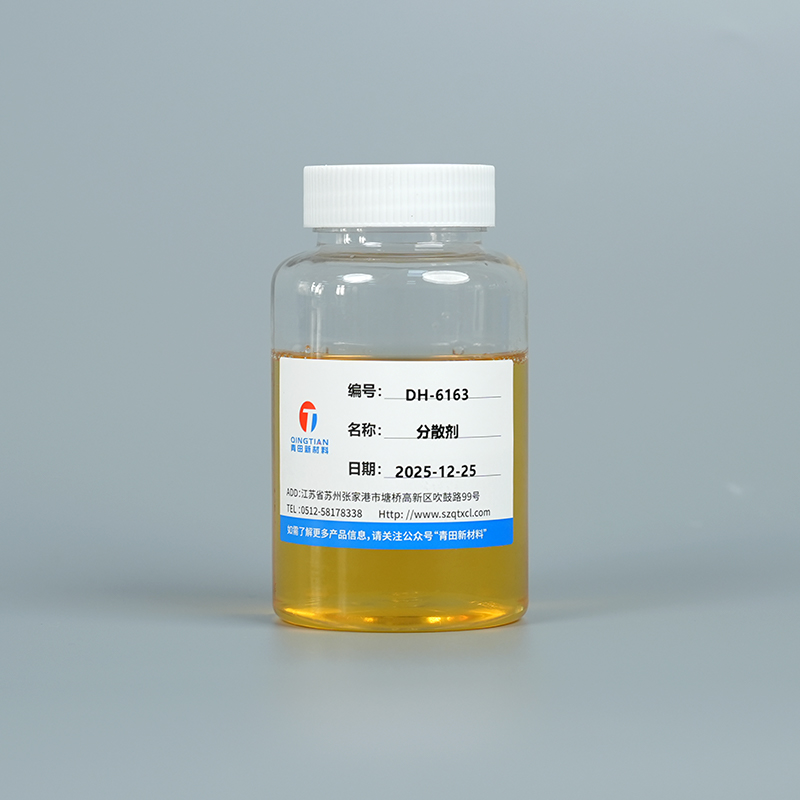
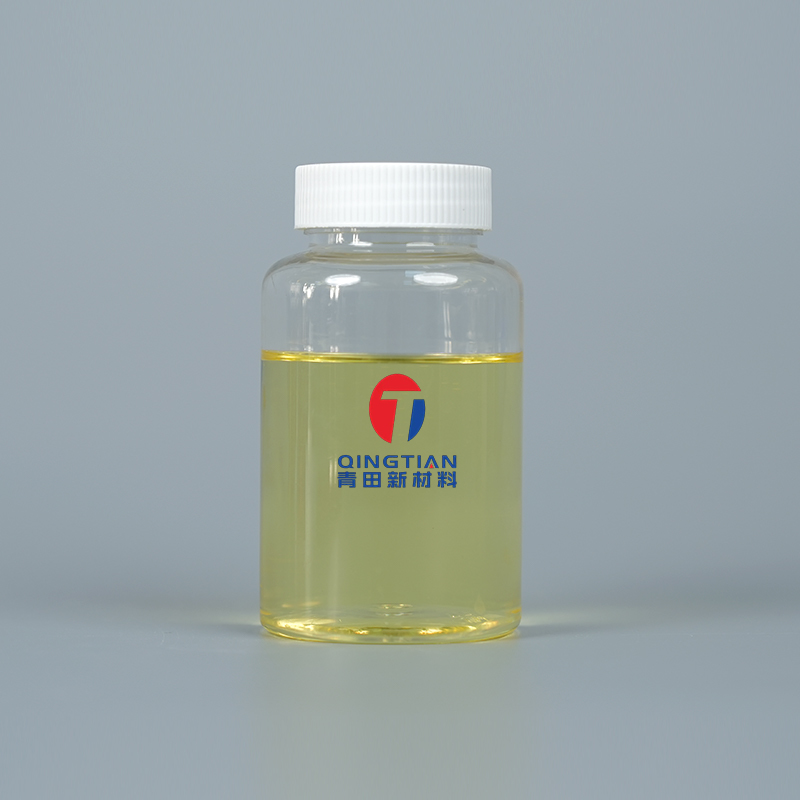
DH-6163 Wetting and Dispersing Agent
Pigments and fillers are usually supplied as dry powders. Their particles often have high surface energy and a strong tendency to form aggregates. When introduced into a liquid coating medium, these powders do not automatically become uniformly distributed. Air may remain trapped between particles, the liquid may fail to spread across the solid surface, and the particles may remain connected through strong attractive forces.
A wetting and dispersing agent addresses these problems by helping the liquid phase contact the powder surface and by stabilizing the separated particles. The wetting function promotes rapid penetration of the binder or solvent mixture into pigment agglomerates. The dispersing function helps prevent the particles from coming back together after mechanical separation. Both functions are important because effective grinding without long-term stabilization may produce a temporarily smooth paste that later becomes coarse, viscous, or unstable.
In a well-designed formulation, the additive can influence several stages of production and application:
• It improves the initial incorporation of pigments and fillers.
• It promotes faster wetting of powder surfaces.
• It reduces the force required to break down agglomerates.
• It supports a more uniform distribution of particles throughout the liquid phase.
• It reduces formulation viscosity and improves flow during grinding and application.
• It helps preserve color paste stability during storage.
• It reduces the risk of coarse particles, hard settling, and re-agglomeration.
• It can improve color development, gloss consistency, surface appearance, and application uniformity.
The effectiveness of a dispersant depends on the relationship between the additive, the pigment or filler, the resin, the solvent package, and the processing conditions. A dispersant that performs well in one resin system may be less effective in another. For this reason, compatibility and versatility are just as important as initial dispersing strength.
DH-6163 is a wetting and dispersing agent developed for solvent-borne systems, especially formulations with medium-to-high polarity. It is intended to work with common coating resins and a wide variety of pigment and filler types. The product provides a combination of excellent viscosity reduction, strong wetting and dispersion capability, and resistance to post-dispersion coarsening.
Its principal formulation benefits include:
• Strong wetting of pigments and fillers.
• Improved dispersion of solid particles in solvent-borne media.
• Significant reduction in system viscosity.
• Better fluidity during mixing, grinding, pumping, and application.
• Shorter grinding and dispersion time.
• Excellent anti-coarsening performance.
• Improved storage stability of color pastes.
• Good compatibility with common coating resins.
• Broad versatility across coating systems.
• Performance advantages compared with many small-molecule wetting and dispersing agents.
These characteristics make DH-6163 a practical option for manufacturers that need to increase production efficiency while maintaining stable final quality. It may be considered for new formulations, reformulation projects, pigment concentrate development, and process improvement programs where excessive viscosity or poor storage stability is limiting productivity.
Medium-to-high polarity coating systems can contain resin and solvent combinations that require a dispersant with suitable chemical affinity. If the dispersant is not compatible with the continuous phase, it may cause haze, viscosity instability, poor gloss, flocculation, or other formulation defects. DH-6163 is designed for use in systems where polarity plays an important role in resin and pigment interaction.
Its compatibility with common coating resins gives formulators greater freedom when selecting binder technologies. Instead of relying on a narrow additive window, users can evaluate the product across multiple solvent-borne resin platforms. Final compatibility should always be confirmed through laboratory testing, but the product’s intended versatility provides a strong starting point for formulation development.
High viscosity can create challenges throughout the manufacturing process. It may slow pigment incorporation, limit the speed of grinding equipment, increase energy consumption, complicate transfer through pipelines, and reduce production capacity. High viscosity can also interfere with application by affecting atomization, leveling, film thickness, and surface appearance.
DH-6163 is characterized by excellent viscosity reduction. By improving pigment wetting and particle separation, it can reduce the resistance created by agglomerated solids. A lower-viscosity dispersion can flow more easily, allowing improved circulation and more efficient heat management during production. It may also enable manufacturers to achieve the desired pigment loading without making the system excessively thick.
Viscosity reduction does not simply mean making a coating thinner. In a properly optimized system, it means reducing unnecessary internal resistance while preserving the required solids content, film performance, and application properties. This can provide a more balanced formulation with better processing behavior and improved production reliability.
One of the most important differences between initial dispersion and durable dispersion is the ability to prevent particles from becoming coarse again. A color paste may appear uniform immediately after grinding but develop particle growth, flocculation, or hard sediment during storage. This can lead to color variation, nozzle blockage, surface defects, and extended remixing requirements before use.
DH-6163 provides excellent anti-coarsening capability. It is designed to help maintain a more stable particle distribution after the grinding stage. Compared with many small-molecule wetting and dispersing agents, this type of stabilization can offer a meaningful advantage in color paste storage. The result may be a longer usable period, more reliable batch-to-batch consistency, and less need for corrective reprocessing.
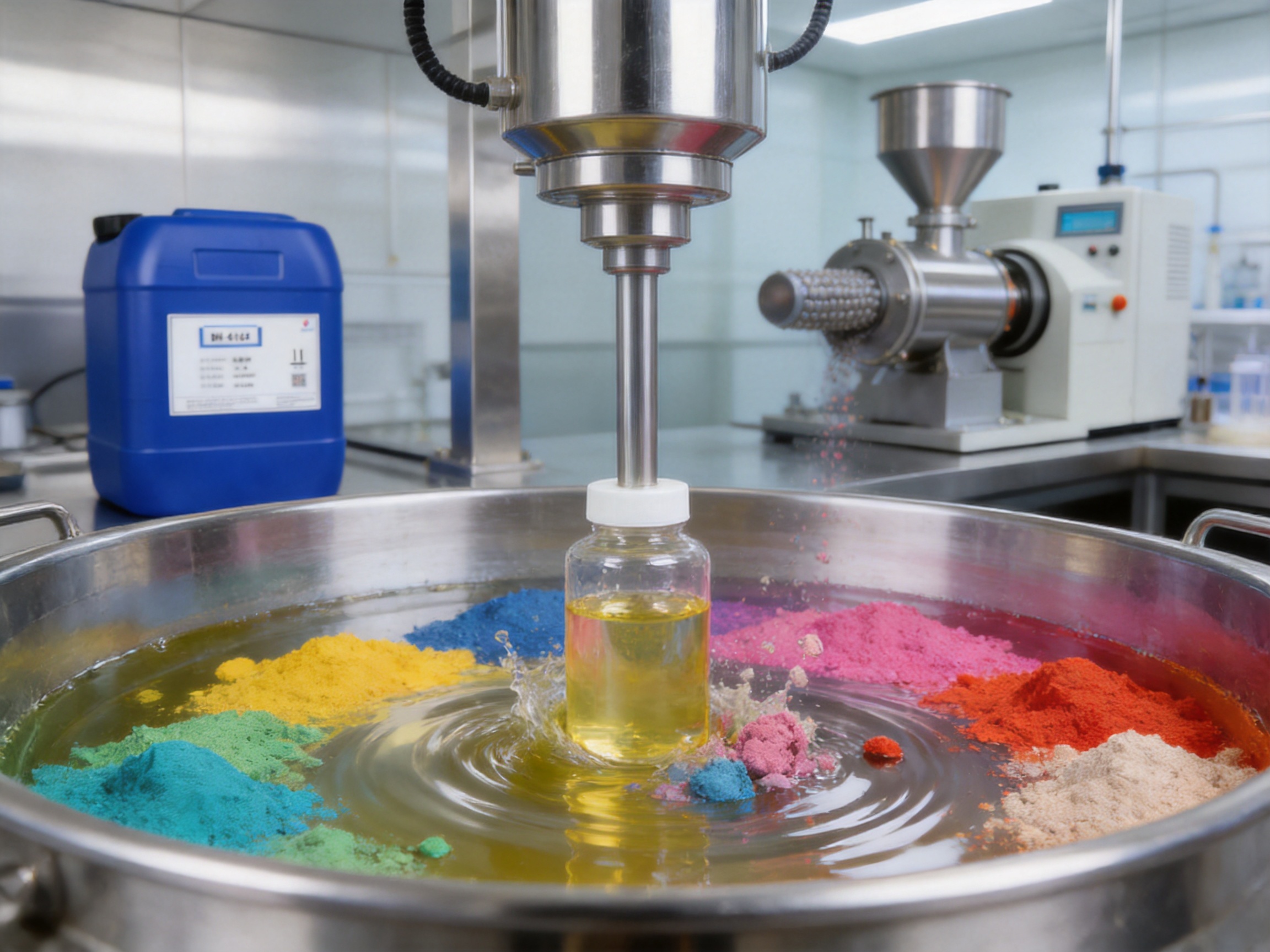
The dispersion process can be viewed as a sequence of related operations rather than a single mechanical step. Successful performance requires the liquid phase to wet the powder, the equipment to break down agglomerates, and the additive to stabilize the newly separated particles. DH-6163 supports this sequence through a combination of wetting, viscosity control, and anti-reagglomeration behavior.
During powder incorporation, pigments and fillers must be added to the liquid phase without excessive dusting, floating, or formation of dry lumps. Poor initial wetting can cause powder to remain on the surface or form compact masses that are difficult to break down. This increases mixing time and can create non-uniformity in the batch.
By improving the interaction between the liquid phase and solid surfaces, DH-6163 helps the base material accept pigments and fillers more effectively. Faster incorporation can support smoother batch preparation and reduce the amount of time required before the material is ready for grinding.
Pigment agglomerates are held together by surface forces. Mechanical equipment such as a bead mill, basket mill, high-speed disperser, or other grinding system supplies the energy required to separate these structures. However, the efficiency of this energy transfer depends on the viscosity of the medium and the quality of particle wetting.
When the pigment surface is properly wetted, mechanical energy can be used more effectively to break down agglomerates. The improved fluidity associated with DH-6163 can also facilitate movement through the grinding zone. This may shorten the time required to reach the target fineness or allow production teams to achieve the desired result at a more manageable energy input.
Once pigment particles are separated, they must remain sufficiently apart to prevent the system from returning to a coarse state. A suitable dispersant creates a stabilizing environment around the particles. The exact stabilization mechanism depends on the chemistry of the additive and the formulation, but the practical objective is the same: maintain a uniform dispersion during storage and application.
DH-6163 is intended to support stable pigment and filler distribution after grinding. Its anti-coarsening performance is particularly valuable where color pastes are produced in advance, stored for extended periods, transported between facilities, or used intermittently in a production schedule.
Small-molecule wetting and dispersing agents can provide rapid initial wetting and may be useful in selected applications. However, they may not always provide sufficient long-term stabilization in demanding pigment systems. Some may deliver acceptable results immediately after production but show limited resistance to flocculation, viscosity drift, or coarse particle formation during storage.
DH-6163 is positioned as a more versatile solution for formulators who require both processing efficiency and durable dispersion performance. Its advantages can be considered in several areas.
Initial wetting is only one part of coating additive performance. A product that wets powder rapidly but does not maintain particle separation may create downstream problems. DH-6163 is designed to combine wetting with dispersion and anti-coarsening properties, supporting a more complete formulation solution.
Excessive viscosity may result from insufficient pigment wetting, incomplete deagglomeration, or particle interactions within the liquid phase. DH-6163 offers excellent viscosity reduction, which may improve grinding efficiency and fluidity. This is valuable in high-solid formulations, concentrated color pastes, and systems containing substantial filler levels.
Color pastes often need to remain stable before being incorporated into a final coating. A paste that becomes coarse or develops hard sediment can create production interruptions and quality risks. The anti-coarsening capability of DH-6163 can help improve storage stability compared with conventional small-molecule alternatives in suitable systems.
Good compatibility with common coating resins enables formulators to evaluate DH-6163 across several solvent-borne platforms. This reduces the need to maintain a completely different additive strategy for every resin family. Greater flexibility can simplify raw-material management and accelerate product development.
Shorter grinding and dispersion time can increase equipment availability and production throughput. It may also reduce the amount of energy required per batch and lower the risk of excessive heat generation during processing. Actual gains depend on pigment type, equipment configuration, loading level, and formulation design, but the product’s performance characteristics are aligned with these efficiency objectives.
| Performance area | Typical formulation challenge | Contribution of DH-6163 | Potential practical benefit |
|---|---|---|---|
| Powder wetting | Pigments float, form dry lumps, or incorporate slowly | Improves contact between the liquid phase and solid particles | Faster incorporation and more uniform premixing |
| Viscosity control | High resistance during grinding, transfer, or application | Provides excellent viscosity reduction | Better fluidity and easier process handling |
| Dispersion efficiency | Agglomerates require extended mechanical treatment | Supports more efficient particle separation | Shorter grinding and dispersion time |
| Anti-coarsening | Particles re-agglomerate after grinding | Helps maintain a finer and more uniform dispersion | Improved color paste storage stability |
| Resin compatibility | Additive performance changes significantly between binder systems | Designed for compatibility with common coating resins | Greater formulation versatility |
DH-6163 can be evaluated in a broad range of solvent-borne coating and ink applications. The correct use level and process conditions depend on the pigment surface area, pigment concentration, resin chemistry, solvent blend, and required final properties. Nevertheless, its performance profile is relevant to many industries.
Industrial coatings often require consistent color, stable viscosity, rapid production, and reliable application properties. They may contain high pigment or filler loadings and may be produced in large batches. A dispersant that improves fluidity and reduces grinding time can contribute to better production control and improved equipment utilization.
For industrial finishes, stable dispersion can also help maintain consistent gloss, hiding power, surface smoothness, and color strength. Where coatings are applied by spray, roll, or other continuous methods, uniform viscosity and particle distribution are especially important.
Coil coating lines operate at high speed and demand tight control over coating viscosity, film thickness, color, and surface appearance. Pigment dispersion defects can become visible across large coated surfaces, making formulation consistency essential.
In coil coating formulations, DH-6163 may be evaluated for its ability to reduce viscosity, support efficient pigment incorporation, and maintain color paste stability. Better dispersion control can help reduce surface irregularities and contribute to dependable operation during long production runs.
Plastic substrates can require carefully balanced coatings to achieve adhesion, appearance, flexibility, and resistance properties. Pigment agglomerates or coarse particles may lead to uneven appearance, weak points, or application defects. A suitable dispersant can help create a more uniform coating film and improve the consistency of colored plastic finishes.
Wood coatings are often judged by their smooth appearance, color uniformity, transparency or hiding power, and resistance to blocking and wear. Pigment dispersion influences the visual quality of the finished surface. DH-6163 may help formulators develop solvent-borne wood coatings with improved color distribution and processing behavior.
Protective coatings may contain pigments and fillers selected for corrosion resistance, barrier performance, or mechanical durability. These solid materials can increase viscosity and may be challenging to disperse uniformly. Efficient wetting and stabilization can help maintain a consistent protective film and support the reliable manufacture of larger production batches.
Printing inks require fine particle distribution, stable viscosity, high color strength, and reliable transfer characteristics. Coarse particles can cause print defects, blocked screens, uneven coverage, or poor surface quality. DH-6163 may be considered in solvent-borne ink systems where improved dispersion and storage stability are required.
Color concentrates are commonly produced at relatively high pigment loading. This makes viscosity reduction and long-term stability especially important. A paste that is easy to produce but unstable during storage can create significant waste and quality problems.
DH-6163 is particularly relevant to this application because its product profile combines excellent viscosity reduction with anti-coarsening capability. It can help formulators pursue concentrated pastes that remain practical to manufacture, transfer, store, and incorporate into final coatings.
The performance of a coating additive depends not only on its chemical design but also on manufacturing discipline. Consistent raw-material control, controlled reaction or blending conditions, accurate process monitoring, effective filtration, and reliable quality testing are all important to product uniformity.
The manufacturer behind DH-6163 is a professional supplier of raw materials for coatings, inks, and adhesives. Since its establishment in 2012, the company has developed an experienced team involving research and development specialists, sales professionals, and production personnel. Its technical resources include modern production facilities, advanced testing equipment, and research capabilities supporting the development and evaluation of coating additives.
A supplier with both research and manufacturing resources can respond more effectively to formulation challenges. Laboratory development helps identify performance targets, while production-scale capability helps translate those targets into stable commercial products. This connection can reduce the gap between laboratory results and industrial use.
For a wetting and dispersing agent, scale-up is particularly important. Small changes in raw-material quality, reaction conditions, concentration, or finishing operations can influence viscosity reduction, compatibility, and storage behavior. An integrated technical and production structure supports closer control of these variables.
Coating additives should be evaluated through more than one test. Useful assessment may include viscosity measurement, fineness of grind, color strength, gloss, storage stability, compatibility, sedimentation behavior, and application performance. Advanced testing equipment helps the manufacturer monitor product quality and support customer formulation work.
Testing also allows the supplier to compare additive performance across different pigment types, resin systems, and solvent environments. This data-oriented approach is important because dispersant behavior is highly formulation-dependent.
Consistent manufacturing requires controlled procedures from raw-material receipt through final packaging. Important process areas may include:
• Verification of incoming raw materials.
• Controlled batching and accurate weighing.
• Monitoring of temperature, mixing, and processing time.
• Management of homogeneity during production.
• Filtration or removal of unwanted particles where appropriate.
• In-process sampling and testing.
• Final inspection before shipment.
• Traceable batch documentation.
These practices help ensure that users receive a product with predictable handling and performance characteristics. For customers producing coatings in multiple facilities, batch consistency can be especially important because it reduces the risk of formulation adjustments between sites.
The company has focused on innovation in the field of coating and adhesive raw materials. Its product portfolio includes dispersants, leveling agents, defoamers, adhesion promoters, anti-settling agents, cooling agents, conductive agents, orange peel texture agents, texture powders, and wax powders. This breadth indicates experience with the interconnected nature of coating formulation.
Dispersants rarely operate in isolation. A coating may also require defoaming, leveling, adhesion improvement, anti-settling control, or surface modification. A supplier with knowledge across these additive categories can help customers consider the interaction between different components rather than optimizing each additive independently.
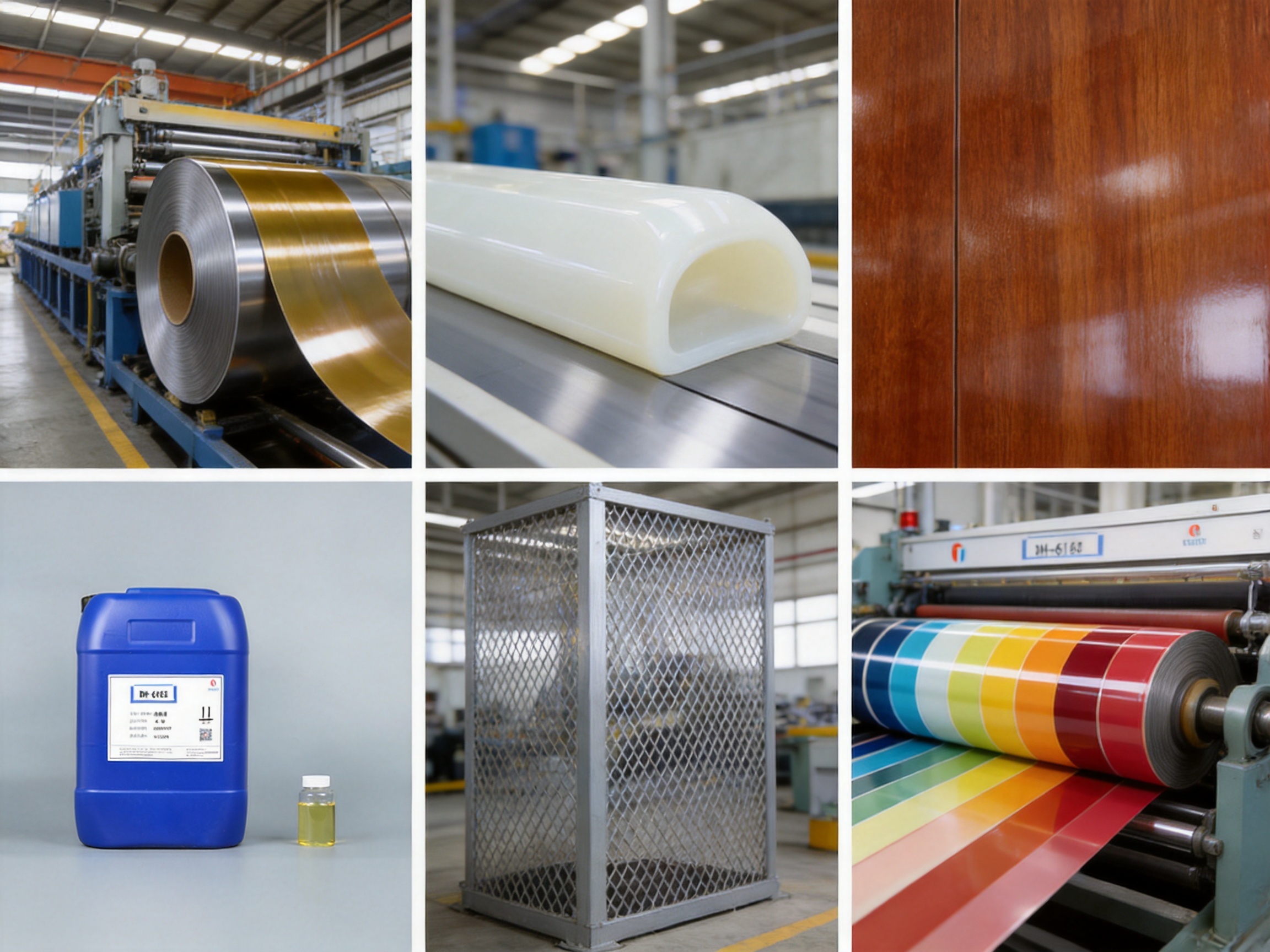
For industrial customers, additive quality includes more than laboratory performance. Supply reliability, technical communication, documentation, packaging, and responsiveness all affect the total value of a raw material.
A stable commercial product should demonstrate repeatable appearance, viscosity, compatibility, and dispersion behavior from batch to batch. Customers may also require technical data, safety information, sample support, and assistance with formulation trials. Clear communication helps users determine whether the product is suitable for their resin, pigment, and process conditions.
The manufacturer’s experience in coatings, inks, and adhesives supports a customer-oriented approach to product selection. The company emphasizes innovation, quality, service, and mutually beneficial cooperation. These priorities are relevant to users that need not only an additive but also a dependable technical partner for long-term development.
Inconsistent additive performance can cause changes in grinding time, viscosity, color strength, or storage behavior. Such changes may force manufacturers to adjust dosage or processing conditions, creating additional quality-control work. Consistent production and testing help reduce this risk.
Different customers may use different pigment grades, bead sizes, dispersing equipment, and resin systems. A technically capable supplier should be prepared to evaluate these differences. Product recommendations may need to consider the total formulation rather than a single additive dosage.
Support may include guidance on starting dosage, addition sequence, premix design, grind evaluation, storage testing, and compatibility screening. Such assistance is valuable because a dispersant’s performance depends on how and when it is introduced. In many systems, adding the dispersant to the mill base before pigment incorporation can help promote effective surface contact, although the optimal procedure must be confirmed experimentally.
DH-6163 should be evaluated in the complete formulation rather than judged by a single isolated test. A practical laboratory program may include a control sample using the existing dispersant, one or more DH-6163 dosage levels, and a series of tests conducted under identical mixing and grinding conditions.
The dispersant is commonly evaluated in the mill base before or during pigment incorporation. This can provide an opportunity for the additive to contact the liquid phase and interact with the pigment surface before significant agglomeration occurs.
In some formulations, a portion of the dispersant may be used in the initial mill base and a remaining portion adjusted during let-down. The best approach depends on the pigment type, resin concentration, solvent balance, and process design.
More additive does not automatically mean better performance. Under-dosing may result in poor wetting and inadequate stabilization, while excessive dosage may affect water resistance, gloss, adhesion, foam behavior, or intercoat compatibility. A dosage ladder is therefore recommended during development.
Testing should identify the point at which viscosity reduction, fineness, color strength, and storage stability reach a satisfactory balance. The optimum level may differ significantly between organic pigments, inorganic pigments, carbon black, and mineral fillers because their surface areas and surface chemistries are different.
Grinding performance depends on the equipment, media size, energy input, batch temperature, solids content, and residence time. DH-6163 can help improve the efficiency of these operations, but process conditions should still be controlled. Excessive temperature or over-grinding may damage sensitive components or create unnecessary energy consumption.
After grinding, the pigment concentrate is often combined with additional resin, solvent, additives, and other components. The let-down stage should be checked for viscosity shock, flocculation, haze, color shift, and loss of gloss. Good initial dispersion may not guarantee good let-down behavior if the final resin or solvent balance changes significantly.
Storage testing is essential when the product is used in color pastes or concentrates. Samples may be evaluated after exposure to ambient conditions and, where appropriate, elevated temperature. Important observations include viscosity drift, sedimentation, hard settling, coarse particle development, color change, and ease of remixing.
A structured evaluation can help customers compare DH-6163 with their existing dispersant or other market alternatives. The following tests are commonly useful:
• Initial viscosity after dispersion.
• Viscosity after storage.
• Fineness of grind.
• Color strength and tinting strength.
• Color difference between fresh and stored samples.
• Gloss and surface appearance.
• Sedimentation and remixability.
• Coarse particle or filter residue analysis.
• Compatibility with the selected resin and solvent system.
• Application behavior by spray, drawdown, roll, or other relevant method.
• Film properties after curing.
Testing should include both laboratory and, when possible, pilot-scale confirmation. A dispersant that performs well in a small laboratory batch may behave differently during scale-up because of changes in shear, temperature, residence time, and equipment geometry.
Although the primary function of DH-6163 is technical performance, improved dispersion efficiency can also contribute to more efficient manufacturing. Shorter grinding time may reduce equipment operating hours and energy demand. Lower viscosity may improve transfer efficiency and reduce the need for excessive solvent adjustment. Better storage stability can reduce waste caused by unusable or severely degraded color pastes.
These potential advantages should be evaluated as part of a complete process assessment. The environmental and economic outcome depends on dosage, pigment loading, equipment efficiency, solvent selection, production scale, and waste management practices. Nevertheless, additives that improve process efficiency can support broader manufacturing goals when they are correctly integrated into the formulation.
Stable dispersion can also help reduce rejected batches. If a coating maintains consistent color and application behavior, fewer batches may require rework or disposal. This can improve raw-material utilization and reduce interruptions in the production schedule.
The manufacturer serves industries requiring specialized materials for coatings, inks, adhesives, and related applications. Its product portfolio covers several functional categories, allowing customers to explore coordinated solutions for dispersion, surface control, adhesion, foam management, texture, conductivity, and settling behavior.
Applications supported by the company’s products include steel and aluminum coil coatings, plastic coatings, ultraviolet-curing systems, anti-corrosion coatings, wood coatings, glass coatings, epoxy flooring, printing inks, power batteries, photovoltaic panels, and other industrial fields.
This industry coverage is significant because it demonstrates familiarity with different performance requirements. Coil coatings may prioritize line speed and surface quality. Wood coatings may emphasize appearance and smoothness. Printing inks may require precise color strength and transfer. Battery and photovoltaic applications may demand specialized functional properties and strict process consistency.
The company has also reached several development milestones, including the creation of an ice flower resin in 2016, recognition as a National High-Tech Enterprise in 2020, and relocation to a dedicated intelligent manufacturing park in Zhangjiagang High-Tech Zone in 2021. These developments reflect an ongoing effort to strengthen research, production, and technical service capabilities.
DH-6163 offers a balanced combination of properties that are important to modern solvent-borne coating production. It is not limited to a single performance function. Instead, it addresses several connected formulation challenges:
• It helps pigments and fillers become more thoroughly wetted.
• It supports more effective breakdown of agglomerates.
• It reduces system viscosity and improves fluidity.
• It can shorten grinding and dispersion time.
• It provides anti-coarsening performance after dispersion.
• It can improve the storage stability of color pastes.
• It is designed for medium-to-high polarity systems.
• It offers compatibility with common coating resins.
• It provides broader performance potential than many small-molecule alternatives.
• It is supported by a supplier with research, production, testing, and industry experience.
For formulators, the main value lies in the relationship between these properties. Viscosity reduction may improve grinding, improved grinding may enhance particle distribution, and stronger particle stabilization may help preserve that distribution during storage. This integrated effect can make the product useful in both technical development and routine industrial manufacturing.
DH-6163 is a wetting and dispersing agent for solvent-borne coating systems. It is designed for medium-to-high polarity formulations and supports pigment and filler wetting, dispersion, viscosity reduction, fluidity improvement, and anti-coarsening performance.
Its primary benefit is the combination of excellent viscosity reduction and durable dispersion performance. It can help improve processing efficiency while supporting the storage stability of color pastes.
The product is described for solvent-borne dispersant applications. Suitability for a specific waterborne system should not be assumed. Customers should conduct compatibility and performance testing before considering it for waterborne formulations.
DH-6163 is intended for medium-to-high polarity systems. The final suitability depends on the resin, solvent blend, pigment, filler, and overall formulation, so laboratory screening is recommended.
Yes. The product is designed to improve wetting and dispersion of pigments and fillers. Because different powders have different surface areas and surface chemistries, dosage and processing conditions should be optimized for each formulation.
It is designed to shorten grinding and dispersion time by improving powder wetting, particle separation, and system fluidity. Actual time savings depend on the equipment, pigment loading, process energy, and target fineness.
Compared with many small-molecule wetting and dispersing agents, DH-6163 offers stronger anti-coarsening capability and can significantly improve color paste storage stability. It also provides excellent viscosity reduction and broad formulation versatility.
Its excellent viscosity reduction may help improve fluidity without relying solely on additional solvent. However, the final solvent level must be selected according to solids content, application method, drying behavior, film properties, and regulatory requirements.
Users should evaluate initial and aged viscosity, fineness of grind, color strength, gloss, sedimentation, remixability, coarse particle formation, compatibility, and final coating performance. Pilot-scale validation is recommended before full production.
DH-6163 is described as having good compatibility with common coating resins. Specific compatibility should still be confirmed in the intended resin and solvent system because formulation components can interact differently under different conditions.
Yes. The company’s portfolio includes dispersants, leveling agents, defoamers, adhesion promoters, anti-settling agents, cooling agents, conductive agents, orange peel texture agents, texture powders, wax powders, and resin products.
Technical support may include product selection, dosage screening, addition-sequence evaluation, grinding-condition review, storage-stability testing, compatibility assessment, and application-specific formulation discussions.
DH-6163 Wetting and Dispersing Agent is a versatile solution for solvent-borne coating systems that require efficient pigment and filler dispersion, lower viscosity, improved fluidity, and reliable storage stability. Its suitability for medium-to-high polarity systems, compatibility with common coating resins, and anti-coarsening capability make it a strong candidate for industrial coatings, color pastes, inks, protective coatings, coil coatings, plastic coatings, wood finishes, and other demanding applications.
The product’s advantages are especially relevant when compared with conventional small-molecule dispersants. Rather than focusing only on rapid initial wetting, DH-6163 is designed to support the full dispersion process. It can help manufacturers improve powder incorporation, reduce grinding time, control viscosity, and preserve a more stable particle distribution during storage.
Its value is further supported by the manufacturer’s experience in coating, ink, and adhesive raw materials; its research and development capabilities; its modern production resources; its testing equipment; and its broad industry coverage. By combining product performance with manufacturing discipline and technical service, the company provides a foundation for customers seeking reliable and adaptable chemical solutions.
For the best results, customers should evaluate DH-6163 in their specific formulation using controlled comparative trials. When properly selected and optimized, the product can help improve processing efficiency, formulation stability, coating consistency, and overall manufacturing reliability.
1. Company technical information for DH-6163 Wetting and Dispersing Agent.
2. General principles of pigment wetting, grinding, dispersion, and stabilization in solvent-borne coatings.
3. Industrial coating formulation practices for viscosity control, color development, and storage stability.
4. Technical guidelines for evaluating dispersants in pigment concentrates and color pastes.
5. General quality-control methods for coating raw materials, including viscosity, fineness of grind, sedimentation, and compatibility testing.
6. Industry practices for solvent-borne coatings, printing inks, protective coatings, and industrial surface finishes.
 Wholesale Paint/ Coating Additives Manufacturers
Custom Industrial Chemical Solutions Suppliers