русский
 Español
 Français
Home / Author / Tang Yuxi — Senior After-Sales Service Engineer / DH-4310 High Temperature Resistant Silicone Leveling Agent for Advanced Coating Systems
Tang Yuxi — Senior After-Sales Service Engineer

Content
Modern coating systems must do far more than provide color and basic protection. They must spread evenly across complex substrates, maintain a smooth appearance, resist surface defects, support strong adhesion, allow subsequent recoating, and remain stable during demanding thermal processing. These requirements become especially challenging in industrial applications involving elevated curing temperatures, metal surfaces, plastic components, printed materials, wood products, glass, and high-performance protective finishes.
DH-4310 High Temperature Resistant Leveling Agent is a silicone-based coating additive developed to address these performance requirements. It is designed for coating formulations that need reliable surface leveling, improved substrate wetting, enhanced slip, higher gloss, better scratch resistance, and improved anti-blocking behavior. A central feature of the product is its ability to operate within a temperature range of approximately 230°C without thermal decomposition, making it suitable for coating processes where conventional leveling additives may lose effectiveness or create instability.
As a silicone leveling agent, DH-4310 acts at the coating-air interface and at the coating-substrate interface. By reducing surface tension and promoting more uniform flow, it helps coating films distribute across the surface with fewer visible imperfections. At the same time, its formulation is intended to provide good compatibility with the vast majority of coatings, helping formulators balance surface performance with storage stability, recoatability, and overall formulation consistency.
This article examines the product’s technical role, performance advantages, application value, manufacturing strengths, quality considerations, and suitability for industrial coating, ink, and adhesive systems.
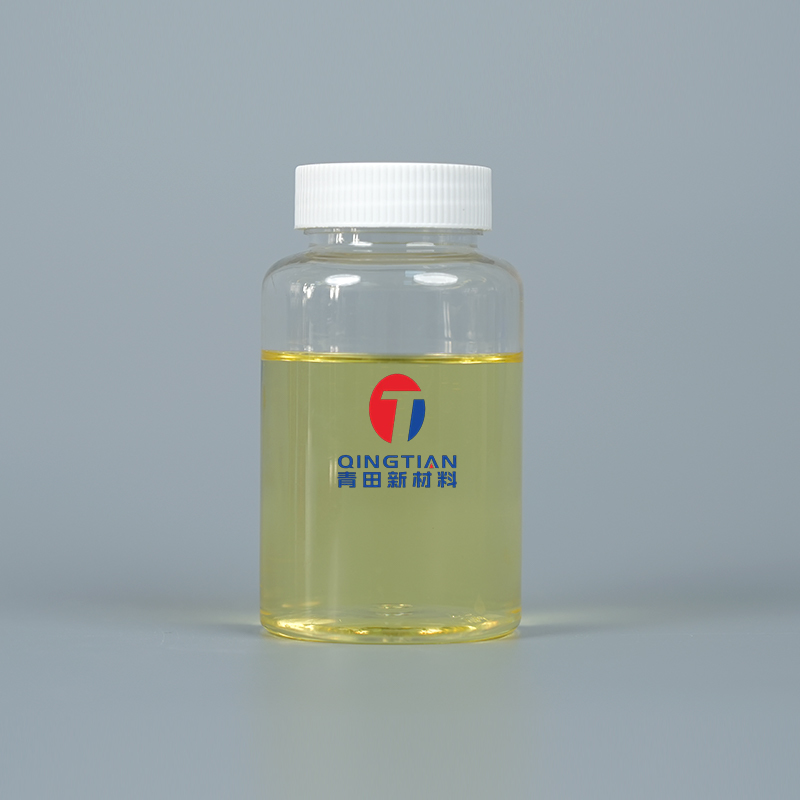
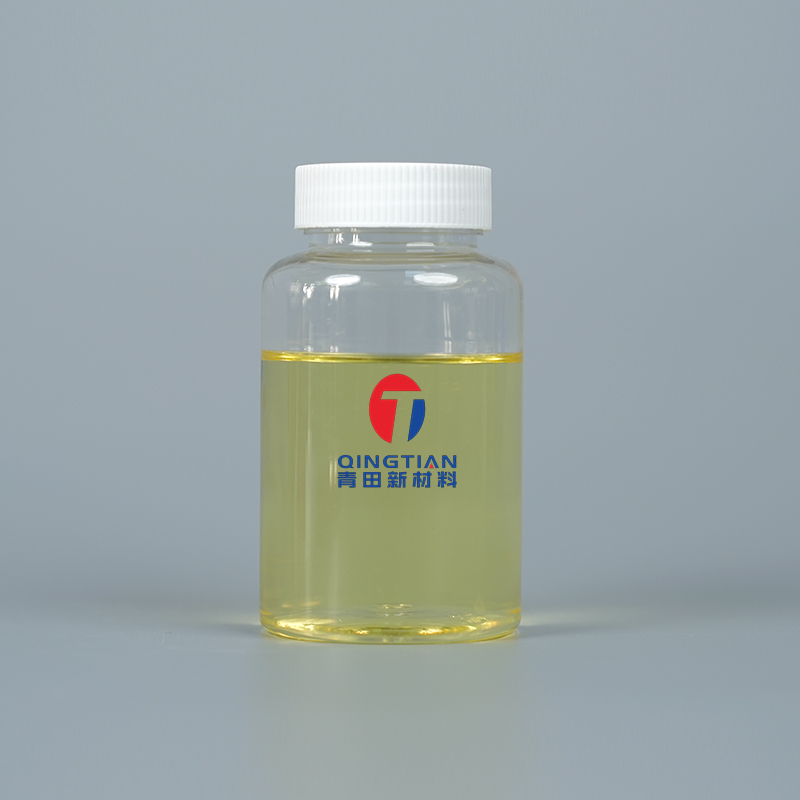
DH-4310 High Temperature Resistant Leveling Agent
A coating may contain resin, pigment, solvent or water, curing components, fillers, and several functional additives. Each ingredient contributes to the final performance, but the coating must also flow correctly during application and curing. If the wet film does not spread uniformly, the cured surface may show orange peel, craters, pinholes, brush marks, roller marks, uneven gloss, poor wetting, or localized defects.
Leveling agents are used to reduce these problems. They influence the surface tension and flow behavior of the coating, allowing the wet film to become more uniform before the system dries or cures. A properly selected leveling agent can improve appearance without negatively affecting adhesion, recoatability, hardness, or chemical resistance.
Silicone-based leveling agents are widely used because silicone structures generally possess low surface tension and strong ability to migrate toward interfaces. This makes them effective in improving surface slip, wetting, and film smoothness at relatively low addition levels. However, not every silicone additive provides the same balance of thermal stability, compatibility, recoatability, and surface performance.
In high-temperature coating processes, the additive must remain effective while exposed to elevated heat. If it decomposes, volatilizes excessively, or becomes incompatible with the binder, it may generate defects, odor, surface instability, or poor intercoat adhesion. Therefore, thermal resistance is not simply an additional feature; it is an important factor in selecting a leveling agent for industrial production.
DH-4310 is a high-temperature-resistant silicone leveling agent intended for use in coating formulations. Its product positioning is based on several key performance characteristics:
First, it can be used within a temperature range of approximately 230°C without thermal decomposition. This enables formulators to consider it for coating systems exposed to elevated baking, curing, or post-treatment temperatures.
Second, it offers excellent compatibility with the vast majority of coatings. Broad compatibility is valuable because coating manufacturers often work with different resin chemistries, pigment packages, solvents, curing agents, and application methods.
Third, it provides good leveling and recoatability. The product is not designed only to create a smooth initial film. It is also intended to support the application of a subsequent coating layer when a multi-layer coating structure is required.
Fourth, it enhances substrate wetting and adhesion strength. Better wetting allows the coating to contact the substrate more evenly, improving the possibility of a continuous film and stronger interfacial bonding.
Finally, DH-4310 can improve surface slip, gloss, scratch resistance, and anti-blocking properties. These benefits are relevant to both appearance and practical handling. A coating that slides more smoothly may experience less friction during processing, while anti-blocking performance can reduce unwanted sticking when coated surfaces are stacked or brought into contact.
| Product characteristic | Practical contribution |
|---|---|
| Silicone-based chemistry | Supports low surface tension, smooth flow, surface slip, and improved wetting |
| High-temperature resistance | Suitable for coating processes operating within approximately 230°C without thermal decomposition |
| Broad compatibility | Facilitates use across many coating formulations and binder systems |
| Good leveling | Helps reduce surface irregularities and improve film uniformity |
| Good recoatability | Supports multi-layer coating structures and later coating application |
| Adhesion enhancement | Improves substrate wetting and supports stronger coating-substrate interaction |
| Surface slip improvement | Reduces friction and supports smoother handling and processing |
| Gloss and scratch resistance | Improves visual quality and resistance to mechanical surface damage |
| Anti-blocking performance | Helps reduce unwanted sticking between coated surfaces |
Temperature resistance is one of the most important differentiating features of DH-4310. Coatings used on metal coils, industrial components, appliances, engineered materials, and other products may undergo baking or curing at temperatures that challenge the stability of ordinary surface additives. In these conditions, an additive must maintain its function without causing thermal decomposition or unpredictable changes in the coating film.
When a leveling agent breaks down under heat, several problems may occur. The coating can lose its smoothness, develop bubbles or surface defects, generate undesirable volatile compounds, or show inconsistent gloss. Decomposition products may also interfere with curing or create contamination within production equipment. If the additive migrates excessively or becomes chemically unstable, the surface may become difficult to recoat or print over.
DH-4310 is designed for use within a range of approximately 230°C without thermal decomposition. This provides a wider practical operating window for high-temperature coating applications. The benefit is particularly important when the production process includes temperature fluctuations, extended oven residence time, or a high-temperature final cure.
A high-temperature-resistant additive can also improve process reliability. Production lines are often optimized for throughput, and manufacturers may not be able to reduce oven temperature simply because an additive has limited stability. A leveling agent that remains stable at elevated temperature gives the formulator greater freedom to select the curing conditions required by the resin and substrate.
The temperature claim should always be evaluated together with the complete formulation and process conditions. Actual results may depend on concentration, resin chemistry, film thickness, heating rate, dwell time, substrate type, and the presence of other additives. Even so, the stated resistance of DH-4310 represents a meaningful advantage for systems that require high-temperature processing.
Surface appearance is often the first performance characteristic judged by customers and end users. A coating with uneven gloss, poor flow, visible craters, or orange peel may be considered unacceptable even if its mechanical and chemical properties are adequate. For this reason, leveling performance has both technical and commercial importance.
DH-4310 helps promote uniform flow of the wet coating film. By influencing surface tension and interfacial behavior, it can help the coating spread into a smoother layer before curing. This is useful for spray-applied, roller-applied, curtain-coated, dip-coated, and other application methods where flow marks and surface irregularities can occur.
Improved leveling may also help the coating present a more consistent gloss across the coated area. Gloss variations can be caused by differences in film thickness, substrate roughness, drying rate, pigment distribution, or local surface tension. A properly selected silicone leveling agent can moderate these effects and help the film develop a more uniform appearance.
In industrial production, visual uniformity is closely connected to process efficiency. Fewer surface defects can reduce rework, rejects, and manual inspection time. More consistent appearance can also simplify quality control because the acceptable visual range becomes easier to maintain from batch to batch.
DH-4310 is especially relevant when the coating must combine smooth appearance with demanding functional properties. Some highly filled or heavily pigmented systems may have strong tendencies toward poor flow. In such formulations, the additive can contribute to a better balance between surface aesthetics and practical coating performance.
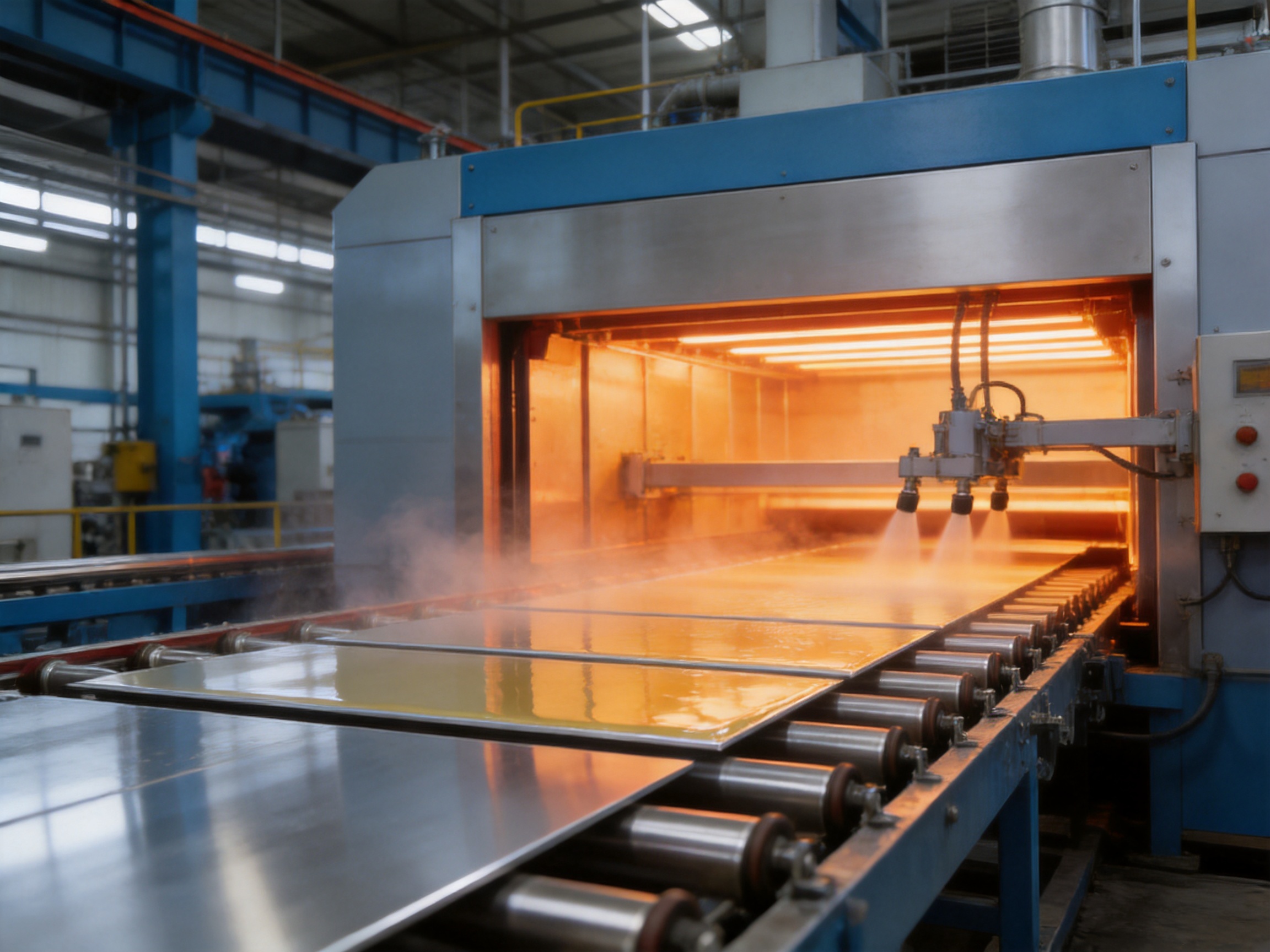
Good adhesion begins with good contact. If a coating does not wet the substrate evenly, small areas of incomplete contact may remain beneath the film. These areas can become weak points where peeling, blistering, delamination, or corrosion-related failure begins.
DH-4310 supports substrate wetting by helping the coating spread across the surface. This is valuable for smooth, low-energy, contaminated, or otherwise difficult substrates. In practical terms, better wetting may help the liquid coating enter surface irregularities and establish more continuous contact with the substrate.
The product is described as enhancing adhesion strength. This does not mean that the leveling agent replaces a dedicated adhesion promoter in every formulation. Instead, it can contribute to the overall adhesion package by improving interfacial contact and supporting uniform film formation. In many systems, adhesion depends on several factors, including substrate preparation, resin selection, curing, surface cleanliness, and additive compatibility.
The combined effect of wetting and adhesion support is important for metal, plastic, glass, wood, and other industrial substrates. For example, coil coatings may require the film to remain attached during forming or bending. Plastic coatings may need to withstand handling and abrasion. Glass coatings may require even coverage over a smooth surface. Wood coatings must often flow across a porous or varied substrate while maintaining a consistent appearance.
Improved substrate wetting can also reduce the likelihood of craters, fisheyes, and localized repellency. These defects are frequently associated with contamination, incompatible surface materials, or differences in surface energy. Although additive selection alone cannot solve every contamination problem, a suitable leveling agent can improve the coating’s ability to tolerate moderate surface variation.
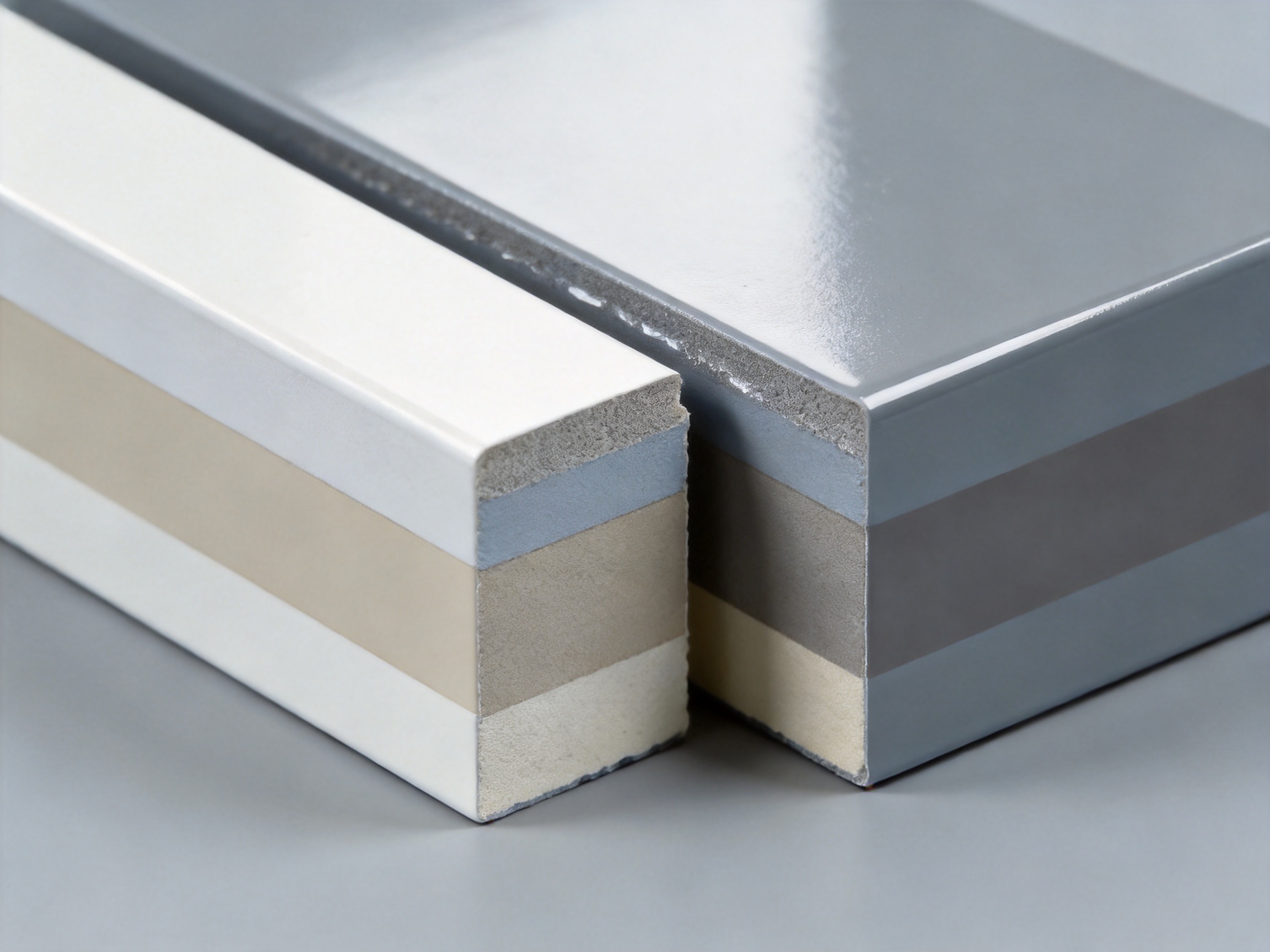
Many modern coating systems consist of multiple layers. A primer may be followed by a basecoat, topcoat, clearcoat, protective layer, or functional overcoat. Each layer must provide its intended performance while allowing the next layer to bond properly.
Some surface additives improve initial smoothness but create a highly slippery or chemically resistant surface that interferes with recoat adhesion. This creates a difficult compromise: the additive must migrate sufficiently to improve leveling but not create a surface that prevents subsequent coating layers from bonding.
DH-4310 is designed to provide good recoatability in addition to leveling. This is a significant advantage for manufacturers producing primer systems, multi-layer industrial coatings, decorative finishes, and protective topcoats. Good recoatability can support more flexible production schedules and reduce the need for aggressive surface preparation between layers.
Recoatability is affected by many factors, including drying time, cure degree, surface cleanliness, additive dosage, resin type, and the time interval between coats. Therefore, users should validate DH-4310 in the complete coating system. A practical evaluation should include intercoat adhesion, visual appearance, drying behavior, and performance after the complete cure cycle.
When properly balanced, a leveling agent that maintains recoatability can help coating manufacturers simplify formulation design. The same additive may support a smooth first layer while still allowing the final decorative or protective layer to adhere successfully.
Surface slip refers to the ability of a coated surface to move smoothly against another surface or processing component. A coating with improved slip may show reduced friction during handling, stacking, winding, forming, or contact with equipment. This can be beneficial in industrial lines where coated materials pass through rollers, guides, conveyors, or storage operations.
DH-4310 can improve coating surface slip as part of its silicone-based surface modification. Better slip may contribute to easier handling and a lower tendency toward surface marking during processing. It may also help improve the tactile quality of the finished product, especially where a smooth or soft-touch surface is desired.
The product is also intended to improve scratch resistance. Scratch resistance depends on coating hardness, crosslink density, flexibility, pigment volume concentration, surface friction, and the nature of the scratch object. A leveling agent cannot replace a hard resin or a dedicated abrasion-resistant additive, but a smoother, more lubricious surface can reduce the severity of some mechanical contact events.
Anti-blocking performance is another practical benefit. Blocking occurs when coated surfaces stick together during stacking, winding, packaging, or storage. It can be caused by residual tack, insufficient curing, elevated storage temperature, pressure, or a surface that lacks adequate slip. By supporting a smoother, less adhesive surface, DH-4310 may help reduce unwanted contact adhesion.
These properties are particularly relevant to coil coatings, plastic coatings, packaging-related finishes, industrial panels, and other products that are handled shortly after coating. Improved slip and anti-blocking behavior can reduce damage during transport and storage, while improved scratch resistance can help preserve appearance during downstream fabrication.
Broad compatibility is one of the most important considerations when selecting a coating additive. A leveling agent may be highly effective in one resin system but cause haze, cratering, excessive surface migration, poor adhesion, or storage instability in another. For manufacturers operating multiple product lines, an additive with wide compatibility can reduce the number of raw materials that must be stocked and qualified.
DH-4310 is described as having excellent compatibility with the vast majority of coatings. This makes it suitable for investigation in a wide range of formulations, including industrial coatings, metal coatings, plastic coatings, UV-curing systems, wood coatings, glass coatings, anti-corrosion coatings, epoxy flooring, and related applications.
Compatibility may include several different dimensions. The additive should disperse or incorporate into the coating without creating visible separation. It should remain stable during storage and application. It should not cause unacceptable color change, haze, loss of gloss, or cure inhibition. It should also work alongside pigments, fillers, defoamers, dispersants, adhesion promoters, waxes, and other functional additives.
Because each formulation is unique, compatibility should be confirmed through laboratory testing. A typical screening program may include appearance after mixing, viscosity, storage stability, gloss, leveling, recoat adhesion, surface slip, scratch resistance, and performance after thermal exposure.
The broad compatibility profile of DH-4310 gives formulators a practical starting point. Instead of treating it as a narrowly specialized additive, users can assess it across several coating families and select the most suitable dosage for each system.
Coil coatings are manufactured continuously and must meet demanding requirements for appearance, adhesion, flexibility, hardness, corrosion resistance, and processing speed. The coated metal may later be cut, formed, bent, stamped, or assembled into finished products.
In this environment, DH-4310 may support smooth film formation, improved substrate wetting, surface slip, scratch resistance, and anti-blocking behavior. Its high-temperature resistance is relevant to coil-coating ovens and other elevated-temperature curing operations. Good recoatability can also support primer, basecoat, and topcoat structures.
Plastic substrates can present wetting and adhesion challenges because many plastics have low surface energy. A coating additive that improves wetting may help the formulation spread more evenly and make more consistent contact with the plastic surface.
DH-4310 may also contribute to improved scratch resistance and slip, which can be valuable for molded parts, decorative plastic components, consumer products, and industrial assemblies. The final result depends on the plastic type, pretreatment, primer system, and curing conditions.
UV-curing systems require rapid film formation and fast conversion from liquid to solid. Surface tension differences can become visible because the coating has limited time to level before curing. A compatible leveling agent may help the film achieve a more uniform surface during this short process window.
In UV formulations, compatibility and cure behavior must be evaluated carefully. DH-4310 can be screened for its influence on gloss, surface smoothness, recoatability, and resistance properties in UV-curable systems.
Wood coatings must often combine attractive appearance with durability, smooth touch, scratch resistance, and resistance to household or industrial use. Because wood surfaces can be porous, textured, or variable, wetting and leveling are important factors.
DH-4310 may support a more uniform appearance across the surface while improving slip and scratch resistance. It may be considered for clearcoats, pigmented wood finishes, furniture coatings, flooring finishes, and related applications.
Glass has a smooth surface and may be difficult to wet uniformly, particularly when contaminants or surface treatments are present. A leveling agent that promotes wetting can help reduce coating defects and improve film continuity.
For glass applications, users should pay particular attention to optical clarity, adhesion after curing, chemical resistance, and surface appearance. DH-4310 can be evaluated as part of a formulation designed to achieve smooth, uniform, and durable glass coatings.
Anti-corrosion coatings must maintain continuous coverage and strong substrate adhesion. Any pinhole, crater, or poorly wetted area may reduce protective performance. DH-4310 can support wetting and leveling, helping the coating form a more uniform barrier.
It should be evaluated alongside the corrosion-protection package, including pigments, inhibitors, primers, resin type, film thickness, and cure schedule. Its contribution is primarily related to surface and interfacial performance.
Epoxy flooring systems require smooth appearance, adhesion, durability, and resistance to traffic and abrasion. Poor flow can lead to visible marks or uneven texture, while inadequate surface slip can affect maintenance and handling.
DH-4310 may help improve flow, gloss, scratch resistance, and surface smoothness in epoxy floor formulations. The appropriate level should be determined carefully because flooring systems may have strict requirements for slip behavior, especially in wet environments.
Printing inks require controlled wetting, smooth coverage, gloss, and resistance to surface defects. Adhesives require good contact with the substrate and consistent film formation. Because DH-4310 is intended for coatings, inks, and adhesive-related material applications, it can be considered for these systems after compatibility and performance testing.
In printing and adhesive applications, users should evaluate transfer, blocking, intercoat adhesion, printability, drying, and resistance to rubbing or scratching. The additive level should be optimized to provide the desired surface benefits without negatively affecting downstream bonding or printing operations.
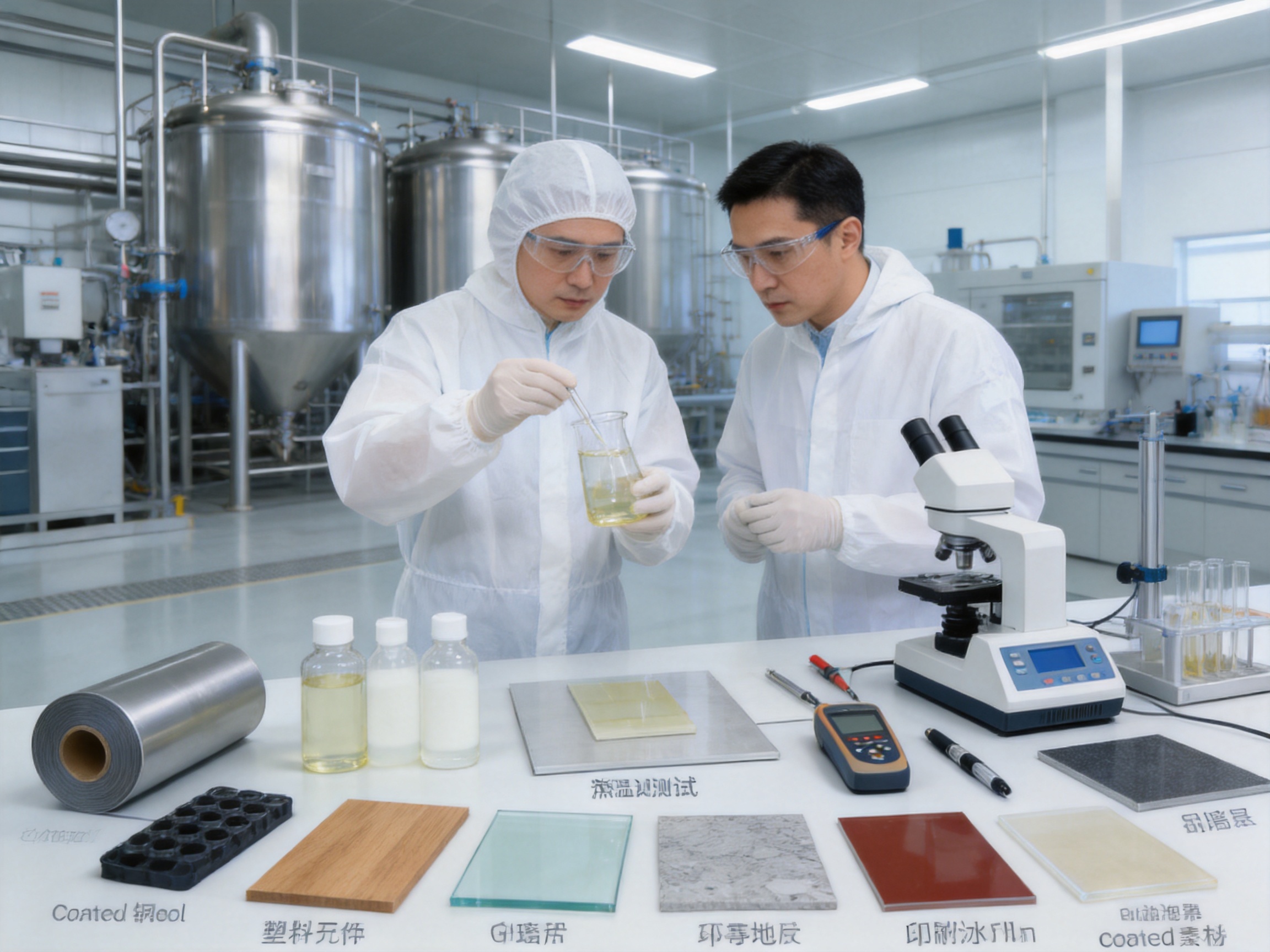
The performance of a specialty additive depends not only on its chemical design but also on manufacturing consistency, testing capability, process control, and technical support. Suzhou Qingtian New Material Co., Ltd. is a professional supplier of raw materials for coatings, inks, and adhesives. Its product portfolio includes dispersants, leveling agents, defoamers, adhesion promoters, anti-settling agents, cooling agents, conductive agents, orange peel texture agents, texture powders, and wax powders.
This broad portfolio provides an important manufacturing advantage. A company that develops multiple additive categories can evaluate how different materials work together in complete formulations. Leveling agents are rarely used in isolation; they often interact with dispersants, defoamers, waxes, adhesion promoters, and resin systems. Experience across these product categories can support more practical formulation guidance.
The company was founded in 2012 and has built an experienced team involving research and development specialists, sales professionals, and manufacturing personnel. Its modern production facility is supported by advanced testing equipment and research capabilities. These resources are important for a product such as DH-4310, where thermal stability, compatibility, surface behavior, and recoatability must be considered together.
Manufacturing a specialty silicone additive requires controlled raw material selection, accurate batching, suitable reaction or blending conditions, process monitoring, filtration or purification where applicable, and controlled packaging. Variations in composition can influence surface activity, compatibility, thermal stability, and application performance. Consistent production is therefore essential for customers who need repeatable results between batches.
Advanced testing equipment allows the manufacturer to examine relevant product and coating properties. Depending on the production and quality-control program, testing may include appearance, viscosity, solid content or active content, thermal behavior, compatibility screening, surface tension effects, gloss, leveling, recoatability, and resistance performance. These tests help establish whether the product continues to meet the intended technical profile.
The company’s development history reflects a focus on specialty materials and application-oriented innovation. Its milestones include the development of China’s first ice flower resin in 2016, recognition as a National High-Tech Enterprise in 2020, and relocation to Lingrui Intelligent Manufacturing Park in Zhangjiagang High-Tech Zone in 2021 to strengthen research and production capacity.
These milestones are relevant to the development of advanced coating additives because innovation in this field requires both chemical research and industrial implementation. A laboratory concept must be translated into a stable, scalable, and commercially consistent product. This requires process engineering, analytical testing, application trials, and communication with coating manufacturers.
The move to an intelligent manufacturing park also supports the company’s stated aim of strengthening research and production capabilities. Modern manufacturing environments can improve workflow organization, equipment integration, process monitoring, material management, and quality control. For customers, these capabilities may contribute to more dependable supply and more consistent product performance.
The company emphasizes innovation, quality, service, and win-win cooperation. For specialty chemical customers, service is particularly important because additive selection often requires technical discussion. The most suitable dosage can vary significantly depending on resin chemistry, pigment concentration, solvent system, curing temperature, film thickness, and application method.
Quality control for a leveling agent should address both the material itself and its behavior in representative coating systems. Basic raw material testing helps confirm batch consistency, while application testing verifies whether the product provides the expected benefits.
Material-level checks may include color and appearance, odor, viscosity, density, active content, moisture, and thermal behavior. The exact test program depends on the product specification and manufacturing method. Maintaining consistent physical properties helps ensure that the additive can be incorporated into production formulas with predictable handling behavior.
Application-level tests should reflect the customer’s actual use. For DH-4310, useful evaluations may include leveling, gloss, substrate wetting, intercoat adhesion, surface slip, scratch resistance, anti-blocking, and thermal exposure. A comparison against the customer’s existing additive can show whether DH-4310 offers measurable improvement under the same formulation and processing conditions.
High-temperature testing should be conducted under realistic conditions. A laboratory oven test may not fully represent a continuous industrial line. Heating rate, air movement, film thickness, substrate heat capacity, and residence time can all affect results. It is therefore advisable to combine laboratory screening with pilot-scale and production-line validation.
Storage stability is also important. The additive should be observed for separation, sedimentation, viscosity change, color change, or other signs of instability under the intended storage conditions. The complete coating formulation should likewise be evaluated over time because interactions between the leveling agent and other components may change during storage.
The correct dosage of DH-4310 depends on the coating system and the target performance. A low dosage may be sufficient in a smooth, low-viscosity system, while a highly pigmented or heavily filled formulation may require a different level. Excessive addition is not automatically better and may cause unwanted surface migration, recoat problems, intercoat adhesion loss, foam sensitivity, or other formulation changes.
A practical optimization process begins with a small screening series. The user can prepare several samples containing increasing levels of DH-4310 while keeping all other ingredients unchanged. These samples should be applied to representative substrates and evaluated after the standard cure.
Important observations include wetting, flow, gloss uniformity, visible defects, surface feel, slip, scratch resistance, blocking, and recoatability. If the product is being used in a high-temperature system, the coated samples should also be exposed to the intended thermal cycle and then re-evaluated.
The additive should be introduced in a manner that promotes uniform distribution. Depending on the formulation, it may be added during the let-down stage or another suitable mixing stage. The best addition point can depend on resin polarity, solvent selection, pigment dispersion, shear conditions, and production equipment.
Users should consult the supplier for product-specific technical guidance, recommended starting levels, handling instructions, and compatibility information. Final formulation decisions should be based on actual testing rather than on general dosage assumptions.
DH-4310 offers several potential advantages over conventional leveling agents that have limited thermal resistance or narrower formulation compatibility.
The first advantage is a larger thermal operating window. A product designed to function within approximately 230°C without thermal decomposition can be more suitable for high-temperature baking and curing than an additive that loses stability at lower temperatures.
The second advantage is the combination of multiple surface properties. Some additives focus primarily on leveling, while others are selected for slip, anti-blocking, or scratch resistance. DH-4310 is intended to support several of these properties at the same time, potentially reducing the need for a complex additive package.
The third advantage is the stated balance between surface activity and recoatability. A highly active silicone material may generate excellent slip but create intercoat adhesion issues. DH-4310 is positioned to provide smoothness while maintaining good recoatability, which is particularly valuable in multi-layer systems.
The fourth advantage is broad compatibility. A leveling agent that can be screened across many coating types may help manufacturers simplify raw material selection and reduce development time.
The fifth advantage is its contribution to both appearance and process performance. Better gloss and leveling improve the visual quality of the coating, while improved slip, scratch resistance, and anti-blocking can support handling, storage, and downstream processing.
| Evaluation area | Potential limitation of a conventional additive | Value offered by DH-4310 |
|---|---|---|
| High-temperature curing | Loss of stability or decomposition at elevated temperature | Designed for use within approximately 230°C without thermal decomposition |
| Surface leveling | Incomplete flow and visible film defects | Promotes smoother and more uniform film formation |
| Recoatability | Excessive surface migration can interfere with subsequent coats | Provides good leveling together with good recoatability |
| Substrate wetting | Insufficient contact on difficult or low-energy surfaces | Supports more uniform wetting and adhesion strength |
| Surface handling | High friction, marking, or blocking during processing | Improves slip and anti-blocking behavior |
| Surface durability | Limited resistance to minor mechanical damage | Supports improved scratch resistance |
| Formulation flexibility | Narrow compatibility with specific resin systems | Designed for compatibility with the vast majority of coatings |
These comparisons describe product positioning rather than a guarantee that DH-4310 will outperform every competing additive in every formulation. Final performance should be established through comparative testing under the customer’s specific conditions.
Introducing a new leveling agent into an industrial coating line requires more than a single laboratory drawdown. The material should be evaluated across the complete workflow, including raw material storage, formulation preparation, application, curing, inspection, recoating, packaging, and final use.
During formulation preparation, operators should confirm that the additive is incorporated uniformly and does not create foam, haze, separation, or unexpected viscosity changes. Mixing time and shear should be recorded so that the process can be reproduced at larger scale.
During application, the coating should be examined at different film thicknesses and line speeds. Some surface additives show different effects in thin and thick films. Application equipment can also influence leveling, particularly when spray atomization, roller pressure, or substrate temperature varies.
During curing, the actual temperature profile should be measured rather than relying only on the oven set point. Metal and other substrates may heat at different rates, and the coating can experience a range of temperatures during the process. DH-4310’s high-temperature resistance should be assessed under these real process conditions.
After curing, the coating should be inspected for gloss, smoothness, craters, pinholes, orange peel, adhesion, hardness, scratch resistance, and blocking. If a second layer is applied, intercoat adhesion and appearance should be checked after the complete system has cured.
Production validation should also consider packaging and transportation. A coating that performs well immediately after curing may behave differently after stacking, winding, pressure, humidity exposure, or elevated storage temperature. Anti-blocking and slip evaluations are therefore important for products that contact one another during storage.
Specialty additives should be handled according to the supplier’s technical documentation and safety data. Appropriate personal protective equipment, ventilation, storage conditions, spill control, and waste management procedures should be established before industrial use.
High-temperature resistance does not mean that the product is non-reactive under every possible condition. Users should avoid assuming that the material is suitable for uncontrolled heating, direct flame exposure, or temperatures beyond its intended application range. The additive should be evaluated in the complete formulation, particularly where oxidizing conditions or extended thermal exposure are involved.
Storage containers should remain closed when not in use to reduce contamination and moisture exposure. The product should be stored in accordance with supplier recommendations, and older batches should be managed through a defined inventory rotation system.
When DH-4310 is incorporated into a coating, the safety profile of the final formulation may be different from that of the additive alone. The complete formulation should therefore receive its own workplace, transport, and regulatory assessment.
Coating additive development is most successful when the supplier and customer exchange detailed technical information. Important information includes the resin type, solvent or water system, pigment and filler loading, target viscosity, application method, curing temperature, film thickness, substrate, desired appearance, and known defects.
For a product such as DH-4310, the supplier can help customers design a meaningful evaluation program. This may include a dosage ladder, comparison with an existing additive, thermal aging, recoat testing, blocking tests, gloss measurement, scratch testing, and substrate adhesion assessment.
Customer collaboration is also valuable when the coating is being developed for a new substrate or a new production line. The same leveling agent may show different behavior on aluminum, steel, plastic, glass, wood, or a pretreated surface. Process conditions can be adjusted together with formulation variables to achieve a stable result.
Suzhou Qingtian New Material Co., Ltd. emphasizes service and long-term cooperation as part of its business approach. Its experience in coatings, inks, and adhesives enables it to support customers seeking not only individual raw materials but also broader chemical solutions.
Before approving DH-4310 for regular production, a coating manufacturer may consider the following evaluation sequence:
1. Confirm the product identity, appearance, storage condition, and documentation.
2. Test the additive in the customer’s current formulation at several dosage levels.
3. Compare leveling, gloss, wetting, and visible surface defects with the existing additive or control sample.
4. Evaluate viscosity, mixing behavior, storage stability, and compatibility with other additives.
5. Apply the coating to the actual substrate or a representative substrate.
6. Cure the coating using the intended temperature profile, including the maximum expected process temperature.
7. Test adhesion, recoatability, scratch resistance, surface slip, and anti-blocking performance.
8. Conduct pilot-scale trials to confirm production behavior and line compatibility.
9. Review packaging, transportation, and storage performance where coated products will be stacked, wound, or closely packed.
10. Establish a production specification and quality-control plan for incoming additive batches and finished coatings.
Advanced coating development increasingly requires multifunctional raw materials. Formulators want to reduce visible defects, improve durability, simplify the additive package, and maintain reliable processing under demanding conditions. DH-4310 addresses this need through a combination of high-temperature resistance, broad compatibility, leveling, wetting, recoatability, slip, gloss, scratch resistance, and anti-blocking performance.
Its value is not limited to one type of coating. The product can be investigated across metal, plastic, UV, wood, glass, anti-corrosion, epoxy flooring, ink, and adhesive-related systems. This flexibility is useful for manufacturers that serve several markets or need to standardize their additive platform.
The product is also supported by a company with a broad portfolio of coating and ink additives, established research capabilities, advanced testing equipment, and modern manufacturing resources. These strengths are important because customers typically need more than a material sample. They need stable supply, consistent quality, application guidance, and the ability to troubleshoot formulation or production issues.
In this context, DH-4310 can be viewed as both a surface-performance additive and a process-support material. It helps the coating develop a more attractive and functional surface, while its thermal stability and compatibility support the practical requirements of industrial manufacturing.
DH-4310 is a silicone-based high-temperature-resistant leveling agent for coatings. It is designed to improve leveling, substrate wetting, recoatability, surface slip, gloss, scratch resistance, and anti-blocking performance.
DH-4310 can be used within a range of approximately 230°C without thermal decomposition, according to the supplied product information. Actual performance should be confirmed under the user’s specific heating rate, exposure time, film thickness, and formulation conditions.
Yes. The product is described as providing good recoatability, making it suitable for evaluation in primer, basecoat, topcoat, clearcoat, and other multi-layer structures. Intercoat adhesion should be tested in the complete system.
It supports adhesion by improving substrate wetting and promoting more uniform contact between the coating and the substrate. It may complement a dedicated adhesion promoter, but it should not automatically be considered a replacement for one in every formulation.
It can be evaluated in many systems, including industrial coatings, steel and aluminum coil coatings, plastic coatings, UV-curing coatings, wood coatings, glass coatings, anti-corrosion coatings, epoxy flooring, printing inks, and adhesive-related formulations.
Yes. By promoting more uniform film leveling and surface smoothness, DH-4310 can help improve gloss and gloss uniformity. The final result depends on resin chemistry, pigments, fillers, film thickness, curing, and dosage.
Its surface-modifying effect can help create a smoother and more lubricious coating surface, which may improve resistance to certain types of scratching and surface marking. Scratch performance should be confirmed through a standardized test appropriate for the intended application.
DH-4310 is intended to improve anti-blocking behavior. It may reduce unwanted sticking between coated surfaces by improving surface slip and reducing contact adhesion. Storage temperature, pressure, curing, and residual tack remain important factors.
The product is described as having excellent compatibility with the vast majority of coatings. However, no additive should be assumed to be universally compatible. Laboratory screening and storage testing are recommended for each formulation.
The optimum dosage depends on the coating system and performance target. Users should begin with a controlled dosage series and compare leveling, gloss, wetting, recoatability, slip, scratch resistance, and anti-blocking performance.
The appropriate addition method depends on the formulation and production process. It should be incorporated under conditions that provide uniform distribution. Customers should follow the supplier’s technical recommendations and verify the best addition stage through laboratory and pilot trials.
The supplier specializes in raw materials for coatings, inks, and adhesives and offers a broad portfolio that includes dispersants, leveling agents, defoamers, adhesion promoters, anti-settling agents, conductive agents, texture additives, and wax powders. Its experienced R&D team, testing equipment, modern production facility, and focus on application solutions support specialty additive development.
Yes. Laboratory results should be confirmed through pilot and production-scale trials. Line speed, oven profile, substrate temperature, film thickness, mixing conditions, and storage behavior can influence the final result.
DH-4310 may reduce the need for separate surface-slip or anti-blocking additives in some formulations, but replacement decisions should be based on comparative testing. It may still be necessary to use dedicated dispersants, defoamers, adhesion promoters, waxes, or other functional materials.
Technical and commercial inquiries may be directed to Suzhou Qingtian New Material Co., Ltd. through its sales and technical communication channels. The company provides coating, ink, and adhesive raw materials and can support customers in evaluating customized chemical solutions.
DH-4310 High Temperature Resistant Leveling Agent is designed for coating manufacturers seeking reliable surface performance under demanding processing conditions. Its ability to function within approximately 230°C without thermal decomposition gives it a strong position for high-temperature coating applications. Its silicone-based chemistry supports leveling, substrate wetting, surface slip, gloss, scratch resistance, and anti-blocking behavior.
The product’s good compatibility with the vast majority of coatings and its stated recoatability further increase its practical value. These properties make it suitable for investigation in metal coatings, plastic coatings, UV systems, wood finishes, glass coatings, anti-corrosion products, epoxy flooring, printing inks, and adhesive-related formulations.
Its advantages are reinforced by the supplier’s broader manufacturing and research strengths. Established experience in coating, ink, and adhesive materials; a diversified additive portfolio; experienced R&D personnel; modern production facilities; advanced testing equipment; and a commitment to technical service provide a foundation for consistent product development and customer support.
For the best results, users should evaluate DH-4310 in the complete formulation and under realistic application, curing, recoating, handling, and storage conditions. With appropriate dosage optimization and process validation, it can help manufacturers achieve smoother surfaces, more stable production, stronger interfacial performance, and improved finished-coating quality.
1. Suzhou Qingtian New Material Co., Ltd., DH-4310 High Temperature Resistant Leveling Agent product information.
2. Suzhou Qingtian New Material Co., Ltd., Corporate profile and coating additive portfolio information.
3. General principles of silicone-based surface modification in coating formulations.
4. General methods for evaluating coating leveling, gloss, wetting, recoatability, scratch resistance, and anti-blocking performance.
5. General industrial practices for high-temperature curing and quality control of coating additives.
6. General formulation considerations for coatings, printing inks, adhesives, and multi-layer surface finishing systems.
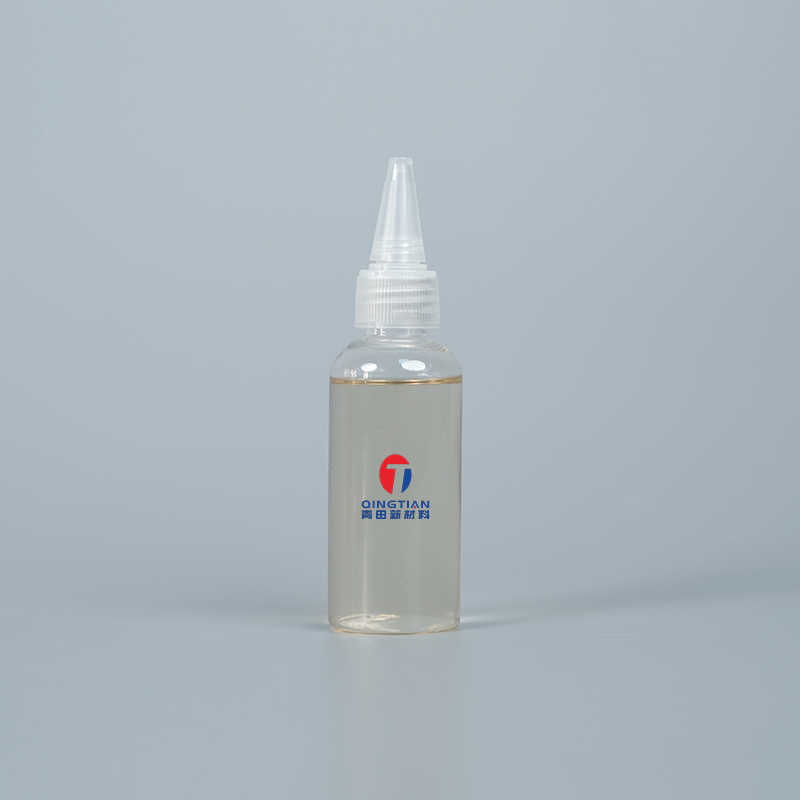
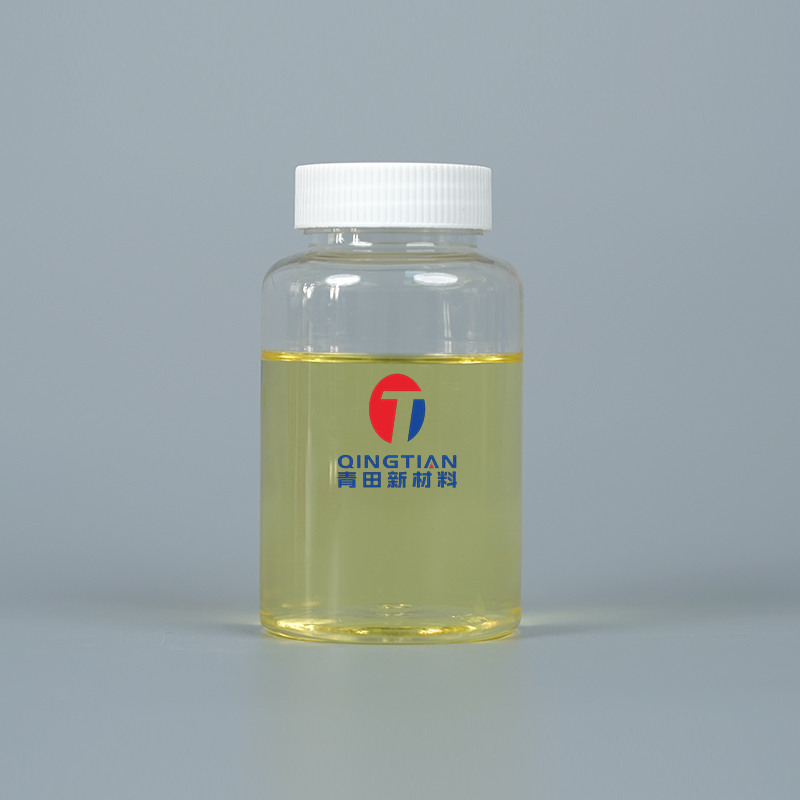
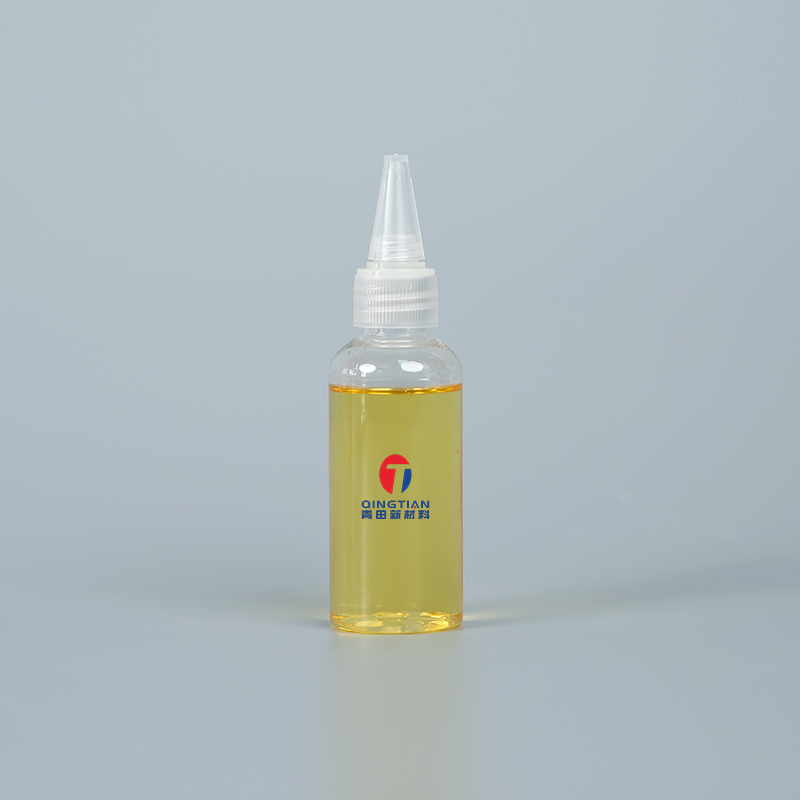
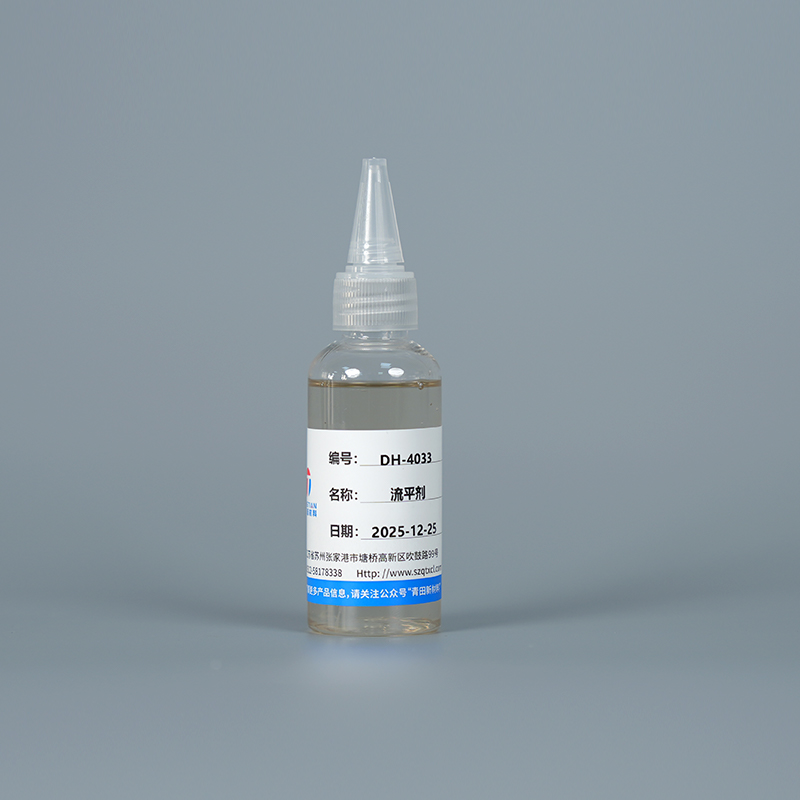
 Wholesale Paint/ Coating Additives Manufacturers
Custom Industrial Chemical Solutions Suppliers
Wholesale Paint/ Coating Additives Manufacturers
Custom Industrial Chemical Solutions Suppliers