русский
 Español
 Français
Home / Author / Tang Yuxi — Senior After-Sales Service Engineer / Silicone-Free Water-Based Defoamer for High-Performance Coatings, Inks, and Adhesives
Tang Yuxi — Senior After-Sales Service Engineer

Content
In modern water-based formulation technology, foam control is no longer a secondary consideration. Foam can appear during mixing, dispersion, grinding, pumping, filling, coating, printing, spraying, dipping, or application. If it is not controlled effectively, it may create pinholes, craters, surface roughness, poor leveling, unstable film appearance, inaccurate filling, reduced adhesion, and inconsistent product quality. For manufacturers seeking a reliable additive that combines rapid foam destruction with long-term foam prevention, DH-2104E Water-based Defoamer provides a silicone-free solution for demanding industrial applications.
DH-2104E is designed for water-based coatings, water-based pressure-sensitive adhesives, fount solutions, inkjet inks, latex dipping systems, electroplating solutions, and universal pigment concentrates. Its performance is based on a combination of rapid migration, dynamic wetting, surface-tension reduction, foam suppression, and compatibility with a broad range of aqueous formulations. Unlike conventional surfactants that may form micelles or lose efficiency under changing processing conditions, this product is developed to provide strong and persistent defoaming across a wide temperature range.
The product is especially suitable for formulators who need more than simple air release. A modern defoamer must often perform several tasks at the same time: destabilize existing foam, prevent new foam from forming, promote wetting of substrates and pigments, preserve coating appearance, and avoid compromising water resistance or adhesion after drying. DH-2104E addresses these requirements through a balanced additive design that supports both processing efficiency and final-film quality.
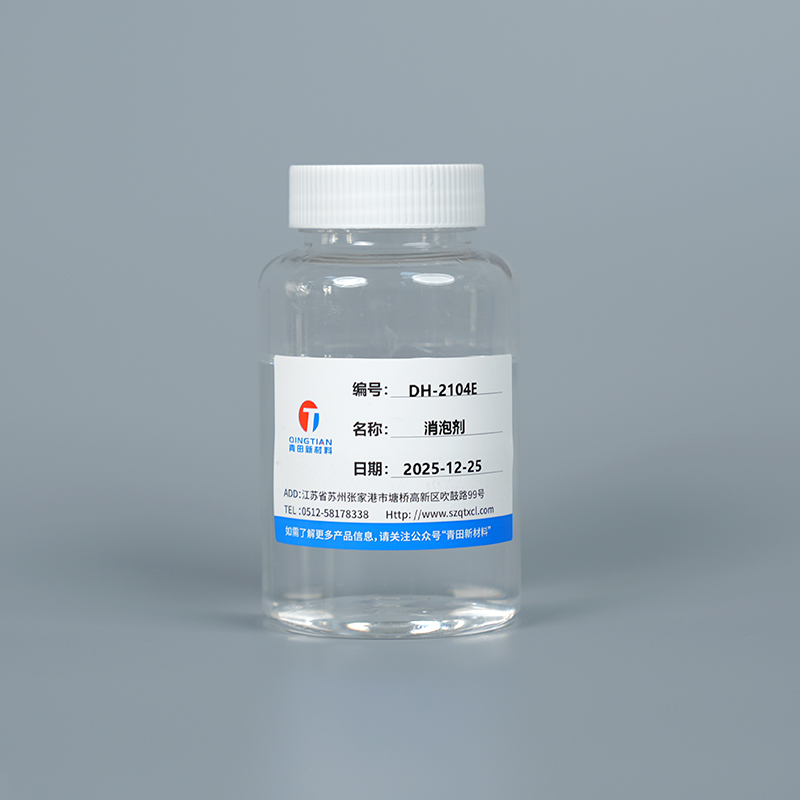
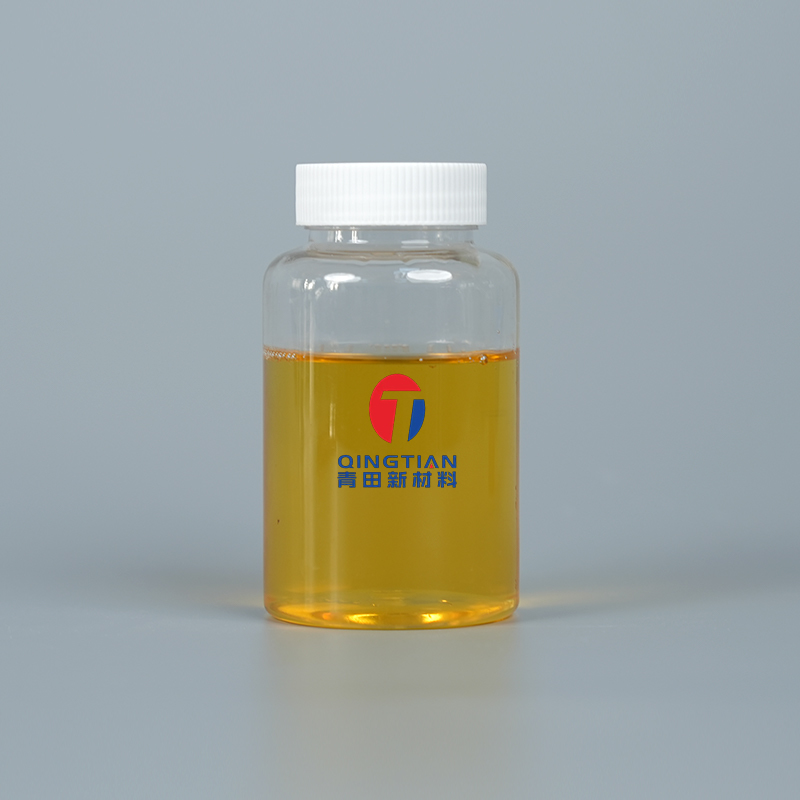
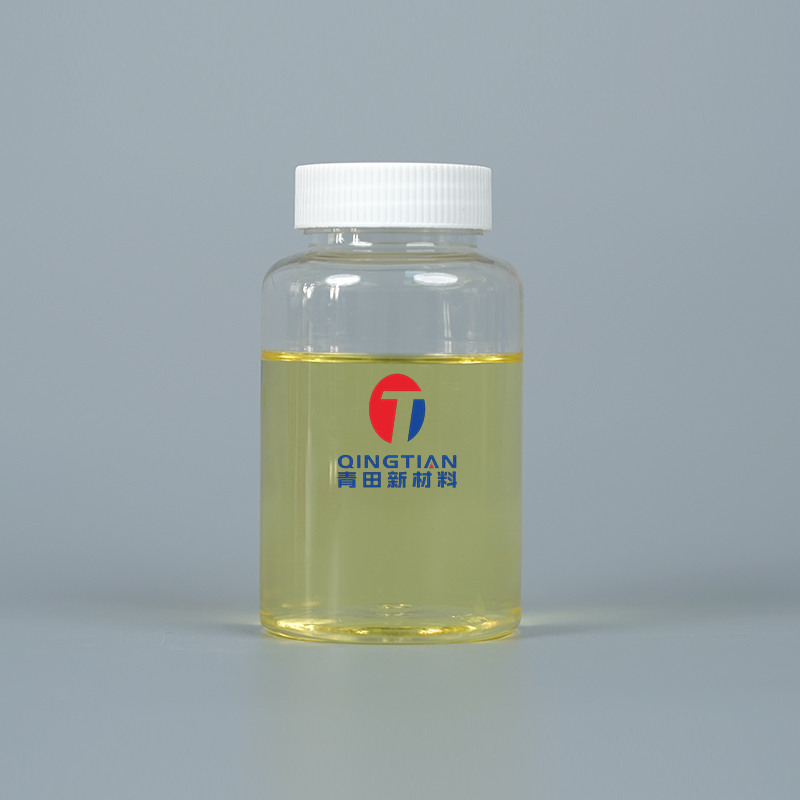
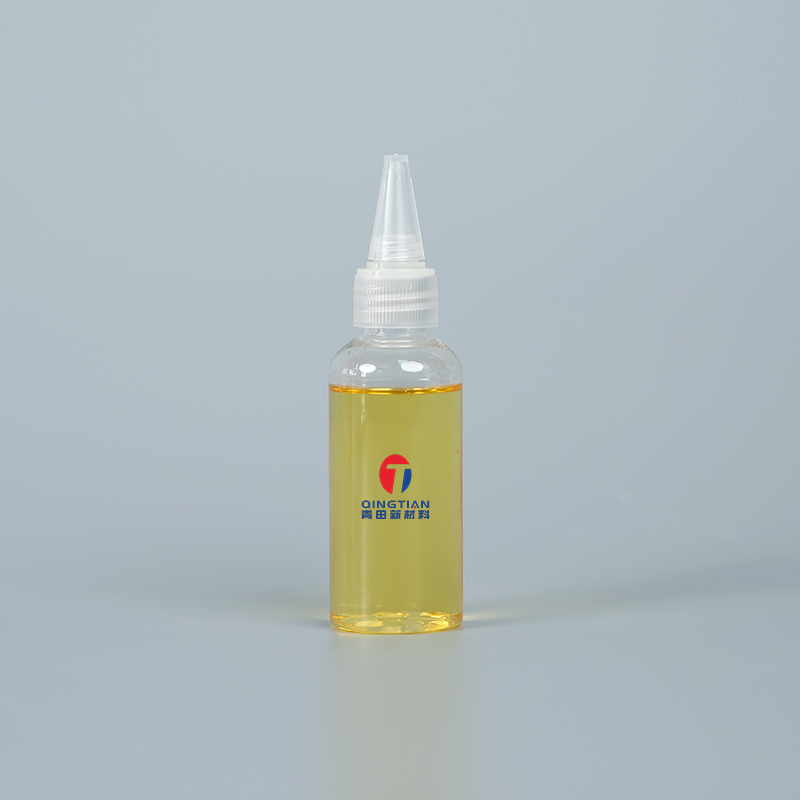
DH-2104E Water-based Defoamer
Water-based systems are increasingly important because they can support lower-emission manufacturing, safer working environments, and compliance with evolving environmental expectations. However, replacing solvent-rich systems with water-based technologies can introduce new formulation challenges. Water has a relatively high surface tension, and many water-based binders, dispersants, pigments, wetting agents, and rheology modifiers can stabilize air bubbles during processing.
Foam may be generated when raw materials are charged into a vessel, when powders are incorporated at high speed, when pigment concentrates are milled, or when a formulation is transferred through pumps and pipelines. High-shear mixing and recirculation can entrain air into the liquid. During application, spraying, roll coating, flexographic printing, gravure printing, and dipping can introduce additional air. Even if the formulation looks acceptable in the storage tank, foam may reappear during application or filling.
Uncontrolled foam can lead to several production and performance problems. In a coating, bubbles may remain in the wet film and form craters or pinholes after drying. In an ink, foam can interfere with inkjet reliability, optical density, print uniformity, and accurate delivery. In a pressure-sensitive adhesive, air inclusion may produce coating defects, variable coat weight, and reduced bond consistency. In electroplating solutions, foam can interfere with surface contact, bath management, and process observation.
These problems explain why foam control should be evaluated throughout the entire production and application cycle. A defoamer that works only during mixing may not be sufficient. A product that suppresses foam in the tank but causes surface defects in the dried coating may create a different problem. The most effective solution should provide a controlled balance between rapid activity, long-lasting suppression, substrate wetting, compatibility, and final appearance.
Static foam refers to foam that remains on the surface when the formulation is at rest. It can occupy tank capacity, complicate filling, and make visual inspection more difficult. Dynamic foam develops during agitation, pumping, spraying, printing, or other forms of mechanical movement. Dynamic foam is often more difficult to control because bubbles are continuously generated and stabilized.
DH-2104E is designed to provide foam suppression under both dynamic and static conditions. Its rapid migration allows the active material to reach air-liquid interfaces efficiently. At the same time, its ability to maintain performance over a wide temperature range supports longer-lasting foam control after the initial production stage.
Surface tension influences wetting, bubble formation, bubble stability, leveling, and substrate coverage. A formulation with insufficient wetting may pull away from a substrate, leaving defects or uncovered areas. A formulation with persistent surface-active foam may generate a large number of stable bubbles during processing. Effective additive technology must therefore manage surface behavior carefully rather than simply reducing surface tension as much as possible.
DH-2104E provides extremely low surface tension and supports wetting of various substrates. Its activity can help a water-based formulation spread more uniformly while also assisting with foam destruction and suppression. This combination is particularly valuable when a single additive is expected to contribute to both surface wetting and foam control.
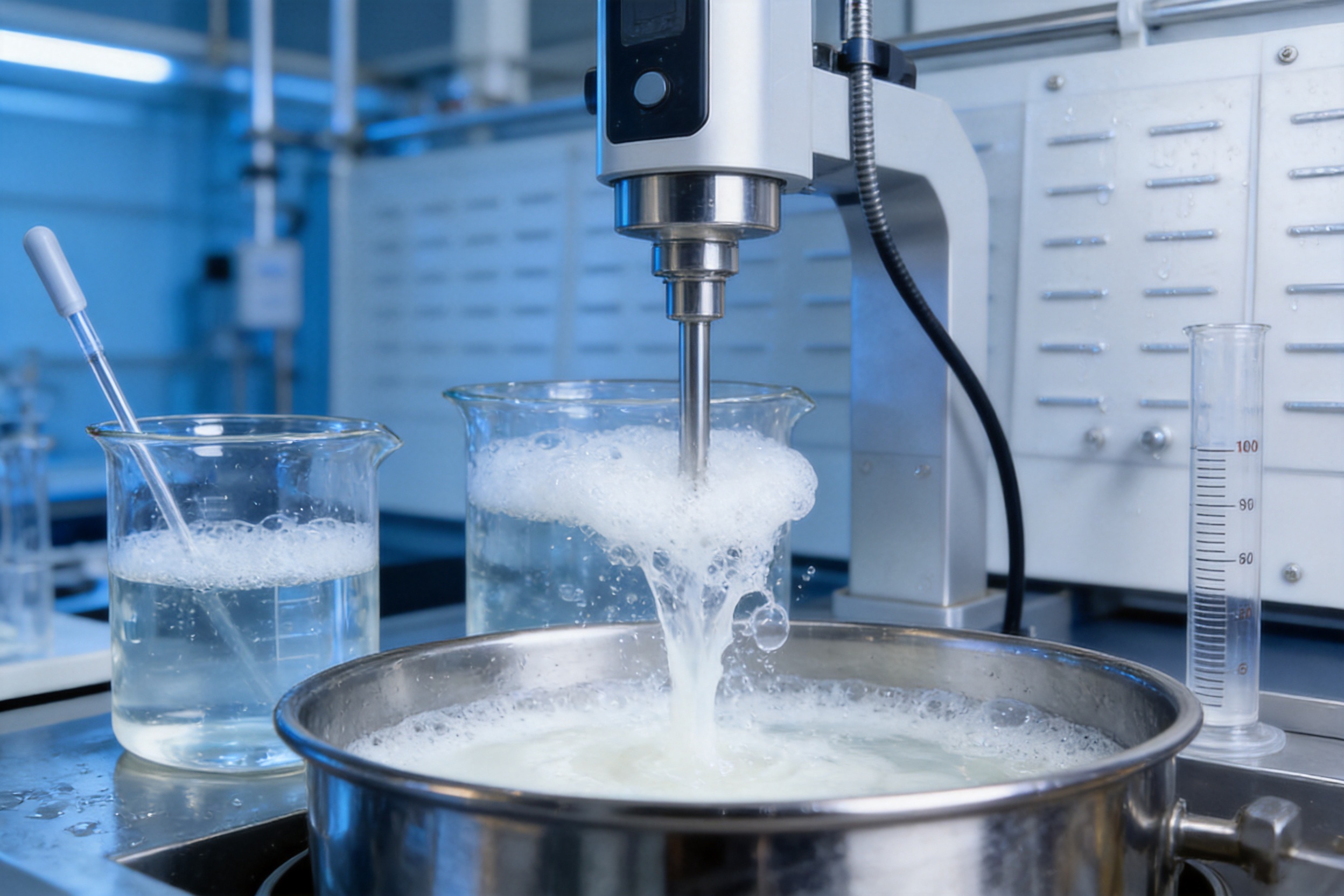
DH-2104E Water-based Defoamer is a silicone-free defoamer for aqueous industrial formulations. It belongs to the category of silicone-free defoamers and is intended for use in systems where foam control, substrate wetting, and surface appearance must be managed together.
| Product Attribute | Description |
|---|---|
| Product name | DH-2104E Water-based Defoamer |
| Product category | Silicone-free defoamer |
| Primary functions | Wetting, dynamic defoaming, static foam suppression, and surface defect prevention |
| Physical performance focus | Rapid migration, very low surface tension, strong foam control, and broad temperature stability |
| Compatibility focus | Water-based coatings, adhesives, inks, pigment concentrates, latex dipping, fount solutions, and electroplating solutions |
| Formulation characteristics | Low water sensitivity, no micelle formation, no cloud point, and good thermal, acid, and alkali stability |
| Recommended specialty use | Manufacturing stable universal pigment concentrates |
The product’s performance profile makes it suitable for formulators who require a defoamer that remains effective without relying on silicone chemistry. Silicone-free technology can be attractive in applications where silicone-related surface incompatibility, recoating concerns, intercoat adhesion, or surface-energy variation must be carefully controlled.
It is important to recognize that the actual dosage and incorporation method should be established through laboratory and production trials. Formulation composition, binder type, pigment loading, pH, ionic strength, viscosity, shear level, temperature, and application method can all influence the required level of defoamer. The product is therefore best evaluated as part of the complete formulation rather than as an isolated ingredient.
One of the most important characteristics of DH-2104E is its ability to migrate rapidly. In a foaming system, the additive must reach the air-liquid interface and interact with the stabilizing film around bubbles. Rapid migration can improve response time during high-speed mixing and other demanding processing operations.
Fast activity is especially valuable in production environments where batches are mixed under high shear or transferred quickly between vessels. If foam remains for too long, it may become more stable and more difficult to remove. Rapidly migrating defoamer can reduce the time required for foam collapse and may help shorten processing delays associated with deaeration.
Rapid migration also supports application performance. During spraying, printing, or coating, foam can form immediately before or during film deposition. A material that responds efficiently under dynamic conditions has a better opportunity to suppress foam before bubbles become fixed in the wet film.
DH-2104E provides extremely low surface tension, a feature that supports both wetting and foam control. Low surface tension can help the additive spread across the surface of bubbles and weaken the stabilizing liquid film. At the same time, it can improve the ability of a coating or ink to wet difficult substrates.
Substrate wetting is important when formulations are applied to metals, plastics, treated films, glass, wood, previously coated surfaces, or other materials with different surface energies. Inadequate wetting may lead to craters, crawling, edge pullback, discontinuous coverage, or poor visual uniformity. By assisting substrate wetting, DH-2104E can contribute to more consistent film formation.
Low surface tension must always be balanced against compatibility. Excessively aggressive surface-active materials may create their own defects if they disturb recoating, adhesion, gloss, or intercoat bonding. DH-2104E is designed to provide strong surface activity while minimizing common dried-film problems when used appropriately.
Many conventional defoamers show good performance under one condition but weaker activity under another. A product may collapse static foam but fail during high-speed dispersion, or it may work during mixing but lose effectiveness during storage. DH-2104E is intended to provide both defoaming and foam suppression.
Defoaming refers to the destruction of foam that has already formed. Foam suppression refers to reducing the formation and persistence of new bubbles. Combining both functions helps provide a more complete solution for industrial processing. This is particularly relevant for formulations that undergo repeated agitation, recirculation, filling, or application.
The product’s performance significantly exceeds that of traditional surfactants in dynamic conditions according to its stated product profile. Rather than acting only as a wetting agent, it is intended to provide active foam control when the formulation is subjected to movement and shear.
Low water sensitivity is an important advantage for water-based coatings and adhesives. A defoamer that is too sensitive to water dilution may lose efficiency, separate, or change behavior when the formulation is adjusted. It may also become less reliable when the water content varies between batches.
DH-2104E is designed with low water sensitivity, supporting consistent performance across water-based systems with different water levels. This characteristic may help formulators manage production changes, dilution steps, cleaning-water carryover, and application adjustments more effectively.
The product does not form micelles. This feature is relevant because micelle formation can alter the behavior of surface-active additives as concentration, temperature, and formulation composition change. A defoamer that changes its structure or availability through micelle formation may show variable performance during storage or processing.
By avoiding micelle formation, DH-2104E is designed to maintain a more predictable activity profile. This can be useful in concentrated pigment preparations, high-solids coatings, and formulations containing multiple surfactants or dispersants. The absence of micelle formation also supports more consistent evaluation when the product is used across different formulation platforms.
Industrial formulations may experience wide changes in temperature and pH. A water-based coating can be manufactured at one temperature, stored at another, and applied under a third set of conditions. A pigment concentrate may be exposed to high shear and heat during milling. Electroplating and cleaning-related systems may have acidic or alkaline environments.
DH-2104E offers good thermal, acid, and alkali stability. This supports its use in diverse formulations where the additive must remain effective despite changes in processing or chemical environment. Stability is especially valuable for products intended for long storage, repeated circulation, or use in challenging industrial baths.
The product has no cloud point. In practical terms, this means the additive is not expected to show a clouding transition associated with a particular temperature range. Clouding can be undesirable because it may change visual appearance, create uncertainty during storage, or indicate a shift in additive behavior.
For manufacturers working across seasonal temperatures or variable production environments, the absence of a cloud point supports more dependable visual and functional consistency. It also helps maintain confidence when the product is used in applications requiring long-lasting foam control over a broad temperature range.
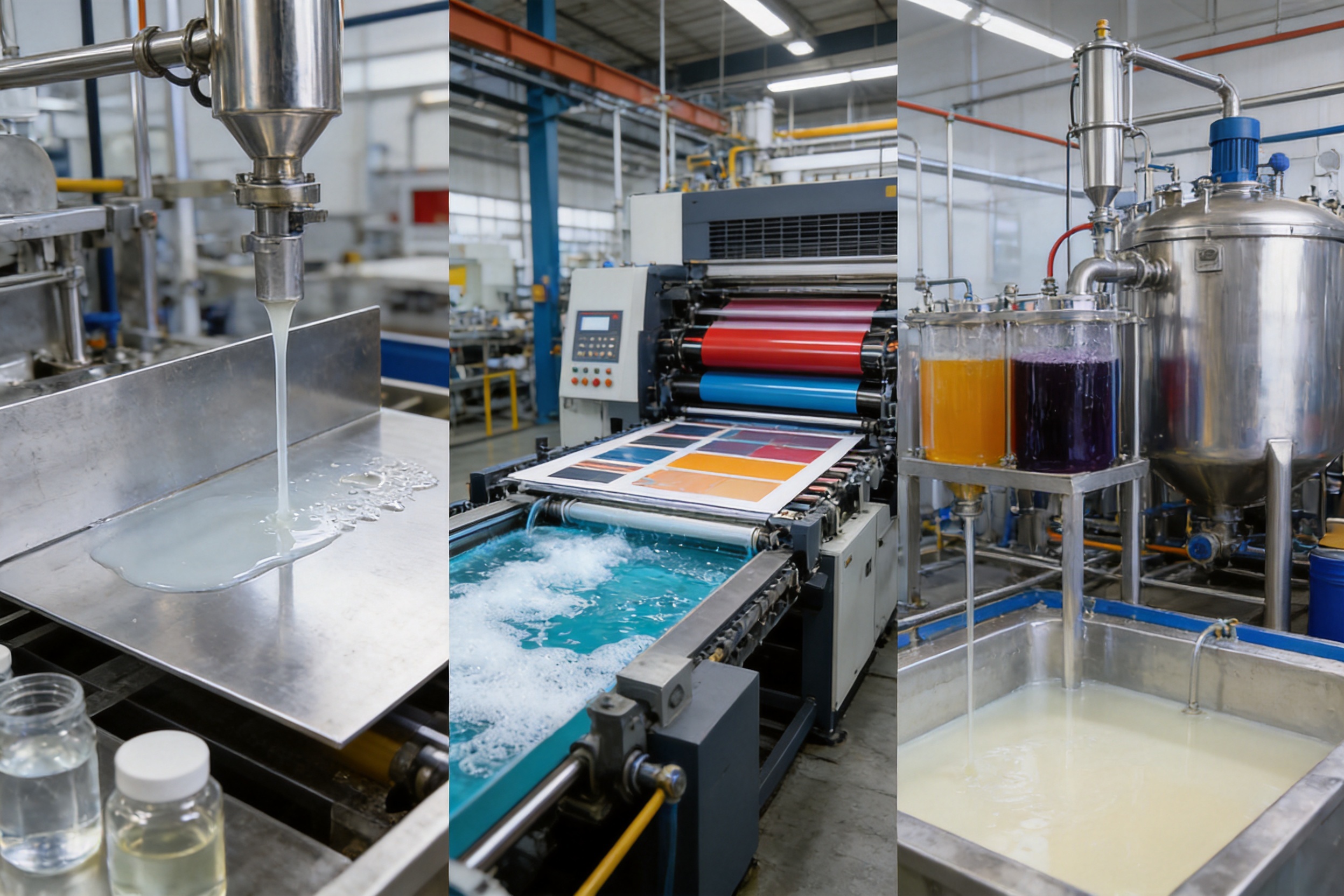
Foam control cannot be separated from final appearance. A defoamer may remove bubbles effectively but still be unsuitable if it creates craters, fish eyes, poor gloss, stickiness, whitening, atomization, or reduced water resistance. For this reason, the behavior of a defoamer must be assessed both during application and after the coating or adhesive has dried.
DH-2104E is designed not to easily cause common surface defects in dried coatings when used at an appropriate level. Its product profile specifically highlights reduced risk of stickiness, whitening, atomization, and poor water resistance. This makes it relevant for high-appearance coatings and other applications where the cured or dried film must retain a clean, uniform surface.
Residual surface activity or incompatibility can sometimes contribute to a tacky or sticky surface. This is undesirable in coatings, labels, packaging materials, and pressure-sensitive adhesive systems. A properly selected defoamer should control foam without leaving a surface condition that interferes with handling, stacking, or downstream processing.
The low water sensitivity and balanced compatibility of DH-2104E are intended to reduce the likelihood of such problems. Nevertheless, final evaluation should include blocking, tack, and handling tests appropriate to the specific application.
Whitening or haze may appear when a dried film has poor compatibility, moisture sensitivity, or uneven film formation. In clear or decorative coatings, even a small loss of transparency can affect the finished product. DH-2104E is formulated to avoid easily causing whitening under suitable formulation conditions.
Because water-based systems can be sensitive to humidity, substrate temperature, drying rate, and film thickness, formulators should evaluate the additive under realistic environmental conditions. A defoamer that performs well in a laboratory drawdown should also be checked under production drying conditions.
Spray application places special demands on wetting and foam control. The product must atomize consistently, spread over the substrate, and avoid creating uneven islands or surface disruptions. DH-2104E can support surface wetting while suppressing foam generated during circulation and spraying.
For spray coatings, testing should consider nozzle type, pressure, viscosity, temperature, spray distance, and flash-off conditions. The objective is to confirm that foam is controlled without negatively affecting spray pattern, gloss, leveling, or edge coverage.
Water resistance is a critical property for many coatings and adhesives. A poorly compatible defoamer may migrate excessively or remain concentrated at the surface, potentially weakening resistance to water exposure. DH-2104E is designed not to easily cause poor water resistance in dried coatings when properly incorporated.
Water-resistance testing may include water immersion, water-spot resistance, humidity exposure, water whitening, and adhesion after water contact. These tests should be performed after the coating has reached its intended cure or drying condition.
Water-based coatings are one of the primary application areas for DH-2104E. These systems may include architectural coatings, industrial coatings, metal coatings, plastic coatings, wood coatings, glass coatings, anti-corrosion coatings, and floor coatings. Each application has different requirements for gloss, leveling, adhesion, hardness, flexibility, and resistance.
In water-based coatings, foam may arise during pigment dispersion, let-down, filtration, filling, or application. The product can be evaluated during the grind stage if foam is generated while dispersing pigments, or during the let-down stage if the complete formulation becomes more surface-active. It may also be added during final adjustment when the formulator needs to correct foam without significantly changing viscosity or appearance.
The product’s wetting performance is valuable for substrates such as steel, aluminum, plastic, wood, and glass. In coil coatings or metal applications, consistent wetting helps support continuous film coverage. In plastic coatings, the additive may help the water-based formulation spread over a substrate that has relatively low surface energy. In wood coatings, wetting can improve visual uniformity over porous and variable surfaces.
For anti-corrosion coatings, foam control may improve the quality of the protective film by reducing pinholes and voids. Since corrosion protection depends heavily on film continuity, minimizing entrained air can contribute to more reliable barrier performance. The defoamer should be evaluated alongside adhesion, hardness, flexibility, salt spray resistance, and water resistance.
In epoxy flooring and other high-build systems, foam control is particularly important because thick films can retain bubbles for longer periods. DH-2104E may assist with both foam destruction and substrate wetting, helping the formulation form a more uniform surface. Application trials should examine self-leveling behavior, surface appearance, recoatability, and resistance properties.
Pressure-sensitive adhesives require a controlled balance of tack, peel adhesion, shear strength, coating uniformity, and drying behavior. Foam introduced during compounding or coating can cause voids, uneven coat weight, pinholes, and variable adhesive performance.
DH-2104E can be considered for water-based pressure-sensitive adhesive systems where rapid foam control is needed during mixing, circulation, and coating. Its low water sensitivity is relevant to aqueous adhesive formulations, while its ability to support substrate wetting may assist in forming a continuous adhesive layer.
When evaluating the product in pressure-sensitive adhesives, testing should include coating appearance, dry-film uniformity, loop tack, peel adhesion, holding power, aging stability, and compatibility with the selected polymer dispersion. The defoamer level should be optimized to control foam without reducing adhesive contact or changing the balance of tack and adhesion.
Printing inks often contain pigments, binders, dispersants, wetting agents, and other functional additives. High-speed circulation and printing can generate foam, especially in water-based systems with substantial surface activity. Foam may cause inconsistent transfer, unstable color density, poor print definition, or interruptions in ink delivery.
DH-2104E is suitable for consideration in water-based printing inks and inkjet inks. Its rapid migration and low surface tension can support both foam suppression and wetting. In inkjet applications, careful optimization is essential because nozzle reliability, droplet formation, surface tension, viscosity, filtration, and storage stability are closely interrelated.
For inkjet formulations, the additive should be tested for particle compatibility, filterability, storage stability, nozzle behavior, print uniformity, dry-time performance, and substrate wetting. The absence of micelle formation and the lack of a cloud point may be useful characteristics when stable surface behavior is required across storage and operating temperatures.
In conventional water-based printing inks, evaluation may include foam height during agitation, foam collapse time, print gloss, optical density, rub resistance, adhesion, drying speed, and visual uniformity. A successful defoamer should control foam without causing unwanted craters, surface defects, or changes in color strength.
Universal pigment concentrates are designed for use across multiple coating systems. They must remain stable, highly concentrated, easily incorporated, and compatible with different binders and application technologies. Foam can be a significant challenge during pigment wetting, high-speed dispersion, grinding, and transfer.
DH-2104E is particularly recommended for manufacturing stable universal pigment concentrates. Its wetting capability can assist pigment incorporation, while its defoaming performance can reduce air entrainment during high-energy dispersion. The product’s thermal, acid, and alkali stability also supports use across a broad formulation range.
Stable pigment concentrates should be evaluated for color strength, viscosity, fineness of grind, storage stability, freeze-thaw behavior where relevant, compatibility with multiple binders, tinting strength, flooding and floating, and foam behavior. Since universal systems are expected to perform in different coatings, the defoamer should be assessed not only in the concentrate itself but also after let-down into representative base paints.
The absence of micelle formation may support predictable behavior in concentrated systems that contain high levels of dispersants and wetting agents. The lack of a cloud point may also help maintain visual consistency during storage and use under variable temperatures.
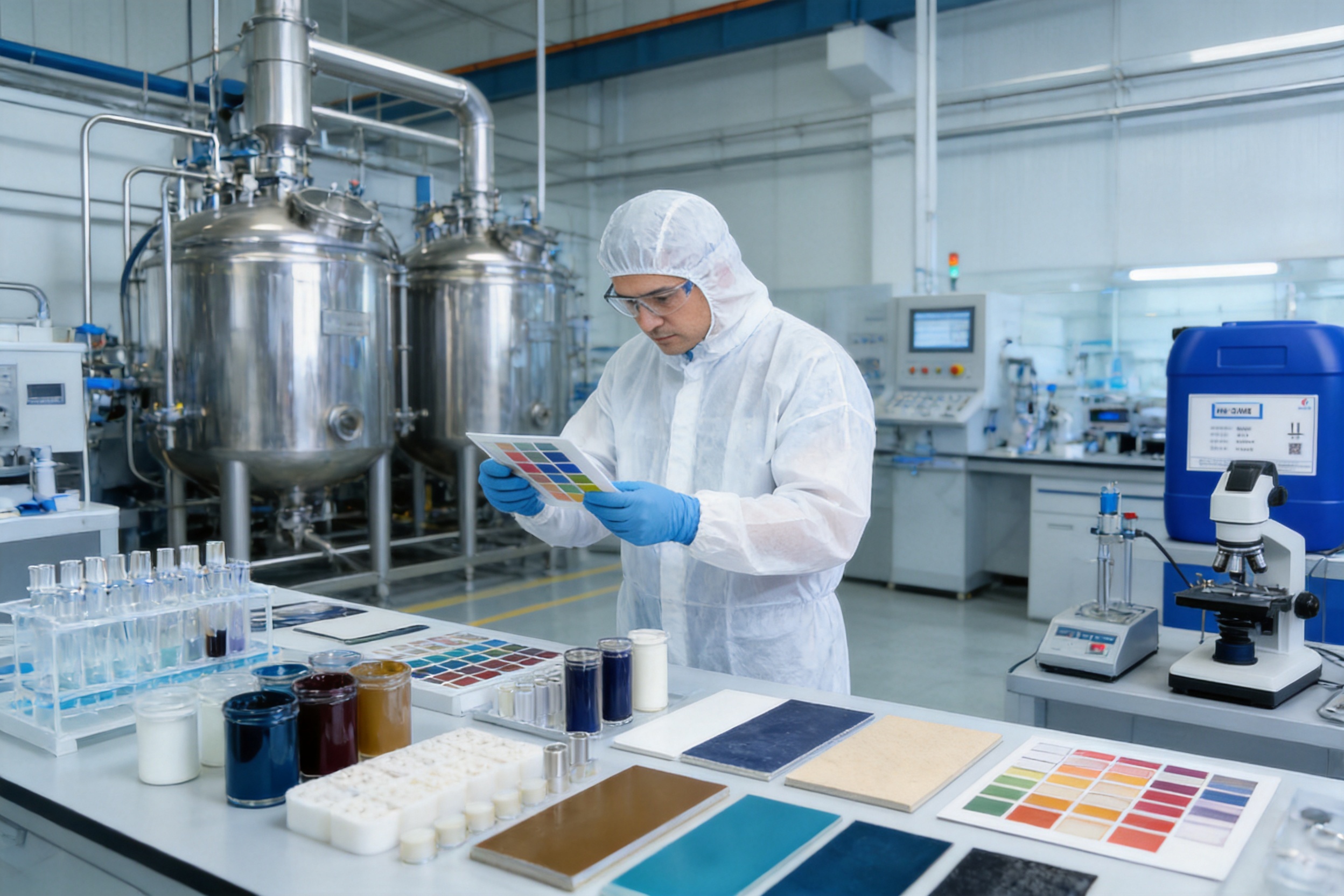
Latex dipping processes depend on controlled wetting, bath stability, film formation, and consistent removal from the substrate. Foam can interfere with the surface of the dipping bath and may create defects in the deposited latex layer. DH-2104E can be evaluated where foam suppression and substrate wetting are both required.
Testing should include dip speed, withdrawal behavior, coating thickness, surface smoothness, pinhole frequency, bath stability, and final mechanical properties. The additive should be confirmed as compatible with the latex dispersion and other bath components.
Fount solutions used in printing processes may be subject to agitation, circulation, and contact with rollers or other equipment. Foam can affect fluid delivery and process consistency. DH-2104E is suitable for consideration in fount solutions because it combines wetting and foam-control functions.
Evaluation should include foam generation during circulation, wetting behavior, print cleanliness, compatibility with plates and rollers, conductivity, pH stability, and influence on print quality. The best dosage will depend on the specific press configuration and solution composition.
Electroplating solutions can experience agitation, gas evolution, and surface activity during operation. Persistent foam may obstruct visual monitoring and interfere with contact between the solution and workpiece. DH-2104E offers good acid and alkali stability, making it a candidate for evaluation in selected electroplating environments.
Because electroplating baths are chemically specialized, compatibility testing is essential. The product should be evaluated for deposit appearance, surface quality, bath stability, current efficiency, adhesion, corrosion behavior, and any influence on downstream cleaning or finishing.
Traditional surfactants may provide wetting and some reduction in surface tension, but they are not always optimized for foam destruction. In many water-based systems, a conventional surfactant can stabilize bubbles rather than remove them. Its behavior may also change with concentration, temperature, pH, electrolyte level, or interaction with polymers and pigments.
DH-2104E is positioned as a performance-oriented alternative to traditional surfactant-only approaches. Its stated advantages include stronger dynamic foam suppression, rapid migration, extremely low surface tension, low water sensitivity, no micelle formation, no cloud point, and good stability under thermal, acidic, and alkaline conditions.
| Evaluation Criterion | Traditional Surfactant-Only Approach | DH-2104E Design Advantage |
|---|---|---|
| Dynamic foam control | May be limited because some surfactants stabilize bubbles | Designed for rapid defoaming and suppression under dynamic conditions |
| Static foam control | Performance may vary with concentration and formulation composition | Provides ongoing suppression of foam after processing |
| Surface tension | Can reduce surface tension but may not provide balanced foam control | Provides extremely low surface tension together with defoaming activity |
| Micelle behavior | Some surfactants form micelles above a critical concentration | Does not form micelles |
| Temperature response | May show clouding or changes in activity | No cloud point and broad temperature performance |
| pH tolerance | May be sensitive to acidic or alkaline environments | Good acid and alkali stability |
| Final coating appearance | Potential risk of incompatibility or surface defects | Designed not to easily cause stickiness, whitening, atomization, or poor water resistance |
This comparison does not mean that every conventional surfactant will perform poorly or that DH-2104E will replace every additive in every formulation. Rather, the product offers a specialized tool for applications where the formulator needs wetting and foam control in a single silicone-free technology.
The reliability of an industrial additive depends not only on its stated performance but also on the manufacturer’s ability to maintain quality, conduct application research, and provide responsive technical support. Suzhou Qingtian New Material Co., Ltd. is a professional supplier of raw materials for coatings, inks, and adhesives. Since its founding in 2012, the company has developed an experienced team covering research and development, sales, production, and technical service.
The company operates a modern production facility supported by advanced testing equipment and research capabilities. These resources are important for developing and maintaining additive products because defoamer performance must be examined in realistic formulation environments. Testing should address not only foam height but also compatibility, wetting, surface appearance, water resistance, storage behavior, and application results.
The company’s product portfolio includes dispersants, leveling agents, defoamers, adhesion promoters, anti-settling agents, cooling agents, conductive agents, orange peel texture agents, texture powders, and wax powders. This broad portfolio gives the technical team experience with the interactions among multiple additive classes. Such knowledge is useful when a customer needs to optimize a complete coating, ink, or adhesive rather than select a single isolated product.
The company has also developed application experience across steel and aluminum coil coatings, plastic coatings, ultraviolet-curing systems, anti-corrosion coatings, wood coatings, glass coatings, epoxy flooring, printing inks, power batteries, photovoltaic panels, and other industrial fields. These applications involve different substrates, resin chemistries, curing mechanisms, and process conditions. Experience across these areas supports a more practical approach to product selection and formulation troubleshooting.
Research and development is central to the company’s operating model. Its development milestones include the creation of China’s first ice flower resin in 2016, recognition as a National High-Tech Enterprise in 2020, and relocation to Lingrui Intelligent Manufacturing Park in Zhangjiagang High-Tech Zone in 2021 to strengthen research and production capacity.
These milestones indicate a long-term focus on material innovation and industrial scale-up. For a product such as DH-2104E, this orientation is relevant because high-performance defoaming requires ongoing evaluation of raw materials, processing conditions, formulation compatibility, and application requirements.
Consistent manufacturing is essential for additives used in coatings, inks, and adhesives. Small changes in active composition, dispersion state, water content, or impurity profile can influence foam control and compatibility. A modern facility with testing capabilities can support batch-to-batch monitoring and help identify deviations before products reach customers.
Manufacturing quality should be considered together with packaging, storage, transportation, and technical documentation. Customers may use the product in automated production lines where consistency and predictable dosing are important. A dependable supplier should therefore support product identification, batch management, application guidance, and communication regarding customer requirements.
Not every formulation can use a standard additive without adjustment. The company’s stated focus on custom chemical solutions is relevant for customers with specialized requirements, such as unusually high pigment loading, low-foam inkjet systems, difficult plastic substrates, high-build floor coatings, acidic or alkaline baths, or special drying conditions.
Customization may involve selecting the appropriate product, recommending a dosage range, evaluating compatibility, or developing a modified solution for a particular application. The objective is to help customers achieve a better balance of foam control, wetting, appearance, stability, and final performance.
Before approving DH-2104E for commercial production, formulators should conduct a systematic evaluation. The first step is to identify the main foam source. Foam caused by powder addition may require a different incorporation strategy from foam generated during pumping or application.
The second step is to test the product at several dosage levels. Too little defoamer may provide inadequate control, while excessive addition may affect surface appearance, intercoat adhesion, gloss, or other properties. A dosage ladder can help identify the most efficient concentration.
The third step is to compare addition points. The product may be added during premixing, pigment grinding, let-down, final adjustment, or immediately before application. The best addition point depends on the formulation and the type of foam being controlled.
The fourth step is to evaluate both immediate and long-term behavior. Foam collapse should be measured after mixing and after a defined resting period. Storage samples should be checked for sedimentation, separation, viscosity change, surface defects, and renewed foam generation after agitation.
The fifth step is to test application performance. Coatings should be applied to representative substrates using the intended method. Inks should be printed under realistic conditions. Adhesives should be coated at the target coat weight. The evaluation should include appearance, leveling, gloss, adhesion, water resistance, drying, and other properties specific to the product.
| Test Stage | Suggested Evaluation | Purpose |
|---|---|---|
| Laboratory mixing | Foam height, collapse time, and visual stability | Determine immediate defoaming response |
| High-shear dispersion | Foam generation, temperature response, and pigment incorporation | Assess dynamic performance during demanding processing |
| Storage stability | Viscosity, separation, sedimentation, odor, and foam after remixing | Confirm long-term formulation compatibility |
| Application trial | Wetting, leveling, surface defects, and drying behavior | Evaluate practical coating, ink, or adhesive performance |
| Final-film testing | Gloss, adhesion, water resistance, hardness, flexibility, and appearance | Confirm that foam control does not compromise end-use properties |
| Process trial | Pumping, filling, spraying, printing, or dipping behavior | Verify performance under actual manufacturing conditions |
DH-2104E should be incorporated according to the needs of the specific formulation. Gentle pre-dispersion may be appropriate in some systems, while direct addition may be suitable in others. High-shear addition should be carefully controlled if the purpose is to minimize air entrainment during incorporation.
The product should be stored and handled according to the supplier’s technical and safety documentation. Containers should be properly sealed, protected from contamination, and managed under appropriate temperature conditions. Before use, customers should check the product appearance and confirm that it remains suitable for application.
Compatibility should be checked with binders, pigments, dispersants, wetting agents, preservatives, rheology modifiers, crosslinkers, and other additives. Even a highly compatible defoamer may behave differently in formulations with unusual ionic strength, high electrolyte content, extreme pH, or very high solids.
For universal pigment concentrates, the product should be tested both in the concentrate and in multiple final coating systems. A concentrate may appear stable on its own but behave differently after dilution or let-down. The most reliable assessment therefore follows the full path from pigment dispersion through final coating application.
Water-based technologies continue to attract attention because they can support lower-emission product development and improved workplace conditions. Additives used in these systems must contribute to performance without creating new processing or quality problems. Effective foam control can improve process efficiency by reducing waiting time, rework, filtration problems, and rejected material.
When foam is controlled effectively, manufacturers may achieve more reliable filling, improved tank utilization, faster batch release, and fewer surface defects. Better wetting can also reduce the risk of incomplete substrate coverage and improve the visual consistency of finished products. These benefits can support more efficient use of raw materials and production capacity.
DH-2104E’s silicone-free design may be considered by manufacturers seeking to manage silicone-related compatibility concerns while retaining strong surface activity. The appropriate choice will depend on the complete performance requirements of each formulation, but the product provides an option for water-based systems where silicone-free foam control is preferred.
Technical service is especially important for defoamers because product success depends on interactions with the full formulation. A supplier should be able to discuss the customer’s binder, pigment, surfactant package, viscosity, pH, processing equipment, application method, and target performance.
Suzhou Qingtian New Material Co., Ltd. focuses on coatings, inks, adhesives, and related industrial materials. Its experience across multiple additive categories allows it to approach customer challenges from a formulation perspective. Instead of treating foam as an isolated problem, technical personnel can consider whether the issue is related to dispersion, wetting, leveling, substrate energy, rheology, or additive compatibility.
Customers can use this type of support when selecting a starting dosage, designing comparative trials, troubleshooting surface defects, or determining whether DH-2104E should be used alone or together with other additives. Clear communication of process conditions and test results will help make technical recommendations more accurate.
DH-2104E is a silicone-free water-based defoamer designed for foam destruction, foam suppression, substrate wetting, and surface-tension reduction in aqueous industrial formulations.
The product is suitable for water-based coatings, water-based pressure-sensitive adhesives, fount solutions, inkjet inks, latex dipping systems, electroplating solutions, and universal pigment concentrates. It can also be evaluated in related aqueous industrial systems where foam control and wetting are required.
Yes. Its stated performance includes defoaming and foam suppression under both dynamic and static conditions. It is designed to respond during mixing, pumping, circulation, application, and storage.
Rapid migration allows the additive to reach active air-liquid interfaces quickly. This can help collapse existing bubbles and reduce the persistence of foam during high-shear or high-speed processing.
No. The product is designed not to form micelles, which supports a more predictable performance profile across different concentrations and formulation conditions.
No cloud point means the product does not show the specified clouding transition associated with a particular temperature range. This supports stable visual and functional behavior over a wide temperature range.
Yes. DH-2104E is particularly recommended for manufacturing stable universal pigment concentrates. It should be tested in both the concentrate and the final coating systems into which the concentrate will be incorporated.
Yes. The product provides extremely low surface tension and is intended to wet various substrates. This can support more uniform spreading and reduce incomplete coverage, subject to the specific substrate and formulation.
When properly selected and dosed, DH-2104E is designed not to easily cause stickiness, whitening, atomization, or poor water resistance in dried coatings. Final testing remains necessary because formulation compatibility depends on the complete system.
The product is described as having good acid and alkali stability. It should nevertheless be evaluated in the actual pH range, electrolyte environment, and operating conditions of the intended application.
Yes, it is suitable for consideration in inkjet inks. Inkjet formulations require careful testing of surface tension, viscosity, filtration, storage stability, nozzle behavior, droplet formation, and print quality.
The correct dosage should be established through laboratory screening followed by production-scale trials. Testing several dosage levels and addition points is recommended because binder type, pigment loading, viscosity, pH, shear, and application method all influence performance.
It may be combined with other formulation additives, but compatibility should be checked carefully. Dispersants, wetting agents, rheology modifiers, binders, preservatives, and crosslinkers can change the behavior of the complete system.
The supplier can support product selection, application testing, formulation evaluation, and custom chemical solution development for coatings, inks, adhesives, and related industries. Customers should provide detailed information about their process and performance targets.
DH-2104E Water-based Defoamer is a silicone-free additive developed for modern aqueous formulations that require more than basic foam collapse. Its combination of rapid migration, extremely low surface tension, dynamic and static foam suppression, low water sensitivity, absence of micelle formation, lack of cloud point, and good thermal, acid, and alkali stability creates a strong performance profile for industrial use.
The product is suitable for water-based coatings, pressure-sensitive adhesives, printing and inkjet inks, fount solutions, latex dipping, electroplating solutions, and especially stable universal pigment concentrates. Its ability to support substrate wetting while helping prevent foam can simplify additive selection and improve formulation efficiency.
Another important advantage is its focus on final surface quality. The product is designed not to easily cause stickiness, whitening, atomization, or poor water resistance in dried coatings when properly used. This makes it relevant for applications where appearance, adhesion, durability, and water resistance are as important as foam control during production.
Backed by a manufacturer specializing in coatings, inks, adhesives, and related functional materials, DH-2104E benefits from a broader application-oriented product platform. The company’s research capabilities, modern production resources, advanced testing equipment, experienced technical team, and commitment to custom chemical solutions provide a foundation for consistent supply and practical formulation support.
For manufacturers seeking dependable silicone-free foam control in water-based systems, DH-2104E should be evaluated through a structured program covering processing, storage, application, and final-film performance. With appropriate dosage and formulation optimization, it can help improve production stability, surface appearance, substrate wetting, and overall product quality.
1. Supplier product information for DH-2104E Water-based Defoamer.
2. Supplier technical information concerning silicone-free defoaming, wetting, and surface-defect prevention.
3. General principles of foam formation and foam stabilization in aqueous coating, adhesive, ink, and pigment systems.
4. General formulation practices for evaluating defoamers in water-based coatings and industrial dispersions.
5. General testing principles for coating appearance, substrate wetting, adhesion, water resistance, and storage stability.
6. General application considerations for water-based pressure-sensitive adhesives, printing inks, inkjet inks, latex dipping systems, fount solutions, and electroplating solutions.
7. Company information concerning research and development, manufacturing capabilities, product portfolio, and industrial application experience.
 Wholesale Paint/ Coating Additives Manufacturers
Custom Industrial Chemical Solutions Suppliers
Wholesale Paint/ Coating Additives Manufacturers
Custom Industrial Chemical Solutions Suppliers