русский
 Español
 Français
Home / Author / Tang Yuxi — Senior After-Sales Service Engineer / High-Performance Polymeric Dispersant for Carbon Black and PU Color Paste Systems
Tang Yuxi — Senior After-Sales Service Engineer

Content
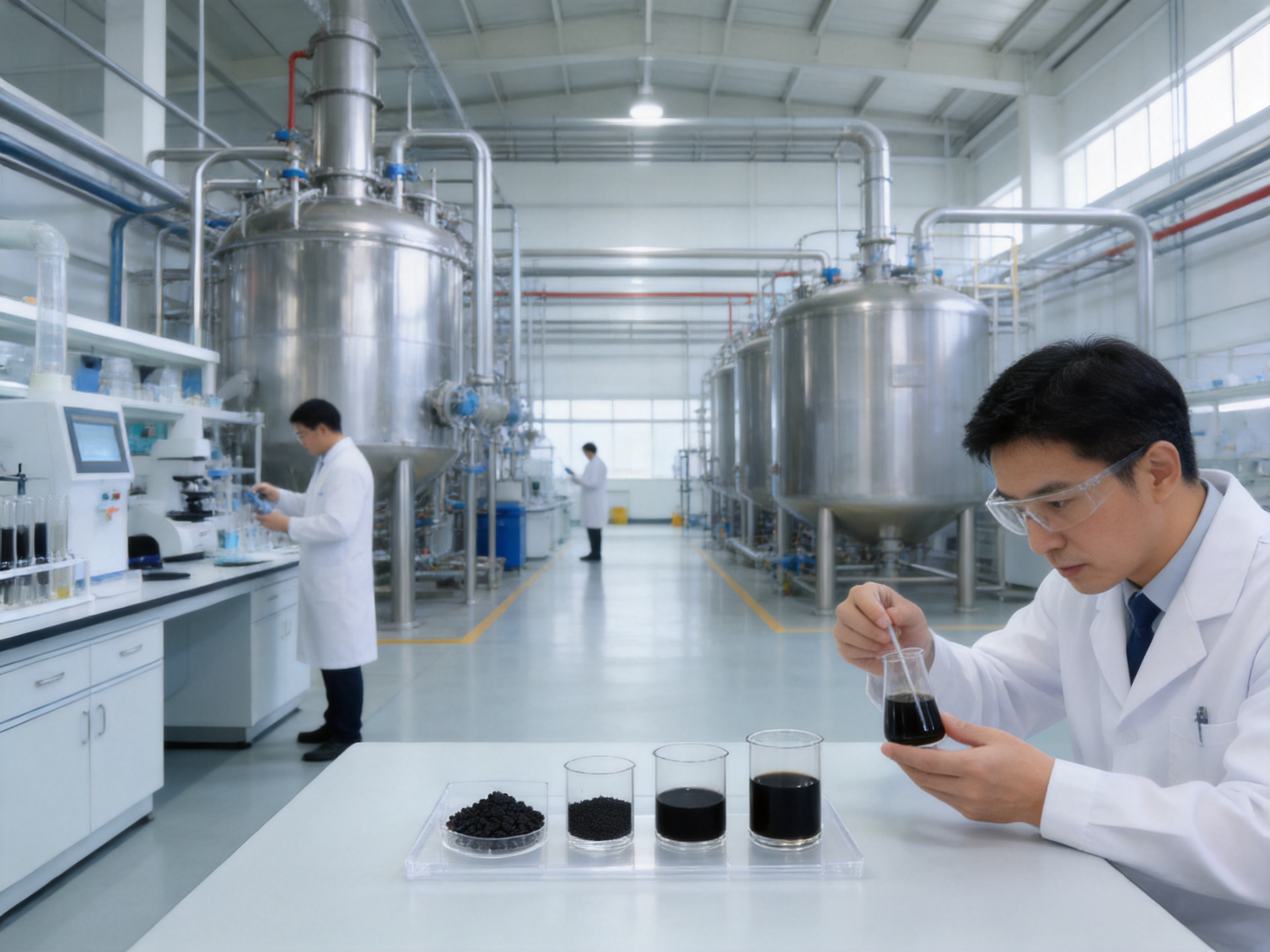
Modern coating, ink, synthetic leather, and adhesive manufacturers increasingly require additives that can deliver strong pigment wetting, stable dispersion, low processing viscosity, and reliable color development at the same time. These requirements become especially demanding when the formulation contains organic pigments or carbon black, because these materials often possess high surface area, strong interparticle attraction, and a tendency to form agglomerates. If the pigment is not properly dispersed, the finished color paste may show excessive viscosity, poor flow, reduced color strength, settling, flocculation, and inconsistent storage stability.
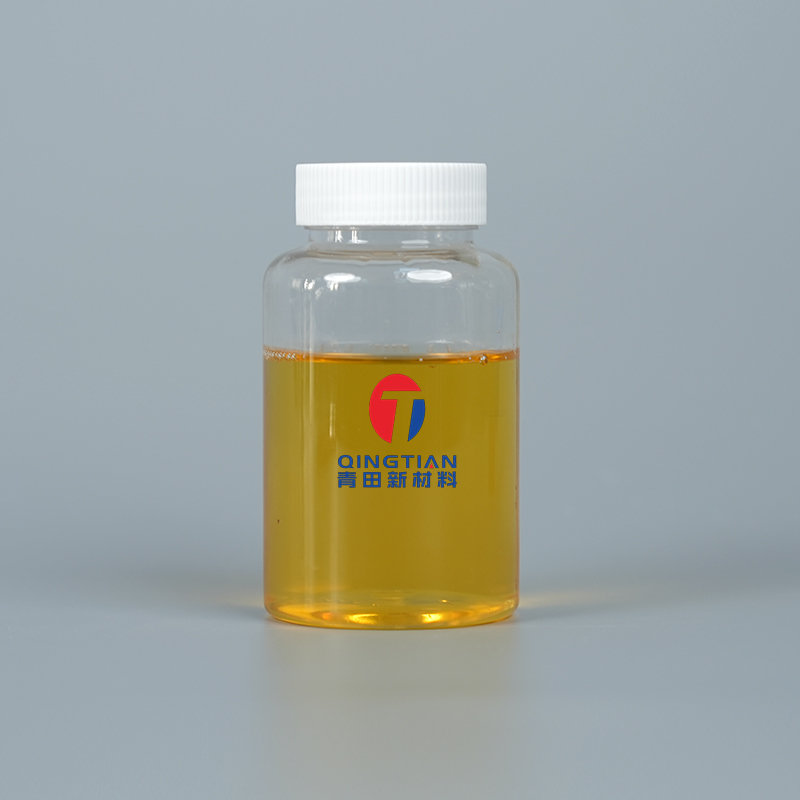
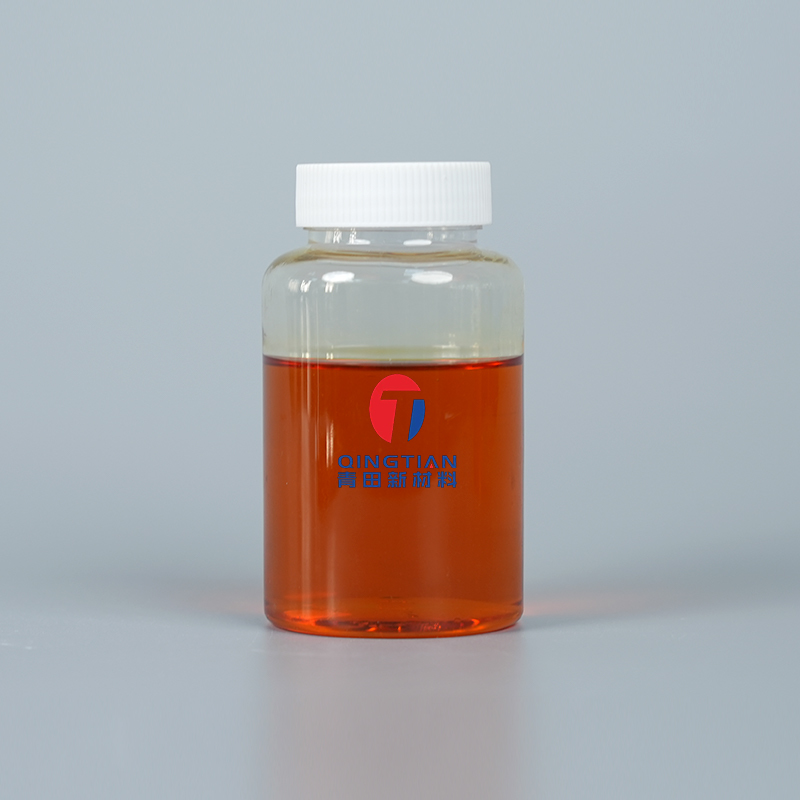
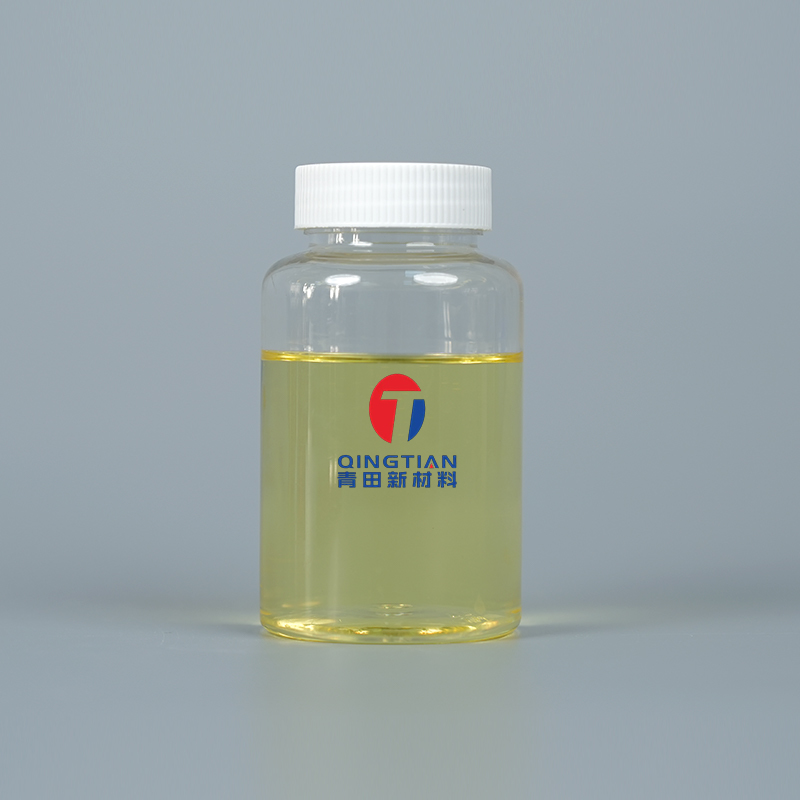
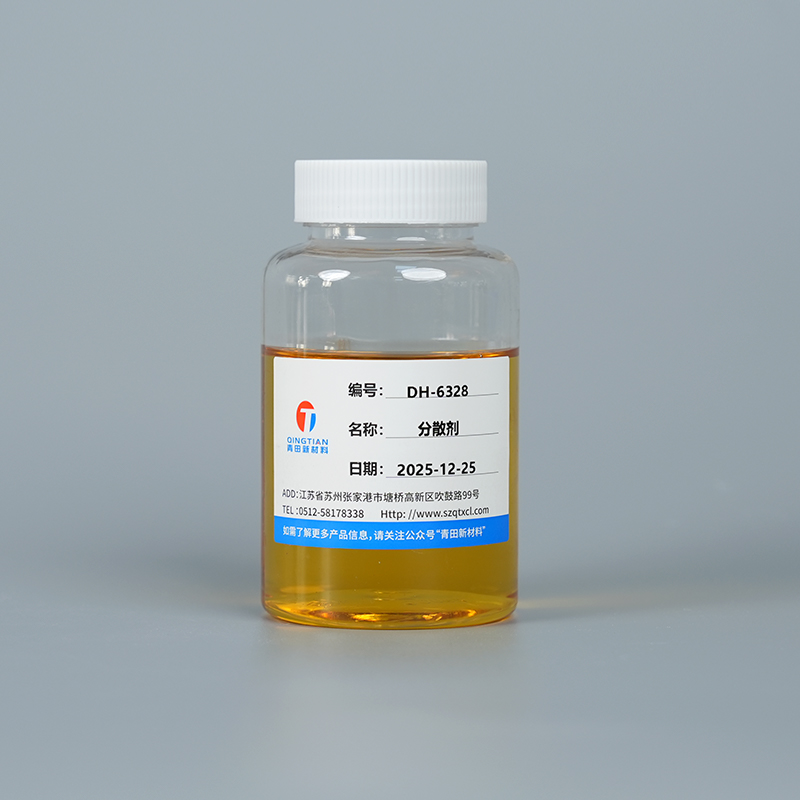
DH-5920 Dispersant is a polymeric dispersant developed for demanding pigment dispersion applications. It is primarily used in solvent-based systems for preparing organic pigment and carbon black color pastes, while also offering strong performance in wet-process polyurethane color paste systems. The product combines wetting, dispersion, viscosity reduction, and anti-flocculation effects in one additive solution. It is particularly suitable for microfiber leather black paste, PU black paste, microfiber leather color paste, and wet-process PU black paste.
Its most important performance value is the ability to improve pigment incorporation without sacrificing fluidity. In practical terms, DH-5920 helps manufacturers achieve higher pigment loading while maintaining a comparatively low-viscosity color paste. This balance can improve grinding efficiency, simplify processing, enhance production consistency, and support better final appearance in coating and leather applications.
The product is manufactured and supplied by Suzhou Qingtian New Material Co., Ltd., a professional producer and supplier of raw materials for coatings, inks, adhesives, and related industrial formulations. The company combines product development, application support, testing capabilities, and modern production resources to provide additive solutions for specialized industrial needs.
Pigment dispersion is not simply a matter of mixing powder into a liquid. It is a controlled process involving wetting, deagglomeration, stabilization, and distribution of pigment particles throughout a continuous phase. Each stage influences the performance of the final color paste.
When a dry pigment is added to a resin or solvent system, its surface initially resists penetration by the liquid. Air may remain trapped within pigment agglomerates, and the particles may be held together by van der Waals forces, surface polarity, hydrogen bonding, or other attractive interactions. Carbon black can be particularly difficult because of its extremely fine particle structure and high surface area. A small amount of poorly dispersed carbon black can create a significant increase in viscosity.
Organic pigments also create dispersion challenges. They may have irregular particle surfaces, strong crystal interactions, or different surface characteristics depending on the pigment type and manufacturing history. Without an effective dispersant, the pigment may remain in coarse agglomerates. These agglomerates reduce color efficiency and can cause defects such as specks, streaks, poor rub-out, uneven shade, and surface roughness.
A successful dispersant must therefore perform several functions. First, it should help the liquid phase spread across the pigment surface. Second, it should assist mechanical energy in breaking down agglomerates during grinding. Third, it should stabilize the newly separated particles so that they do not immediately come back together. Finally, it should provide these effects without introducing excessive viscosity, poor compatibility, foam, or instability in the finished system.
DH-5920 is designed around this multifunctional requirement. Its polymeric structure supports wetting and dispersion while contributing to anti-flocculation behavior. The result is a product intended to help formulators control pigment concentration, process viscosity, and storage stability in systems where conventional dispersing approaches may not provide a sufficient balance.
DH-5920 Dispersant
DH-5920 is a polymeric dispersant for pigment-containing formulations. Its principal application is the preparation of organic pigment and carbon black color pastes in solvent-based systems. It is also suitable for wet-process polyurethane color paste systems, especially applications involving black paste and microfiber leather coloration.
The product provides the following central functions:
• Strong wetting of pigment surfaces.
• Efficient dispersion during grinding and mixing.
• Anti-flocculation support after pigment particles have been separated.
• Effective viscosity reduction in pigment concentrates.
• Support for increased pigment loading.
• Improved fluidity of color paste formulations.
• Contribution to storage stability.
• Strong grinding and dispersion performance for acidic-surface carbon black.
These functions are especially valuable in black paste production. Carbon black formulations frequently require high pigment concentration to achieve deep, uniform color. At the same time, excessive pigment loading can quickly increase viscosity and make pumping, grinding, filling, and application more difficult. DH-5920 is intended to address this conflict by improving particle wetting and stabilization so that the formulator can work toward a higher pigment concentration without creating an unnecessarily thick paste.
DH-5920 is applicable to organic pigment color pastes, carbon black color pastes, microfiber leather black paste, PU black paste, microfiber leather color paste, and wet-process PU black paste. These applications often require a combination of high color strength, good flow, smooth processing, and stable storage.
In solvent-based color paste systems, the dispersant helps the pigment become more compatible with the liquid vehicle and resin environment. In wet-process PU systems, it supports the production of color pastes with strong wetting, lower viscosity, and improved pigment content. Its use is particularly relevant when acidic-surface carbon black creates difficult grinding or viscosity behavior.
| Performance characteristic | Practical value in formulation |
|---|---|
| Polymeric dispersing action | Supports pigment separation and stabilization during and after grinding |
| Excellent wetting | Helps liquid penetrate pigment agglomerates and improves pigment incorporation |
| Viscosity reduction | Improves flow, pumping, mixing, grinding, and handling of concentrated pastes |
| Anti-flocculation effect | Helps limit re-agglomeration and shade or viscosity changes during storage |
| High pigment loading support | Allows formulators to pursue stronger color concentration while retaining processability |
| Carbon black performance | Provides strong grinding and dispersion behavior for acidic-surface carbon black |
| PU color paste suitability | Supports wet-process PU and microfiber leather color paste preparation |
| Storage stability contribution | Helps maintain a more consistent paste condition over time when properly formulated |
The exact result in a finished formulation depends on pigment type, resin, solvent or liquid phase, grinding equipment, additive dosage, temperature, and processing sequence. Nevertheless, the product’s design gives formulators a practical tool for improving the overall balance between pigment content and paste viscosity.
Wetting is the first critical step in effective dispersion. If the liquid phase does not adequately wet the pigment surface, mechanical grinding energy is used inefficiently. Instead of separating particles, the equipment may simply move large, poorly penetrated agglomerates through the mixture.
A polymeric dispersant can improve this stage by promoting contact between the liquid medium and the pigment surface. Better wetting helps displace air, improves initial incorporation, and allows the liquid phase to reach more of the pigment’s available surface area. This is particularly important for fine carbon black, where the high surface area can demand a significant amount of liquid and dispersant.
For organic pigments, improved wetting may help reduce the time required to achieve a uniform paste. It can also reduce the number of unincorporated particles that remain after premixing. A well-wetted pigment is more responsive to subsequent grinding and can be distributed more evenly throughout the continuous phase.
In practical production, strong wetting may provide several benefits. Operators may observe easier powder addition, reduced formation of dry lumps, more uniform premix consistency, and improved transfer from the mixing stage to the grinding stage. These improvements can help reduce interruptions and make the production process more predictable.
DH-5920 is therefore not limited to a final stabilization role. It contributes from the beginning of the dispersion process, helping the liquid phase engage with the pigment before and during mechanical treatment.
After wetting, the pigment must be broken down and distributed. Grinding equipment supplies the mechanical energy needed to reduce agglomerates, but the additive determines how effectively the separated particles remain dispersed. If particles re-form immediately after leaving the high-shear zone, the apparent benefit of grinding may be temporary.
DH-5920 provides polymeric dispersing action that supports pigment separation and stabilization. During grinding, it helps the liquid phase maintain contact with pigment surfaces. After grinding, its anti-flocculation effect helps reduce the tendency of particles to approach and associate again.
Anti-flocculation is important because pigment particles can interact strongly when their surfaces are not adequately protected. Re-flocculation may cause a rise in viscosity, a reduction in color strength, poor gloss, uneven surface appearance, or sedimentation behavior. It may also lead to changes in color shade during application, especially when a formulation is stored for an extended period or exposed to temperature variation.
By supporting stabilization, DH-5920 can help preserve the benefits created during grinding. A stable dispersion is more likely to maintain uniform color distribution and consistent application behavior. This is important not only for the immediate production batch, but also for downstream users who may store, dilute, mix, or apply the color paste at a later time.
For acidic-surface carbon black, the dispersant’s grinding and dispersion performance is especially relevant. Acidic surface characteristics can affect compatibility, adsorption, viscosity, and the interaction between carbon black and other formulation components. DH-5920 is intended to provide strong dispersion performance in this challenging area, helping manufacturers prepare black pastes with improved loading and flow.
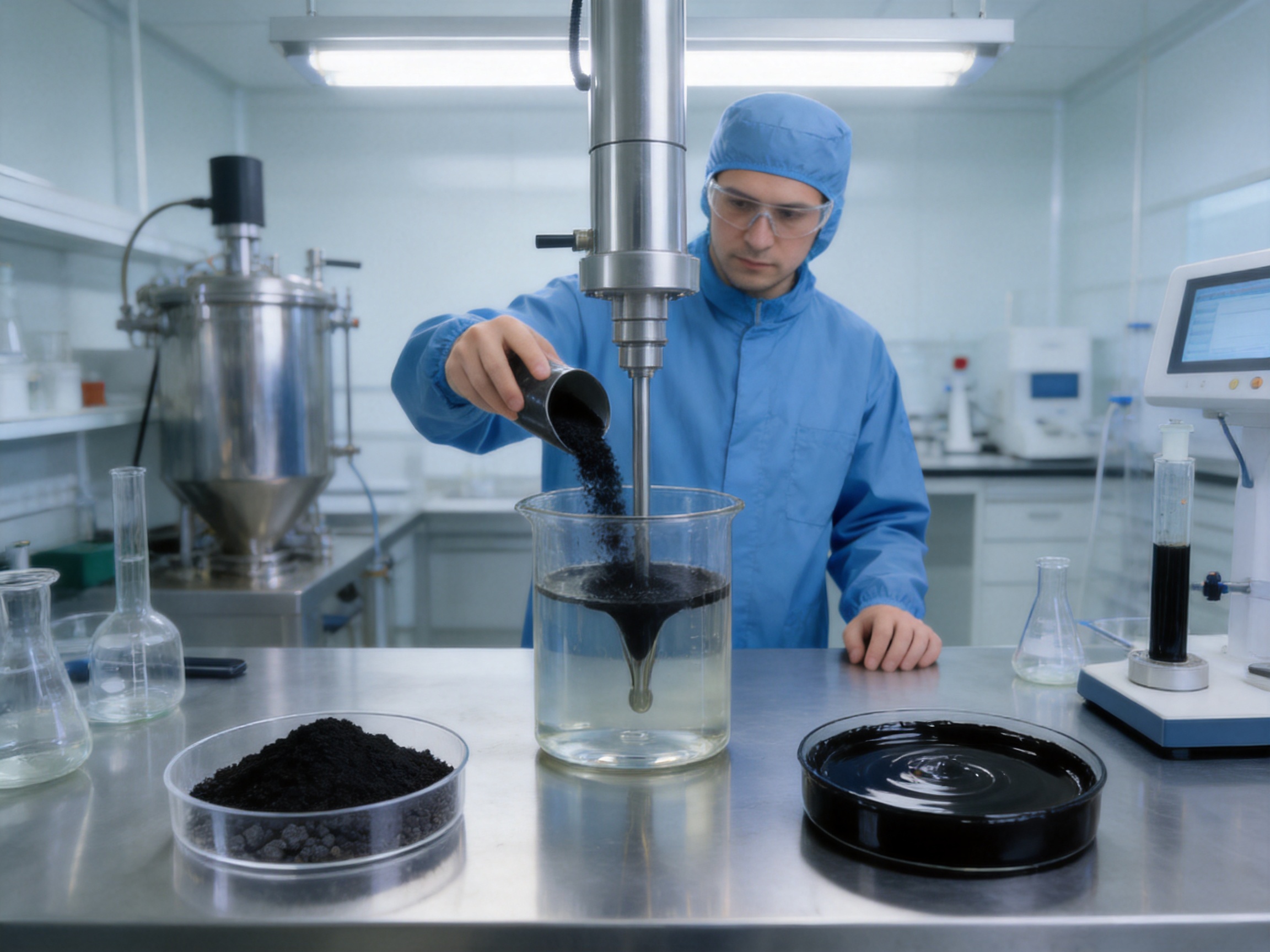
One of the product’s most significant advantages is its excellent viscosity reduction effect. In concentrated pigment pastes, viscosity is often the limiting factor that controls how much pigment can be added. A paste that is too thick may be difficult to mix, grind, pump, filter, fill, or apply. High viscosity can also reduce manufacturing throughput and increase the energy required for processing.
DH-5920 helps reduce the internal resistance of the pigment concentrate by improving wetting and limiting particle association. When pigment particles are more effectively separated and stabilized, they are less likely to form a network that immobilizes the liquid phase. This can result in improved fluidity and lower apparent viscosity.
Lower viscosity offers direct production benefits. It may make it easier to add pigment powder, improve circulation in mixing vessels, reduce load on pumps, and support more consistent grinding. It can also help the operator reach the target fineness without excessive processing time. In a high-volume plant, these improvements may support better equipment utilization and more stable batch-to-batch production.
The ability to maintain lower viscosity also creates an opportunity for higher pigment loading. This does not mean that every formulation can increase pigment content by the same amount. The maximum practical loading depends on pigment structure, resin compatibility, solvent balance, grinding conditions, and additive dosage. However, a dispersant that reduces viscosity gives formulators more room to optimize pigment concentration.
Higher pigment loading can improve color paste economics and logistics. A more concentrated paste may require less material to achieve a target shade, reducing the volume of color paste that must be stored, transported, and added to a finished formulation. It may also allow users to adjust color strength with smaller addition levels.
In black paste production, this advantage is particularly valuable. Deep black shades often depend on high carbon black concentration, but carbon black can cause rapid viscosity growth. DH-5920 is designed to help maintain low viscosity, good fluidity, and useful storage stability while increasing carbon black loading.
Microfiber leather and polyurethane-based synthetic leather systems require colorants that can be incorporated evenly and processed consistently. Uneven pigment dispersion may create visible shade variation, specking, streaking, or differences in surface appearance. Black paste is especially sensitive because any poorly dispersed carbon black can become visible as a defect or create local changes in color intensity.
DH-5920 is suitable for microfiber leather black paste and microfiber leather color paste systems. Its wetting and dispersion performance helps support uniform pigment distribution in the color concentrate. Its viscosity reduction effect can improve the handling of concentrated pastes during manufacturing and addition to the broader polyurethane system.
For wet-process PU black paste, the product offers strong wetting, good viscosity reduction, and support for increased pigment content. These characteristics can help the formulator prepare a color paste that is sufficiently concentrated while still remaining fluid enough for pumping, metering, and controlled addition.
A stable color paste can also contribute to production consistency. When pigment remains evenly distributed, the colorant is more likely to deliver consistent shade from the beginning to the end of a production run. Reduced flocculation can help limit changes in viscosity or color strength during storage and handling.
The exact use level should be established through laboratory evaluation and pilot-scale testing. Each PU system has its own resin chemistry, solvent or liquid composition, pigment surface treatment, and processing requirements. The best dosage is the level that provides adequate wetting, dispersion, viscosity control, and stability without creating compatibility problems or unnecessary additive cost.
Black paste producers commonly seek four outcomes: strong color development, high carbon black concentration, manageable viscosity, and stable storage. DH-5920 addresses all four requirements as part of an integrated dispersing approach.
Strong wetting supports more complete pigment incorporation. Effective grinding and dispersion help produce a uniform black concentrate. Viscosity reduction helps preserve fluidity at higher loading. Anti-flocculation support helps maintain the paste condition during storage.
This combination can reduce the need to compensate for poor dispersion by adding excessive solvent or liquid vehicle. It may also help limit the use of multiple separate additives, although compatibility testing should always determine whether additional wetting agents, stabilizers, defoamers, or resin modifiers are necessary.
Many dispersants can provide some degree of pigment wetting, but performance differences become clear when the formulation contains high surface area carbon black or requires high pigment loading. A product may wet the pigment effectively but fail to reduce viscosity. Another may reduce initial viscosity but provide insufficient storage stability. A third may work with one organic pigment but show weaker performance with acidic-surface carbon black.
DH-5920 is positioned as a balanced polymeric solution for these combined challenges. Its advantages include the following:
The product is designed to support both initial pigment wetting and longer-term dispersion stability. This is more useful than a system that only improves powder incorporation but does not adequately limit re-flocculation.
Excellent viscosity reduction is a central product feature. This supports processing efficiency and may allow higher pigment loading than would be practical with a less effective dispersant under comparable conditions.
Acidic-surface carbon black can create complex dispersion behavior. DH-5920 offers strong grinding and dispersion performance for this type of pigment, making it especially relevant to black paste manufacturers.
The product is suitable for wet-process PU and microfiber leather color paste applications. This application focus gives it practical relevance for manufacturers that need a dispersant compatible with synthetic leather coloration and polyurethane processing.
The product helps formulators pursue greater pigment content while maintaining low viscosity and good flow. This can provide advantages in color strength, storage volume, handling, and material efficiency.
When dispersion, viscosity, and storage stability are addressed by one specialized product, the formulator may have greater flexibility in simplifying the additive package. The final formulation still requires testing, but a balanced dispersant can reduce the need for excessive corrective adjustments.
These advantages should be understood as formulation benefits rather than absolute guarantees. Competitive performance depends on the specific reference product, pigment, resin, solvent, equipment, and test method. A proper side-by-side evaluation should compare viscosity, fineness, color strength, gloss, storage stability, flow, and compatibility under identical conditions.
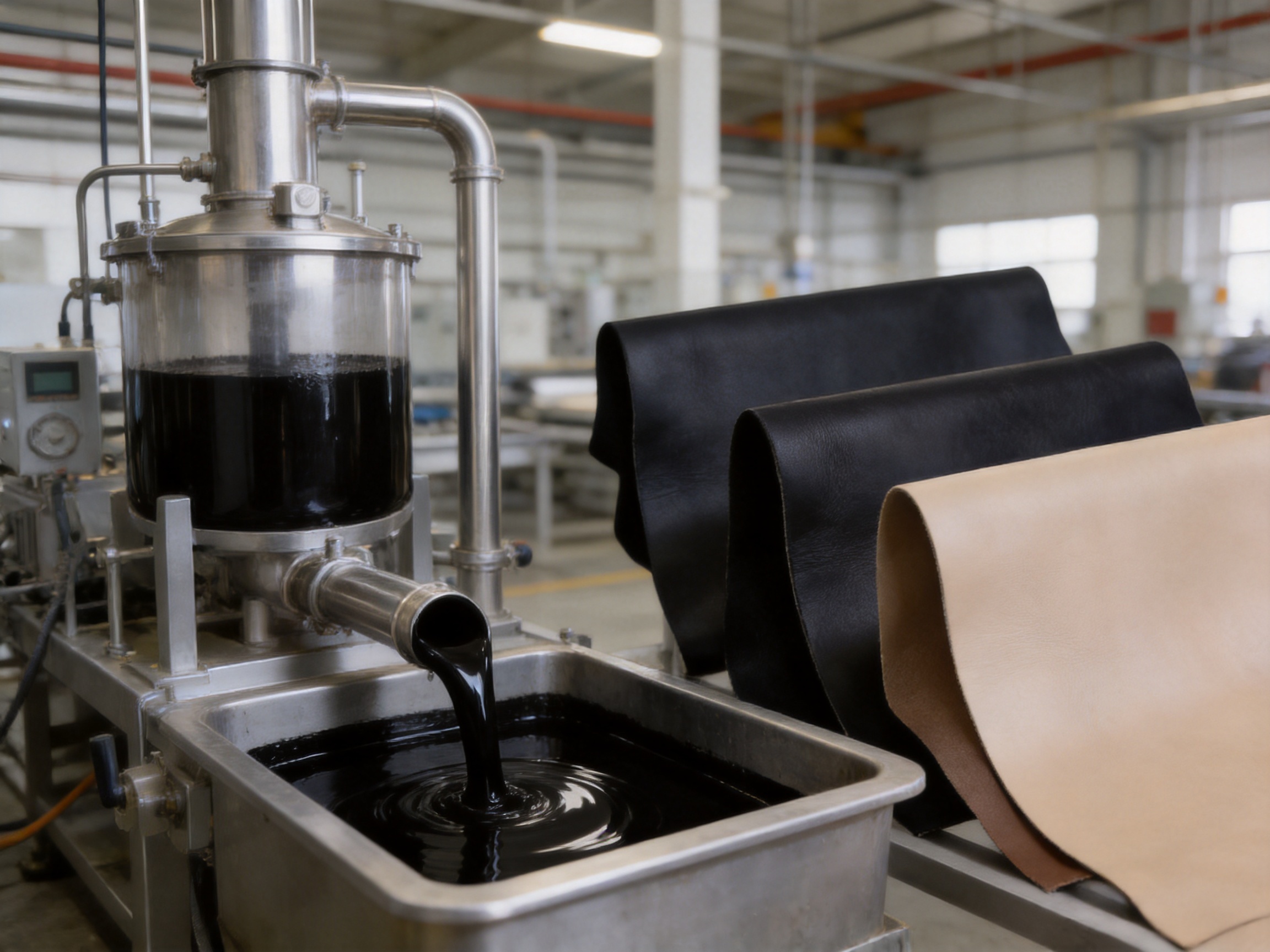
Although the optimal procedure varies by production line, a systematic approach can help users obtain the best performance from DH-5920.
Before full-scale production, the dispersant should be evaluated with the selected pigment, resin, solvent or liquid phase, and any other additives. The purpose is to confirm compatibility and identify a suitable dosage range. Small laboratory batches can reveal changes in viscosity, wetting speed, grinding response, color development, and storage behavior.
The dispersant is typically incorporated into the liquid phase before or during pigment addition, depending on the formulation design. Thorough premixing helps distribute the additive throughout the vehicle and supports more consistent contact with pigment particles. The order of addition should be established through laboratory trials because resin and solvent characteristics can influence the result.
Pigment should be added at a controlled rate to avoid creating dry pockets, excessive agglomerates, or sudden viscosity peaks. Carbon black may require particularly careful addition because it can absorb liquid rapidly and increase viscosity quickly. Adequate mixing during powder addition helps the dispersant reach the available pigment surface.
Grinding should continue until the target fineness and uniformity are achieved. The dispersant supports the efficiency of this stage, but equipment settings remain important. Factors such as shear level, residence time, temperature, media selection, and batch size can significantly affect dispersion quality.
After grinding, the paste may be adjusted to the desired viscosity, pigment concentration, or application consistency. Any adjustment should be made gradually and evaluated for its effect on storage stability. Over-dilution may reduce pigment concentration, while insufficient liquid may produce poor flow or difficult handling.
Finished color paste should be checked for viscosity, fineness, color strength, shade consistency, flow, sedimentation, and storage stability. For black paste, rub-out, tinting strength, undertone, and visual uniformity may also be important. These tests help determine whether the selected dispersant level and process conditions are appropriate.
The performance of an industrial additive depends not only on its chemical design but also on the manufacturer’s ability to produce consistent quality. Suzhou Qingtian New Material Co., Ltd. has specialized in raw materials for coatings, inks, adhesives, and related applications since its founding in 2012.
The company has developed an experienced team that includes research and development specialists, sales professionals, and technical personnel. This combination supports a product development model that connects laboratory research with practical customer requirements. For a dispersant such as DH-5920, this connection is important because performance must be evaluated in real pigment, resin, and processing systems rather than only under isolated laboratory conditions.
The company operates a modern production facility supported by advanced testing equipment and research capabilities. These resources help support raw material evaluation, formulation development, process monitoring, and product quality verification. A manufacturer with testing capabilities can investigate viscosity behavior, pigment dispersion, storage stability, and application performance more systematically.
Its move to Lingrui Intelligent Manufacturing Park in Zhangjiagang High-Tech Zone in 2021 strengthened the company’s research and production capacity. The location and facility development provide a platform for continued investment in manufacturing, quality control, and technical service.
Innovation is a central part of the company’s development strategy. The company’s product portfolio includes dispersants, leveling agents, defoamers, adhesion promoters, anti-settling agents, cooling agents, conductive agents, orange peel texture agents, texture powders, and wax powders. This breadth gives the technical team experience across multiple additive functions and application environments.
Its development milestones include the creation of China’s first ice flower resin in 2016 and recognition as a National High-Tech Enterprise in 2020. These milestones indicate a continuing focus on technical development and industrial material innovation.
For users of DH-5920, a broad additive portfolio can be valuable because pigment dispersion rarely exists in isolation. A color paste may also require control of foam, leveling, adhesion, settling, surface texture, or compatibility. A supplier with expertise in several additive categories may be better positioned to understand how one additive interacts with the wider formulation.
Advanced testing equipment supports more reliable evaluation of incoming materials, intermediate products, and finished additives. Consistency is particularly important for dispersants because small changes in active composition or physical properties can affect viscosity reduction, grinding efficiency, pigment loading, and storage stability.
Quality support should include clear product documentation, controlled manufacturing procedures, batch identification, and responsive technical communication. While specific quality specifications must be confirmed with the supplier, the company’s production and research structure is intended to support dependable industrial supply.
Coating, ink, adhesive, PU, and synthetic leather manufacturers often require more than a standard product recommendation. They may need help selecting an additive, optimizing dosage, improving a grinding sequence, or diagnosing a viscosity problem. The company’s professional sales and technical team can help connect product characteristics with application requirements.
This application-focused approach is important when introducing DH-5920 into an existing formulation. The most successful result may depend on the interaction between dispersant level, pigment surface chemistry, resin selection, solvent balance, and equipment conditions. Technical communication can help shorten the evaluation cycle and reduce unnecessary trial-and-error work.
Industrial users evaluate dispersants according to more than initial laboratory performance. They also consider batch consistency, supply reliability, technical support, packaging, communication, and the manufacturer’s ability to support long-term cooperation.
Suzhou Qingtian New Material Co., Ltd. emphasizes quality, service, innovation, and win-win cooperation. Its modern production facility, experienced team, research resources, and testing capabilities support a supply model intended for industrial customers rather than occasional laboratory use.
Reliable quality is important in carbon black and PU color paste production because viscosity and dispersion variations can affect many downstream operations. A change in paste viscosity can influence pump settings, metering accuracy, addition rate, grinding behavior, and final shade. Consistent additive performance helps manufacturers maintain more stable production parameters.
Customers should confirm technical specifications, packaging options, sample availability, storage recommendations, and delivery conditions directly with the supplier before commercial adoption. A production trial should be conducted using the customer’s own pigments, resin system, and equipment to verify that DH-5920 meets the required performance targets.
Improving dispersion can contribute to more efficient manufacturing. Better wetting may reduce grinding time or improve the use of mechanical energy. Lower viscosity can support easier transfer, pumping, and mixing. Higher pigment loading can reduce the quantity of color paste required to achieve a target color strength.
These potential benefits may help reduce material handling, energy consumption, and process losses. They may also support more compact storage and transportation of concentrated color pastes. The actual environmental benefit depends on the complete formulation and manufacturing process, so users should evaluate the results through their own production data.
A well-dispersed pigment can also reduce rejected batches and rework caused by shade variation, specks, poor flow, or storage instability. Improving first-pass quality may provide both economic and resource benefits. In this context, the dispersant is not only a processing aid; it can be part of a broader strategy for improving manufacturing efficiency.
If the paste becomes too thick during pigment addition, possible causes include insufficient wetting, excessive pigment loading, unsuitable liquid balance, or rapid powder addition. DH-5920 may help by improving wetting and reducing particle association. The operator should also review the addition sequence, mixing intensity, and temperature.
Poor grinding may result from dry agglomerates, inadequate premixing, insufficient dispersant, unsuitable equipment settings, or excessive batch size. The product can support grinding performance, but the process must still provide sufficient mechanical energy and appropriate residence time.
A delayed viscosity increase may indicate re-flocculation, sedimentation, solvent evaporation, temperature effects, or incompatibility with another formulation component. DH-5920 provides anti-flocculation support, but storage testing should be performed under the expected temperature and time conditions.
Uneven color may result from incomplete dispersion or inconsistent pigment distribution. Weak color strength can also occur when carbon black remains in coarse agglomerates. Improved grinding, suitable dispersant dosage, and proper stabilization can help the pigment express more of its available color potential.
Surface defects may be connected to coarse particles, unstable viscosity, incompatible additives, or inadequate filtration. DH-5920 supports good fluidity and dispersion, but the complete system must be examined when defects remain.
Before approving DH-5920 for production, formulators should compare it with their current dispersant under controlled conditions. The following evaluation points are useful:
• Ease of pigment wetting during powder addition.
• Premix viscosity and appearance.
• Grinding time required to reach the target fineness.
• Final viscosity at the intended pigment loading.
• Color strength and shade consistency.
• Carbon black undertone and uniformity.
• Flow and pumping behavior.
• Resistance to flocculation.
• Sedimentation or hard settling.
• Storage stability at room and elevated temperatures.
• Compatibility with the intended PU, resin, solvent, or coating system.
• Effect on downstream application and finished appearance.
A side-by-side study should use the same pigment batch, liquid vehicle, grinding equipment, temperature, and test method. This creates a fair comparison and helps identify whether the product provides a meaningful advantage over the existing additive.
DH-5920 is a polymeric dispersant designed for organic pigment and carbon black color pastes. It provides wetting, dispersion, anti-flocculation, and viscosity reduction effects.
Yes. It is suitable for carbon black color paste preparation and exhibits strong grinding and dispersion performance for acidic-surface carbon black.
Yes. DH-5920 is suitable for wet-process PU black paste, PU black paste, microfiber leather black paste, and microfiber leather color paste systems.
The product provides excellent viscosity reduction. This can improve paste fluidity, processing, pumping, grinding, and the possibility of achieving higher pigment loading.
No additive should be assumed to eliminate every stability issue under all conditions. DH-5920 provides anti-flocculation support and contributes to storage stability, but final results depend on pigment, resin, liquid phase, dosage, processing, and storage conditions.
It is designed to help increase pigment loading while maintaining low viscosity and good fluidity. The practical loading limit must be established through formulation trials.
The product is listed under water-borne dispersants, while its described applications primarily include solvent-based organic pigment and carbon black color pastes as well as wet-process PU systems. Users should confirm compatibility with their exact liquid medium and resin system through testing.
Its main described applications are organic pigments and carbon black. Compatibility with a particular pigment should be confirmed in a laboratory evaluation.
The appropriate dosage depends on pigment surface area, pigment type, target loading, resin, liquid medium, grinding equipment, and required storage stability. A dosage ladder study is recommended rather than relying on a universal level.
DH-5920 is a polymeric dispersant intended to provide more than initial wetting. It also supports grinding, pigment stabilization, anti-flocculation, viscosity reduction, and higher pigment loading.
The supplier has an experienced R&D and sales team, a modern production facility, advanced testing equipment, and research capabilities. Its development history includes high-technology enterprise recognition and expansion into an intelligent manufacturing park.
Yes. A production trial is recommended because pigment and PU systems can differ substantially. Testing with the customer’s own materials and equipment provides the most reliable confirmation of performance.
DH-5920 is a specialized polymeric dispersant for manufacturers seeking better control of organic pigment and carbon black color pastes. Its combination of wetting, grinding, dispersion, anti-flocculation, and viscosity reduction makes it relevant to demanding solvent-based and wet-process PU applications.
The product’s strongest advantages are its support for acidic-surface carbon black, its ability to improve fluidity, and its potential to help formulators increase pigment loading without creating excessive viscosity. These benefits are particularly important in microfiber leather black paste, PU black paste, and other concentrated color paste systems.
Its value is further supported by the supplier’s experience in coatings, inks, adhesives, and additive technologies. Suzhou Qingtian New Material Co., Ltd. combines research and development, modern manufacturing resources, advanced testing equipment, and application-oriented service. This structure enables the company to offer more than a single additive; it provides a foundation for developing practical chemical solutions around customer-specific production challenges.
For the best results, users should evaluate DH-5920 through controlled laboratory testing, pilot production, and storage studies. When the dosage and processing conditions are properly optimized, the dispersant can help create color pastes with stronger pigment incorporation, lower viscosity, better flow, improved storage stability, and more consistent final performance.
1. Product technical information for DH-5920 Polymeric Dispersant, supplier-provided application description.
2. General principles of pigment wetting, grinding, dispersion, and anti-flocculation in industrial color paste formulation.
3. General formulation practices for carbon black dispersions and high-pigment-loading color concentrates.
4. General application principles for polyurethane color pastes and microfiber synthetic leather coloration.
5. Supplier-provided company information concerning research, manufacturing, testing capabilities, product categories, and corporate development.
 Wholesale Paint/ Coating Additives Manufacturers
Custom Industrial Chemical Solutions Suppliers
Wholesale Paint/ Coating Additives Manufacturers
Custom Industrial Chemical Solutions Suppliers