русский
 Español
 Français
Home / Author / Tang Yuxi — Senior After-Sales Service Engineer / DH-7269S Adhesion Promoter for High-Performance Water-Based and Metal-Coating Systems
Tang Yuxi — Senior After-Sales Service Engineer

Content
Adhesion is one of the most important performance factors in coatings, sealants, adhesives, and composite materials. A formulation may have excellent color, hardness, flexibility, or chemical resistance, yet still fail if it cannot form a stable bond with the substrate or maintain that bond during service. This challenge becomes especially demanding when the substrate is metal, when the formulation is water-based, or when the system contains a high level of inorganic fillers.
DH-7269S Adhesion Promoter is designed to address these challenges through a combination of filler-dispersing capability, epoxy reactivity, interfacial coupling, and metal-surface modification. It helps improve the compatibility between inorganic materials and polymeric binders while strengthening the connection between the coating or adhesive film and the underlying substrate. The result is a more integrated material structure with improved mechanical performance and better resistance to environmental exposure.
The product is particularly suitable for metal surface treatment, water-based sealants, water-based coatings, and water-based adhesives. It can also be used in air-drying and baking systems, providing formulators with flexibility when developing products for industrial finishing, corrosion protection, composite materials, and general bonding applications.
Unlike an additive that contributes only one isolated effect, DH-7269S is intended to support several connected stages of formulation performance. It can help fillers disperse more efficiently, promote stronger interaction between inorganic and organic phases, improve adhesion to metal, and contribute to better flexural strength, tensile strength, impact strength, elastic modulus, and salt spray resistance.
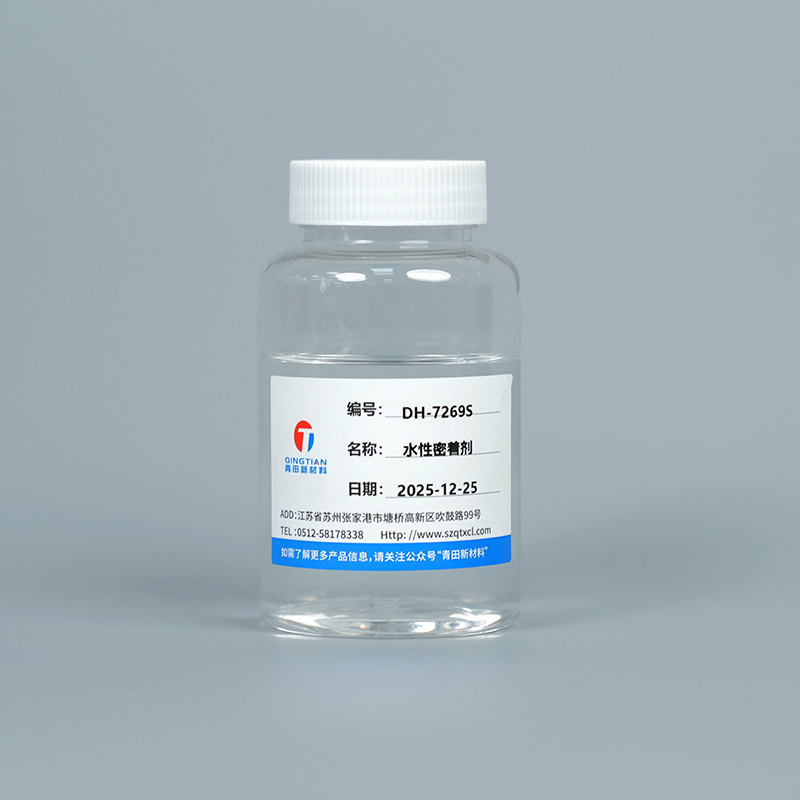
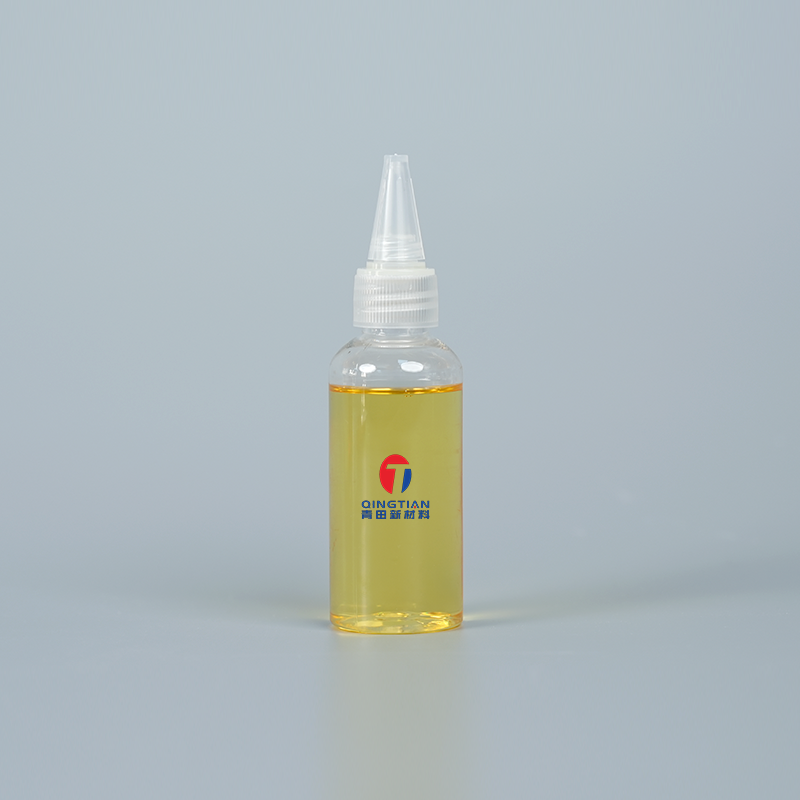
DH-7269S Adhesion Promoter
Modern coatings and adhesives are rarely composed of a single resin and a single pigment. Most industrial formulations contain pigments, mineral fillers, functional powders, catalysts, solvents or water, rheology modifiers, defoamers, and other performance additives. Each component can influence the final properties of the system. If the interfaces between these components are weak, the finished material may exhibit poor strength, cracking, delamination, pinholing, or premature corrosion.
Inorganic fillers are often added to reduce cost, control shrinkage, increase hardness, adjust thermal behavior, improve barrier properties, or modify the texture of a coating. However, many inorganic surfaces are polar and hydrophilic, while common polymer binders may be relatively nonpolar or chemically different. This mismatch can cause poor wetting, agglomeration, unstable dispersion, and weak stress transfer.
When a composite material is exposed to bending, impact, tensile loading, or thermal cycling, stress concentrates at poorly bonded interfaces. Instead of transferring stress uniformly through the material, the weak interface becomes a path for crack formation. A suitable adhesion promoter can reduce this problem by improving interfacial compatibility and supporting stronger interaction between the resin, filler, and substrate.
Metal substrates introduce additional difficulties. Their surfaces may contain oxides, residues, microscopic irregularities, and variations in surface energy. Even after cleaning and pretreatment, the surface chemistry may not be fully compatible with the selected coating or adhesive. A coating can appear well bonded immediately after application but later lose adhesion when exposed to salt spray, moisture, temperature changes, impact, or repeated deformation.
Water-based formulations present another set of requirements. They are increasingly selected for environmental, regulatory, and workplace reasons, but water can affect wetting, drying, coalescence, and interfacial bonding. An additive used in a water-based system must be compatible with the formulation and should not create excessive instability, surface defects, or storage problems.
DH-7269S is developed for this type of multi-variable formulation environment. Its value lies in helping address the relationship between dispersion, chemical reactivity, surface modification, and long-term coating performance rather than treating adhesion as an isolated property.
The primary positioning of DH-7269S is as an adhesion promoter for metal substrates. It is intended to improve the interaction between a coating, sealant, or adhesive layer and the metal surface. This can be especially valuable in applications where the finished product must resist moisture, salt, impact, bending, or mechanical handling.
Improved substrate adhesion helps reduce the risk of peeling, blistering, edge lifting, and delamination. In protective coatings, better adhesion also supports the integrity of the film over the metal surface. When the film remains continuous and securely attached, corrosive media have fewer opportunities to reach vulnerable areas.
Adhesion performance depends on many factors, including surface preparation, resin chemistry, curing conditions, film thickness, application method, and environmental exposure. DH-7269S is not a replacement for proper cleaning or pretreatment. Instead, it is a formulation tool that can strengthen the overall interface when incorporated into a properly designed system.
DH-7269S helps ensure excellent dispersion of fillers. Better dispersion can reduce agglomeration and improve the uniformity of the coating or composite. A more uniform distribution of particles supports consistent mechanical behavior and can help minimize weak points within the cured material.
Effective filler dispersion is also important for processing. Agglomerated particles may increase viscosity, block filters, create surface defects, or produce inconsistent gloss and appearance. When fillers are more effectively integrated into the binder, manufacturers may obtain improved batch consistency and more predictable application behavior.
The product also improves compatibility between inorganic fillers and polymers. This is particularly important in systems containing mineral powders, metal oxides, glass-based materials, or other inorganic components. Better compatibility can support stronger stress transfer between the continuous polymer phase and the dispersed filler phase.
One of the product’s important characteristics is good epoxy reactivity. Epoxy-reactive functionality can help the additive participate more effectively in systems based on epoxy chemistry or containing epoxy-reactive groups. This contributes to stronger integration within the cured network and may improve the mechanical properties of composite materials.
Maintaining epoxy reactivity during storage is equally important. Some reactive additives may create formulation instability or lose effectiveness over time if their chemistry is not properly controlled. DH-7269S is designed to maintain good epoxy reactivity and coupling effects while providing better storage stability, giving manufacturers a wider processing window and greater confidence in inventory management.
DH-7269S can significantly improve several mechanical properties of the finished product. These include flexural strength, tensile strength, impact strength, and elastic modulus. The exact level of improvement depends on the resin, filler, substrate, cure schedule, additive concentration, and testing method, but the product is intended to contribute to a stronger and more balanced material structure.
Flexural strength is important when a coated or bonded part experiences bending during assembly, transportation, or service. Tensile strength reflects the ability of the material to withstand pulling forces. Impact strength is essential for components exposed to knocks, vibration, or sudden mechanical loading. Elastic modulus indicates the stiffness of the material and its resistance to deformation under load.
Improving these properties together can be more valuable than maximizing one property alone. For example, a very hard coating may be vulnerable to impact, while a highly flexible coating may lack sufficient stiffness. An adhesion promoter that improves interfacial bonding can help formulators achieve a better balance between strength, flexibility, and durability.
Salt spray resistance is a key consideration for metal coatings and corrosion-protection systems. Salt-containing moisture can penetrate defects, travel along interfaces, and accelerate corrosion beneath the coating. Once underfilm corrosion begins, it may cause blistering, creepage from a scribe, peeling, or loss of adhesion.
DH-7269S is designed to greatly improve salt spray resistance when used in an appropriate formulation. Its contribution may come from improved substrate bonding, better filler distribution, stronger film integrity, and more effective control of interfacial pathways. The product is therefore relevant to industrial coatings and other systems where resistance to humid, saline, or corrosive environments is required.
Salt spray performance should always be evaluated using the complete formulation and the intended substrate preparation method. Laboratory results can vary depending on film thickness, curing, scribe design, substrate grade, pretreatment, and test duration. Nevertheless, the product provides a valuable component for developing coatings with stronger resistance to corrosive exposure.
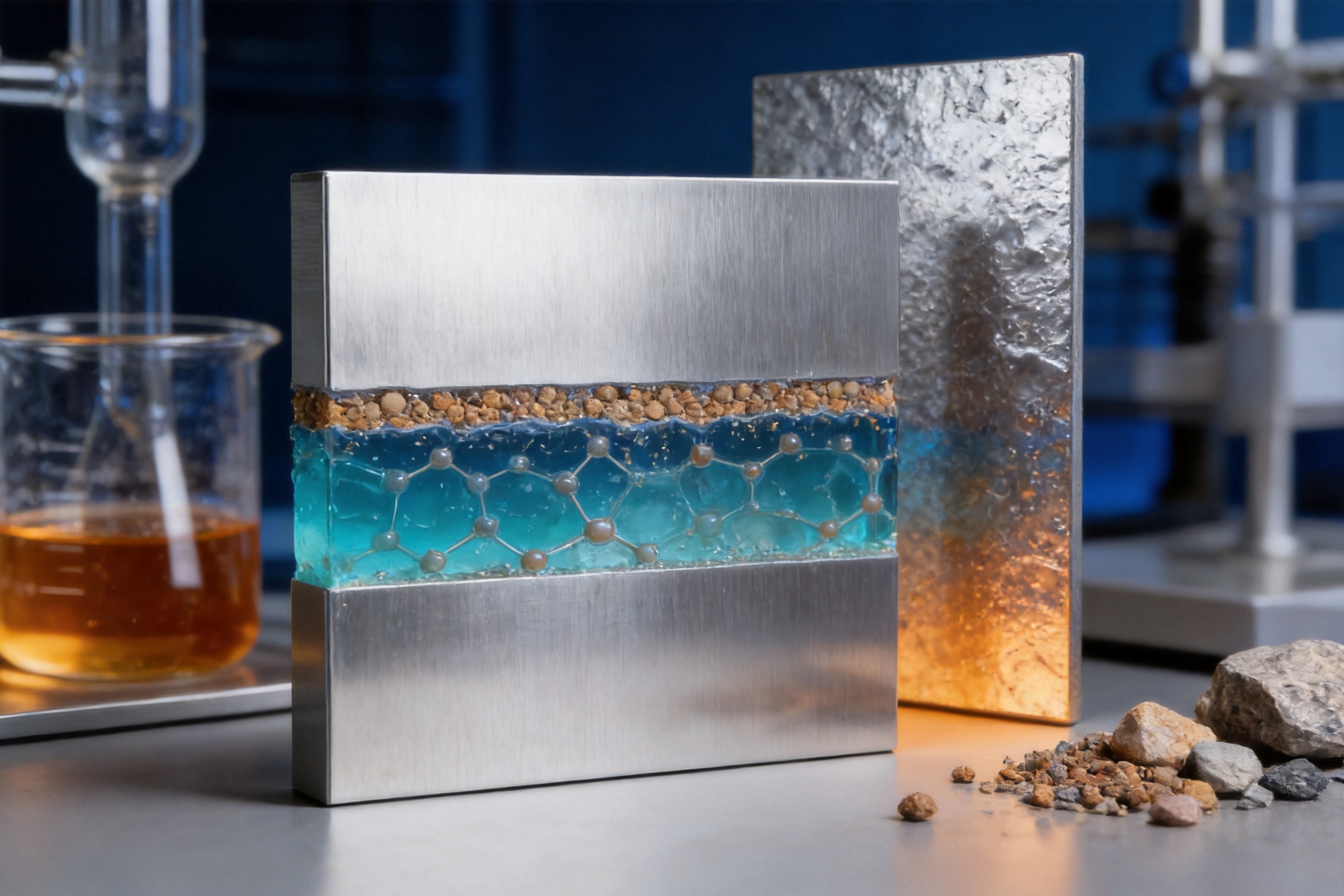
Many additive technologies are designed to solve one specific problem. A dispersant may improve particle distribution but provide limited chemical interaction with the substrate. A conventional wetting additive may improve initial surface coverage without delivering long-term adhesion. A reactive modifier may strengthen the cured network but create storage or compatibility concerns. DH-7269S is positioned as a multifunctional adhesion promoter that connects several of these performance requirements.
The product combines adhesion promotion with filler dispersion, epoxy reactivity, coupling effects, and surface modification. This broad contribution can reduce the need to combine multiple highly specialized additives, although final formulation requirements should always be confirmed through laboratory testing.
Using a multifunctional additive may simplify formulation development. Instead of adjusting several additives independently, a formulator can evaluate one product that addresses the interface between the binder, filler, and substrate. This can help reduce interactions among additives and make the cause of performance changes easier to analyze.
Reactive additives can sometimes improve mechanical properties while reducing shelf stability. If the additive reacts prematurely with the resin or other components, viscosity may rise, gel particles may form, or the formulation may become difficult to process. DH-7269S is intended to maintain its epoxy reactivity and coupling effects while providing better storage stability.
This balance is important for industrial users that manufacture products in batches, transport them over long distances, or store them before application. A more stable additive can contribute to more reliable production scheduling, fewer rejected batches, and more consistent end-user performance.
The product is widely applicable to water-based sealants, water-based coatings, and water-based adhesives. This is a significant advantage for manufacturers transitioning away from higher-emission solvent systems or developing products for applications where water-based processing is preferred.
Water-based systems often require careful control of compatibility, dispersion, drying, and film formation. An adhesion promoter must work within this complex environment without causing excessive instability. DH-7269S provides a specialized option for formulators seeking better adhesion and mechanical performance in water-based products.
DH-7269S is applicable to both air-drying and baking systems. Air-drying systems are useful for large structures, field-applied coatings, repair products, and temperature-sensitive substrates. Baking systems are common in industrial production lines where controlled heating can accelerate curing and improve throughput.
The ability to consider the same adhesion-promoting technology across different cure conditions can help manufacturers standardize development work. It may also make it easier to adapt a formulation from one production route to another, subject to validation of viscosity, application behavior, cure response, and final properties.
Metal coatings require reliable bonding to steel, aluminum, and other metallic substrates. Applications may include industrial equipment, fabricated metal parts, structural components, appliances, transportation components, and general protective finishes. In these systems, DH-7269S can help improve adhesion and contribute to salt spray resistance.
For metal coating development, the additive may be evaluated in primer, intermediate, or topcoat formulations depending on the resin chemistry and performance objective. Primers may benefit from improved substrate interaction, while pigmented topcoats may benefit from improved filler dispersion and stronger film integrity.
Sealants must adhere to substrates while accommodating movement, vibration, and environmental changes. A water-based sealant may be selected for ease of application and lower solvent emissions, but it still needs to maintain cohesive strength and substrate adhesion after drying.
DH-7269S can help improve the connection between the sealant matrix and inorganic components, while also supporting adhesion to metal surfaces. This can be useful in joint sealing, assembly, maintenance, and protective applications where the sealant must withstand repeated mechanical or environmental stress.
In water-based adhesives, adhesion strength depends on wetting, drying, polymer coalescence, substrate energy, and the formation of a continuous adhesive film. DH-7269S may help improve the interaction between the adhesive and difficult substrates, particularly when inorganic fillers or metal components are present.
Potential benefits include improved bond strength, more reliable performance under mechanical stress, and better resistance to environmental exposure. Adhesive developers should evaluate the product in relation to open time, drying rate, viscosity, tack, peel strength, shear strength, and aging behavior.
Composite materials depend on effective stress transfer between a polymer matrix and reinforcing or functional inorganic phases. Weak interfaces can reduce the benefit of the filler or reinforcement, even when the filler itself has excellent intrinsic properties.
By improving compatibility and coupling between inorganic fillers and polymers, DH-7269S can help enhance the mechanical properties of composite materials. Its potential contribution includes improved tensile strength, flexural strength, impact resistance, and elastic modulus.
For air-drying systems, the additive can be considered in formulations where the film must develop adhesion and strength under ambient or moderately controlled conditions. For baking systems, it can be evaluated in industrial processes where heat accelerates crosslinking and film formation.
Because cure temperature and time can influence reactivity, formulators should establish the appropriate addition level and process conditions through testing. The same product may behave differently depending on resin type, pH, water content, catalyst package, pigment volume concentration, and film thickness.
| Performance Requirement | Contribution of DH-7269S | Typical Evaluation Focus |
|---|---|---|
| Metal adhesion | Supports stronger interaction between the coating, adhesive, or sealant and the metal substrate | Cross-cut adhesion, pull-off adhesion, peel strength, and aging retention |
| Filler dispersion | Helps promote uniform distribution of inorganic fillers in the polymer matrix | Particle distribution, viscosity stability, appearance, and sedimentation behavior |
| Mechanical strength | Contributes to flexural strength, tensile strength, impact strength, and elastic modulus | Flexural, tensile, impact, and modulus testing |
| Corrosion resistance | Supports improved salt spray resistance through stronger film and substrate interfaces | Blistering, creepage, corrosion rating, and adhesion after exposure |
| Epoxy compatibility | Provides good epoxy reactivity and coupling effects | Cure response, gel time, hardness development, and chemical resistance |
| Storage stability | Designed to maintain useful reactivity while supporting better storage behavior | Viscosity change, phase stability, sedimentation, and appearance after storage |
The first step is to define the main problem the additive must solve. A coating developer may be focused on adhesion to aluminum, salt spray resistance on steel, or improved compatibility with mineral fillers. An adhesive developer may prioritize tensile shear strength, impact resistance, or bond retention after humidity exposure.
Clearly defining the objective helps determine the most useful test design. If the primary concern is metal adhesion, testing should include both initial adhesion and adhesion after environmental exposure. If filler compatibility is the main concern, dispersion quality, viscosity stability, and mechanical property retention should be measured.
Substrate preparation has a major influence on adhesion. Oil, dust, rust, oxide layers, moisture, and processing residues can interfere with bonding. Cleaning, degreasing, abrasion, conversion treatment, or other pretreatment may be required depending on the metal and application.
DH-7269S should be evaluated together with the actual surface preparation method used in production. An additive cannot compensate for every type of contamination or surface defect. However, when the substrate is appropriately prepared, it can help strengthen the chemical and physical interaction between the applied material and the metal.
A control sample without the adhesion promoter should be prepared under the same conditions as the modified formulation. This allows the contribution of DH-7269S to be measured more accurately. The control and test formulations should use the same resin, pigments, fillers, water content, curing conditions, film thickness, and application method.
Where a competing additive is already being used, a comparative study may include the existing product, DH-7269S, and a combined system if appropriate. The comparison should consider both performance and practical factors such as storage stability, processing ease, surface appearance, and total formulation cost.
The appropriate addition level depends on the formulation and target substrate. A dose-response study is normally recommended. Low, medium, and high addition levels can be evaluated to identify the point at which adhesion and mechanical properties improve without creating negative effects such as excessive viscosity, surface defects, incompatibility, or reduced water resistance.
It is important not to assume that a higher addition level will always produce better performance. The optimum level is usually determined by the balance of adhesion, dispersion, cure response, appearance, stability, and cost. Application-specific testing remains essential.
Initial testing provides information about immediate performance, but aged testing is necessary for industrial decision-making. Samples may be exposed to humidity, water immersion, thermal cycling, salt spray, or other relevant environments before adhesion and mechanical properties are measured again.
Retention of performance after aging is particularly important. A material that has excellent initial adhesion but loses bonding after moisture exposure may not be suitable for demanding applications. DH-7269S is designed to support more durable adhesion and salt spray resistance, but the complete formulation must be validated under the intended service conditions.
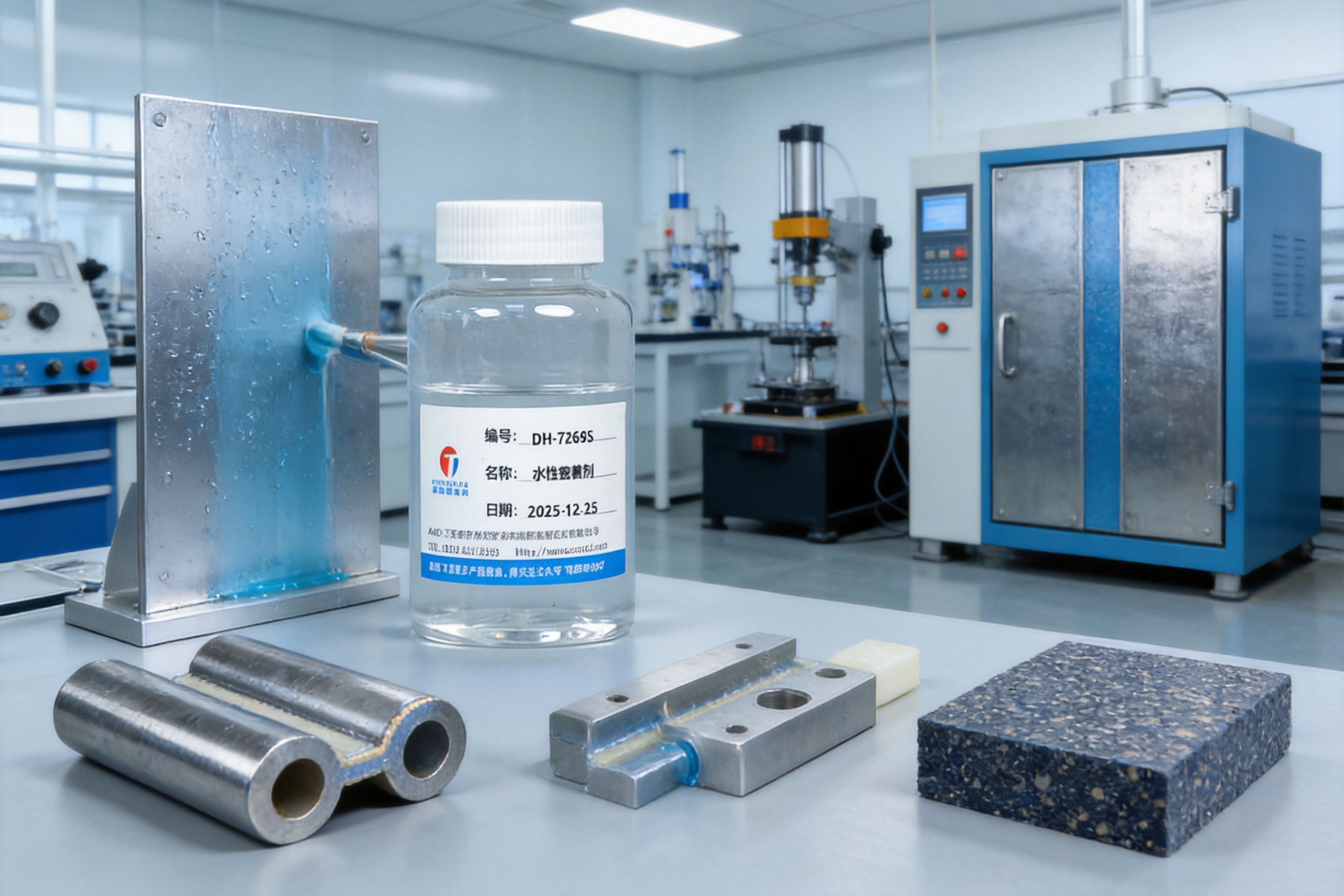
The performance of an adhesion promoter depends not only on its chemical concept but also on the consistency of its manufacturing process. Small changes in raw material quality, reaction control, purification, blending, or packaging can affect reactivity, compatibility, and storage behavior. For this reason, reliable production infrastructure is an important part of product value.
Suzhou Qingtian New Material Co., Ltd. is a professional manufacturer of raw materials for coatings, inks, adhesives, and related industrial applications. Since its establishment in 2012, the company has developed an experienced team that includes research and development personnel, technical specialists, sales professionals, and production staff.
The company maintains a research-oriented approach to product development. Its product portfolio includes dispersants, leveling agents, defoamers, adhesion promoters, anti-settling agents, cooling agents, conductive agents, texture additives, texture powders, and wax powders. This broad product range supports a deeper understanding of how additives interact within complete coating and adhesive systems.
For DH-7269S, this cross-category experience is valuable because adhesion performance is connected with dispersion, leveling, defoaming, rheology, and film formation. A manufacturer that understands only one part of the formulation may overlook interactions that influence final performance. A broader additive platform can support more practical and system-oriented technical development.
The company operates a modern production facility supported by advanced testing equipment and research capabilities. Controlled production conditions are essential for maintaining batch-to-batch consistency in properties such as appearance, active functionality, compatibility, and storage behavior.
Modern manufacturing also enables closer control of process parameters. Depending on the product stage, this may include raw material verification, controlled reaction or blending conditions, temperature management, filtration, filling, packaging inspection, and finished-product testing. These controls help ensure that the material delivered to customers performs consistently in formulation trials and commercial production.
Testing is an essential link between laboratory development and customer application. A product such as DH-7269S must be evaluated not only for basic physical characteristics but also for its contribution to adhesion, dispersion, mechanical strength, salt spray resistance, epoxy reactivity, and storage stability.
Quality control programs may include incoming raw material checks, in-process monitoring, finished-product testing, retained sample management, and application-oriented performance evaluation. The purpose is to identify variation before products reach the customer and to provide a reliable basis for technical recommendations.
Industrial customers often need more than a material sample. They may need help selecting a resin system, designing a comparison test, adjusting an addition level, interpreting adhesion data, or addressing a stability issue. A manufacturer with technical service capability can help shorten the path from initial trial to commercial implementation.
The company’s focus on coatings, inks, and adhesives allows its technical team to communicate with formulators across several industries. This is useful when DH-7269S is evaluated in a complex formulation containing multiple additives and functional fillers.
The company’s development milestones include the creation of an ice flower resin in 2016, recognition as a National High-Tech Enterprise in 2020, and relocation to Lingrui Intelligent Manufacturing Park in Zhangjiagang High-Tech Zone in 2021. These milestones reflect an emphasis on research, production capability, and continued development.
For customers, long-term development is important because additive requirements continue to evolve. Water-based systems, lower-emission technologies, corrosion protection, high-performance composites, battery-related materials, photovoltaic applications, and advanced industrial coatings all require increasingly specialized solutions. A manufacturer investing in research and production capacity is better positioned to respond to these changing requirements.
When compared with narrowly focused adhesion additives, DH-7269S offers a broader performance profile. Its combination of adhesion promotion, filler dispersion, epoxy reactivity, coupling effects, and metal-surface modification gives formulators more options when designing high-performance systems.
Compared with additives that focus only on initial adhesion, DH-7269S is intended to support long-term properties such as salt spray resistance and mechanical strength. This is important because the value of an adhesion promoter is measured not only by a fresh adhesion test but also by its ability to retain performance after environmental and mechanical stress.
Compared with highly reactive materials that may compromise storage stability, DH-7269S is designed to maintain useful epoxy reactivity while offering better storage behavior. This balance can be advantageous in commercial manufacturing, where raw materials and finished formulations may be stored before use.
Compared with products developed for only one application route, DH-7269S can be considered in water-based coatings, water-based sealants, water-based adhesives, air-drying systems, and baking systems. This wider applicability may help manufacturers reduce the number of separate adhesion technologies they need to qualify.
Another advantage is the support of an established additive manufacturer with experience across related product categories. Since coating performance depends on the interaction of many ingredients, access to broader formulation knowledge can be more useful than evaluating a single additive in isolation.
Before commercial use, formulators should review the product’s technical data, safety information, recommended storage conditions, and compatibility with the selected resin and filler package. Laboratory trials should be conducted using representative production materials rather than simplified systems alone.
DH-7269S should be incorporated using a mixing procedure that promotes uniform distribution. The optimal point of addition may depend on the formulation. In some systems, the additive may be introduced during the preparation of the filler phase; in others, it may be added to the resin or let-down stage. The order of addition should be established through practical testing.
Mixing speed, temperature, shear level, and processing time can affect dispersion and compatibility. Excessive shear or extended mixing may not be necessary in every system, while insufficient mixing may prevent the additive from interacting uniformly with the filler and binder. A controlled laboratory procedure should therefore be transferred carefully to production equipment.
Storage stability should be evaluated in both the additive itself and the finished formulation. The evaluation may include changes in viscosity, appearance, phase separation, sedimentation, odor, reactivity, and application performance. Accelerated aging can provide useful early information, but real-time storage remains important for final confirmation.
Cross-cut or lattice adhesion testing can provide a practical comparison of coating attachment before and after environmental exposure. Pull-off testing can offer quantitative information about adhesion strength, while peel or shear testing may be more appropriate for adhesive and sealant systems.
Testing should be performed on the actual metal substrate and with the intended film thickness. Surface preparation, cure schedule, and test timing should be documented carefully. Small changes in these variables can produce significant differences in results.
Tensile testing can be used to compare strength and elongation. Flexural testing can evaluate resistance to bending, and impact testing can reveal how the material responds to sudden mechanical energy. Elastic modulus measurements can help determine whether the additive changes stiffness or stress transfer within the composite.
Because DH-7269S is intended to improve interfacial bonding, mechanical testing should be interpreted together with microscopic or dispersion observations where possible. An increase in strength may indicate improved filler distribution, stronger polymer-filler interaction, better curing, or a combination of these effects.
Salt spray testing is commonly used to compare corrosion resistance of coated metal panels. Evaluation may include blistering, rust formation, creepage from a scribe, and adhesion retention. The test should follow an appropriate industry or customer method, and results should be compared against a control formulation.
Salt spray results should not be considered independently from field performance. They are most useful when combined with humidity, water immersion, cyclic corrosion, and application-specific exposure tests. DH-7269S can be an important part of a corrosion-resistant formulation, but the entire coating system determines the final result.
Dispersion can be assessed through drawdown appearance, microscopy, particle-size analysis, viscosity measurement, or other suitable methods. Storage stability can be evaluated by observing phase separation, sedimentation, viscosity drift, gel formation, and performance after aging.
These tests help determine whether the product provides benefits not only in the initial laboratory sample but also throughout the product’s expected storage and application period.
Water-based coatings, sealants, and adhesives continue to receive attention as industries seek to reduce solvent emissions and improve workplace conditions. However, the transition to water-based technology must not compromise durability, adhesion, or mechanical performance.
DH-7269S supports this transition by providing an adhesion-promoting option for water-based systems. Its contribution to filler dispersion and compatibility can also help formulators optimize the use of mineral components and functional additives. Better dispersion may improve material efficiency and reduce defects that lead to rework or product rejection.
Longer-lasting coatings and adhesives can also provide sustainability benefits by extending service life and reducing maintenance frequency. Improved salt spray resistance and adhesion retention are particularly relevant for metal components exposed to demanding environments.
Environmental performance must always be evaluated through the complete formulation and life cycle. The use of an adhesion promoter does not automatically determine the overall environmental profile of a product. Nevertheless, a material that enables durable water-based systems can support broader efforts toward more responsible industrial coating and adhesive technologies.
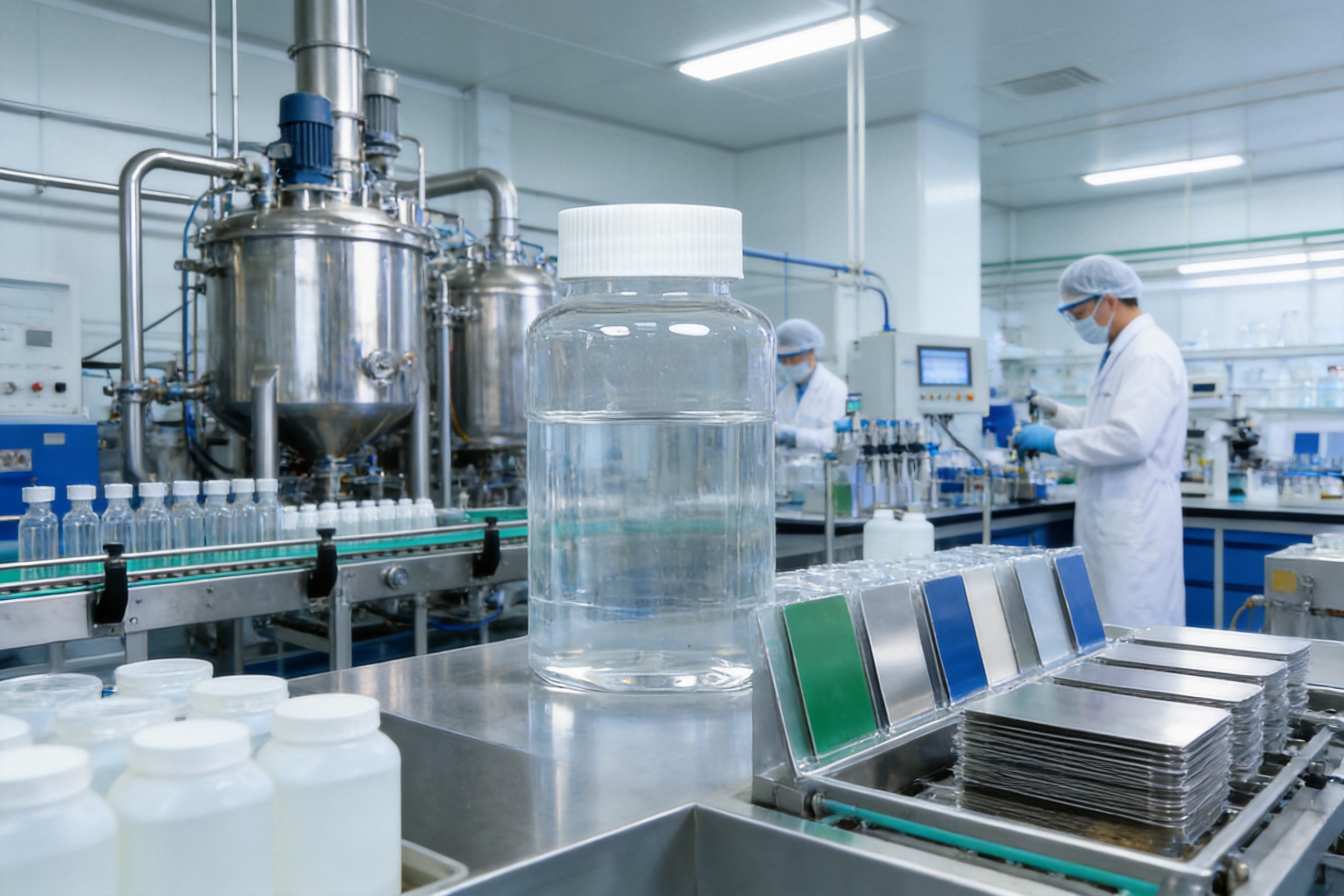
DH-7269S is an adhesion promoter designed primarily for metal substrates. It is also used to improve filler dispersion, epoxy reactivity, compatibility between inorganic fillers and polymers, mechanical properties, and salt spray resistance.
Yes. It is widely used in water-based sealants, water-based coatings, and water-based adhesives. Compatibility should be verified in the specific resin, pigment, filler, and additive package selected by the formulator.
Yes. DH-7269S is applicable to both air-drying and baking systems. The appropriate addition level and processing conditions should be determined through formulation and application testing.
The product helps improve compatibility between inorganic fillers and polymers and provides good epoxy reactivity and coupling effects. These functions can improve stress transfer and contribute to higher flexural strength, tensile strength, impact strength, and elastic modulus.
Yes. DH-7269S is designed to greatly improve salt spray resistance in suitable coating and composite formulations. Final performance depends on substrate preparation, resin chemistry, film thickness, curing, and the complete corrosion-protection system.
No. Proper cleaning and surface preparation remain essential. DH-7269S is a formulation additive that supports stronger interfacial bonding; it should be used together with a suitable substrate preparation process.
Epoxy reactivity allows the additive to interact more effectively with epoxy-based or epoxy-reactive systems. This can support stronger network integration, better coupling, and improved mechanical properties.
DH-7269S is designed to maintain good epoxy reactivity and coupling effects while providing better storage stability. Actual storage behavior should be confirmed in the additive and in the complete formulation under the intended storage conditions.
A dose-response study is recommended. Several addition levels should be compared for adhesion, dispersion, viscosity, mechanical strength, salt spray resistance, appearance, cure response, and storage stability. The optimum level is the one that provides the best overall balance for the application.
DH-7269S is designed to contribute not only to filler dispersion but also to adhesion, epoxy reactivity, inorganic-organic coupling, metal surface modification, mechanical strength, and salt spray resistance. This multifunctional profile can be advantageous in complex formulations.
Yes. One of its important functions is improving compatibility between inorganic fillers and polymers. The specific filler type, surface treatment, loading level, and resin chemistry should be evaluated during formulation development.
Potential application areas include industrial metal coatings, water-based coatings, water-based sealants, water-based adhesives, composite materials, corrosion-protection systems, steel and aluminum finishing, and other applications requiring strong adhesion and durability.
Recommended evaluations include initial and aged adhesion, tensile strength, flexural strength, impact strength, elastic modulus, salt spray resistance, dispersion quality, viscosity stability, cure response, appearance, and storage stability. The exact test program should reflect the intended application and customer requirements.
The manufacturer has research, production, testing, and technical capabilities related to coatings, inks, adhesives, and functional additives. Customers can use these capabilities to support product selection, laboratory evaluation, formulation optimization, and application validation.
DH-7269S Adhesion Promoter is a multifunctional material designed to improve the performance of coatings, sealants, adhesives, and composite systems, particularly when metal adhesion, filler compatibility, epoxy reactivity, and corrosion resistance are important. It helps ensure excellent filler dispersion, improves the interaction between inorganic fillers and polymers, and supports stronger bonding to metal substrates.
Its performance profile includes improvements in flexural strength, tensile strength, impact strength, elastic modulus, and salt spray resistance. The product is suitable for water-based coatings, water-based sealants, water-based adhesives, air-drying systems, and baking systems, giving formulators flexibility across different manufacturing and application routes.
The product’s competitive value comes from its combination of functions. Rather than focusing only on initial wetting or adhesion, it is designed to contribute to the broader structure and durability of the finished material. Its good epoxy reactivity, coupling effects, and improved storage stability further support practical industrial use.
Behind the product is a manufacturer with experience in coatings, inks, adhesives, and functional additives, supported by research personnel, advanced testing equipment, modern production facilities, and an expanding technical portfolio. This combination of product functionality and manufacturing capability provides a strong foundation for customers seeking reliable chemical solutions for demanding industrial applications.
For successful implementation, DH-7269S should be evaluated in the complete formulation and on the actual substrate. Proper surface preparation, controlled processing, appropriate cure conditions, and application-specific testing remain essential. When these factors are managed carefully, the product can help manufacturers develop stronger, more durable, and more reliable water-based and metal-coating systems.
1. Company technical information for DH-7269S Adhesion Promoter, including product functions, application areas, and performance characteristics.
2. Company product and manufacturing profile for coating, ink, adhesive, dispersant, leveling agent, defoamer, adhesion promoter, texture powder, and wax powder technologies.
3. General principles of adhesion science, surface preparation, interfacial bonding, and polymer-filler compatibility in industrial coatings and composites.
4. General methods for evaluating coating adhesion, tensile strength, flexural strength, impact resistance, elastic modulus, and storage stability.
5. General methods for corrosion and salt spray evaluation of protective coatings on metal substrates.
6. General formulation practices for water-based coatings, sealants, adhesives, epoxy systems, and filled polymer composites.
 Wholesale Paint/ Coating Additives Manufacturers
Custom Industrial Chemical Solutions Suppliers