русский
 Español
 Français
Home / Author / Tang Yuxi — Senior After-Sales Service Engineer / DH-7269S Adhesion Promoter: Improving Metal Adhesion, Composite Strength, and Coating Durability
Tang Yuxi — Senior After-Sales Service Engineer

Content
Adhesion is one of the most important performance factors in coatings, sealants, adhesives, and composite materials. A formulation may have excellent color, hardness, flexibility, or chemical resistance, yet still fail if it cannot maintain a strong and durable bond with the substrate. This challenge becomes particularly important when the substrate is metal, when the formulation contains a high level of inorganic filler, or when the finished product must withstand moisture, salt spray, flexing, impact, and changes in temperature.
DH-7269S Adhesion Promoter is designed to address these challenges through a combination of filler dispersion, interfacial modification, epoxy reactivity, and substrate adhesion improvement. It is especially suitable for metal surface treatment and for water-based sealants, water-based coatings, and water-based adhesives. It can also be used in both air-drying and baking systems, giving formulators greater flexibility when designing production processes and finished products.
The material is developed for applications where adhesion strength and long-term durability are essential. It helps improve compatibility between inorganic fillers and polymer phases, supports better dispersion, and contributes to improved flexural strength, tensile strength, impact strength, and elastic modulus. In protective applications, it can also help improve salt spray resistance, which is a key indicator of coating durability on metal substrates.
This article examines the working value of DH-7269S, its primary performance advantages, its role in different formulation systems, and the manufacturing and technical strengths behind its supply. It also explains why a specialized adhesion promoter can provide a more complete solution than relying only on conventional resin modification, mechanical surface preparation, or general-purpose additives.
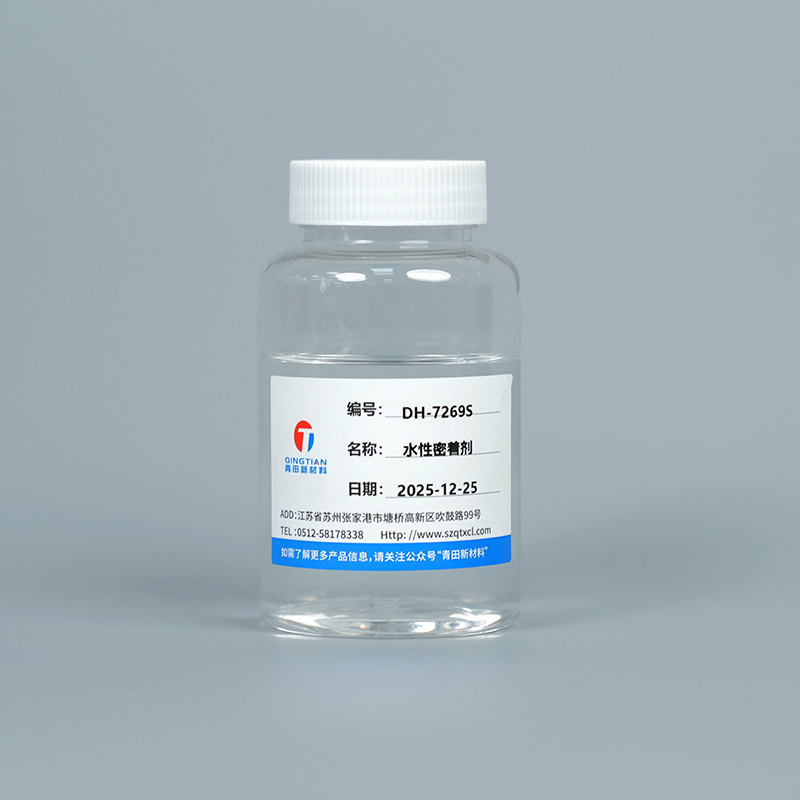
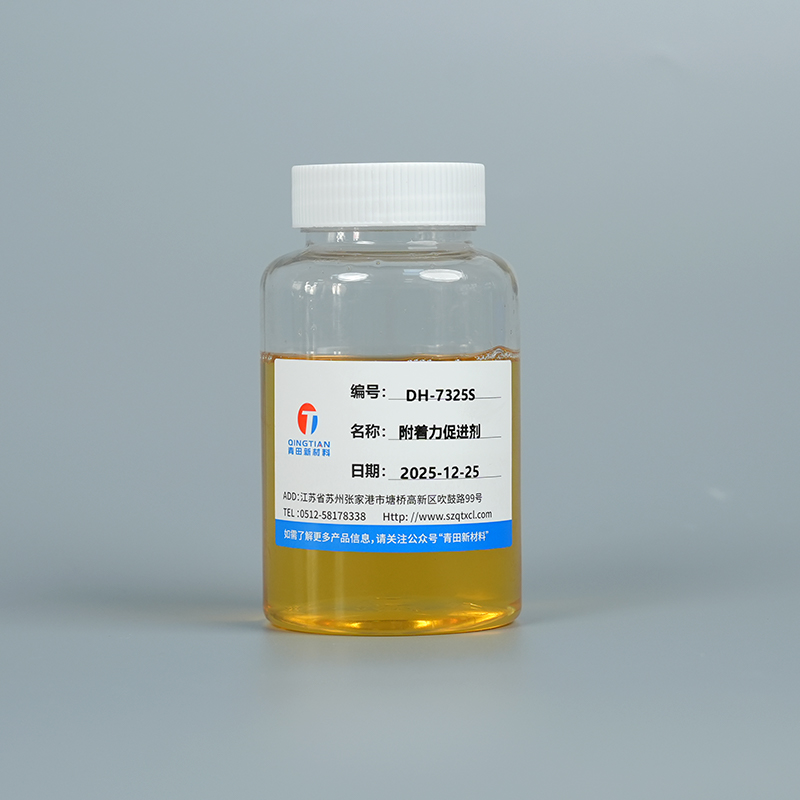
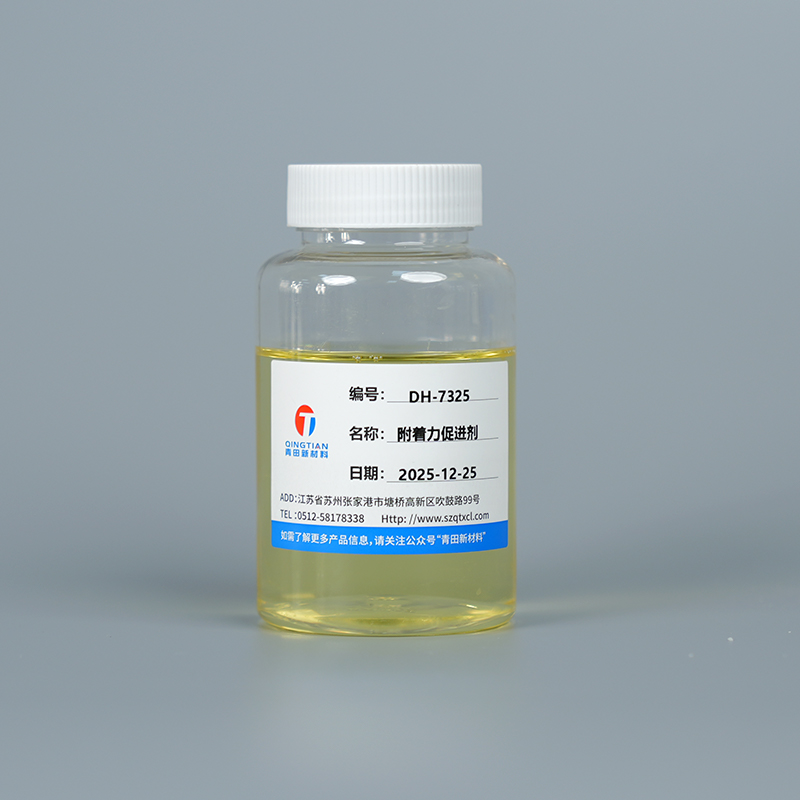
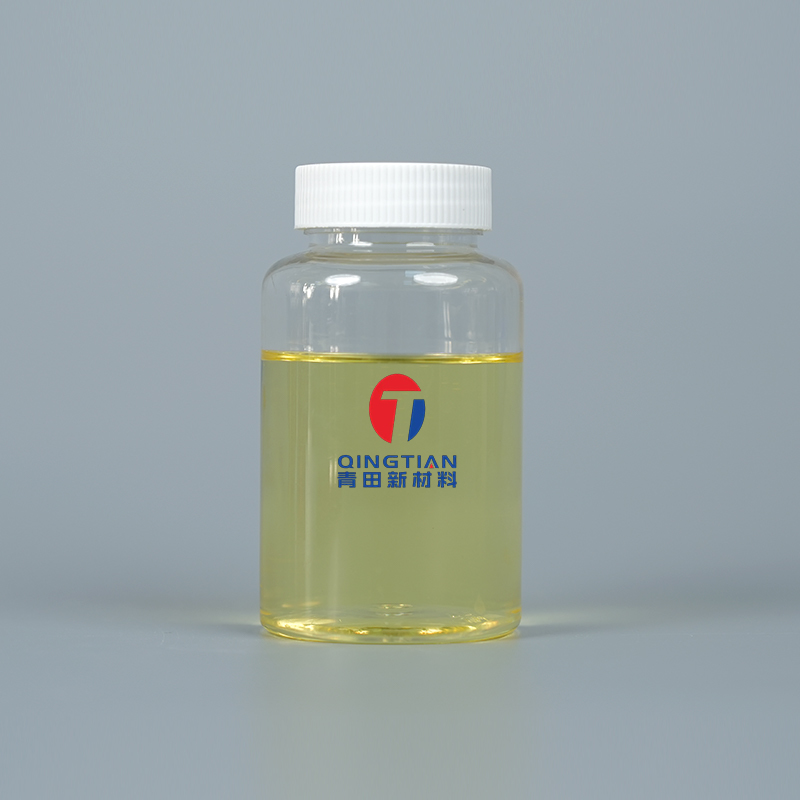
DH-7269S Adhesion Promoter
Adhesion is not determined by a single ingredient. It results from the interaction of the substrate, binder, pigments, fillers, additives, curing conditions, film formation, and environmental exposure. If any part of this system is poorly matched, the coating or adhesive may suffer from peeling, blistering, cracking, delamination, or loss of strength.
Metal substrates present special difficulties. Their surfaces may contain oxides, processing residues, oil traces, dust, or microscopic irregularities. Even after cleaning, the chemical nature of a metal surface may not be fully compatible with the organic polymer used in a coating or adhesive. A strong bond therefore requires more than simple physical contact. The formulation must promote effective interaction at the interface and maintain that interaction during drying, curing, flexing, and exposure to water or salt.
Inorganic fillers create another important challenge. Fillers can provide hardness, dimensional stability, conductivity, barrier performance, cost control, or other functional benefits. However, many fillers have a surface chemistry that differs significantly from that of organic polymers. Poor compatibility may lead to agglomeration, uneven distribution, weak interfaces, increased viscosity, reduced mechanical performance, and premature failure.
An effective adhesion promoter helps bridge these differences. It can support interaction between the polymer matrix and the inorganic phase while also improving bonding between the coating or adhesive and the substrate. This dual function is one of the major values of DH-7269S.
Metal coatings frequently operate under demanding conditions. Steel and aluminum components may be exposed to humidity, condensation, rain, industrial atmospheres, deicing salts, or marine environments. A small defect in adhesion can allow moisture and corrosive ions to move beneath the coating. Once underfilm corrosion begins, the coating may blister or detach over a larger area.
Strong initial adhesion is therefore important, but it is not sufficient by itself. The bond must remain stable after repeated exposure to water, salt spray, mechanical deformation, and temperature changes. The adhesion promoter must be compatible with the binder system and must not significantly reduce storage stability, film appearance, curing performance, or application properties.
DH-7269S is positioned as a solution for metal surface treatment and coating systems that require improved adhesion and salt spray resistance. Its role is not limited to increasing a single laboratory adhesion value. It is intended to contribute to a more balanced performance profile, combining interfacial bonding with improved mechanical properties and durability.
| Performance area | Contribution of DH-7269S | Typical formulation value |
|---|---|---|
| Metal adhesion | Improves interaction between the coating, adhesive, sealant, or composite and the metal substrate | Supports better coating retention and reduced risk of delamination |
| Filler dispersion | Helps promote more effective distribution of inorganic fillers | Supports uniformity, appearance, strength, and processing stability |
| Polymer-filler compatibility | Enhances compatibility between inorganic fillers and polymer phases | Improves the efficiency of the filler and reduces weak interfacial regions |
| Epoxy reactivity | Maintains good epoxy reactivity and coupling effects | Supports mechanical properties and formulation performance |
| Mechanical properties | Can improve flexural strength, tensile strength, impact strength, and elastic modulus | Helps finished materials tolerate handling, deformation, and service stress |
| Corrosion-related durability | Contributes to improved salt spray resistance | Useful in protective metal coating applications |
| Storage stability | Provides coupling and reactivity while offering better storage stability | Helps maintain product usability during transportation and storage |
| Processing flexibility | Suitable for air-drying and baking systems | Allows use across different production and curing conditions |
The product’s central advantage is its multifunctional behavior. Rather than addressing only adhesion or only dispersion, it is designed to support several connected aspects of formulation performance. This can simplify additive selection and help reduce the need to compensate for one weakness by adding several separate products.
In practical development work, formulators often need to balance adhesion with flexibility, hardness, filler loading, viscosity, drying speed, water resistance, and storage stability. An additive that produces strong adhesion but causes poor dispersion may create a different set of problems. Similarly, an additive that improves filler wetting but provides limited substrate bonding may not deliver adequate long-term durability. A multifunctional material can offer a more efficient path toward performance optimization.
The interface between a polymer coating and a metal substrate is a zone where chemical, physical, and mechanical factors meet. DH-7269S is designed to improve this interface by providing surface modification effects suitable for metal treatment. The result is a more favorable bonding environment between the organic formulation and the metal surface.
Better interfacial interaction can improve resistance to peeling and delamination. It may also help the coating remain attached when the metal is bent, impacted, or exposed to moisture. This is especially valuable in applications where the substrate is not perfectly rigid or where the finished component must undergo forming after coating.
The promoter can be considered an interfacial bridge. On one side, it interacts with the formulation’s polymer or reactive groups. On the other side, it supports interaction with the metal surface or the surface species present on that metal. This bridging function helps reduce the incompatibility that can otherwise exist between an inorganic or metallic surface and an organic binder.
Uniform filler dispersion is essential for consistent mechanical and protective performance. Agglomerated particles can act as stress concentration points. They may also create voids, weak areas, roughness, and nonuniform curing. When fillers are dispersed more effectively, the formulation can provide more consistent properties across the coated or bonded area.
DH-7269S helps ensure excellent dispersion of fillers. This function is particularly relevant to systems containing mineral fillers, reinforcing particles, pigments, or other inorganic components. Improved dispersion can support a more uniform microstructure and help the polymer matrix transfer stress more effectively to the filler phase.
Better dispersion may also improve processing. A well-dispersed formulation can show more predictable viscosity, reduced sedimentation tendency, smoother application, and more consistent film appearance. The exact result depends on the binder, filler type, loading level, mixing energy, and production conditions, but the adhesion promoter provides a useful tool for improving the interaction among these components.
Inorganic fillers and organic polymers often differ in polarity, surface energy, and chemical reactivity. Without an appropriate coupling mechanism, the filler may be surrounded by a weak boundary layer. Under stress, cracks can initiate at this boundary and propagate through the material.
DH-7269S is designed to enhance compatibility between inorganic fillers and polymers. Better compatibility can strengthen the interface and improve the ability of the composite to distribute applied loads. This helps explain its reported contribution to flexural strength, tensile strength, impact strength, and elastic modulus.
For composite materials, the quality of the interface is often as important as the inherent properties of the polymer and filler. A strong filler with poor bonding may provide less real reinforcement than expected. By improving the interface, the adhesion promoter helps the formulation make more effective use of its solid components.
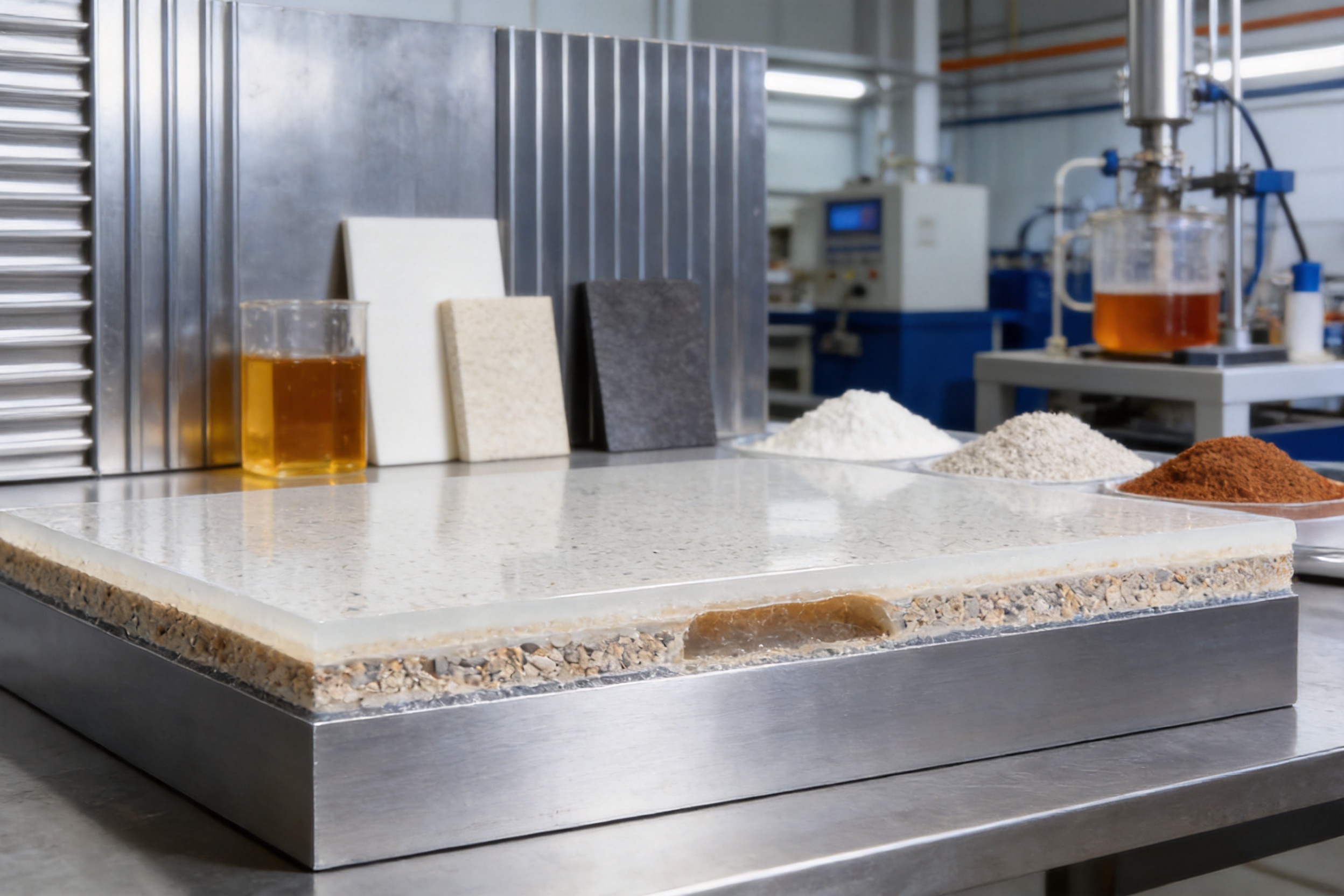
Flexural strength reflects the ability of a material to resist bending forces. Coatings, sealants, and composite materials can encounter bending during manufacturing, forming, installation, or service. If the interface between filler and polymer is weak, bending may cause cracks, peeling, or permanent deformation.
By improving filler dispersion and polymer-filler compatibility, DH-7269S can contribute to better flexural performance. Its surface modification effect on metal substrates may also help maintain coating attachment when a coated panel or component is flexed.
Tensile strength is influenced by the continuity of the polymer network, the distribution of solid components, the quality of interfacial bonding, and the presence of defects. Agglomerates and poorly bonded filler particles can reduce the effective strength of the finished material.
The product supports tensile strength improvement by helping create a more integrated composite structure. When fillers are distributed more evenly and interact more effectively with the polymer phase, stress can be transferred through the material more efficiently. This may help reduce premature failure during stretching or service loading.
Impact performance requires a material to absorb and distribute energy without sudden cracking or detachment. A formulation with weak interfaces may fail when exposed to a sudden force, even if its static tensile or flexural properties appear acceptable.
DH-7269S contributes to improved impact strength by supporting stronger interfaces and more uniform dispersion. Its use can be valuable in products that may experience handling damage, vibration, accidental impacts, or mechanical shocks. The final impact performance will still depend on the resin, curing conditions, filler selection, and film thickness, but the promoter provides an important interfacial contribution.
Elastic modulus describes the stiffness of a material under elastic deformation. In filled systems, modulus is strongly affected by filler content, filler geometry, polymer rigidity, and the quality of bonding between the phases.
When the filler is well distributed and effectively connected to the polymer matrix, the composite can respond more uniformly to applied stress. DH-7269S can therefore support improved elastic modulus while also contributing to other mechanical properties. This balance is important because a material that is stiff but poorly bonded may be vulnerable to cracking or delamination.
Epoxy systems depend on controlled chemical reactions to achieve their final strength, adhesion, chemical resistance, and durability. An adhesion promoter used in an epoxy formulation must support bonding without interfering excessively with the curing process.
DH-7269S maintains good epoxy reactivity and coupling effects. This is a significant advantage because it means the product is not positioned as a purely physical wetting additive. It can participate in the broader interfacial and reactive behavior of the formulation while helping maintain the performance expected from an epoxy system.
Good epoxy reactivity is especially relevant in composite materials, protective coatings, structural adhesives, and sealants where the final properties depend on a reliable crosslinked network. The promoter can help improve the interaction between the cured resin and inorganic materials while retaining the basic reactivity required for the system to develop its designed properties.
Storage stability is an important commercial and technical consideration. A formulation may perform well immediately after production but become difficult to use after prolonged storage if particles settle, viscosity changes, phases separate, or reactive ingredients interact prematurely.
DH-7269S is designed to maintain coupling effects and epoxy reactivity while providing better storage stability. This balance can help formulators develop products that remain more consistent between production and application. Improved stability may also reduce waste, rework, and batch-to-batch variation.
Storage stability must always be evaluated in the complete formulation. Factors such as temperature, moisture, container type, pigment and filler chemistry, resin selection, and storage duration can influence the result. Nevertheless, an adhesion promoter with a stability-oriented design provides a stronger starting point for product development than an additive that delivers adhesion only under freshly prepared conditions.
Salt spray resistance is widely used to evaluate the protective performance of coatings on metal substrates. The test creates an aggressive environment that can reveal weaknesses in adhesion, barrier properties, pretreatment, curing, and coating continuity.
DH-7269S can greatly improve salt spray resistance when properly incorporated into a suitable coating or adhesive system. Its contribution is related to improved adhesion, surface modification, and stronger interfacial bonding. When the coating remains firmly attached and the interface is less vulnerable to moisture penetration, the risk of underfilm corrosion and coating failure may be reduced.
It is important to understand that salt spray performance is a system result. Surface preparation, substrate quality, film thickness, pigment volume concentration, curing conditions, edge coverage, and formulation design all influence the final test result. The adhesion promoter should therefore be considered part of a complete corrosion-protection strategy rather than an isolated substitute for proper preparation or curing.
For steel and aluminum coating applications, the product can be especially useful where a formulator needs to improve both initial adhesion and durability after exposure. It may also help preserve mechanical integrity when the coating experiences bending or impact during the test or in practical use.
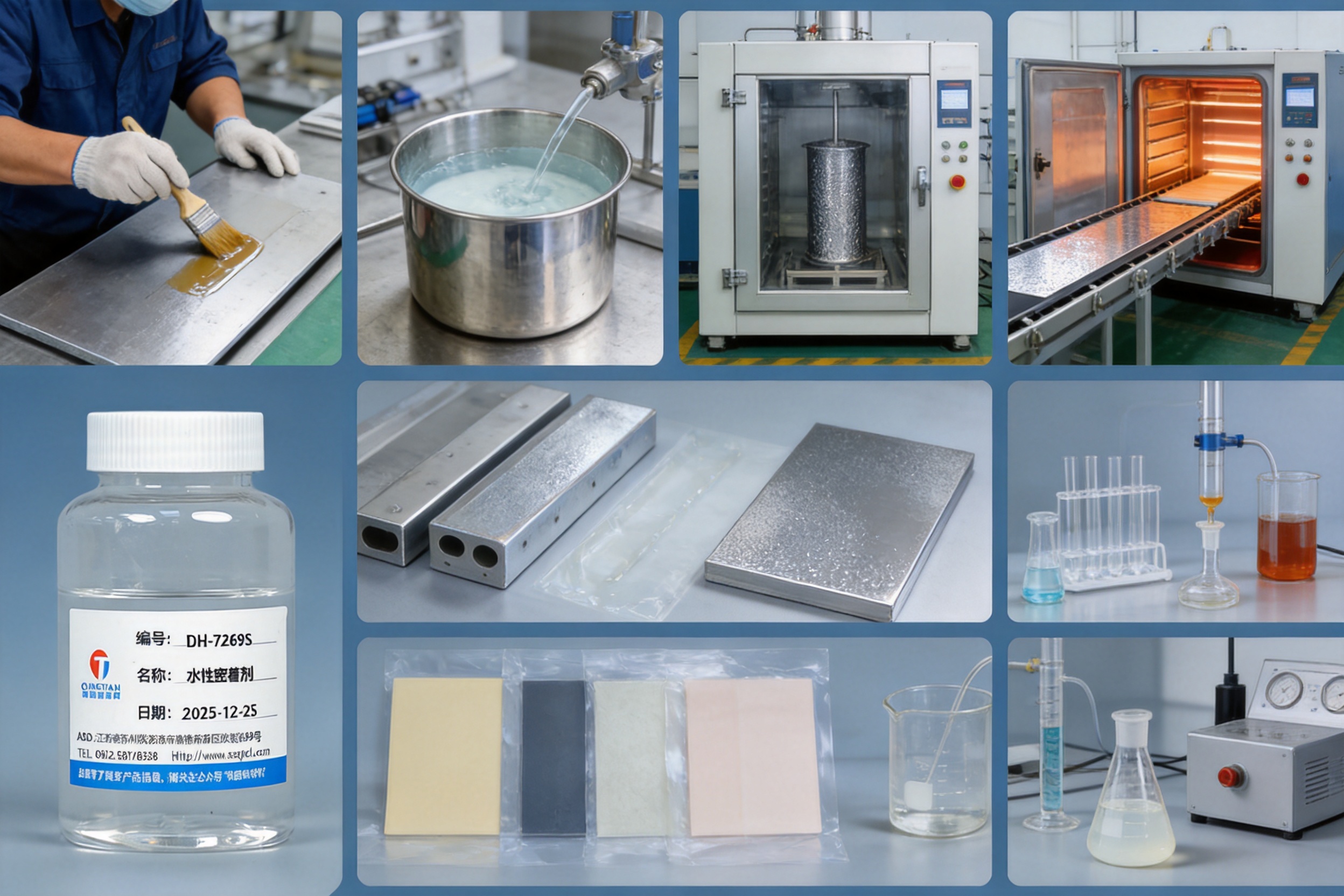
Water-based sealants are increasingly used because they offer lower odor, easier cleanup, and reduced reliance on high levels of organic solvent. However, water-based systems can face challenges involving substrate wetting, water evaporation, film formation, and adhesion to low-energy or contaminated surfaces.
DH-7269S is suitable for water-based sealants where strong adhesion, mechanical performance, and durability are required. It can help improve interaction between the sealant matrix and metal substrates while also supporting compatibility with inorganic fillers. This is valuable in filled sealants, where poor filler dispersion can reduce elasticity, strength, and appearance.
The product’s contribution to flexural and tensile strength may help the cured sealant withstand movement and stress. Its effect on impact strength and salt spray resistance may also be useful in outdoor or industrial applications where the sealant must protect joints or interfaces exposed to moisture and corrosive environments.
Water-based coatings require a balanced combination of dispersion, film formation, adhesion, drying, and durability. A formulation can fail if the binder does not bond adequately to the substrate or if pigments and fillers are not distributed uniformly.
DH-7269S supports water-based coating development by improving filler dispersion and metal adhesion. It is suitable for protective and functional coatings where the final film must maintain integrity during drying, handling, and service exposure. Its compatibility with both air-drying and baking systems provides additional flexibility for different production lines.
For metal coatings, the promoter may be used as part of a broader formulation strategy that includes suitable substrate cleaning, corrosion control, pigment selection, resin design, and controlled curing. Its value is greatest when the entire formulation is optimized around the intended application conditions.
Water-based adhesives are used in many applications where manufacturers seek safer handling conditions and lower volatile organic compound emissions. Their performance depends on wetting, drying, polymer coalescence, substrate compatibility, and resistance to mechanical stress.
DH-7269S can improve the adhesion of water-based adhesive systems to metal and can also help strengthen filled adhesive formulations. Improved polymer-filler compatibility may contribute to better load transfer and more stable mechanical performance. The product is therefore suitable for development work involving metal bonding, composite assembly, and industrial adhesive applications.
Manufacturers use different curing and drying methods according to product type, substrate sensitivity, production speed, equipment, and energy availability. Air-drying systems are useful when large parts, heat-sensitive components, or simpler production processes are involved. Baking systems are often selected when faster throughput, higher crosslink density, or improved final performance is needed.
DH-7269S is applicable to both air-drying and baking systems. This broad compatibility helps reduce the need to maintain separate adhesion strategies for different processing routes. It can support product development across multiple coating and adhesive platforms while allowing the formulator to select the curing method best suited to the application.
In an air-drying system, the promoter can contribute to adhesion and mechanical integrity as the film forms and the carrier evaporates. In a baking system, it can support interfacial bonding and epoxy-related reactions during thermal curing. The optimum dosage and processing conditions should be established through formulation testing, because resin chemistry, temperature, time, substrate condition, and film thickness all affect the final result.
Many additives are designed to perform one primary function. A dispersant may improve particle distribution but provide limited metal adhesion. A wetting agent may improve surface coverage without strengthening the polymer-filler interface. A reactive component may improve chemical bonding but reduce storage stability if it is not carefully designed.
DH-7269S combines several important functions: filler dispersion, polymer-filler compatibility, metal surface modification, epoxy reactivity, mechanical property improvement, and support for salt spray resistance. This multifunctional profile can give formulators greater freedom when optimizing a complete system.
When several separate additives are used to solve connected problems, compatibility risks can increase. Different additives may compete for surface sites, change viscosity, affect drying, or interfere with each other’s performance. They may also make the formulation more difficult to control from batch to batch.
A multifunctional adhesion promoter can help reduce this complexity. It does not necessarily eliminate the need for other additives, but it may reduce the number of corrective adjustments required. This can improve development efficiency and make the final formulation easier to manufacture consistently.
One of the most valuable features of DH-7269S is the combination of epoxy reactivity, coupling effects, and better storage stability. A product that only reacts strongly may create problems during storage or processing. A product that is highly stable but weakly interactive may provide limited performance improvement.
The balance offered by DH-7269S is particularly relevant to industrial products that must be transported, stored, and applied under changing conditions. Reliable performance requires both chemical effectiveness and practical stability.
Before incorporating an adhesion promoter, the formulator should identify the metal substrate and evaluate its surface condition. Steel, galvanized metal, aluminum, and other alloys may differ in surface energy, oxide composition, roughness, and pretreatment requirements.
Surface preparation should remove oil, dust, loose oxides, and other contaminants. The adhesion promoter can improve interfacial bonding, but it cannot fully compensate for a heavily contaminated or unstable surface. A controlled substrate preparation process is therefore essential.
The binder type, epoxy functionality, pigment chemistry, filler loading, and curing agent all influence the performance of DH-7269S. The promoter should be assessed within the complete formulation rather than judged only in isolation.
When filler loading is high, particular attention should be given to dispersion quality, viscosity, sedimentation, and mechanical properties. When the system is epoxy-based, the formulator should also monitor pot life, curing behavior, hardness development, and final adhesion.
The order of addition and mixing energy can affect additive efficiency. In many cases, the promoter should be introduced in a way that allows adequate contact with the resin and filler surfaces. The best procedure depends on the formulation and equipment.
Laboratory trials should compare different addition sequences and mixing times. Important observations include ease of dispersion, viscosity development, appearance, storage behavior, and adhesion after curing. These tests help determine whether the promoter is functioning efficiently throughout the formulation.
Initial adhesion testing is useful, but it should be combined with durability testing. A complete evaluation may include cross-cut adhesion, pull-off adhesion, flexural testing, tensile testing, impact testing, water exposure, salt spray exposure, and storage stability assessment.
Testing after aging is especially important. Some formulations show strong initial adhesion but lose performance after humidity, immersion, heat, or salt exposure. DH-7269S is intended to support more durable adhesion, so aged testing can demonstrate its value more clearly than immediate testing alone.
The supplier specializes in raw materials for coatings, inks, and adhesives. Its product range includes dispersants, leveling agents, defoamers, adhesion promoters, anti-settling agents, cooling agents, conductive agents, orange peel texture agents, texture powders, and wax powders.
This broad portfolio provides an important technical advantage. Adhesion promoters do not operate independently from other formulation ingredients. A supplier with experience across several additive categories can better understand how dispersion, leveling, defoaming, surface modification, and texture control influence one another.
For customers, this can support a more integrated problem-solving approach. Instead of treating adhesion, surface appearance, filler distribution, and processing stability as unrelated issues, the supplier can evaluate them as connected parts of a coating or adhesive system.
The company has built an experienced team that includes research and development experts and sales professionals. Its development history includes the creation of an ice flower resin in 2016 and recognition as a National High-Tech Enterprise in 2020.
These milestones indicate a focus on product innovation and technical development. For an adhesion promoter such as DH-7269S, research capability is important because performance depends on fine control of chemical structure, interfacial behavior, compatibility, storage stability, and application conditions.
Research expertise also supports customer-specific development. Different industries may require different balances of adhesion, flexibility, hardness, chemical resistance, water resistance, curing speed, and corrosion protection. A technically capable supplier is better positioned to adjust product selection and formulation guidance to match those requirements.
The company operates a modern production facility and moved to Lingrui Intelligent Manufacturing Park in Zhangjiagang High-Tech Zone in 2021 to strengthen research and production capacity. A modern manufacturing location can support better organization of production, testing, material handling, process control, and product development.
For industrial additives, manufacturing consistency is essential. Small variations in active composition, moisture, purity, particle characteristics, or reactivity can affect the performance of a final coating or adhesive. A well-organized facility with appropriate production and testing capabilities helps reduce such variation.
The company supports its research and production activities with advanced testing equipment. Testing is necessary to evaluate raw materials, monitor production, verify product consistency, and study performance in application systems.
For DH-7269S, relevant evaluation may include dispersion behavior, epoxy reactivity, storage stability, adhesion strength, salt spray performance, flexural strength, tensile strength, impact strength, and elastic modulus. Testing allows the supplier to connect product characteristics with practical customer requirements.
The company emphasizes innovation, quality, service, and win-win cooperation. This orientation is important because customers purchasing an adhesion promoter often need more than a material name. They may need assistance with product selection, compatibility screening, addition method, substrate preparation, dosage optimization, and performance testing.
An application-oriented service model can help shorten development cycles and reduce the risk of trial-and-error formulation work. It can also support custom chemical solutions when a standard product requires adjustment for a specific resin, filler, substrate, or curing process.
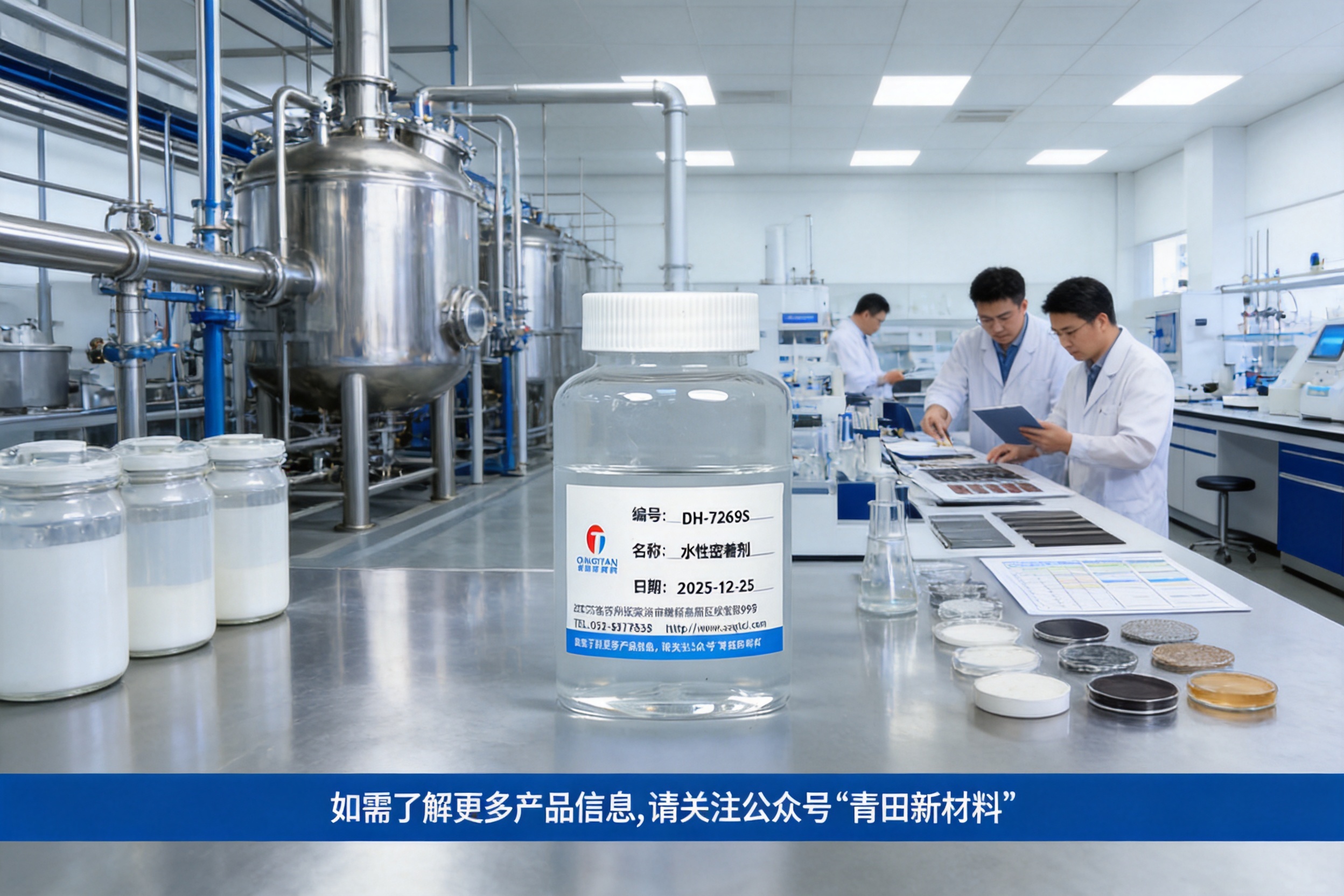
Coil coatings require fast and consistent processing, strong adhesion, attractive appearance, and resistance to forming and environmental exposure. Because the coated metal may be bent or shaped after coating, flexural performance and interfacial durability are important.
DH-7269S can support coil coating formulations by improving metal adhesion, filler dispersion, mechanical properties, and salt spray resistance. Its compatibility with baking systems is also relevant to continuous industrial coating lines that use thermal curing.
Anti-corrosion coatings must create a stable barrier between the metal and the environment. Adhesion failure can allow water and ions to reach the substrate, reducing the service life of the protective system.
The product’s contribution to surface modification, adhesion, and salt spray resistance makes it suitable for development of anti-corrosion coatings. It can be used alongside suitable pigments, resins, pretreatment methods, and film-build strategies to create a more durable protective system.
Epoxy flooring systems are exposed to abrasion, impact, chemicals, cleaning operations, and pedestrian or vehicle traffic. Strong adhesion to the concrete or metal substrate and good internal mechanical properties are essential.
Although substrate preparation and primer selection remain critical, DH-7269S can support epoxy systems where improved filler compatibility and mechanical performance are required. It may be especially valuable in filled flooring products that need a balance of stiffness, flexural strength, and impact resistance.
Industrial adhesives and sealants may need to bond dissimilar materials, tolerate movement, and maintain performance under moisture or salt exposure. Metal bonding is particularly demanding because the surface and polymer may have significantly different chemical characteristics.
DH-7269S can help improve adhesion in water-based and epoxy-related adhesive or sealant systems. Its role in filler dispersion may also support filled products that require controlled rheology and consistent mechanical performance.
The company also supplies raw materials for inks. In printed products, adhesion to metalized films, coated surfaces, or other difficult substrates can affect durability and appearance. While the exact formulation must be tested, an adhesion promoter with surface modification and compatibility benefits may provide useful support in selected ink systems.
For industrial customers, product quality includes more than laboratory performance. It also includes batch consistency, packaging, technical communication, supply reliability, and responsiveness to application questions.
DH-7269S is supported by a company with dedicated research, sales, production, and testing resources. This combination is important for customers who need an adhesion promoter for continuous manufacturing rather than one-time laboratory experimentation.
Consistent manufacturing helps customers maintain stable production parameters. Technical support helps them identify the correct application route. A broad product portfolio may also simplify procurement by allowing related additives to be sourced from one specialized supplier.
For larger projects, customers should establish a qualification process covering incoming inspection, formulation compatibility, storage conditions, application performance, and finished-product testing. The supplier can then work with the customer to define suitable acceptance criteria and confirm that the product meets the intended use.
From a formulation perspective, the main benefit of DH-7269S is the opportunity to improve several performance areas with one carefully selected additive. The product can support adhesion to metal, filler dispersion, polymer-filler compatibility, epoxy reactivity, mechanical strength, and salt spray durability.
This can make development work more efficient. Instead of adding separate materials for every individual weakness, the formulator can first evaluate whether DH-7269S addresses the central interfacial problem. If it does, other ingredients can then be optimized around that improved foundation.
The product may also help expand the design window of a formulation. A system with better adhesion and compatibility may tolerate a broader range of filler levels, resin combinations, or curing conditions. This flexibility can be valuable when manufacturers need to balance cost, performance, sustainability, processing speed, and raw material availability.
Another practical benefit is its suitability for both air-drying and baking systems. Manufacturers with multiple product lines may be able to use a related adhesion strategy across different products, reducing the complexity of raw material management and technical training.
DH-7269S is an adhesion promoter designed for metal substrates and composite formulations. It helps improve adhesion, filler dispersion, polymer-filler compatibility, epoxy reactivity, mechanical properties, and salt spray resistance.
It is especially suitable for metal surface treatment and metal-related coating, sealant, adhesive, and composite applications. The exact suitability should be confirmed through testing on the intended metal alloy and surface preparation method.
Yes. It is suitable for water-based sealants, water-based coatings, and water-based adhesives. Formulators should evaluate compatibility with the specific resin, filler, pigment, and coalescing system.
Yes. DH-7269S maintains good epoxy reactivity and coupling effects. It is intended to support the mechanical and interfacial performance of epoxy-based composite materials and coatings.
Yes. The product is designed to ensure excellent dispersion of fillers and to enhance compatibility between inorganic fillers and polymers.
It can contribute to improved flexural strength, tensile strength, impact strength, and elastic modulus. The final result depends on the complete formulation, filler type, loading, curing conditions, and testing method.
Yes. It is designed to greatly improve salt spray resistance when used in a suitable formulation. Surface preparation, coating thickness, curing, and corrosion-control design remain important factors.
Yes. DH-7269S is applicable to air-drying systems as well as baking systems. Application testing should be used to determine the best addition procedure and use level.
The product is designed to maintain epoxy reactivity and coupling effects while providing better storage stability. Stability should still be verified in the final formulation under the intended storage conditions.
Not necessarily. DH-7269S is multifunctional, but the final formulation may still require dispersants, leveling agents, defoamers, curing agents, pigments, fillers, or other specialized additives. Its value is that it can address several connected interfacial and mechanical requirements.
The correct usage level depends on the binder, metal substrate, filler content, resin functionality, curing method, and performance target. Laboratory screening and application testing should be used to identify the optimum level.
Customers can work with a supplier experienced in coatings, inks, adhesives, and additive technologies. Support may include product selection, compatibility evaluation, application guidance, testing coordination, and custom chemical solution development.
DH-7269S Adhesion Promoter is a multifunctional solution for improving the performance of metal coatings, water-based sealants, water-based adhesives, epoxy systems, and filled composite materials. Its primary value lies in the way it connects several important performance requirements: strong metal adhesion, excellent filler dispersion, improved polymer-filler compatibility, epoxy reactivity, mechanical reinforcement, storage stability, and salt spray resistance.
Compared with a single-function additive, DH-7269S offers a broader approach to formulation improvement. It can help address the interfacial causes of poor performance rather than treating only one visible symptom. By supporting both substrate bonding and internal composite structure, it may improve the durability and reliability of the finished product.
The product is backed by a specialized supplier with experience in coating, ink, and adhesive raw materials; an experienced research and development team; advanced testing equipment; modern production facilities; and a broad portfolio of related additives. These strengths support consistent manufacturing and application-oriented technical service.
For formulators seeking better adhesion to metal, improved filler utilization, stronger mechanical properties, and greater resistance to salt spray, DH-7269S provides a practical starting point for product development. Its suitability for both water-based and epoxy-related systems, as well as air-drying and baking processes, makes it adaptable to a wide range of industrial requirements.
1. Product information supplied for DH-7269S Adhesion Promoter.
2. Company technical information concerning coating, ink, adhesive, and additive manufacturing capabilities.
3. General principles of adhesion promotion in polymer, coating, sealant, and adhesive formulations.
4. General methods for evaluating coating adhesion, mechanical strength, filler dispersion, and corrosion resistance.
5. General technical guidance on salt spray testing and protective coating performance on metal substrates.
6. General formulation practices for water-based coatings, water-based adhesives, sealants, and epoxy composite materials.
 Wholesale Paint/ Coating Additives Manufacturers
Custom Industrial Chemical Solutions Suppliers