


 русский
 Español
 Français
Home / Author / Wei Lanqing — Regional Product Sales Manager / Advanced Crystallizing Coating Resin for Ice Flower Metallic Finishes
Wei Lanqing — Regional Product Sales Manager

Content
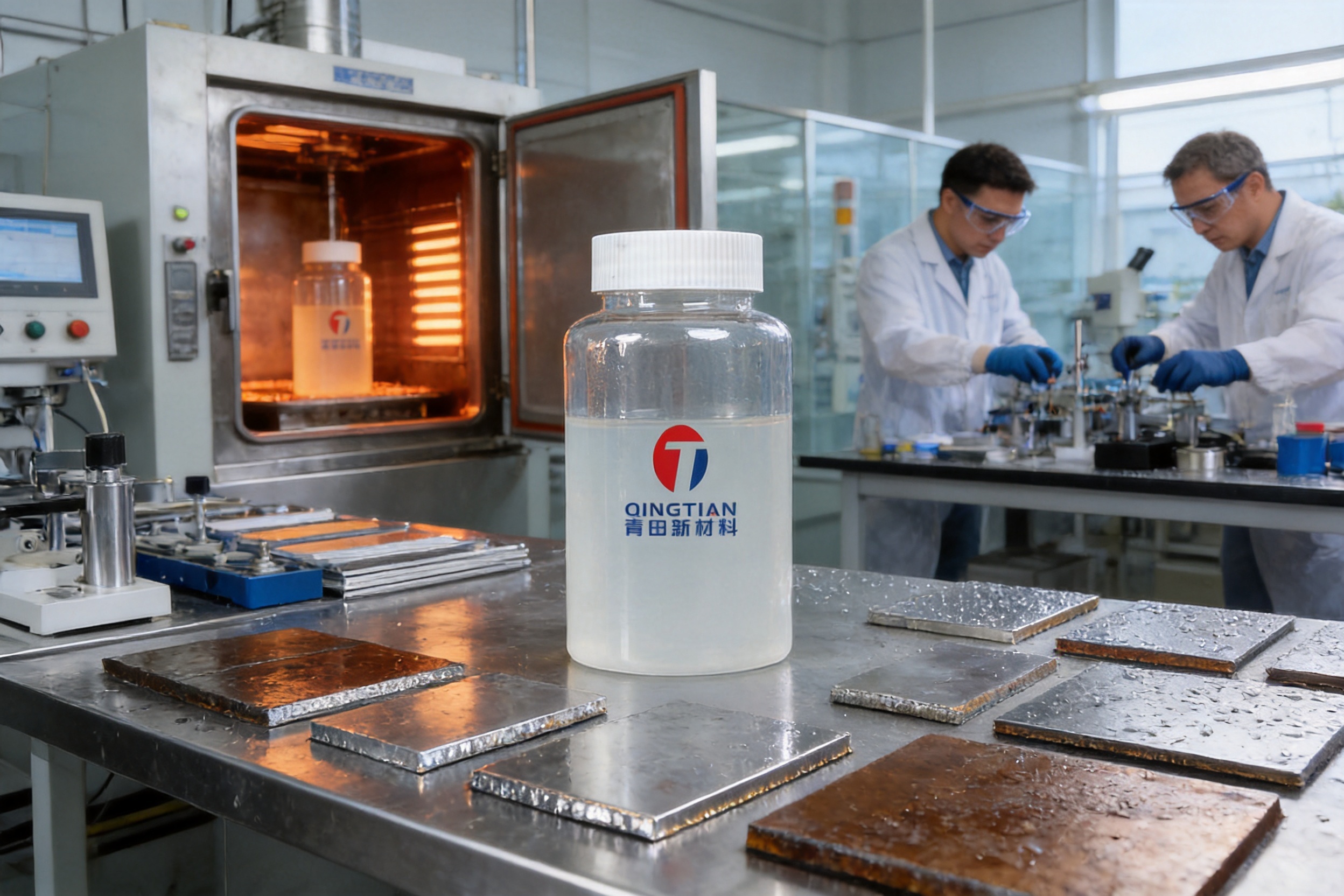
Modern industrial coatings must deliver more than attractive appearance. They must protect metal substrates, withstand heat and weather exposure, maintain adhesion during service, and support efficient production. At the same time, manufacturers increasingly require coating materials with a controlled composition, consistent processing behavior, and a responsible environmental profile. AA-9005 Crystallizing Coating Resin is designed to address these requirements as a solvent-based resin for ice flower pattern coatings and industrial metallic baking applications.
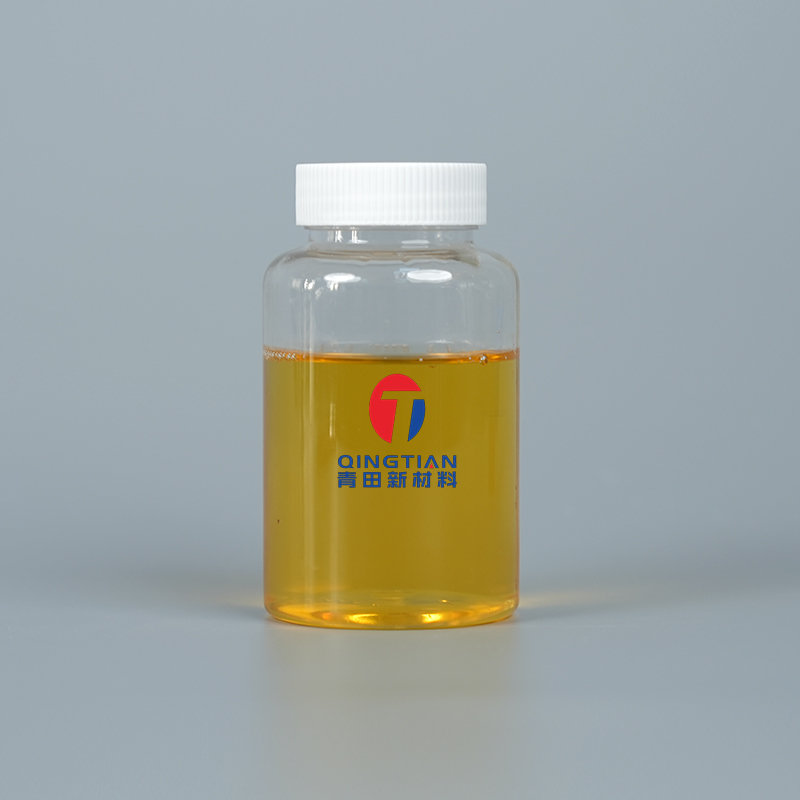
AA-9005 is a thermosetting acrylic organic copolymer supplied as a transparent to slightly turbid viscous liquid. It has a solid content of 60% ±2% when tested at 105°C for 180 minutes, a Ford No. 4 viscosity of 280–360, and a solvent system based on butyl acetate and n-butanol. These specifications provide a practical balance between resin concentration, handling, application control, and film formation.
The resin is especially suitable for producing distinctive ice flower or crystallizing patterns. These patterns can give coated metal surfaces a decorative, refined, and technically differentiated appearance. However, the value of AA-9005 is not limited to visual effects. Its key performance advantages include strong adhesion, corrosion resistance, heat resistance, and weatherability. These properties make it suitable for industrial heat-resistant and weather-resistant metallic baking coatings where both appearance and long-term protection are important.
Manufactured by Suzhou Qingtian New Material Co., Ltd., AA-9005 benefits from a company platform focused on coating, ink, and adhesive raw materials. The manufacturer combines research and development capabilities, experienced technical personnel, modern production facilities, advanced testing equipment, and application-oriented customer service. This combination allows the product to be considered not simply as a decorative resin, but as part of a broader coating solution.
AA-9005 Crystallizing Coating Resin
A coating resin is the film-forming foundation of a coating system. Pigments, additives, solvents, and functional materials may adjust color, flow, texture, gloss, curing, or application behavior, but the resin generally determines the fundamental structure and durability of the final film. For this reason, resin selection has a direct influence on adhesion, flexibility, chemical resistance, hardness, heat stability, weathering performance, and overall coating life.
Crystallizing coating resins are formulated for coatings that create a controlled visual pattern during application and baking. An ice flower pattern can resemble crystalline or frost-like structures distributed across a metallic surface. The final effect depends on many variables, including resin compatibility, solvent balance, coating thickness, substrate preparation, application method, flash-off conditions, baking temperature, and the interaction of decorative components.
AA-9005 is categorized as an ice flower paint resin and is identified as a solvent-based product. This means that it is intended for coating formulations in which organic solvents are used to control viscosity, application behavior, wetting, leveling, and drying. The stated solvent system of butyl acetate and n-butanol provides a practical foundation for industrial formulation development.
Butyl acetate is commonly used in solvent-based coatings because of its useful evaporation profile and broad compatibility with many coating ingredients. N-butanol can contribute to solvent balance, flow, wetting, and compatibility. The specific performance of the final formulation will depend on the total solvent package and the other raw materials used, but the declared solvent system provides formulators with a clear starting point for development and quality control.
AA-9005 is described as a thermosetting acrylic organic copolymer. Thermosetting systems undergo chemical crosslinking during curing, producing a three-dimensional polymer network. Compared with a coating that depends only on solvent evaporation, a properly cured thermosetting film can provide improved resistance to heat, solvents, environmental exposure, and mechanical service conditions.
Acrylic chemistry is widely valued in industrial coatings because it can be designed to provide a strong balance of appearance, adhesion, hardness, durability, and weatherability. The copolymer structure allows different monomer characteristics to be combined within one resin design. In practical terms, this can help create a coating film that is visually attractive while maintaining the structural properties required for industrial use.
The thermosetting character is particularly relevant to metallic baking coatings. During the baking process, heat supports the development of the final film properties. When the formulation is properly designed and the curing conditions are appropriately controlled, the coating can achieve a stable and durable surface rather than remaining dependent on temporary solvent loss alone.
AA-9005 is supplied as a transparent to slightly turbid viscous liquid. This appearance is consistent with a concentrated resin solution intended for use as a formulation component. Appearance inspection is an important incoming quality-control step because unexpected color, haze, gel particles, or phase separation may indicate contamination, degradation, or storage problems.
| Property | AA-9005 Specification | Practical Significance |
|---|---|---|
| Product type | Crystallizing coating resin | Designed for ice flower and decorative crystallizing coating systems |
| Chemical description | Thermosetting acrylic organic copolymer | Supports crosslinked film formation during baking |
| Appearance | Transparent to slightly turbid viscous liquid | Provides a visual reference for incoming inspection and storage control |
| Solid content | 60% ±2% | Indicates a concentrated resin solution with controlled formulation strength |
| Solid-content test condition | 105°C for 180 minutes | Defines the standard basis for comparing test results |
| Viscosity | Ford No. 4: 280–360 | Helps formulators manage handling, dilution, and application consistency |
| Solvent | Butyl acetate and n-butanol | Provides a defined solvent foundation for solvent-based coating development |
| Primary application | Industrial heat-resistant and weather-resistant metallic baking coatings | Combines decorative appearance with protective coating performance |
The solid-content range of 60% ±2% is important because resin concentration affects formulation calculations, coating build, drying behavior, and final film formation. A controlled solid content helps customers maintain repeatable batch recipes. If the solid content varies significantly, the same weight of resin may deliver a different amount of film-forming material, which can influence viscosity, coverage, gloss, pattern formation, and cured-film thickness.
The Ford No. 4 viscosity range of 280–360 provides a defined reference for resin handling. Viscosity affects pumping, mixing, filtration, transfer, and the ability to prepare a coating with predictable application behavior. It also helps technical teams determine the amount of additional solvent required for a specific spray, curtain, roller, or other industrial coating process.
Specifications do not replace application testing, but they create a reliable foundation for it. The final coating system should be evaluated under the customer’s actual substrate, equipment, film thickness, baking schedule, and environmental conditions. AA-9005 gives formulators a controlled resin starting point from which those application variables can be optimized.
The ice flower pattern is the defining feature of AA-9005. Decorative metallic coatings often need to combine a distinctive visual effect with practical resistance to abrasion, heat, corrosion, and outdoor exposure. A coating that looks attractive but fails prematurely can create customer complaints and costly rework. Conversely, a highly durable coating that lacks visual differentiation may not meet the design requirements of a premium product.
AA-9005 is intended to help coating manufacturers develop an ice flower appearance with a crystalline or flower-like visual structure. Depending on the complete formulation and processing conditions, the pattern may be adjusted through resin concentration, pigment selection, additive package, application thickness, solvent evaporation, and baking parameters.
Pattern coatings require a particularly careful balance. Excessive leveling may reduce the formation of the intended structure, while insufficient flow may create roughness, pinholes, or nonuniform visual defects. Solvent evaporation that is too rapid can cause dry spray, poor coalescence, or uneven pattern development. Evaporation that is too slow can increase sagging, solvent retention, or production-cycle time.
The resin therefore plays a central role in determining how the coating responds during the transition from wet film to cured film. AA-9005 provides a dedicated resin platform for ice flower coating development instead of requiring formulators to adapt a general-purpose resin that was not designed for crystallizing effects.
Uniform pattern formation is important in commercial production. Customers generally expect the same decorative appearance from panel to panel, batch to batch, and production day to production day. A resin with controlled solid content and viscosity helps reduce one source of variation. Consistent manufacturing of the resin also supports more stable formulation behavior.
Uniformity is influenced by the complete production system, including substrate cleanliness, surface energy, line speed, coating weight, atomization, flash-off, oven temperature, and curing time. For this reason, a resin supplier that can provide technical communication and application support offers an advantage over a supplier that provides only a generic material with limited guidance.
When properly formulated, an ice flower coating can provide a premium surface effect without relying entirely on complex mechanical embossing or post-treatment. This may simplify the route to a decorative finish while allowing the coating manufacturer to adjust the visual style through formulation and process control.
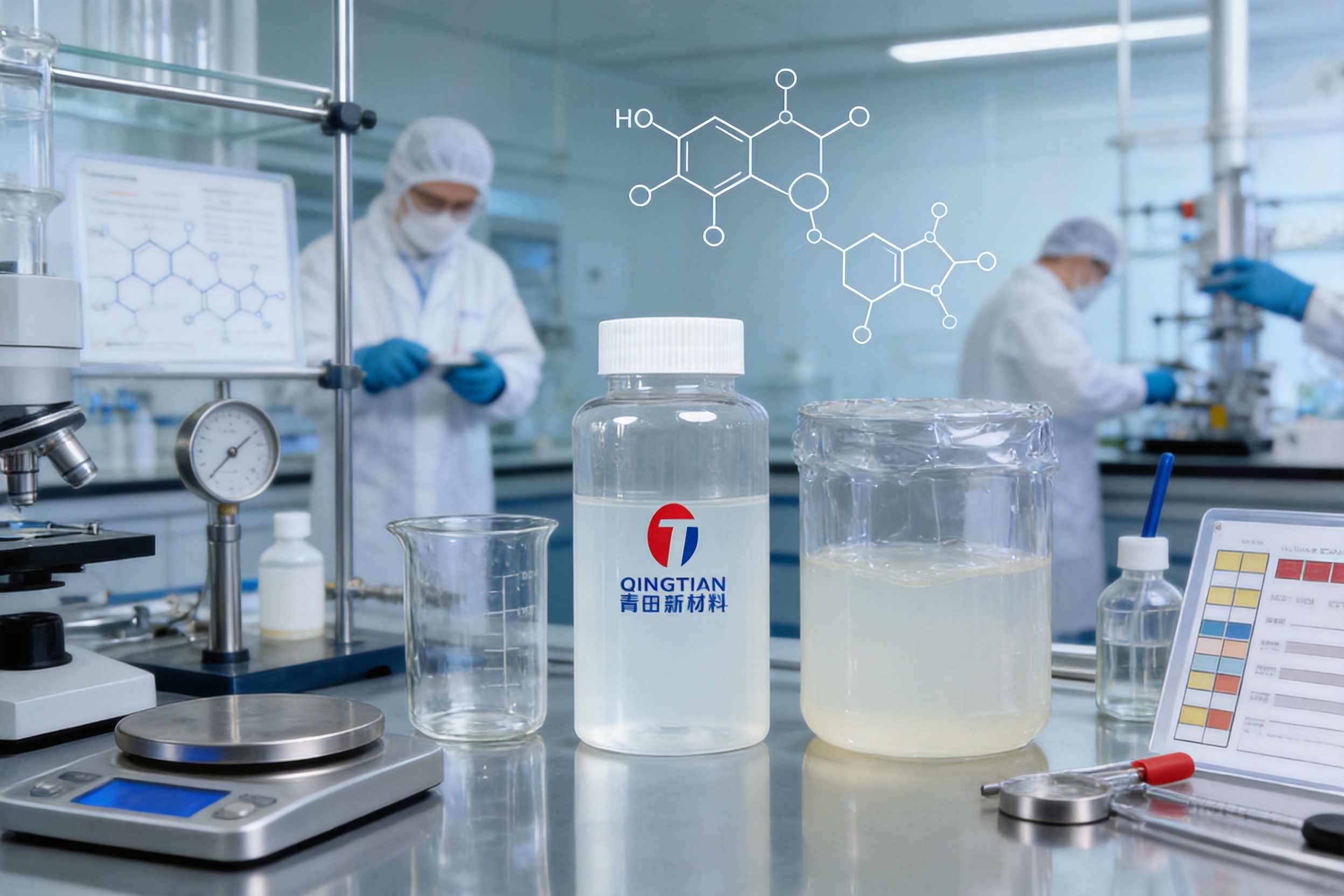
Adhesion is one of the most important requirements for a metallic coating. The coating must remain attached to the substrate during forming, handling, temperature changes, moisture exposure, and service. Poor adhesion can cause peeling, flaking, blistering, or delamination. These failures compromise both appearance and corrosion protection.
AA-9005 is characterized by excellent adhesion. This feature is especially valuable for industrial metallic baking coatings because metal substrates may experience thermal expansion and contraction during oven curing and later service. Strong adhesion helps the cured film remain connected to the substrate as the system experiences these stresses.
Adhesion performance depends on substrate preparation, pretreatment, surface cleanliness, coating thickness, curing conditions, and compatibility with primers or other layers. AA-9005 should therefore be evaluated in the complete coating system. Nevertheless, its adhesion-oriented resin design gives formulators a strong starting point for developing durable metallic finishes.
Metal surfaces can be exposed to humidity, condensation, salts, pollutants, industrial chemicals, and cyclic temperature conditions. Corrosion may begin at scratches, edges, pores, or areas of weak adhesion. A coating resin that supports a dense, well-adhered, properly cured film can contribute to a stronger barrier against corrosive agents.
AA-9005 is described as having excellent corrosion resistance. This makes it suitable for applications where the coating must serve both a decorative and protective function. The resin can be incorporated into systems intended to protect metallic components while maintaining an ice flower appearance.
Actual corrosion performance will depend on the metal type, pretreatment, primer structure, pigment package, coating thickness, edge coverage, curing, and test environment. Product qualification should include relevant humidity, salt spray, immersion, cyclic corrosion, or other tests selected for the intended application. AA-9005 provides a resin foundation designed to support this protective objective.
Heat resistance is essential for coatings used on components exposed to elevated temperatures or repeated heating and cooling. Thermal stress can cause discoloration, loss of adhesion, blistering, cracking, softening, or embrittlement. Baking coatings must also tolerate the specified curing process without losing the intended pattern or surface quality.
Because AA-9005 is a thermosetting acrylic copolymer, it is designed for crosslinked film formation during baking. The resulting network can support improved stability under heat compared with an uncured or purely thermoplastic film. The product is specifically identified for industrial heat-resistant metallic baking coatings.
Testing should be performed at the customer’s expected operating temperature and exposure duration. Short-term high-temperature resistance and long-term thermal aging are different properties. A responsible coating-development program should evaluate both where appropriate, including appearance retention, adhesion, hardness, flexibility, and corrosion protection after heat exposure.
Outdoor coatings must withstand sunlight, moisture, temperature cycling, windborne particles, and atmospheric contaminants. Weathering can lead to color change, chalking, gloss loss, cracking, embrittlement, and reduced adhesion. For decorative metallic surfaces, appearance retention is often as important as barrier protection.
AA-9005 is characterized by excellent weatherability. Its acrylic chemistry is appropriate for coating systems where resistance to outdoor exposure is required. This makes the resin relevant to metallic products used in exterior equipment, architectural components, industrial enclosures, and other applications where a decorative surface must remain stable over time.
Weatherability should be assessed using natural exposure and accelerated testing appropriate to the target market. Pigments, metallic effects, additives, film thickness, substrate, and curing conditions can all affect the final result. The advantage of AA-9005 is that weather resistance is included among its intended performance characteristics rather than treated as an incidental benefit.
AA-9005 contains no heavy metals or other toxic substances according to the supplied product information. This characteristic can help coating manufacturers respond to customer expectations and regulatory requirements concerning restricted substances. It may also simplify internal material review and support more responsible product positioning.
However, the statement should be considered within the complete formulation. The resin itself may be free of the specified substances, while pigments, catalysts, additives, solvents, or other components could introduce separate compliance considerations. Customers should request the appropriate safety, regulatory, and restricted-substance documentation before commercialization.
The absence of heavy metals and other toxic substances is a meaningful differentiator when compared with older or less controlled material platforms. It demonstrates attention to modern industrial requirements without compromising the product’s focus on decorative and protective coating performance.
Not all coating resins are designed for the same purpose. A general-purpose acrylic resin may offer acceptable gloss or hardness, but it may not provide the pattern-forming behavior required for an ice flower coating. A resin developed mainly for interior decorative coatings may not deliver the heat resistance and weatherability required for industrial metallic applications. AA-9005 is differentiated by its combination of crystallizing-pattern functionality and protective performance.
One advantage is application specialization. The product is identified specifically as a crystallizing coating resin for ice flower paint. This gives formulators a more relevant foundation than a standard resin selected only because it is readily available. Specialized resin selection can reduce the number of experimental iterations needed to achieve a stable pattern and can provide a clearer framework for optimizing additives and solvents.
A second advantage is the combination of appearance and durability. Some decorative systems focus primarily on visual effect and require additional protective layers to achieve service resistance. AA-9005 is designed to provide an attractive ice flower pattern while also supporting adhesion, corrosion resistance, heat resistance, and weatherability. This combination may help simplify system design or reduce the need to compensate for weak resin performance with excessive additive loading.
A third advantage is the controlled technical specification. The 60% ±2% solid-content range and Ford No. 4 viscosity range provide measurable quality targets. Inconsistent raw materials can create unstable coating production, even when the nominal chemistry appears similar. Defined specifications improve batch comparison, formulation calculation, and process troubleshooting.
A fourth advantage is the solvent foundation. The stated use of butyl acetate and n-butanol provides formulators with a clear reference for compatibility and evaporation planning. While every final formulation requires testing, a defined solvent system supports a more systematic approach to dilution and application optimization.
A fifth advantage is suitability for industrial baking coatings. The thermosetting acrylic structure is aligned with processes in which the coating is cured through controlled heating. This is different from a resin intended mainly for air-drying decorative applications. The baking-oriented design can support improved final-film integrity and resistance when the customer’s process is properly controlled.
These advantages do not mean that AA-9005 is automatically the best choice for every coating. Product selection should always consider substrate, film requirements, application equipment, regulatory conditions, production temperature, and target service environment. Its principal competitive strength is the focused combination of ice flower appearance and industrial performance.
The performance of a coating resin depends not only on its chemical concept but also on manufacturing discipline. Polymerization control, raw-material management, solvent handling, mixing, filtration, testing, filling, and storage all influence product consistency. A technically promising resin can fail commercially if its batch-to-batch quality is unstable.
Suzhou Qingtian New Material Co., Ltd. operates as a professional supplier of raw materials for coatings, inks, and adhesives. The company has developed an experienced team that includes research and development specialists and sales professionals. It also operates a modern production facility supported by advanced testing equipment and research capabilities.
This combination is important because coating customers require more than a product specification sheet. They need reliable supply, technical communication, troubleshooting support, and the ability to adapt a material to different production conditions. A manufacturer with both technical and commercial teams can connect laboratory development with real industrial requirements.
The company’s development history includes the creation of China’s first ice flower resin in 2016. This milestone indicates a deliberate focus on a specialized coating field rather than a purely general-purpose product strategy. Experience accumulated through the development of ice flower resin can contribute to understanding pattern formation, resin compatibility, baking conditions, and customer application challenges.
Research and development is especially important for specialty coating products because the desired performance is multidimensional. The resin must deliver a visual pattern, yet it must also remain compatible with pigments, additives, solvents, and other coating components. It must be stable in storage and practical in production. It must support the final performance of the cured film. These requirements require formulation knowledge and iterative testing.
The company’s product portfolio includes dispersants, leveling agents, defoamers, adhesion promoters, anti-settling agents, cooling agents, conductive agents, orange peel texture agents, texture powders, and wax powders. This broad product scope can help the manufacturer understand how AA-9005 interacts with the wider coating formulation environment.
Advanced testing equipment supports the evaluation of raw materials, intermediate products, and finished resin batches. For a product such as AA-9005, relevant controls may include appearance, solid content, viscosity, solvent balance, stability, compatibility, and cured-film performance. The precise internal test program is determined by the manufacturer, but the stated presence of advanced equipment indicates a commitment to measurable quality management.
Solid content testing at 105°C for 180 minutes provides a defined method for determining the stated 60% ±2% value. Viscosity measurement using a Ford No. 4 reference provides a practical production-control tool. These methods are valuable because they transform general quality expectations into repeatable acceptance criteria.
Quality control should also include proper sampling, equipment calibration, batch identification, retention samples, and documentation. Consistent procedures help identify trends before they become major production problems. They also support technical discussions between supplier and customer when a coating behaves differently from expectation.
The company moved to Lingrui Intelligent Manufacturing Park in Zhangjiagang High-Tech Zone in 2021 to strengthen research and production capacity. A modern manufacturing location can support improved material flow, equipment organization, production planning, laboratory access, and expansion of technical infrastructure.
For specialty resins, manufacturing capacity should be understood as more than reactor volume. It includes the ability to manage raw materials, control reaction conditions, maintain solvent safety, prevent contamination, filter the product, fill it accurately, and preserve quality during storage and transport. A modern production platform can provide the physical and organizational foundation for these activities.
Intelligent manufacturing principles may also support improved process monitoring and traceability. When production parameters are recorded and reviewed systematically, the manufacturer can better connect process conditions with product specifications. This helps create a feedback cycle between manufacturing, quality control, research, and customer application support.
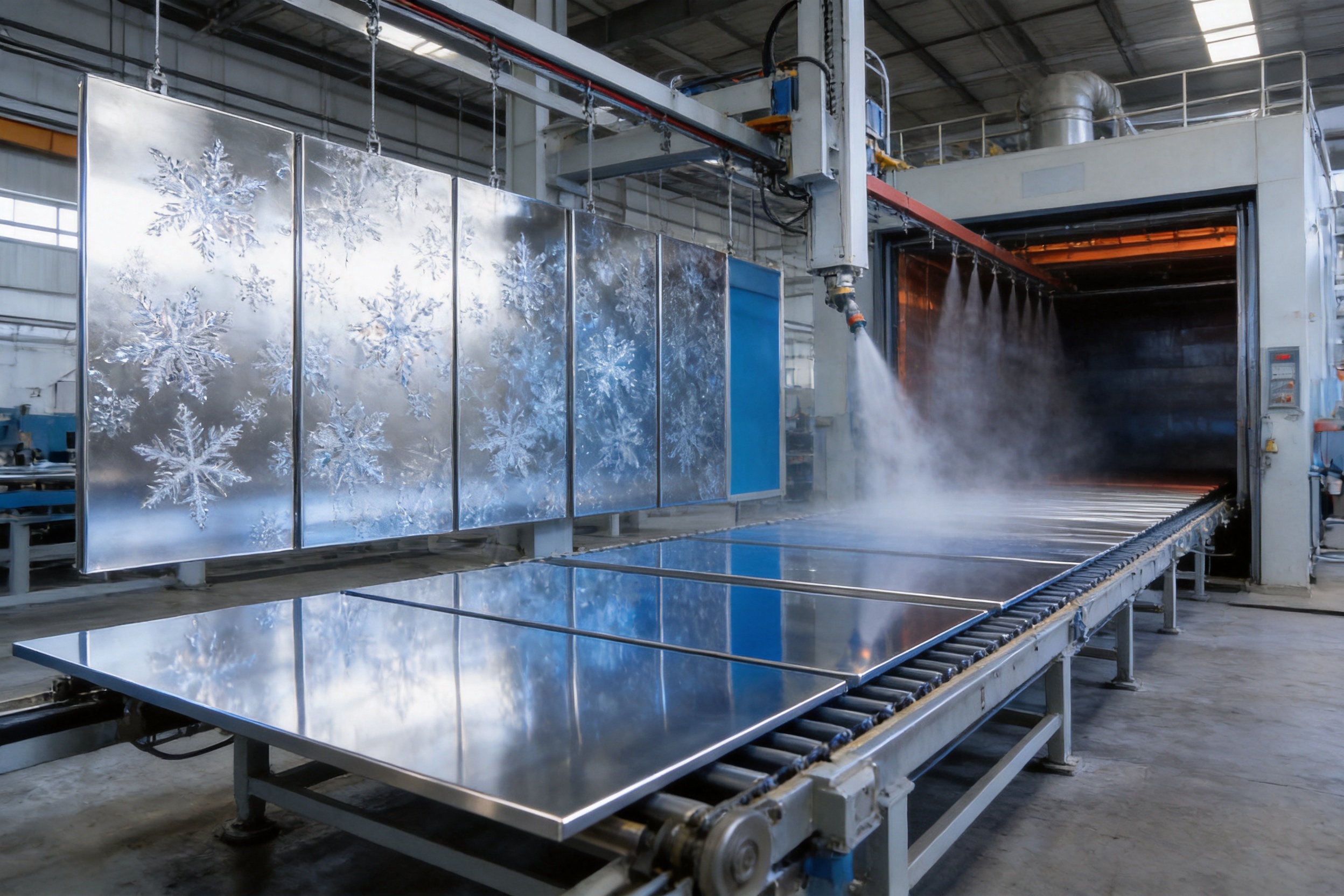
AA-9005 is a resin component rather than a complete coating formula. The final ice flower coating may include pigments, metallic pigments, fillers, catalysts, flow modifiers, defoamers, adhesion promoters, and additional solvents. Each component must be selected for compatibility with the thermosetting acrylic resin and with the intended substrate.
Before full-scale production, formulators should conduct laboratory screening. Initial studies may examine resin dilution, pigment wetting, viscosity adjustment, storage stability, pattern development, gloss, adhesion, hardness, flexibility, and baking response. The best formulation is usually determined through a structured series of controlled experiments rather than through a single trial.
The declared solvent system includes butyl acetate and n-butanol. Additional solvents may be considered depending on the application method and the needs of the complete formulation. The objective is to achieve suitable viscosity, wetting, flow, flash-off, and film formation without creating excessive solvent retention or defects.
Solvent evaporation influences the development of the ice flower pattern. If the wet film loses solvent too quickly, the coating may become difficult to level and may produce rough or incomplete structures. If evaporation is too slow, the film may remain soft for too long, sag during handling, or require a longer oven cycle. The correct solvent balance must be established through actual application testing.
The supplied resin has a Ford No. 4 viscosity of 280–360. The final coating viscosity may be different because of pigment, additive, and solvent additions. Viscosity should be measured using a method appropriate to the production process and controlled within a range that supports stable application.
Spray application may require a different viscosity from roller or curtain coating. Equipment design, nozzle size, atomizing pressure, line speed, and target film thickness also affect the optimum range. Consistent temperature control is important because viscosity changes with temperature. Production teams should avoid comparing viscosity results measured under different conditions.
Adhesion and corrosion resistance are strongly influenced by substrate preparation. Metal surfaces should be free from oil, grease, dust, loose oxide, and other contaminants. Appropriate pretreatment can improve surface cleanliness, promote adhesion, and increase corrosion protection.
Different metals may require different preparation procedures. Steel, aluminum, galvanized metal, and pretreated coil substrates can have different surface characteristics and compatibility requirements. AA-9005 should be tested on the actual substrate used in production, including any primer or conversion coating that will remain beneath the decorative topcoat.
As a thermosetting acrylic resin, AA-9005 is intended for heat-assisted film formation. Baking conditions must be selected according to the complete formulation, substrate mass, oven design, line speed, and required final properties. Oven temperature alone is not sufficient to describe cure; the metal temperature and time at temperature are also important.
Underbaking may result in incomplete crosslinking, reduced hardness, poor solvent resistance, weak adhesion, or inferior weatherability. Overbaking may cause discoloration, embrittlement, loss of gloss, or unwanted changes to the ice flower pattern. Process validation should therefore include cure testing and performance evaluation rather than relying only on nominal oven settings.
A complete qualification program should evaluate both wet-coating behavior and cured-film performance. The exact tests should be selected according to the end use, but a practical program can include the following categories.
| Evaluation Area | Typical Focus | Reason for Evaluation |
|---|---|---|
| Incoming resin inspection | Appearance, viscosity, solid content, packaging condition | Confirms batch conformity before formulation |
| Formulation stability | Settling, separation, viscosity drift, storage behavior | Determines whether the coating remains usable during storage |
| Application behavior | Flow, atomization, wetting, sagging, foam, pattern formation | Identifies production risks before scale-up |
| Appearance | Ice flower uniformity, gloss, color, pinholes, craters | Confirms the required decorative effect |
| Adhesion | Cross-cut, pull-off, or other suitable methods | Measures attachment to the selected substrate |
| Mechanical resistance | Hardness, flexibility, impact, abrasion | Assesses durability during handling and use |
| Heat resistance | Thermal aging, discoloration, adhesion after heating | Verifies performance at the intended temperature |
| Corrosion protection | Humidity, salt spray, cyclic corrosion, or immersion | Assesses protection of the metallic substrate |
| Weatherability | Gloss retention, color change, chalking, cracking | Evaluates outdoor durability |
| Cure verification | Solvent resistance, hardness development, film integrity | Confirms that the baking schedule is adequate |
Testing should be performed on representative panels prepared under controlled conditions. The panels should use the intended substrate, pretreatment, primer, topcoat thickness, application method, and baking profile. This approach produces data that is more useful than results obtained from an unrelated laboratory surface.
AA-9005 is a solvent-based viscous liquid. It should be handled according to the applicable safety data sheet, plant rules, and local regulations. Appropriate ventilation, ignition-source control, personal protective equipment, spill-management procedures, and solvent storage practices are essential.
Containers should remain closed when the product is not being used. Exposure to excessive heat, direct sunlight, moisture, or contamination should be avoided. Before use, the material should be inspected for abnormal thickening, gel particles, phase separation, or unexpected appearance changes. Gentle and appropriate mixing may be used when recommended by the supplier, but high-shear treatment should not be applied without confirming that it will not damage the resin or introduce excessive air.
Because viscosity can change with temperature, storage and application conditions should be controlled as consistently as possible. Materials should be allowed to reach a suitable processing temperature before viscosity adjustment. Any solvent addition should be recorded carefully so that the final formulation remains reproducible.
Packaging integrity is also important. Damaged or improperly sealed containers can lead to solvent loss, viscosity change, contamination, and safety risks. Batch numbers and receipt dates should be recorded to support traceability and inventory rotation.
AA-9005 is intended for industrial heat-resistant and weather-resistant metallic baking coatings. Potential application areas may include decorative metal panels, industrial enclosures, equipment housings, architectural components, fabricated metal parts, and other products where a distinctive surface effect is desired together with protective performance.
The resin may be particularly attractive for manufacturers seeking to differentiate a product through surface design. Ice flower finishes can create a premium appearance for products that would otherwise use a conventional solid color or smooth metallic coating. The effect may be used as a design element, a product-series identifier, or a way to enhance perceived value.
Its relevance to weather-resistant coatings expands the potential beyond indoor decorative products. Where outdoor exposure is expected, the formulation must be carefully designed with suitable pigments, stabilizers, pretreatment, and film thickness. The weatherability of the resin provides a favorable starting point, but the complete coating must still be validated for the target environment.
For manufacturers already using related additives from the same supplier, technical integration may also be practical. Dispersants, leveling agents, defoamers, adhesion promoters, anti-settling agents, texture materials, and wax powders can each influence the final behavior of an ice flower coating. A supplier with knowledge across these categories may be able to offer more coordinated formulation discussions than a supplier focused on only one isolated raw material.
Specialty coating development often involves a series of adjustments. Customers may need to modify the pattern, reduce defects, improve adhesion, change gloss, increase weather resistance, shorten baking time, or adapt the coating to a different substrate. These challenges require communication between the resin manufacturer and the coating producer.
Suzhou Qingtian New Material Co., Ltd. emphasizes innovation, quality, service, and win-win cooperation. Its company background includes experience in raw materials for coatings, inks, and adhesives, as well as a development history involving ice flower resin. These factors provide a useful foundation for technical cooperation.
The company’s location in Zhangjiagang, Suzhou, Jiangsu Province, places its production and research activities within an established industrial region. The stated modern facility, advanced testing equipment, and experienced personnel support the company’s ability to serve domestic and international customers seeking customized chemical solutions.
Customization can be valuable when a standard resin does not fully match the customer’s equipment or service requirements. A customer may need a different viscosity range, adjusted solvent compatibility, modified pattern behavior, or a formulation adapted to a particular baking process. Any such development must be confirmed through technical review and testing, but the manufacturer’s research-oriented platform is an advantage for this type of cooperation.
Before purchasing AA-9005 for production, a customer should define the intended application clearly. Important questions include the metal substrate, pretreatment, coating method, target film thickness, baking profile, required pattern, indoor or outdoor exposure, corrosion expectations, and regulatory requirements.
The customer should request current technical and safety documentation, confirm packaging and batch identification, and discuss sample testing. Laboratory samples should be evaluated using the actual pigments, additives, solvents, and substrate planned for production. If the coating will be sold for a regulated industry, the customer should also verify all applicable restricted-substance and transport requirements.
It is useful to establish acceptance criteria in advance. These may include resin appearance, viscosity, solid content, pattern uniformity, adhesion, hardness, flexibility, heat resistance, corrosion performance, and weatherability. Clear criteria help both supplier and customer identify whether a problem originates from the resin, the formulation, the application process, or the substrate.
Customers should also discuss technical support. A supplier that can assist with formulation screening, process evaluation, and troubleshooting may reduce development time and improve the probability of successful scale-up. This is particularly important for specialized ice flower coatings, where small changes in solvent balance or baking conditions can significantly affect the visual result.
AA-9005 is a solvent-based crystallizing coating resin used to formulate ice flower pattern coatings. It is generally intended for industrial heat-resistant and weather-resistant metallic baking coatings.
It is a thermosetting acrylic organic copolymer. Its thermosetting structure is designed to support crosslinked film formation during heat curing.
An ice flower pattern is a decorative crystalline or flower-like surface effect formed during coating application and curing. The final appearance depends on the complete formulation and processing conditions, including resin concentration, solvent balance, additives, film thickness, and baking.
The stated solid content is 60% ±2%, measured at 105°C for 180 minutes. This specification helps formulators calculate the amount of film-forming material delivered by the resin.
The viscosity is specified as 280–360 using a Ford No. 4 viscosity reference. The final coating viscosity may be adjusted according to the application method and production equipment.
The stated solvent system includes butyl acetate and n-butanol. Additional solvents may be evaluated in the final formulation, but compatibility and application behavior should be confirmed through testing.
Corrosion resistance is one of the product’s stated characteristics. Actual performance depends on the complete coating system, including substrate preparation, pretreatment, primers, pigments, film thickness, curing, and exposure conditions.
It is characterized by weatherability and is intended for weather-resistant metallic baking coatings. Outdoor suitability must be confirmed through testing under conditions representative of the intended service environment.
The supplied product information states that AA-9005 contains no heavy metals or other toxic substances. Customers should review current safety and regulatory documentation for the specific purchase and evaluate the complete coating formulation.
Yes. It is intended as a resin component in a complete coating formulation. Pigment, additive, solvent, and resin compatibility should be evaluated through laboratory testing before production use.
Testing should include appearance, viscosity, solid content, formulation stability, pattern formation, adhesion, hardness, flexibility, heat resistance, corrosion resistance, weatherability, and cure verification. The test panels should use the actual substrate and process conditions planned for production.
AA-9005 is specifically positioned for crystallizing or ice flower coatings while also emphasizing adhesion, corrosion resistance, heat resistance, and weatherability. This specialized combination can be more suitable than a general-purpose resin for industrial decorative metallic baking coatings.
AA-9005 is manufactured by Suzhou Qingtian New Material Co., Ltd., a supplier specializing in raw materials for coatings, inks, and adhesives, including resins and functional additives.
The company’s stated capabilities include research and development, modern production, advanced testing, experienced personnel, and customized chemical solutions. Customers should discuss their specific formulation and process requirements directly with the technical and sales teams.
AA-9005 Crystallizing Coating Resin is a specialized solvent-based thermosetting acrylic resin for ice flower pattern coatings and industrial metallic baking applications. Its principal value lies in combining a distinctive crystallizing appearance with important protective properties. The product is characterized by excellent adhesion, corrosion resistance, heat resistance, and weatherability, while its stated absence of heavy metals and other toxic substances supports modern material-selection priorities.
The controlled 60% ±2% solid content, Ford No. 4 viscosity of 280–360, and defined butyl acetate and n-butanol solvent system provide useful reference points for formulation and quality control. These specifications help customers develop more consistent coating batches and troubleshoot application behavior more systematically.
Compared with a general-purpose resin, AA-9005 offers a more focused platform for ice flower coating development. Its specialized function can help manufacturers pursue distinctive decorative effects without overlooking adhesion, corrosion protection, heat stability, and outdoor durability. As with all coating raw materials, final performance depends on the complete formulation and production process, so laboratory qualification and pilot-scale validation remain essential.
The manufacturer strengthens the product proposition through research and development experience, modern production capability, advanced testing equipment, and a portfolio covering many coating and ink additives. Its history of ice flower resin development and commitment to customized chemical solutions provide a foundation for technical cooperation with coating producers seeking reliable and differentiated surface technologies.
For customers developing metallic finishes that must be attractive, durable, and suitable for industrial baking processes, AA-9005 offers a practical resin platform worthy of detailed evaluation.
1. Product technical information for AA-9005 Crystallizing Coating Resin, including appearance, solid content, viscosity, solvent system, characteristics, and application category.
2. Manufacturer company information concerning research and development, production facilities, testing capabilities, product portfolio, and development milestones.
3. General principles of thermosetting acrylic resin chemistry and crosslinked coating-film formation.
4. General industrial coating practices for metallic substrate preparation, baking, adhesion evaluation, corrosion testing, and weatherability assessment.
5. General formulation principles for solvent-based coatings, including solvent balance, viscosity control, flow, leveling, and film formation.
6. General quality-control practices for coating resins, including solid-content measurement, viscosity testing, appearance inspection, batch traceability, and storage control.
7. General safety and regulatory principles for handling solvent-based coating materials and evaluating restricted substances in complete coating formulations.
 Wholesale Paint/ Coating Additives Manufacturers
Custom Industrial Chemical Solutions Suppliers
Wholesale Paint/ Coating Additives Manufacturers
Custom Industrial Chemical Solutions Suppliers