


 русский
 Español
 Français
Home / Author / Wei Lanqing — Regional Product Sales Manager / Advanced Wetting and Dispersing Technology for High-Performance Solvent-Borne Formulations
Wei Lanqing — Regional Product Sales Manager

Content
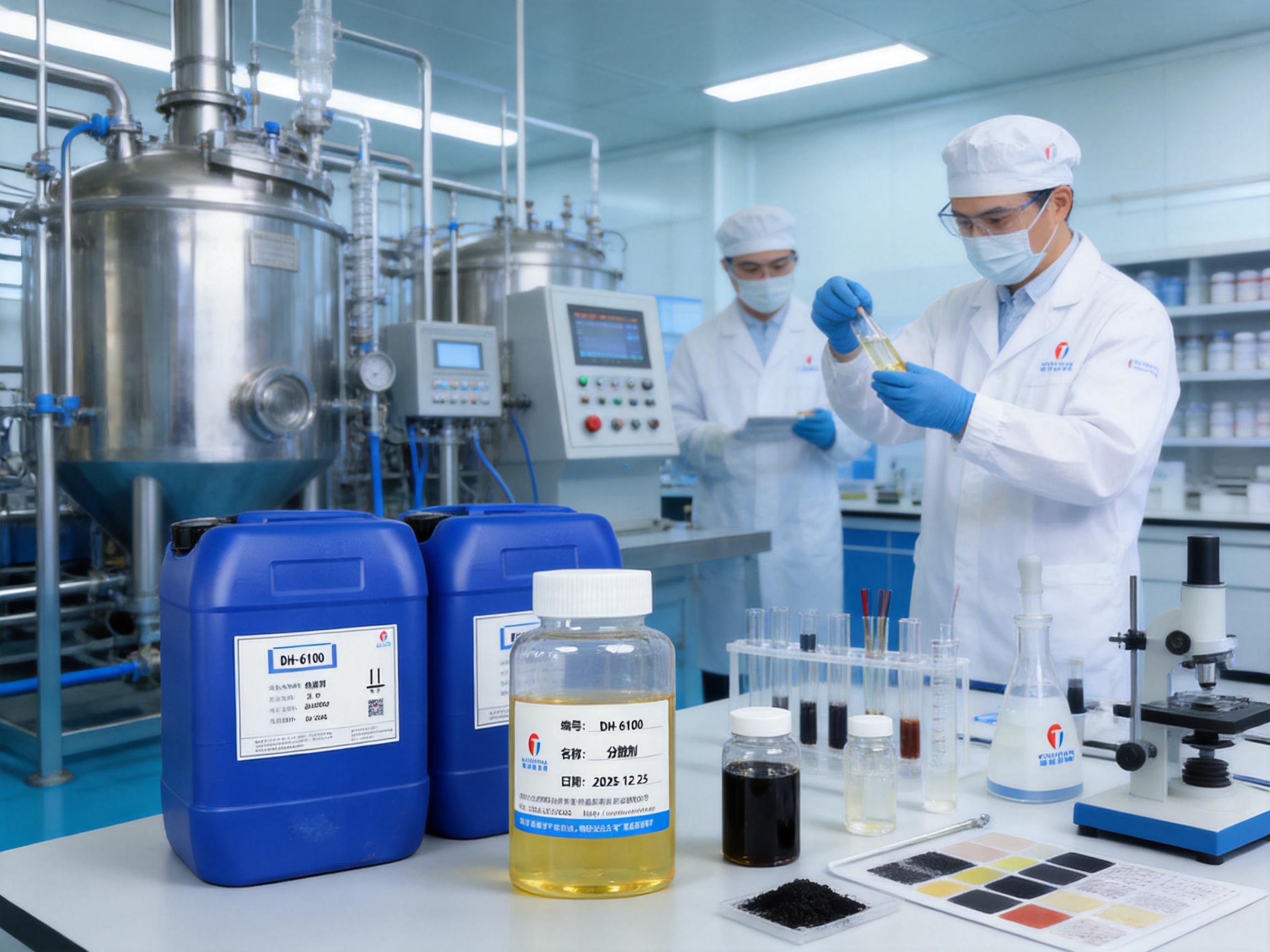
Modern coatings and printing inks depend on more than the quality of their resins, solvents, and pigments. The final performance of a formulation is often determined by how efficiently solid particles are wetted, broken down, stabilized, and distributed throughout the liquid phase. Poor dispersion can lead to color variation, sedimentation, viscosity instability, loss of gloss, weak jetness, difficult processing, and reduced storage life. For this reason, the selection of a suitable wetting and dispersing agent is a critical decision for formulators working with carbon black, organic pigments, solvent-borne coatings, and solvent-based inks.
DH-6100 Wetting and Dispersing Agent is designed to address these challenges through a combination of rapid pigment wetting, strong dispersion capability, viscosity reduction, and long-term stabilization. It is particularly suitable for medium-pigment carbon black and organic pigments, including high-surface-area carbon black grades that are traditionally difficult to process. The product is also especially effective in alcohol-soluble polyurethane inks, where high pigment loading, low grinding viscosity, strong jetness, and excellent gloss are important performance targets.
Unlike a dispersant that provides only short-term color development, DH-6100 is intended to support the complete dispersion process, from initial wetting and grinding through storage and final application. Its broad applicability gives formulators greater flexibility when developing coatings and inks for industrial, decorative, protective, and specialty applications.
Pigments are insoluble solid particles that must be distributed throughout a liquid binder system. Their behavior is affected by particle size, surface area, surface chemistry, aggregate strength, resin compatibility, solvent polarity, and processing conditions. Carbon black is particularly challenging because its fine particles possess a very high specific surface area and tend to form strong agglomerates. Organic pigments may also show strong interparticle attraction, making them difficult to wet and stabilize.
When a pigment is introduced into a coating or ink, the liquid must first displace air and moisture from the pigment surface. This initial wetting step is followed by mechanical deagglomeration during mixing or grinding. Once the agglomerates are broken apart, the newly exposed pigment surfaces must be rapidly covered by compatible dispersant molecules. If these surfaces remain unprotected, the particles can re-agglomerate during storage, application, or drying.
A suitable wetting and dispersing agent performs several functions at the same time. It lowers the interfacial tension between the liquid phase and the pigment surface, promotes rapid penetration of the vehicle into pigment agglomerates, improves the efficiency of mechanical grinding, and provides steric or electrosteric stabilization after particle separation. These effects can reduce the energy required for dispersion while improving color development and formulation stability.
The consequences of ineffective dispersion are extensive. Large agglomerates can create coarse particles, filter blockage, poor printability, uneven color, and surface defects. In black formulations, inadequate dispersion may produce a gray or brown undertone instead of a deep black appearance. In high-gloss coatings, residual agglomerates scatter light and reduce surface brilliance. In liquid systems, unstable dispersion can cause hard sediment that is difficult to reincorporate.
DH-6100 is developed for formulators who need a practical balance between dispersion efficiency, viscosity control, pigment compatibility, and storage stability. Its performance profile is particularly relevant to systems in which carbon black and organic pigments must be processed quickly without sacrificing final color strength or surface quality.
DH-6100 belongs to the solvent-borne dispersant category. It is positioned as a high-efficiency wetting and dispersing agent for pigment-containing coatings and inks. The product information identifies medium-pigment carbon black as a primary area of application and lists Solsperse 20000 as a comparison reference. This comparison indicates that DH-6100 is intended for performance-oriented formulations where dispersant efficiency, viscosity reduction, and pigment stabilization are central requirements.
The product is not limited to one specific resin family. Its stated advantages include wide applicability, good dispersion capability for organic pigments, and particularly strong performance with high-surface-area carbon black. This broad positioning can help reduce the need for multiple dispersants across different product lines, although compatibility testing remains necessary for every formulation.
DH-6100 can be considered for solvent-borne coatings, industrial inks, polyurethane-based ink systems, and other liquid formulations in which pigment particles must be finely and uniformly distributed. It may be useful in systems requiring high jetness, high gloss, low grinding viscosity, short processing cycles, and reliable storage stability.
The product’s principal performance characteristics can be summarized as follows:
| Performance area | Contribution of DH-6100 | Formulation benefit |
|---|---|---|
| Pigment wetting | Reduces surface tension and promotes liquid contact with pigment surfaces | Faster incorporation and improved initial wetting |
| Grinding efficiency | Supports deagglomeration during mechanical processing | Shorter grinding time and improved production efficiency |
| Viscosity control | Provides strong viscosity reduction during grinding, particularly with carbon black | Improved processability and higher practical pigment loading |
| Carbon black dispersion | Shows strong performance with high-surface-area grades | Better jetness, color development, and fineness |
| Organic pigment dispersion | Offers effective stabilization for selected organic pigments | More uniform color and reduced risk of re-agglomeration |
| Storage stability | Helps maintain a more stable pigment distribution over time | Reduced settling, hard sediment, and viscosity drift |
| Surface appearance | Supports uniform pigment distribution and smoother film formation | Improved gloss and visual consistency |
One of the key advantages of DH-6100 is its high dispersion efficiency. In a typical pigment preparation process, dispersion efficiency affects both the time required to reach the target fineness and the quality of the final product. A dispersant that rapidly wets the pigment and supports stable particle separation can reduce the burden on high-speed dissolvers, bead mills, sand mills, or other grinding equipment.
High efficiency is especially valuable in production environments where equipment capacity and batch turnover directly influence manufacturing cost. Shorter grinding cycles can increase equipment availability, reduce energy consumption, and support more predictable scheduling. The benefit is not simply a faster process. Efficient dispersion can also produce a more consistent pigment concentrate, helping reduce variation between batches.
Broad applicability is another important advantage. Coating and ink manufacturers often use several pigment types within the same product family. A dispersant that performs well with one pigment may not be suitable for another because pigment surface chemistry varies significantly. DH-6100 is designed to provide useful performance with medium-pigment carbon black and organic pigments, while showing particular strength with difficult high-surface-area carbon black.
This broad applicability can simplify formulation development. Instead of selecting an entirely different dispersant for every pigment class, the formulator may be able to evaluate one core product across multiple systems. Such standardization can simplify raw-material purchasing, inventory management, quality control, and operator training.
However, broad applicability should not be interpreted as universal compatibility. The final result depends on resin polarity, solvent blend, pigment concentration, dispersant dosage, grinding equipment, and curing conditions. Laboratory screening remains essential. A well-designed evaluation should include pigment wetting, grind gauge fineness, viscosity, color strength, gloss, storage stability, and re-dispersibility.
High-surface-area carbon black is among the most demanding pigments used in coatings and inks. Its small primary particles and complex aggregate structure provide strong optical density, but these same characteristics create a large surface area that must be wetted and stabilized. Without a suitable dispersant, the pigment may absorb a large amount of vehicle, cause excessive viscosity, and form persistent agglomerates.
DH-6100 is described as having outstanding grinding and dispersion capability for high-surface-area carbon black, including grades comparable to Degussa FW2500. This is a significant performance area because high-surface-area carbon black is commonly selected when deep blackness, high tinting strength, and strong visual impact are required.
The product’s viscosity reduction effect is particularly important in such systems. During grinding, carbon black can cause a rapid increase in viscosity as its surface absorbs liquid and particles interact with one another. Excessive viscosity reduces the efficiency of milling, limits pigment loading, increases heat generation, and makes transfer and filtration more difficult. By reducing particle interaction and improving wetting, DH-6100 can help create a more manageable grinding paste.
Lower grinding viscosity may also improve the efficiency of mechanical energy transfer. When a formulation is too thick, the grinding media may move less freely and the pigment may not be exposed uniformly to the required shear forces. A better-balanced dispersion can support more consistent deagglomeration and reduce the time needed to reach the desired fineness.
For black ink and coating manufacturers, the final visual effect is equally important. Efficient dispersion can improve jetness, which refers to the depth and richness of the black appearance. It can also improve gloss by reducing the number of coarse particles that disrupt surface smoothness and scatter incident light.
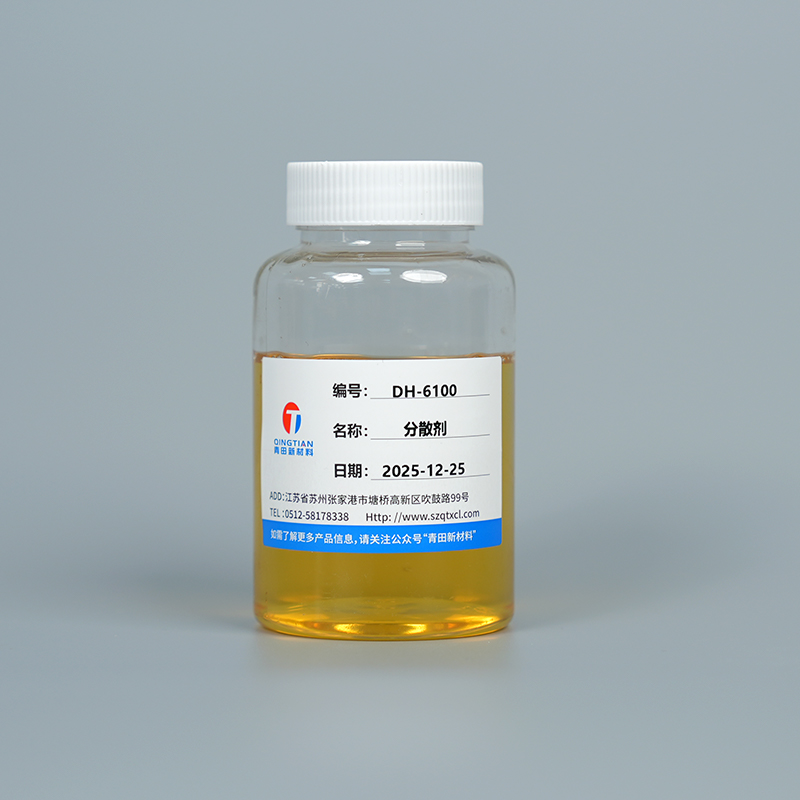
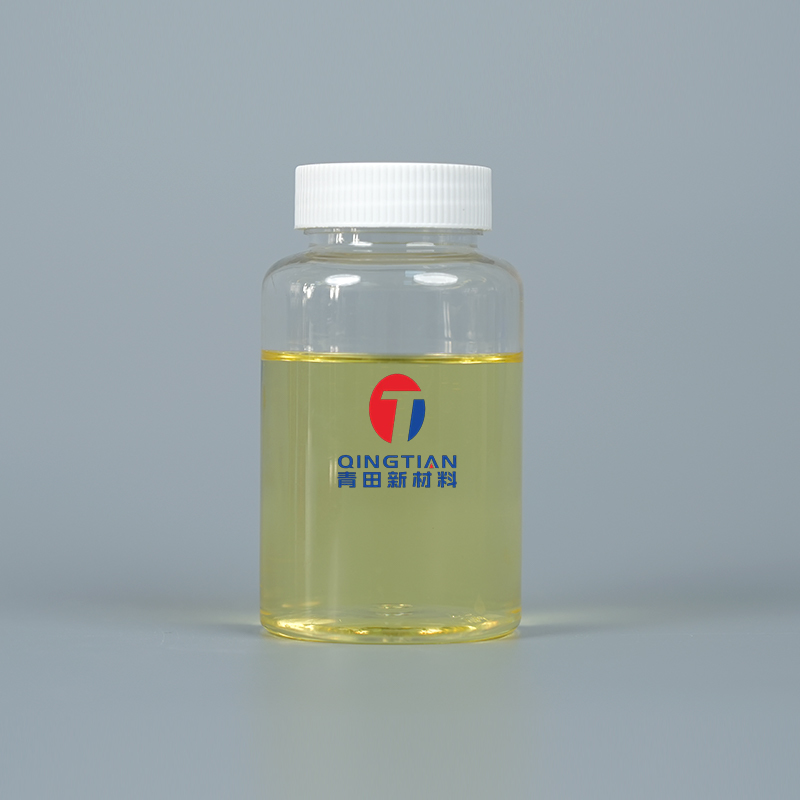
DH-6100 Wetting and Dispersing Agent
Alcohol-soluble polyurethane inks require careful control of resin compatibility, solvent interaction, pigment wetting, drying behavior, and viscosity. These systems are often selected for printing applications where adhesion, flexibility, appearance, and processing stability must be balanced. High-surface-area carbon black can be particularly difficult to disperse in alcohol-soluble polyurethane vehicles because the pigment surface interacts strongly with the resin and solvent environment.
DH-6100 is described as particularly effective for dispersing high-surface-area carbon black in alcohol-soluble polyurethane inks. The stated benefits include superior viscosity reduction, strong grinding and dispersion capability, excellent jetness, and excellent gloss. These characteristics make the product relevant to demanding black ink systems in which both optical performance and production efficiency are important.
In a polyurethane ink, a poorly selected dispersant may interfere with resin compatibility, produce unstable viscosity, or reduce final gloss. It may also fail to protect the pigment surface after grinding, allowing the carbon black to re-agglomerate during storage. DH-6100 is intended to support stable pigment distribution while maintaining the flow characteristics required for processing and printing.
Lower viscosity during grinding can help the manufacturer achieve the required pigment concentration without making the ink difficult to pump, filter, or transfer. It may also support improved let-down behavior when the pigment concentrate is combined with the remaining resin and solvent components. A well-dispersed concentrate can be more predictable during scale-up because its viscosity and color strength are less sensitive to minor variations in mixing conditions.
For printing applications, jetness and gloss are highly visible quality indicators. A deep black shade can improve image contrast and visual impact, while a smooth, glossy surface can enhance the perceived quality of printed packaging, labels, films, or industrial graphics. By supporting fine pigment distribution and reducing coarse particles, DH-6100 can help formulators pursue these properties.
Effective pigment dispersion begins with wetting. If the liquid phase does not readily spread across the pigment surface, air may remain trapped in the agglomerate and the vehicle may fail to penetrate the particle structure. The result is incomplete incorporation, floating pigment, extended grinding time, and inconsistent color development.
DH-6100 effectively reduces surface tension and improves pigment wettability. This function promotes closer contact between the liquid vehicle and the pigment surface. Improved wetting can make the initial mixing stage more efficient and may reduce the formation of dry powder clusters during powder addition.
Wetting performance also influences the total amount of mechanical energy required. A pigment that is properly wetted before grinding can be more readily broken down by shear. In contrast, a poorly wetted pigment may remain in dense agglomerates even when high mechanical force is applied. The dispersant therefore contributes not only to chemical stabilization but also to the practical efficiency of the manufacturing process.
For organic pigments, which may have diverse crystal structures and surface properties, good wetting can be an important factor in achieving uniform color. The product’s stated capability with organic pigments gives formulators an option for systems where color consistency, fineness, and storage stability are essential.
Wetting should be evaluated together with compatibility. A dispersant that lowers surface tension but does not remain compatible with the binder can create other problems, such as flocculation, gloss loss, flooding, floating, or poor recoat behavior. The value of DH-6100 lies in the combination of wetting, dispersion, viscosity control, and stabilization rather than in surface tension reduction alone.
Good dispersion is not complete when the grinding process ends. A pigment system must remain stable during filling, transportation, warehouse storage, and use. Temperature changes, extended storage periods, shear history, solvent evaporation, and interaction with other formulation components can all affect stability.
DH-6100 is designed to significantly improve product storage stability. Stabilization helps maintain the separation of pigment particles after grinding and reduces the tendency of particles to form larger structures over time. This can limit viscosity drift, color change, hard settling, and loss of re-dispersibility.
Storage stability is especially important for carbon black concentrates. Because carbon black has a high surface area and strong interparticle attraction, unstable systems may develop a dense sediment that is difficult to reincorporate. Such sediment can create production losses, inconsistent batches, and additional labor during use.
A stable dispersion can also provide better color consistency from the beginning to the end of a container. In printing ink production, this consistency supports more reliable shade matching. In coatings, it can help maintain uniform appearance across multiple application batches. Stable pigment distribution is therefore directly connected to customer satisfaction and manufacturing reliability.
Although DH-6100 supports storage stability, performance should always be verified under the intended storage conditions. Recommended testing may include accelerated heat aging, room-temperature storage, freeze-thaw evaluation where relevant, viscosity measurement, color comparison, fineness testing, and re-dispersion assessment. The appropriate test period and temperature should reflect the product’s market and logistics requirements.
Grinding is one of the most energy-intensive and time-consuming stages in pigment dispersion. It requires equipment, labor, electricity, cooling capacity, and quality-control testing. A dispersant that shortens grinding time can improve the overall economics of the process.
DH-6100 significantly shortens grinding time by improving initial wetting and supporting the breakdown of pigment agglomerates. Faster grinding can increase production throughput without requiring immediate investment in additional equipment. It can also reduce the time that a batch remains exposed to heat and mechanical stress.
Temperature control is important because excessive heat may affect solvent evaporation, resin stability, pigment performance, and final viscosity. Shorter processing cycles can make temperature management easier and help preserve the intended formulation balance.
Production efficiency also depends on filtration and transfer. A finer and more stable dispersion may reduce the risk of oversized particles blocking filters or causing defects during application. Lower viscosity can improve pumping and transfer while reducing the mechanical load on equipment.
For manufacturers producing multiple colors or product grades, shorter cycle times may create additional scheduling flexibility. Equipment can be cleaned and prepared for the next batch sooner, helping improve utilization. The actual benefit will depend on the existing process, but the potential value of efficient dispersion extends beyond the pigment concentrate itself.
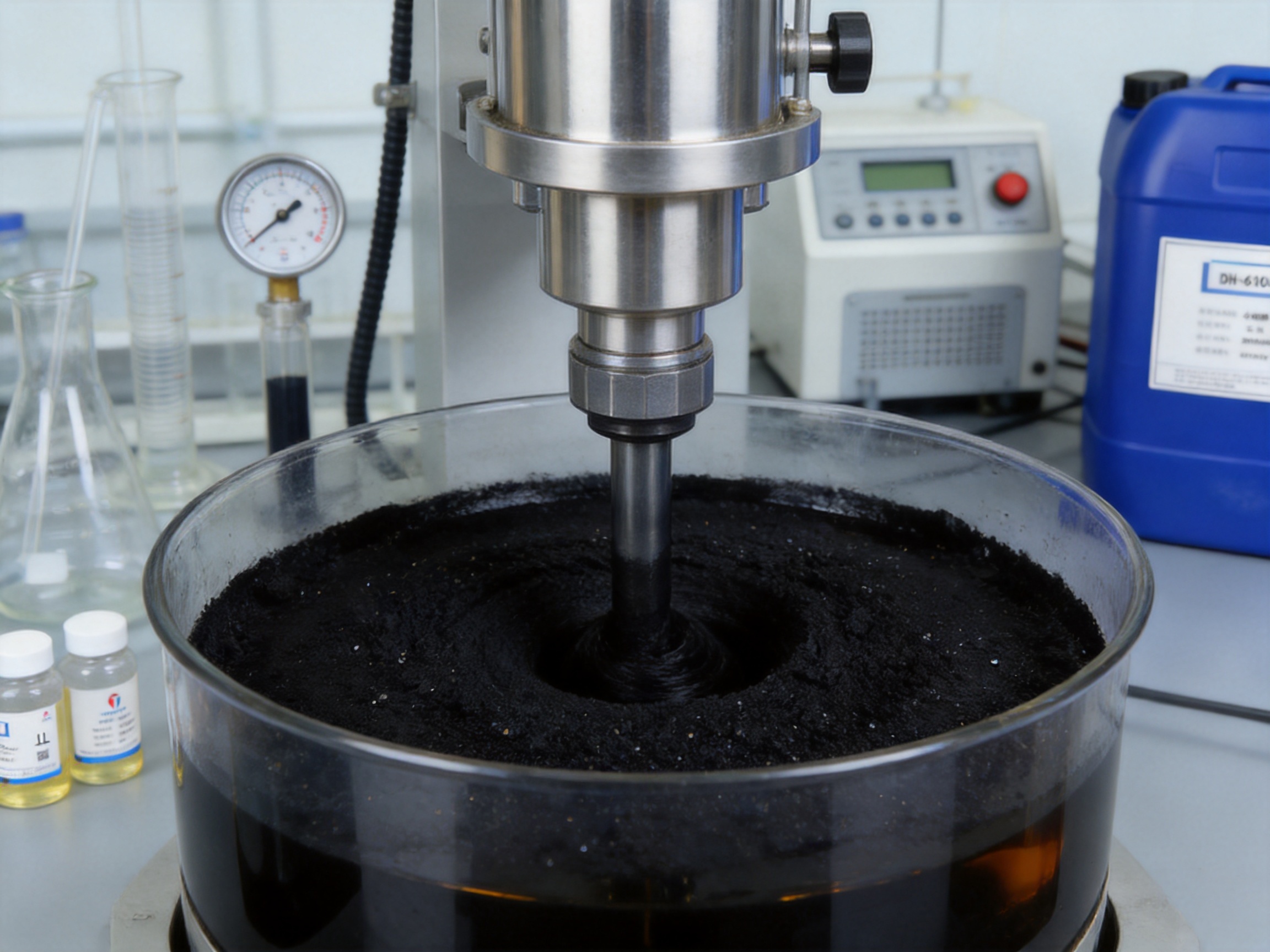
Jetness is a central quality target in black coatings and inks. It depends on pigment type, particle size, dispersion quality, binder interaction, film thickness, drying conditions, and surface morphology. A black pigment that is not fully dispersed may appear less deep, less neutral, or less visually intense than expected.
DH-6100 provides excellent jetness when used with difficult carbon black systems, especially high-surface-area grades. This benefit is associated with improved pigment wetting, deagglomeration, and stabilization. When the pigment is distributed more uniformly, the optical properties of the final film or printed layer can be expressed more effectively.
Gloss is also affected by dispersion quality. Large agglomerates and unstable particles can create microscopic surface irregularities. These irregularities scatter light and reduce the uniform reflection required for a glossy appearance. A well-dispersed pigment phase can support a smoother film, allowing the resin-rich surface to form more evenly during drying or curing.
In applications where both deep blackness and high gloss are required, the dispersant must provide more than simple viscosity reduction. It must maintain pigment separation without creating defects that affect film formation. DH-6100 is positioned for this combined performance requirement.
Appearance testing should include both instrumental and visual evaluation. Color strength, blackness, undertone, gloss at the relevant measurement angle, haze, transparency, and surface uniformity can all provide useful information. Drawdowns, printed samples, and final application panels should be evaluated alongside liquid properties because a dispersion may behave differently before and after film formation.
Traditional dispersant selection is often based on general compatibility or historical use rather than a complete evaluation of pigment difficulty. A conventional product may provide acceptable results with low-surface-area pigments but fail when used with high-surface-area carbon black. In such cases, the formulator may observe excessive viscosity, long grinding cycles, incomplete color development, or rapid settling.
DH-6100 offers several advantages over a basic, single-function dispersant. First, it combines wetting and dispersion functions rather than focusing on only one stage. Second, it is designed to reduce viscosity during grinding, which is especially valuable for difficult black pigments. Third, its stated performance includes storage stability, meaning the formulation is expected to remain more reliable after processing. Fourth, it supports final appearance properties such as jetness and gloss.
Compared with a dispersant selected only for low initial viscosity, DH-6100 may provide a more balanced performance profile. Initial viscosity is important, but a product that produces low viscosity while sacrificing color strength or storage stability may not be suitable for commercial use. The complete evaluation must consider processing, appearance, and long-term behavior.
Compared with a dispersant designed for only one pigment family, the broad applicability of DH-6100 may simplify development across medium-pigment carbon black and organic pigment systems. This can reduce the complexity of raw-material management and provide greater flexibility when product portfolios change.
Solsperse 20000 is identified as a comparison reference. In practical development work, the most meaningful comparison should be based on equal active dosage or an appropriate supplier-recommended dosage basis. Testing should include grind time, viscosity, fineness, tinting strength, jetness, gloss, sedimentation, and re-dispersibility. The best product is the one that delivers the required total performance at the most favorable formulation cost and process condition.
A structured laboratory evaluation can help determine the suitability of DH-6100 for a particular coating or ink. The first step is to select the target pigment, binder, solvent blend, and intended pigment concentration. The dispersant should then be evaluated at several dosage levels rather than at only one concentration.
The dispersant should generally be introduced in a manner that allows it to contact the liquid phase and pigment surface effectively. In many systems, a portion of the vehicle is combined with the dispersant before pigment addition. The pigment is then incorporated under controlled agitation, followed by grinding using the selected equipment.
Important process records include addition order, mixing speed, batch temperature, grinding time, grinding energy where available, and final fineness. These records are useful when transferring the formulation from the laboratory to a pilot plant or production line.
The following evaluation sequence is recommended:
1. Examine initial pigment wetting during powder incorporation.
2. Record the viscosity of the premix before grinding.
3. Grind each sample under comparable equipment and energy conditions.
4. Measure viscosity at controlled temperature after grinding.
5. Evaluate fineness using an appropriate grind gauge or particle-size method.
6. Prepare drawdowns, printed samples, or coating panels.
7. Measure color strength, jetness, undertone, gloss, and surface quality.
8. Store samples under defined conditions and monitor viscosity, settling, color, and re-dispersibility.
9. Compare the results with the current dispersant and the selected benchmark.
Dosage optimization is essential. Too little dispersant may leave pigment surfaces incompletely protected, while excessive dispersant may affect water resistance, adhesion, drying, foam behavior, gloss, or intercoat compatibility. The optimum level is normally the lowest dosage that delivers stable dispersion and the required final performance.
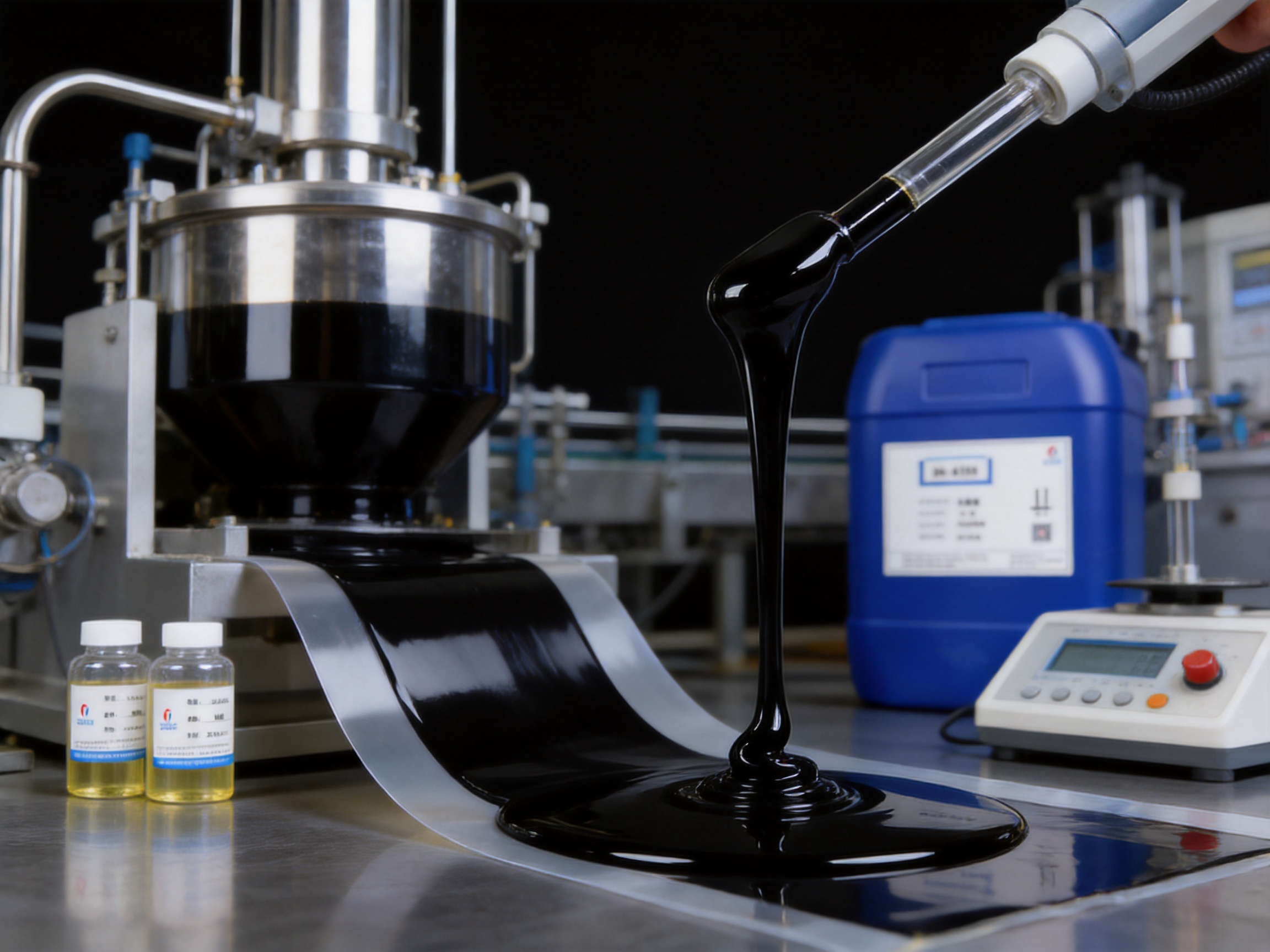
The performance of a specialty additive depends not only on its chemical design but also on manufacturing consistency. Variations in raw materials, reaction control, purification, blending, filtration, and packaging can influence the behavior of the final product. For industrial customers, stable quality from batch to batch is as important as the initial laboratory performance.
Suzhou Qingtian New Material Co., Ltd. is a professional supplier of raw materials for coatings, inks, and adhesives. The company was founded in 2012 and has developed an experienced team involving research and development specialists, sales professionals, and technical personnel. Its product portfolio includes dispersants, leveling agents, defoamers, adhesion promoters, anti-settling agents, cooling agents, conductive agents, orange peel texture agents, texture powders, and micronized wax powders.
The company operates a modern production facility supported by advanced testing equipment and research capabilities. These resources are important for developing and controlling additives used in demanding applications. A modern manufacturing process typically requires controlled raw-material handling, accurate metering, controlled reaction or blending conditions, effective filtration, contamination prevention, and traceable packaging.
For a wetting and dispersing agent, manufacturing control must preserve the product’s ability to interact consistently with pigment surfaces. Key quality considerations may include appearance, viscosity, solids content or active content where applicable, compatibility, storage behavior, and application performance. Reliable testing helps identify variation before material reaches the customer.
The company’s development history also demonstrates a continuing focus on innovation. It created an ice flower resin in 2016, received recognition as a National High-Tech Enterprise in 2020, and moved to Lingrui Intelligent Manufacturing Park in Zhangjiagang High-Tech Zone in 2021 to strengthen research and production capacity. These milestones indicate an effort to combine product development with expanded manufacturing infrastructure.
Advanced manufacturing is valuable to customers because it supports more than large-scale output. It can improve repeatability, shorten development cycles, enable customized solutions, and provide a stronger technical basis for troubleshooting. In additive applications, where a small dosage can significantly change viscosity, gloss, stability, and adhesion, manufacturing precision is especially important.
A specialty additive supplier must understand the relationship between additive chemistry and the complete formulation. Dispersant performance can change when the resin, solvent, pigment, or processing method changes. The supplier’s research and testing capabilities therefore play a central role in customer support.
Suzhou Qingtian New Material Co., Ltd. focuses on coatings, inks, and adhesives, giving it experience across multiple application environments. Its product range serves steel and aluminum coil coatings, plastic coatings, ultraviolet-curing systems, anti-corrosion coatings, wood coatings, glass coatings, epoxy flooring, printing inks, power batteries, photovoltaic panels, and other industries.
This application breadth can support a more practical approach to product development. Instead of treating DH-6100 as an isolated chemical, technical teams can evaluate it in relation to the performance objectives of the final coating or ink. These objectives may include color strength, gloss, adhesion, flexibility, chemical resistance, anti-settling performance, drying speed, conductivity, or surface appearance.
Customer support may include sample evaluation, dosage guidance, compatibility screening, comparison testing, and troubleshooting. For example, if a customer observes high viscosity, the solution may involve adjusting dispersant dosage, pigment concentration, solvent ratio, resin selection, addition order, or grinding conditions. A technically capable supplier can help distinguish between these possible causes.
Customization is also important in industrial chemical supply. Different customers may require specific packaging, delivery schedules, technical documentation, or formulation support. A supplier with research and production capabilities is better positioned to respond to these requirements while maintaining quality control.
DH-6100 is primarily relevant to solvent-borne dispersions containing carbon black or organic pigments. Potential application areas include solvent-based printing inks, polyurethane inks, industrial coatings, protective coatings, plastic coatings, wood coatings, metal coatings, and other pigment-containing systems that require stable and efficient dispersion.
In printing inks, the product can support smooth pigment incorporation, lower grinding viscosity, strong blackness, and high gloss. These properties may be valuable in packaging, film, label, and industrial printing applications.
In industrial coatings, improved dispersion can help achieve uniform color, stable storage, and consistent application behavior. This may be relevant to metal components, machinery, protective structures, and general-purpose industrial finishes.
In plastic coatings, pigment compatibility and surface appearance are important. A stable dispersion can help reduce color variation and support a uniform coating film. The final suitability depends on the polymer substrate, solvent system, application method, and drying conditions.
In wood coatings, black and colored pigment systems may require good surface quality and controlled gloss. DH-6100 can be evaluated where pigment fineness and appearance are important, subject to compatibility with the selected resin and solvent blend.
In specialized systems, the additive may also be screened for use alongside other functional additives. The final formulation should be evaluated for interactions with leveling agents, defoamers, adhesion promoters, anti-settling agents, resins, catalysts, and curing components.
Successful use of DH-6100 requires integration into the complete production process. The addition sequence should be designed to promote fast wetting and prevent dry pigment pockets. Mixing equipment should provide sufficient shear for the selected pigment and batch size. Grinding conditions should be controlled to avoid excessive temperature and inconsistent energy input.
Quality control should be performed at several stages. Incoming raw materials should be checked according to the manufacturer’s requirements. The premix should be inspected for uniformity and excessive viscosity. The ground dispersion should be tested for fineness, viscosity, color strength, and appearance. Finished products should be monitored for storage stability and application performance.
Traceability is another important part of advanced manufacturing. Batch identification, production records, testing results, and retained samples allow the supplier and customer to investigate any variation efficiently. Traceability also supports regulatory compliance and responsible industrial supply.
Packaging and storage conditions should follow the supplier’s technical documentation. Containers should remain properly closed to limit contamination and solvent loss. The material should be stored in a suitable environment with appropriate temperature control and ventilation. Before use, customers should review the latest technical and safety documentation.
Although DH-6100 is a solvent-borne dispersant, its efficiency may contribute to more efficient manufacturing. Shorter grinding cycles can reduce energy consumption and equipment occupancy. Lower grinding viscosity may reduce mechanical stress and improve transfer efficiency. Better storage stability can reduce batch waste caused by hard settling, color drift, or irreversible agglomeration.
Improved dispersion may also help manufacturers achieve the required color strength with more efficient pigment utilization. This does not automatically mean that pigment content can be reduced in every formulation, but it creates an opportunity to optimize pigment concentration and total formulation cost based on measured performance.
Waste reduction should be considered across the entire process. Consistent dispersion can reduce rejected batches, blocked filters, equipment cleaning frequency, and product returns associated with instability. These benefits should be evaluated using actual plant data rather than assumed universally.
Environmental and safety decisions must include the complete solvent-borne formulation. Users should review solvent emissions, worker exposure, flash point, ventilation, waste handling, and applicable regulations. The additive should be handled according to its safety data sheet and the customer’s internal chemical-management procedures.
The competitive value of DH-6100 is based on a combination of technical and operational advantages. A product may be considered competitive when it delivers the required result with lower dosage, shorter processing time, better stability, improved final appearance, or greater formulation flexibility.
For high-surface-area carbon black, the main competitive benefits include strong viscosity reduction, efficient grinding, excellent jetness, and high gloss. For organic pigments, the broad dispersion capability may support more consistent color and improved formulation development. For manufacturers, shorter grinding time and better storage stability can contribute to greater productivity and fewer quality-related losses.
The comparison with Solsperse 20000 should be conducted through controlled testing rather than general assumptions. Every pigment and resin system has its own optimum conditions. A useful benchmark study should compare products at equivalent pigment concentration, similar active dosage, identical grinding energy, and controlled temperature. The evaluation should also include long-term storage behavior, not only immediate viscosity and color.
DH-6100 may be especially attractive to customers seeking one versatile dispersant for several solvent-borne pigment systems. Its ability to address wetting, grinding, viscosity, appearance, and storage stability gives it a broader value proposition than a product judged on only one performance parameter.
Before commercial adoption, formulators should confirm the following points:
1. Compatibility with the selected resin and solvent blend.
2. Wetting behavior during pigment addition.
3. Required dispersant dosage based on pigment type and surface area.
4. Grinding time required to reach the target fineness.
5. Viscosity before and after grinding.
6. Color strength, jetness, undertone, and gloss.
7. Resistance to settling and hard sediment formation.
8. Re-dispersibility after storage.
9. Compatibility with other additives in the final formulation.
10. Performance after application, drying, or curing.
11. Stability under transportation and warehouse conditions.
12. Documentation, packaging, supply capacity, and technical support.
This checklist helps ensure that a dispersant is selected based on total formulation value rather than a single laboratory result.
DH-6100 is used in solvent-borne coatings, inks, and related pigment-containing formulations. It is designed to improve pigment wetting and dispersion, reduce grinding viscosity, shorten grinding time, and improve storage stability. It is particularly suited to medium-pigment carbon black, high-surface-area carbon black, and selected organic pigments.
The product information identifies medium-pigment carbon black as a primary application area. It also highlights strong performance with high-surface-area carbon black and organic pigments.
Yes. DH-6100 is specifically described as having outstanding grinding and dispersion capability for high-surface-area carbon black, including grades comparable to Degussa FW2500. It is also reported to provide strong viscosity reduction in these systems.
DH-6100 is particularly effective for dispersing high-surface-area carbon black in alcohol-soluble polyurethane inks. The stated benefits include superior viscosity reduction, excellent jetness, and excellent gloss. Compatibility should still be confirmed with the specific polyurethane resin and solvent system.
It reduces surface tension, improves pigment wetting, supports deagglomeration, and helps maintain separated pigment particles during grinding. These functions can shorten the time needed to reach the desired fineness and reduce the viscosity burden on the grinding equipment.
Yes. One of its stated advantages is a significant improvement in product storage stability. The dispersant helps reduce re-agglomeration and may limit settling, viscosity drift, and hard sediment. Storage testing should be performed under the customer’s actual conditions.
The optimum dosage depends on pigment type, pigment surface area, concentration, resin, solvent blend, and processing method. A dosage ladder should be evaluated in the laboratory. The best dosage is generally the level that provides stable dispersion and the required final performance without unnecessary excess additive.
Solsperse 20000 is listed as a comparison reference. A meaningful comparison should measure both products under the same formulation and process conditions. Recommended criteria include viscosity reduction, grinding time, fineness, color strength, jetness, gloss, storage stability, and re-dispersibility.
Yes. DH-6100 is described as having good dispersion capability for organic pigments. Because organic pigments differ considerably in surface chemistry and crystal form, individual compatibility testing is recommended.
The supplier has an experienced research and technical team, a modern production facility, advanced testing equipment, and established experience in coating, ink, and adhesive raw materials. Its development milestones include high-tech enterprise recognition and expanded facilities intended to strengthen research and production capacity.
Formulators should evaluate initial wetting, grinding time, viscosity, fineness, color strength, jetness, gloss, storage stability, re-dispersibility, and compatibility with the complete formulation. Application testing should be performed on the intended substrate using the actual coating or printing process.
Customers can contact Suzhou Qingtian New Material Co., Ltd. for product information, samples, technical discussion, and commercial inquiries. The company supplies additives for coatings, inks, adhesives, and related industrial applications.
DH-6100 Wetting and Dispersing Agent is designed for demanding solvent-borne pigment systems in which efficient processing, low grinding viscosity, deep color, high gloss, and storage stability must be achieved together. Its strong performance with medium-pigment carbon black, high-surface-area carbon black, and organic pigments gives formulators a flexible tool for developing coatings and inks.
The product’s principal advantages include effective surface tension reduction, improved pigment wettability, shortened grinding time, strong viscosity reduction, excellent carbon black dispersion, high jetness, excellent gloss, and improved storage stability. These benefits can help manufacturers increase productivity while improving the consistency and appearance of finished products.
Its competitive position is strengthened by the combination of technical performance and supplier capability. Suzhou Qingtian New Material Co., Ltd. brings together research expertise, modern manufacturing, advanced testing, application knowledge, and a broad portfolio of coating and ink additives. This combination supports customers who need more than a standard raw material and require dependable technical cooperation during formulation development and scale-up.
As with all specialty additives, final performance depends on the complete formulation and process. Controlled laboratory screening, benchmark comparison, dosage optimization, and application testing are essential. When evaluated under appropriate conditions, DH-6100 offers a strong option for manufacturers seeking reliable wetting and dispersion performance in solvent-borne coatings and inks.
1. Product information supplied for DH-6100 Wetting and Dispersing Agent.
2. Suzhou Qingtian New Material Co., Ltd. company profile and product portfolio information.
3. General principles of pigment wetting, deagglomeration, stabilization, and dispersion in solvent-borne coatings and printing inks.
4. Technical literature concerning high-surface-area carbon black dispersion and viscosity control.
5. General laboratory methods for evaluating pigment fineness, color strength, jetness, gloss, settling, and re-dispersibility.
6. Comparative formulation-development practices for solvent-borne dispersants and pigment concentrates.
 Wholesale Paint/ Coating Additives Manufacturers
Custom Industrial Chemical Solutions Suppliers
Wholesale Paint/ Coating Additives Manufacturers
Custom Industrial Chemical Solutions Suppliers