


 русский
 Español
 Français
Home / Author / Wei Lanqing — Regional Product Sales Manager / DH-7213S Water-Based Thickener: Performance, Formulation Benefits, and Manufacturing Strengths
Wei Lanqing — Regional Product Sales Manager

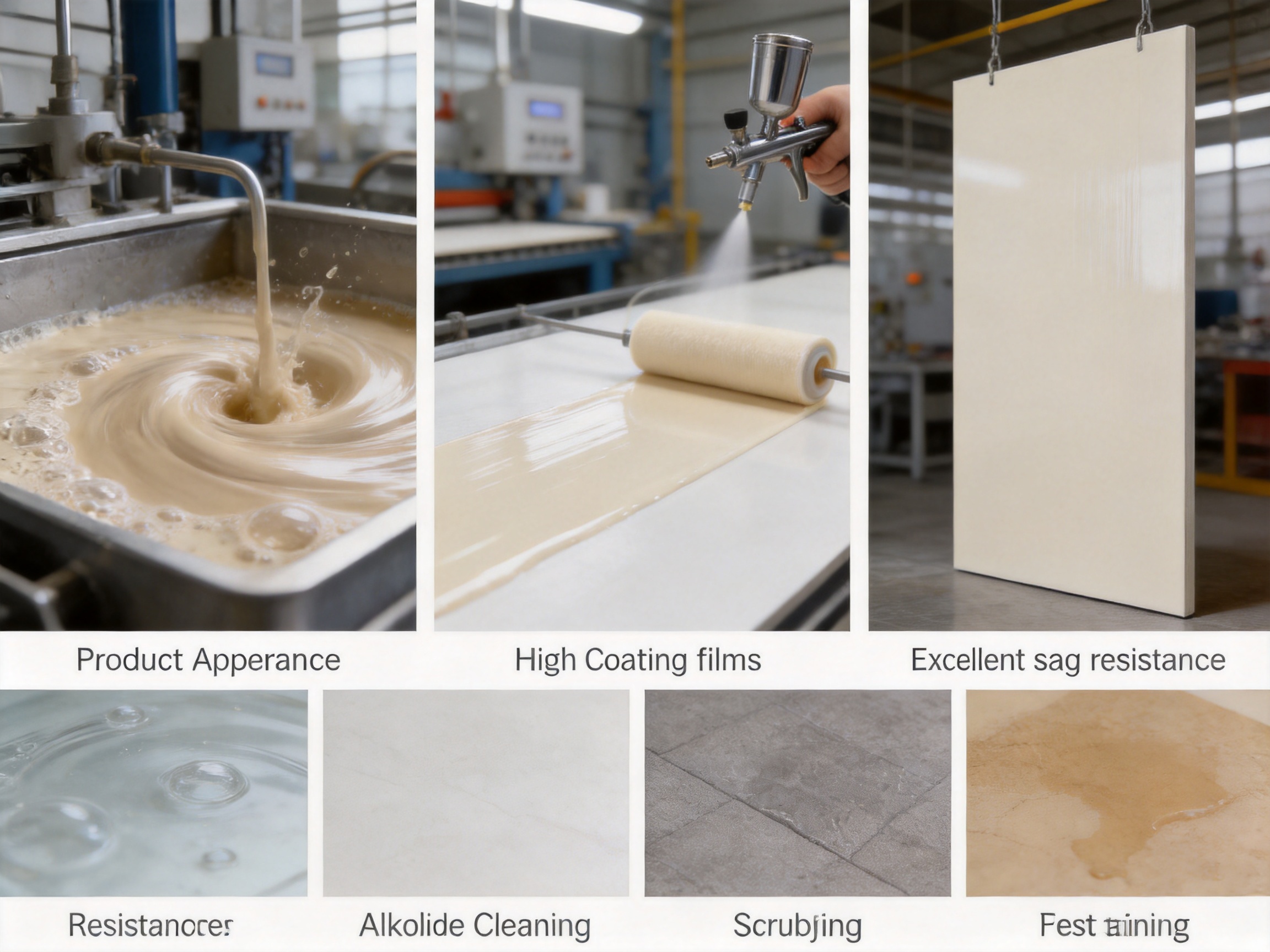
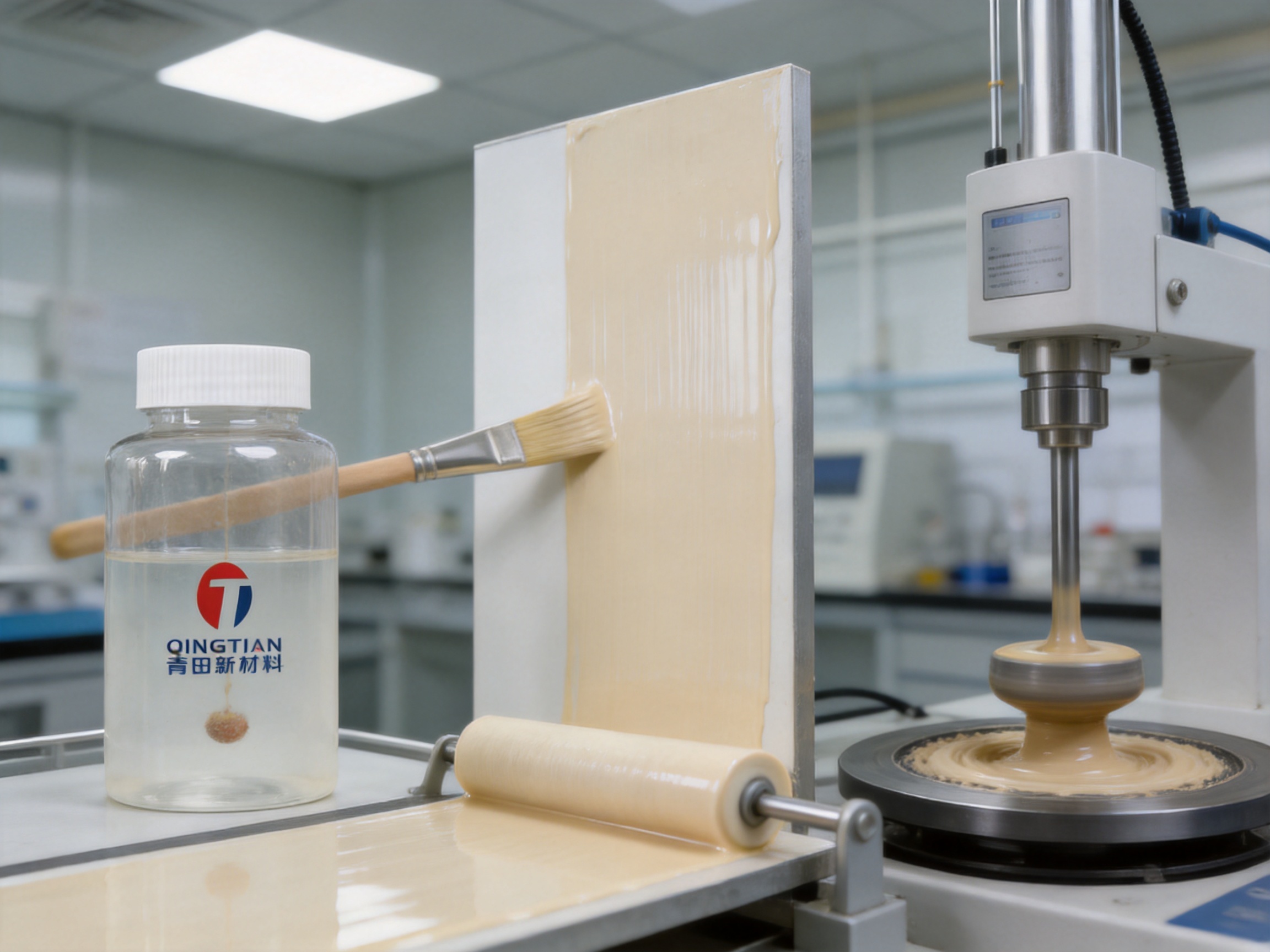
Modern coatings must deliver more than attractive appearance. They must maintain stable viscosity during storage, flow evenly during application, resist water and household chemicals, withstand mechanical cleaning, and remain compatible with increasingly demanding environmental standards. At the same time, coating manufacturers are expected to reduce hazardous substances, simplify formulation, improve production efficiency, and provide consistent quality across different batches and application conditions. These requirements make the selection of a suitable rheology modifier one of the most important decisions in water-based coating development.
DH-7213S Water-Based Thickener is an environmentally friendly anionic acrylic thickener modified with hydrophobic groups. It is designed for coating systems that require a balanced combination of viscosity control, leveling, fluidity, application stability, and resistance performance. Rather than focusing only on increasing viscosity, the product is developed to support the broader rheological behavior of a coating. This includes fast paste-forming speed, rapid thickening, effective high-shear viscosity development, good electrolyte resistance, and improved thixotropy.
The product is particularly relevant to formulators who need a thickener that can improve application behavior without creating excessive loss of flow. In many coating systems, a highly viscous formulation can appear stable in the container but perform poorly during brushing, rolling, spraying, printing, or other application processes. Conversely, a formulation with insufficient structure may sag, settle, splash, or fail to provide uniform film thickness. DH-7213S is positioned to help formulators manage this balance through hydrophobically modified acrylic chemistry and a rheological profile suited to water-based systems.
This article examines the product’s technical advantages, application value, competitive strengths, formulation considerations, quality expectations, and the manufacturing capabilities supporting its supply. It also explains why a modern coating additive supplier must combine chemical development, process control, testing, technical service, and customer cooperation rather than treating the additive as a simple commodity.
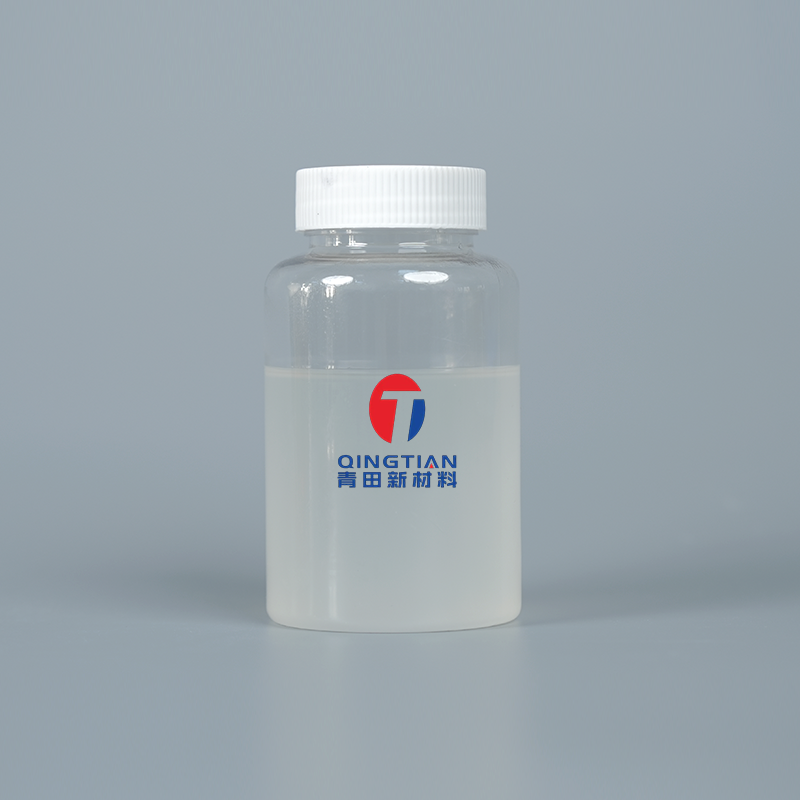
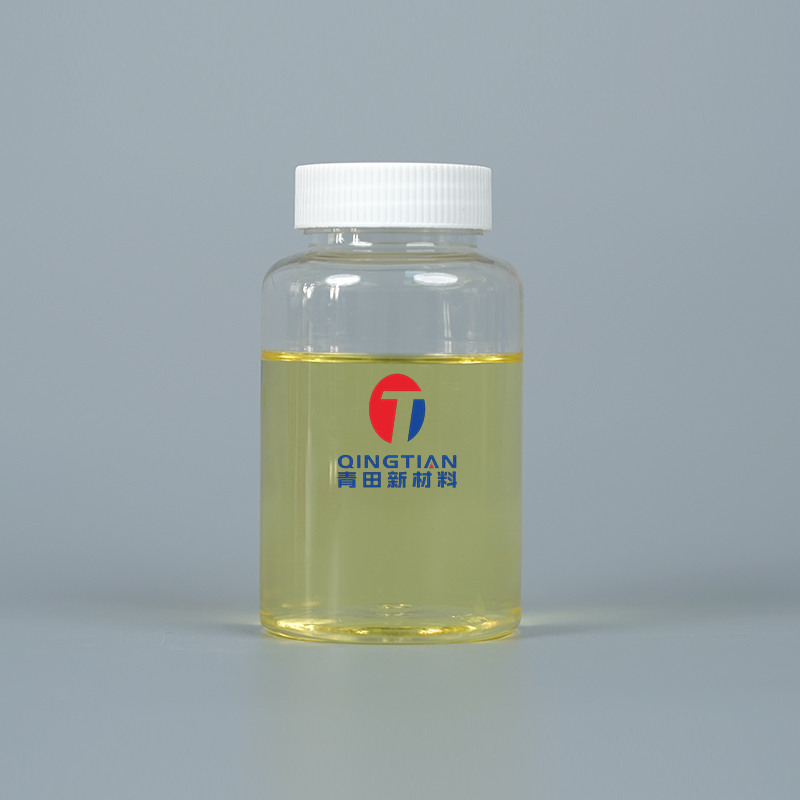
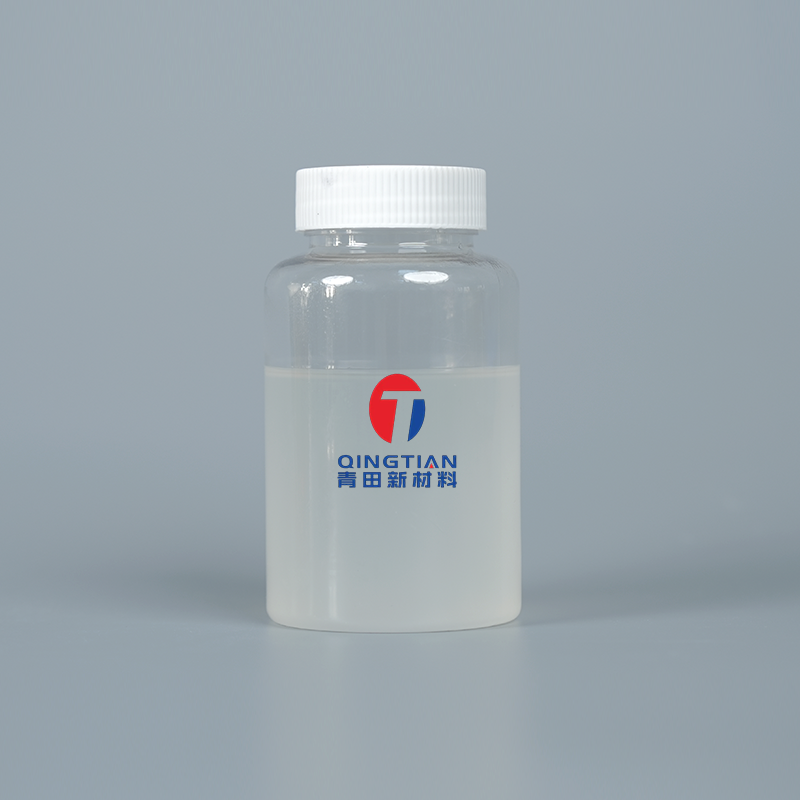
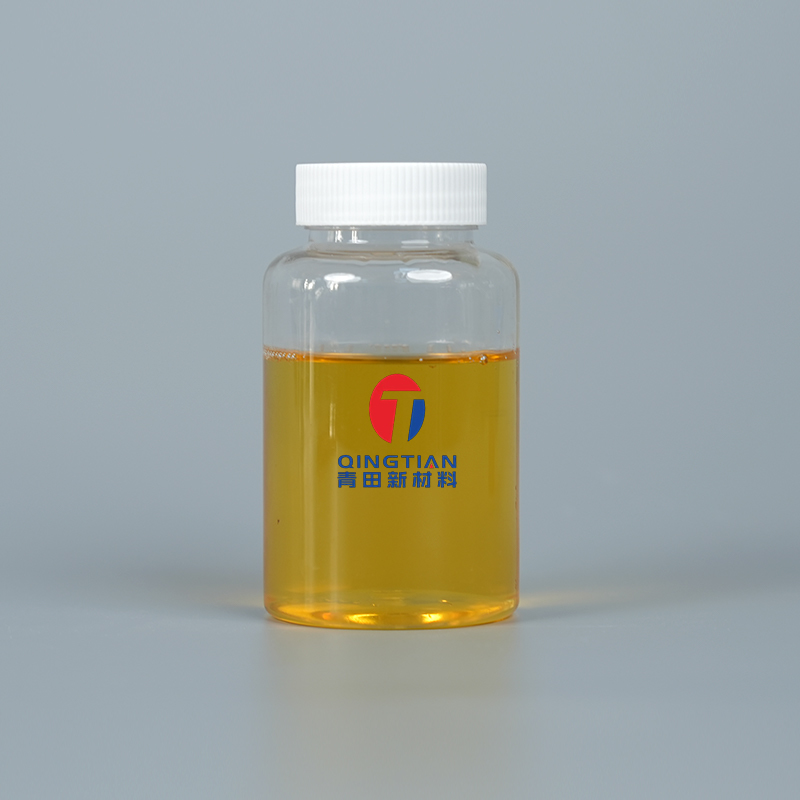
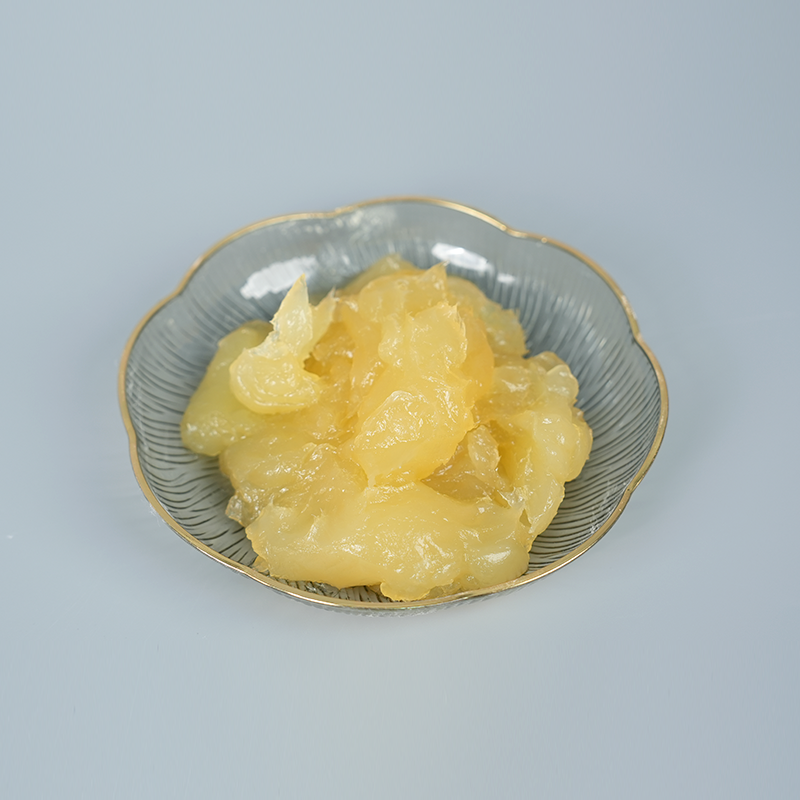
DH-7213S Water-based Thickener
DH-7213S belongs to the category of water-based coating thickeners. Its primary function is to increase viscosity and improve thixotropy, while also supporting leveling and fluidity. The product is based on an anionic acrylic thickener structure modified with hydrophobic groups. This type of design allows the thickener to contribute not only to static viscosity but also to the relationship between viscosity, shear, recovery, and application behavior.
In practical terms, the thickener can help a coating maintain an appropriate structure while at rest and become easier to process or apply when subjected to movement. This behavior is important in water-based paints and coatings because the material may experience mixing, pumping, filling, spraying, brushing, rolling, or printing before it finally forms a film. A useful rheology modifier must therefore work across several stages of the product life cycle.
The principal product benefits include rapid thickening, fast paste formation, excellent high-shear viscosity development, improved thixotropy, good leveling, and good fluidity. In addition, the material offers resistance to water, alkali, scrubbing, and staining. Its electrolyte resistance can be valuable in formulations containing salts, pigments, fillers, dispersants, or other raw materials that may affect the performance of sensitive rheology modifiers.
DH-7213S is also described as free of formaldehyde, alkylphenol ethoxylates, and kerosene. This profile supports the development of more environmentally responsible coatings. The product also offers reliable biological stability and resistance to microbial and enzymatic degradation, which can help preserve formulation performance during storage and use when combined with an appropriate overall preservation system.
The product can be considered from two related perspectives. The first is viscosity adjustment. By increasing the viscosity of the liquid phase, it helps a formulator reach the desired application consistency and improve resistance to sagging, dripping, and uncontrolled flow. The second is rheological structure. A coating needs an appropriate balance between low-shear behavior, high-shear behavior, and recovery after shear. DH-7213S is intended to contribute to this wider balance rather than simply produce a thick, difficult-to-apply material.
Its functional roles may include improving in-can stability, supporting pigment and filler suspension, enhancing application control, reducing the tendency toward sagging, supporting more uniform film formation, and helping the coating recover structure after application. The actual results will depend on the binder, pigment volume concentration, pH, surfactants, dispersants, co-solvents, electrolyte level, water quality, and processing sequence used in the final formulation.
Water-based coatings contain several components with different physical and chemical characteristics. A typical formulation may include a polymer dispersion or emulsion, pigments, extenders, water, wetting agents, dispersants, defoamers, coalescents, preservatives, pH adjusters, and rheology modifiers. These materials interact during dispersion, let-down, storage, and application. A thickener must function within this complex environment while maintaining compatibility with the other ingredients.
Viscosity is not a single fixed value. It changes according to shear rate, temperature, time, formulation composition, and equipment. A coating that has the same measured viscosity at one test condition may behave very differently during application. For this reason, coating developers often need to evaluate low-shear viscosity for storage stability, medium-shear viscosity for application feel and leveling, and high-shear viscosity for spray, roll, brush, or printing performance.
Thixotropy is another important property. A thixotropic coating can develop structure when it is at rest, helping reduce settling and sagging, while becoming less resistant to flow under shear. After shear is removed, the structure gradually rebuilds. Properly controlled thixotropy can improve ease of application, reduce dripping, and support uniform film formation. Excessive thixotropy, however, may cause poor leveling, brush marks, roller stipple, or difficulty in pumping and spraying.
DH-7213S addresses this challenge by combining thickening performance with leveling and fluidity. This combination is especially valuable for formulators who want a coating to remain stable in the package but still spread smoothly during use. It can also reduce the need to compensate for poor rheology through excessive water adjustment or other formulation changes.
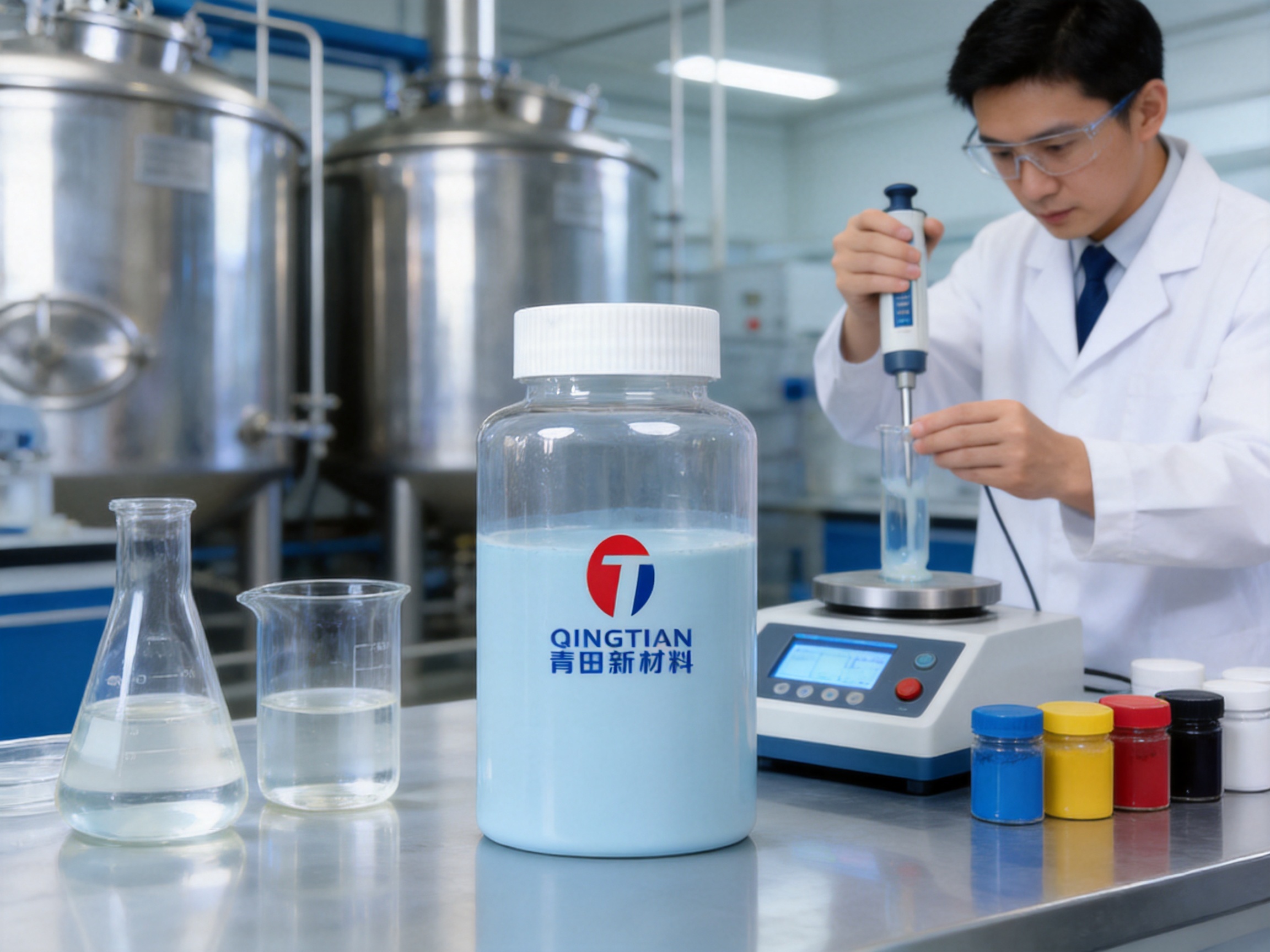
Fast paste-forming speed is a practical advantage during production. A thickener that develops viscosity efficiently can help shorten the time required to reach the desired rheological state. This may support faster batch adjustment, more efficient processing, and improved production scheduling. Rapid thickening can also be beneficial when a formulator needs to correct viscosity during let-down or final adjustment.
Fast response does not eliminate the need for appropriate dispersion and addition procedures. Water-based acrylic thickeners may require suitable dilution, neutralization, or controlled incorporation depending on the final system and the supplier’s technical recommendations. Nevertheless, a product with a rapid thickening response can provide a wider and more convenient operating window for coating manufacturers.
High-shear viscosity influences the behavior of coatings during application. Spray atomization, high-speed mixing, roller movement, and brush application can all expose the formulation to substantial shear. If viscosity falls too sharply under these conditions, the coating may become difficult to control, may splash, or may fail to deliver a consistent wet film. If viscosity remains too high, application may require excessive force or pressure.
DH-7213S is designed to provide an excellent high-shear viscosity thickening effect. This can help maintain application body and consistency when the coating is subjected to movement. For industrial and architectural coating formulators, the result may be better control over film deposition, reduced run-off, and improved operator experience. The exact effect must be confirmed in the target formulation because binder type and pigment concentration strongly influence high-shear response.
One of the most important advantages of DH-7213S is the combination of thickening with good leveling and fluidity. Some thickeners create strong structure but cause a coating to drag, resist spreading, or retain application marks. A balanced rheology modifier can help the coating flow together after application and produce a more uniform surface.
Good leveling is important for visual quality, especially in decorative coatings, wood coatings, metal coatings, plastic coatings, and other applications where surface appearance is closely evaluated. Fluidity also affects the ease of pumping, mixing, filling, and application. By supporting both viscosity and movement, DH-7213S can help formulators avoid the common trade-off between stability and smooth application.
The product information identifies improvement of thixotropy as one of its principal functions. This is useful when a formulation needs stronger structure during storage and after application, but must remain workable during mixing or coating application.
Improved thixotropy may contribute to reduced settling of pigments and fillers, better resistance to sagging on vertical surfaces, improved package stability, and more controlled application. It can also help a coating recover after shear, which may be valuable when the wet film must remain in place while the water evaporates and the film develops.
Coating durability is affected by both the binder and the additive package. A thickener should not undermine the final film’s resistance properties. DH-7213S is described as offering outstanding resistance to water, alkali, scrubbing, and staining. This makes it a suitable candidate for coating systems exposed to cleaning, moisture, alkaline
 Wholesale Paint/ Coating Additives Manufacturers
Custom Industrial Chemical Solutions Suppliers
Wholesale Paint/ Coating Additives Manufacturers
Custom Industrial Chemical Solutions Suppliers