русский
 Español
 Français
Home / Author / Wei Lanqing — Regional Product Sales Manager / Advanced Water-Based Polyether Silicone Defoamer for High-Performance Formulations
Wei Lanqing — Regional Product Sales Manager

Content
Foam control is one of the most important yet frequently underestimated challenges in water-based coatings, adhesives, inks, industrial treatment solutions, and other liquid formulations. Foam can appear during manufacturing, circulation, pumping, filling, spraying, printing, coating, or application. If it is not controlled effectively, it may cause pinholes, craters, uneven film formation, reduced gloss, poor appearance, unstable viscosity, inaccurate filling, and inconsistent product performance. In demanding formulations, a defoamer must do more than simply collapse visible foam. It must also suppress newly generated foam, spread rapidly through the system, maintain compatibility, avoid surface defects, and remain effective across changing temperatures and processing conditions.
DH-2270S Water-based Polyether Silicone Defoamer is designed to address these requirements through a combination of rapid migration, very low surface tension, dynamic foam suppression, static defoaming, substrate wetting, and strong formulation stability. It is suitable for water-based coatings, water-based pressure-sensitive adhesives, fount solutions, inkjet inks, latex dipping systems, electroplating solutions, and stable universal pigment concentrates. Its balanced performance makes it a practical additive for manufacturers seeking reliable foam control without introducing excessive water sensitivity, cloudiness, stickiness, whitening, atomization, or poor water resistance into the finished system.
The product is part of a broader range of specialty additives developed for coatings, inks, adhesives, and industrial materials. Its formulation concept reflects the need for modern water-based systems to combine processing efficiency, attractive appearance, application reliability, and long-term film performance. Rather than acting only as a conventional surfactant, DH-2270S is engineered to provide fast migration toward air-liquid interfaces, reduce surface tension under dynamic conditions, and help prevent foam from forming again after initial collapse.
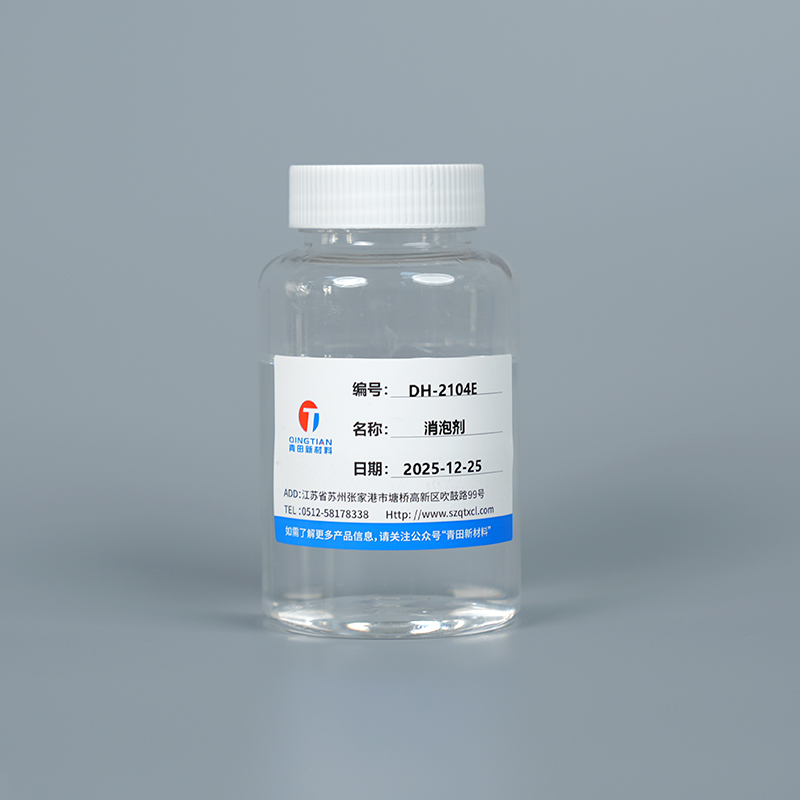
DH-2270S Water-based Polyether Silicone Defoamer
Water-based formulations are increasingly used because of their lower volatile organic compound potential, improved workplace considerations, regulatory advantages, and suitability for a broad range of substrates. However, water has relatively high surface tension, and many water-based systems contain surfactants, dispersants, emulsifiers, resins, pigments, fillers, and other components that stabilize air bubbles. During high-speed mixing or circulation, air can be incorporated into the liquid and become difficult to release.
Foam may be generated at several stages. During production, high-shear dispersion and recirculation can draw air into the batch. During packaging, filling and pumping can create additional turbulence. During application, spraying, rolling, brushing, printing, or dipping can introduce air at the interface between the formulation and the substrate. In pigment concentrates, foam can interfere with dispersion efficiency and make it difficult to achieve consistent color strength. In adhesives, entrapped air may produce weak areas or irregular coating weight. In electroplating solutions and fount solutions, uncontrolled foam can negatively affect process consistency and equipment operation.
A foam-control additive must therefore perform under both dynamic and static conditions. Dynamic foam control refers to the ability to suppress foam during agitation, circulation, application, and other active processing steps. Static foam control refers to the ability to prevent residual bubbles from remaining or reforming while the liquid is stored, transported, or held in equipment. Many conventional products perform adequately in one area but less effectively in the other. DH-2270S is designed to support both rapid foam break and continuing foam suppression.
Uncontrolled foam can produce visible and hidden defects. Visible defects include pinholes, craters, bubbles, surface irregularities, uneven gloss, and poor leveling. Hidden effects may include reduced barrier performance, lower adhesion, inconsistent film thickness, incomplete substrate wetting, and reduced durability. In industrial production, foam can also lead to inaccurate volume measurement, longer filling times, increased rejection rates, and additional filtration or rework.
For manufacturers of water-based coatings and inks, appearance is often a decisive quality factor. Even a chemically sound coating may be rejected if the dried film displays craters, microbubbles, cloudiness, or inconsistent gloss. For pressure-sensitive adhesives, air entrapment may affect coating uniformity and bonding behavior. For pigment concentrates, foam can interfere with production efficiency and make it more difficult to obtain a stable, universally compatible concentrate.
Effective defoaming is therefore not simply a matter of adding the strongest possible foam breaker. Excessive or poorly selected defoamer can create its own problems, including surface defects, intercoat adhesion issues, reduced recoatability, water sensitivity, or incompatibility with the binder. The most useful additive is one that provides strong foam control while maintaining the overall balance of the formulation.
DH-2270S Water-based Polyether Silicone Defoamer is a water-based polyether silicone additive intended for demanding aqueous formulations. Its functional profile combines rapid migration, surface-tension reduction, substrate wetting, foam breaking, and foam suppression. The product is particularly appropriate when a formulation requires both immediate processing control and stable long-term behavior.
The additive is designed to migrate rapidly within a water-based system. Rapid migration allows the active material to reach foam interfaces and unstable air-liquid boundaries without requiring excessive mechanical mixing. Once positioned at the interface, it can help reduce the energy required to break bubbles and inhibit the formation of persistent foam films.
Another important feature is its ability to reduce both dynamic and static surface tension. Dynamic surface tension is especially significant in high-speed processes, where the surface is continuously created and renewed. Examples include spraying, printing, slot coating, high-speed filling, and mechanical agitation. Static surface tension influences wetting and equilibrium behavior after the system has been at rest. By addressing both conditions, the product can contribute to more consistent wetting and foam control across different stages of production and application.
The product also provides low water sensitivity. This characteristic is valuable in water-based coatings and adhesives because excessive sensitivity to water may cause defects after drying or during exposure to humidity. A defoamer that introduces water-sensitive behavior may lead to whitening, loss of gloss, tackiness, or deterioration of water resistance. DH-2270S is formulated to reduce these risks when properly selected and incorporated into a compatible system.
Rapid migration helps the additive move efficiently toward foam interfaces and freshly created surfaces.
Dynamic and static surface-tension reduction supports performance during both active processing and storage or holding periods.
Defoaming and foam suppression work together to collapse existing bubbles and reduce the generation of new foam.
Low water sensitivity helps protect the appearance and resistance of dried water-based films.
Substrate wetting supports more uniform contact between the liquid formulation and the surface being coated, printed, bonded, or treated.
The product does not easily form micelles, which helps distinguish its behavior from that of many traditional surfactant-based approaches.
Thermal, acid, and alkali stability support use in a broad range of industrial formulations and process environments.
The absence of a cloud point helps maintain consistent behavior across a wide temperature range.
Foam is stabilized when surface-active components form elastic films around air bubbles. These films can resist drainage and rupture, allowing bubbles to accumulate into a persistent foam layer. A functional defoamer must disturb this stabilizing structure without causing unacceptable incompatibility in the liquid or dried film.
Polyether silicone chemistry is useful for this purpose because it can combine low surface tension with compatibility characteristics appropriate for aqueous formulations. The silicone portion can provide efficient spreading and interfacial activity, while the polyether portion can support interaction with the water-based medium. The balance between these components is important. If an additive is too incompatible, it may cause craters, fisheyes, separation, or other surface defects. If it is too compatible, it may remain uniformly dissolved and fail to reach the foam interface with sufficient effectiveness.
DH-2270S is designed to provide a controlled level of interfacial activity. It can migrate toward areas where foam is generated, spread over or penetrate the bubble film, and reduce the stability of the air-liquid interface. At the same time, it can help lower surface tension at newly created surfaces, supporting better wetting and reducing the tendency of bubbles to remain stable.
The product’s ability to act under dynamic conditions is particularly significant. Traditional surfactants may reduce surface tension but can sometimes stabilize foam because they make bubble films more resilient. A specialized polyether silicone defoamer is intended to provide a more practical balance: strong wetting and low surface tension without promoting persistent foam. This balance is one of the main reasons the product can outperform traditional surfactant-based solutions in demanding applications.
Defoaming describes the breakdown of foam that has already formed. Foam suppression describes the prevention or reduction of foam generation. These functions are related but not identical. A product that only breaks existing foam may allow new foam to form immediately under continued agitation. Conversely, a product that mainly suppresses foam may not remove a large foam layer quickly enough.
DH-2270S is intended to provide both functions. Its rapid migration helps it respond to existing foam, while its surface-tension and interfacial effects support continuing foam suppression. This combined behavior is beneficial in high-shear production, repeated pumping, spray application, and other conditions where foam generation is continuous rather than occasional.
| Performance Area | Importance in Water-Based Formulations | Contribution of DH-2270S |
|---|---|---|
| Rapid migration | Allows the additive to reach newly formed air-liquid interfaces quickly | Supports fast response during mixing, circulation, and application |
| Dynamic surface-tension reduction | Improves control when new liquid surfaces are continuously created | Helps manage foam during high-speed or high-shear processes |
| Static surface-tension reduction | Supports stable wetting and foam control while the system is at rest | Helps reduce residual bubbles and foam reformation |
| Low water sensitivity | Protects dried film appearance and moisture resistance | Reduces the likelihood of tackiness, whitening, or poor water resistance |
| Thermal stability | Supports performance across processing and storage temperatures | Provides long-lasting defoaming over a wide temperature range |
| Acid and alkali stability | Allows use in formulations with varied pH conditions | Supports broader industrial application potential |
| Low tendency to form micelles | Helps avoid behavior associated with conventional surfactant systems | Supports efficient interfacial action without relying on micelle formation |
Traditional surfactants are commonly used to improve wetting, leveling, and surface tension control. However, many surfactants can also stabilize foam. Their molecular arrangement may create durable elastic films around bubbles, especially in systems containing polymers, pigments, and other surface-active ingredients. As a result, a formulation may show good wetting but poor foam control.
DH-2270S is designed to provide the surface activity needed for rapid wetting while maintaining a defoaming function. Its performance significantly exceeds that of traditional surfactant approaches when the formulation requires extremely low surface tension and foam suppression under dynamic conditions. This is a key advantage for modern processes that operate at higher speeds and involve more complex formulation chemistry.
Another advantage is its low tendency to form micelles. Micelles can influence additive distribution, compatibility, and interfacial behavior. An additive that does not easily form micelles can provide a different and often more direct interfacial response. This characteristic may help the product act efficiently at the locations where foam and wetting problems occur, rather than remaining primarily within aggregated structures in the bulk liquid.
The product is also designed to avoid common dried-film problems. Some powerful silicone additives can produce surface defects if their compatibility is not well balanced. These defects may include craters, fisheyes, stickiness, whitening, atomization, or reduced water resistance. DH-2270S does not easily cause these defects in dried coatings when used in a suitable formulation and at an appropriate dosage. This makes it more practical for systems in which appearance, adhesion, and water resistance are equally important.
The absence of a cloud point is another useful distinction. In some additive systems, changes in temperature can cause clouding, separation, or a sudden change in performance. A product without a cloud point can offer more consistent behavior across storage, production, and application temperatures. This is especially valuable for manufacturers operating in different climates or using processes with significant temperature changes.
Strong defoaming alone is not sufficient. A defoamer must be compatible enough to avoid disrupting the formulation, yet sufficiently active to reach and destabilize foam interfaces. DH-2270S is positioned as a balanced additive for this reason. Its formulation is intended to offer high activity without easily causing the surface and film defects associated with poorly balanced silicone products.
Compatibility should still be evaluated in every specific formulation. Water-based coatings may contain acrylic, polyurethane, epoxy, vinyl, alkyd, or hybrid binders. Adhesives may contain different emulsions, tackifiers, plasticizers, and protective colloids. Inks may contain pigments, dispersants, humectants, co-solvents, and specialized resins. The final result depends on the complete formulation, process conditions, dosage, and application method. Laboratory screening remains the best way to identify the optimum use level.
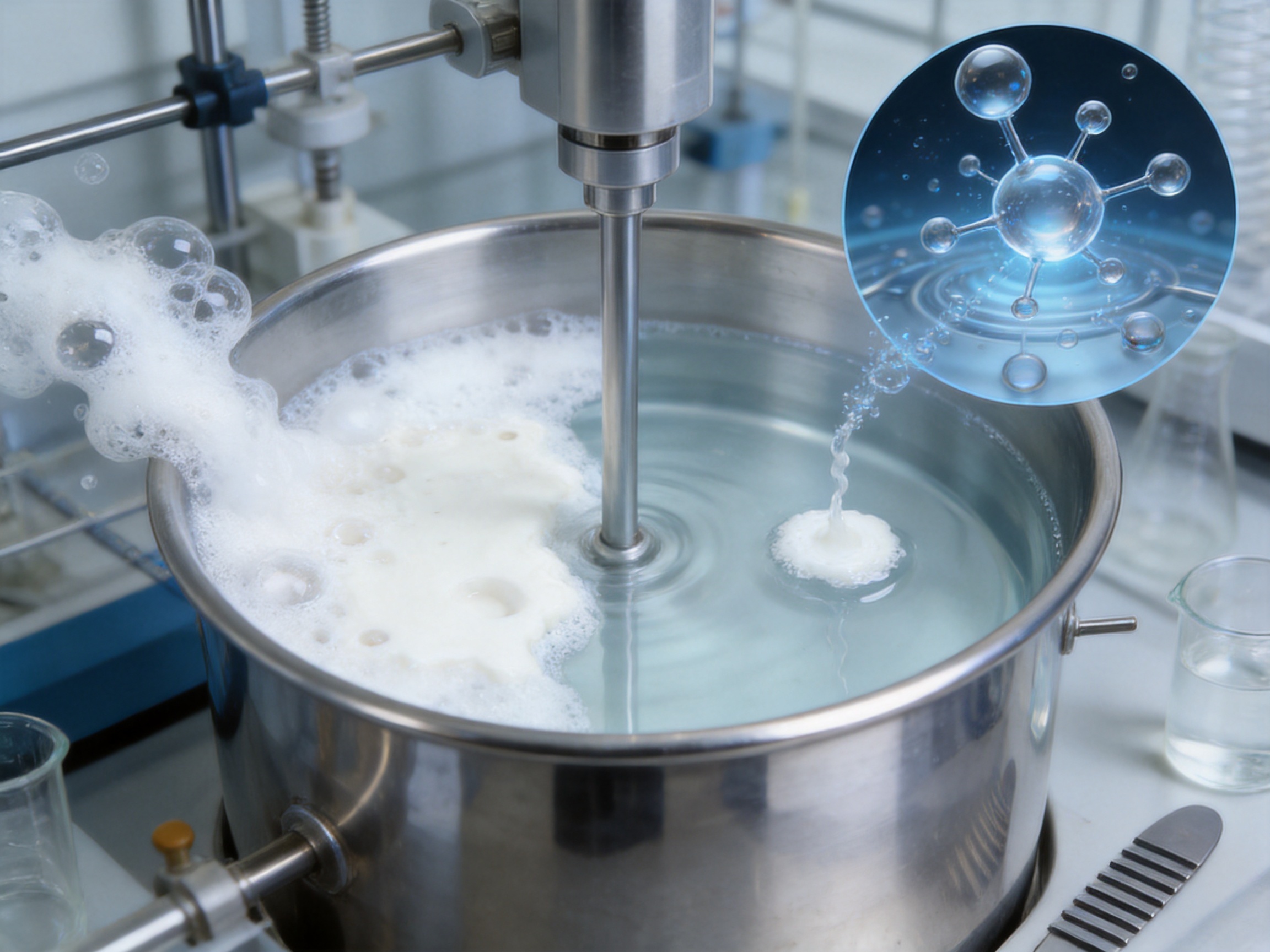
Water-based coatings require careful control of foam because coating appearance depends on uniform film formation. During dispersion, grinding, let-down, filtration, pumping, and application, air may enter the system. If the air is not released or the bubbles are not destabilized, the final coating may contain pinholes or craters.
DH-2270S can be used in architectural, industrial, protective, metal, plastic, wood, glass, flooring, and other water-based coating systems. It is especially relevant where the coating must combine good appearance with resistance to water and environmental exposure. The product helps control foam while supporting substrate wetting, allowing the coating to spread more uniformly over the surface.
In industrial coatings, the ability to work under dynamic conditions is particularly important. High-speed lines, spray booths, roll coaters, and circulation systems can generate foam continuously. An additive that remains effective during such activity can improve process stability and reduce the need for repeated adjustment. Better foam control may also support more consistent coating weight, lower rework, and improved production efficiency.
For wood coatings, foam-related defects may be highly visible because the coating is often expected to provide a smooth, attractive finish. For plastic coatings, substrate wetting may be challenging because some plastics have low surface energy. For metal coatings, pinholes and incomplete coverage may affect corrosion protection. In each case, the combination of wetting and foam suppression is valuable.
A coating can display a range of surface defects when foam is not controlled. Pinholes may expose the substrate or create weak points. Craters may appear as circular depressions caused by local surface-tension differences. Whitening or atomization may affect the visual uniformity of the film. Stickiness may indicate an undesirable interaction between the additive and the binder or an incomplete drying process.
DH-2270S is designed not to easily cause these defects in dried coatings. Its balanced activity helps address foam without excessively disturbing the surface during drying. This is particularly important for high-gloss finishes, clear coatings, decorative coatings, and protective systems where a small defect can be readily observed.
Water-based pressure-sensitive adhesives are used for labels, tapes, protective films, medical products, packaging materials, and other applications. Their production may involve high-speed mixing, emulsion handling, coating, drying, and winding. Foam can interfere with coating uniformity and may lead to voids, uneven adhesive weight, or inconsistent tack.
Because pressure-sensitive adhesives must maintain a carefully controlled balance between adhesion, cohesion, tack, and processing behavior, the defoamer must be selected carefully. An additive that is too incompatible may migrate excessively or interfere with bonding. An additive that is too weak may fail to control foam during high-speed coating. DH-2270S is intended to provide foam control while reducing the likelihood of problems such as stickiness, whitening, and poor water resistance in the dried adhesive layer.
The product’s wetting function may also help the adhesive spread over film, paper, foil, or other substrates. Improved wetting can contribute to more uniform coating and fewer uncoated areas. Since the final adhesive layer may be thin, even small air inclusions can have a disproportionate effect on performance. Effective foam control is therefore important for both appearance and functional reliability.
Fount solutions used in offset printing require controlled wetting and stable operation. Foam can interfere with fluid delivery, alter the balance between water and ink, and contribute to inconsistent printing behavior. A defoamer used in this environment must work at low concentrations, remain compatible with the printing process, and avoid creating unwanted surface defects.
Inkjet inks present additional challenges because they must pass through fine nozzles and maintain carefully controlled viscosity, surface tension, storage stability, and drying characteristics. Foam can disrupt filling, circulation, filtration, and jetting performance. The ability of DH-2270S to reduce dynamic and static surface tension makes it relevant to ink systems where rapid surface renewal and precise wetting are important.
In both fount solutions and inkjet inks, excessive additive use can be undesirable. The formulation should be evaluated for nozzle behavior, print quality, color development, drying, substrate compatibility, and long-term storage. The appropriate level will depend on the resin, pigment, co-solvent, surfactant, and processing conditions used in the ink.
Latex dipping processes depend on uniform contact between the liquid latex and the article being coated. Foam can produce thin areas, voids, surface irregularities, and inconsistent film thickness. The additive’s wetting capability can support more complete surface coverage, while its defoaming action helps reduce entrapped air during dipping and withdrawal.
In latex systems, compatibility is especially important because the formulation may contain sensitive dispersed polymer particles, stabilizers, pigments, and processing aids. A suitable defoamer should control foam without destabilizing the latex or negatively affecting the final film. Product trials should therefore include observation of dispersion stability, viscosity, dipping behavior, film formation, tensile properties, and surface appearance.
Electroplating solutions may also generate foam through agitation, circulation, air entrainment, or auxiliary equipment. Foam can interfere with bath monitoring, surface observation, and consistent contact between the solution and the workpiece. The thermal, acid, and alkali stability of DH-2270S supports consideration in varied industrial solution environments. However, electrochemical compatibility, deposit appearance, conductivity, bath chemistry, and surface cleanliness must always be checked through application-specific testing.
Stable universal pigment concentrates are used to provide consistent color across multiple binder systems. They often contain high levels of pigment, dispersant, wetting agent, and other ingredients. Their manufacturing process may involve intense shear and extended milling, both of which can generate substantial foam.
Foam in a pigment concentrate can reduce milling efficiency, complicate density and volume measurements, interfere with filling, and create instability during storage. It may also make color matching less consistent if air remains entrapped in the concentrate. A defoamer intended for this application must be active enough to control foam but sufficiently compatible with different coating bases.
DH-2270S is particularly recommended for manufacturing stable universal pigment concentrates. Its low water sensitivity, rapid migration, wetting performance, and resistance to thermal, acid, and alkali conditions provide a useful combination for concentrate production. The product’s low tendency to form micelles may also support efficient interfacial action in systems containing multiple dispersing and wetting components.
For universal concentrates, testing should include color strength, tinting behavior, storage stability, viscosity development, compatibility with different base paints, freeze-thaw behavior where relevant, and finished-film appearance. A defoamer that performs well in the concentrate but causes defects after let-down may not be suitable. The full application pathway should therefore be considered during evaluation.
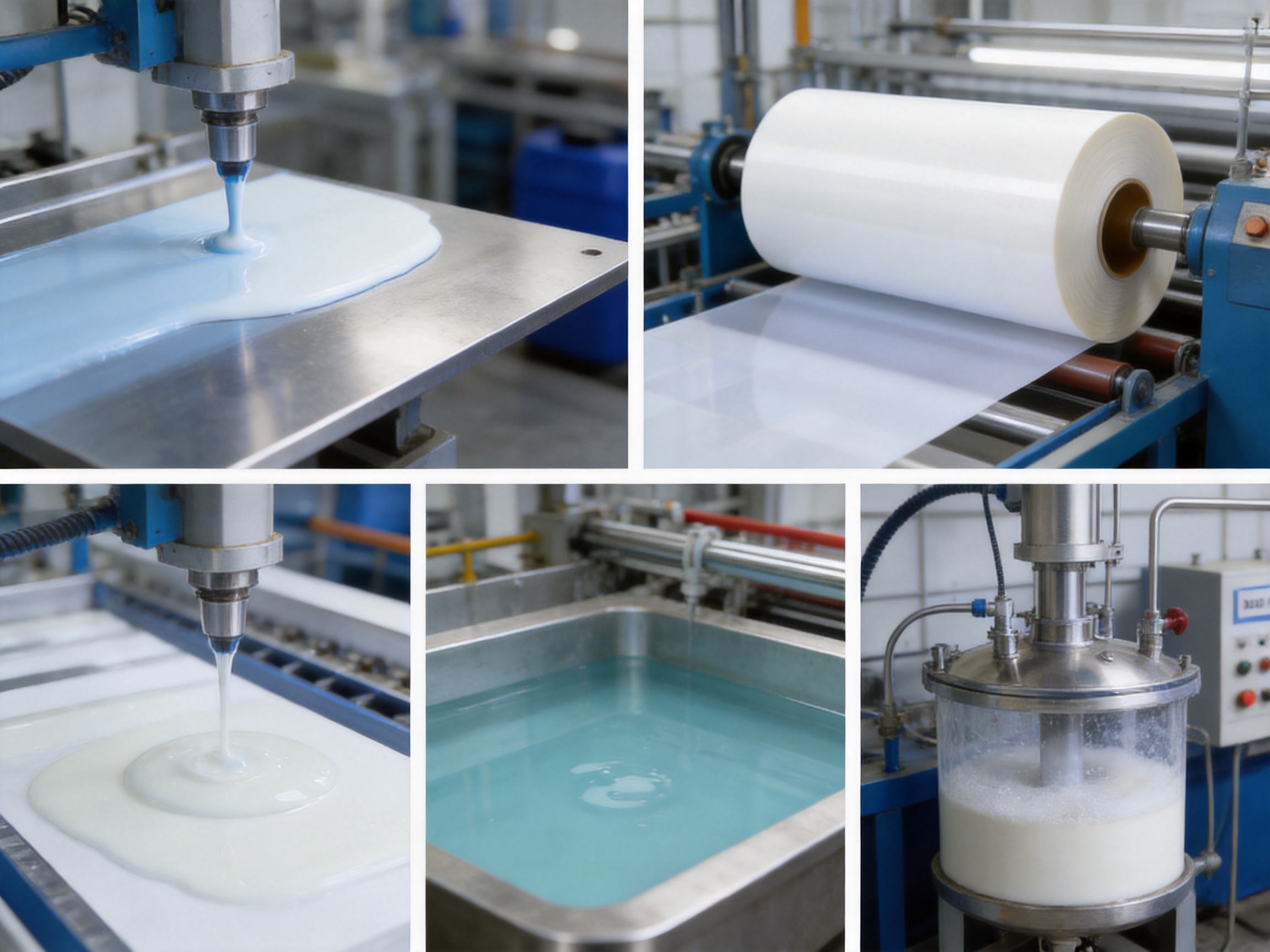
The quality of a specialty additive depends not only on its chemical concept but also on manufacturing discipline, raw material control, process consistency, testing capability, and technical support. The manufacturer of DH-2270S is a professional supplier of raw materials for coatings, inks, adhesives, and related industrial applications. Since its establishment in 2012, the company has developed an experienced team that includes research and development specialists, sales professionals, and technical personnel.
The company operates a modern production facility supported by advanced testing equipment and research capabilities. This combination is important for additive manufacturing because small variations in active composition, dispersion condition, viscosity, moisture content, or storage behavior can influence final performance. Consistent manufacturing allows customers to formulate with greater confidence and reduce batch-to-batch adjustment.
The company’s product portfolio includes dispersants, leveling agents, defoamers, adhesion promoters, anti-settling agents, cooling agents, conductive agents, orange peel texture agents, texture powders, and wax powders. This broad product range reflects an understanding of the interconnected nature of coating and ink formulation. Foam control, wetting, dispersion, leveling, adhesion, surface texture, and storage stability often influence one another. A supplier with experience across these additive categories can provide more complete technical discussions when a formulation contains multiple performance requirements.
The company has emphasized innovation and application-oriented development. Its development milestones include creating an ice flower resin in China in 2016, receiving recognition as a National High-Tech Enterprise in 2020, and moving to Lingrui Intelligent Manufacturing Park in Zhangjiagang High-Tech Zone in 2021 to strengthen research and production capacity. These milestones indicate a continuing investment in technical development, manufacturing infrastructure, and industrial application support.
Advanced manufacturing of water-based defoamers generally requires careful control of raw materials, mixing sequence, temperature, shear, dispersion, filtration, packaging, and storage. The objective is to produce a stable additive that maintains its performance over time and can be incorporated consistently into customer formulations.
Raw material qualification is a fundamental step. Polyether components, silicone intermediates, stabilizing materials, and other formulation ingredients must meet defined quality requirements. Variations in purity, molecular distribution, moisture, or functional balance can affect surface tension, foam control, compatibility, and storage stability.
Process control is also essential. Addition order can influence the formation of the active structure and the uniformity of the finished product. Mixing energy and temperature must be managed to achieve consistent dispersion without causing degradation or unwanted side reactions. A controlled process supports uniform distribution of active components throughout the product.
Filtration and packaging contribute to final quality. Removing unwanted particulate matter helps protect the additive’s appearance and supports customer processing. Suitable packaging helps protect the product from contamination, excessive heat, freezing, and other conditions that may affect storage stability. Customers should follow the supplier’s recommended storage and handling instructions.
Testing for a defoamer may include appearance, viscosity, density, water compatibility, storage stability, surface-tension behavior, foam-break time, foam-height reduction, refoam resistance, and compatibility in representative formulations. Application tests may evaluate gloss, leveling, craters, pinholes, water resistance, adhesion, coating appearance, print quality, and substrate wetting.
Advanced testing equipment allows the manufacturer to compare product behavior under controlled conditions. This is useful for identifying performance differences between development batches, confirming production consistency, and supporting customer trials. Laboratory evaluation does not replace a customer’s application test, but it provides a foundation for reliable product selection and technical communication.
There is no universal dosage that is suitable for every formulation. The optimum level depends on binder chemistry, pigment concentration, surfactant content, viscosity, pH, shear rate, application method, substrate, and desired appearance. A practical evaluation should begin with a small dosage range and compare both immediate foam control and final film performance.
The product may be evaluated during the grinding stage, let-down stage, or final adjustment stage, depending on the formulation and process objective. In pigment concentrates, early incorporation may help manage foam during high-shear dispersion. In some coatings, adding part of the defoamer during production and reserving another portion for final adjustment may provide a better balance. The best addition method should be determined through process trials.
High-shear mixing should be observed carefully because a product that performs well under low agitation may require a different level under intense dispersion. Foam height, collapse time, refoam behavior, and the appearance of the liquid after agitation should be recorded. After application and drying, the film should be inspected for gloss, craters, pinholes, fisheyes, whitening, stickiness, atomization, and water resistance.
Compatibility screening should include accelerated storage where appropriate. The formulation may be held at elevated and reduced temperatures to check for separation, viscosity change, cloudiness, sedimentation, or loss of defoaming performance. If the product is used in a system exposed to acid or alkali conditions, the test should reproduce the expected pH range and process environment.
Confirm the product’s compatibility with the selected binder, pigment, dispersant, surfactant, and co-solvent package.
Measure foam generation during the actual mixing or circulation conditions used in production.
Observe both the initial foam-break response and foam suppression during continued agitation.
Check wetting on the intended substrate, including difficult or low-energy surfaces where applicable.
Inspect dried films for craters, pinholes, fisheyes, whitening, stickiness, atomization, gloss variation, and poor water resistance.
Evaluate storage stability and behavior across the temperature range expected during transportation and use.
Verify that the additive does not adversely influence adhesion, recoatability, print quality, conductivity, or other critical product properties.
The competitive advantage of DH-2270S is based on a balanced combination of functions rather than a single isolated property. Traditional defoamers may provide foam collapse but poor wetting. Traditional wetting agents may reduce surface tension but increase foam. Highly active silicone additives may create surface defects if their compatibility is not carefully controlled. Products with limited temperature stability may lose effectiveness during storage or heated processing.
DH-2270S addresses these common trade-offs through rapid migration, extremely low surface tension, dynamic and static foam control, low water sensitivity, broad stability, and reduced tendency to form micelles. Its performance profile is particularly relevant to modern water-based systems where manufacturers need high productivity without compromising final appearance or resistance.
The product also benefits from the manufacturer’s broader technical platform. A supplier that develops coating, ink, and adhesive additives can understand how a defoamer interacts with dispersants, leveling agents, adhesion promoters, anti-settling agents, texture additives, and resins. This broader perspective can help customers identify a compatible additive package rather than treating foam control as an isolated formulation issue.
In addition, the company’s modern production facility, research team, testing equipment, and application-focused product development provide a foundation for customization and technical cooperation. Customers may require different performance priorities, such as maximum dynamic foam suppression, improved substrate wetting, minimal influence on gloss, or stronger compatibility with a universal pigment concentrate. A technically capable manufacturer can use application feedback to guide product selection and formulation recommendations.
Water-based formulations are often selected to support lower-emission product strategies and improved production conditions. However, the sustainability profile of a final product depends on the entire formulation, including the binder, co-solvents, pigments, additives, packaging, manufacturing energy, and end-use requirements. A water-based defoamer can contribute to the performance of water-based systems, but customers should evaluate the complete product life cycle and applicable regulatory requirements.
Operationally, efficient foam control can reduce production interruptions, rework, filtration problems, filling delays, and waste. Better foam management may also help manufacturers achieve more consistent coating thickness and reduce rejects caused by visible surface defects. These benefits can support resource efficiency and improve the reliability of industrial operations.
Safe handling remains essential. Users should consult the current technical data sheet and safety data sheet for recommended storage, personal protective equipment, compatibility information, and disposal procedures. The additive should be handled by trained personnel and evaluated according to the regulations applicable in the intended market.
Different industries often require different additive solutions. A coating manufacturer may prioritize gloss and water resistance. An ink producer may focus on jetting, print uniformity, and nozzle reliability. An adhesive producer may require excellent wetting and stable tack. A pigment concentrate manufacturer may need universal compatibility across multiple binder systems.
The company provides custom chemical solutions for paint and coating additives and supports customers through a product portfolio that covers multiple formulation functions. Technical cooperation may include application screening, comparative testing, dosage recommendations, troubleshooting, and selection of complementary additives. This service-oriented approach is important because the correct defoamer is determined by the complete formulation and process, not by the product name alone.
With its headquarters and manufacturing base in Zhangjiagang, Suzhou, Jiangsu Province, China, the company is positioned to serve domestic and international customers in coatings, inks, adhesives, and related industries. Its focus on innovation, quality, service, and win-win cooperation supports long-term customer relationships and continuous product improvement.
DH-2270S is a water-based polyether silicone defoamer used to break existing foam, suppress new foam, reduce surface tension, and improve wetting. It is suitable for water-based coatings, water-based pressure-sensitive adhesives, fount solutions, inkjet inks, latex dipping, electroplating solutions, and the production of stable universal pigment concentrates.
Conventional surfactants are often selected for wetting and surface-tension reduction, but some may stabilize foam. DH-2270S is designed to provide extremely low surface tension together with defoaming and foam suppression, especially under dynamic conditions. It also does not easily form micelles, which contributes to its different interfacial behavior.
Yes. The product is designed to provide dynamic foam suppression, making it suitable for mixing, dispersion, circulation, spraying, printing, and other processes that continuously generate new air-liquid interfaces. The optimum dosage should be confirmed through trials under actual production conditions.
It can be considered for high-gloss coatings because it is designed not to easily cause craters, fisheyes, stickiness, whitening, atomization, or poor water resistance in dried coatings. Nevertheless, high-gloss systems are sensitive to small compatibility differences, so laboratory testing and dried-film inspection are recommended.
Low water sensitivity means the additive is designed to reduce the likelihood that the finished coating or adhesive will develop undesirable water-related behavior. This may include whitening, tackiness, or reduced water resistance. Performance depends on the complete formulation, curing or drying conditions, and additive dosage.
The product is described as having no cloud point. This supports stable behavior over a wide temperature range and helps reduce the risk of temperature-related clouding or performance changes associated with some other additive systems.
Yes. DH-2270S is particularly recommended for manufacturing stable universal pigment concentrates. It can help control foam during high-shear pigment processing while supporting wetting and compatibility. Color strength, storage stability, viscosity, and compatibility with different base systems should be evaluated before commercial use.
The product has good acid and alkali stability and may be considered for formulations with varied pH conditions. Application-specific testing is still necessary, especially for electroplating solutions, latex systems, and formulations containing sensitive dispersions or reactive components.
The dosage should be established through a controlled laboratory study. Begin with a suitable low-to-moderate dosage range, compare foam-break and refoam performance, and then inspect dried-film or finished-product properties. The best level is the lowest dosage that provides reliable foam control without affecting appearance or other critical properties.
Not necessarily. DH-2270S provides wetting and surface-tension reduction, but each formulation may still require separate dispersants, leveling agents, adhesion promoters, or other additives. Its role should be evaluated within the complete additive package.
The product is supported by an experienced research and sales team, a modern production facility, advanced testing equipment, and application-oriented development. The manufacturer has operated since 2012 and has expanded its capabilities through research, production infrastructure, and a broad portfolio of specialty additives.
Customers should request the latest technical data sheet, safety data sheet, application guidance, and packaging information directly from the manufacturer or authorized sales contact. These documents provide the most current information for handling, storage, testing, and commercial use.
DH-2270S Water-based Polyether Silicone Defoamer is a multifunctional additive developed for the complex demands of modern aqueous formulations. Its rapid migration, dynamic and static surface-tension reduction, defoaming, foam suppression, substrate wetting, low water sensitivity, micelle resistance, and thermal, acid, and alkali stability provide a broad performance platform.
Compared with traditional surfactant approaches, the product is designed to offer a more effective balance between low surface tension and foam control. Compared with poorly balanced silicone additives, it is designed to reduce the likelihood of defects such as stickiness, whitening, atomization, craters, and poor water resistance in dried coatings. Its lack of a cloud point and long-lasting performance over a wide temperature range further support reliable use in demanding manufacturing environments.
The product is suitable for water-based coatings, pressure-sensitive adhesives, fount solutions, inkjet inks, latex dipping, electroplating solutions, and stable universal pigment concentrates. Its strongest value is achieved when it is selected through application testing and integrated into a carefully designed additive package.
Behind the product is a manufacturer focused on coatings, inks, adhesives, and specialty chemical solutions. Its research team, modern production facility, advanced testing capabilities, broad additive portfolio, and commitment to innovation and service provide customers with more than a single defoamer. They provide a platform for technical cooperation, formulation improvement, and long-term product development.
1. General principles of foam formation and stabilization in aqueous polymer and coating formulations.
2. Technical literature on silicone-based surfactants, polyether-modified silicones, and interfacial surface-tension control.
3. Standard laboratory practices for evaluating foam-break time, foam suppression, refoam resistance, and dynamic foam behavior.
4. General guidelines for testing water-based coating appearance, gloss, wetting, adhesion, and water resistance.
5. Industry references concerning pigment dispersion, universal pigment concentrates, and additive compatibility.
6. Manufacturer-provided product information for DH-2270S Water-based Polyether Silicone Defoamer.
7. Manufacturer-provided company information concerning research, production facilities, product development, and specialty additive applications.
 Wholesale Paint/ Coating Additives Manufacturers
Custom Industrial Chemical Solutions Suppliers
Wholesale Paint/ Coating Additives Manufacturers
Custom Industrial Chemical Solutions Suppliers