русский
 Español
 Français
Home / Author / Wei Lanqing — Regional Product Sales Manager / Advanced Smooth-Feel Leveling Technology for High-Performance Coatings, Inks, and Leather Finishes
Wei Lanqing — Regional Product Sales Manager

Content
Modern coatings, printing inks, adhesives, and leather finishes are expected to deliver much more than color and coverage. End users increasingly evaluate a finished surface by its visual uniformity, gloss, tactile quality, resistance to fingerprints, release behavior, and long-term durability. A coating may have excellent chemical resistance, yet still be rejected if it exhibits poor leveling, surface defects, uneven gloss, excessive friction, or an unpleasant hand-feel.
DH-4560 Smooth Feel Leveling Agent is designed to address these surface-performance requirements in a single additive solution. It is developed for applications in paints, industrial coatings, printing inks, and leather surface treatments. The product combines strong leveling performance with a smooth tactile effect, improved anti-fingerprint behavior, and the ability to maintain coating brightness while reducing surface tension.
In addition to its direct effect on coating appearance and feel, DH-4560 is described as capable of reacting with a broad range of organic polymers. These include polyester, polyurethane, acrylic resin, epoxy resin, melamine resin, and related polymer systems. This compatibility gives formulators an opportunity to improve not only surface quality but also processing behavior, mold release, lubricity, heat resistance, cold resistance, weather resistance, and hydrolysis resistance.
The product is supplied by Suzhou Qingtian New Material Co., Ltd., a specialist manufacturer and supplier of raw materials for coatings, inks, and adhesives. The company has developed a product portfolio covering dispersants, leveling agents, defoamers, adhesion promoters, anti-settling agents, conductive additives, texture additives, texture powders, wax powders, and resin products.
This article examines the technical value of DH-4560, its advantages in comparison with conventional leveling approaches, its application potential, and the manufacturing and research strengths supporting its use in demanding industrial formulations.
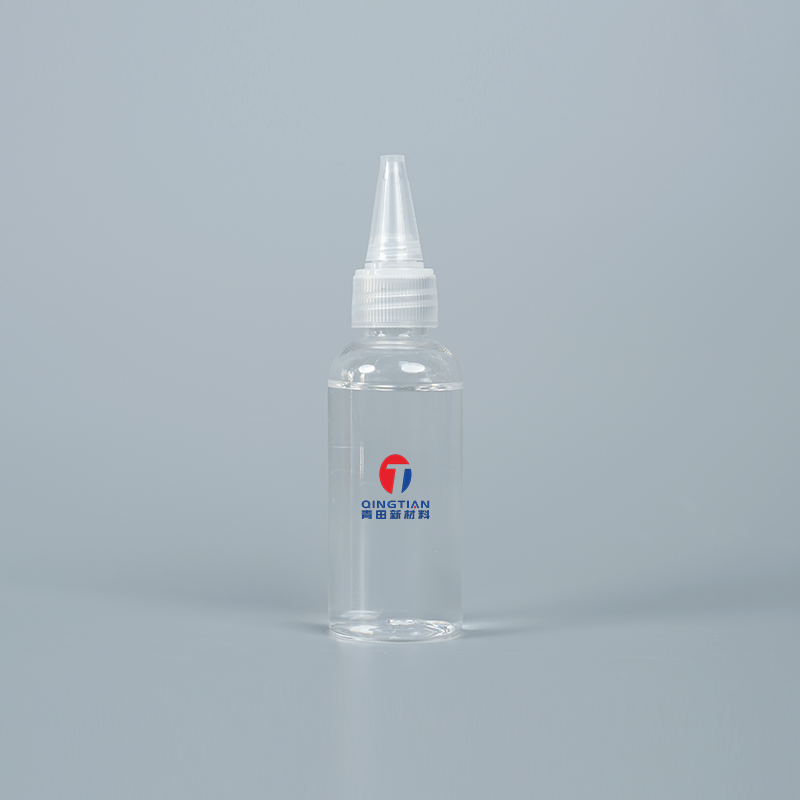
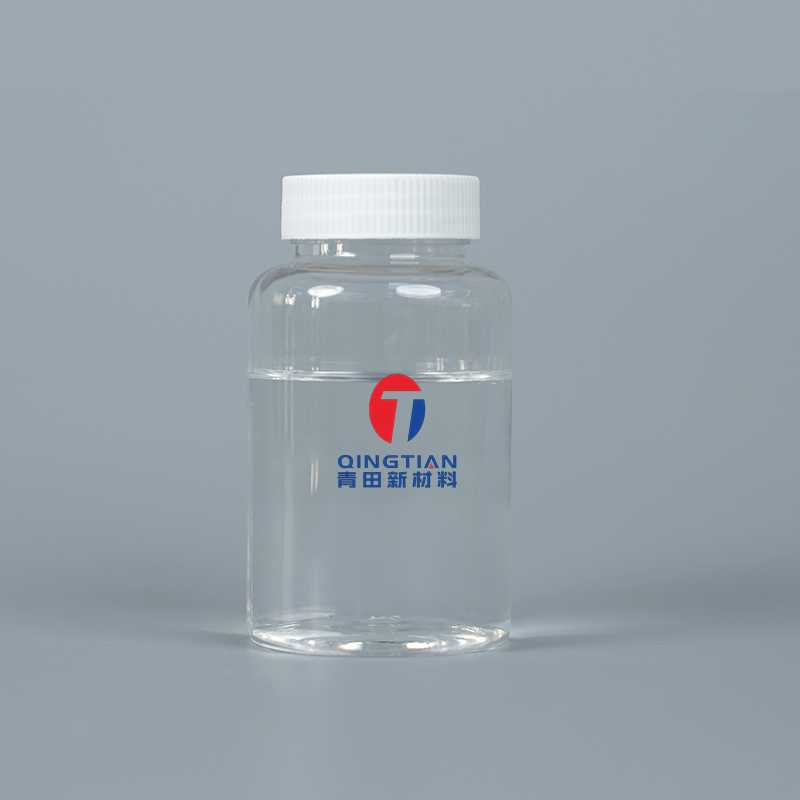
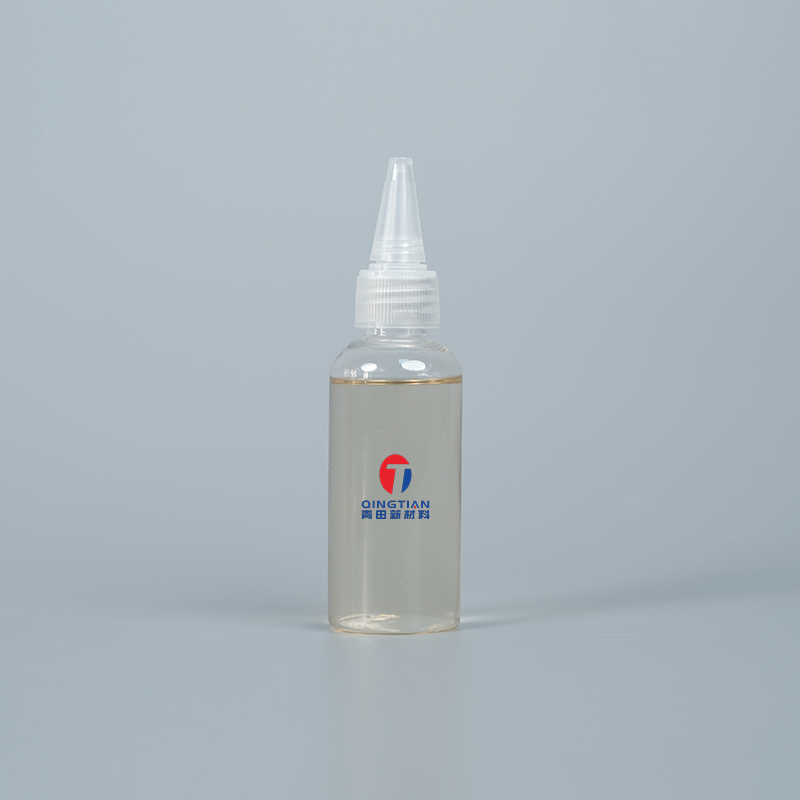
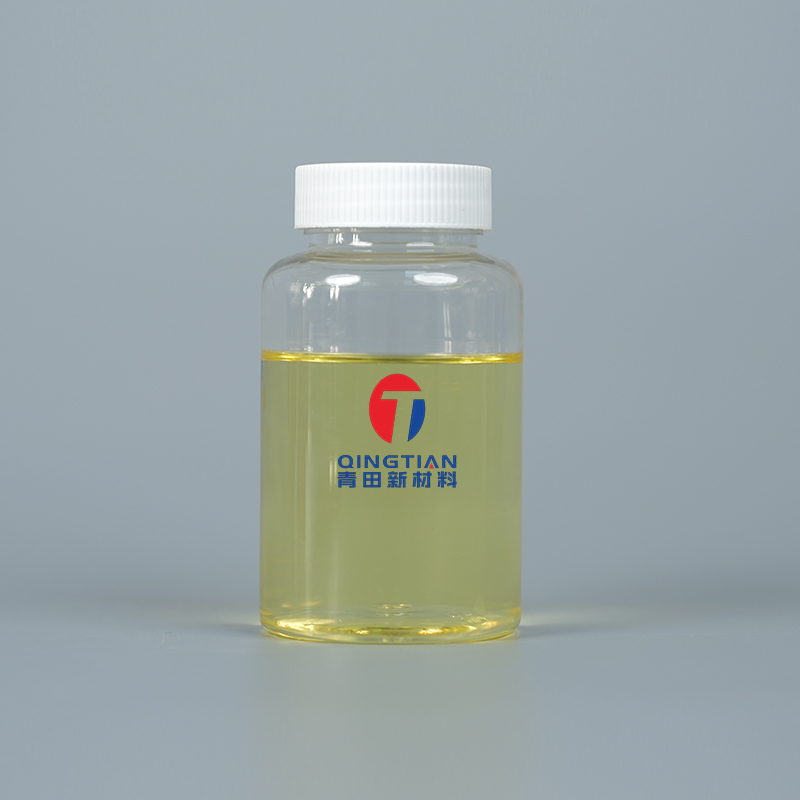
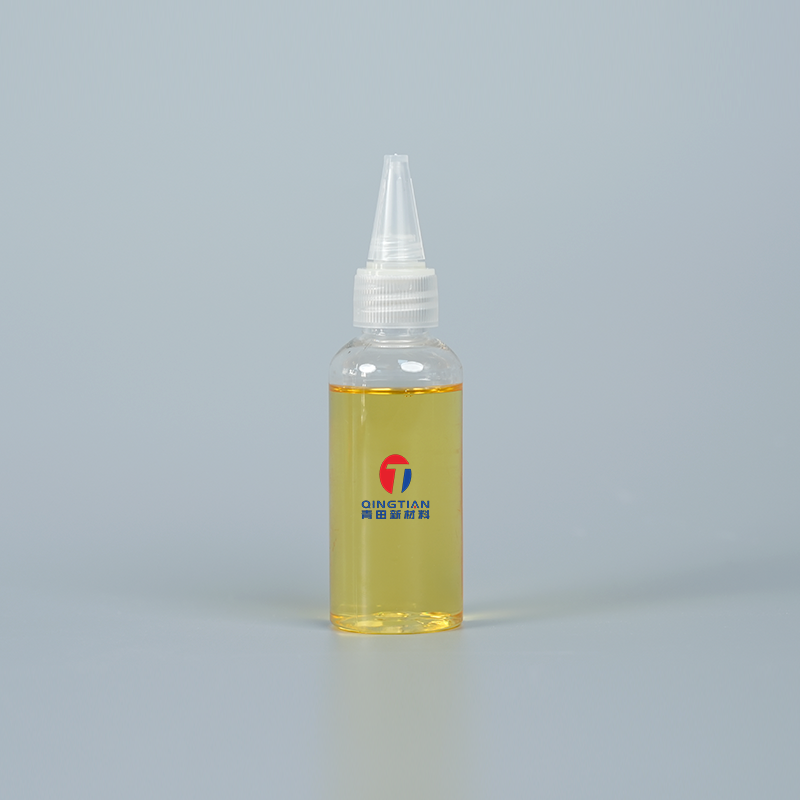
DH-4560 Smooth Feel Leveing Agent
A leveling agent is a surface-active additive used to improve the uniformity of a liquid coating or ink during application and curing. When a formulation is applied to a substrate, differences in surface tension, viscosity, solvent evaporation, substrate energy, and film thickness can produce defects. These defects may include craters, pinholes, orange peel, crawling, brush marks, roller marks, uneven gloss, and local variations in surface appearance.
A smooth-feel leveling agent performs the conventional leveling function while also modifying the tactile character of the cured film. The final coating may feel softer, silkier, or more polished when touched. In many applications, this effect is important because the user interacts directly with the surface. Examples include furniture coatings, interior panels, consumer electronics housings, automotive components, decorative metal coatings, leather products, packaging, and printed materials.
Surface tension is one of the most important factors affecting coating flow. If the surface tension of the wet film differs significantly from that of the substrate or adjacent coating areas, the liquid can retract or flow unevenly. A suitable leveling agent reduces undesirable surface-tension gradients and supports a more consistent film. However, excessive surface activity can create intercoat adhesion problems, recoating difficulties, or surface defects. The performance of a leveling agent therefore depends on the balance between migration, compatibility, reactivity, and dosage.
DH-4560 is designed to provide this balance for multiple organic polymer systems. According to the supplied product information, it can react with organic polymers such as polyester, polyurethane, acrylic, epoxy, and melamine resins. This differentiates it from purely physical additives that remain completely separate from the binder matrix and may migrate more readily over time.
The first function of DH-4560 is to improve coating flow and surface uniformity. Better leveling can reduce visible application marks and help the film develop a more even appearance during drying or curing. The result may include improved gloss consistency, fewer local irregularities, and a more refined visual finish.
In high-gloss systems, small surface defects can scatter light and make the film appear hazy or uneven. A leveling additive that supports uniform film formation can help the formulation preserve brightness and clarity. In matte or satin systems, controlled leveling is equally important because the target appearance depends on a consistent microstructure across the coated surface.
Visual quality is only one part of surface performance. A smooth hand-feel can create a perception of higher product quality and can improve the usability of finished goods. DH-4560 is intended to significantly improve tactile smoothness without sacrificing coating brightness. This is particularly valuable in leather finishes, wood coatings, plastic coatings, appliance surfaces, and decorative materials.
A smooth surface can also reduce the sensation of friction during handling. In some applications, improved lubricity helps components slide more easily against one another or reduces the drag experienced during contact. The precise effect depends on the resin system, pigment package, curing method, substrate, and additive concentration.
Fingerprints are caused by the transfer of oils, moisture, and other residues from human skin to a surface. Highly visible fingerprints can reduce the perceived cleanliness of a product and increase maintenance requirements. DH-4560 is formulated to improve anti-fingerprint performance, making it suitable for surfaces that are frequently touched.
Anti-fingerprint behavior may be especially useful for consumer electronics housings, coated metal panels, furniture components, handles, decorative plastics, and interior architectural materials. The additive can help create a surface that is less visually sensitive to handling, although final performance should always be evaluated using application-specific testing.
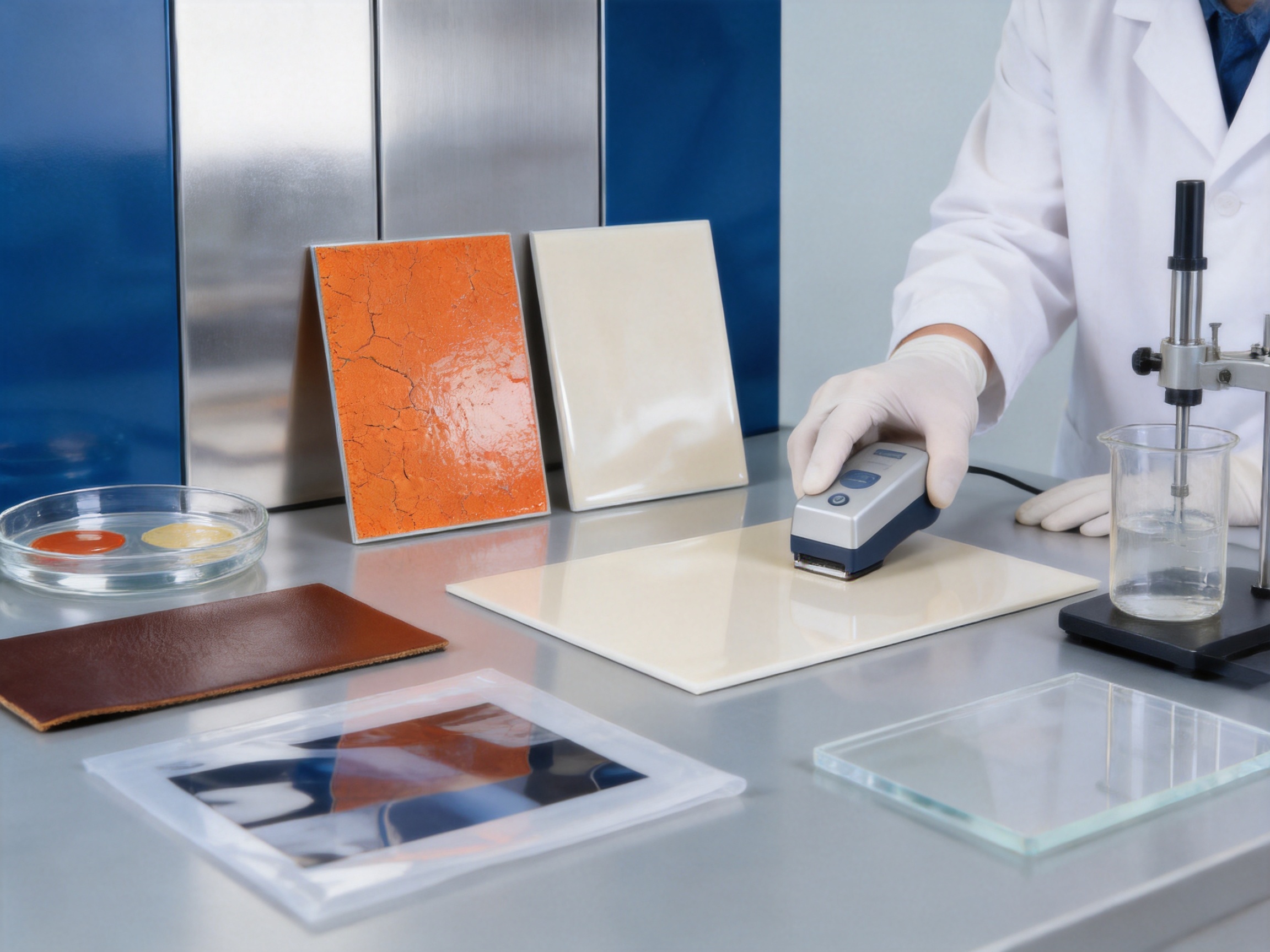
One of the principal advantages of DH-4560 is its intended compatibility with several widely used organic binder families. Polyester, polyurethane, acrylic, epoxy, and melamine resins are found across industrial coatings, automotive finishes, wood coatings, metal coatings, inks, adhesives, and leather treatments.
A broadly compatible additive can simplify raw-material management for formulators that develop multiple products. Instead of selecting a completely different leveling technology for every binder family, the formulator may be able to evaluate one product across several related systems. This can reduce development complexity, shorten screening programs, and improve consistency between product lines.
Compatibility must still be confirmed through laboratory testing. Resin polarity, molecular weight, solvent balance, pigment loading, curing temperature, and the presence of other additives can all affect performance. Nevertheless, the stated reactivity with several organic polymers gives DH-4560 a strong starting position for formulation development.
Physical compatibility alone does not always guarantee long-term performance. Some additives can migrate toward the surface, evaporate, or interfere with recoating and adhesion. A reactive additive has the potential to become more closely associated with the polymer network, depending on the resin chemistry and curing conditions.
DH-4560 is described as capable of reacting with organic polymers. This feature may support improved permanence and may reduce the likelihood of uncontrolled additive movement after curing. It can also contribute to the overall processing and durability profile of the finished polymer system.
Because the extent of reaction depends on the formulation and curing process, users should verify conversion, surface energy, intercoat adhesion, and aging performance in the finished coating. The product should be considered a formulation tool rather than a substitute for complete system testing.
Some surface additives improve slip or hand-feel but reduce gloss, clarity, or visual brightness. DH-4560 is designed to maintain coating brightness while providing a smoother surface. This is a significant advantage in applications where both appearance and touch are important.
High-gloss coatings require careful control of surface flow because small incompatibilities can create haze, craters, or uneven reflection. A leveling agent that provides smoothness without excessive dulling can help formulators achieve a more attractive finish. In clear coats, the additive may be particularly valuable because surface defects are highly visible through the transparent film.
The product is described as maintaining low surface tension. This property can support wetting and flow over substrates with different surface energies. Better wetting is useful when coating metal, plastic, wood, leather, or previously treated surfaces, each of which may present different adhesion and flow challenges.
Low surface tension can assist the coating in covering microscopic surface irregularities and spreading more evenly. However, the additive level must be carefully adjusted. Excessive reduction in surface tension may increase the risk of cratering or intercoat adhesion problems in certain systems. A controlled dosage study is therefore an essential part of product introduction.
The supplied information indicates that reaction with organic polymers can improve compounding processability, mold release, lubricity, heat resistance, cold resistance, weather resistance, and hydrolysis resistance. These effects are valuable in applications where the polymer must withstand temperature cycling, outdoor exposure, moisture, or mechanical handling.
Improved processing behavior may assist resin compounding, film formation, and release from molds or processing surfaces. Lubricity may reduce friction during handling or use. Resistance to heat, cold, weathering, and hydrolysis can support longer service life when the additive is properly integrated into the polymer system.
These potential benefits should be interpreted as formulation-dependent. No additive can compensate for an unsuitable resin, inadequate curing, poor substrate preparation, or an inappropriate pigment and solvent balance. The strongest results are normally achieved when DH-4560 is selected as part of a complete coating design strategy.
Traditional leveling additives may act primarily at the surface during application and then remain physically dispersed in the cured film. This can provide rapid leveling, but the additive may be more vulnerable to migration, extraction, or changes caused by aging. A reactive leveling agent may offer a more durable relationship with the polymer matrix.
DH-4560’s stated ability to react with organic polymers gives it an advantage when formulators are seeking both immediate surface improvement and greater integration with the cured coating. The actual benefit will depend on the chemical structure of the resin and the curing conditions, but the reactive design provides a useful option beyond simple surface lubrication.
Many formulations require several additives to achieve acceptable appearance, tactile quality, slip, and fingerprint resistance. Each additional additive increases the possibility of incompatibility, foam, haze, adhesion loss, or dosage-related instability. A multifunctional product can simplify the package.
DH-4560 combines excellent leveling with smooth hand-feel and anti-fingerprint performance. This multifunctional profile may reduce the need to combine separate leveling, slip, and tactile additives. Fewer additives can make formulation optimization more straightforward and may improve production consistency.
Some leveling products are developed for one narrow application, such as waterborne architectural coatings or a specific UV-curable ink. DH-4560 is positioned for paints, coatings, inks, and leather surface treatments. This wider application range allows technical teams to evaluate the product across a broader product portfolio.
The product’s stated solubility in benzene and mineral oil solvents is also relevant to solvent-based formulation work. Solvent compatibility must be checked against current regulatory, workplace, and environmental requirements. Users should select an appropriate solvent package and conduct stability testing before commercial production.
Premium surfaces are judged by subtle differences. A coating may need to combine high gloss, a silky touch, resistance to fingerprints, low friction, and a uniform appearance. Achieving all these properties with a conventional single-purpose additive can be difficult.
DH-4560 is suited to this type of design challenge because it addresses both sensory and technical performance. The smooth hand-feel creates a direct user benefit, while leveling, low surface tension, polymer compatibility, and potential durability improvements support the functional quality of the coating.
| Performance area | Potential contribution of DH-4560 | Formulation value |
|---|---|---|
| Leveling | Improves flow and surface uniformity | Reduces visible application irregularities |
| Hand-feel | Creates a smoother, more refined surface | Improves tactile quality and product perception |
| Anti-fingerprint performance | Reduces the visual impact of handling marks | Supports easier maintenance and cleaner appearance |
| Gloss and brightness | Helps preserve coating brightness | Supports high-quality decorative finishes |
| Surface tension | Maintains low surface tension and promotes wetting | Assists coverage across different substrates |
| Polymer compatibility | Can react with several organic resin families | Provides flexibility in resin selection |
| Processing and durability | May improve processability, lubricity, release, and resistance properties | Supports demanding industrial applications |
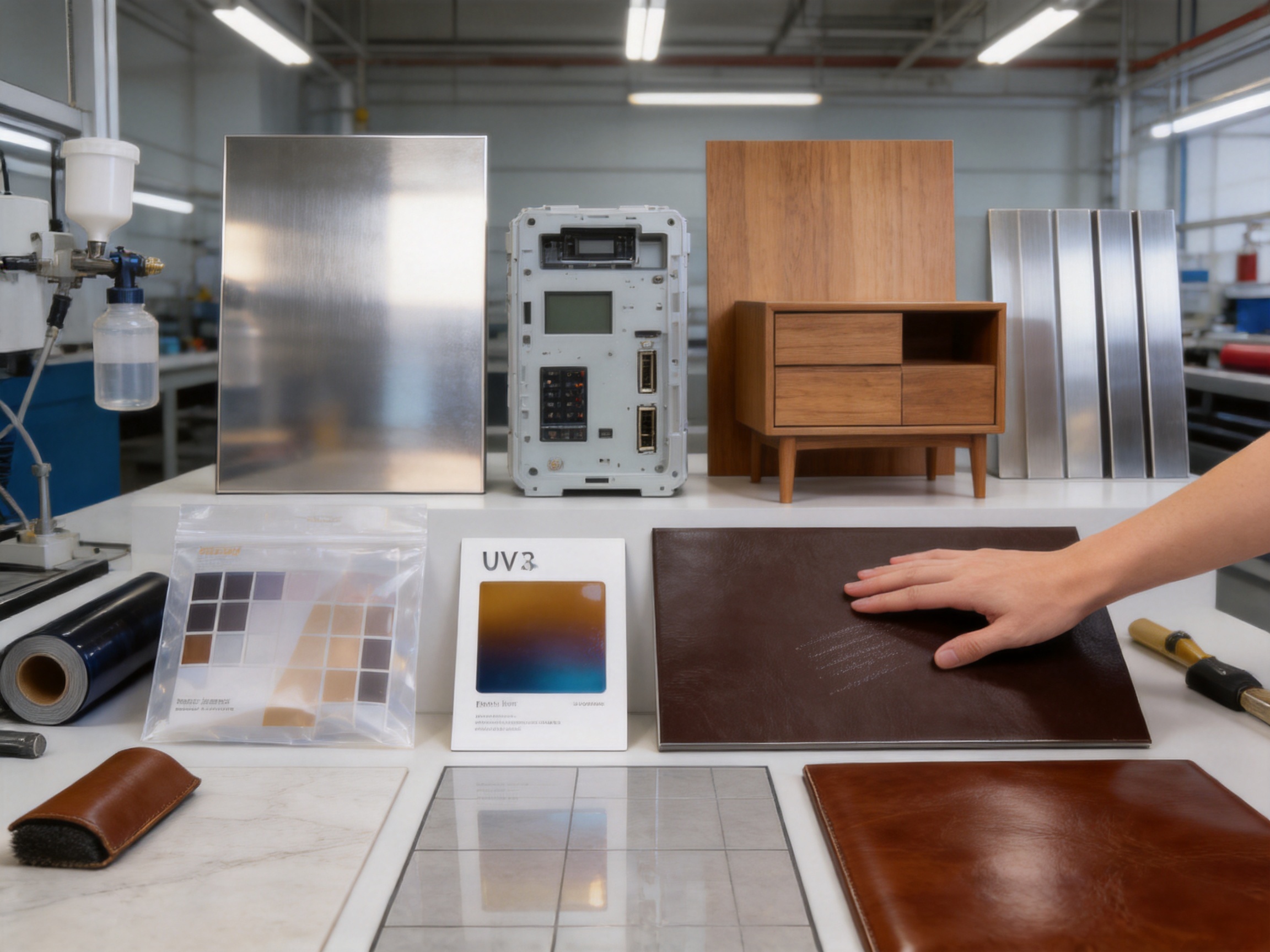
Industrial coatings must often balance appearance, durability, adhesion, chemical resistance, and processing efficiency. Metal components, machinery, panels, appliances, and fabricated parts can benefit from a uniform, smooth surface that is easy to handle and visually consistent.
In polyester, polyurethane, acrylic, epoxy, or melamine-based systems, DH-4560 may help improve wet-film flow and reduce surface irregularities. Its smooth-feel effect can also enhance the perceived quality of finished parts. For protective systems, testing should include adhesion, hardness, flexibility, chemical resistance, humidity resistance, and accelerated weathering.
Coil-coated steel and aluminum are used in construction, appliances, transportation, and industrial equipment. These applications require fast processing, uniform film formation, stable gloss, and strong resistance to handling and environmental exposure.
A leveling agent used in coil coatings must be carefully selected for compatibility with the resin, curing temperature, line speed, and substrate treatment. DH-4560 may be evaluated for its ability to improve surface appearance, provide smooth touch, and support resistance to fingerprints on pre-coated metal surfaces.
Plastic substrates can be difficult to coat because they may have low surface energy, limited solvent resistance, or a tendency to reveal surface defects. A coating additive that supports wetting and low surface tension can help improve coverage and appearance.
DH-4560 may be useful in coatings for plastic housings, decorative components, consumer products, and technical parts. Because plastics can be sensitive to solvent attack and stress cracking, the complete formulation should be evaluated for substrate compatibility, adhesion, flexibility, and aging.
Wood finishes are judged by both appearance and touch. Furniture, flooring, cabinetry, decorative panels, and musical instruments may require a smooth, refined surface with attractive gloss or satin appearance.
In wood coatings, DH-4560 can be considered for improving leveling and hand-feel. The additive may help reduce brush or spray marks and support a more uniform finish over sealed or filled wood surfaces. Testing should account for wood species, porosity, stain compatibility, sanding conditions, and the number of applied coats.
UV-curable materials are valued for rapid curing and high productivity, but they can be sensitive to surface tension, shrinkage, oxygen inhibition, and additive compatibility. A suitable leveling agent can help produce a smooth surface before and after irradiation.
DH-4560 may be screened in UV coating and ink systems where smoothness, gloss, and anti-fingerprint properties are required. Photoinitiator selection, pigment type, cure intensity, lamp spectrum, and film thickness should all be included in the evaluation. The additive must not interfere with cure speed or surface hardness.
Printing inks require controlled wetting, consistent transfer, rapid film formation, and attractive visual quality. Uneven leveling can affect gloss, print uniformity, rub resistance, and the perception of color density.
DH-4560 is applicable to inks where improved flow and a smooth finished surface are desired. It may be considered for decorative printing, industrial graphics, packaging-related applications, and specialty surfaces. Ink formulators should verify printability, substrate adhesion, blocking resistance, drying behavior, and compatibility with overprint varnishes.
Leather finishes combine appearance, flexibility, touch, abrasion resistance, and resistance to handling. The surface should feel natural or luxurious while maintaining consistent color and gloss.
The smooth hand-feel of DH-4560 makes it especially relevant to leather surface treatments. It may help improve the tactile character of finished leather and reduce the visible effect of fingerprints or handling marks. Testing should include flex resistance, wet and dry rub resistance, adhesion, migration, blocking, gloss, and tactile evaluation by trained personnel.
Epoxy flooring systems require good flow, uniform gloss, resistance to wear, and a surface that is easy to clean. Uneven application or poor leveling can result in visible marks and an inconsistent appearance over large areas.
DH-4560 may be evaluated in epoxy floor coatings and decorative resin surfaces where smoothness and surface uniformity are important. Since floor systems can be exposed to abrasion, chemicals, moisture, and temperature changes, the additive should be tested within the complete cured formulation rather than assessed only in a liquid blend.
Before making a large batch, the formulator should prepare small laboratory samples using the intended resin, solvent, pigments, fillers, curing agents, and other additives. The additive should be introduced under controlled mixing conditions and observed for clarity, haze, separation, viscosity change, and storage stability.
Compatibility screening should be conducted at more than one concentration. A product that performs well at one level may become hazy, slippery, or unstable at a higher level. The optimum dosage is system-specific and should be determined through comparative testing rather than assumed from another coating technology.
Wet-film testing should examine substrate wetting, flow, cratering, pinholes, orange peel, edge coverage, and leveling after application. Drawdowns, spray panels, roller applications, or production-relevant test methods can be used depending on the final process.
It is useful to compare DH-4560 against the current leveling additive or an untreated control. The comparison should include both visual inspection and measurable properties such as gloss, haze, contact angle, surface tension, and film uniformity when appropriate.
After curing, the film should be tested for gloss, distinctness of image, smoothness, coefficient of friction, hardness, flexibility, adhesion, chemical resistance, and fingerprint behavior. For leather and flexible substrates, tactile evaluation and repeated flexing are especially important.
Where the product is expected to contribute to durability, the test program may include humidity exposure, water immersion, hydrolysis testing, heat aging, cold aging, weathering, and thermal cycling. The specific test conditions should reflect the intended market and service environment.
Surface-active additives can influence subsequent coating layers. If the product will be used in a multilayer system, the formulator should test recoating after different intervals. Intercoat adhesion, wetting of the second layer, and resistance to delamination should be examined.
This is particularly important for industrial coatings, clear coats, printing systems, and repair coatings. A smooth surface is valuable only if it remains compatible with the complete finishing process.
Finished formulations should be stored under realistic conditions and inspected periodically. Key observations include viscosity, color, gloss, sedimentation, phase separation, skin formation, odor, and re-dispersibility. Stability testing helps determine whether the additive remains compatible during transportation and warehouse storage.
The performance of a specialty additive depends not only on its chemical concept but also on manufacturing consistency, quality control, application support, and research capability. Suzhou Qingtian New Material Co., Ltd. has operated since 2012 and focuses on raw materials for coatings, inks, and adhesives.
The company’s portfolio includes dispersants, leveling agents, defoamers, adhesion promoters, anti-settling agents, cooling agents, conductive agents, orange peel texture agents, texture powders, wax powders, and resins. This broad range is valuable because coating performance is usually controlled by an additive package rather than one isolated ingredient.
A supplier with expertise across several additive categories can help customers consider compatibility between wetting, dispersion, defoaming, leveling, adhesion, and texture control. This wider perspective may reduce the risk of solving one formulation problem while creating another.
The company has an experienced team that includes research and development specialists, technical personnel, and sales professionals. Its stated research strength is supported by modern testing equipment and a production facility designed for specialty chemical manufacturing.
For a product such as DH-4560, research capability is important because leveling performance must be evaluated in real formulations. The same additive can behave differently in a high-solid coating, a solvent-based ink, a UV-curable system, a leather finish, or an epoxy floor material. Application-oriented research helps translate chemical performance into practical customer results.
The company operates a modern production facility and has invested in testing equipment. Consistent manufacturing requires control of raw-material quality, reaction conditions, mixing, filtration, packaging, and batch release. Testing equipment supports the evaluation of properties such as appearance, viscosity, compatibility, surface behavior, and finished-film performance.
For customers, manufacturing discipline offers several advantages. Stable product quality supports repeatable formulation results, while reliable batch-to-batch performance reduces the need for constant reformulation. In industrial production, consistency can be as important as peak laboratory performance.
The company reports several development milestones, including the creation of China’s first ice flower resin in 2016, recognition as a National High-Tech Enterprise in 2020, and relocation to Lingrui Intelligent Manufacturing Park in Zhangjiagang High-Tech Zone in 2021. These milestones indicate an ongoing commitment to product development, manufacturing capacity, and technical advancement.
The company’s development history also demonstrates experience in creating specialty materials for visual and functional surface effects. This background is relevant to the development and support of smooth-feel leveling products, where small differences in chemistry can produce major differences in gloss, touch, and application behavior.
Specialty additives often require collaborative development. Customers may need support with dosage selection, resin compatibility, surface defects, substrate differences, and scale-up. A supplier that understands both chemical structure and end-use performance can contribute more effectively to this process.
Technical service may include product selection, laboratory screening, application recommendations, troubleshooting, sample preparation, and production follow-up. For DH-4560, close communication is particularly useful when the customer wants to balance smooth hand-feel with adhesion, recoating, gloss, and durability.
DH-4560 should be handled according to the supplier’s current technical data sheet and safety data sheet. Users should confirm recommended storage conditions, personal protective equipment, transport requirements, exposure controls, and disposal procedures before use.
The supplied product information states that DH-4560 is soluble in benzene and mineral oil solvents. Benzene is a hazardous substance subject to strict regulatory controls in many jurisdictions. It should not be used casually as a formulation solvent, and customers must review all applicable legal and occupational-health requirements. In many modern applications, safer alternative solvent systems may be preferred or required.
Solvent selection affects drying rate, viscosity, surface tension, flash point, worker safety, emissions, and final film properties. Even when DH-4560 is soluble in a particular solvent, the complete formulation must be evaluated for environmental, health, and process suitability.
The supplied information identifies the product category as a silicone-free leveling agent while also listing “silicone type” in the product information. Because these descriptions are not fully consistent, customers should request the latest official technical documentation and confirm the exact chemical classification before purchasing or approving the material. This confirmation is important when silicone-free specifications, labeling, regulatory declarations, or intercoat adhesion requirements apply.
Product users should also verify whether the additive meets the requirements of the destination market. Regulatory status can vary according to region, application, solvent system, food-contact exposure, consumer use, and workplace classification.
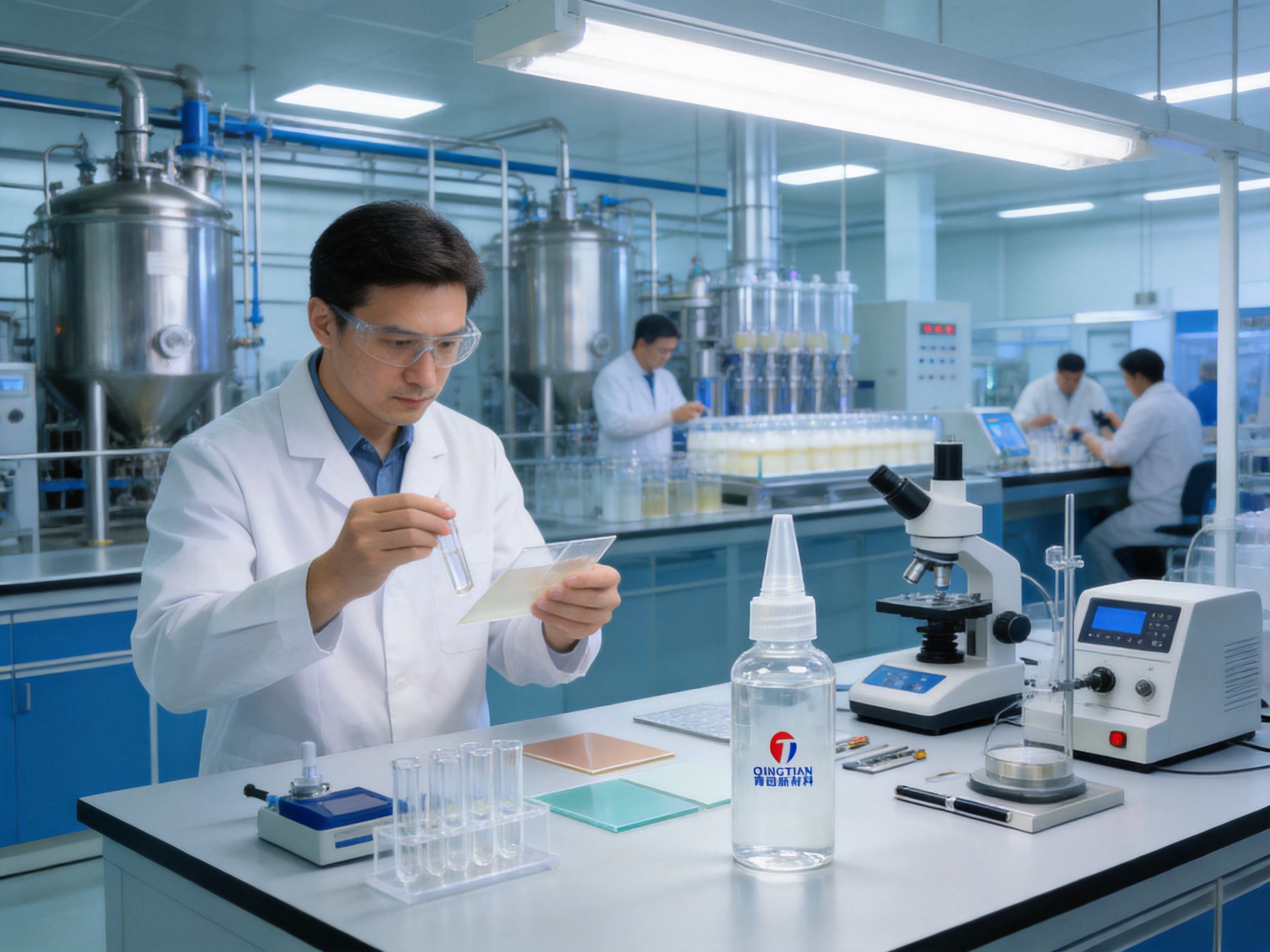
DH-4560 offers a combination of functions that are difficult to obtain through a single conventional additive. It is designed to improve leveling, smooth hand-feel, anti-fingerprint performance, brightness, and surface uniformity. Its stated ability to react with multiple organic polymer families provides an additional technical advantage for formulators working across diverse resin platforms.
The product is also supported by a supplier with experience in coating, ink, and adhesive raw materials. This matters because a leveling agent cannot be evaluated in isolation. Its success depends on how it interacts with dispersants, defoamers, adhesion promoters, waxes, pigments, fillers, solvents, curing agents, and the substrate.
Compared with a single-purpose leveling additive, DH-4560 may help simplify additive packages and reduce the number of separate materials required to reach the desired surface properties. Compared with purely physical surface modifiers, its reported reactivity with organic polymers may provide a pathway toward improved permanence and integration.
The product is particularly attractive for premium surfaces where touch and appearance must be developed together. These include leather goods, decorative plastics, furniture finishes, consumer products, architectural panels, industrial components, and coated metals. It can also be evaluated in inks, UV coatings, epoxy systems, and other specialty applications that require controlled surface flow.
DH-4560 is used as a smooth-feel leveling agent for paints, coatings, printing inks, and leather surface treatments. It is intended to improve leveling, surface smoothness, hand-feel, anti-fingerprint behavior, brightness, and surface uniformity.
The supplied information identifies polyester, polyurethane, acrylic, epoxy, and melamine resin systems as examples of compatible organic polymers. Formulators should still conduct application-specific compatibility and performance testing before selecting the product for commercial production.
DH-4560 is described as maintaining coating brightness and providing an excellent leveling effect. Better surface uniformity can support gloss consistency and visual quality. Final gloss depends on the resin, pigment, substrate, curing method, film thickness, and additive dosage.
Yes. Smooth hand-feel is one of the product’s main performance objectives. It is designed to create a smoother and more refined surface, which can be valuable in leather finishes, furniture coatings, plastic coatings, and decorative industrial surfaces.
DH-4560 is intended to improve anti-fingerprint properties. The degree of improvement depends on the surface chemistry, coating hardness, gloss level, substrate, and handling conditions. Anti-fingerprint testing should be carried out using the customer’s actual application method.
The product information states that it is soluble in benzene and mineral oil solvents. Users must evaluate solvent compatibility within the complete formulation and comply with all applicable safety and environmental regulations. The supplier’s latest safety and technical documents should be consulted before use.
The product category identifies DH-4560 as a silicone-free leveling agent, while another supplied information field describes it as a silicone type. Because these descriptions differ, customers should obtain written clarification and the latest technical documentation from the supplier before making a silicone-free approval decision.
No universal dosage should be assumed because the optimum level depends on the resin, solvent, pigment, substrate, curing process, and desired surface effect. A concentration ladder should be prepared in the laboratory, followed by testing of both wet-film and cured-film properties.
Yes. Leather surface treatment is one of the stated application areas. The product may improve smooth hand-feel, leveling, brightness, and anti-fingerprint behavior. Flexibility, rub resistance, adhesion, blocking, and migration should be evaluated on the specific leather substrate.
Yes. DH-4560 is applicable to inks where controlled flow, smoothness, brightness, and tactile quality are required. Ink transfer, drying, print adhesion, rub resistance, overprint compatibility, and storage stability should be checked.
Suzhou Qingtian New Material Co., Ltd. has specialized in raw materials for coatings, inks, and adhesives since 2012. The company reports an experienced R&D team, modern production facilities, advanced testing equipment, a broad additive portfolio, and ongoing investment in manufacturing and research capability.
DH-4560 Smooth Feel Leveling Agent is designed for formulators who require more than basic leveling. Its performance profile combines excellent surface flow, smooth hand-feel, anti-fingerprint behavior, low surface tension, maintained brightness, and compatibility with several important organic polymer families.
The product can be considered for industrial paints, protective coatings, coil coatings, plastic coatings, wood finishes, UV systems, printing inks, leather treatments, epoxy flooring, and other applications where surface quality directly influences product value. Its reported ability to react with organic polymers may provide advantages over purely physical leveling technologies, particularly when formulators are seeking stronger integration with the binder matrix.
The supplier’s experience in specialty additives, modern production infrastructure, research team, testing capability, and broad product portfolio provide an important foundation for consistent quality and technical support. These strengths can help customers move from laboratory screening to reliable industrial production.
As with all specialty additives, final performance depends on the complete formulation and process. Customers should confirm product classification, request current technical and safety documentation, perform compatibility testing, optimize dosage, and validate cured-film properties under realistic service conditions. When properly selected and applied, DH-4560 can help create coatings and finishes that look brighter, feel smoother, resist handling marks, and deliver a more refined end-user experience.
1. Supplier product information for DH-4560 Smooth Feel Leveling Agent, including stated applications, compatibility, surface properties, and solvent solubility.
2. Supplier corporate information concerning coatings, inks, adhesive raw materials, research capability, production facilities, and company development milestones.
3. General principles of coating formulation, surface tension control, leveling, wetting, and intercoat adhesion.
4. General technical guidance for evaluating gloss, hand-feel, anti-fingerprint behavior, durability, and compatibility in cured polymer coatings.
5. General safety and regulatory principles for the handling, storage, transportation, and use of specialty coating additives and organic solvents.
 Wholesale Paint/ Coating Additives Manufacturers
Custom Industrial Chemical Solutions Suppliers