русский
 Español
 Français
Home / Author / Wei Lanqing — Regional Product Sales Manager / Electroplating Silver Resin for High-Performance Metallic Coatings and Inks
Wei Lanqing — Regional Product Sales Manager

Content
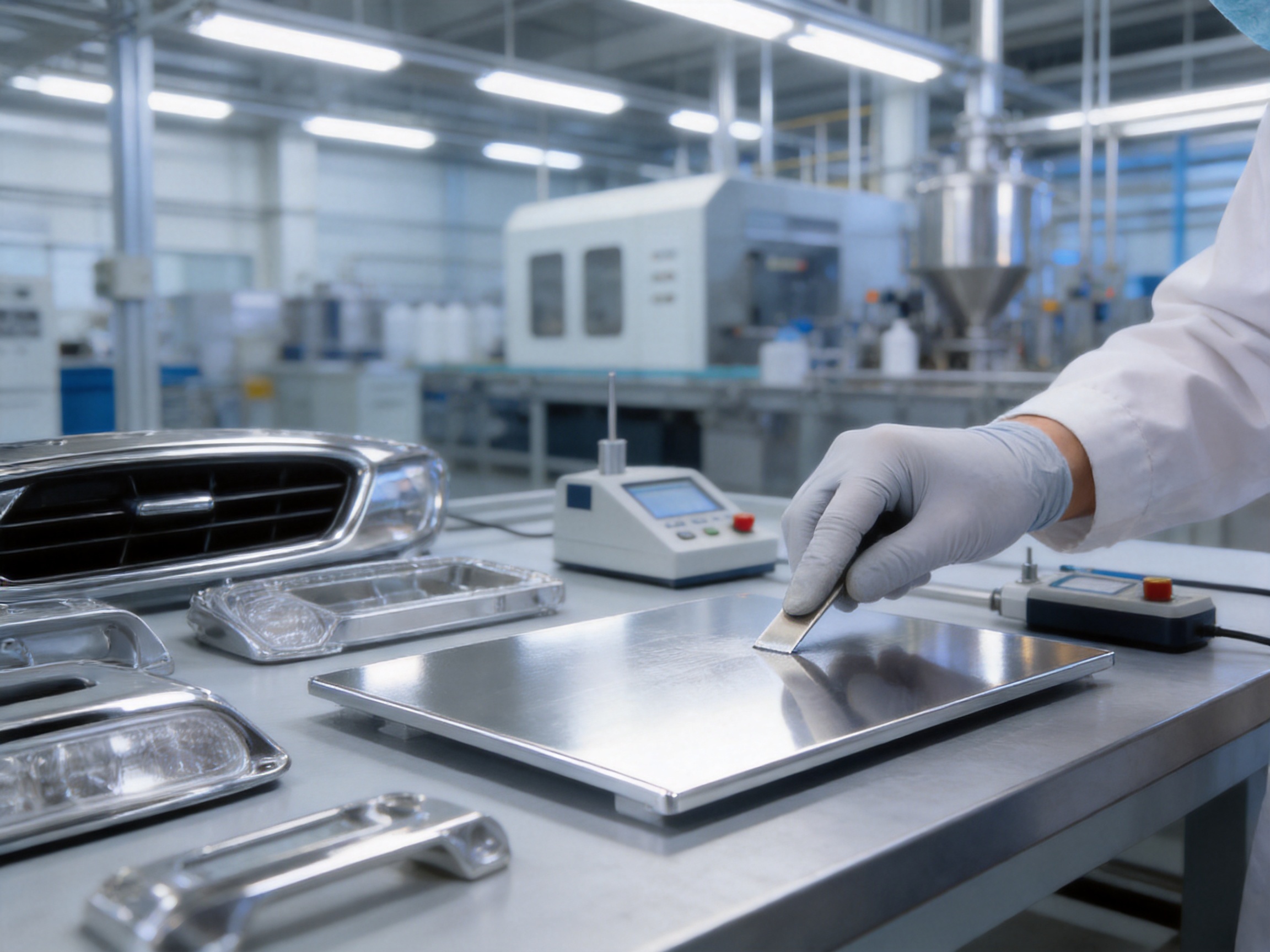
Electroplating silver resin is a specialized binder solution for coating and ink systems that require a bright, highly aligned metallic appearance. In applications involving aluminum pigments, imitation electroplating silver coatings, liquid electroplating silver systems, and mirror silver inks, the resin does much more than simply hold pigment particles together. It influences pigment orientation, surface appearance, hiding power, viscosity, hardness, scratch resistance, abrasion resistance, and resistance to alcohol and other service conditions.
AA-8318 Electroplating Silver Resin is a 100% active-content ketone-acetal polymer supplied as a translucent, flaky solid. It is designed for dissolution in suitable ketone, ester, and alcohol solvents and is recommended for preparing resin solutions with a dissolution solid content of approximately 7–12%. Once dissolved and incorporated into a formulation, it provides a practical combination of metallic pigment control, film performance, and processing flexibility.
The product is especially suitable for formulators seeking to improve the alignment of aluminum powder and other metallic pigments. Better alignment can create a cleaner, brighter, and more uniform silver appearance. At the same time, the resin can contribute to improved pigment hiding power and a durable coating film with good hardness, scratch resistance, and abrasion resistance.
The visual effect commonly described as electroplating silver depends on the interaction of several formulation components. These include the metallic pigment, resin or binder, solvent system, additives, substrate, application equipment, drying conditions, and final film thickness. A resin that is not well suited to metallic pigments may produce a dull, uneven, gray, or cloudy appearance even when a high-quality aluminum pigment is used.
Metallic pigments must be distributed throughout the coating and then positioned in a favorable orientation as the wet film levels and dries. In many systems, the aluminum flakes should lie relatively parallel to the coated surface. This arrangement reflects light more efficiently and gives the surface a brighter, more continuous metallic appearance. Poor orientation can expose the edges of flakes, reduce reflectivity, increase visual roughness, and weaken the impression of a polished or electroplated surface.
A suitable resin helps create the physical conditions required for this alignment. It can support controlled wetting of the pigment, provide a suitable balance between viscosity and flow, and form a film that allows the pigment to settle into a consistent orientation before the coating becomes fully immobilized. The resin must also maintain enough cohesion and hardness after drying to protect the metallic appearance during handling and service.
AA-8318 is formulated for this type of performance. Its primary value is not merely that it forms a transparent or translucent binder film. Its value lies in the way it supports metallic pigment orientation while providing a functional film structure. This makes it relevant to applications where appearance and durability must be achieved together.
AA-8318 Electroplating Silver Resin is supplied in a translucent, flaky, solid form. It has a 100% active content, meaning that the supplied resin contains no solvent added to reduce its solids content. The user can therefore select the solvent or solvent blend that best matches the target coating or ink process.
The resin is based on a ketone-acetal polymer composition. This chemistry is intended for systems in which the resin is dissolved before use and then combined with metallic pigments and other formulation components. The recommended dissolution solid content is 7–12%, allowing formulators to prepare relatively low-solids resin solutions for liquid electroplating silver systems and related metallic coating applications.
The reported heat resistance of the solid resin is 210°C. This property indicates a useful level of thermal resistance for processing and service environments in which the coating may encounter elevated temperatures. The final temperature performance of any complete coating or ink will also depend on the substrate, pigment, solvent removal, film thickness, curing or drying conditions, and other ingredients in the formulation.
| Property | Information | Formulation Significance |
|---|---|---|
| Product type | Electroplating silver resin | Designed for metallic coatings and inks requiring a bright silver appearance |
| Physical form | Translucent, flaky solid | Suitable for preparation of customized resin solutions |
| Active content | 100% | Allows flexible solvent selection and accurate solids calculation |
| Polymer composition | Ketone-acetal polymer | Provides a solvent-soluble binder platform for silver-effect formulations |
| Heat resistance of solid | 210°C | Supports applications requiring useful thermal resistance |
| Recommended dissolution solids | 7–12% | Offers a practical starting range for liquid electroplating silver systems |
| Primary pigment benefit | Improved aluminum pigment alignment | Helps create a brighter and more uniform metallic appearance |
| Additional film benefits | Hardness, scratch resistance, abrasion resistance, and alcohol resistance | Supports more durable finished coatings and printed films |
One of the most important advantages of AA-8318 is its ability to improve the orientation of aluminum powder. In metallic coatings, alignment directly affects the way light is reflected. When the flakes are distributed and arranged consistently, the coating can appear whiter, brighter, cleaner, and more continuous. The result is particularly important in imitation electroplating silver finishes, where the visual target is a smooth, reflective, high-value appearance.
Without effective orientation, aluminum pigments may stand at irregular angles or form an uneven distribution. This can create dark and light areas, reduce brightness, increase haze, and make the coating appear coarse. It may also reduce the apparent hiding power because the substrate can remain visible through spaces between poorly positioned flakes.
AA-8318 supports the formulation of coatings in which metallic pigment orientation is a central design requirement. Its use can help formulators obtain a more efficient visual effect from the selected aluminum powder. This may be valuable when the goal is to improve whiteness and brightness without relying only on increased pigment loading.
Better alignment can also improve consistency from one production batch to another. If the resin provides a stable flow and pigment-wetting environment, the coating may be less sensitive to modest changes in application conditions. However, pigment grade, dispersion energy, spray or printing method, substrate smoothness, drying rate, and film thickness remain important variables and should be controlled through application testing.
The orientation effect is especially useful in products that are judged primarily by appearance. Automotive and transportation components, decorative plastic parts, consumer goods, packaging, electronic housings, and specialty printed surfaces may all require a metallic effect that appears uniform from different viewing angles. A resin capable of supporting consistent aluminum flake positioning can make the formulation easier to optimize for these requirements.
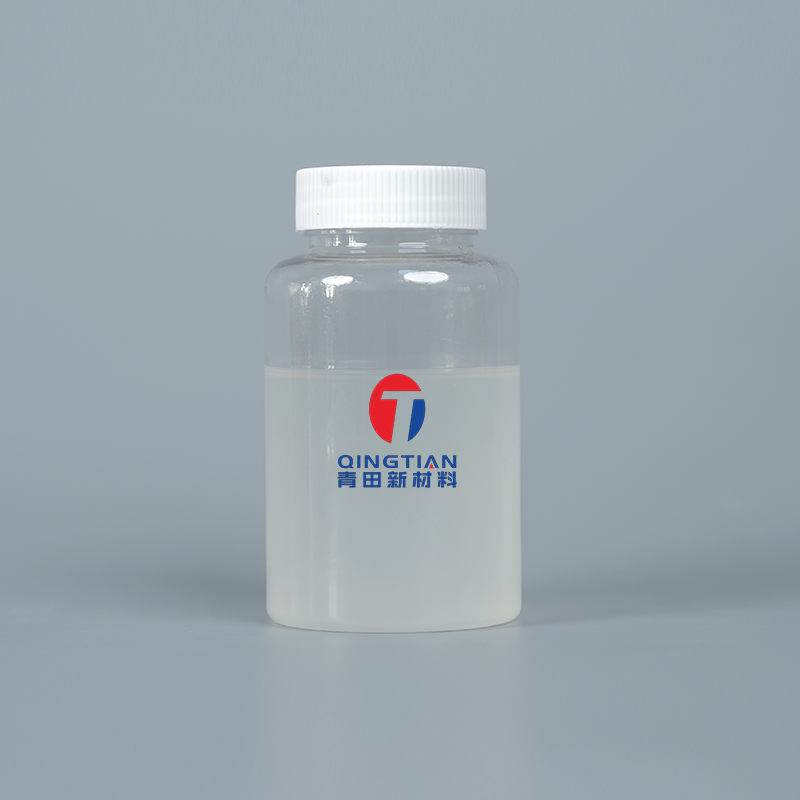
AA-8318 Electroplating Silver Resin
In aluminum powder coatings, whiteness is closely connected to brightness, reflectivity, particle distribution, and the amount of light scattered or absorbed by the film. A resin that promotes better flake orientation can help reduce visual irregularities and create a cleaner silver tone. This is one of the central reasons AA-8318 is suitable for aluminum powder paint and imitation electroplating silver coatings.
The term “whiteness” in this context does not mean that the resin is a white pigment. Instead, it refers to the visual improvement that can occur when aluminum particles are arranged more effectively and the film presents a brighter, more even metallic surface. The resin provides the binder environment; the final color and reflectivity remain influenced by the aluminum pigment, pigment concentration, substrate, and application conditions.
In practical formulation work, the same aluminum powder may produce substantially different results when used with different binders. A binder that is too viscous can restrict pigment movement before the flakes reach a favorable orientation. A binder that is too low in viscosity may allow pigment settling, uneven distribution, or insufficient film build. A binder with poor compatibility can cause haze, flocculation, or loss of gloss. AA-8318 is designed to help balance these needs in solvent-based silver-effect systems.
The resin may also contribute to improved hiding power. Metallic pigments can hide a substrate effectively when their distribution is sufficiently dense and uniform, and when the film does not contain excessive voids or surface defects. Improved orientation and film cohesion can help the metallic layer cover the underlying color more efficiently. This benefit can support the development of thinner or more economical films, although actual pigment reduction should only be determined through application trials.
Aluminum powder paint is one of the most direct application areas for this resin. In such systems, the visual quality of the coating is determined by both the aluminum pigment and the binder. AA-8318 can be used to prepare a resin solution that helps the pigment align in the film and improves the resulting silver or aluminum appearance.
The resin can be considered for decorative industrial coatings, metallic plastic coatings, equipment finishes, trim coatings, and other products in which a bright aluminum effect is required. The final system may be adjusted for spray application, printing, flow coating, or other coating processes, depending on the substrate and production line.
Imitation electroplating silver coatings are designed to reproduce some of the visual characteristics associated with electroplated metal surfaces without using a conventional electroplating process. The objective may include a bright reflective appearance, smooth coverage, a uniform silver color, and satisfactory mechanical durability.
AA-8318 is suitable for this type of formulation because it combines pigment orientation support with useful film properties. Its use can help create a coating that appears more polished while also maintaining hardness and resistance to scratching and abrasion. These properties are important when the coated component will be handled, assembled, transported, or exposed to routine contact.
Mirror silver inks require careful control of pigment distribution, film thickness, solvent evaporation, and substrate wetting. A resin that interferes with pigment orientation or leaves an uneven film can reduce the mirror effect. AA-8318 can be evaluated as a binder for mirror silver ink systems in which the metallic layer must be visually continuous and highly reflective.
Ink formulators should consider the relationship between resin concentration and print performance. A low resin level may not provide sufficient film strength, while an excessive level may reduce metallic brightness by increasing the distance between pigment particles or by creating an overly thick binder-rich surface. The recommended 7–12% dissolution range offers a starting point for resin solution preparation, but the final ink composition should be adjusted according to printing method, pigment type, substrate, and drying requirements.
The product is also suited to liquid electroplating silver systems prepared with solvents. Ketone, ester, and alcohol solvents are identified as good solvents for the resin. This solvent compatibility enables formulators to build solvent blends around the requirements of the pigment, substrate, application equipment, drying speed, and workplace conditions.
Benzene, ether, and aromatic solvents are identified as poor solvents. These materials should not be selected as the primary dissolution medium without careful compatibility testing. Solvent choice affects resin dissolution, solution clarity, viscosity, evaporation behavior, pigment stability, and final appearance. Using a suitable solvent system is therefore essential to achieving the intended performance.
Metallic appearance alone is not sufficient for a successful industrial coating. The film must also resist the mechanical and chemical stresses associated with production, assembly, packaging, transportation, and use. AA-8318 offers a useful combination of hardness, scratch resistance, abrasion resistance, and alcohol resistance.
Hardness helps the dried film retain its surface integrity. A sufficiently hard film can reduce marking during handling and can support a sharper, cleaner metallic appearance. Hardness must be balanced with flexibility and adhesion in the complete formulation, because an excessively hard film may become brittle on some substrates. The final result will depend on resin concentration, plasticization, substrate type, pigment loading, and drying conditions.
Scratch resistance is valuable for decorative parts and components that may be touched, assembled, wiped, or placed in contact with other surfaces. Scratches can disrupt the alignment of metallic pigment, expose the substrate, and create visible defects. By contributing to a stronger film, AA-8318 can help protect the visual quality of the silver-effect coating.
Abrasion resistance is important where repeated rubbing or contact may occur. Examples include coated housings, trim parts, handles, decorative panels, and industrial components. A coating that maintains its metallic appearance after routine abrasion can reduce rejection rates and improve perceived product quality.
Alcohol resistance provides an additional advantage in applications involving cleaning, handling, or incidental contact with alcohol-containing materials. The actual resistance level depends on the complete coating system and exposure conditions, including alcohol concentration, contact time, temperature, film thickness, and curing or drying. Nevertheless, the resin’s inherent alcohol resistance makes it a useful candidate for systems where this requirement is part of the performance target.
The reported heat resistance of the solid resin is 210°C. This characteristic can support coating and ink applications exposed to elevated temperatures, provided that the complete formulation and substrate are also suitable for the required temperature range. Heat resistance should be confirmed through application-specific testing, because pigments, additives, solvents, substrates, and multilayer structures may influence the final thermal performance.
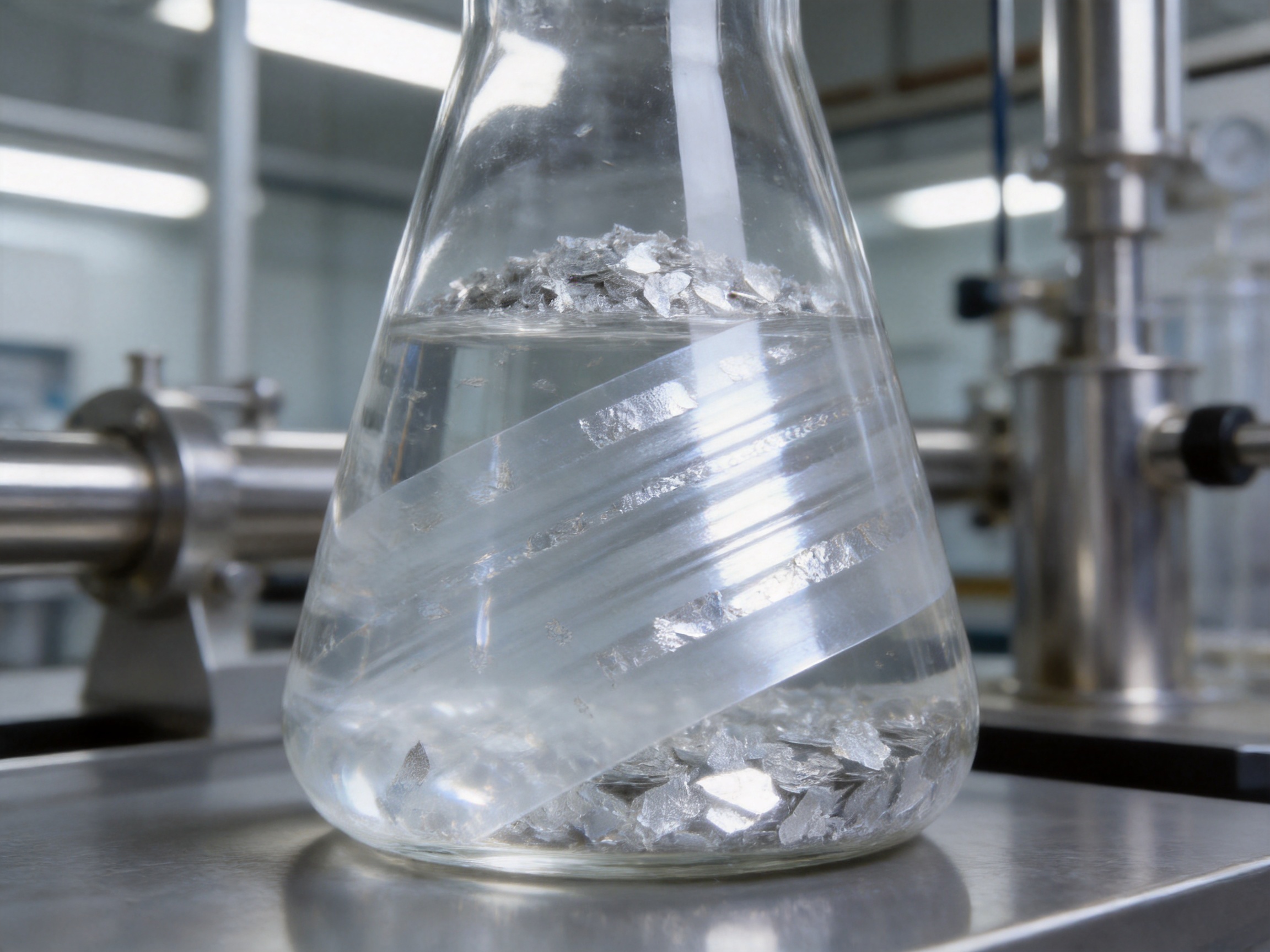
Correct dissolution is important for obtaining a uniform resin solution. AA-8318 is supplied as a solid and should be introduced gradually into a suitable solvent while stirring at high speed. Gradual addition helps prevent the formation of large agglomerates or partially wetted resin clusters that may dissolve slowly.
The recommended method is to charge the selected solvent into a suitable mixing vessel, begin agitation, and then add the flaky resin progressively. High-speed stirring supports wetting and dispersal of the solid particles. The mixture should continue to agitate until the resin is fully dissolved and the solution is visually uniform.
The recommended dissolution solid content is 7–12%. This range should be considered a starting point rather than an inflexible requirement. A lower concentration may provide a lower-viscosity solution for certain applications, while a higher concentration may be selected when greater binder strength or a different application viscosity is needed. Any adjustment should be validated for dissolution speed, solution stability, pigment compatibility, and final appearance.
Temperature control may be useful during dissolution, especially when a faster dissolution rate is desired. However, the processing temperature should be selected carefully and should remain within the safe operating range of the equipment and solvent system. Excessive heat can accelerate solvent evaporation and alter the solution concentration during preparation.
After dissolution, the solution should be checked for clarity, uniformity, viscosity, and the absence of undissolved particles. Filtration may be considered when the final application requires a very clean surface or when the coating or ink will be applied through fine printing equipment. The filter type and mesh size should be selected according to the resin solution, pigment size, and application method.
| Processing Stage | Recommended Practice | Purpose |
|---|---|---|
| Solvent selection | Use ketone, ester, or alcohol solvents identified as good solvents | Promotes effective dissolution and solution stability |
| Initial mixing | Begin agitation before resin addition | Improves wetting and prevents localized concentration |
| Resin addition | Add the flaky solid gradually | Reduces agglomeration and supports uniform dissolution |
| Agitation | Use high-speed stirring during dissolution | Accelerates wetting and dispersal |
| Solids target | Start at approximately 7–12% dissolved solids | Provides a practical basis for viscosity and binder adjustment |
| Solution inspection | Check for uniformity and undissolved material | Helps prevent application defects |
| Final formulation | Add pigment and other components after establishing a stable resin solution | Improves control of pigment incorporation and batch consistency |
Solvent selection is a central part of using AA-8318 successfully. Ketone, ester, and alcohol solvents are suitable choices for dissolving the resin. Depending on the application, these solvent families can be used individually or combined to balance solvency, evaporation rate, viscosity, drying profile, substrate wetting, and production requirements.
Ketone solvents may provide strong solvency and useful evaporation characteristics for rapid-drying systems. Ester solvents can contribute to balanced flow and evaporation behavior, while alcohol solvents may be useful in formulations that require alcohol compatibility or a particular drying profile. The correct blend depends on the resin concentration, pigment type, application equipment, substrate, and environmental requirements.
Benzene, ether, and aromatic solvents are identified as poor solvents for this resin. Their use may result in incomplete dissolution, haziness, gel particles, viscosity instability, or reduced storage stability. Formulators should therefore conduct a compatibility check before introducing any solvent that is not established as a good solvent for the product.
Solvent compatibility should be evaluated not only with the resin but also with the aluminum pigment and other additives. Some solvent blends can alter pigment wetting or promote settling. Others may evaporate too quickly, causing dry spray, poor leveling, pinholes, or an uneven metallic effect. A balanced solvent package should allow sufficient open time for the coating to level and the metallic pigment to orient while still meeting production drying requirements.
Workplace safety and regulatory requirements must also be considered. Solvent selection should be reviewed in relation to flammability, ventilation, worker exposure, equipment design, waste handling, and local regulations. The resin itself does not eliminate the need for appropriate solvent management and process controls.
A successful silver-effect coating or ink is built through cooperation among the resin, metallic pigment, solvent, substrate, and application process. AA-8318 provides a useful binder platform, but the final result depends on how the entire system is designed.
Aluminum pigments differ in particle size, shape, surface treatment, brightness, hiding power, and orientation behavior. Fine pigments may provide a smoother appearance, while other grades may offer stronger sparkle or a different optical effect. The selected pigment should be evaluated with AA-8318 at several resin-to-pigment ratios to identify the best balance between brightness, coverage, and film strength.
The resin must provide sufficient binding power without covering the metallic pigment with an overly thick or visually dull layer. Too little resin may result in poor adhesion, weak cohesion, and low resistance to scratching or abrasion. Too much resin may reduce the metallic impression or interfere with the reflective surface. Optimization should consider both wet-film behavior and dry-film performance.
Viscosity affects application, leveling, pigment movement, and settling. The product is particularly suited to liquid electroplating silver systems characterized by high viscosity and low solid content. This combination can be useful when the formulation must maintain a concentrated visual effect while controlling total nonvolatile material. The final viscosity should be adapted to the selected application method and equipment.
A clean, smooth, and compatible substrate is essential for a uniform metallic appearance. Oil, dust, moisture, mold-release agents, and surface irregularities can interfere with adhesion and create visible defects. Plastic, metal, glass, and other substrates may require different pretreatment, priming, or surface-energy control procedures.
Drying conditions influence pigment orientation and final gloss. If solvent evaporates too rapidly, the film may freeze before the aluminum flakes reach a favorable arrangement. If drying is too slow, the pigment may settle, sag, or become vulnerable to contamination. Air movement, temperature, humidity, wet-film thickness, and oven conditions should be controlled during development and production.
Leveling agents, defoamers, dispersants, adhesion promoters, and anti-settling agents may be used in a complete formulation, but each additive should be tested for compatibility with the silver resin and aluminum pigment. Excessive additive use can reduce gloss, disturb pigment orientation, cause surface defects, or affect recoatability. Additives should be selected for a specific function and used at the minimum effective level.
General-purpose coating resins may provide basic film formation, but they are not always designed for metallic pigment orientation or electroplating silver effects. When a standard binder is used in a high-reflectivity silver formulation, the formulator may encounter poor flake alignment, insufficient whiteness, reduced hiding power, slow optimization, or weak resistance to handling damage.
AA-8318 has several advantages that make it more specialized for this application area. First, it is specifically positioned for liquid electroplating silver systems and aluminum powder coatings. Second, it is designed to improve pigment orientation and whiteness. Third, it combines optical benefits with practical mechanical properties, including hardness, scratch resistance, abrasion resistance, and alcohol resistance. Fourth, its 100% active solid form gives the user flexibility to prepare a solution at the desired concentration.
Compared with a binder that offers only strong adhesion, AA-8318 adds a more direct contribution to metallic appearance. Compared with a resin selected only for high gloss, it provides a more application-specific focus on aluminum pigment alignment. Compared with a low-performance film former, it offers a stronger combination of visual and durability characteristics.
These advantages do not mean that the resin replaces the need for formulation development. Rather, it gives the formulator a more relevant starting point. A resin designed around the needs of metallic pigments can shorten the path to a bright, uniform, and durable silver-effect coating, especially when the selected pigment and process are also well matched.
The supplier is a professional manufacturer of raw materials for coatings, inks, and adhesives. Its product portfolio includes dispersants, leveling agents, defoamers, adhesion promoters, anti-settling agents, cooling agents, conductive agents, orange peel texture agents, texture powders, and wax powders. This broad portfolio indicates experience across multiple coating and ink technologies rather than dependence on a single product category.
The company has operated since 2012 and has developed an experienced team that includes research and development specialists and sales professionals. It also operates a modern production facility supported by advanced testing equipment and research capabilities. These resources are important for a specialized product such as AA-8318 because metallic coating performance depends on consistent resin quality, controlled dissolution behavior, and reliable batch-to-batch characteristics.
Advanced manufacturing is not limited to the physical production stage. It also includes raw-material control, reaction or polymer-processing consistency, process monitoring, filtration, packaging, laboratory testing, and technical service. For a resin used in mirror silver inks and imitation electroplating coatings, small variations in color, molecular structure, solubility, viscosity, or impurity level can influence the final appearance. A manufacturer with established testing and development capabilities is better positioned to identify and control these variables.
The company’s research history includes the development of an ice flower resin in 2016, recognition as a National High-Tech Enterprise in 2020, and relocation to an intelligent manufacturing park in Zhangjiagang High-Tech Zone in 2021. These milestones reflect continued investment in research, production capacity, and organized manufacturing infrastructure.
Specialty coating additives and resins require more than a standard production line. Customers often need assistance with solvent selection, dissolution conditions, pigment compatibility, viscosity adjustment, application method, and performance testing. A manufacturer with its own research and development personnel can support customers during formulation development and help identify the reason for defects such as haze, poor alignment, settling, low gloss, or weak abrasion resistance.
The supplier’s focus on coatings, inks, and adhesives provides a useful technical foundation for AA-8318. These industries share many formulation principles, including wetting, dispersion, rheology, film formation, adhesion, and surface control. Experience across several product categories can help the technical team understand how the resin may interact with dispersants, leveling agents, defoamers, adhesion promoters, and other additives.
Technical support is particularly valuable when the customer is transitioning from a conventional binder to a more specialized electroplating silver resin. The transition may require changes to solvent balance, pigment loading, mixing sequence, drying conditions, and application viscosity. A structured development process can reduce trial-and-error work and improve the probability of achieving the desired appearance and durability.
For consistent metallic coating performance, quality control should address both the physical resin and its behavior in solution. Important checks may include appearance, active content, dissolution performance, solution clarity, viscosity, storage stability, and compatibility with representative pigments and solvents.
The translucent flaky appearance of AA-8318 provides a useful visual reference for incoming material inspection. However, visual inspection alone is not sufficient. Laboratory dissolution tests can help confirm that the resin dissolves efficiently under the recommended conditions. A standard solution concentration can be used to compare viscosity, clarity, and stability between batches.
Quality control can also include application tests using a reference aluminum pigment, a reference substrate, and standardized drying conditions. Measurements may include gloss, reflectivity, whiteness, hiding power, hardness, scratch resistance, abrasion resistance, and alcohol resistance. These tests help connect raw-material consistency with finished-coating performance.
Manufacturing process control is equally important. Stable production conditions help maintain consistent polymer composition and active content. Appropriate filtration and handling can reduce foreign particles that might cause surface defects in a high-gloss silver coating. Proper packaging and storage help protect the flaky resin from moisture, contamination, and unnecessary exposure to heat.
AA-8318 should be handled according to the supplier’s current technical and safety documentation. The solid resin should be kept in clean, properly closed packaging and protected from contamination. Storage conditions should be selected to avoid excessive heat, moisture, and direct environmental exposure.
When preparing the solution, operators should use equipment suitable for flammable solvent systems where applicable. Adequate ventilation, grounding, personal protective equipment, and ignition-source control are essential. High-speed stirring can generate heat and static, so the mixing system should be designed and operated with appropriate safety controls.
Solvent addition and resin dissolution should be performed in a controlled sequence. Operators should avoid adding the entire quantity of solid resin at once, because localized agglomeration can slow dissolution and make the batch more difficult to homogenize. The mixing vessel should have sufficient capacity to accommodate solvent, resin, and any increase in volume caused by agitation.
Waste solvent, contaminated filters, cleaning materials, and unused coating should be managed in accordance with applicable environmental and safety requirements. The final industrial process should also be reviewed for emissions, worker exposure, fire protection, and disposal obligations.
A dull appearance may result from poor aluminum pigment orientation, excessive resin, unsuitable solvent evaporation, excessive film thickness, or incompatible additives. The formulator should review pigment grade, resin-to-pigment ratio, solvent balance, drying conditions, and substrate smoothness. AA-8318 can be used as a specialized binder starting point, but the complete system still requires optimization.
Uneven color or brightness may be caused by insufficient mixing, pigment settling, inconsistent spray or print deposition, substrate defects, or variable drying. The solution should be checked for stability, and the application process should be evaluated for uniform wet-film thickness. An appropriate anti-settling or dispersing additive may be considered only after compatibility testing.
Poor hiding may result from low pigment loading, inadequate flake alignment, insufficient film thickness, or an unsuitable substrate color. Increasing pigment concentration is not always the best first response. Improving orientation and film uniformity may provide a more efficient improvement. AA-8318 is designed to help enhance the hiding power of metallic pigments when used in an appropriately balanced formulation.
Slow dissolution can occur when the solvent is poorly suited, the resin is added too quickly, the agitation is insufficient, or the solution concentration is too high. The recommended approach is to use a good solvent, begin high-speed stirring before addition, add the flaky resin gradually, and allow adequate mixing time. Benzene, ether, and aromatic solvents are identified as poor solvents and should be avoided for primary dissolution.
Weak mechanical resistance may result from insufficient binder, incomplete drying, excessive plasticization, poor substrate preparation, or a pigment level that is too high for the available resin. The final film should be evaluated after reaching a stable dry state. AA-8318 contributes hardness, scratch resistance, and abrasion resistance, but the complete system must be balanced to achieve the required performance.
A systematic development workflow can help customers obtain reliable results from AA-8318. The first step is to define the target appearance, including brightness, whiteness, reflectivity, sparkle, opacity, and acceptable variation. The second step is to select an aluminum pigment appropriate for the target optical effect and application method.
The next step is to prepare a resin solution using a suitable ketone, ester, or alcohol solvent at approximately 7–12% dissolved solids. The resin should be added gradually under high-speed stirring until the solution is uniform. A reference solution should be retained for comparison during subsequent trials.
After the resin solution is prepared, the formulator can create a series of pigment-to-binder ratios. Each sample should be applied under consistent conditions to the same substrate, using the same wet-film thickness and drying procedure. Visual comparison should be supported by measurements of gloss, reflectivity, hiding power, hardness, scratch resistance, abrasion resistance, and alcohol resistance where relevant.
Once the best ratio is identified, the solvent blend and application viscosity can be adjusted. The formulator should then evaluate storage stability, resistance to settling, recoatability, adhesion, and production-scale drying. Finally, pilot-scale trials should confirm that laboratory results can be reproduced in the intended manufacturing environment.
Although AA-8318 is intended for solvent-based systems, formulation efficiency can still be improved through careful pigment orientation and hiding power. If the resin enables the metallic pigment to create a more effective visual layer, the formulator may be able to investigate lower pigment usage or thinner film thickness while maintaining the required appearance. Any reduction should be confirmed through performance testing rather than assumed.
Efficient dissolution and controlled mixing can reduce batch rework and minimize material loss. Stable solutions can also help reduce the risk of rejected batches caused by undissolved particles, haze, or inconsistent viscosity. Better coating uniformity may reduce the need for repeated application passes, which can lower solvent consumption and production time.
Environmental performance depends on the complete formulation and process. Solvent emissions, energy consumption, waste generation, substrate preparation, drying temperature, and end-use durability all contribute to the overall impact. A longer-lasting coating may reduce replacement or refinishing requirements, while responsible solvent management remains essential during manufacture and application.
Purchasing a specialty resin is not only a matter of selecting a chemical product. Customers also need dependable supply, technical communication, application support, and the ability to obtain related additives from a knowledgeable source. A supplier that focuses on coating and ink raw materials can help coordinate resin selection with dispersants, leveling agents, defoamers, adhesion promoters, anti-settling agents, texture products, and wax powders.
The supplier’s product range covers multiple industries, including steel and aluminum coil coatings, plastic coatings, ultraviolet-curing systems, anticorrosion coatings, wood coatings, glass coatings, epoxy flooring, printing inks, power batteries, and photovoltaic panels. This broad market exposure provides practical knowledge of different substrate types, application methods, and performance expectations.
Its manufacturing and research base in Zhangjiagang, Jiangsu Province, supports centralized production, development, testing, and customer service. The company’s stated emphasis on innovation, quality, service, and win-win cooperation is consistent with the needs of customers developing specialized metallic coatings and inks.
AA-8318 is used to prepare solvent-based liquid electroplating silver systems, aluminum powder paints, imitation electroplating silver coatings, and mirror silver inks. Its main functional role is to improve aluminum pigment orientation and help enhance the brightness, whiteness, and hiding power of metallic coatings.
The product is based on a ketone-acetal polymer. It is supplied as a solid resin that is dissolved in a suitable solvent before being incorporated into the final coating or ink.
AA-8318 has a 100% active content in its supplied solid form. This allows the user to prepare a resin solution with a selected solvent and concentration rather than receiving a pre-diluted product.
Ketone, ester, and alcohol solvents are identified as good solvents. Benzene, ether, and aromatic solvents are identified as poor solvents and should not be selected as the primary dissolution medium without compatibility testing.
The recommended dissolution solid content is approximately 7–12%. This range provides a starting point for development. The final concentration should be adjusted according to the desired viscosity, pigment loading, application method, and film performance.
The resin should be added gradually to the selected solvent while stirring at high speed. Gradual addition helps improve wetting and reduces the formation of undissolved agglomerates. Mixing should continue until the solution is uniform.
Yes. The resin is designed to improve aluminum pigment orientation, which can produce a brighter and cleaner appearance and can effectively improve the perceived whiteness of aluminum powder coatings. The final result also depends on pigment type, substrate, application, drying, and formulation balance.
AA-8318 can enhance the hiding power of metallic pigments by supporting more effective pigment distribution and orientation. Actual hiding power must be evaluated in the complete coating system at the intended film thickness and pigment concentration.
The product offers good hardness, scratch resistance, and abrasion resistance. These properties can help protect the metallic appearance during handling and service. Final performance depends on the complete formulation and application conditions.
Good alcohol resistance is one of the stated characteristics of the product. The actual resistance of a finished coating depends on alcohol concentration, exposure duration, temperature, film thickness, drying, substrate, and other formulation components.
The reported heat resistance of the solid resin is 210°C. The complete coating or ink should be tested separately because the final thermal performance can be affected by pigments, additives, solvents, substrate, and film structure.
Yes. It is identified as suitable for mirror silver ink applications. Ink developers should optimize resin concentration, pigment loading, solvent evaporation, print viscosity, substrate wetting, and drying conditions to achieve the desired reflective effect.
Yes. The prepared liquid electroplating silver system is characterized by high viscosity and low solid content. This makes the product suitable for development work where a concentrated visual effect and controlled total solids are required.
It may be combined with other additives after compatibility testing. Dispersants, leveling agents, defoamers, adhesion promoters, and anti-settling agents can affect pigment orientation, surface appearance, viscosity, and storage stability. Each additive should be selected for a specific purpose and evaluated at an appropriate dosage.
The manufacturer specializes in raw materials for coatings, inks, and adhesives and has research and development personnel, testing equipment, production facilities, and a broad additive portfolio. Customers can use this technical background to support solvent selection, formulation optimization, and application development.
AA-8318 Electroplating Silver Resin is a specialized ketone-acetal polymer for solvent-based metallic coatings and inks. Its most important advantage is its ability to improve aluminum pigment orientation, helping formulators achieve a brighter, whiter, more uniform, and more convincing electroplating silver appearance. It can also enhance the hiding power of metallic pigments and support applications in aluminum powder paint, imitation electroplating silver coatings, and mirror silver ink.
The product combines optical and mechanical benefits. In addition to supporting metallic brightness, it offers good hardness, scratch resistance, abrasion resistance, and alcohol resistance. Its 100% active-content flaky solid form gives formulators flexibility in selecting the solvent and preparing a resin solution at approximately 7–12% dissolved solids. Ketone, ester, and alcohol solvents are recommended, while benzene, ether, and aromatic solvents are considered poor choices for dissolution.
The product’s performance is strengthened by the supplier’s experience in coating, ink, and adhesive raw materials; its research and development capabilities; its modern production facility; its testing resources; and its broad portfolio of complementary additives. This combination of specialized chemistry and manufacturing support makes AA-8318 a practical option for customers developing high-quality silver-effect coatings and inks.
For best results, users should treat the resin as part of a complete formulation system. Careful attention should be given to aluminum pigment selection, resin-to-pigment ratio, solvent balance, dissolution sequence, viscosity, substrate preparation, drying conditions, additive compatibility, and quality testing. When these factors are properly coordinated, AA-8318 can help manufacturers produce metallic surfaces with stronger visual impact, improved durability, and more consistent production performance.
1. Supplier technical product information for AA-8318 Electroplating Silver Resin.
2. Supplier product portfolio information for coating, ink, adhesive, and specialty additive raw materials.
3. General principles of metallic pigment orientation in solvent-based coatings and printing inks.
4. General formulation practices for aluminum powder paints and imitation electroplating silver coatings.
5. General quality-control methods for coating appearance, hardness, scratch resistance, abrasion resistance, and solvent resistance.
6. General industrial guidance for resin dissolution, solvent compatibility, pigment dispersion, and coating application safety.
 Wholesale Paint/ Coating Additives Manufacturers
Custom Industrial Chemical Solutions Suppliers