русский
 Español
 Français
Home / Author / Wei Lanqing — Regional Product Sales Manager / DH-4033 Silicone Leveling Agent for High-Performance Paints, Coatings, and Inks
Wei Lanqing — Regional Product Sales Manager

Content

In modern coating, ink, and adhesive formulations, surface quality is often the first characteristic noticed by customers. A coating may have excellent chemical resistance, strong adhesion, and appropriate hardness, yet still fail to meet market expectations if it shows craters, uneven gloss, poor wetting, foam marks, orange peel, or visible flooding. Surface-control additives are therefore essential formulation tools. They help a coating spread evenly, reduce surface defects, improve visual uniformity, and create a more controlled balance between appearance and application performance.
DH-4033 Silicone Leveling Agent is designed to address these requirements in a practical and versatile way. It provides good substrate wettability without significantly affecting recoatability, delivers outstanding leveling performance, and can help high-gloss systems achieve a mirror-like appearance. In matte formulations, it assists with the orientation of matting powder and reduces the likelihood of flooding phenomena. At the same time, it lowers system surface tension, improves surface slip and gloss, and provides a certain degree of defoaming performance during processing.
These combined functions make DH-4033 more than a conventional leveling additive. It is a multifunctional surface-control solution for formulators seeking better appearance, smoother application, improved processing stability, and reliable compatibility. Its performance is supported by the technical capabilities of Suzhou Qingtian New Material Co., Ltd., a professional manufacturer of raw materials for coatings, inks, and adhesives. The company combines research and development, production experience, application knowledge, testing capability, and customer-oriented technical service to provide additive solutions for demanding industrial markets.
During application, a liquid coating must spread over a substrate and form a continuous film. The formulation must overcome differences in surface energy, application shear, solvent evaporation, pigment distribution, and substrate roughness. If these factors are not adequately controlled, the coating may develop surface irregularities. Common defects include craters, pinholes, crawling, poor wetting, uneven gloss, brush marks, roller marks, foam residues, and localized film-thickness variations.
A leveling agent modifies the surface behavior of the coating during application and film formation. By influencing surface tension and surface mobility, it helps the wet film flow into a more uniform surface. The additive must perform this function without creating new problems. For example, an aggressive silicone additive may improve slip and leveling but cause intercoat adhesion problems or poor recoatability. An additive with limited compatibility may produce haze, separation, or surface defects. A suitable product must therefore balance surface activity with compatibility and film performance.
DH-4033 is developed around this balance. Its stated performance combines good wettability, outstanding leveling, compatibility, slip improvement, gloss enhancement, and a certain defoaming effect. This combination is important because surface properties are interconnected. Better wetting can help the coating cover the substrate more evenly. Lower surface tension can encourage flow. Improved flow can reduce visible film irregularities. Better compatibility can help preserve a stable appearance and support subsequent coating operations.
For industrial users, the value of a leveling agent is not measured only by its effect on gloss. It is also measured by its influence on production consistency, application latitude, recoatability, appearance after curing, and the amount of troubleshooting required during scale-up. DH-4033 is positioned as a solution that supports these broader formulation objectives.
Substrate wetting is the first condition for a uniform coating film. When a coating does not wet the surface properly, it may retract, form exposed spots, or create irregular islands. This problem can be especially serious on low-energy substrates, contaminated surfaces, smooth metal panels, plastics, glass, and previously coated materials.
DH-4033 reduces the surface tension of the coating system and helps the liquid spread across the substrate. Improved wetting can provide more even coverage and reduce the risk of defects caused by insufficient contact between the coating and the substrate. In practical formulation work, better wetting may also make the coating less sensitive to moderate variations in application conditions, substrate texture, and coating viscosity.
The product is specifically described as providing good wettability without affecting recoatability. This is a significant advantage over some highly surface-active additives. A coating that wets well but becomes difficult to recoat may create problems in multilayer systems, repair operations, and production environments where additional coats are applied after partial or complete curing. By maintaining a more favorable balance between surface activity and intercoat behavior, DH-4033 can support both immediate appearance and downstream processing.
Leveling performance refers to the ability of a wet coating to reduce surface irregularities and form a smoother film. It is influenced by viscosity, solvent evaporation, curing speed, application method, substrate condition, and additive selection. A well-designed leveling agent helps the film flow before it loses mobility, allowing small ridges, waves, and application marks to become less visible.
DH-4033 is formulated to provide outstanding leveling performance. In high-gloss systems, this performance can help produce a smooth, reflective surface with a mirror effect. Such an appearance is valuable in applications where customers evaluate the coating primarily through visual quality, including decorative finishes, industrial metal coatings, plastic coatings, wood finishes, and selected specialty ink systems.
A smooth film also provides functional benefits. Surface irregularities can scatter light and reduce perceived gloss. They may collect dirt, increase friction, and make cleaning more difficult. By supporting a more uniform film, DH-4033 can contribute to a refined appearance and a more consistent surface profile.
High-gloss coatings require careful control of surface roughness. Even small disruptions in film formation can reduce reflected light and create a hazy or uneven appearance. Pigment dispersion, resin compatibility, solvent balance, curing behavior, and surface flow must work together.
DH-4033 contributes to this objective by reducing surface tension and promoting smooth leveling. When properly incorporated into a compatible high-gloss system, it can help the coating develop a mirror-like effect. The result is not simply higher gloss measured by an instrument; it is also a more visually continuous reflection with fewer signs of surface disturbance.
For formulators, this characteristic can be especially useful when developing premium finishes. The additive may help improve visual quality without requiring major changes to the resin backbone or pigment package. It can therefore serve as a targeted formulation tool for addressing surface appearance while preserving the main chemistry of the coating.
Matte coatings present a different technical challenge from high-gloss coatings. Their appearance depends on controlled light scattering, often achieved through the use of matting powders or other surface-modifying particles. These particles must be distributed and oriented in a way that produces a uniform matte effect. If the surface is poorly controlled, the coating may show flooding, uneven sheen, gloss patches, or local variations in texture.
DH-4033 assists in the orientation of matting powder in matte systems. This support can help the particles participate more evenly in the formation of the final surface. The product is also described as making flooding phenomena less likely to occur. This is important because flooding can create differences in color, gloss, and texture across the coated area.
The ability to function in both high-gloss and matte systems broadens the product’s formulation value. Users do not need to treat it as a narrowly specialized additive for only one appearance category. Instead, it can be considered a flexible surface-control component that helps formulators manage different visual targets, provided that dosage, resin type, pigment package, and application conditions are appropriately evaluated.
Surface slip describes the ease with which one surface moves across another. In a coating, improved slip can enhance the tactile feel, reduce surface friction, and help minimize damage caused by handling or contact. It may be valuable in plastic coatings, wood coatings, industrial finishes, metal coatings, and printed surfaces where smooth touch and reduced blocking are desirable.
DH-4033 improves surface slip while also supporting leveling and gloss. This multifunctional behavior can reduce the need to combine several separate additives solely to achieve wetting, leveling, and slip. A more integrated additive package may simplify formulation development and reduce the risk of interactions among multiple surface-active materials.
Slip must always be balanced against adhesion, recoating, printing, and other requirements. The product’s stated good compatibility and recoatability profile is therefore an important part of its value. It suggests that the additive is intended to improve surface behavior without unnecessarily compromising subsequent coating operations.
Foam is a common processing problem in waterborne and solventborne coatings, inks, and adhesives. It can be introduced during mixing, dispersing, pumping, filtering, filling, or application. Entrapped air may remain in the film and produce pinholes, craters, voids, or local gloss variation after drying.
DH-4033 possesses certain defoaming properties and can reduce foam generation during processing. This does not mean it should automatically replace a dedicated defoamer in every formulation. However, its contribution can be valuable when surface leveling and foam control are required at the same time. The multifunctional effect may help simplify additive selection and improve processing behavior.
In production, lower foam generation can improve filling efficiency, reduce the need for extended settling, and decrease the probability of visible defects. It may also support more stable application when the coating is exposed to mechanical agitation or high-speed circulation.
Compatibility is one of the most important criteria for evaluating a silicone leveling agent. A product may have strong surface activity in isolation but perform poorly if it is not compatible with the resin, solvent, pigment, matting agent, or other additives in the formulation. Incompatibility can manifest as haze, separation, retraction, surface oiling, loss of gloss, unstable storage, or unexpected changes in recoatability.
DH-4033 is characterized by good compatibility. This supports broader use across formulation types and makes the product more practical for development laboratories and industrial production. Compatibility does not mean that every dosage will work equally well in every system. Each formulation still requires testing. Nevertheless, a product with a favorable compatibility profile gives formulators a stronger starting point and can reduce the time spent correcting additive-related defects.
Good compatibility is also important during scale-up. A formula that performs well in a small laboratory batch may behave differently in a larger vessel because of changes in shear, mixing time, temperature, addition sequence, and air entrainment. A compatible additive is more likely to maintain stable behavior as processing conditions change, although production validation remains necessary.
For multilayer coatings, compatibility must include intercoat behavior. The additive should improve the surface of the current layer without making the surface excessively resistant to the next layer. DH-4033’s combination of good wetting and recoatability makes it relevant to systems where multiple coats, primers, basecoats, topcoats, or repair layers are involved.
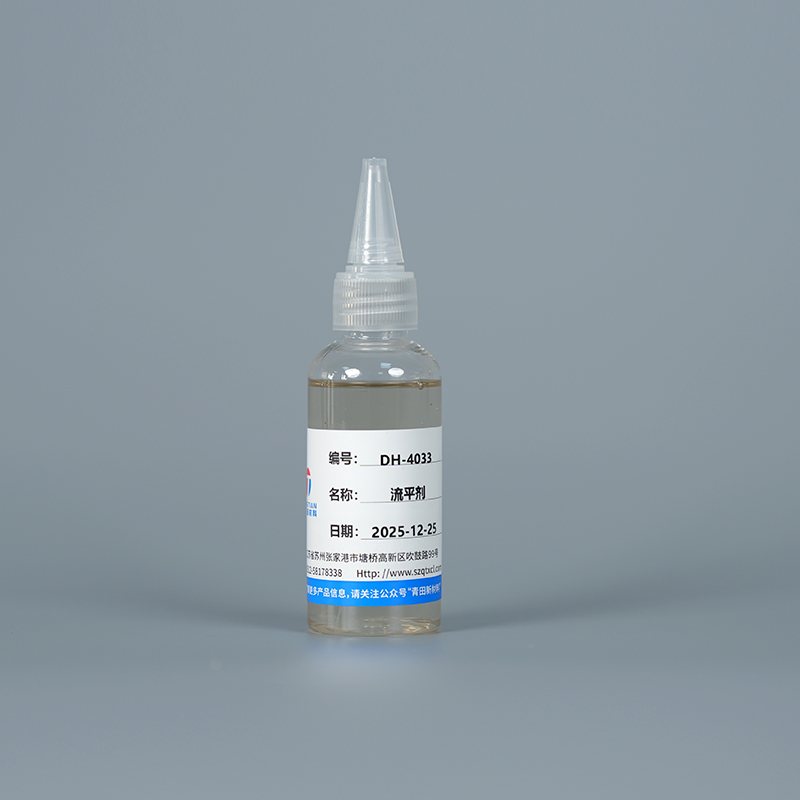
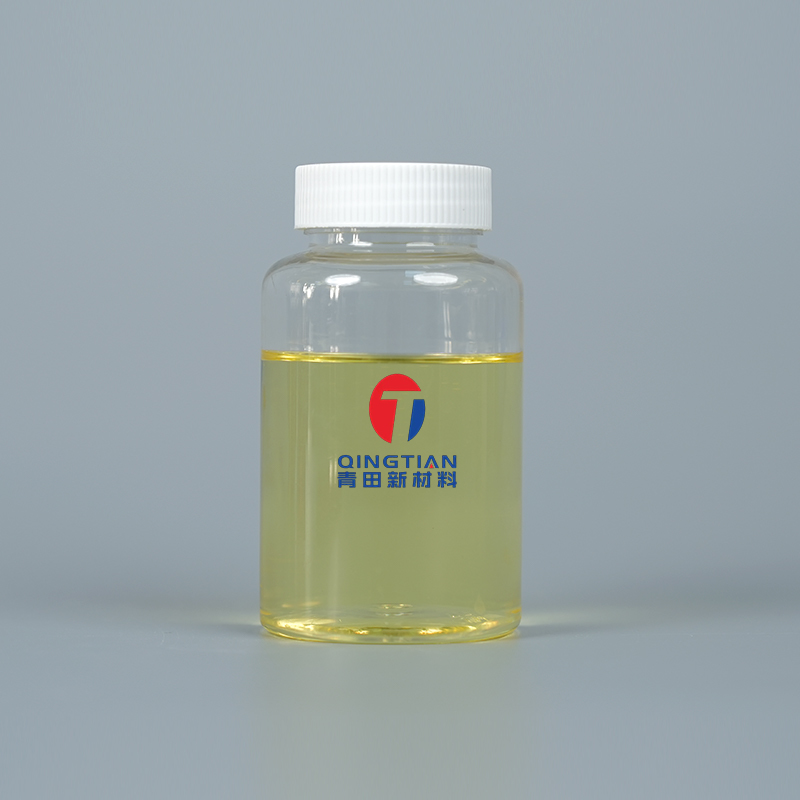
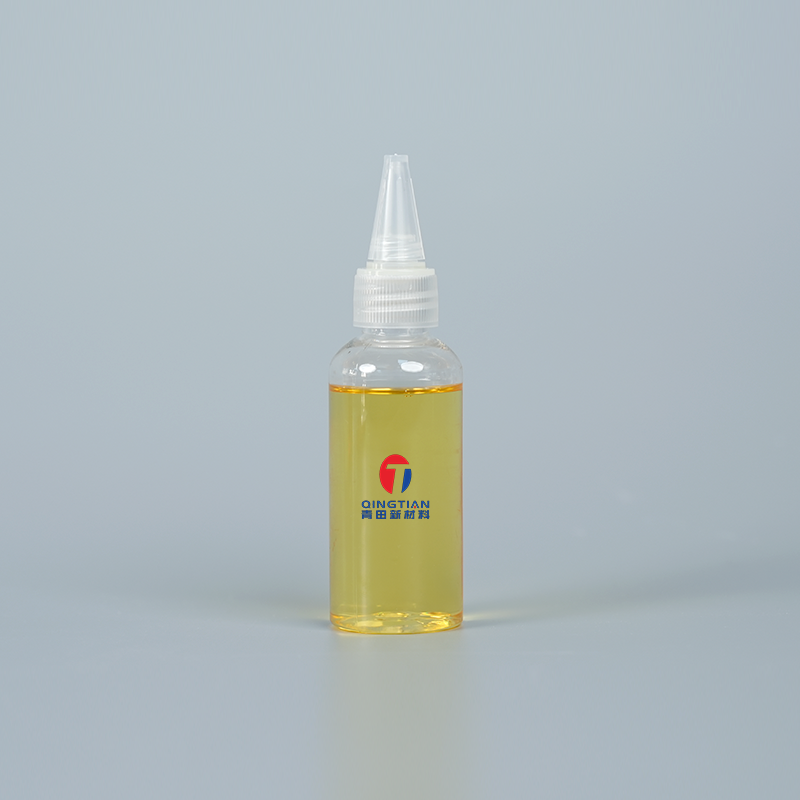
DH-4033 Silicone Leveling Agent
Coil coatings are applied at high speed and must meet demanding appearance and production requirements. The coating needs to wet metal substrates, level rapidly, resist defects, and maintain consistent gloss across long production runs. Any recurring surface problem can lead to waste, rework, or customer complaints.
DH-4033 can support coil coating formulations by improving substrate wetting and surface flow. Its contribution to slip may also help create a smoother finished surface. In high-gloss metal finishes, the leveling effect can help improve visual reflectivity. In matte or textured systems, its assistance with matting powder orientation may help maintain a more uniform appearance.
Coil coating producers typically evaluate additives under their own line speed, curing temperature, coating weight, and substrate conditions. DH-4033 should therefore be tested in representative pilot or production trials. The goal is to confirm wetting, appearance, recoatability, foam behavior, and final film properties under actual operating conditions.
Many plastics have relatively low surface energy, making wetting and adhesion challenging. A coating may pull away from the surface or form uneven coverage if the formulation is not properly designed. Surface smoothness and slip are also important in plastic applications, where tactile quality and resistance to handling marks can influence product acceptance.
By reducing surface tension and improving wetting, DH-4033 can help the coating make more uniform contact with the plastic substrate. Its leveling and slip characteristics may further improve the appearance and feel of the finished surface. Formulators should evaluate the product alongside the selected pretreatment, adhesion promoter, resin, and curing method to ensure that the overall system meets adhesion and durability requirements.
UV-curing systems often require rapid film formation and may have limited time for leveling before the coating becomes immobilized. This can increase the importance of additive selection. A product that supports rapid wetting and flow may help reduce visible application defects before exposure to ultraviolet energy.
DH-4033 can be considered for UV systems where smooth appearance, gloss, slip, and processing stability are required. Compatibility should be examined carefully because UV formulations commonly contain reactive monomers, oligomers, photoinitiators, pigments, and specialty additives. Laboratory screening should include appearance before and after curing, surface energy, recoatability, and any effect on adhesion between layers.
Anti-corrosion coatings must provide more than attractive appearance. They need to form continuous films that protect metal from moisture, salts, chemicals, and other corrosive factors. Surface defects can become weak points, especially when pinholes, craters, or incomplete wetting expose areas of the substrate.
DH-4033 may help improve film continuity by supporting substrate wetting and leveling. Its use must be evaluated within the complete anti-corrosion formulation because additive selection should not compromise adhesion, barrier properties, chemical resistance, or long-term durability. When properly balanced, improved surface uniformity can complement the protective function of the coating.
Wood surfaces vary in porosity, grain structure, resin content, and preparation quality. Clear and pigmented wood coatings may require excellent leveling to avoid visible application marks while preserving the desired natural appearance. High-gloss wood finishes benefit from smooth reflection, whereas matte systems require controlled light scattering and uniform sheen.
DH-4033 can support these goals through wetting, leveling, slip improvement, and gloss control. In matte wood coatings, its assistance with matting powder orientation may be particularly useful for reducing uneven visual effects. Compatibility with the selected resin and solvent system should be confirmed, especially in clear coatings where haze or surface irregularity is readily visible.
Glass presents a smooth, low-porosity surface that can be difficult to wet uniformly. Coatings for glass may also be judged closely for clarity, gloss, smoothness, and adhesion. A leveling additive that reduces surface tension can help create more consistent coverage, although surface preparation remains essential.
DH-4033 can be evaluated in glass coating systems where uniform wetting and smooth film formation are required. Its recoatability profile may also be useful in multilayer decorative or functional glass coatings. As with all low-energy substrates, the complete system must be tested for adhesion, chemical resistance, and durability.
Epoxy flooring systems are applied over large areas where visible surface defects can significantly affect the final result. Flow, leveling, foam control, and gloss consistency are all important. Depending on the design, the flooring may be glossy, satin, matte, decorative, or textured.
DH-4033 can contribute to smoother flow and improved surface appearance in epoxy flooring formulations. Its certain defoaming properties may help reduce processing-related foam, while its slip characteristics may enhance the surface feel. However, flooring formulators must carefully consider the required slip resistance. Improved surface slip during application or tactile smoothness should not be confused with reduced safety traction in the cured floor. The final system must be evaluated according to its intended use.
Printing inks require controlled wetting, rapid leveling, stable gloss, and clean transfer. Surface defects can affect image clarity, color uniformity, and print appearance. Inks may also be exposed to high-speed mixing and application conditions that generate foam.
DH-4033 can assist ink formulators by reducing surface tension, improving substrate wetting, supporting leveling, and reducing foam generation during processing. Its use may be relevant to selected solventborne, UV, or other ink technologies, subject to compatibility and regulatory evaluation. In printing applications, the additive should also be checked for effects on rub resistance, overprinting, adhesion, blocking, and print density.
High-gloss development begins with a system capable of producing a smooth film. The resin must have appropriate flow and clarity, pigments must be well dispersed, and solvents or reactive diluents must support sufficient open time. DH-4033 can then be used as a surface-control additive to help reduce surface irregularities and improve reflection.
When evaluating the product, formulators should compare gloss at multiple angles when appropriate, not only at a single measurement angle. Visual inspection under direct and diffuse lighting can reveal differences in leveling, haze, orange peel, and surface uniformity. It is also useful to compare the additive against the current commercial product at equivalent active levels or equivalent performance targets.
The best dosage is system-dependent. Excessive use of any surface-active additive may produce unwanted effects, while insufficient use may not deliver a visible benefit. A stepped dosage study can identify the point at which leveling and gloss improvement become meaningful without negatively affecting adhesion, recoatability, clarity, or storage stability.
Matte coatings require a controlled relationship between resin film formation and matting particle behavior. The additive should help create a uniform surface without eliminating the desired matte effect. DH-4033’s assistance with matting powder orientation can be evaluated through gloss mapping, visual uniformity testing, and microscopic or surface-profile analysis where available.
Flooding is a common concern in pigmented and matted systems. It may appear as localized differences in color or gloss caused by uneven movement of resin, pigment, or matting particles during drying. A surface-control additive that reduces the likelihood of flooding can improve panel uniformity and reduce the need for corrective formulation adjustments.
Matte systems should be tested for both appearance and handling properties. The desired result may include uniform low gloss, consistent texture, acceptable scratch resistance, cleanability, and controlled slip. DH-4033 should be incorporated as part of a complete formulation strategy rather than evaluated only through a single gloss value.
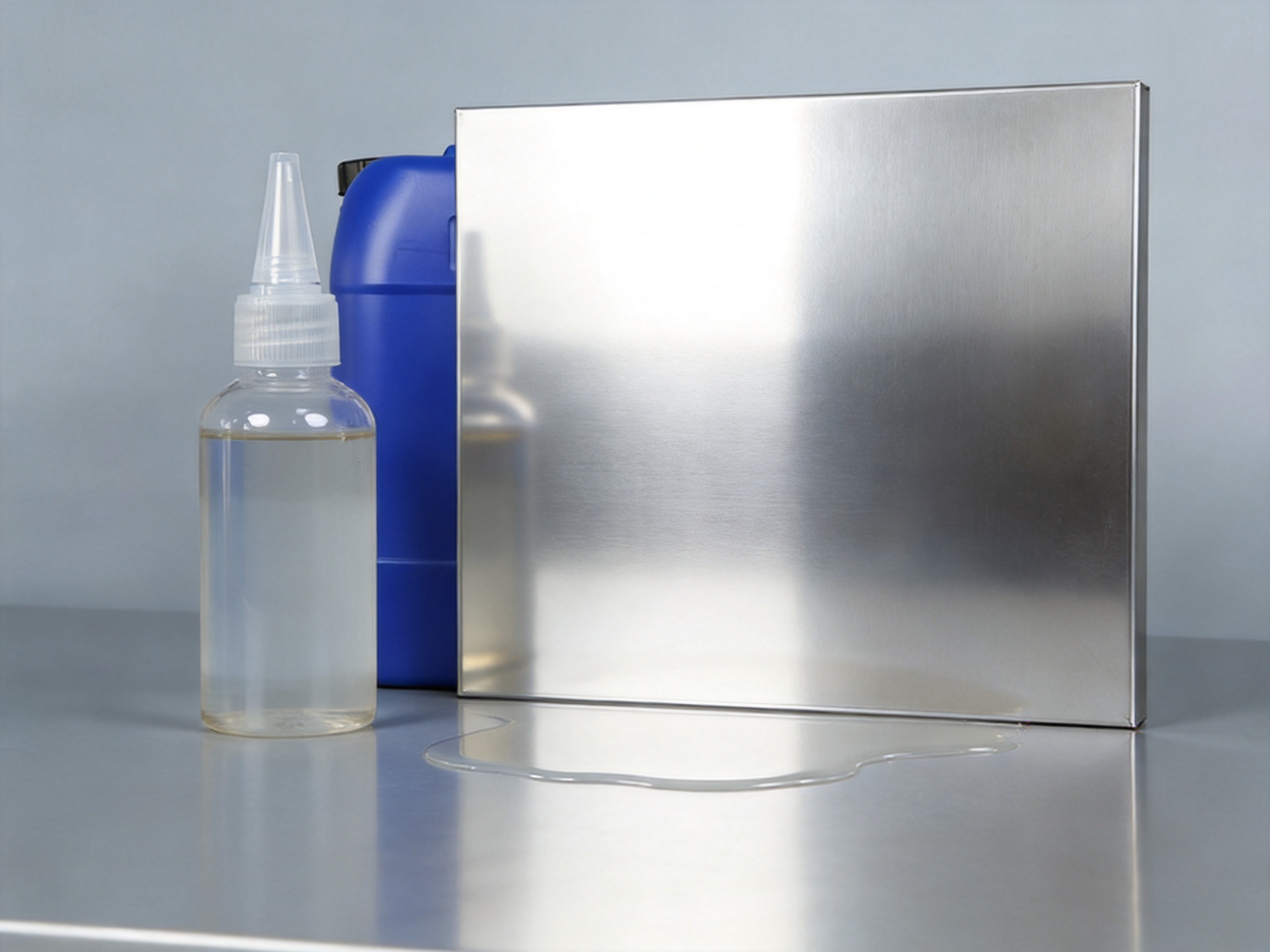
The performance of a specialty additive depends not only on its chemical concept but also on manufacturing control. Consistent production is essential because small variations in composition, active content, impurity level, viscosity, or compatibility can affect coating appearance and processing behavior.
Suzhou Qingtian New Material Co., Ltd. is a professional company specializing in raw materials for coatings, inks, and adhesives. Founded in 2012, the company has developed an experienced team that includes research and development specialists, sales professionals, and technical personnel. Its modern production facility is supported by advanced testing equipment and research capabilities.
This combination of production and application knowledge is important for silicone leveling agents. The product must be manufactured consistently, but it must also be understood in the context of real coating systems. Customers do not purchase surface activity alone; they require a practical solution to problems involving wetting, gloss, foam, recoatability, appearance, and production stability.
The company’s development history demonstrates a focus on specialty materials and formulation problem-solving. Its product portfolio includes dispersants, leveling agents, defoamers, adhesion promoters, anti-settling agents, cooling agents, conductive agents, orange peel texture agents, texture powders, and wax powders. This broad range provides a useful technical context for developing and evaluating DH-4033.
Surface additives often interact with other additive classes. A leveling agent may influence pigment dispersion, foam, adhesion, texture, and surface feel. A company with experience across multiple additive categories can analyze these interactions more effectively than a supplier focused on only one narrow product type. This broader formulation perspective can support more complete technical recommendations.
The company’s milestone of creating China’s first ice flower resin in 2016 also indicates experience in developing specialized coating materials. Its recognition as a National High-Tech Enterprise in 2020 reflects an emphasis on technological capability. In 2021, the company moved to Lingrui Intelligent Manufacturing Park in Zhangjiagang High-Tech Zone to strengthen research and production capacity.
Advanced testing equipment is essential for evaluating additives that affect surface properties. Useful evaluation categories can include surface tension, viscosity, gloss, haze, leveling, slip, foam generation, recoatability, adhesion, storage stability, and compatibility with different resin systems.
Although the exact internal test methods for DH-4033 depend on the company’s quality system and customer requirements, a professional additive manufacturer should control raw material acceptance, production conditions, batch consistency, packaging, and finished-product release. These controls help ensure that customers receive a material with predictable behavior from batch to batch.
For coating manufacturers, consistency is often more valuable than a single exceptional laboratory result. A stable additive allows production teams to maintain established formulas and reduces the risk of unexpected changes during manufacturing. It also makes troubleshooting more efficient because additive performance is less likely to vary independently of the formulation.
The company’s move to an intelligent manufacturing park strengthens its ability to integrate production, testing, research, and logistics. Modern manufacturing environments can support better process organization, more systematic quality management, and improved responsiveness to customer needs.
For DH-4033, manufacturing strength may be reflected in the ability to manage consistent raw material inputs, controlled blending or synthesis conditions, effective filtration or purification where required, and standardized packaging. The exact process depends on the product design, but the principle remains the same: specialty additives must be manufactured under controlled conditions because their performance is closely tied to composition and physical properties.
Production capability also matters when customers move from laboratory trials to commercial volumes. A supplier must be able to support sample evaluation, pilot-scale testing, and regular industrial supply. The combination of a modern production facility, technical staff, and a focused product portfolio positions the company to serve customers across these stages.
The company’s products are used in steel and aluminum coil coatings, plastic coatings, UV curing, anti-corrosion coatings, wood coatings, glass coatings, epoxy flooring, printing inks, power batteries, photovoltaic panels, and other industries. This application coverage demonstrates familiarity with different requirements for appearance, adhesion, durability, electrical performance, processability, and surface control.
Such experience can benefit customers evaluating DH-4033 in specialized applications. A coating additive may need to behave differently in a high-speed coil line, a low-viscosity ink, a thick epoxy floor coating, a UV-curing system, or a matte wood finish. Cross-industry experience helps the supplier understand that product selection must be connected to the complete formulation and process.
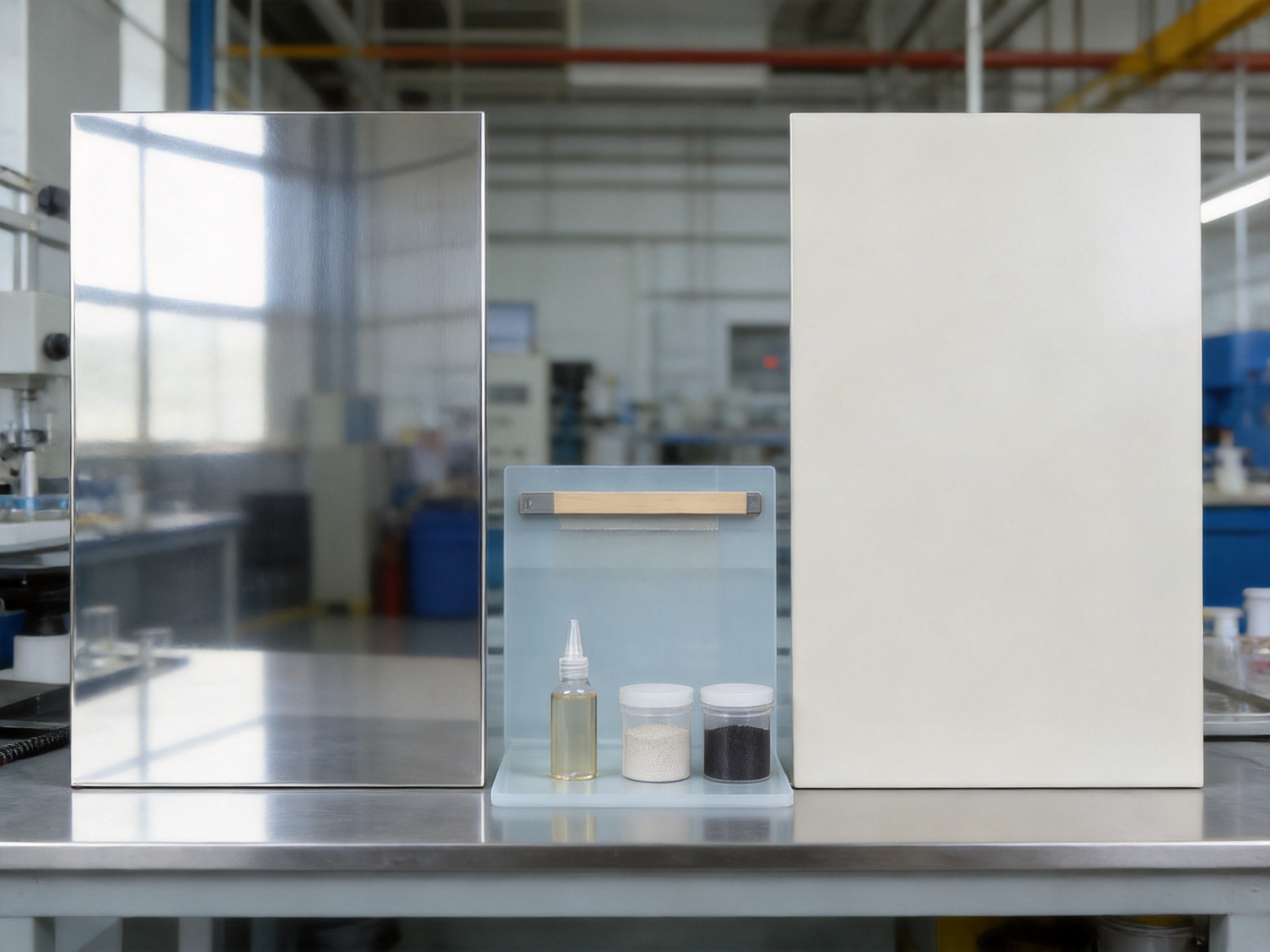
When comparing DH-4033 with competing leveling agents, formulators should examine the total performance profile rather than one isolated characteristic. Some products may provide strong leveling but negatively affect recoatability. Others may improve slip but cause compatibility problems. Some may reduce surface tension but offer limited control of foam or poor performance in matte systems.
DH-4033 is differentiated by the combination of several functions: good substrate wettability, outstanding leveling, support for mirror effects in high-gloss coatings, assistance with matting powder orientation, reduced likelihood of flooding, improved surface slip and gloss, good compatibility, and certain defoaming properties. This multifunctional profile can provide a practical advantage when a formulation requires several surface improvements at the same time.
| Evaluation Area | DH-4033 Advantage | Formulation Value |
|---|---|---|
| Substrate wetting | Reduces surface tension and improves wetting | More uniform coverage and reduced risk of localized defects |
| Leveling | Provides outstanding surface flow | Smoother films and improved visual appearance |
| High-gloss finish | Can help create a mirror effect | Higher perceived quality and more uniform reflection |
| Matte finish | Assists matting powder orientation | More consistent matte appearance and lower flooding risk |
| Surface slip | Improves slip and surface feel | Reduced friction and smoother finished surfaces |
| Foam behavior | Provides certain defoaming properties | Lower foam generation during processing |
| Compatibility | Good compatibility profile | Greater formulation flexibility and easier optimization |
| Recoatability | Designed to improve wetting without affecting recoatability | Better suitability for multilayer coating systems |
The table summarizes the product’s principal strengths, but performance must always be confirmed in the intended system. A competitor may outperform DH-4033 in a particular resin, gloss range, curing method, or application process. The most meaningful comparison is therefore a controlled side-by-side evaluation using the customer’s own formulation and production conditions.
Before testing DH-4033, the formulator should define the primary problem. Is the goal to improve substrate wetting, reduce orange peel, increase high gloss, improve matte uniformity, reduce flooding, increase slip, or reduce foam? Clear objectives make it easier to determine whether the additive is providing meaningful value.
A dosage ladder should be prepared using several addition levels. The exact range should be determined by the supplier’s technical guidance and the formulation type. Testing multiple levels helps identify the point at which performance begins, reaches an optimum, and possibly declines because of overuse.
Each sample should be mixed under controlled conditions. Addition sequence, shear, temperature, mixing time, and resting time should be recorded. These variables can influence the apparent performance of surface-active additives and should be kept consistent during comparison.
Observation should begin during application. The formulator should examine wetting, flow, foam generation, crater formation, and surface appearance. After drying or curing, the evaluation should include gloss, haze, leveling, slip, adhesion, recoatability, and visual uniformity.
Where relevant, tests should also include chemical resistance, abrasion resistance, scratch resistance, blocking, printability, and long-term storage stability. A surface additive is successful only when it improves the target characteristic without creating unacceptable secondary effects.
Laboratory panels are essential, but scale-up introduces additional variables. Production testing should consider actual equipment, coating speed, substrate preparation, film thickness, curing profile, ambient temperature, humidity, and line circulation. Foam and leveling behavior can change significantly when a formula is processed at industrial scale.
DH-4033 should be evaluated in representative production trials before full commercial adoption. This approach confirms that the product’s advantages remain visible and consistent beyond the laboratory environment.
As with any specialty additive, DH-4033 should be incorporated according to the supplier’s technical documentation and the requirements of the specific formulation. The additive should be stored in its original sealed container under suitable conditions. Exposure to excessive heat, contamination, or prolonged storage outside recommended conditions may affect product quality.
Compatibility should be checked before large-scale use. A small preliminary blend can reveal whether the additive remains clear, uniform, and stable in the selected resin and solvent system. Pigmented or matted formulas should also be checked after storage because interactions may develop gradually rather than immediately after mixing.
Personal protective equipment and workplace procedures should follow the applicable safety data sheet and local regulations. Operators should avoid unnecessary exposure and should use appropriate ventilation and handling controls during blending, filling, and application.
Because the product affects surface behavior, the addition point may influence performance. Some systems benefit from adding the leveling agent during let-down, while others require addition earlier or later in the process. The optimum procedure depends on the resin, pigment dispersion, viscosity, equipment, and target appearance. Application testing should therefore include both dosage and addition sequence when necessary.
Coating manufacturers increasingly seek additives that improve performance while supporting production efficiency. A multifunctional product such as DH-4033 may help reduce the number of separate additives required to achieve wetting, leveling, slip, gloss, and foam-control objectives. Fewer additive components can simplify inventory management and reduce the number of potential interactions in the formulation.
Improved wetting and leveling may also reduce rejects caused by surface defects. Better appearance consistency can lower rework and material waste, particularly in high-value industrial coatings. In high-speed applications, reduced foam generation may help maintain production stability and decrease the time required for correction or deaeration.
Sustainability claims must be evaluated through the complete system rather than assumed solely from additive selection. Important factors include the formulation’s solvent content, curing energy, durability, service life, waste rate, packaging, and end-of-life considerations. DH-4033 can contribute to more efficient coating production when it helps reduce defects and simplify formulation, but each customer should assess its overall environmental profile within the intended application.
Specialty coating additives require more than basic chemical supply. Customers often need help with sample selection, compatibility testing, dosage optimization, production troubleshooting, and performance comparison. A specialized manufacturer can provide more relevant support because it understands the relationship between additive chemistry and coating application.
Suzhou Qingtian New Material Co., Ltd. focuses specifically on raw materials for coatings, inks, and adhesives. Its product range covers multiple technical functions, allowing the company to approach customer problems from a broader perspective. For example, a customer experiencing poor leveling may also need dispersant adjustment, foam control, adhesion improvement, or matting-powder optimization. A supplier with knowledge of these related functions can help develop a more complete solution.
The company’s experienced team, research capabilities, testing equipment, and modern production facility support a service model centered on practical formulation needs. Its stated commitment to innovation, quality, service, and win-win cooperation aligns with the expectations of industrial customers seeking stable long-term supply rather than a one-time product transaction.
For international customers, reliable communication and technical responsiveness are also important. The company provides professional contact channels for product inquiries and cooperation, enabling customers to request technical information, samples, and application discussions according to their project requirements.
DH-4033 Silicone Leveling Agent is a versatile surface-control additive for coatings, inks, and related formulations. Its main advantages include good substrate wettability without affecting recoatability, outstanding leveling performance, support for mirror-like effects in high-gloss systems, assistance with matting powder orientation in matte systems, reduced likelihood of flooding, improved surface slip and gloss, good compatibility, and certain defoaming properties.
Its value lies in the combination of these characteristics. Instead of addressing only one surface defect, DH-4033 can help formulators manage several connected challenges involving wetting, flow, appearance, foam, slip, and multilayer processing. This multifunctional profile can simplify formulation development and provide a stronger balance between visual quality and production performance.
The product is supported by Suzhou Qingtian New Material Co., Ltd., a professional manufacturer with experience in coating, ink, and adhesive raw materials. Since 2012, the company has developed its R&D team, production capability, testing resources, and application-focused product portfolio. Its modern facility and intelligent manufacturing development provide a foundation for consistent quality and scalable supply.
For formulators comparing surface additives, DH-4033 should be evaluated through controlled dosage studies and representative application trials. The most suitable dosage and processing method will depend on the resin, solvent or reactive diluent, pigment, matting powder, substrate, application equipment, curing conditions, and desired appearance. When properly matched to the formulation, DH-4033 can be a valuable tool for producing smoother, more uniform, better-wetting, and more visually refined coating surfaces.
DH-4033 is used to improve substrate wetting, surface leveling, slip, and gloss in coatings, inks, and related systems. It can also provide certain defoaming properties during processing.
Yes. In high-gloss systems, DH-4033 provides strong leveling performance and can help the coating achieve a smooth, mirror-like appearance when the overall formulation is properly designed.
Yes. In matte systems, it assists in the orientation of matting powder and helps make flooding phenomena less likely. The final result depends on the matting agent, resin, dosage, and application conditions.
Yes. DH-4033 reduces the surface tension of the system and enhances substrate wetting, helping the coating spread more uniformly over the surface.
The product is designed to provide good wetting without affecting recoatability. Nevertheless, recoatability should be verified in the specific formulation, especially in multilayer systems and applications involving different curing stages.
Not necessarily. DH-4033 has certain defoaming properties and can reduce foam generation during processing, but a dedicated defoamer may still be required depending on the formulation, equipment, and foam level.
Potential application areas include steel and aluminum coil coatings, plastic coatings, UV-curing coatings, anti-corrosion coatings, wood coatings, glass coatings, epoxy flooring, printing inks, and other industrial coating systems.
Customers should conduct a dosage screening using several addition levels and compare wetting, leveling, gloss, slip, foam, compatibility, adhesion, and recoatability. The optimal level depends on the formulation and application process.
Good compatibility helps prevent haze, separation, surface defects, loss of gloss, and storage instability. It also supports more reliable performance across different resin, pigment, solvent, and additive combinations.
The manufacturer offers experience in coating, ink, and adhesive raw materials, an R&D team, modern production facilities, advanced testing equipment, a broad additive portfolio, and application knowledge across several industrial sectors.
Yes. Laboratory testing should be followed by pilot or production validation. Actual processing conditions such as shear, coating speed, film thickness, curing temperature, substrate preparation, and humidity can influence additive performance.
Useful information includes the resin type, solvent or reactive diluent, pigment or matting powder, current additive package, application method, substrate, curing conditions, target gloss, observed defects, and required final properties.
1. Product information for DH-4033 Silicone Leveling Agent, including stated performance characteristics and application benefits.
2. Company information for Suzhou Qingtian New Material Co., Ltd., including corporate history, product portfolio, research capabilities, production facility, and industry applications.
3. General principles of coating formulation, surface tension control, substrate wetting, leveling, slip modification, foam management, and film appearance evaluation.
4. General industrial practices for evaluating specialty additives through laboratory screening, pilot trials, production validation, and batch quality control.
 Wholesale Paint/ Coating Additives Manufacturers
Custom Industrial Chemical Solutions Suppliers