русский
 Español
 Français
Home / Author / Wei Lanqing — Regional Product Sales Manager / Engineering Advantages of PTFE Micronized Wax Powder Additives in Advanced Coatings
Wei Lanqing — Regional Product Sales Manager

Content
Modern coatings are expected to do far more than provide color and basic protection. They must resist scratching, maintain a pleasant surface feel, withstand friction and elevated temperatures, preserve appearance, and remain stable during storage and application. At the same time, manufacturers increasingly require additives that disperse efficiently, have a predictable particle-size distribution, and create minimal changes in gloss, transparency, or color.
Micronized polytetrafluoroethylene wax powder is designed to address these performance requirements. F-2420 is a surface-activated and specially modified PTFE micronized wax powder additive developed for coating systems that require a combination of abrasion resistance, slip, smooth hand-feel, anti-blocking performance, and high-temperature resistance. Its carefully controlled processing supports uniform distribution in a formulation, while its fine particle structure helps reduce the visual and rheological disturbances that can occur with less refined wax additives.
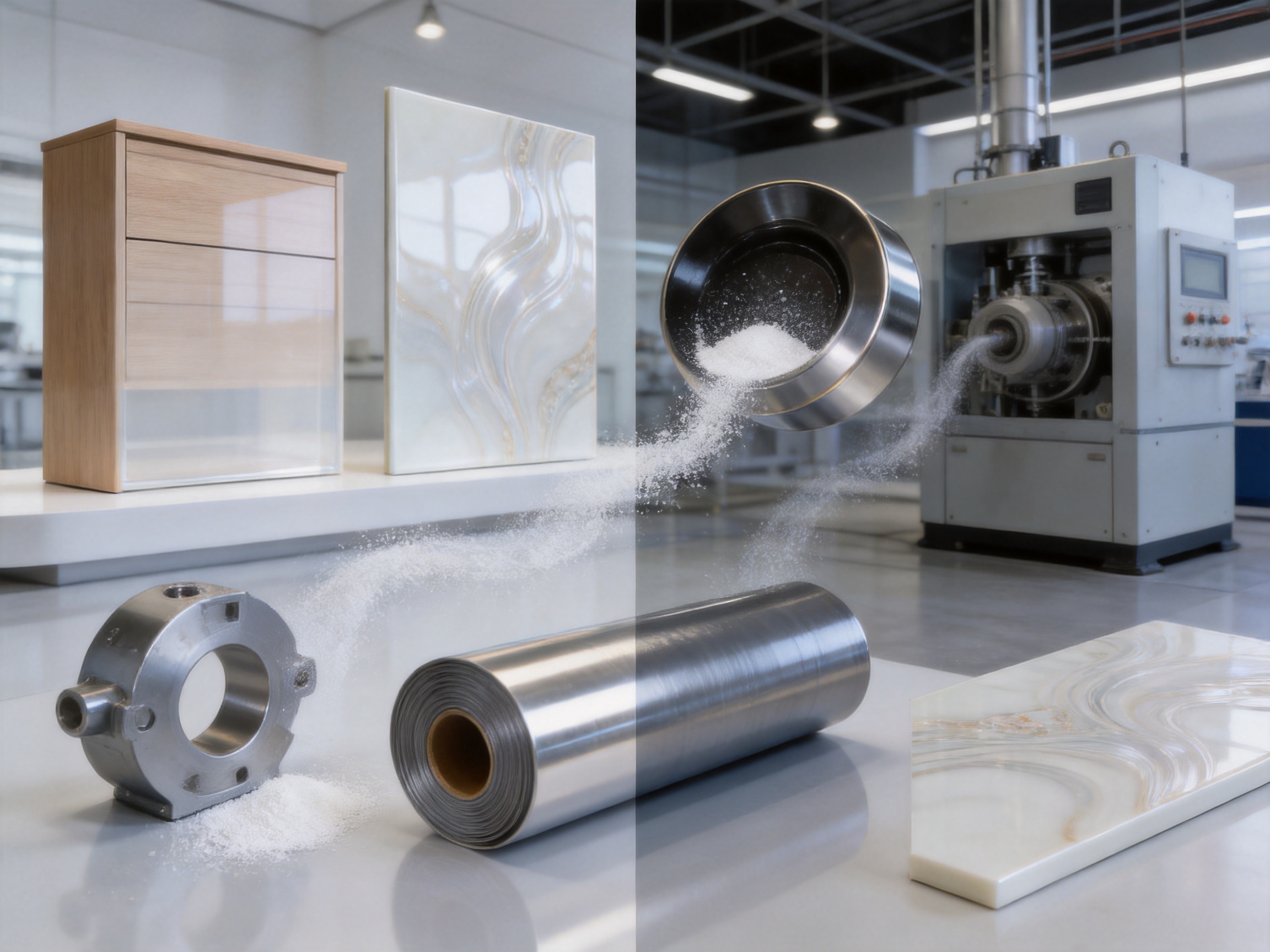
The product is suitable for furniture lacquers, decorative paints, non-stick coatings, industrial coatings, powder coatings, coil coatings, and UV-curable coatings. In these applications, it functions as a performance-oriented additive rather than merely a conventional wax. It can influence the surface properties of the cured film, improve resistance to mechanical damage, and contribute to a smoother tactile experience.
This article examines the functional role of PTFE micronized wax powder, the performance advantages of F-2420, its suitability for different coating technologies, and the manufacturing capabilities behind its consistent quality. It also considers how the product compares with general-purpose wax powders and explains the factors that formulators should evaluate before incorporating it into a coating system.
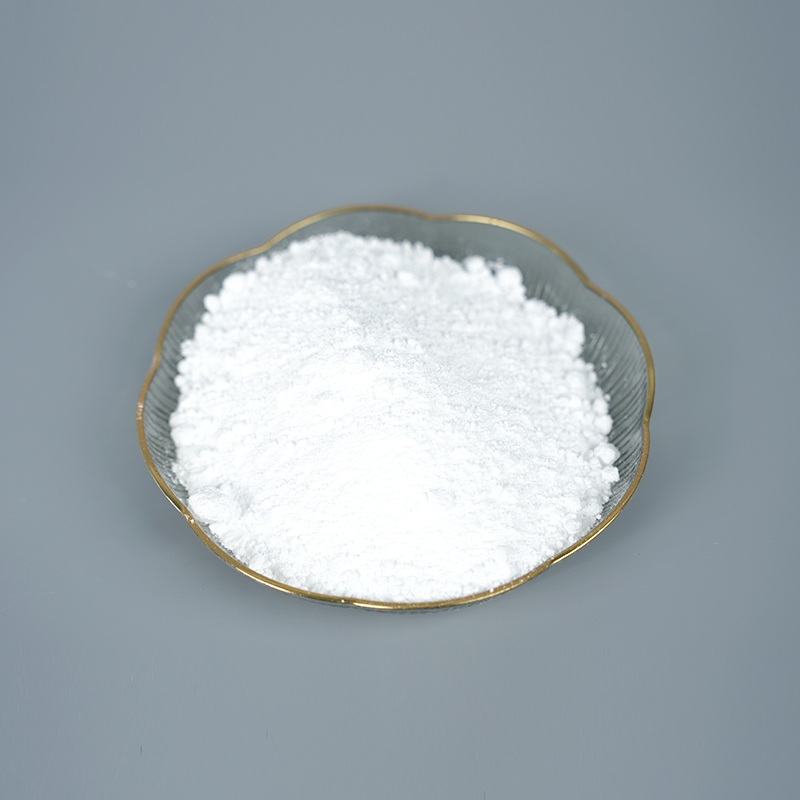
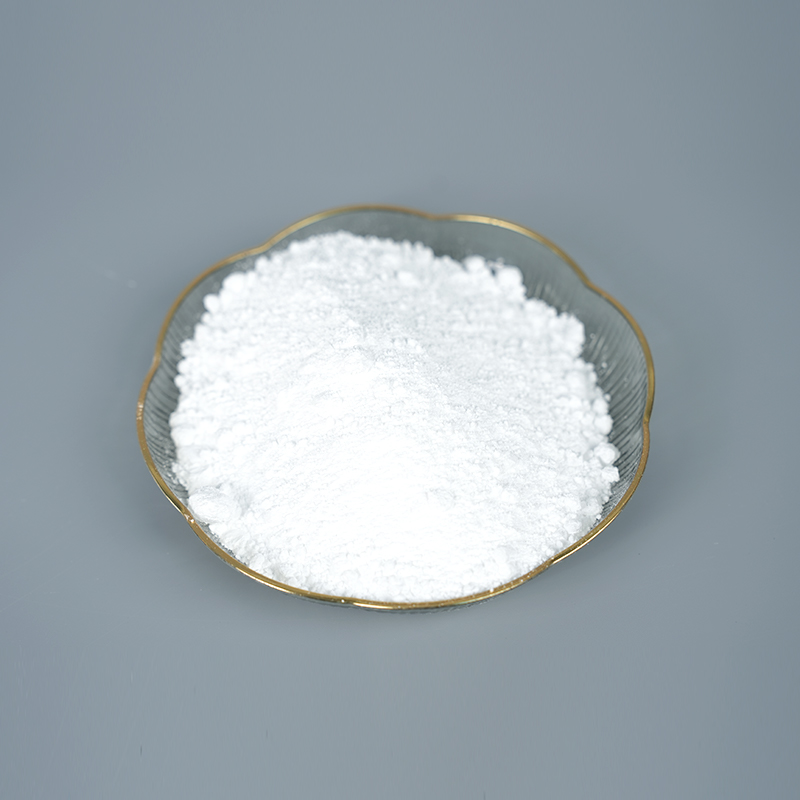
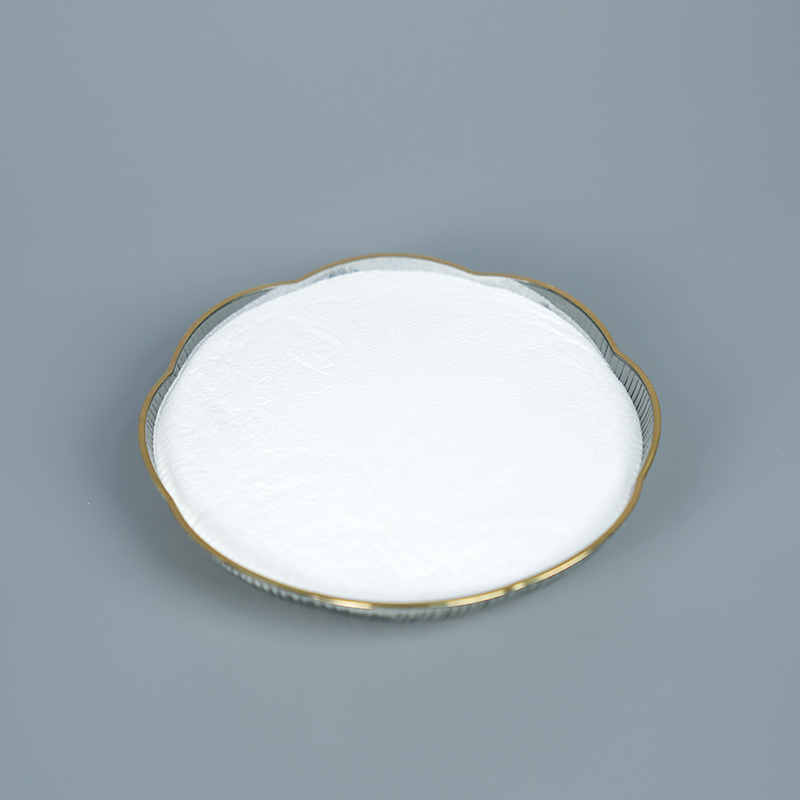
F-2420 Micronized Wax Powder Additive(PTFE)
Wax additives are used in coatings to modify surface behavior. Depending on their chemistry, particle size, hardness, melting behavior, and compatibility, waxes may improve slip, reduce blocking, increase abrasion resistance, enhance scratch resistance, or create a specific tactile effect. The additive may also influence surface release, friction, print resistance, mar resistance, and resistance to repeated handling.
Traditional wax products can be supplied as emulsions, dispersions, flakes, granules, or powders. Micronized wax powder is especially valuable when a formulator needs a dry additive with controlled particle size and a high concentration of active wax. The powder can be incorporated into solvent-borne, water-borne, radiation-curable, powder, and other coating systems according to the requirements of the formulation.
PTFE is known for its low coefficient of friction, chemical resistance, thermal stability, and non-stick characteristics. In a coating, finely divided PTFE particles can migrate or become positioned near the film surface during drying or curing. This creates a low-friction surface that is more resistant to mechanical contact. The result is often improved slip, reduced surface drag, and better resistance to scratches and scuffs.
However, the performance of PTFE wax is determined not only by the chemical identity of PTFE. Particle size, particle-size distribution, surface treatment, dispersibility, processing history, and compatibility with the binder are equally important. A poorly dispersed material may create agglomerates, surface defects, haze, excessive roughness, or unacceptable loss of gloss. Therefore, a high-quality PTFE micronized wax must be engineered as a complete additive system rather than treated as a simple raw powder.
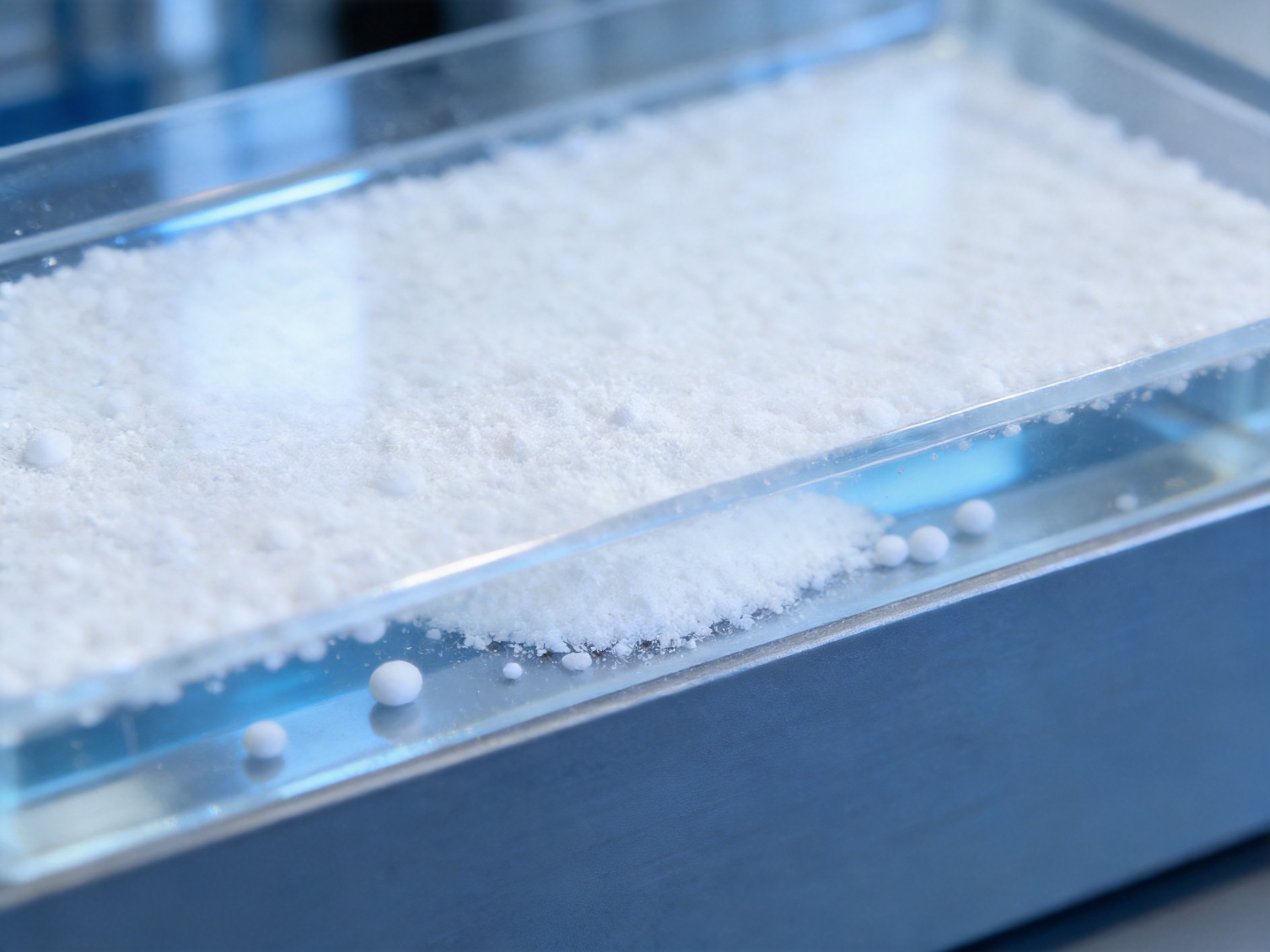
Micronization reduces the wax into fine particles that can be distributed more evenly throughout a coating. Fine particles provide a larger total surface area than coarse particles at the same loading. This may improve the efficiency of surface modification and help the additive produce a more uniform performance effect.
Particle uniformity is also important. If a powder contains a wide range of particle sizes, larger particles may create visible defects or localized roughness, while smaller particles may behave differently during dispersion and film formation. A controlled particle-size distribution supports more predictable processing and helps reduce inconsistencies between batches.
For high-gloss and decorative coatings, particle size must be carefully balanced. The particles need to be sufficiently fine to avoid excessive light scattering and surface disruption, while remaining large enough to contribute to the desired abrasion, slip, and tactile properties. F-2420 is processed with this balance in mind, providing fine, uniform particles and good dispersibility with minimal impact on gloss when used appropriately.
Pure PTFE has excellent inherent performance, but its low surface energy can make it difficult to wet and disperse in some coating vehicles. Surface activation and modification can improve the way the powder interacts with the formulation during mixing. The purpose is not to remove the characteristic properties of PTFE, but to make those properties more practically accessible in a coating manufacturing process.
A surface-activated powder can be easier to incorporate into a resin system, pigment concentrate, clearcoat, or powder coating composition. Better wetting can reduce floating particles, agglomerates, and extended mixing requirements. It can also support more consistent distribution throughout the film, which is essential for uniform scratch resistance and surface feel.
The specialized treatment used for F-2420 is intended to improve its dispersibility while preserving the advantages associated with PTFE. This combination is important because an additive that has excellent theoretical properties but poor processing behavior may not deliver reliable results in commercial production.
F-2420 is a pure PTFE micronized wax powder additive that has been surface-activated and modified through specialized process equipment. It is designed for coatings where the final film must combine visual quality with mechanical durability and a smooth tactile response.
The product’s principal performance characteristics include excellent transparency, smooth hand-feel, enhanced scratch resistance, improved slip, high-temperature resistance, abrasion resistance, and anti-blocking behavior. It is also engineered for good dispersibility and uniform particle size, which helps minimize the impact on gloss.
| Performance feature | Contribution to coating performance | Typical formulation value |
|---|---|---|
| PTFE chemistry | Low friction, non-stick behavior, chemical resistance, and thermal stability | Useful for surfaces exposed to repeated contact, friction, or elevated temperature |
| Micronized particle structure | Fine distribution and efficient surface modification | Supports smooth films and controlled additive performance |
| Surface activation | Improved wetting and dispersibility in coating vehicles | Helps reduce agglomeration and processing variability |
| Uniform particle size | More consistent film formation and lower risk of visible defects | Important for decorative, clear, and high-gloss coatings |
| Low visual interference | Minimal influence on transparency and gloss when properly formulated | Suitable for clearcoats, furniture lacquers, and appearance-sensitive finishes |
| Surface lubricity | Reduced friction and improved slip | Supports smoother handling and better resistance to rubbing |
| Hard, durable PTFE phase | Improved resistance to abrasion and scratching | Valuable for industrial, furniture, coil, and decorative coatings |
| Anti-blocking effect | Reduces unwanted sticking between coated surfaces | Useful in stacked, rolled, packaged, or closely contacting materials |
These characteristics should be understood as complementary rather than independent. For example, excellent scratch resistance is more useful when the additive is evenly distributed. Good transparency is more likely when the particle size is controlled and agglomeration is limited. Improved slip becomes more reliable when the PTFE phase is positioned consistently near the coating surface.
Many coating additives can improve durability at the cost of clarity or gloss. This trade-off is especially problematic in clear lacquers, furniture finishes, decorative paints, and transparent protective layers. Coarse or poorly dispersed wax particles may scatter light, produce haze, or create a cloudy appearance.
F-2420 is designed to provide a high degree of transparency and to minimize visual interference. Its fine and uniform particle structure helps the additive integrate into the film without creating pronounced visible defects. This is particularly valuable when a formulator wants to preserve the appearance of a pigmented or clear coating while improving surface durability.
Actual transparency and gloss results depend on the binder, solvent or water phase, pigment concentration, curing conditions, film thickness, additive loading, and application method. Nevertheless, the controlled structure of the additive provides a stronger starting point than a conventional coarse wax powder.
Hand-feel is a major quality factor in furniture coatings, consumer products, decorative panels, and premium industrial finishes. A surface may meet basic durability requirements yet still be rejected if it feels rough, sticky, powdery, or unpleasant during handling.
PTFE’s low-friction characteristics can provide a smooth, lubricious surface. In a cured coating, this may be perceived as a silky, soft, or refined hand-feel. The same surface behavior can also reduce friction during contact with packaging materials, tools, mechanical components, or other coated surfaces.
Slip is not identical to softness. A coating can feel smooth while remaining hard and resistant to abrasion. F-2420 is intended to support this combination, allowing formulators to improve tactile properties without relying solely on softening the binder or lowering the hardness of the film.
Scratch resistance describes the ability of a coating to resist visible damage from sharp or concentrated contact, while abrasion resistance concerns repeated rubbing, scuffing, or wear. The two properties are related but not interchangeable. A formulation may perform well in one test and less effectively in another.
PTFE micronized wax can help reduce the frictional force applied to the surface during contact. The fine particles may also contribute to a more durable surface phase that resists the formation of visible marks. In practical terms, this can improve resistance to handling damage, rubbing, light scuffing, and repeated surface contact.
The final result depends on the complete coating design. Resin hardness, crosslink density, pigment volume concentration, film thickness, curing, and substrate preparation all influence scratch and abrasion performance. F-2420 is therefore best viewed as an enabling additive that strengthens the surface-protection strategy rather than as a substitute for an appropriate binder or curing system.
Coating formulators can choose from many wax chemistries, including polyethylene, polypropylene, Fischer-Tropsch, amide, carnauba, oxidized polyethylene, and PTFE-based products. Each has a different balance of hardness, slip, compatibility, melting behavior, and cost. F-2420 is positioned for applications where a high level of surface performance is more important than selecting the lowest-cost general-purpose wax.
Some standard wax powders are primarily used to improve surface lubricity or reduce blocking. Although these benefits can be useful, they may not be sufficient for coatings exposed to demanding mechanical contact. F-2420 combines slip with abrasion resistance, scratch resistance, high-temperature resistance, transparency, and a refined hand-feel.
This broader performance profile can reduce the need to combine several different wax additives. Using fewer additive types may simplify inventory, reduce compatibility testing, and make the formulation easier to control. It can also help prevent additive interactions that may otherwise lead to surface defects or unpredictable gloss changes.
Coarse waxes can sometimes create a visible or tactile texture that is not desired in a smooth finish. Other waxes may produce excessive haze or reduce gloss when the loading is increased to achieve sufficient abrasion resistance. The controlled micronized structure of F-2420 is intended to provide surface protection while preserving a smooth visual appearance.
This balance is especially advantageous in clear and semi-transparent finishes. Furniture lacquers, decorative coatings, and high-quality industrial finishes often require a combination of clarity, gloss, and resistance to everyday handling. A product that improves durability but significantly changes the appearance may not be commercially acceptable. F-2420 addresses this challenge through uniform particle size and good dispersibility.
PTFE is recognized for its high thermal stability compared with many organic waxes. This property can be beneficial in coatings that experience elevated service temperatures, heat during processing, or contact with warm surfaces. It may also improve the reliability of the surface effect when the coating is exposed to temperature changes.
High-temperature resistance does not mean that every formulation can be used at any temperature. The binder, pigments, substrate, curing system, and other additives may determine the practical temperature limit of the finished coating. Even so, the PTFE component provides an advantageous thermal-performance foundation when compared with less heat-resistant wax types.
Uniform particle size and good dispersion are essential for batch-to-batch consistency. An additive that disperses unevenly may create localized areas with excessive slip, gloss variation, roughness, or reduced transparency. Such inconsistencies can become more visible in large panels, continuous coil lines, or furniture surfaces.
F-2420 is produced using a controlled process intended to achieve a consistent particle structure. This supports more predictable incorporation into the coating and makes it easier for technical teams to establish repeatable production conditions.
General-purpose waxes may be adequate for low-demand applications, but advanced finishes often need a more specialized additive. F-2420 is recommended for coating categories where surface quality and durability are both important, including industrial coatings, non-stick coatings, powder coatings, coil coatings, and UV-curable coatings.
The product’s versatility also allows a coating manufacturer to evaluate one PTFE wax platform across multiple product families. This does not eliminate the need for application-specific testing, but it may simplify technical development and support a more coherent additive strategy.
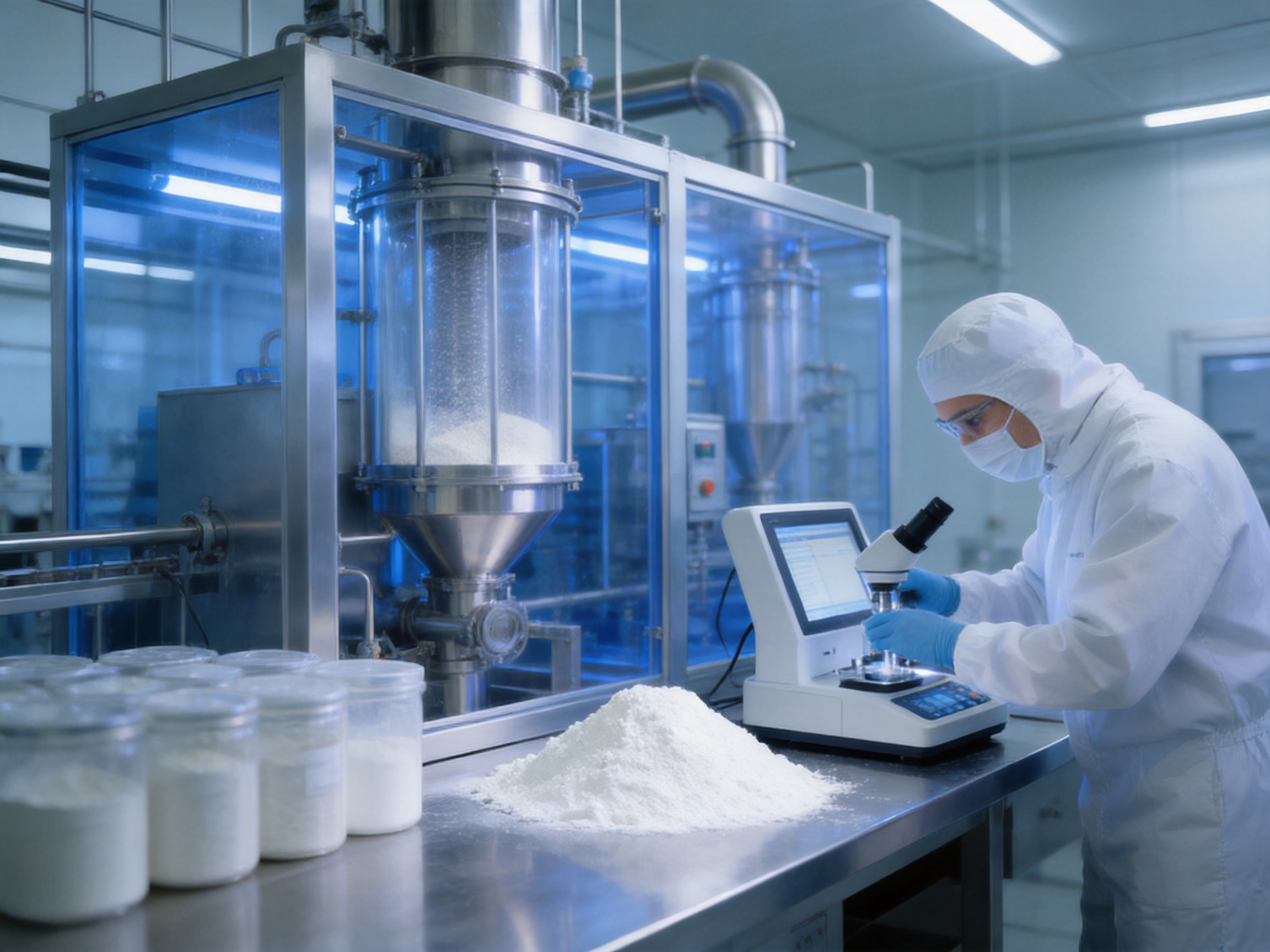
The performance of micronized PTFE wax depends heavily on how the material is manufactured. Specialized equipment and controlled processing are required to transform the raw PTFE material into a powder with the desired particle-size distribution, surface condition, and dispersion behavior.
The manufacturing approach behind F-2420 includes micronization, surface activation, and modification. These stages are not merely cosmetic treatments. They determine how the powder behaves during storage, mixing, film formation, and final use.
Micronization must reduce the material to a fine powder without introducing excessive heat, contamination, or uncontrolled particle fracture. Process conditions influence particle shape, surface area, flow behavior, and the final particle-size distribution. Careful control helps ensure that the powder is fine enough to support smooth films while remaining practical for handling and dispersion.
A well-controlled micronization process can also reduce oversized particles that might otherwise create surface defects. This is particularly important for clearcoats and high-gloss applications, in which even small agglomerates may become visible after curing.
The low surface energy that gives PTFE its excellent release and slip characteristics can also make it difficult to wet. Surface activation modifies the interaction between the powder and the coating vehicle. When properly controlled, this can improve incorporation without compromising the essential PTFE performance.
The modification process must be carefully balanced. Excessive treatment may alter the original characteristics of the material, while insufficient treatment may leave dispersion problems unresolved. The purpose of specialized equipment is to provide repeatable treatment conditions and to reduce variation between production batches.
A coating additive is not successful solely because it has a desirable chemical composition. It must also function efficiently in the mixer, mill, let-down tank, or powder-blending system used by the customer. Dispersion-oriented design considers the additive’s flow, wetting, agglomeration tendency, and compatibility with common coating ingredients.
F-2420 is designed to disperse well, helping formulators avoid unnecessary processing effort. Good dispersion may permit more efficient mixing and reduce the risk of undispersed particles remaining in the final coating. It can also help the additive achieve a more uniform distribution at the coating surface.
Consistent particle size is a central quality objective. In addition to particle-size testing, a professional manufacturing program should consider appearance, flow behavior, moisture control, packaging integrity, and batch traceability. These factors influence how the product performs after shipment and during customer processing.
Suzhou Qingtian New Material Co., Ltd. operates with a modern production facility, advanced testing equipment, and research capabilities that support the development and manufacture of coating additives. The company’s experience across dispersants, leveling agents, defoamers, adhesion promoters, anti-settling agents, texture powders, and wax powders provides a broad understanding of formulation requirements.
This product-family experience is valuable because additives rarely function in isolation. A PTFE wax may interact with a dispersant, leveling agent, defoamer, resin, pigment, or curing agent. A manufacturer with a broad coating-additive portfolio is better positioned to analyze these interactions and provide practical technical guidance.
Furniture coatings must withstand frequent touching, cleaning, sliding objects, and everyday abrasion. They are also judged by appearance and tactile quality. A finish that looks attractive but feels rough or marks easily may fail to meet market expectations.
In furniture lacquers, F-2420 can contribute to a smooth hand-feel, improved scratch resistance, abrasion resistance, and better slip. Its transparency is particularly useful in clear finishes where the natural appearance of wood, decorative paper, or a printed design must remain visible.
The additive can be evaluated in solvent-borne, water-borne, and UV-curable furniture systems, subject to compatibility and processing trials. Formulators should consider the interaction with the resin, the degree of crosslinking, the target gloss, and the required tactile effect.
Decorative paints may require a combination of visual richness, smooth application, stain resistance, and resistance to routine contact. In these systems, uncontrolled wax particles can create haze or unwanted texture. A fine PTFE powder with controlled particle size offers a way to improve surface protection while maintaining the intended decorative effect.
For high-gloss decorative coatings, the additive should be introduced gradually and evaluated through gloss, haze, transparency, and surface-defect testing. For satin or semi-matte systems, the formulator may have more flexibility, but particle distribution remains important for uniformity.
PTFE is naturally associated with non-stick performance. In non-stick coating systems, a PTFE micronized additive may support surface release, low friction, and resistance to repeated contact. It can be considered as part of a broader coating design that may include reinforcing fillers, pigments, binders, and heat-resistant components.
Because non-stick coatings often undergo demanding thermal and mechanical conditions, the additive must be evaluated together with the complete curing schedule and service environment. Adhesion to the substrate, coating thickness, and intercoat compatibility are also essential considerations.
Industrial surfaces are frequently exposed to handling, transport, tools, abrasion, and repeated cleaning. A coating that maintains its appearance after these stresses offers a practical advantage to the end user. F-2420 can be used to improve surface slip and resistance to scratch or abrasion in appropriately designed industrial systems.
Its high-temperature resistance may also be useful in applications where the coated component experiences heat during service or processing. The final performance must be confirmed with application-specific testing, especially where chemicals, solvents, pressure, or heavy mechanical wear are involved.
Powder coatings require additives that can be blended and distributed effectively before melt flow and curing. The additive may influence surface slip, scratch resistance, mar resistance, and anti-blocking behavior. F-2420 can be evaluated in powder coating formulations where these properties are required.
In powder systems, the timing and method of addition are important. The additive may be pre-blended, incorporated during extrusion, or introduced through another controlled process depending on the formulation design. Excessive shear or heat may affect the distribution and should be evaluated during development.
Coil coatings are applied continuously to steel or aluminum substrates and must provide consistent appearance and durability over large surface areas. The coating may be formed into panels or components after curing, making flexibility, adhesion, abrasion resistance, and surface quality important.
F-2420 can contribute to slip, anti-blocking, and resistance to handling damage in suitable coil-coating systems. Its uniform particle structure is especially relevant to continuous production, where localized agglomeration can produce repeated visual defects across a long coated strip.
UV-curable coatings are valued for rapid curing, high productivity, and efficient use of energy. They are used in wood finishing, plastics, decorative surfaces, printing, and industrial applications. However, these systems can be sensitive to additive compatibility, surface migration, cure depth, and oxygen inhibition.
F-2420 is recommended for evaluation in UV-curable coatings where improved abrasion resistance, hand-feel, slip, and anti-blocking are desired. The formulator should verify that the additive does not interfere with photoinitiator performance, surface cure, transparency, or recoatability.
Although F-2420 is designed for good dispersibility, formulation trials remain necessary. The best addition method depends on the resin, coating technology, equipment, and desired surface effect. A controlled laboratory evaluation should be conducted before scale-up.
In liquid coatings, the powder may be incorporated into the let-down phase, a resin premix, or a suitable portion of the formulation. The best method depends on the viscosity and polarity of the system. Adding the powder under sufficient agitation can help wet the particles and minimize agglomeration.
For some systems, a premix may be beneficial. The additive can be combined with a compatible resin or vehicle before being introduced into the main batch. This may improve distribution and reduce the chance of dry powder remaining on the mixing-vessel surface.
In powder coatings, the additive should be distributed uniformly during dry blending or extrusion. The selected method should be assessed for its influence on particle segregation, melt viscosity, surface appearance, and final film properties.
The appropriate loading level depends on the desired balance of gloss, slip, scratch resistance, abrasion resistance, transparency, and anti-blocking performance. A higher additive level does not automatically produce a better coating. Excessive loading may influence viscosity, surface appearance, adhesion, intercoat bonding, or recoatability.
Formulators should establish a dosage series and compare the results using standardized tests. A practical development program may include a control sample, several incremental additive levels, and a benchmark based on an existing wax product. This approach helps identify the point at which performance benefits begin to level off or unwanted side effects appear.
PTFE wax should be evaluated alongside dispersants, leveling agents, defoamers, matting agents, pigments, fillers, adhesion promoters, and other surface modifiers. These materials may compete for the surface or change the way the wax migrates during drying and curing.
In some cases, a leveling agent may improve appearance but reduce the concentration of PTFE at the surface. In other cases, a dispersant may improve bulk distribution but influence the final tactile effect. The correct balance must be determined through testing rather than assumed from individual additive data.
Drying and curing conditions can strongly affect the final performance of F-2420. Temperature, humidity, flash-off time, UV dose, line speed, film thickness, and substrate temperature may all influence particle distribution and surface orientation.
A coating that dries too quickly may trap air or prevent proper surface leveling. A coating that cures too slowly may allow excessive migration or surface contamination. For this reason, the additive should be evaluated under production-representative conditions whenever possible.
A systematic evaluation helps determine whether the additive provides a meaningful advantage in a particular formulation. Testing should compare both performance and appearance. The product’s benefits are most valuable when they are achieved without unacceptable effects on gloss, transparency, adhesion, or processability.
| Test category | Suggested evaluation | Purpose |
|---|---|---|
| Dispersion | Microscopic observation, grind analysis, and storage observation | Identify agglomerates and confirm stability |
| Appearance | Gloss, haze, transparency, color, and surface uniformity | Measure visual impact |
| Tactile performance | Panel comparison and controlled hand-feel assessment | Evaluate smoothness and surface character |
| Scratch resistance | Standardized scratch, mar, or pencil-related testing as appropriate | Measure resistance to visible surface damage |
| Abrasion resistance | Repeated rubbing or abrasion testing | Assess durability during handling and use |
| Slip | Coefficient-of-friction or sliding-force testing | Quantify surface lubricity |
| Anti-blocking | Pressure, temperature, and contact-time testing | Determine resistance to unwanted sticking |
| Thermal performance | Heat exposure followed by appearance and property testing | Evaluate stability under elevated temperature |
| Adhesion | Crosshatch, pull-off, or application-specific adhesion testing | Confirm that the additive does not weaken bonding |
| Recoatability | Application and adhesion of subsequent coating layers | Check suitability for multilayer systems |
Benchmarking should be performed against the customer’s current wax additive or the most relevant commercial alternative. The comparison should use the same resin, pigment, film thickness, curing schedule, substrate, and test conditions. This makes it easier to identify the actual contribution of F-2420.
It is also important to test the coating after aging. Initial properties may not represent long-term behavior. Storage stability, heat exposure, humidity, repeated cleaning, and mechanical cycling can reveal changes in gloss, slip, scratch resistance, or adhesion.
Suzhou Qingtian New Material Co., Ltd. is a professional supplier of raw materials for coatings, inks, and adhesives. Founded in 2012, the company has developed an experienced team that includes research and development specialists, sales professionals, and technical personnel. Its modern production facility and advanced testing equipment support the development of specialized additive products.
The company’s product portfolio includes dispersants, leveling agents, defoamers, adhesion promoters, anti-settling agents, cooling agents, conductive agents, orange-peel texture agents, texture powders, wax powders, and resin products. This range reflects an understanding of the many functional requirements involved in modern coating formulation.
A broad product portfolio also strengthens technical problem-solving. For example, a customer may need to improve scratch resistance without increasing foam, reduce blocking without reducing adhesion, or obtain a smoother texture while preserving gloss. These objectives may require coordinated adjustment of several additive categories. A supplier focused on only one material type may have limited ability to evaluate the entire formulation, while a comprehensive coatings-additive manufacturer can approach the problem more systematically.
The company emphasizes innovation, quality, service, and long-term cooperation. Its development milestones include the creation of an ice flower resin in 2016, recognition as a National High-Tech Enterprise in 2020, and relocation to Lingrui Intelligent Manufacturing Park in Zhangjiagang High-Tech Zone in 2021. These developments reflect continued investment in research, production capability, and organizational growth.
For F-2420, the combination of specialized PTFE processing, controlled particle size, surface activation, and application knowledge is particularly important. Customers purchasing a micronized wax additive need more than a specification sheet. They often require assistance with dispersion, dosage selection, application testing, and adaptation to a specific resin system.
The company’s location in Suzhou, Jiangsu Province, also places it within an important industrial and manufacturing region. Its facility at No. 99, Chuigu Road, Tangqiao High-tech Zone, Zhangjiagang City, supports production and technical operations for customers in domestic and international markets.
Reliable supply is a critical factor when selecting a specialty additive. A coating manufacturer may spend considerable time optimizing a formulation around a particular particle size, surface treatment, and performance profile. Changes in raw materials or production conditions can affect the final coating, so stable manufacturing and batch control are important.
Customers should evaluate product documentation, batch consistency, packaging, storage recommendations, and technical communication. Clear information allows the formulator to establish appropriate receiving inspection and production procedures. It also helps identify the conditions under which the additive delivers its intended performance.
Technical support is especially valuable during the initial introduction of a PTFE wax powder. The supplier can help the customer consider the addition sequence, mixing conditions, comparative testing, and possible interactions with other additives. Such support may shorten development time and reduce the number of unsuccessful trials.
Packaging and handling should be selected to protect the powder from contamination and excessive moisture exposure. The product should be stored in a clean, dry environment and handled according to the applicable safety requirements of the customer’s facility. Before industrial production, users should review the current technical and safety documentation supplied with the material.
Coating manufacturers are under increasing pressure to improve resource efficiency, reduce waste, and achieve more performance with fewer formulation components. A multifunctional additive can support this goal when it delivers several surface benefits in one product.
F-2420 may contribute to formulation efficiency by combining slip, scratch resistance, abrasion resistance, anti-blocking performance, and a smooth hand-feel. If one additive can replace or reduce the need for several separate wax products, the formulation may become easier to manage. This potential must be confirmed through testing, but the product’s broad performance profile provides a basis for such optimization.
Good dispersibility can also improve manufacturing efficiency. Reduced agglomeration may shorten mixing time, lower the risk of rework, and decrease the quantity of rejected material caused by visible surface defects. Uniform particle size can support more consistent production across batches and coating lines.
Efficiency should not be evaluated only by additive cost per kilogram. The total cost may include mixing energy, processing time, scrap, quality complaints, rework, inventory complexity, and field performance. A higher-value additive can be economically attractive when it produces a more reliable coating with fewer production problems.
No additive is universally suitable for every coating system. PTFE micronized wax should be selected according to the binder, application method, substrate, curing process, target appearance, and service conditions. Compatibility testing is essential, particularly in highly sensitive clearcoats, high-solids systems, radiation-curable coatings, and multilayer applications.
The product should not be considered a replacement for proper substrate preparation, adequate adhesion promotion, suitable resin selection, or correct curing. If a coating fails because of poor adhesion or insufficient crosslinking, adding a surface wax alone will not correct the underlying problem.
Formulators should also consider whether the desired surface effect is compatible with later operations such as printing, laminating, bonding, recoating, or decorating. A very low-friction surface may be beneficial in one stage and undesirable in another. The complete production sequence should therefore be included in the evaluation.
Appropriate safety, occupational hygiene, and regulatory procedures must be followed. Users should consult the latest product documentation and conduct their own assessment for the intended application, market, and processing environment.
F-2420 offers a combination of properties that is difficult to achieve with a basic wax powder. It is based on pure PTFE, processed into a micronized form, and surface-activated through specialized equipment. This design supports excellent transparency, smooth hand-feel, low friction, scratch resistance, abrasion resistance, high-temperature resistance, and anti-blocking performance.
Its most important advantage is the balance between surface function and visual quality. Coating manufacturers often need to increase durability without sacrificing gloss or clarity. The product’s controlled particle size and good dispersibility are intended to support that balance.
The product is also versatile. It can be evaluated in furniture lacquers, decorative paints, non-stick coatings, industrial coatings, powder coatings, coil coatings, and UV-curable coatings. This range makes it relevant to both traditional and advanced coating technologies.
Behind the product is a manufacturer with experience in multiple additive categories, modern production resources, advanced testing equipment, and a research-oriented approach. The combination of specialized manufacturing and broader formulation knowledge gives customers a stronger basis for product selection and technical development.
For formulators seeking improved abrasion resistance, scratch resistance, slip, hand-feel, and anti-blocking performance while maintaining a refined appearance, F-2420 represents a practical and technically focused PTFE micronized wax solution.
F-2420 is a pure PTFE micronized wax powder additive. It is surface-activated and modified through a specialized manufacturing process to improve dispersibility and provide a consistent particle structure for coating applications.
The main benefits include improved scratch resistance, abrasion resistance, slip, high-temperature resistance, smooth hand-feel, transparency, and anti-blocking performance. The product is also designed to have minimal impact on gloss when properly formulated.
The product is recommended for furniture lacquers, decorative paints, non-stick coatings, industrial coatings, powder coatings, coil coatings, and UV-curable coatings. Suitability should be confirmed through application-specific testing.
F-2420 provides a broader performance profile than a basic slip or anti-blocking wax. Its PTFE chemistry contributes low friction and thermal stability, while micronization, surface activation, and particle uniformity support scratch resistance, abrasion resistance, transparency, and consistent dispersion.
The product is manufactured with a uniform particle size and good dispersibility to minimize its impact on gloss. Actual results depend on loading level, resin type, film thickness, curing, pigments, and the overall formulation. A gloss and haze comparison should be conducted before production use.
Yes. Its transparency and controlled particle structure make it suitable for evaluation in clear and semi-transparent coatings. The formulator should confirm clarity, haze, gloss, and surface uniformity under the intended application conditions.
It is designed to support both properties. Scratch resistance concerns visible damage from concentrated contact, while abrasion resistance concerns repeated rubbing or wear. The final results depend on the resin, curing, film thickness, substrate, and additive loading.
Yes. PTFE has very low surface energy, which can make it difficult to wet and disperse in some coating vehicles. Surface activation can improve incorporation and distribution while preserving the desired low-friction and thermal properties.
No. It is a specialized surface-performance additive and does not replace dispersants, leveling agents, defoamers, adhesion promoters, binders, pigments, or curing agents in every formulation. Its role should be considered as part of the complete coating design.
The addition method depends on the coating technology. In liquid systems, it may be added under controlled agitation or through a compatible premix. In powder coatings, it may be dry-blended or incorporated through extrusion. Laboratory trials should determine the most effective sequence and mixing conditions.
Recommended evaluations include dispersion, gloss, haze, transparency, hand-feel, scratch resistance, abrasion resistance, slip, anti-blocking, heat exposure, adhesion, storage stability, and recoatability. Testing should compare F-2420 with the current additive under identical conditions.
The manufacturer can support product selection, formulation evaluation, additive compatibility analysis, processing guidance, and performance comparison. Its broader portfolio of coating, ink, and adhesive additives provides useful background for solving multi-component formulation challenges.
PTFE micronized wax powder is an advanced tool for modifying coating surfaces. When engineered with controlled particle size, surface activation, and reliable manufacturing, it can deliver a valuable combination of low friction, smooth hand-feel, scratch resistance, abrasion resistance, high-temperature capability, transparency, and anti-blocking performance.
F-2420 is designed to meet these requirements across a wide range of coating technologies. Its fine and uniform particle structure supports good dispersibility and helps minimize the negative visual effects that may be associated with coarse or poorly distributed wax powders. This makes it especially relevant to furniture lacquers, decorative finishes, non-stick coatings, industrial systems, powder coatings, coil coatings, and UV-curable products.
The product’s advantages are supported by specialized micronization, surface activation, modification, modern production resources, advanced testing capabilities, and the manufacturer’s experience with a broad range of coating additives. For customers seeking a reliable route to better surface durability and tactile quality, F-2420 provides a strong platform for formulation development.
As with every specialty additive, final performance depends on the complete coating system and the conditions of use. Proper dosage selection, dispersion, curing, and comparative testing are essential. When these factors are controlled, PTFE micronized wax can help manufacturers produce coatings that remain attractive, smooth, durable, and functional throughout their service life.
1. General principles of polymer additives and surface modification in coating technology.
2. Technical literature on polytetrafluoroethylene, low-friction materials, and non-stick surface behavior.
3. Industry methods for evaluating coating gloss, haze, transparency, scratch resistance, abrasion resistance, and blocking resistance.
4. Technical guidance concerning micronized wax powders and their use in liquid, powder, coil, industrial, and radiation-curable coatings.
5. Product information for F-2420 PTFE Micronized Wax Powder Additive.
6. Company information concerning coating, ink, adhesive, resin, and functional additive manufacturing capabilities.
 Wholesale Paint/ Coating Additives Manufacturers
Custom Industrial Chemical Solutions Suppliers