русский
 Español
 Français
Home / Author / Wei Lanqing — Regional Product Sales Manager / Advanced Water-Based Dispersant Technology for High-Performance Pigment Systems
Wei Lanqing — Regional Product Sales Manager

Content
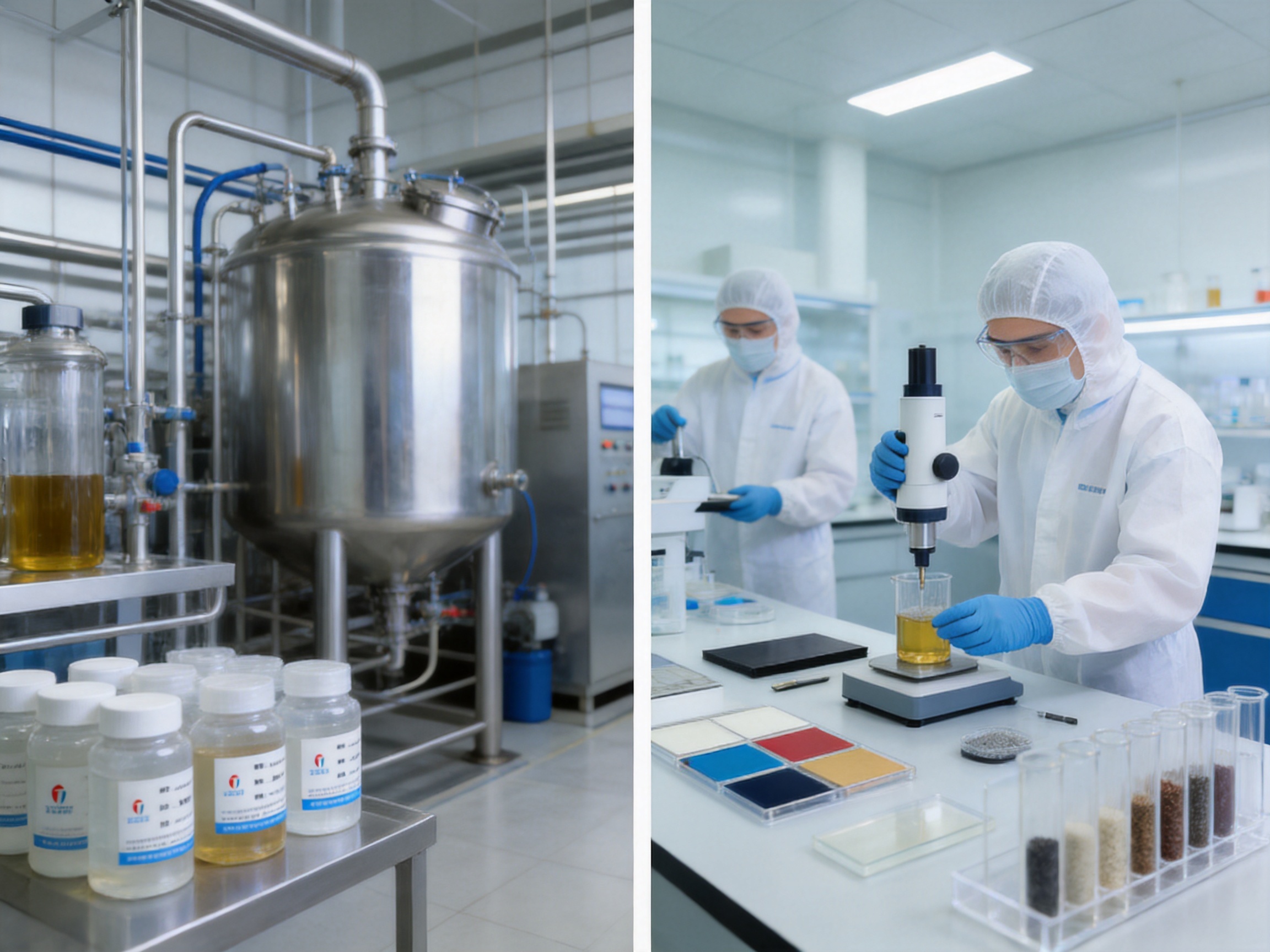
Water-based coatings, inks, and adhesive formulations are increasingly expected to deliver high color strength, excellent gloss, stable viscosity, reliable storage performance, and reduced environmental impact at the same time. These requirements place significant pressure on formulators because pigments do not naturally distribute evenly in water. High-surface-area carbon black, difficult-to-disperse organic pigments, and many inorganic pigments can form agglomerates, increase viscosity, reduce color development, create gloss differences, and cause sedimentation during storage.
DH-6193S Water-based Dispersant is a polymeric dispersant designed for water-based, resin-free pigment systems. It is developed to improve pigment wetting and stabilization while supporting high pigment loading, low viscosity, good fluidity, and long-term storage stability. The product is especially suitable for applications in which strong color development, high gloss, and efficient viscosity reduction are essential.
Its performance profile makes it a valuable option for coatings, printing inks, pigment concentrates, and related industrial formulations. The product is positioned as a competitive alternative to established dispersant technologies, with PK BYK-163 identified as a performance reference. Its principal advantage is the ability to balance several formulation objectives at once rather than improving only one property at the expense of another.
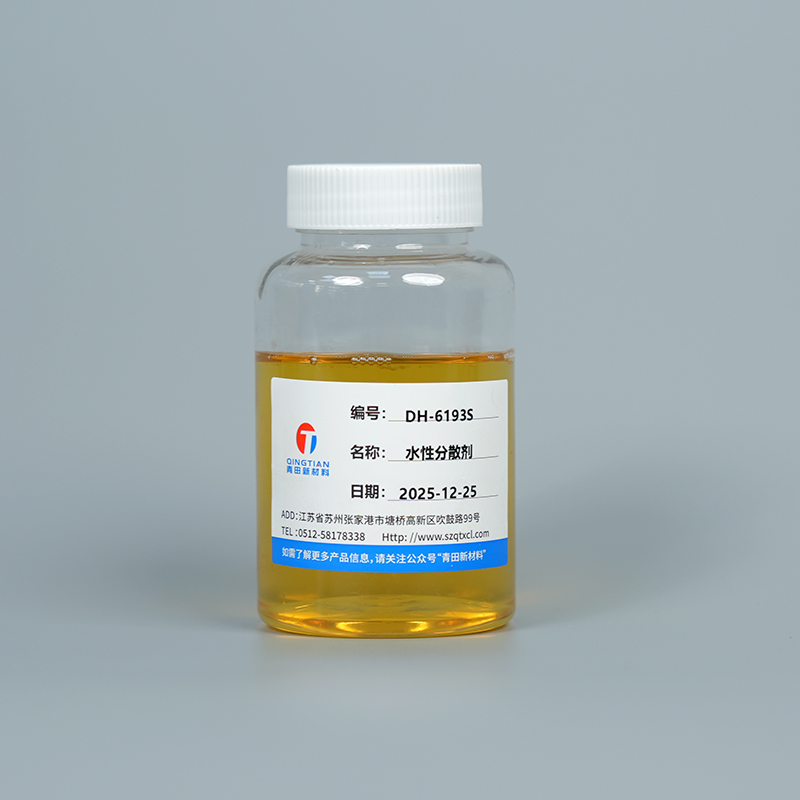
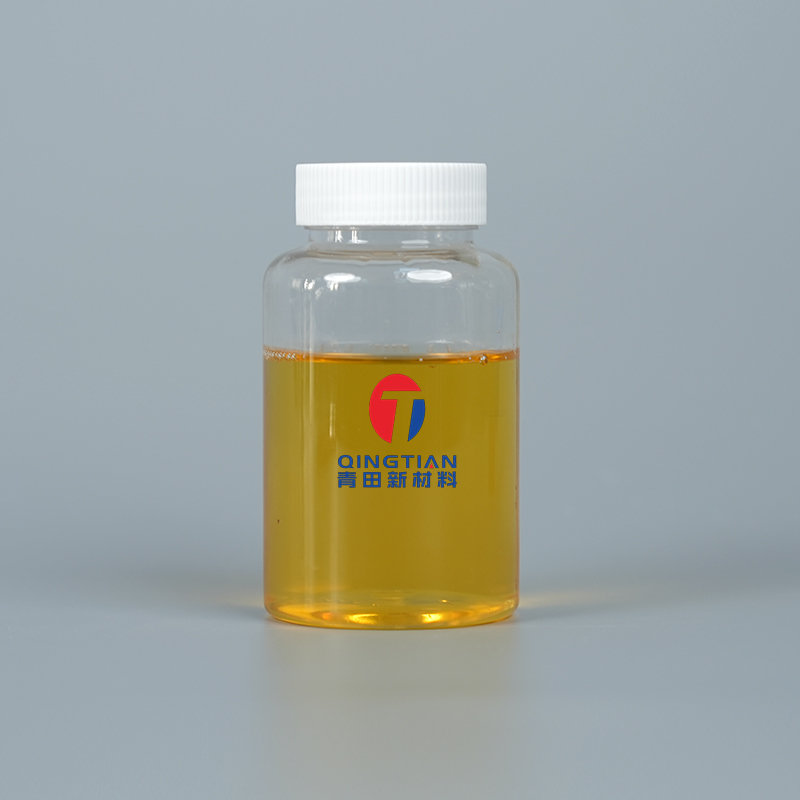
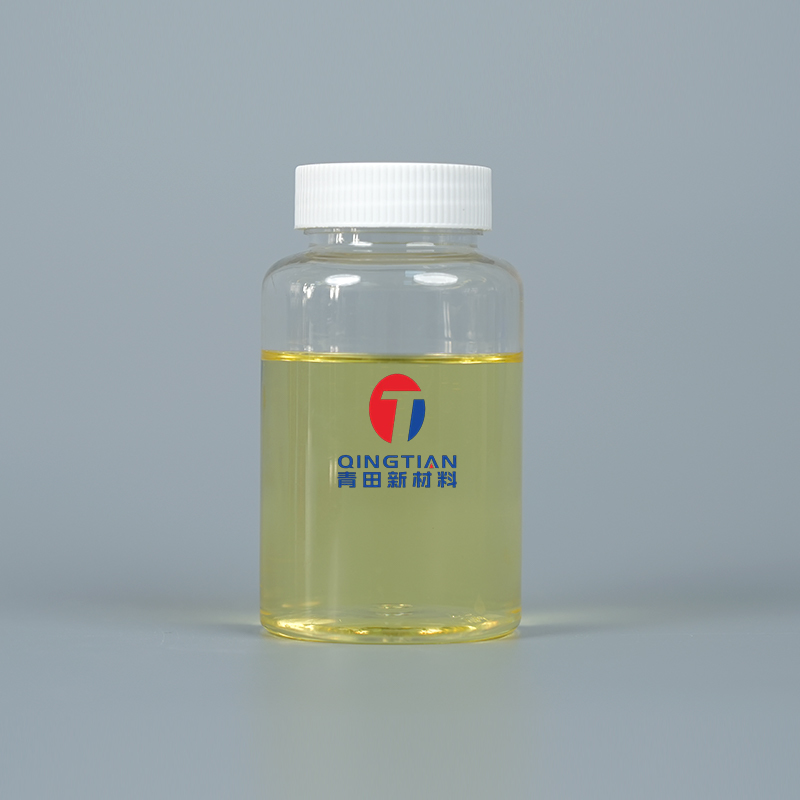
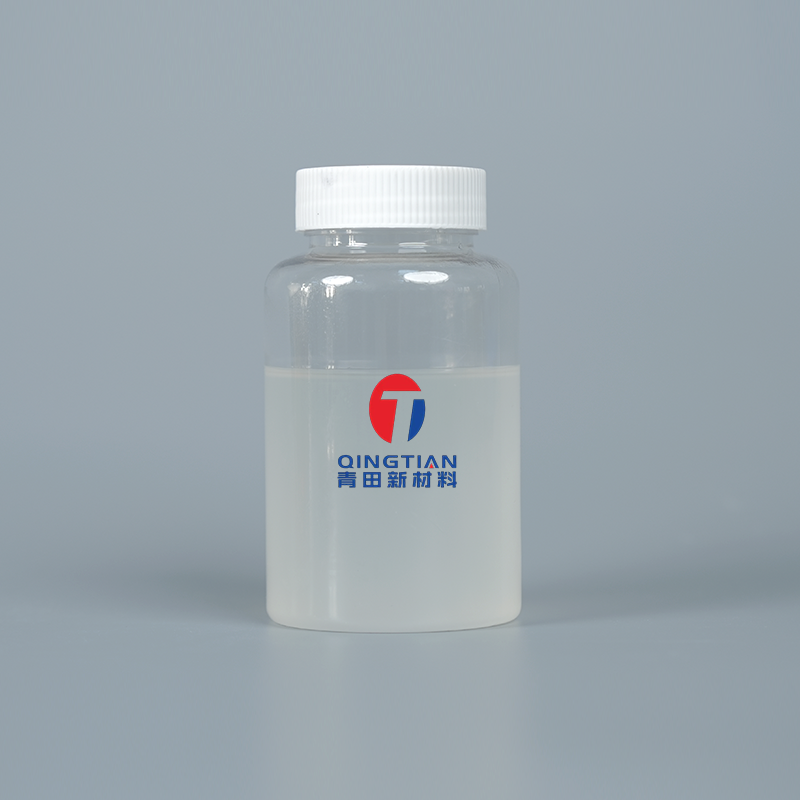
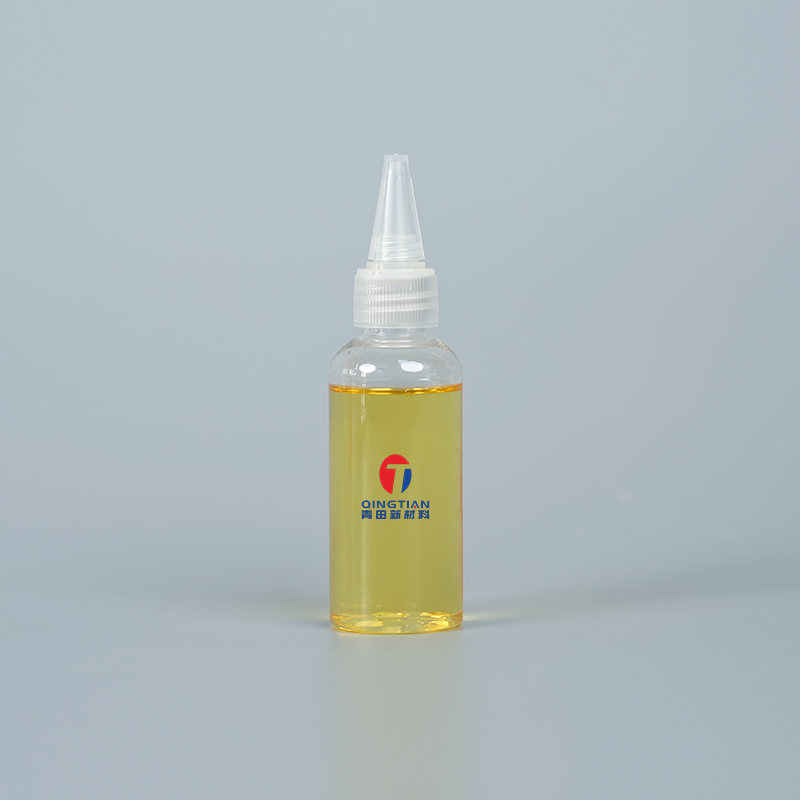
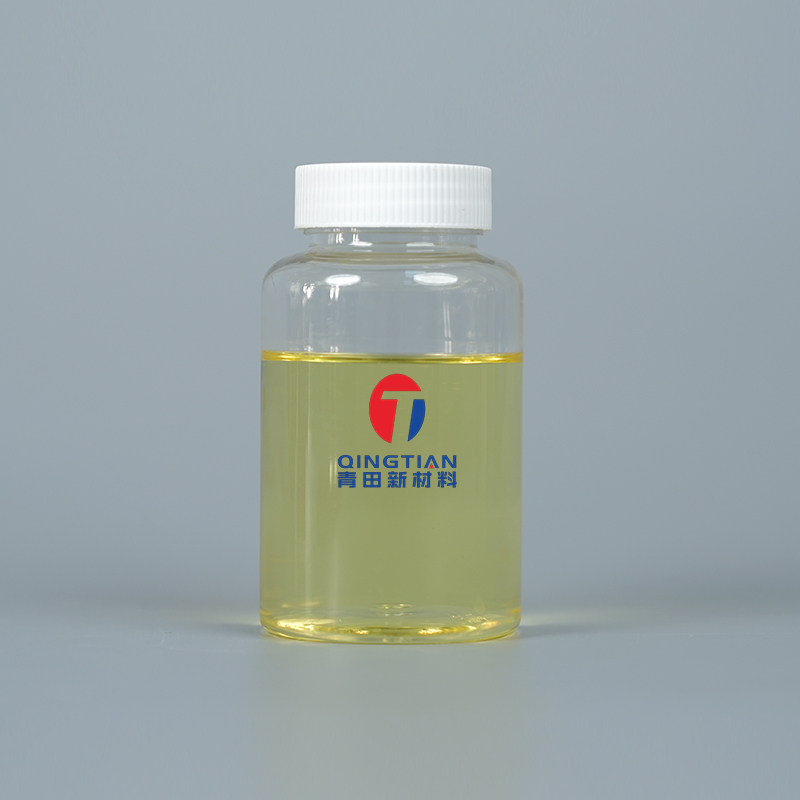
DH-6193S Water-based Dispersant
Pigment dispersion is one of the most important stages in the production of a water-based coating or ink. Pigments are solid particles that must be distributed throughout a liquid medium. Their particle surfaces often possess strong attractive forces, and these forces encourage the particles to join together into agglomerates. If the agglomerates are not sufficiently broken down and stabilized, the final formulation may show poor color strength, low gloss, uneven appearance, excessive viscosity, and poor storage stability.
Water creates additional challenges because it has a high surface tension and does not wet every pigment surface easily. Some pigments are relatively hydrophobic, while others have irregular surface chemistry or high surface energy. Carbon black is a particularly demanding material because its fine particles have a very high specific surface area. Organic pigments may also be difficult to disperse due to their crystal structure, surface characteristics, and strong particle-to-particle attraction.
Inorganic pigments can present different but equally important issues. They may have high density, irregular particle shape, or a tendency to settle when the liquid phase does not provide sufficient stabilization. A formulation that appears uniform immediately after production may develop hard sediment, floating material, color separation, or viscosity changes after storage.
A suitable dispersant works at the interface between the pigment and the liquid phase. It helps the liquid wet the pigment surface, assists in separating agglomerates during grinding or mixing, and provides stabilization after the particles have been separated. The purpose is not simply to reduce the initial viscosity. The dispersant must also preserve the desired dispersion state during filling, transport, storage, and final application.
In many water-based systems, resins can contribute to pigment wetting and stabilization. However, resin-free systems do not have this additional support. The dispersant must therefore perform a larger share of the stabilization work. It must promote pigment compatibility with water while limiting re-agglomeration and maintaining acceptable flow properties.
Resin-free pigment concentrates are often used because they can provide formulation flexibility. A concentrate may be produced separately and later incorporated into different coating or ink systems. This approach can simplify color matching, improve manufacturing efficiency, and reduce the need to prepare every shade from the beginning. However, the concentrate must remain stable and fluid enough for handling and downstream blending.
DH-6193S is designed for this type of water-based, resin-free environment. Its polymeric structure supports interaction with pigment surfaces while helping maintain separation between particles. The result is a more efficient dispersion process and a formulation with improved practical handling characteristics.
DH-6193S is a polymeric dispersant for water-based pigment systems. It is intended for high-surface-area carbon black, difficult-to-disperse organic pigments, and inorganic pigments. The product is focused on pigment dispersion performance rather than acting as a resin, binder, or film-forming component.
The product provides several connected benefits:
• Excellent viscosity reduction in suitable water-based formulations.
• Improved color development for demanding pigment types.
• Support for high gloss and a more uniform surface appearance.
• Increased pigment loading potential.
• Good fluidity during processing and application.
• Improved storage stability when the formulation is properly optimized.
• Applicability to resin-free water-based systems.
These properties are particularly valuable when a formulator needs to increase pigment concentration without creating an unmanageable rise in viscosity. High pigment loading can improve production efficiency and reduce the amount of liquid that must be transported or processed. However, higher pigment concentration also increases the risk of particle interaction and viscosity growth. A capable dispersant helps address this balance.
| Performance area | Formulation challenge | Contribution of DH-6193S | Practical benefit |
|---|---|---|---|
| Viscosity | Pigment agglomeration and strong particle interaction can increase viscosity. | Promotes more efficient particle separation and reduces unnecessary structure in the liquid. | Improved flow, easier pumping, and better processing efficiency. |
| Color development | Poor pigment deagglomeration can reduce tinting strength and shade clarity. | Supports wetting and dispersion of difficult pigments. | Stronger color response and more efficient pigment utilization. |
| Gloss | Large agglomerates and uneven pigment distribution scatter light and reduce surface quality. | Helps create a finer and more uniform pigment distribution. | Higher gloss and improved visual appearance. |
| Pigment loading | Increasing pigment concentration can rapidly increase viscosity and destabilize the system. | Allows higher pigment loading while maintaining workable rheology when properly dosed. | More concentrated pigment preparations and reduced formulation volume. |
| Storage stability | Particles may re-agglomerate or settle during storage. | Provides polymeric stabilization around dispersed pigment particles. | More consistent product condition over time. |
| Fluidity | Highly concentrated dispersions may become difficult to transfer or apply. | Contributes to viscosity control and improved flow behavior. | Easier handling and more reliable dosing. |
A polymeric dispersant generally contains functional portions that interact with pigment surfaces and water-compatible portions that remain compatible with the surrounding aqueous phase. When the dispersant is correctly selected for a pigment and formulation, it can attach to the particle surface and create a stabilizing layer. This layer helps prevent the particles from coming into close contact again after mechanical energy has separated them.
The stabilization mechanism may involve steric effects, electrostatic effects, or a combination of both, depending on the specific chemistry of the dispersant and the formulation environment. Steric stabilization uses the physical presence of polymer chains to reduce close particle approach. Electrostatic stabilization uses charge-related repulsion. In practical water-based formulations, pH, ionic strength, pigment surface chemistry, additive compatibility, and the composition of the liquid phase can all influence the final result.
The importance of a polymeric dispersant becomes clear during the grinding stage. Mechanical energy breaks down pigment agglomerates, but the broken particles must be stabilized quickly. If the newly separated particles immediately come together again, the grinding process becomes inefficient. More energy, longer processing time, or additional milling may be needed, and the final result may still be inconsistent.
DH-6193S is intended to support efficient pigment deagglomeration and stabilization. By assisting the interaction between pigment and water, it can help the formulation achieve a desirable particle distribution with less unnecessary viscosity growth. This is especially useful for pigments with high surface area or strong aggregation tendencies.
Viscosity reduction is one of the most important performance features associated with DH-6193S. In a pigment dispersion, viscosity is influenced by the liquid phase, pigment concentration, particle size distribution, particle shape, surface chemistry, and degree of agglomeration. When pigment particles remain strongly associated, they can create a network throughout the liquid. This network increases resistance to flow and can make the product difficult to mix, pump, filter, or apply.
A well-selected dispersant helps reduce this unwanted particle network. The pigment particles remain more independently distributed, reducing the number of strong particle-to-particle contacts. As a result, the dispersion can maintain a lower viscosity at the same pigment concentration. This does not mean that the product eliminates all rheological structure. Rather, it helps the formulator manage the structure more efficiently.
Lower viscosity can provide several advantages. It may permit faster circulation through production equipment, improve transfer between vessels, reduce the energy required for mixing, and make the final coating or ink easier to apply. It can also create room for increased pigment loading while preserving workable flow. For manufacturers that produce concentrated pigment preparations, this balance may improve production capacity and reduce the number of separate batches required.
Color development depends on how effectively pigment particles are separated and distributed. Large agglomerates do not always display the same optical behavior as well-dispersed primary particles or smaller aggregates. As a result, a poorly dispersed pigment may show weaker color strength, duller appearance, poor transparency or opacity control, and less accurate shade reproduction.
DH-6193S supports color development by helping difficult pigments become more uniformly distributed in the aqueous phase. High-surface-area carbon black can benefit from improved wetting and stabilization because even a small amount of carbon black can produce substantial surface area. Organic pigments may also show stronger color response when the dispersion process reduces persistent agglomerates.
Improved color development can contribute to more efficient pigment use. If the same visual strength can be achieved with a lower pigment addition, the formulator may gain greater flexibility in cost control, shade adjustment, or concentrate design. The actual result depends on pigment type, dosage, grinding conditions, pH, solids content, and the complete formulation, so laboratory evaluation remains essential.
Gloss is strongly influenced by the smoothness and uniformity of the applied film. Large pigment agglomerates can create microscopic surface irregularities that scatter light. Uneven dispersion may also lead to local variations in pigment concentration, which can affect appearance and color consistency.
By supporting a more uniform pigment distribution, DH-6193S can help water-based systems achieve high gloss when the binder, substrate, application method, and curing conditions are also suitable. This is particularly relevant in decorative and industrial coatings where visual quality is a major part of product performance.
High gloss should not be considered a property controlled by the dispersant alone. Film formation, surface tension, substrate wetting, drying rate, leveling, pigment volume concentration, and the choice of resin all play important roles. Nevertheless, a stable and finely dispersed pigment phase is a necessary foundation for a smooth, reflective coating surface.
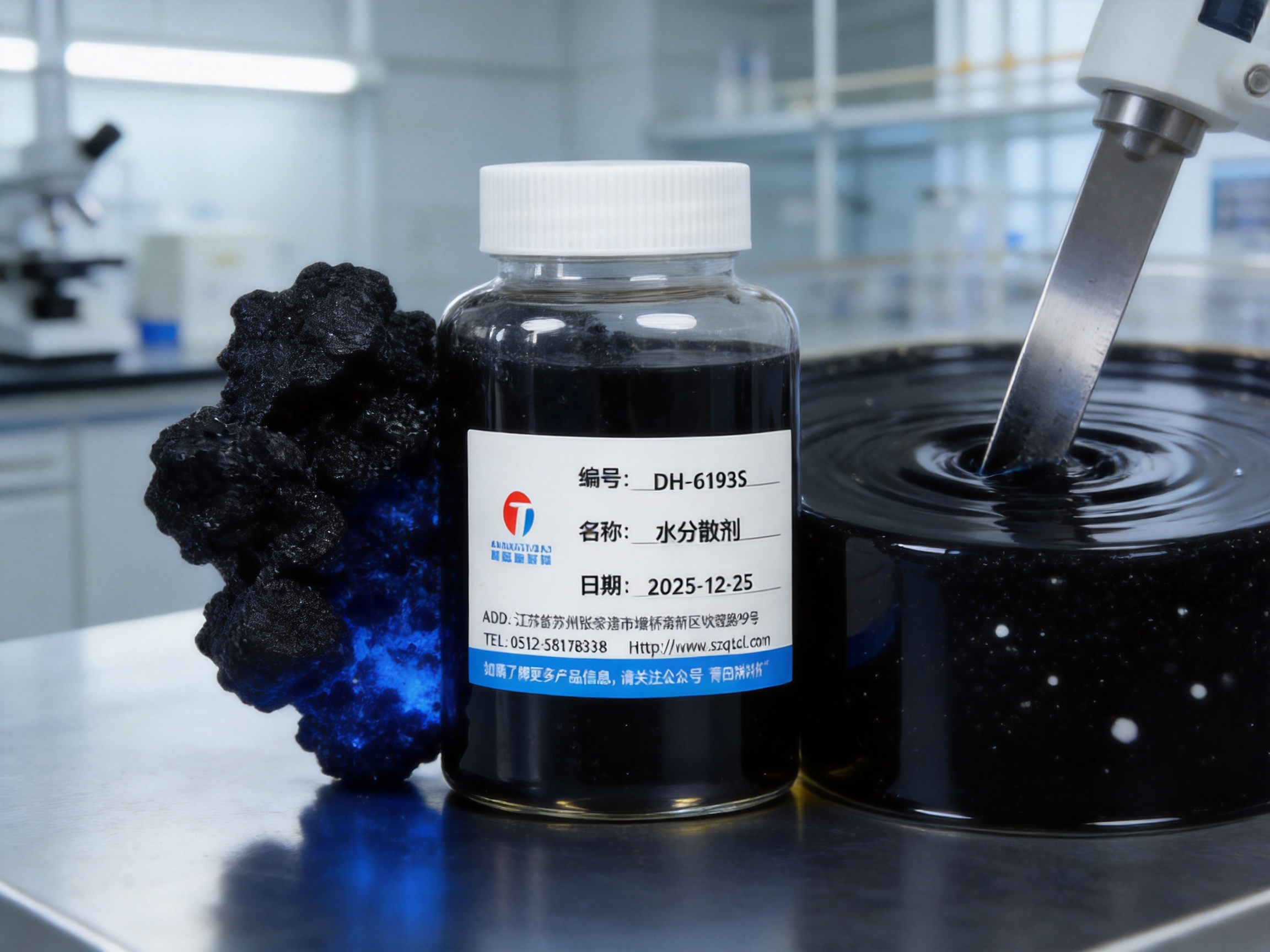
Many dispersant technologies can provide basic pigment wetting, but not all of them deliver the same balance of viscosity control, pigment loading, gloss, and storage stability. Some products may improve initial wetting but provide limited long-term stabilization. Others may offer strong stabilization but produce excessive foam, poor compatibility, or an undesirable change in flow behavior. A dispersant that performs well with one pigment may be less effective with another.
DH-6193S is positioned around a combination of performance advantages. Its main competitive strength is its focus on maintaining low viscosity and good fluidity while supporting high pigment loading. This combination is valuable because formulators often face a trade-off between concentration and processability.
Simple wetting agents may reduce surface tension and help water contact a pigment surface. However, wetting alone does not necessarily provide sufficient stabilization after agglomerates have been broken down. Particles may still re-agglomerate during storage or after the mechanical mixing energy is removed.
A polymeric dispersant such as DH-6193S is intended to provide a more persistent stabilizing effect. It supports both the initial interaction between pigment and water and the maintenance of a separated particle state. For difficult pigments, this broader function can be more useful than a product that only improves initial wetting.
Some systems achieve suspension by building a strong three-dimensional structure in the liquid. This may reduce settling, but it can also produce high viscosity, poor flow, difficult pumping, and challenging application behavior. In concentrated pigment systems, excessive structure may limit pigment loading and reduce production efficiency.
DH-6193S emphasizes viscosity reduction and fluidity. It is designed to stabilize pigments without relying solely on a highly viscous continuous structure. This makes it attractive for applications where the formulation must remain pourable, pumpable, and easy to incorporate into a larger coating or ink system.
Resin-containing dispersants or resin-based grinding vehicles can provide effective pigment stabilization, but they may restrict formulation flexibility. The resin may influence film properties, compatibility, drying, hardness, or the final balance of the coating. In contrast, a dispersant designed for resin-free water-based systems can allow the formulator to select the resin or binder separately at a later stage.
This separation of functions can be useful for pigment concentrates intended for multiple end uses. It allows the same pigment preparation to be evaluated across different water-based binders, provided compatibility testing confirms suitable performance.
PK BYK-163 is identified as a performance reference for DH-6193S. This reference provides formulators with a familiar benchmark for comparative laboratory evaluation. It should not be interpreted as a guarantee that every pigment, dosage, or formulation will produce identical results. Performance comparison must be conducted using the same pigment, solids content, grinding equipment, let-down system, and testing conditions.
A meaningful comparison should examine more than initial viscosity. Important evaluation points include color strength, gloss, fineness of grind, storage stability, viscosity after aging, pigment loading capacity, foam behavior, compatibility with the final binder, and application appearance. A product that offers a stronger overall balance may provide greater practical value even when individual test values vary by pigment type.
The final performance of any dispersant depends on how it is incorporated. The following approach can be used as a general starting point for laboratory development. It should be adapted to the specific pigment, equipment, and final application.
Begin with clean water and establish the intended liquid-phase conditions. If pH adjustment is required, it is generally preferable to control pH consistently between comparative batches. Water quality can influence dispersion behavior because dissolved salts and impurities may affect surface charge, polymer conformation, and compatibility.
Any compatible co-additives should be evaluated carefully. Defoamers, preservatives, wetting agents, rheology modifiers, and other additives can change the way the polymeric dispersant interacts with the pigment. Additives should not be introduced automatically at high levels before the dispersant and pigment relationship is understood.
In many formulations, adding the dispersant to the aqueous phase before pigment addition helps ensure that the pigment surface encounters the dispersant during wetting. This can improve the efficiency of the dispersion process and reduce the formation of persistent dry agglomerates.
The dispersant should be added under moderate agitation to create a uniform liquid phase. Excessive air entrainment should be avoided because foam can interfere with wetting, grinding, viscosity measurement, and color evaluation.
Pigment should generally be introduced in a controlled manner rather than all at once. Gradual addition allows the liquid phase to wet the incoming powder and helps maintain stable mixing conditions. The addition rate should be adjusted according to pigment density, surface area, powder flow, and mixer capacity.
High-surface-area carbon black may require especially careful addition because it can rapidly increase viscosity and trap air. Organic and inorganic pigments may require different addition speeds depending on their particle size and tendency to form agglomerates.
After wetting, the dispersion should receive sufficient mechanical energy to break down agglomerates. High-speed dispersers, bead mills, and other suitable equipment may be used depending on the target fineness and production scale. The objective is not simply to increase speed. It is to provide sufficient energy while controlling temperature, foam, and processing time.
The ideal endpoint should be determined through measurement rather than visual inspection alone. Fineness of grind, viscosity, color strength, gloss, and microscopic or particle-size evaluation can help identify when additional energy provides limited benefit.
Once the pigment concentrate has reached the desired dispersion state, it may be incorporated into a resin, binder, or final coating system. The compatibility of DH-6193S with the selected binder should be assessed. Compatibility can depend on the binder chemistry, pH, electrolyte content, co-solvents, surfactants, and final solids level.
A concentrate that performs well before let-down may change after incorporation into a complete formulation. Therefore, both the concentrate and the final coating or ink should be evaluated. Important observations include viscosity change, shade development, gloss, foam, settling, separation, and application appearance.
Carbon black often requires a strong dispersion strategy because of its very high surface area and strong tendency to form agglomerates. It can produce rapid viscosity growth, especially when pigment loading is increased. Poorly dispersed carbon black may show weak jetness, low gloss, gray undertones, poor transparency control, or uneven shade development.
DH-6193S is intended to support the wetting and stabilization of high-surface-area carbon black in water-based, resin-free systems. The potential benefits include lower viscosity, better flow, improved color development, and a more uniform appearance. The dispersant level should be optimized because both insufficient and excessive dosage may reduce performance.
Organic pigments are selected for bright color, transparency, durability, and specialty visual effects, but their surface chemistry can make them challenging to disperse. Some organic pigments retain strong crystal-to-crystal attraction or exhibit poor affinity for water. Inadequate dispersion may lead to low tinting strength, shade drift, poor gloss, and instability.
A polymeric dispersant can help create stronger interaction between the pigment surface and the aqueous medium. DH-6193S may therefore be considered for organic pigment concentrates where color development and storage stability are critical. Each pigment should be evaluated independently because pigments within the same color family can show substantially different dispersion behavior.
Inorganic pigments may have relatively high density and can settle if the dispersion does not remain sufficiently stable. They may also have irregular shapes or surface properties that influence wetting and viscosity. A suitable dispersant can improve particle distribution and reduce the risk of hard sediment formation.
When evaluating inorganic pigments, the formulator should examine both short-term and long-term behavior. A sample may appear uniform immediately after mixing but still develop compact sediment during storage. Testing should include visual inspection, remixability, viscosity measurement, and application performance after aging.
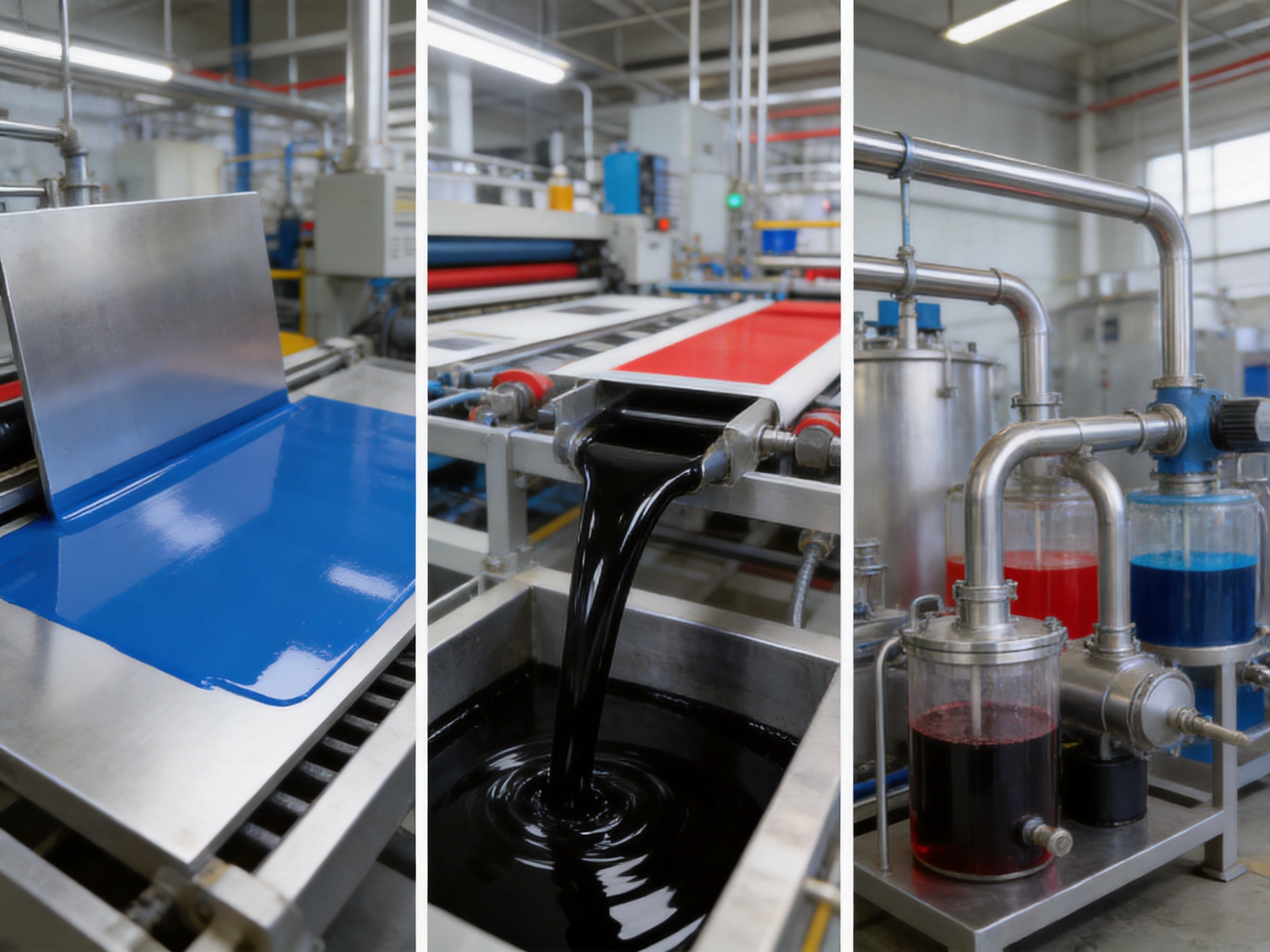
The performance of a specialty additive depends not only on its chemical design but also on production consistency. A dispersant must be manufactured with controlled raw materials, stable reaction or blending conditions, reliable process monitoring, and appropriate quality testing. Small changes in polymer characteristics can influence viscosity reduction, pigment affinity, storage behavior, and compatibility.
Suzhou Qingtian New Material Co., Ltd. is a professional supplier of raw materials for coatings, inks, and adhesives. Since its establishment in 2012, the company has developed an experienced organization that includes research and development specialists, sales professionals, and production personnel. Its product portfolio includes dispersants, leveling agents, defoamers, adhesion promoters, anti-settling agents, cooling agents, conductive agents, orange peel texture agents, texture powders, and wax powders.
This broad product range gives the company practical insight into the interactions among different coating additives. A dispersant rarely works in isolation in a commercial formulation. It must coexist with defoamers, leveling agents, rheology modifiers, resins, pigments, preservatives, and other functional materials. Experience across several additive categories can support more complete troubleshooting and application assistance.
The company maintains research and development resources supported by advanced testing equipment and strong technical capabilities. For a product such as DH-6193S, testing is important because dispersion performance must be evaluated in relation to pigment type and formulation conditions. Useful testing may include viscosity measurement, gloss evaluation, color comparison, fineness assessment, storage observation, and compatibility screening.
Research and development work also helps identify the relationship between product dosage and performance. The most effective dosage is not always the highest dosage. A carefully designed evaluation can determine the level that provides adequate wetting and stabilization without unnecessarily increasing cost or affecting final coating properties.
The company has invested in modern production resources and moved to Lingrui Intelligent Manufacturing Park in Zhangjiagang High-Tech Zone in 2021. This development strengthened its research and production capacity. A modern manufacturing environment can support more organized material handling, improved process control, better equipment coordination, and increased production flexibility.
Advanced manufacturing should be understood as a complete system rather than a single machine. It includes raw-material qualification, documented operating procedures, batch traceability, controlled storage, in-process inspection, finished-product testing, packaging management, and technical feedback from customers. These elements help reduce batch variation and support consistent product performance.
Consistency is particularly important for dispersants because customers often formulate products in large batches. If the additive varies significantly from one shipment to another, the customer may experience changes in viscosity, color strength, grind time, gloss, or storage stability. Such changes can cause production delays and require reformulation.
A quality-oriented manufacturing system aims to keep the relevant product characteristics within controlled ranges. This supports more predictable formulation results and makes it easier for customers to transfer laboratory formulas to pilot and commercial production. Reliable supply and consistent technical support are therefore as important as the initial performance result.
The company’s additives are used in steel and aluminum coil coatings, plastic coatings, ultraviolet-curing systems, anticorrosion coatings, wood coatings, glass coatings, epoxy flooring, printing inks, power batteries, photovoltaic panels, and other fields. These industries have different performance requirements, but they share a need for controlled surface quality, reliable additive compatibility, and repeatable production.
Experience in several industries can help the supplier understand how formulation priorities change. A printing ink may emphasize color strength, transparency, and print stability. A coil coating may require smooth appearance and production speed. A wood coating may prioritize appearance, wetting, and application feel. A pigment concentrate for a battery or photovoltaic-related application may require additional attention to purity, process consistency, and compatibility with specialized materials.
Industrial coatings require reliable dispersion because they are frequently applied at high production speed and under controlled film thickness. DH-6193S can support pigment concentrates and colored coatings where low viscosity, high pigment loading, and stable appearance are important. It may be considered for metal, plastic, wood, glass, and other industrial substrates, subject to compatibility evaluation.
Water-based printing inks depend on strong color development, controlled viscosity, good transfer, and stable storage. Poor pigment dispersion can create defects such as weak color, inconsistent printing, blocking, poor gloss, or nozzle and screen problems in certain application technologies. The viscosity-reduction and color-development benefits of DH-6193S are relevant to pigment concentrates used in these systems.
Pigment concentrates are often designed to be incorporated into multiple base formulations. They need sufficient pigment loading to be commercially efficient while remaining fluid enough for filling, transportation, and metering. DH-6193S is particularly relevant to this application because it is designed for resin-free water-based systems and supports high pigment loading with good fluidity.
Wood coatings and decorative finishes place strong emphasis on appearance. Gloss, color uniformity, surface smoothness, and transparency or opacity must be carefully controlled. A stable pigment dispersion can help reduce visual defects and support consistent color reproduction across production batches.
Metal and coil coating lines operate continuously and often require efficient mixing, filtration, pumping, and application. A water-based pigment concentrate with controlled viscosity can improve handling and support production efficiency. The final performance must be evaluated together with the binder, curing method, substrate preparation, and coating thickness.
A structured test program is recommended before commercial adoption. The purpose is to compare DH-6193S against the existing dispersant under equivalent conditions. The evaluation should use the customer’s actual pigment and target formulation whenever possible.
| Test category | Suggested observation | Reason for evaluation |
|---|---|---|
| Initial viscosity | Measure viscosity soon after dispersion preparation. | Determines processability and immediate flow behavior. |
| Viscosity after storage | Measure after defined aging periods and temperatures. | Identifies structural growth or instability over time. |
| Color strength | Compare tinting strength, shade, and color development. | Shows whether pigment is being utilized efficiently. |
| Gloss | Apply a controlled film and measure gloss after drying or curing. | Evaluates surface uniformity and optical quality. |
| Fineness of grind | Assess particle or agglomerate size using suitable equipment. | Confirms the effectiveness of the dispersion process. |
| Storage stability | Observe settling, separation, hard sediment, and remixability. | Determines whether the dispersion remains usable during storage. |
| Foam behavior | Monitor foam formation and collapse during mixing and application. | Identifies interactions with process equipment and other additives. |
| Compatibility | Evaluate behavior after let-down into the intended resin or binder. | Confirms suitability for the complete formulation. |
| Application appearance | Inspect leveling, uniformity, shade, gloss, and surface defects. | Connects laboratory dispersion data with final product quality. |
The dosage should be optimized using a ladder study. Several levels can be tested while holding pigment concentration and processing conditions constant. The results can be plotted against viscosity, color strength, gloss, and storage stability. This approach often reveals an optimum range rather than a single universally correct dosage.
It is also useful to compare different addition sequences. The dispersant may be added to the water before pigment introduction, incorporated with a portion of the liquid phase, or evaluated through a premix procedure. The best sequence may vary according to the pigment and equipment. Consistency is essential: comparative tests should use the same mixing speed, temperature, grind time, and let-down procedure.
Specialty dispersants should be stored in clean, sealed containers under conditions recommended by the supplier. Exposure to excessive heat, freezing conditions, contamination, or prolonged contact with incompatible materials may affect product performance. Containers should be properly identified and protected from accidental contamination during dispensing.
Before use, the product should be inspected for unusual separation, contamination, or changes in appearance. If any abnormal condition is observed, the material should be evaluated before incorporation into a production batch. Good inventory rotation helps limit unnecessary storage time and supports consistent use of the product.
Formulators should also maintain records of pigment type, dispersant dosage, pH, solids content, mixing conditions, equipment, and test results. These records are valuable when transferring a formula from laboratory scale to production scale. Scale-up can change shear history, heat generation, addition rate, and residence time, all of which may influence dispersion quality.
Water-based formulations are often selected to support lower volatile organic compound levels and improved workplace conditions compared with many solvent-based alternatives. However, water-based technology still requires efficient raw-material use, energy management, and reliable process control. A dispersant that supports high pigment loading and lower viscosity can contribute to process efficiency by reducing mixing difficulty and improving throughput.
Higher pigment loading may reduce the volume of pigment concentrate required for a given color strength. Lower viscosity may reduce the energy required for circulation or pumping. Improved storage stability can reduce waste caused by separated or unusable material. These benefits depend on the complete formulation and should be verified through practical production testing.
Manufacturing efficiency also depends on reducing batch failures and minimizing repeated adjustments. Consistent additive quality, controlled production procedures, and application-focused technical support can help customers achieve more repeatable results. The combination of product performance and manufacturing reliability is therefore important for sustainable industrial operation.
Specialty additives are not interchangeable commodities. Their value depends on how well they solve a particular formulation problem. A specialized supplier can provide more than a product container. It can provide formulation understanding, comparative testing, troubleshooting, and guidance on how the additive interacts with pigments, binders, and other additives.
Suzhou Qingtian New Material Co., Ltd. focuses on coatings, inks, and adhesives, allowing its technical resources to remain closely connected to these applications. The company’s product portfolio covers multiple additive functions, including dispersion, leveling, defoaming, adhesion, anti-settling, texture, conductivity, and wax modification. This breadth supports a systems-based approach when customers face several formulation issues at the same time.
The company’s development history also reflects a focus on innovation and production capability. It created China’s first ice flower resin in 2016, received recognition as a National High-Tech Enterprise in 2020, and strengthened its research and manufacturing resources after moving to Lingrui Intelligent Manufacturing Park in 2021. These milestones demonstrate an emphasis on product development, technical advancement, and industrial support.
For a formulator, the primary value of DH-6193S is greater control over the pigment dispersion stage. The product can help address the common problem of a formulation that becomes too viscous as pigment loading increases. It can also support better color response and gloss, allowing the formulator to pursue higher performance without relying only on increased mechanical energy or additional liquid-phase dilution.
For a production manager, good fluidity can simplify transfer, pumping, filtration, and filling. A stable dispersion can reduce the likelihood of rework caused by settling, hard sediment, or batch-to-batch color variation. These benefits can improve manufacturing efficiency, although they must be confirmed using the actual process equipment.
For a quality-control team, a well-defined dispersant system makes it easier to establish repeatable acceptance criteria. Viscosity, color strength, gloss, fineness, and storage stability can be monitored as part of a routine quality program. Consistent testing helps identify changes in pigment lots, water quality, mixing conditions, or additive interactions.
For a purchasing team, a supplier with a broad additive portfolio may simplify sourcing and technical communication. Consolidated technical cooperation can be useful when a customer needs a dispersant, defoamer, leveling agent, or anti-settling solution within the same coating or ink project.
DH-6193S is a polymeric dispersant for water-based, resin-free pigment systems. It is intended for high-surface-area carbon black, difficult-to-disperse organic pigments, and inorganic pigments.
Its main advantages include excellent viscosity reduction, support for high pigment loading, good fluidity, improved color development, high gloss potential, and storage stability when used in a suitable formulation.
Yes. DH-6193S is specifically described for water-based resin-free systems. Its suitability for a particular pigment concentrate should still be verified through laboratory testing.
Yes. The product is intended for high-surface-area carbon black, which commonly requires strong wetting and stabilization because of its high specific surface area and tendency to form agglomerates.
It is designed to increase pigment loading while maintaining low viscosity and good fluidity. The achievable loading depends on pigment properties, dispersant dosage, water quality, pH, equipment, and the complete formulation.
No additive can guarantee a particular gloss level in every system. DH-6193S supports uniform pigment dispersion and can contribute to high gloss, but gloss also depends on the binder, substrate, film formation, surface tension, application method, and curing conditions.
The dosage should be determined through a laboratory ladder study using the target pigment. Compare viscosity, color development, gloss, fineness, storage stability, and compatibility at several dosage levels. The optimum level is usually the point that provides the best overall balance.
It should not be assumed that one dispersant is universally suitable for every pigment and formulation. DH-6193S should be compared with the existing product under equivalent conditions. Its identified performance reference is PK BYK-163, but actual results will depend on the application.
Suitable equipment may include high-speed dispersers, bead mills, and other pigment-processing systems. The selected equipment should provide enough energy to break down agglomerates while controlling temperature and foam.
A pigment dispersion may look acceptable immediately after production but develop settling, hard sediment, separation, or viscosity growth during storage. Storage-stability testing confirms whether the dispersion remains usable over the intended service period.
Yes. DH-6193S may be considered for water-based printing ink pigment concentrates and related systems where color development, controlled viscosity, fluidity, and storage stability are important. Final compatibility testing is required.
Depending on the formulation, other additives may include defoamers, leveling agents, rheology modifiers, preservatives, adhesion promoters, and anti-settling agents. Each combination should be evaluated because additive interactions can affect dispersion and application performance.
The supplier specializes in raw materials for coatings, inks, and adhesives and maintains experience across dispersants, leveling agents, defoamers, adhesion promoters, anti-settling agents, texture materials, and wax powders. Customers can request application-oriented evaluation and product information for their specific formulation needs.
DH-6193S Water-based Dispersant is designed to address several of the most persistent challenges in modern water-based pigment formulation. Its polymeric technology supports pigment wetting and stabilization in resin-free systems, with particular relevance to high-surface-area carbon black, difficult organic pigments, and inorganic pigments.
The product’s principal advantages are excellent viscosity reduction, good fluidity, increased pigment loading potential, improved color development, high gloss potential, and storage stability. These properties can help formulators create more concentrated and efficient pigment preparations while maintaining practical processing behavior.
Its competitive value lies in its balanced performance. Rather than focusing only on initial wetting or only on suspension, DH-6193S is positioned to support the complete dispersion process, from pigment incorporation and grinding to final let-down and storage. The reference to PK BYK-163 provides a useful starting point for comparative testing, while actual selection should be based on application-specific data.
The product is supported by a supplier with experience in coatings, inks, adhesives, and multiple additive technologies. Research and development resources, advanced testing equipment, modern production facilities, and a broad application portfolio contribute to a quality-oriented manufacturing approach. These strengths help connect product design with real industrial requirements.
For customers seeking a water-based dispersant that can combine viscosity control, pigment loading, color development, gloss, fluidity, and storage stability, DH-6193S offers a practical platform for formulation development. The best results will come from structured laboratory screening, optimized addition procedures, controlled processing, and cooperation between the formulator and the technical supplier.
1. General principles of pigment wetting, deagglomeration, and stabilization in water-based coatings and inks.
2. Technical literature on polymeric dispersants for high-surface-area carbon black and organic pigments.
3. Standard laboratory practices for measuring coating and ink viscosity, gloss, color strength, fineness of grind, and storage stability.
4. Industry guidance on water-based coating formulation, pigment concentrates, and additive compatibility.
5. Product information for DH-6193S Water-based Dispersant.
6. Comparative formulation reference information associated with PK BYK-163.
7. Technical information concerning coating, ink, adhesive, and specialty additive manufacturing practices.
 Wholesale Paint/ Coating Additives Manufacturers
Custom Industrial Chemical Solutions Suppliers
Wholesale Paint/ Coating Additives Manufacturers
Custom Industrial Chemical Solutions Suppliers