русский
 Español
 Français
Home / Author / Wei Lanqing — Regional Product Sales Manager / Hammer Tone Additives for Controlled Three-Dimensional Coating Effects
Wei Lanqing — Regional Product Sales Manager

Content
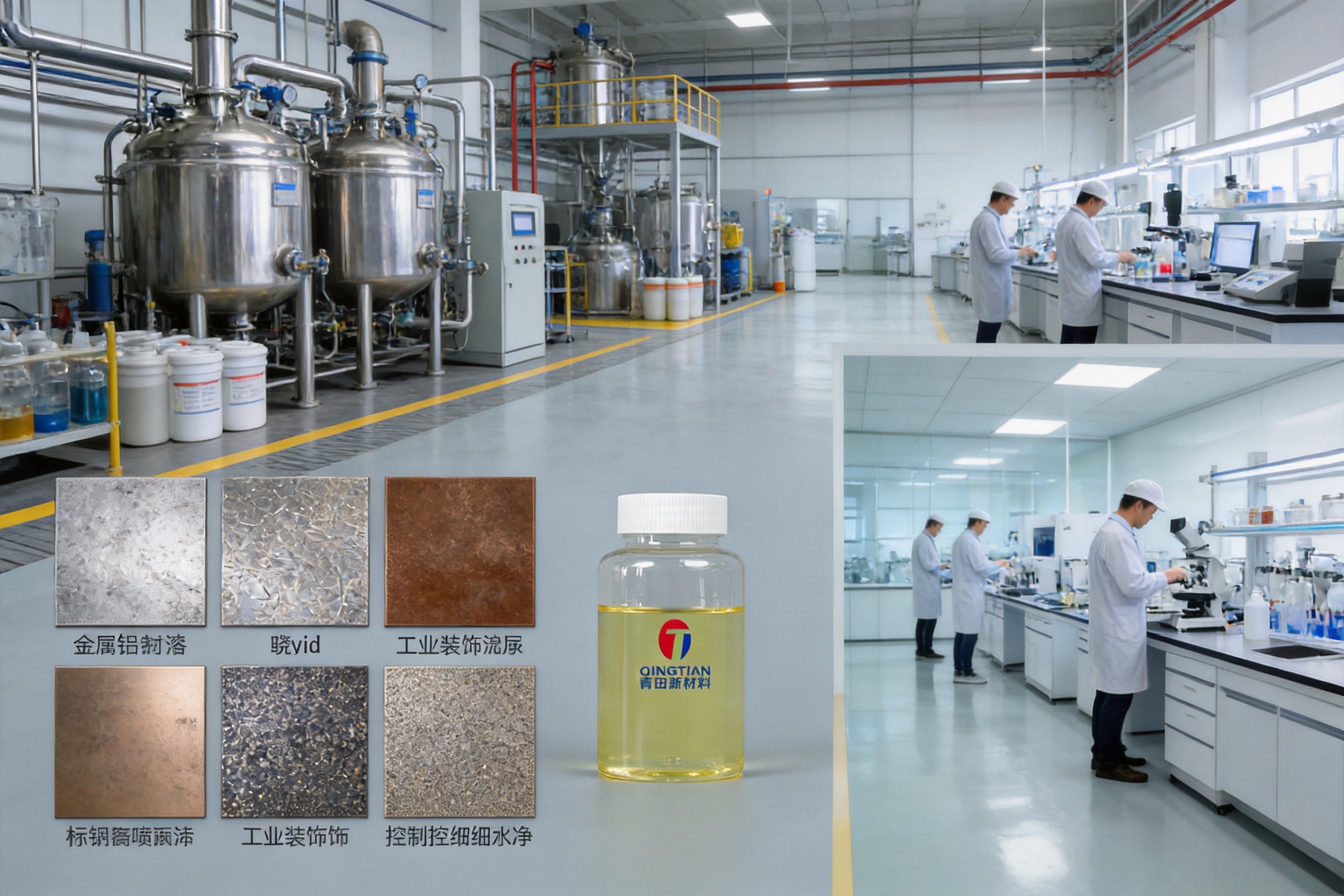
Creating a distinctive surface appearance in an industrial coating requires more than selecting an attractive pigment. The final visual effect depends on resin selection, pigment orientation, viscosity, solvent balance, application method, film formation, and the interaction of functional additives. In hammer-tone finishes, these factors must work together to produce a controlled pattern that is decorative, repeatable, and compatible with the performance requirements of the coating system.
DH-8100 Hammer Tone Additive is a specialized coating additive designed to generate a delicate three-dimensional hammer-tone effect in suitable polyurethane, amino, acrylic, and alkyd systems. It is particularly applicable to aluminum-paste alkyd baking paints and air-drying mixed paint systems. By influencing the development and scale of the surface pattern, DH-8100 allows formulators to adjust the visual structure of the coating from a relatively coarse appearance to a finer, more delicate pattern.
The product is used at a comparatively low dosage, normally within the range of 0.3% to 0.8%, depending on the formulation, application conditions, desired pattern, and the final appearance required by the customer. Its low addition level can help formulators manage material consumption while preserving flexibility during formulation adjustment. When combined with appropriate viscosity control and solvent selection, the additive can support the production of a uniform textured finish with a recognizable hammer-tone or three-dimensional appearance.
A hammer-tone coating is characterized by an irregular but visually controlled surface pattern that resembles the texture created when a metal surface has been lightly struck with a hammer. Depending on the formulation and application conditions, the pattern may appear as a series of softly divided cells, islands, dimples, or three-dimensional visual formations. The effect can be subtle and refined or more pronounced and decorative.
The hammer-tone appearance is not created by the additive alone. It develops through the interaction of several formulation and application phenomena. During coating application and drying, the wet film undergoes changes in surface tension, flow, viscosity, solvent evaporation, pigment movement, and resin curing. A suitable hammer-tone additive helps guide these changes so that the coating develops a controlled surface structure rather than drying into a completely smooth film.
In aluminum-paste systems, the orientation and movement of aluminum particles can strongly influence the appearance. The metallic pigment contributes reflectivity and contrast, while the additive helps encourage the formation of a textured visual field. Light interacts with the different levels and orientations of the film, enhancing the three-dimensional character of the coating.
The result can be used for both decorative and functional purposes. Visually, the texture can help distinguish equipment, components, tools, furniture parts, metal panels, and industrial products. From a practical perspective, a textured appearance may also help make minor surface irregularities less noticeable than they would be under a high-gloss, smooth finish. However, final masking performance depends on film thickness, substrate condition, pigment selection, and the overall coating formulation.
DH-8100 Hammer Tone Additive is formulated for use in multiple resin families, including polyurethane, amino, acrylic, and alkyd systems. This compatibility range provides formulators with flexibility when developing different coating technologies. It may be evaluated in baking systems as well as air-drying mixed paint systems, subject to resin compatibility testing and process optimization.
The recommended addition range is 0.3% to 0.8%. Within this range, the additive can be adjusted according to the desired pattern size and the behavior of the specific coating. A lower dosage generally produces a coarser pattern, while a higher dosage generally produces a finer pattern. This relationship provides a practical method for modifying the appearance without redesigning the entire formulation.
The resin system should normally have a slightly higher viscosity than a conventional smooth coating designed for the same application. The solid content should also be approximately 5% higher than usual, although the exact level must be determined through laboratory and production trials. Fast-drying solvents may be used to adjust the drying balance according to air temperature and application conditions.
After the base coating has been matched to the target color, DH-8100 should be added and slowly stirred at approximately 500 revolutions per minute. Excessive shear or unnecessarily aggressive mixing should be avoided during the final incorporation stage. A spray panel should then be prepared to assess pattern development, coverage, color consistency, leveling, drying, and visual uniformity.
| Item | General Recommendation | Formulation Purpose |
|---|---|---|
| Product type | Hammer-tone surface-effect additive | Promotes a controlled three-dimensional coating pattern |
| Suitable resin families | Polyurethane, amino, acrylic, and alkyd | Provides flexibility across multiple coating technologies |
| Typical dosage | 0.3%–0.8% | Allows adjustment of pattern scale and fineness |
| Resin viscosity | Slightly higher than a standard smooth coating | Supports pattern formation during wet-film development |
| Solid content | Approximately 5% higher than usual | Helps maintain sufficient film body and texture development |
| Mixing speed | Approximately 500 rpm during final addition | Supports gradual incorporation while limiting unnecessary shear |
| Pattern adjustment | Lower dosage: coarser pattern; higher dosage: finer pattern | Provides a direct method for appearance control |
| Application evaluation | Spray-panel testing after color matching | Confirms appearance under actual application conditions |
The primary value of a hammer-tone additive is its ability to influence the balance between flow and structure in a wet coating film. A conventional coating is generally formulated to level smoothly and minimize surface irregularities. A hammer-tone coating requires a different balance. It must remain mobile enough to form a coherent film but develop controlled local differences in flow and surface structure before the film becomes fully set.
DH-8100 is designed to assist this process. When added at an appropriate level, it can encourage the coating to form a recognizable pattern during drying. The final appearance is affected by the dosage, the viscosity of the resin, the amount and type of solvent, the pigment package, the film thickness, and the speed of curing or drying.
The additive does not replace the need for good formulation design. Instead, it acts as a specialized tool within the formulation. Its performance is most effectively assessed through controlled trials in which only one or two variables are changed at a time. For example, a formulator may prepare panels with additive levels of 0.3%, 0.5%, 0.65%, and 0.8%, while keeping resin, pigment, solvent, spray pressure, nozzle size, and film thickness constant. This makes it easier to identify the most suitable level for the target pattern.
Pattern control is especially important in industrial manufacturing. A coating that looks attractive on one laboratory panel may behave differently on a production line because of changes in substrate temperature, humidity, atomization, flash-off time, film thickness, or oven conditions. A product that offers a practical dosage range gives the formulator more opportunity to compensate for these process variables.
DH-8100 also allows the visual effect to be tailored to different market preferences. A coarse hammer-tone appearance may be preferred for heavy industrial equipment, machinery housings, or decorative metal components. A finer pattern may be more suitable for appliances, architectural components, furniture hardware, or products where a more refined surface is required.
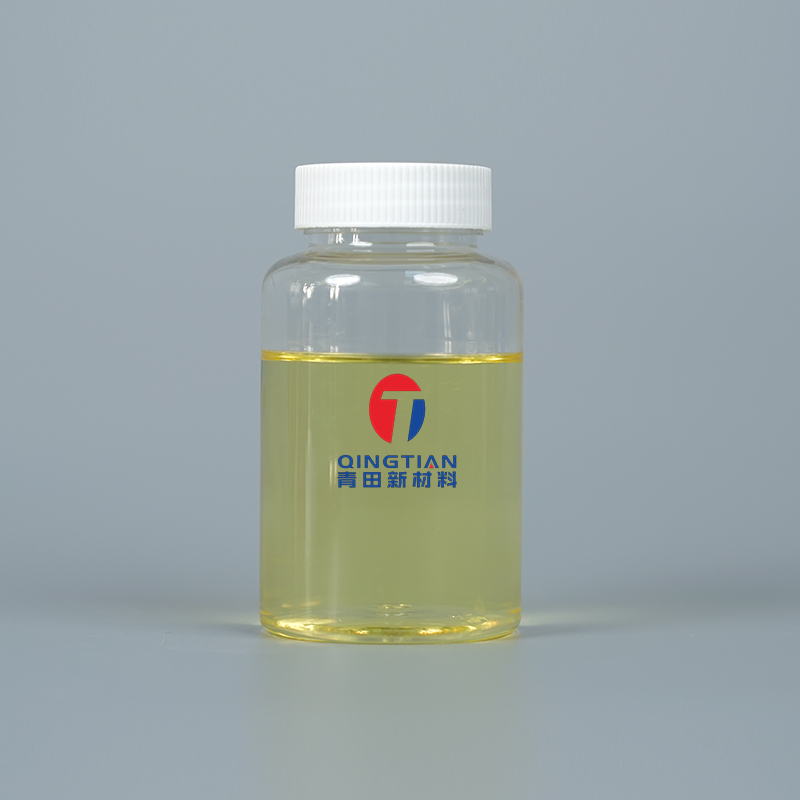
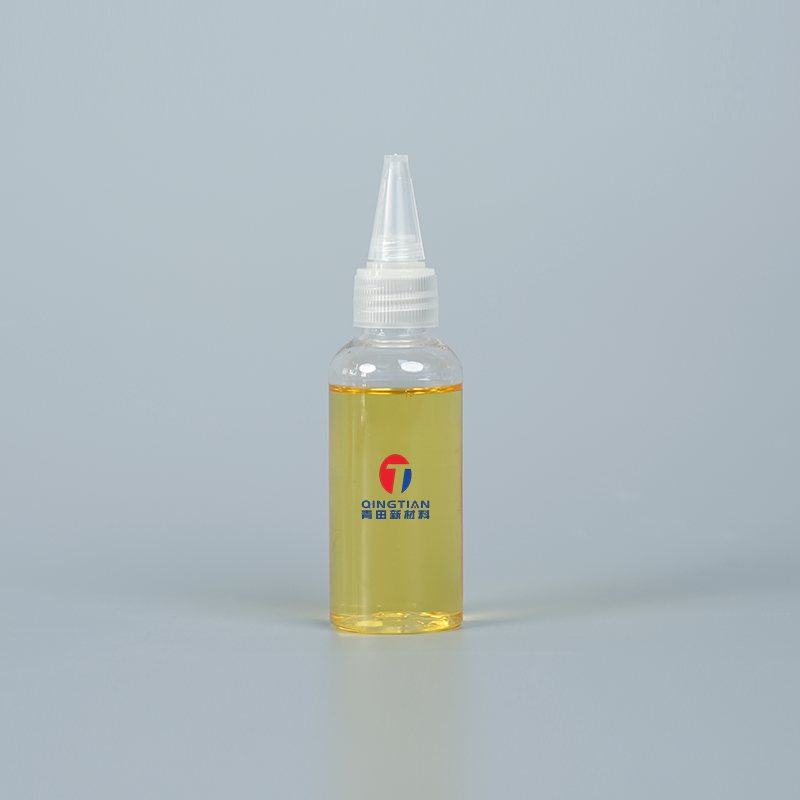
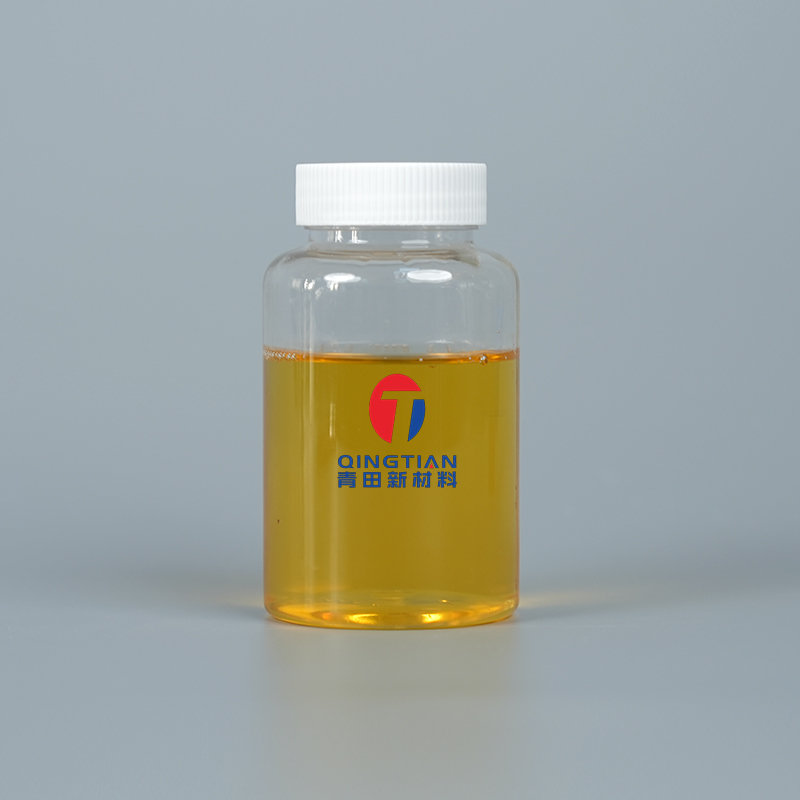
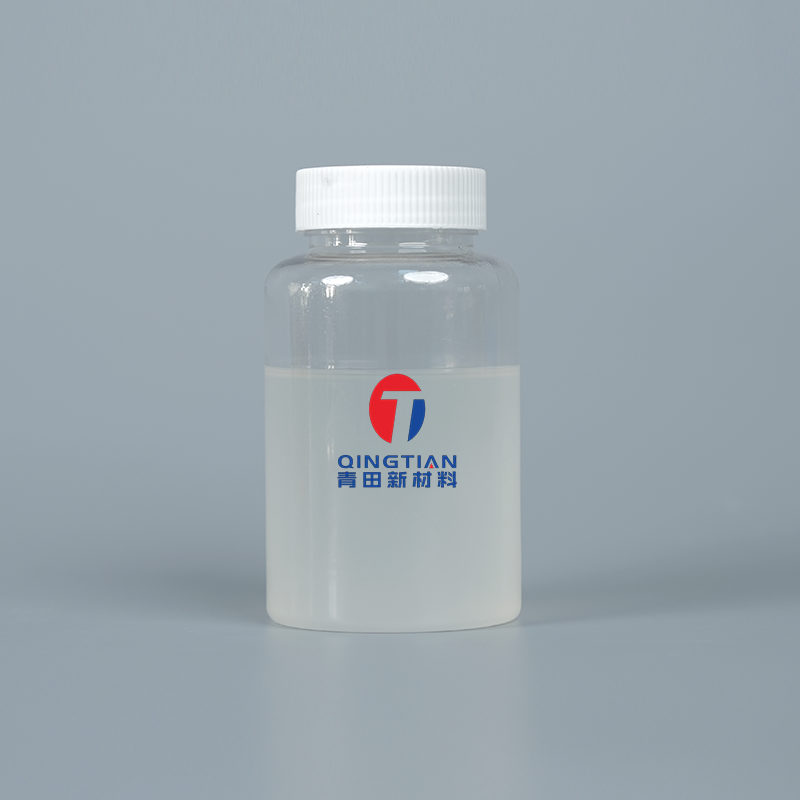
DH-8100 Hammer Tone Additive
One advantage of DH-8100 is the low recommended dosage range. An additive used at 0.3% to 0.8% can be incorporated into an existing coating formulation without creating a major change in the overall solids balance or raw-material structure. The precise economic benefit depends on the purchase price, formulation size, and coating consumption, but low-use-level additives can simplify production planning and reduce the quantity of specialty material required per batch.
A low addition level also gives formulators a relatively broad adjustment window. Instead of relying on a single fixed addition, the formulator can move gradually within the recommended range to adjust pattern fineness. This is useful when a customer requests a different appearance or when the same coating must be adapted to different application equipment.
The relationship between dosage and pattern size provides a straightforward starting point for development. A lower dosage normally produces a coarser pattern, while a higher dosage generally produces a finer pattern. This does not mean that every coating system will respond identically, because resin chemistry and application conditions have a strong influence. Nevertheless, the dosage relationship offers a useful formulation principle for initial screening.
Compared with an additive that produces only one fixed appearance, a dosage-responsive product can give manufacturers greater design flexibility. It may help reduce the number of separate effect products that need to be stocked for different visual requirements. The final selection should still be based on performance testing, color stability, storage behavior, and production repeatability.
DH-8100 is suitable for polyurethane, amino, acrylic, and alkyd series. This makes it relevant to a range of industrial coating formulations. Alkyd systems are widely used in air-drying and baking applications, while acrylic, polyurethane, and amino technologies may be selected when different combinations of hardness, appearance, chemical resistance, drying speed, or curing behavior are required.
Broad resin-system suitability can be valuable for coating manufacturers that supply multiple markets. A company may be able to evaluate the same hammer-tone additive in more than one product family instead of selecting an entirely different effect technology for each resin platform. Compatibility must always be confirmed through laboratory testing, especially when the additive is introduced into a new resin, pigment, solvent, or curing package.
The product is specifically applicable to aluminum-paste alkyd baking paint systems and air-drying mixed paint systems. Aluminum paste can create a reflective metallic foundation that emphasizes the three-dimensional nature of the surface. As the film develops texture, changes in light reflection make the pattern more visible and dynamic.
This combination can be especially effective in industrial decorative finishes. The coating may be used where the customer wants a metallic surface with more visual depth than a conventional smooth silver or aluminum finish. The final effect depends on the grade and concentration of aluminum paste, pigment orientation, resin clarity, application thickness, and the curing process.
The application guidance for DH-8100 is practical and production-oriented. It identifies several important operating points: slightly higher resin viscosity, approximately 5% higher solid content, adjustment with fast-drying solvents according to air temperature, slow stirring at about 500 rpm, and spray-panel verification.
These recommendations help connect the additive to actual coating operations. They also emphasize that a hammer-tone appearance must be developed through process control rather than simple mixing alone. The spray-panel step is particularly important because it provides a direct visual assessment before the material is released to a larger production batch.
Begin by selecting a resin system that is appropriate for the substrate, curing method, durability requirements, and intended end use. DH-8100 may be evaluated in polyurethane, amino, acrylic, and alkyd systems. The resin should be reviewed for compatibility with the selected pigment package, solvent system, curing agent, and production equipment.
For a baking coating, the oven schedule and curing temperature should be considered from the beginning. For an air-drying mixed paint, ambient temperature, humidity, ventilation, and pot life may have a greater influence. A formulation that develops an attractive pattern under one drying condition may require adjustment under another.
The base color should be matched before the hammer-tone additive is introduced. This is important because the additive is intended to influence surface pattern formation, not replace normal color development. Pigments, aluminum paste, extenders, and other color components should be dispersed properly before the effect additive is added.
In metallic systems, aluminum paste should be handled in accordance with the pigment supplier’s recommendations. Excessive shear can damage the shape or orientation behavior of certain metallic pigments. The complete pigment package should be evaluated for compatibility with the resin and solvent balance before the additive is incorporated.
The resin requires a slightly higher viscosity than usual for a smooth coating. This additional body helps the film retain sufficient structure while the hammer-tone pattern develops. If the viscosity is too low, the coating may flow excessively and lose pattern definition. If it is too high, atomization, leveling, coverage, and spray appearance may be adversely affected.
The solid content should be approximately 5% higher than usual as an initial guideline. The exact adjustment depends on the resin, pigment concentration, application method, wet-film thickness, and drying environment. Higher solids may help provide adequate film body, but excessive solids can affect sprayability and surface uniformity.
Fast-drying solvents can be used to adjust the drying balance, particularly when air temperature changes. In a cool environment, evaporation may be slower, and the film may remain mobile for a longer time. In a warm or highly ventilated environment, rapid solvent loss may reduce flow time and alter pattern development. Solvent selection should therefore be evaluated together with temperature, humidity, airflow, and equipment settings.
After the color has been matched and the base coating has been adjusted, add DH-8100 at an initial level within the 0.3% to 0.8% range. A mid-range starting point may be useful for screening, followed by lower and higher additions to establish the visual response of the specific formulation.
The additive should be introduced gradually and stirred slowly at approximately 500 rpm. The purpose of slow incorporation is to achieve uniform distribution without introducing unnecessary air or subjecting the material to excessive mechanical stress. The exact mixing time should be determined by batch size, vessel geometry, impeller type, and the viscosity of the coating.
After addition, inspect the mixture for uniformity, air entrapment, color change, viscosity shift, and any signs of incompatibility. If the product is being introduced into a new resin system, a small laboratory batch should be evaluated before production-scale use.
A test panel should be sprayed after the additive has been incorporated. The panel should use the same or closely comparable substrate, pretreatment, spray equipment, film thickness, and drying conditions expected in production. If the final coating will be applied over a primer or intermediate coat, the test should include the same layer structure.
Evaluation should include pattern size, pattern distribution, metallic orientation, gloss, color uniformity, edge coverage, sag resistance, drying, adhesion, and surface defects. The panel should be inspected both immediately after application and after complete drying or curing. Some surface effects change as solvents evaporate and the resin crosslinks.
If the pattern is too coarse, the additive level may be increased gradually. If the pattern is too fine or the surface appears overly structured, the dosage may be reduced. Other variables, such as viscosity, film thickness, solvent speed, and spray distance, should also be reviewed before making a final decision.
Viscosity is one of the most important variables in hammer-tone coating development. It affects atomization, wet-film flow, leveling, sag resistance, and the ability of the coating to preserve local surface differences. A low-viscosity formulation may produce weak or unstable pattern development, while an excessively high-viscosity formulation may create poor atomization and uneven coverage.
Viscosity should be measured at a defined temperature using a consistent test method. Comparing values taken at different temperatures can lead to incorrect conclusions. Production operators should also consider the viscosity at the actual application temperature rather than relying only on room-temperature laboratory measurements.
Solid content influences film build and the amount of material remaining after solvent evaporation. The recommendation to use approximately 5% higher solids than a conventional formulation provides a starting point for creating sufficient film body. However, excessive film thickness can affect drying, hardness, solvent release, and appearance.
Film thickness should be measured where possible. Both under-application and over-application can change the pattern. A thin film may not develop sufficient visual depth, while a thick film may produce excessive texture, slow drying, or unevenness at edges and corners.
Solvent evaporation determines how long the wet film remains capable of flowing and reorganizing. Fast-drying solvents may help compensate for high temperatures or excessive open time, but the balance must be controlled. If the film dries too rapidly, the desired pattern may not have enough time to form. If it dries too slowly, the coating may sag, collect dust, or produce an irregular pattern.
Solvent selection also affects spray atomization, surface wetting, resin compatibility, and final gloss. A solvent blend should therefore be selected as part of the complete formulation rather than changed independently without testing.
Spray equipment affects the distribution and appearance of the coating. Nozzle size, fluid pressure, atomizing pressure, spray distance, gun movement, overlap, and application speed all influence film deposition. Equipment should be maintained in a consistent condition, and operators should use a repeatable technique.
When transferring a formulation from laboratory spray equipment to a production line, the difference in atomization energy and deposition rate should be taken into account. A coating may need viscosity or solvent adjustment to reproduce the same pattern at a different scale.
The substrate must be clean, dry, and appropriately prepared. Oil, dust, moisture, rust, release agents, and other contaminants can cause craters, pinholes, poor adhesion, or uneven pattern formation. The roughness and absorbency of the substrate can also change the way the wet coating spreads.
Metal substrates may require cleaning, conversion treatment, priming, or other pretreatment according to the end-use requirements. The hammer-tone additive should not be used as a substitute for proper substrate preparation or adhesion design.
Ambient temperature influences viscosity and solvent evaporation. Humidity may affect drying, surface appearance, and the risk of moisture-related defects. Baking systems are additionally influenced by metal temperature, oven airflow, heating rate, and residence time.
For reliable production, application conditions should be recorded along with batch number, additive dosage, viscosity, solid content, film thickness, and drying schedule. This information helps identify the causes of variation and supports continuous process improvement.
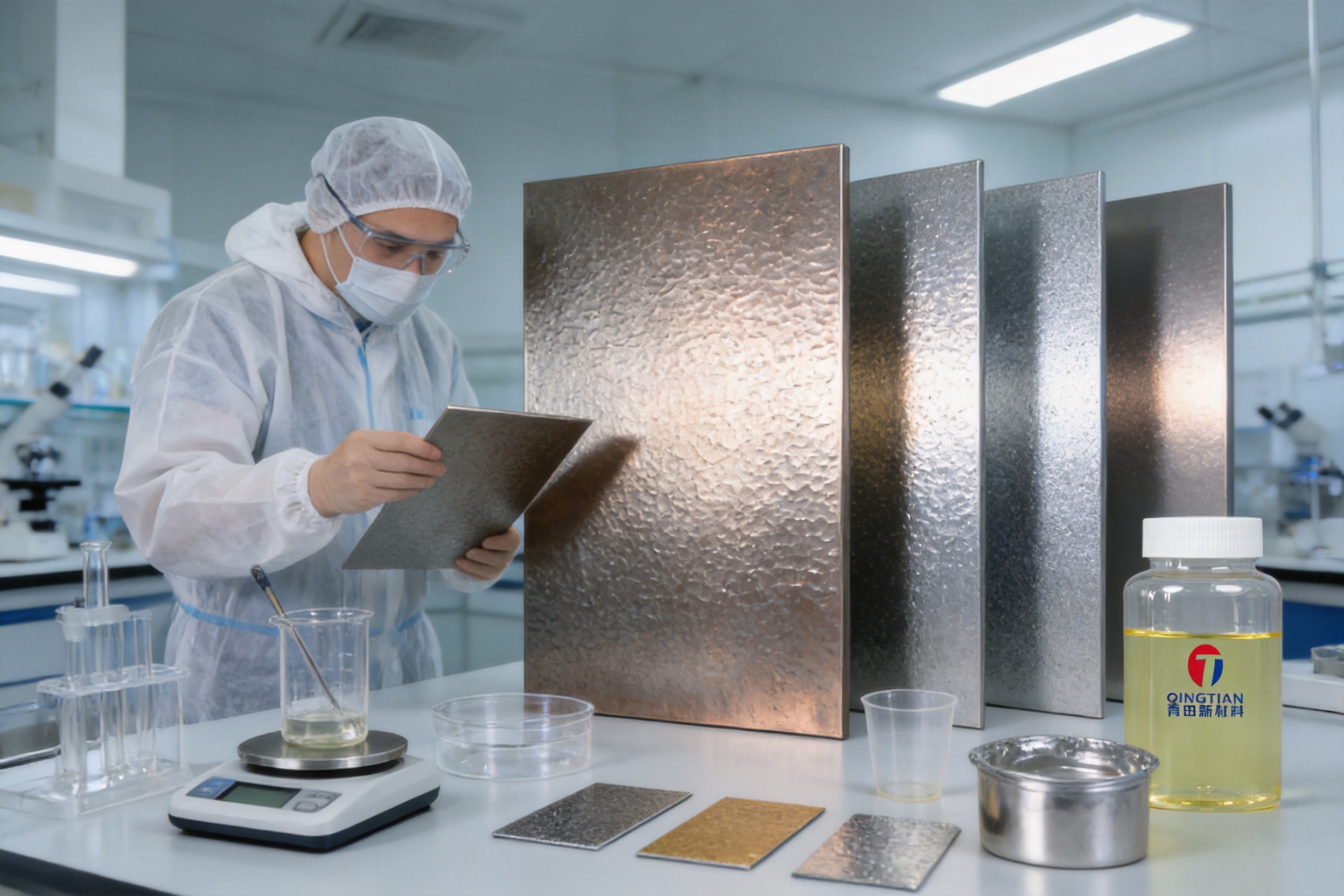
Aluminum-paste alkyd baking paints are a central application area for DH-8100. In this type of system, the aluminum pigment can provide a bright reflective base, while the additive contributes to a textured three-dimensional appearance. Baking can improve hardness, adhesion, and resistance depending on the resin and curing formulation.
The final finish may be suitable for metal components, equipment housings, panels, hardware, and other products that require a decorative industrial surface. The appropriate curing schedule must be established through testing, because insufficient or excessive baking can affect both the resin properties and the visual pattern.
DH-8100 can also be evaluated in air-drying mixed paint systems. These systems may be selected when oven curing is unavailable or when the product design requires ambient drying. The formulator must pay particular attention to open time, solvent evaporation, humidity, surface dryness, through-drying, and pot life.
Because air-drying conditions can vary substantially, a coating that performs well in a controlled laboratory may require different solvent or viscosity adjustments on a job site or in a factory with changing environmental conditions. Spray-panel testing under representative conditions is therefore essential.
Hammer-tone finishes are often selected for products where appearance and surface differentiation are important. Possible areas include machine covers, metal cabinets, control boxes, lighting components, furniture hardware, tools, appliance parts, and decorative industrial panels. Suitability depends on the coating’s complete performance profile and the customer’s requirements.
The textured appearance can create a premium visual impression without requiring complicated multi-layer decorative processes. It may also help distinguish product lines by color and pattern. A manufacturer can develop different visual grades by adjusting the color, metallic pigment, additive level, film thickness, and gloss.
The supplier behind DH-8100 is a professional manufacturer and solution provider specializing in raw materials for coatings, inks, and adhesives. Its product portfolio includes dispersants, leveling agents, defoamers, adhesion promoters, anti-settling agents, cooling agents, conductive agents, orange-peel texture agents, texture powders, and wax powders.
This broad portfolio is relevant to hammer-tone coating development because surface effects rarely depend on one additive in isolation. A formulator may need to manage pigment wetting, foam control, leveling, adhesion, settling, surface texture, and abrasion resistance within the same coating. A supplier with experience across these additive categories can provide a broader technical perspective during product development.
The company was founded in 2012 and has developed an experienced team that includes research and development specialists, sales professionals, and technical personnel. Its modern production facility and testing equipment support product evaluation, process control, and customer-oriented formulation work.
Research capability is particularly important for effect additives. A hammer-tone product must be assessed not only for its ability to create a pattern but also for storage stability, compatibility, batch consistency, ease of dispersion, influence on gloss, and behavior under different application conditions. Laboratory testing helps establish recommended use levels and provides data for customer trials.
The supplier has also developed products for steel and aluminum coil coatings, plastic coatings, UV-curing applications, anticorrosion coatings, wood coatings, glass coatings, epoxy flooring, printing inks, power batteries, photovoltaic panels, and other industries. This cross-industry experience can contribute to a deeper understanding of resin chemistry, substrate requirements, process conditions, and functional performance.
The company’s development milestones include the creation of a domestic ice-flower resin in 2016, recognition as a National High-Tech Enterprise in 2020, and relocation to an intelligent manufacturing park in the Zhangjiagang High-Tech Zone in 2021. These milestones indicate an ongoing focus on research, manufacturing capability, and production development.
Manufacturing an effect additive requires more than simply blending raw materials. The production process must control raw-material identification, weighing, charging sequence, dispersion or mixing conditions, temperature, filtration, packaging, and batch release. Variations in any of these stages can influence the final coating appearance.
A controlled charging sequence helps ensure that functional components are incorporated consistently. Mixing speed and time should be selected according to the material’s rheology and the equipment configuration. Excessive shear may affect certain additive structures, while insufficient mixing may lead to localized concentration differences.
Temperature control is also important. Some raw materials are sensitive to heat, and temperature changes can alter viscosity, solvent balance, or compatibility. Monitoring the process enables the manufacturer to maintain consistent conditions between batches.
Filtration and cleanliness help reduce the risk of unwanted particles entering the finished product. Packaging should protect the additive from contamination, moisture, and inappropriate temperature exposure. Storage recommendations should be followed, and each batch should be identified for traceability.
For a hammer-tone additive, quality control should address more than appearance alone. Typical evaluation areas may include color or visual condition, viscosity, density, nonvolatile content where applicable, compatibility, storage stability, and performance in a standard reference formulation.
A reference formulation can be used to compare batches under controlled conditions. The same resin, pigment, solvent, dosage, mixing procedure, spray equipment, and drying schedule should be used for comparison. This helps determine whether a change in pattern is related to the additive batch or to another formulation variable.
Consistent manufacturing is one of the most important advantages a professional additive supplier can offer. Customers need to reproduce the same appearance from batch to batch and from one production site to another. Reliable quality systems reduce the amount of adjustment required at the customer’s plant.
Technical support is valuable when a customer is developing a new hammer-tone finish. The supplier can help structure a screening program, recommend starting dosages, identify important process variables, and interpret differences between test panels. The objective is not simply to sell an additive but to help the customer achieve a stable and repeatable coating result.
Support may include formulation discussions, sample preparation, application recommendations, troubleshooting, and coordination of performance testing. The exact scope depends on the project, but technical communication can shorten development time and reduce unnecessary trial-and-error work.
Conventional smooth coatings are designed primarily to level and produce a uniform surface. While they may provide excellent gloss and color consistency, they do not normally create a deliberate hammer-tone structure. A specialized additive is therefore needed when a manufacturer wants a controlled three-dimensional effect.
Compared with relying only on high film thickness, DH-8100 offers a more direct approach to pattern development. Increasing film thickness alone can cause sagging, slow drying, solvent retention, and inconsistent coverage. A suitable effect additive can help generate the desired appearance at a more manageable film build, although the complete formulation must still be optimized.
Compared with using a coarse physical texture powder, a hammer-tone additive can create a different type of visual effect. Texture powders often create more pronounced particulate or tactile roughness, while a hammer-tone additive can produce a patterned appearance through wet-film behavior and surface formation. The appropriate choice depends on whether the customer wants visual patterning, physical roughness, slip control, abrasion resistance, or a combination of these properties.
Compared with a fixed-effect product, the adjustable dosage behavior of DH-8100 provides greater flexibility during development. A manufacturer can investigate coarse and fine patterns within one additive platform by changing the addition level, while also adjusting viscosity and solvent balance to suit the coating system.
| Development Approach | Typical Characteristics | Potential Limitation | Role of DH-8100 |
|---|---|---|---|
| Conventional smooth coating | Uniform film and conventional leveling | Does not inherently create a hammer-tone pattern | Introduces a specialized surface-effect option |
| Very high film build | May increase visual depth through thickness | Can create sagging, slow drying, and uneven coverage | Supports pattern development without relying only on excessive film build |
| Texture powder | Creates particulate or tactile surface roughness | May not provide the desired metallic hammer-tone appearance | Provides a different pattern-forming mechanism |
| Single fixed-dose effect additive | Designed for a specific visual grade | Limited flexibility for different customer preferences | Allows pattern adjustment across a recommended dosage range |
| Manual process variation | Appearance depends heavily on operator technique | May cause inconsistent batch-to-batch results | Can be integrated with defined viscosity, dosage, and spray-panel procedures |
If the pattern is coarser than desired, first confirm the additive dosage, resin viscosity, solid content, and film thickness. The dosage may be increased gradually within the recommended range to investigate whether a finer pattern develops. The coating should also be checked for excessive dilution or insufficient film body.
Application conditions should be reviewed as well. A very slow solvent blend, low ambient temperature, or excessive wet-film thickness may allow large pattern structures to develop. Any adjustment should be tested on a new panel rather than made directly to a large production batch.
If the pattern is too fine, the dosage may be reduced gradually. The formulator should also check whether the coating viscosity is too high, whether the solvent system is drying too quickly, or whether the film is being applied too thinly. The target appearance should be evaluated after complete drying or curing because the pattern may change during film formation.
Uneven pattern formation may result from poor mixing, inconsistent spray technique, unstable viscosity, pigment settling, substrate contamination, or variation in film thickness. The mixture should be inspected for uniformity, and the production vessel should be checked for dead zones or inadequate circulation.
Spray pressure and gun movement should be standardized. Operators should maintain a consistent spray distance and overlap. If the defect appears only on certain parts of the substrate, surface preparation or temperature differences may be contributing factors.
If the aluminum effect becomes dull or poorly oriented, the pigment package, resin clarity, solvent balance, film thickness, and mixing energy should be examined. Metallic pigments may require careful handling to preserve their reflective behavior. The hammer-tone additive should be evaluated within the complete formulation rather than blamed for every change in metallic appearance.
Poor adhesion is usually related to substrate preparation, primer compatibility, resin selection, curing, contamination, or excessive internal stress. The effect additive should be tested as part of a complete coating system. Cross-hatch adhesion, solvent resistance, hardness, and other relevant tests should be performed after the coating has fully dried or cured.
Foaming and pinholes may result from air entrapment during mixing, excessive agitation, contaminated equipment, rapid solvent evaporation, or poor substrate wetting. Slow stirring during final additive incorporation can help limit unnecessary air introduction. The formulation may also require a compatible defoamer, but any additional additive should be checked for its influence on the hammer-tone pattern.
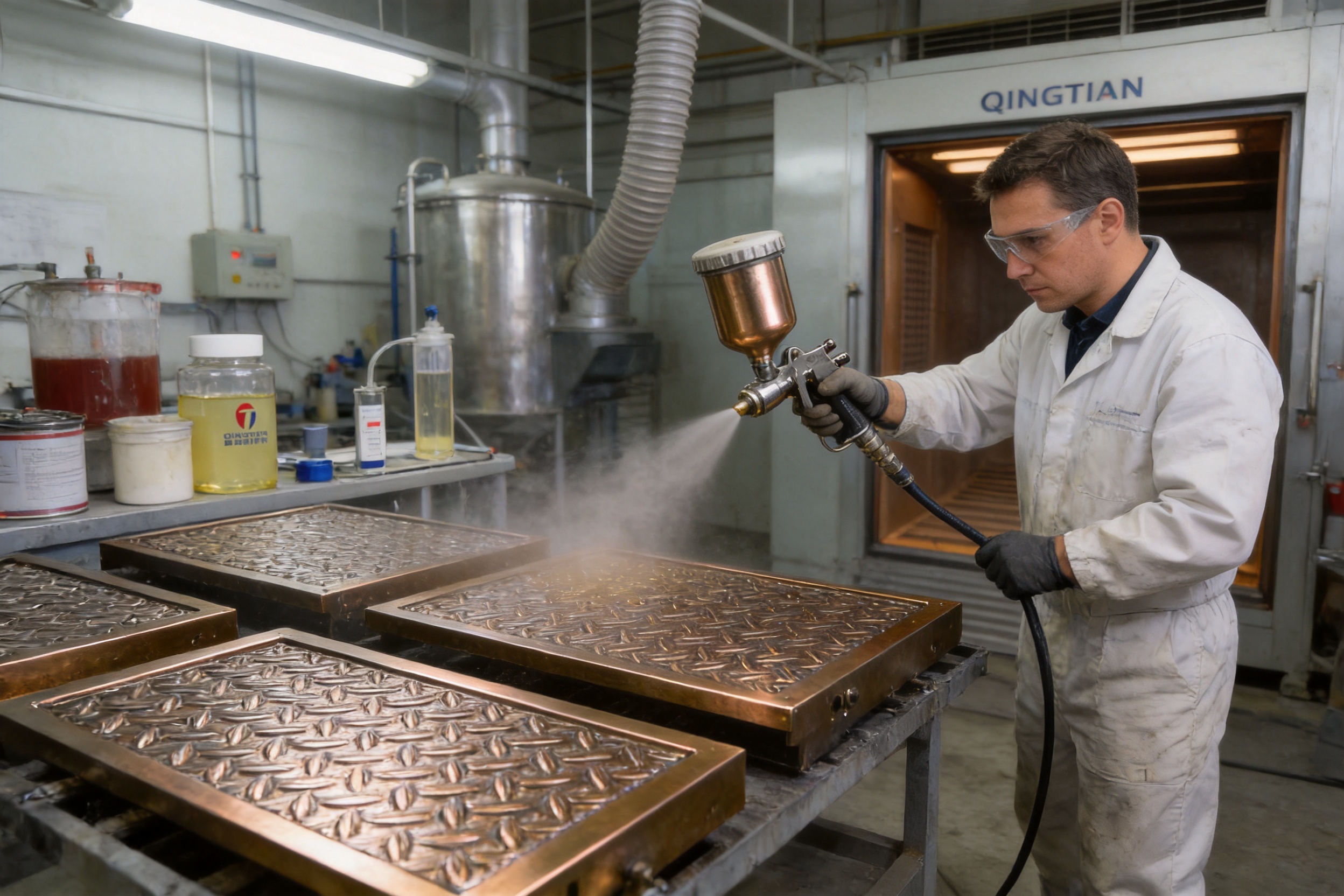
A complete evaluation program should combine visual assessment with physical and chemical testing. Visual assessment should include pattern size, distribution, color, gloss, metallic appearance, edge behavior, and overall uniformity. Panels should be compared under consistent lighting because textured and metallic finishes can appear different at different viewing angles.
Physical testing may include adhesion, hardness, flexibility, impact resistance, abrasion resistance, solvent resistance, water resistance, humidity resistance, and corrosion resistance, depending on the end-use requirements. The additive’s effect on these properties must be assessed in the finished coating system.
For baking systems, testing should be conducted after the specified cure schedule. For air-drying systems, panels should be allowed to reach the required drying or aging stage before final evaluation. Early observations can be useful for process control, but they should not replace final performance testing.
Storage stability should also be considered. The coating should be observed for settling, viscosity change, skin formation, separation, gelation, and changes in pattern development after storage. If the additive is supplied separately, its own storage stability and handling behavior should be evaluated before use.
Coating manufacturers should select solvents, resin systems, and application procedures in accordance with applicable environmental and workplace requirements. The use of fast-drying solvents may improve application balance under certain conditions, but solvent handling, ventilation, fire safety, and emissions control must be managed responsibly.
Operators should use appropriate personal protective equipment and follow the safety instructions provided for the coating system and raw materials. The additive should be handled according to its technical and safety documentation. Safe handling practices are particularly important during weighing, mixing, spraying, oven curing, and equipment cleaning.
Process efficiency can be improved by preparing small trial batches, documenting each formulation change, and using standardized test panels. This approach reduces waste caused by repeated uncontrolled trials. It also helps production teams identify the smallest adjustment necessary to reach the desired appearance.
Effect additives are sensitive to formulation context. A product that works well in one resin may behave differently in another. A dosage that produces a fine pattern in one pigment system may produce a different result in another. This is why supplier expertise, laboratory capability, and communication are important when selecting a hammer-tone additive.
A supplier with experience in dispersants, leveling agents, defoamers, adhesion promoters, anti-settling agents, texture products, and wax powders can help customers consider the complete coating system. For example, excessive leveling may reduce the desired pattern, while insufficient defoaming may create defects. Settling of aluminum paste may cause color and appearance variation. Adhesion promoters or other additives may be needed depending on the substrate.
The supplier’s focus on coatings, inks, and adhesives also supports cross-application learning. Principles related to wetting, surface tension, film formation, pigment distribution, and rheology are relevant across these industries. Experience in different sectors can encourage practical problem-solving and more efficient formulation development.
A structured development program is the most reliable way to use DH-8100. Begin with a base formulation that already provides acceptable color, adhesion, drying, and basic film performance. Then prepare a dosage ladder across the recommended range. Keep all other variables constant during the first screening stage.
After identifying the preferred dosage, optimize viscosity, solid content, solvent evaporation, film thickness, and spray parameters. Prepare panels under both laboratory and representative production conditions. If the coating will be used in different seasons or facilities, include temperature and humidity variations in the development plan.
Once the appearance has been selected, confirm performance through adhesion, hardness, flexibility, chemical resistance, storage stability, and other relevant tests. Establish a production specification covering additive dosage, mixing sequence, mixing speed, viscosity range, solid content, film thickness, drying or baking conditions, and acceptance criteria for the finished appearance.
This procedure transforms an attractive laboratory effect into a controllable industrial coating process. It also reduces the risk that a visual effect will be approved without sufficient attention to durability or production consistency.
DH-8100 is used to create a hammer-tone or three-dimensional surface effect in suitable polyurethane, amino, acrylic, and alkyd coating systems. It is especially applicable to aluminum-paste alkyd baking paints and air-drying mixed paint systems.
The recommended addition level is generally 0.3% to 0.8%. The exact dosage should be selected through trial testing because the resin, pigment package, viscosity, solvent balance, film thickness, and application conditions affect the final pattern.
As a general guideline, a lower dosage produces a coarser pattern, while a higher dosage produces a finer pattern. The relationship should be confirmed in the specific coating system before production use.
The base coating should normally be matched to the required color first. DH-8100 can then be added and slowly stirred into the finished color-adjusted coating. This procedure makes it easier to evaluate the additive’s effect on pattern formation.
Slow stirring at approximately 500 rpm is recommended during the final addition stage. The exact mixing time depends on the batch size and equipment, but unnecessary high shear and excessive air incorporation should be avoided.
Yes. The resin generally requires a slightly higher viscosity than a conventional smooth coating. Viscosity should be optimized through spray-panel testing so that the coating has enough body to develop a pattern without losing sprayability or leveling control.
Solid content approximately 5% higher than usual can help provide sufficient film body for pattern development. This is a starting guideline rather than an absolute requirement. Excessive solids can affect atomization, drying, and surface uniformity, so the final level must be determined by testing.
Yes. It can be evaluated in air-drying mixed paint systems. Ambient temperature, humidity, ventilation, solvent evaporation, and drying time should be controlled because these factors strongly influence the final pattern.
Yes. The product is suitable for aluminum-paste alkyd baking paint systems. The aluminum paste grade, pigment concentration, mixing procedure, and resin clarity should be optimized together with the hammer-tone additive.
Check additive dosage, mixing uniformity, viscosity, film thickness, spray technique, substrate preparation, temperature, humidity, solvent balance, and pigment settling. A controlled spray-panel comparison can help identify the main cause.
No. DH-8100 is a hammer-tone surface-effect additive. Other additives may still be required for foam control, adhesion, wetting, settling control, or other performance requirements. Each additional additive should be tested for compatibility and its influence on the desired pattern.
A spray panel shows how the complete formulation behaves under actual application conditions. It helps evaluate pattern scale, color, metallic appearance, film uniformity, drying, and defects before the material is used in a larger production batch.
No. The suitability depends on the customer’s visual requirements, substrate, durability expectations, application method, and regulatory or process conditions. Performance testing should be completed before commercial approval.
DH-8100 Hammer Tone Additive provides coating formulators with a practical method for creating a controlled hammer-tone and three-dimensional appearance. Its suitability for polyurethane, amino, acrylic, and alkyd systems gives it broad development potential, while its application in aluminum-paste alkyd baking paints and air-drying mixed paint systems makes it relevant to industrial decorative coatings.
The product’s main formulation advantages include a low recommended addition level, adjustable pattern size, compatibility with several resin families, and clear process guidance. A dosage range of 0.3% to 0.8% allows the formulator to investigate coarse and fine visual patterns, while viscosity and solvent adjustments help adapt the coating to different temperatures and application conditions.
Successful use depends on treating the additive as part of a complete coating system. Resin selection, color matching, pigment handling, solid content, viscosity, solvent evaporation, film thickness, substrate preparation, spray equipment, and curing conditions must all be considered. Controlled spray-panel testing is essential for achieving repeatable production results.
The supplier’s broader experience in coating, ink, and adhesive additives, together with its research team, testing resources, manufacturing facilities, and intelligent production development, supports the technical requirements of effect-additive applications. For customers seeking a distinctive industrial finish, DH-8100 offers a flexible starting point for developing attractive, adjustable, and commercially repeatable hammer-tone coatings.
1. Supplier Technical Product Information, DH-8100 Hammer Tone Additive, product application and processing guidance.
2. Supplier Corporate Information, coatings, inks, and adhesives additive portfolio and manufacturing development profile.
3. Paint and Coating Formulation Principles, discussion of resin selection, pigment dispersion, solvent balance, viscosity, and film formation.
4. Industrial Coatings Application Practice, guidance on spray application, film thickness, drying conditions, and production process control.
5. Metallic Pigment Technology, general principles of aluminum-paste handling, orientation, reflectivity, and appearance evaluation.
6. Coatings Quality Control Methods, recommended approaches for laboratory panels, batch comparison, adhesion testing, hardness testing, and storage evaluation.
7. Industrial Surface Finishes and Decorative Coatings, general considerations for texture development, three-dimensional effects, and appearance consistency.
 Wholesale Paint/ Coating Additives Manufacturers
Custom Industrial Chemical Solutions Suppliers
Wholesale Paint/ Coating Additives Manufacturers
Custom Industrial Chemical Solutions Suppliers